
Test bank
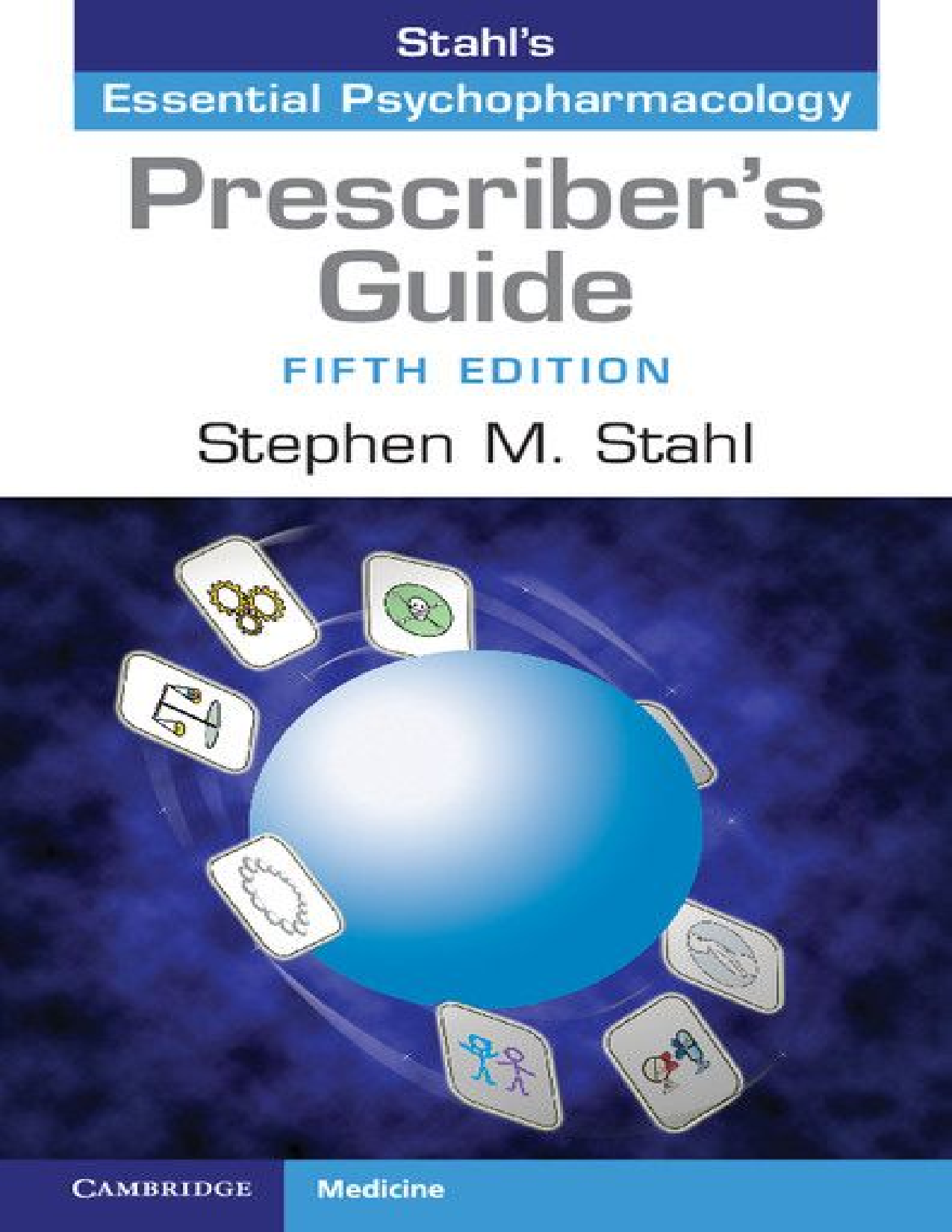
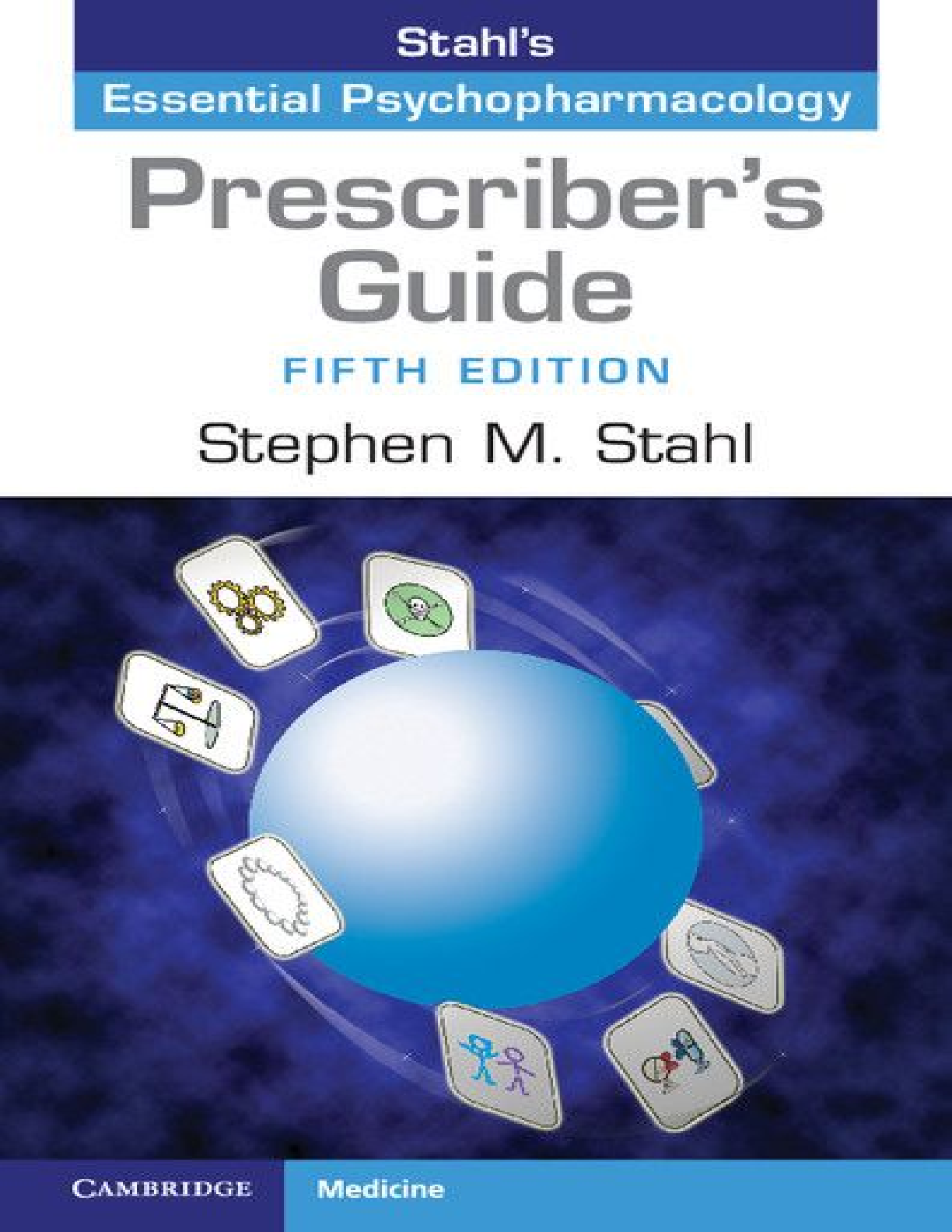
Stahl's Essential Psychopharmacology: Prescriber's Guide
Test Bank for Stahl's Essential Psychopharmacology: Prescriber's Guide (5th Edition) is a comprehensive instructor resource designed to support education in clinical psychopharmacology and psychiatric prescribing. It provides structured assessment materials aligned with the textbook to help educators evaluate learners' understanding of psychotropic medications, evidence-based prescribing principles, medication selection, dosing strategies, monitoring, and safe pharmacologic management of psychiatric disorders.
Organized by textbook chapter and medication categories, the test bank emphasizes practical prescribing decisions that healthcare professionals encounter in clinical practice. It integrates pharmacologic knowledge with patient assessment and individualized treatment planning, preparing learners to make safe, effective, and evidence-informed medication decisions.
The resource covers major psychopharmacology topics, including:
* Foundations of psychopharmacology and psychiatric prescribing
* Principles of evidence-based medication selection
* Pharmacokinetics and pharmacodynamics
* Medication dosing and titration strategies
* Drug interactions and contraindications
* Medication safety and adverse effect management
* Monitoring treatment response and therapeutic outcomes
* Switching, augmenting, and discontinuing psychotropic medications
* Special prescribing considerations for diverse patient populations
* Patient education and medication adherence
Major psychotropic medication classes include:
* Antidepressants
* Selective serotonin reuptake inhibitors (SSRIs)
* Serotonin-norepinephrine reuptake inhibitors (SNRIs)
* Tricyclic antidepressants (TCAs)
* Monoamine oxidase inhibitors (MAOIs)
* Atypical antidepressants
* Antipsychotic medications
* Mood stabilizers
* Anxiolytics
* Sedative-hypnotics
* Stimulants and ADHD medications
* Cognitive-enhancing medications
* Medications for substance use disorders
* Sleep medications and other psychiatric therapeutics
The test bank addresses pharmacologic management of common psychiatric conditions, including:
* Major depressive disorder
* Anxiety disorders
* Bipolar disorder
* Schizophrenia spectrum disorders
* Psychotic disorders
* Obsessive-compulsive disorder (OCD)
* Post-traumatic stress disorder (PTSD)
* Attention-deficit/hyperactivity disorder (ADHD)
* Substance use disorders
* Insomnia and sleep-related disorders
* Neurocognitive disorders and dementia-related symptoms
The resource emphasizes clinical application by requiring learners to analyze patient scenarios, select appropriate medications, determine dosing regimens, recognize contraindications, identify adverse effects, monitor treatment progress, and adjust pharmacologic therapies based on patient response. Questions encourage clinical reasoning by integrating psychiatric assessment with safe prescribing practices and medication management.
The resource typically includes a variety of assessment formats, such as:
* Multiple-choice questions
* Multiple-response (Select All That Apply) questions
* True/False questions
* Matching questions
* Case-based prescribing scenarios
* Clinical judgment and medication management questions
* Critical-thinking and pharmacotherapy application exercises
Additional instructional features commonly include:
* Chapter-by-chapter organization aligned with the textbook
* Answer keys for assessment and review
* Questions progressing from foundational prescribing principles to advanced clinical applications
* Practice interpreting medication profiles, dosing recommendations, adverse effects, monitoring parameters, and treatment outcomes
* Support for quizzes, examinations, graduate education, clinical training, and prescribing competency development
Nursing students, instructors, and exam preparation users.
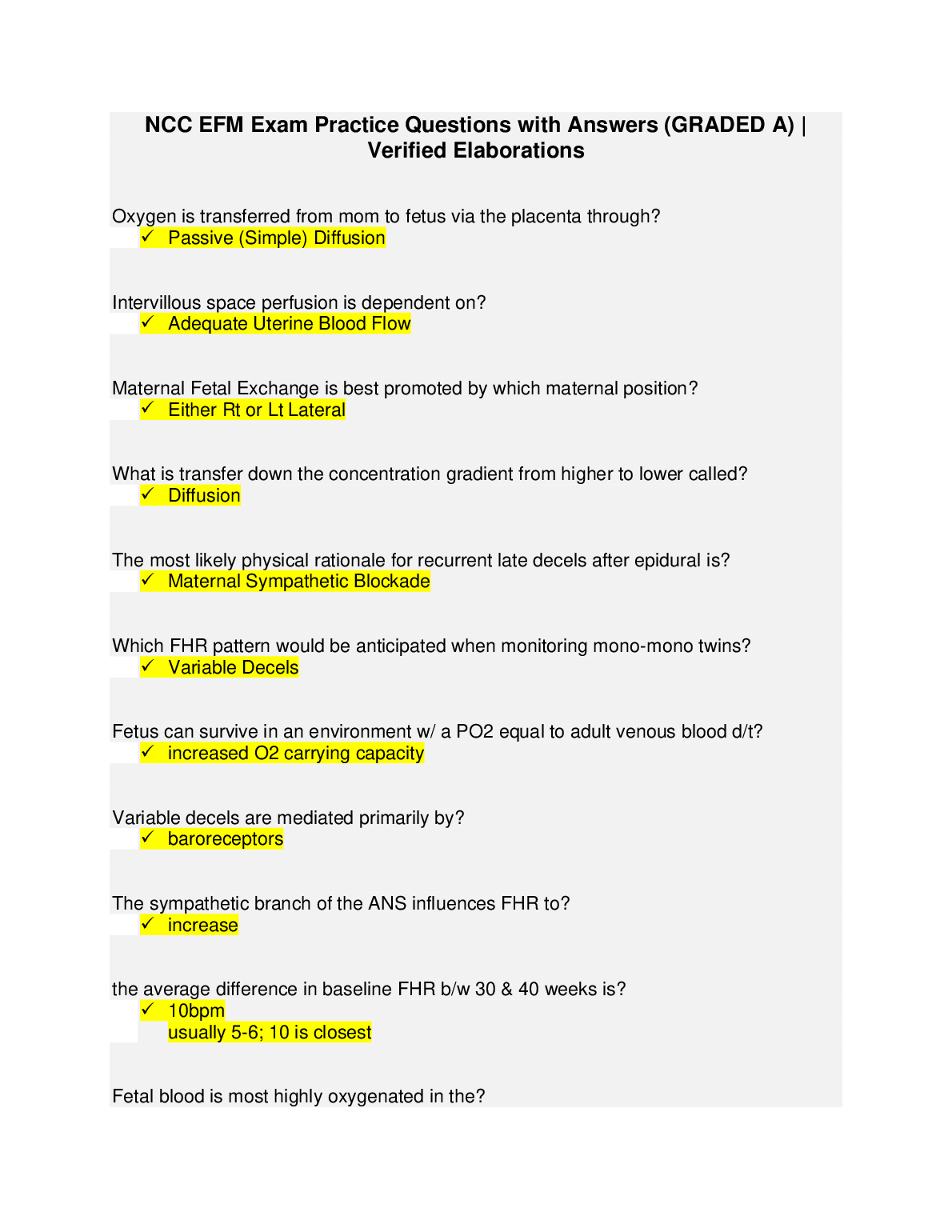
Master Ncc Efm Exams With Graded Practice Questions On Fetal Heart Rate Monitoring, V...
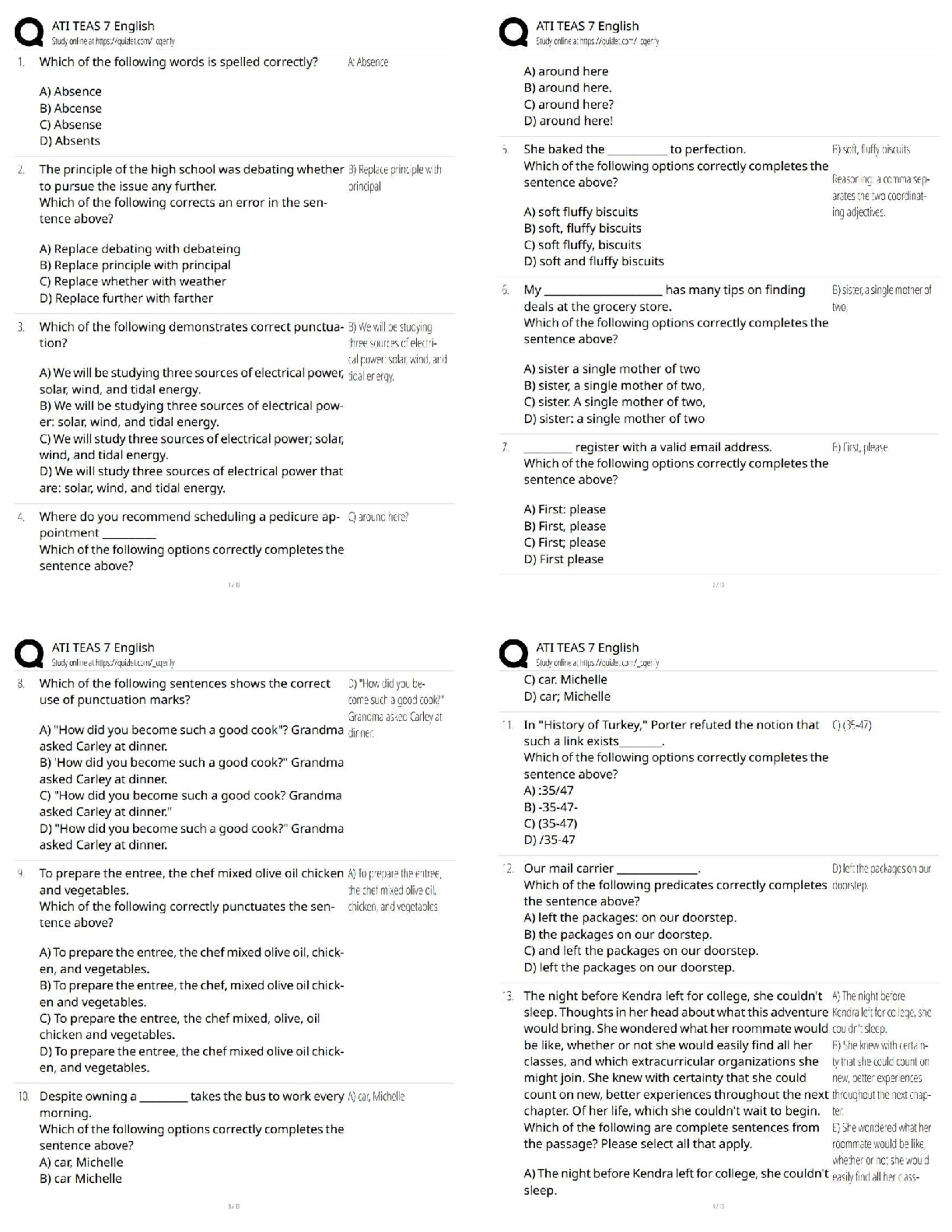
Master The ATI TEAS 7 English Section With This Verified Test Bank. Improve Grammar,...
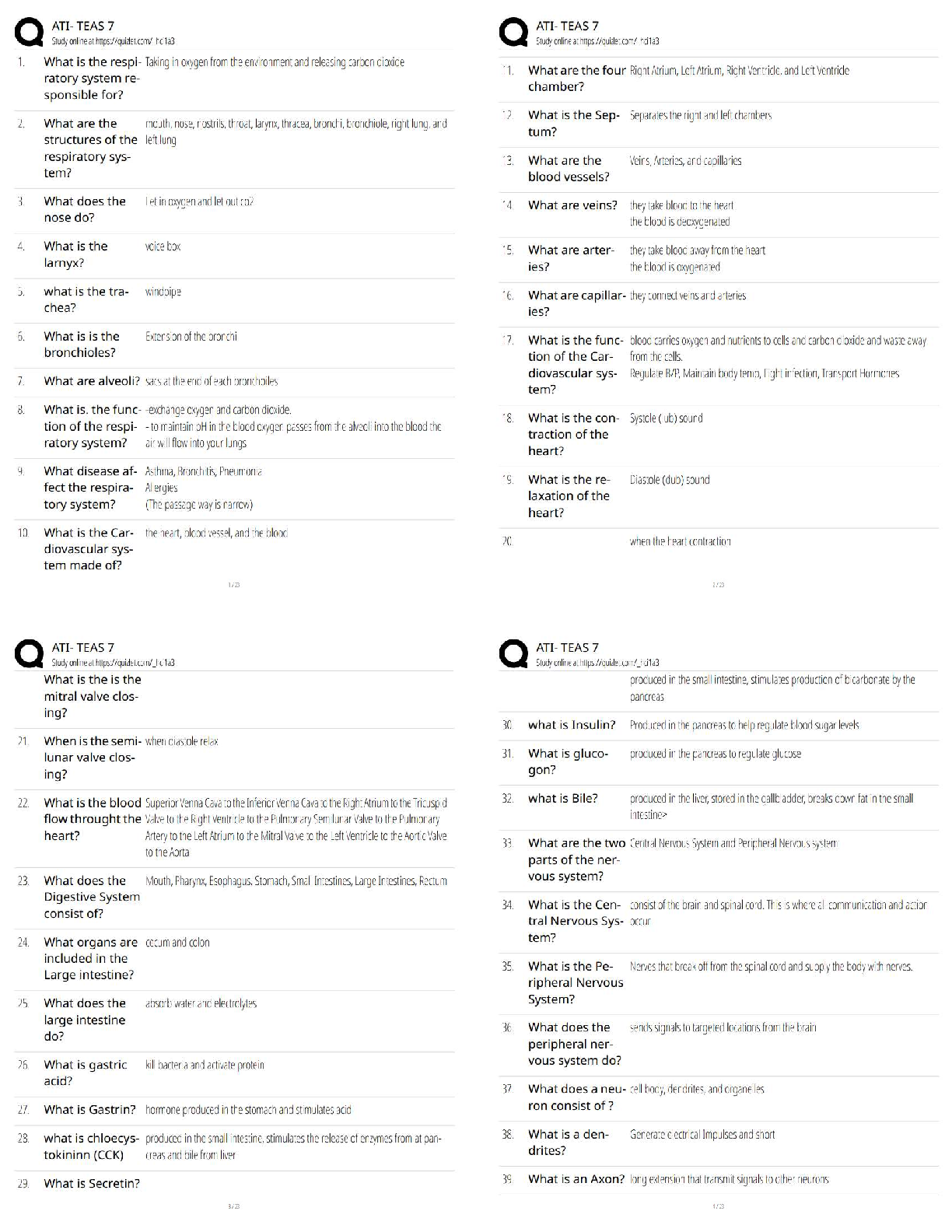
Master ATI TEAS 7 With Our Verified 2026 Test Bank. Covers Respiratory, Cardiovascula...
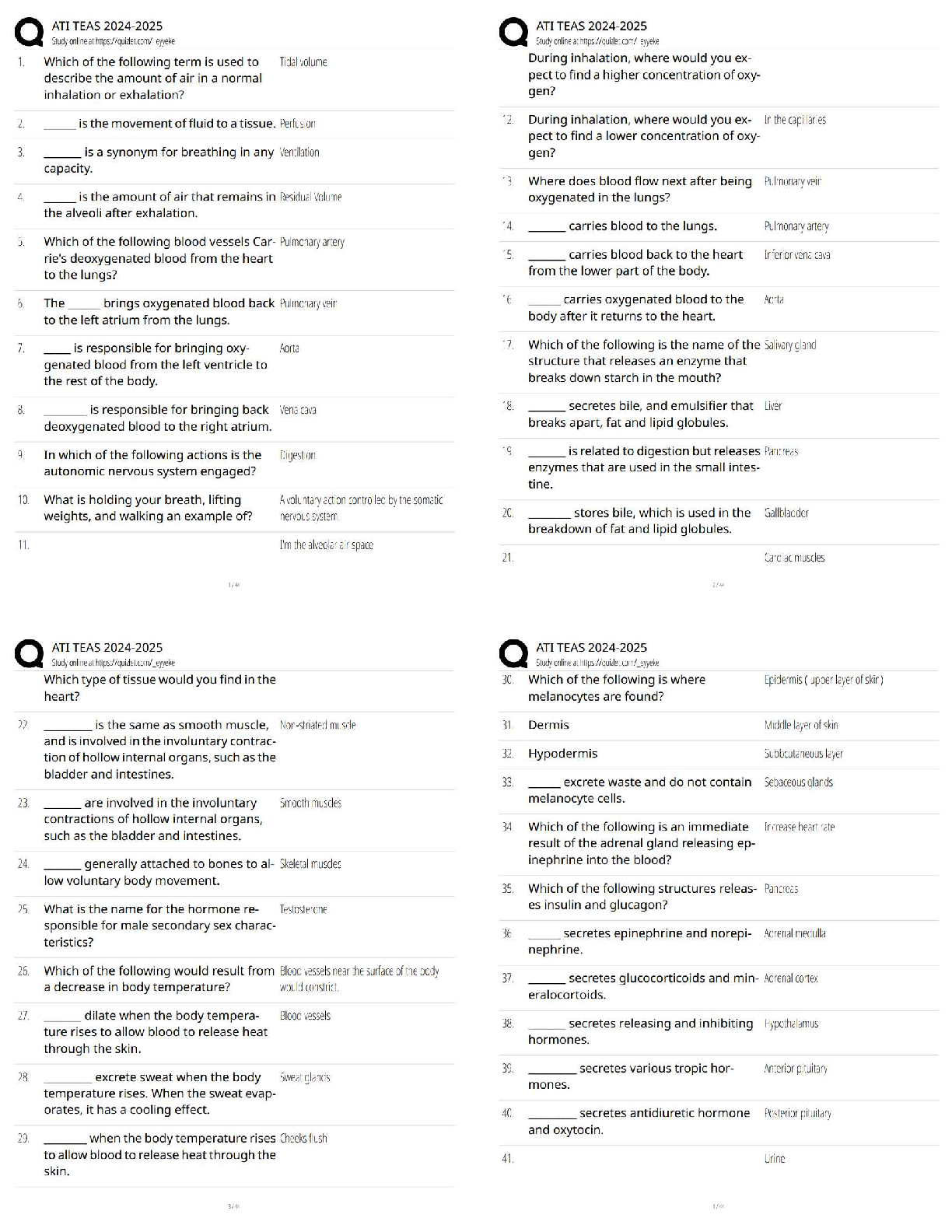
Ace The ATI TEAS 7 Exam On Your First Try. Access Hundreds Of Practice Questions, Det...