
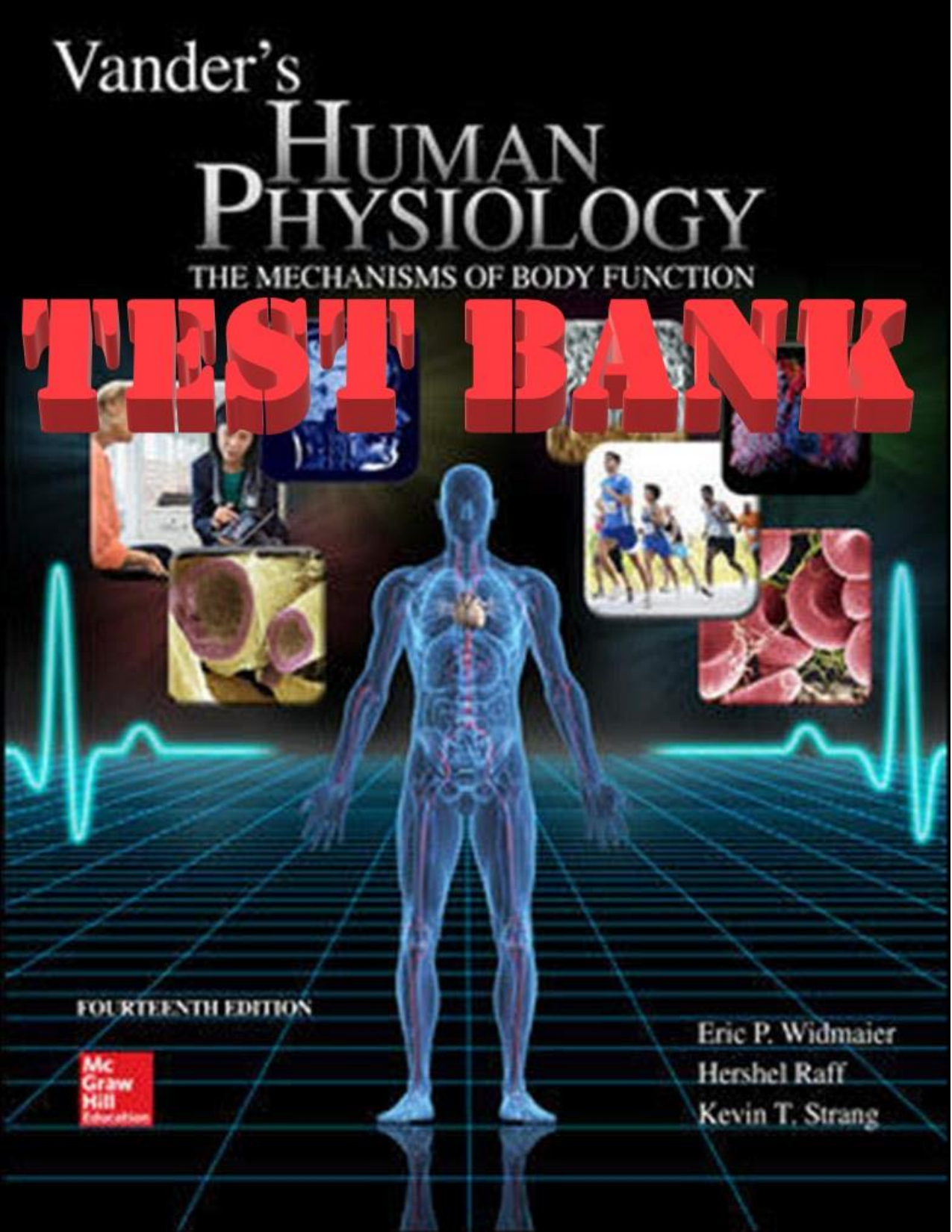
Test bank
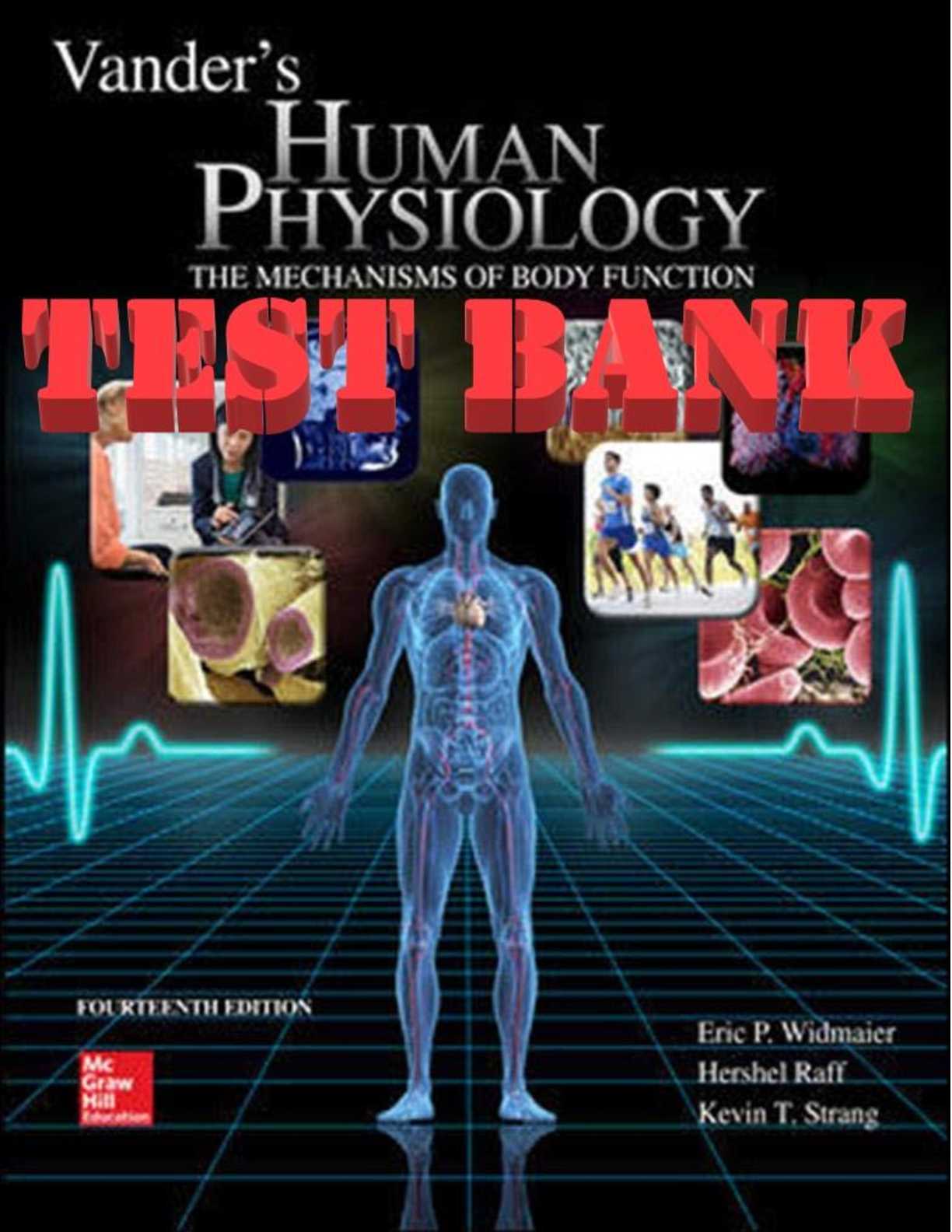
Vander's Human Physiology 14th Edition Test Bank
Test Bank for Vander's Human Physiology: The Mechanisms of Body Function (14th Edition) by Eric P. Widmaier is a comprehensive instructor resource designed to support human physiology education through structured assessment materials aligned with the textbook. It enables educators to evaluate students’ understanding of physiological principles, homeostatic regulation, organ system function, and the integration of body systems while reinforcing scientific reasoning and the clinical application of physiology.
Organized by textbook chapter, the test bank emphasizes the mechanisms that regulate normal human body function and prepares learners to apply physiological concepts to health, disease, and clinical practice. It integrates molecular, cellular, tissue, organ, and system-level physiology to promote a comprehensive understanding of the human body.
The resource covers major physiology topics, including:
* Introduction to human physiology and homeostasis
* Cell physiology and membrane transport
* Cell signaling and communication
* Genetics, protein synthesis, and cellular regulation
* Energy metabolism and bioenergetics
* Nervous system organization and function
* Membrane potentials and action potentials
* Synaptic transmission and neurotransmission
* Sensory physiology and special senses
* Skeletal muscle physiology
* Smooth and cardiac muscle physiology
* Endocrine physiology and hormonal regulation
* Blood composition and function
* Immune system physiology
* Cardiovascular physiology
* Cardiac function and regulation
* Blood vessels, circulation, and blood pressure control
* Respiratory physiology and gas exchange
* Renal physiology and kidney function
* Fluid, electrolyte, and acid-base balance
* Digestive physiology and nutrient absorption
* Metabolism and energy balance
* Thermoregulation
* Reproductive physiology
* Pregnancy, fetal physiology, and lactation
* Exercise physiology and physiological adaptation
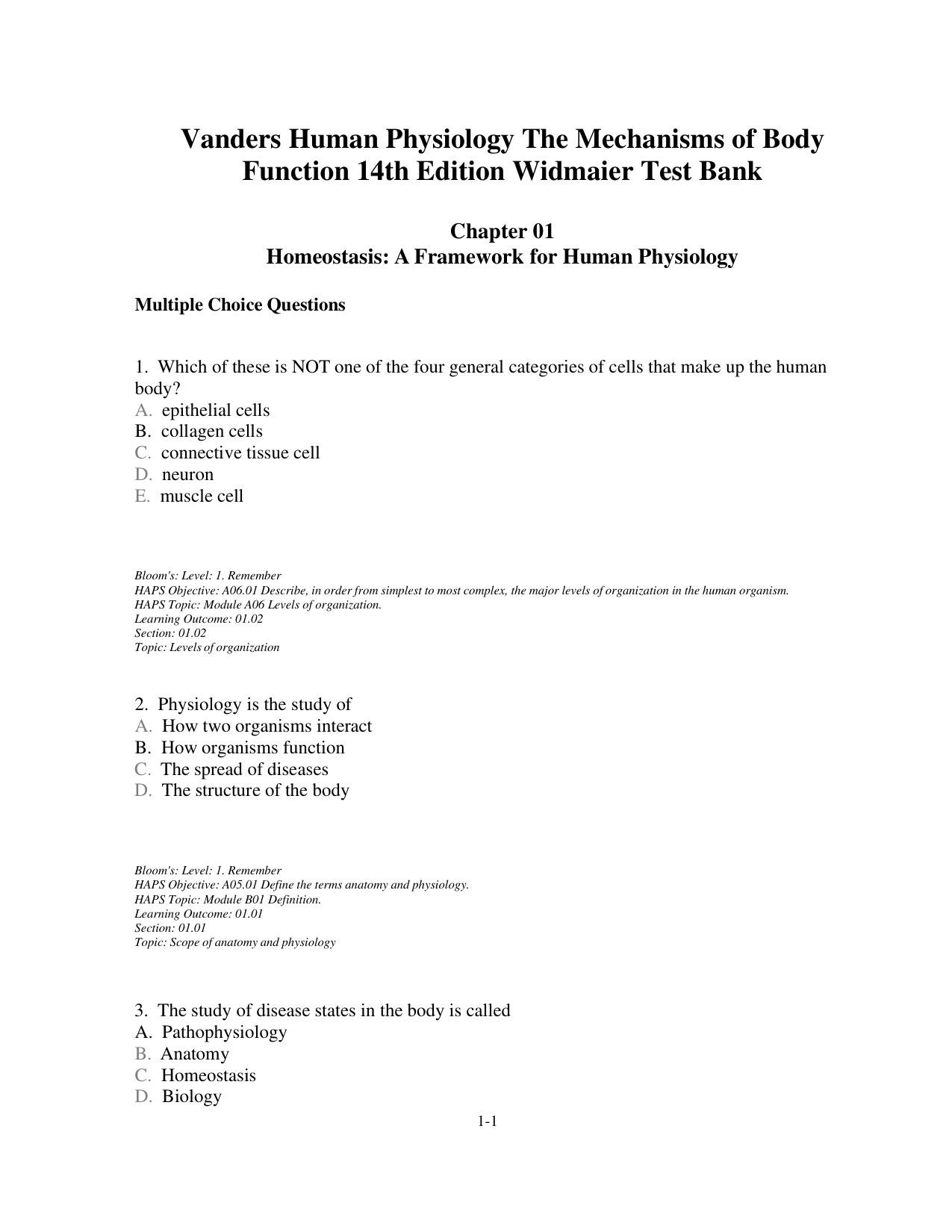
The test bank emphasizes application by requiring learners to analyze physiological mechanisms, interpret experimental and clinical data, explain homeostatic responses, and relate normal physiological function to pathological conditions. Questions encourage students to integrate knowledge across multiple organ systems and apply scientific concepts to realistic healthcare and laboratory scenarios.
The resource typically includes a variety of assessment formats, such as:
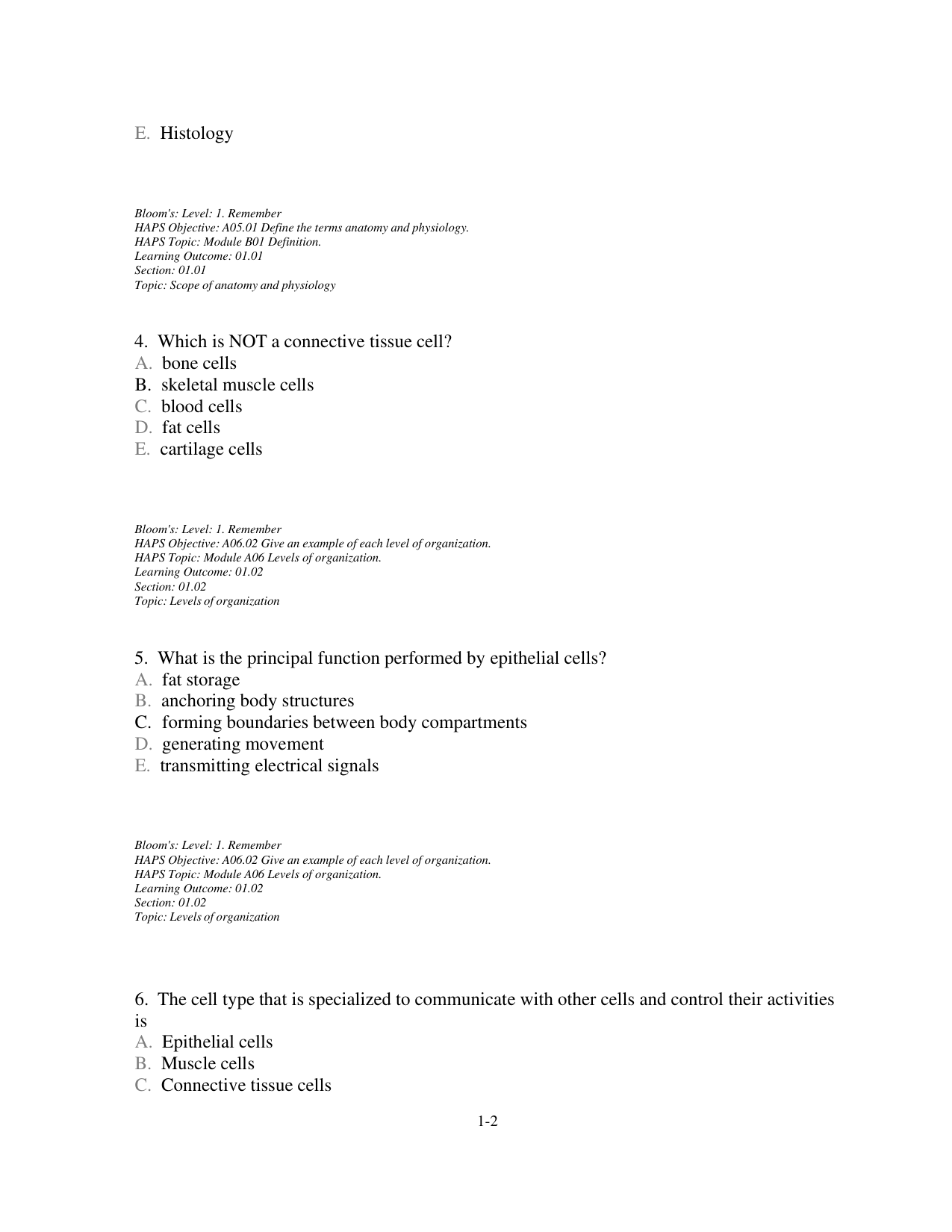
* Multiple-choice questions
* Multiple-response (Select All That Apply) questions
* True/False questions
* Matching questions
* Physiology-based case studies
* Data interpretation and analysis questions
* Clinical application and critical-thinking exercises
Additional instructional features commonly include:
* Chapter-by-chapter organization aligned with the textbook
* Answer keys for assessment and review
* Questions progressing from foundational physiology concepts to advanced system integration and clinical application
* Practice interpreting physiological graphs, laboratory data, homeostatic responses, and organ system interactions
* Support for quizzes, examinations, classroom instruction, laboratory courses, and healthcare education
Nursing students, instructors, and exam preparation users.
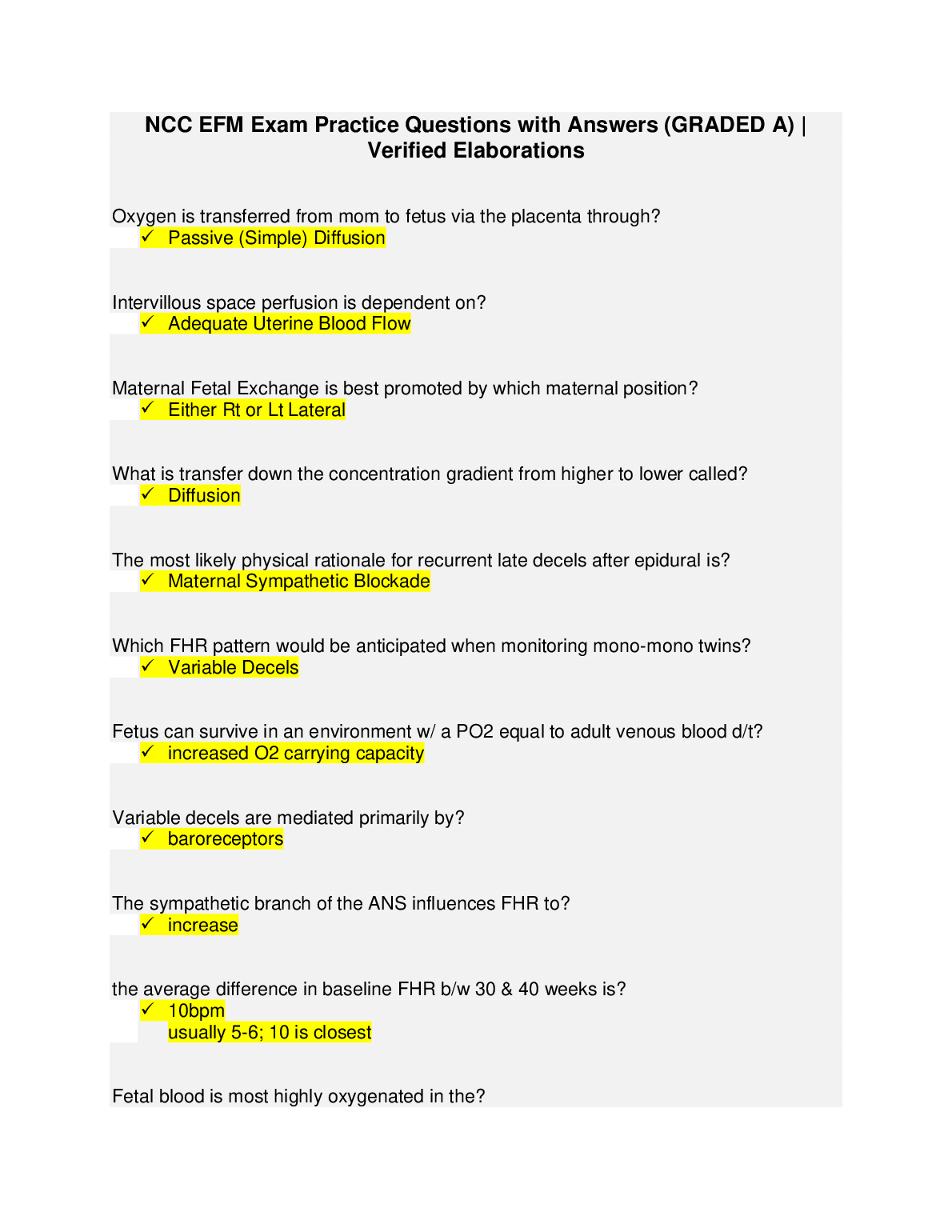
Master Ncc Efm Exams With Graded Practice Questions On Fetal Heart Rate Monitoring, V...
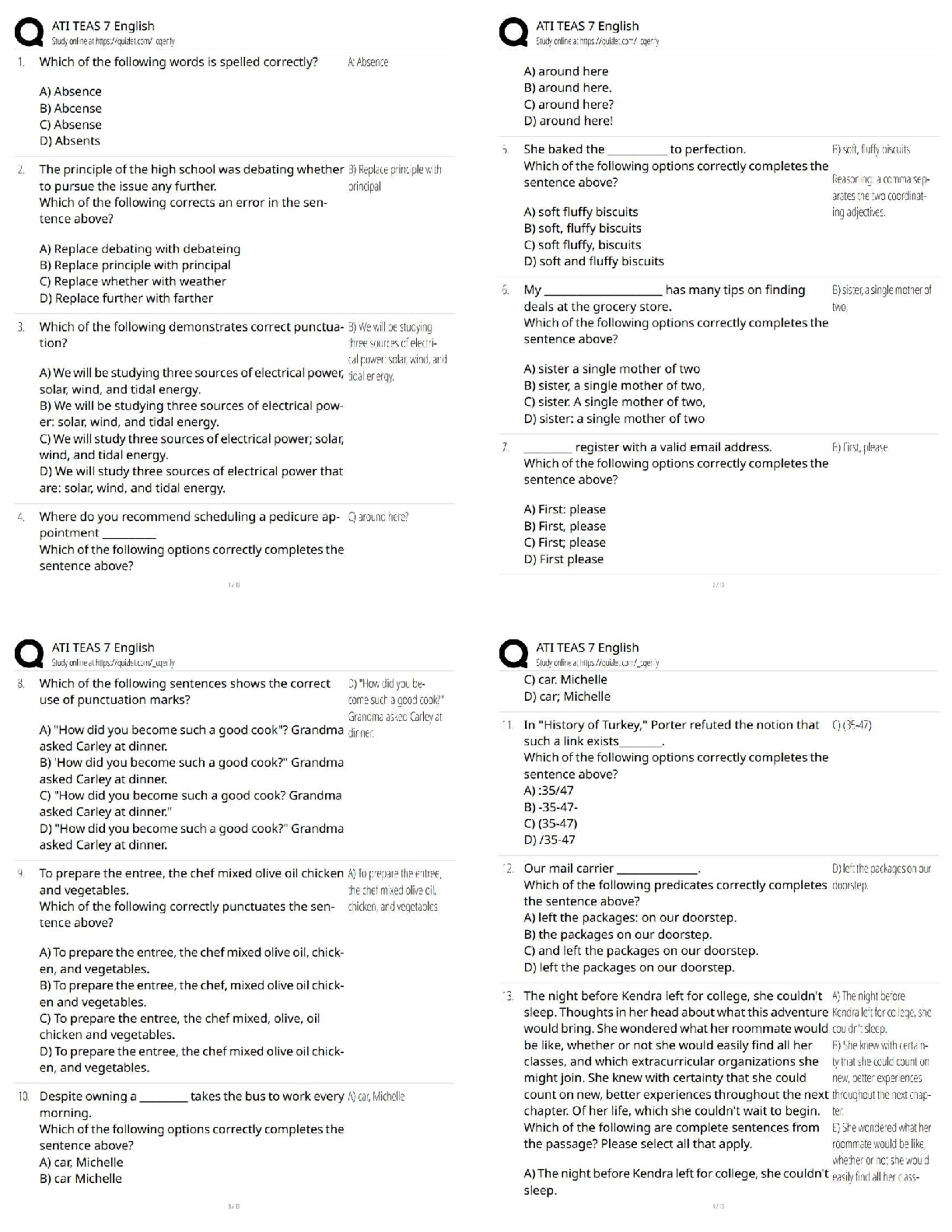
Master The ATI TEAS 7 English Section With This Verified Test Bank. Improve Grammar,...
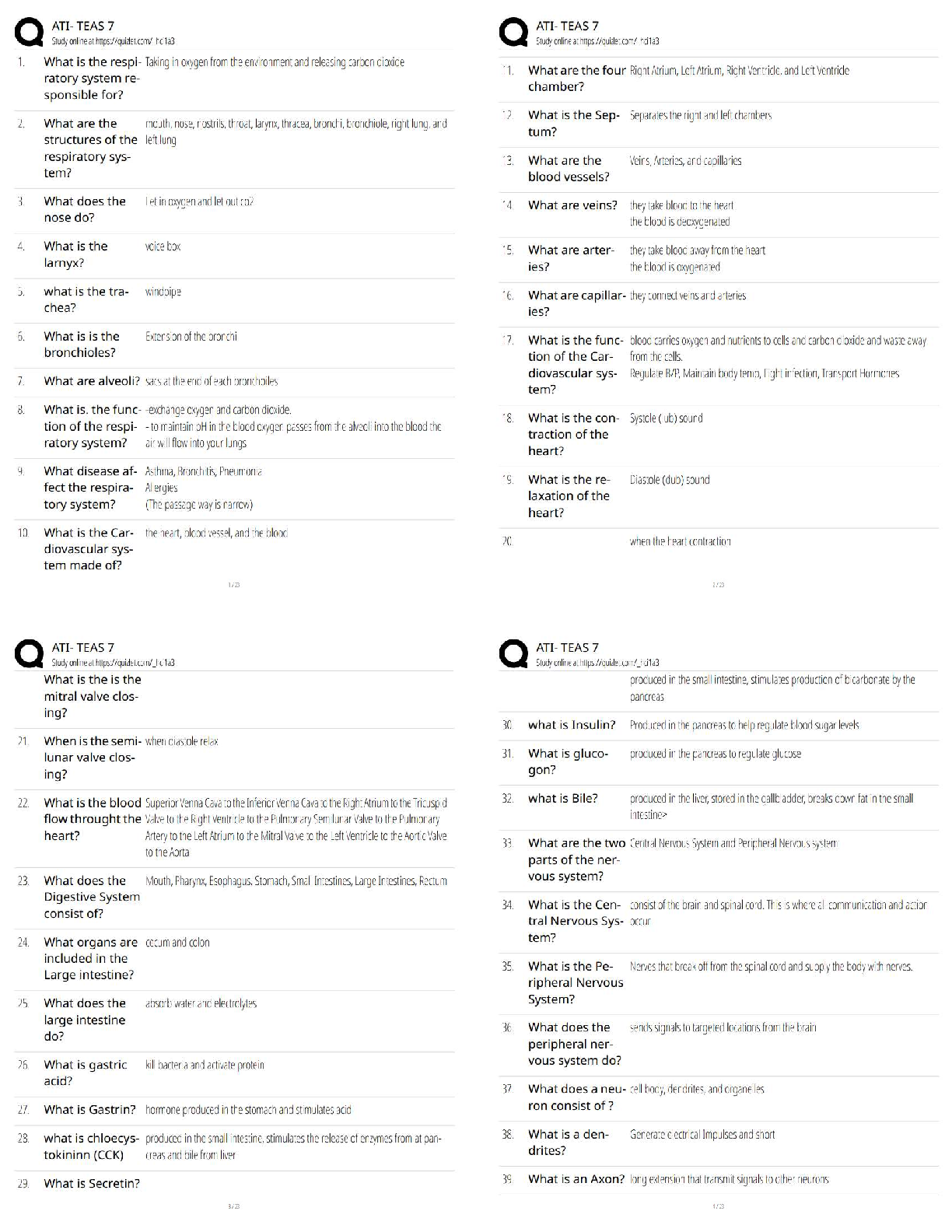
Master ATI TEAS 7 With Our Verified 2026 Test Bank. Covers Respiratory, Cardiovascula...
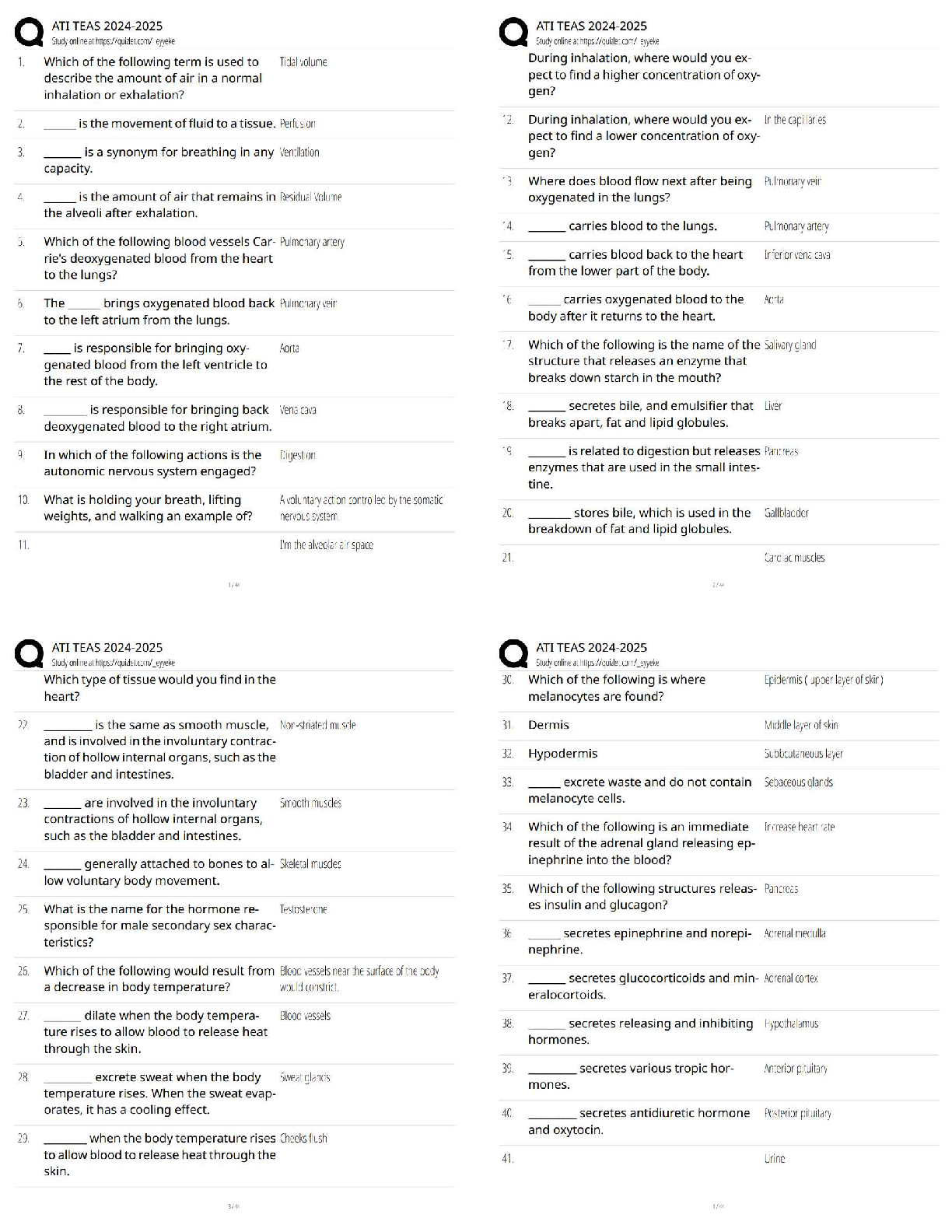
Ace The ATI TEAS 7 Exam On Your First Try. Access Hundreds Of Practice Questions, Det...