
NR601 Week 5 Study Guide: Glucose Metabolism & Diabetes NR601 Week 5 Study Guide: Glucose Metabolism & Diabetes

Study guide

Nr601 Week 5 Part 2 Study Guide: Glucose Metabolism Disorders And Diabetes Types


Master Type 1, Type 2, And Gestational Diabetes With This Nr601 Study Guide Covering Diagnostic Criteria And Initial Treatment.
Description

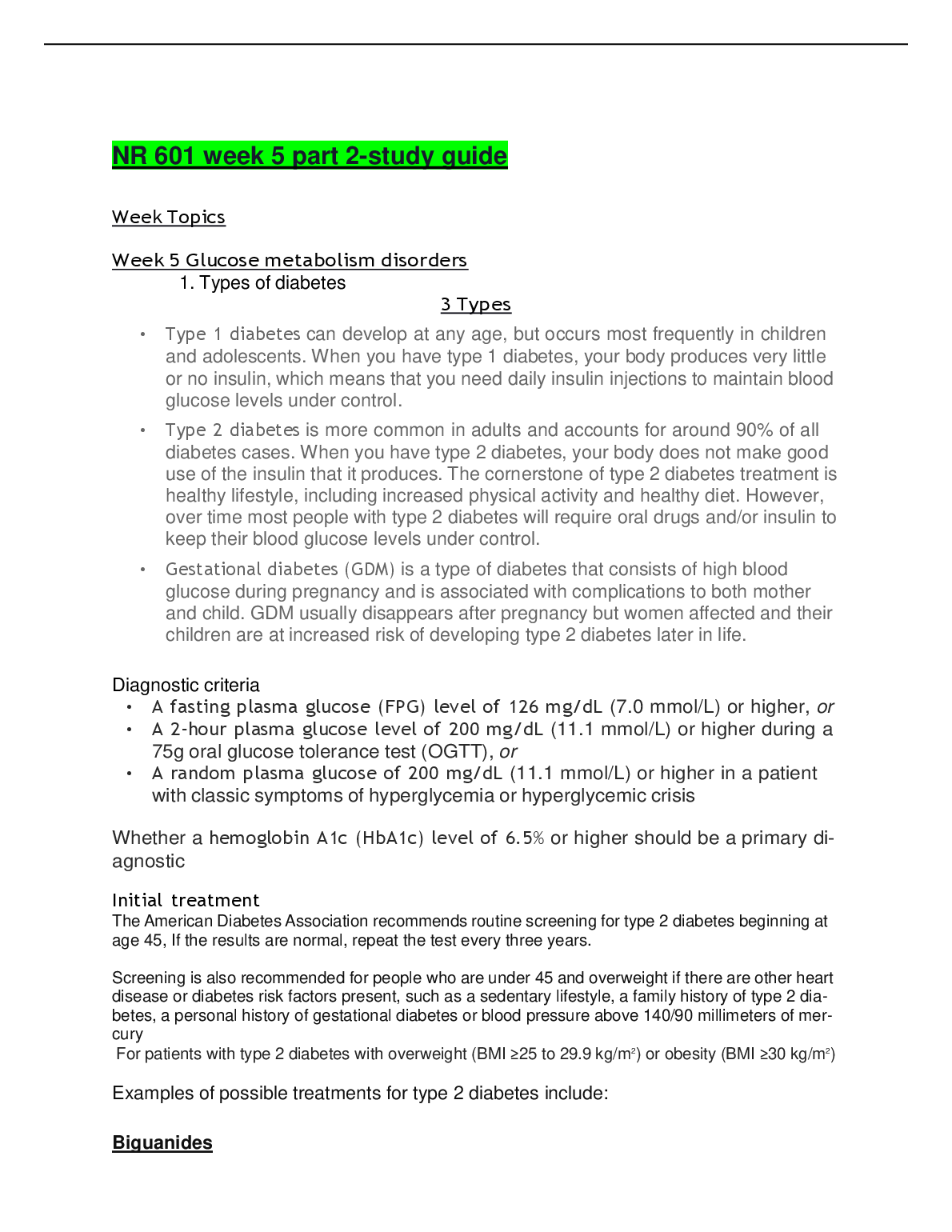
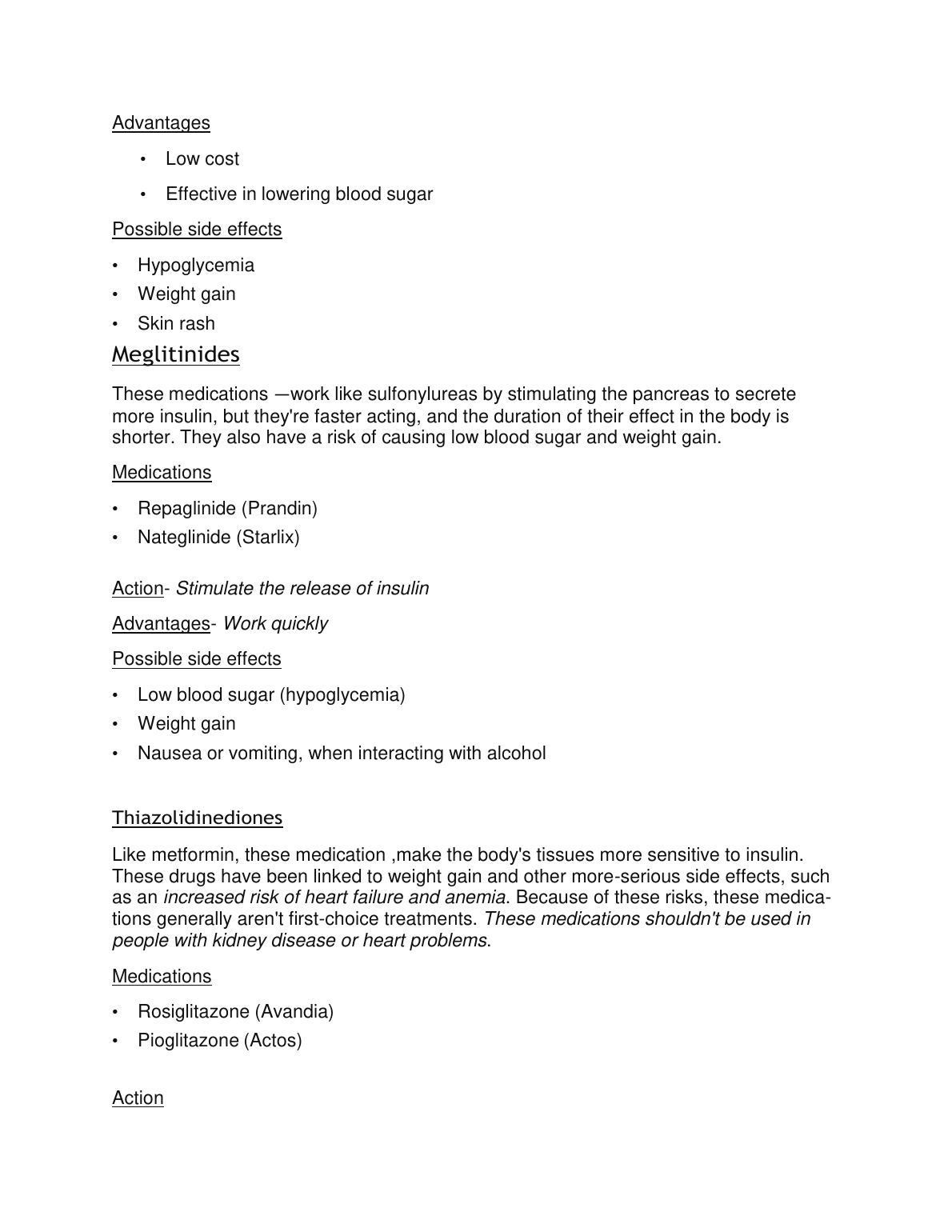
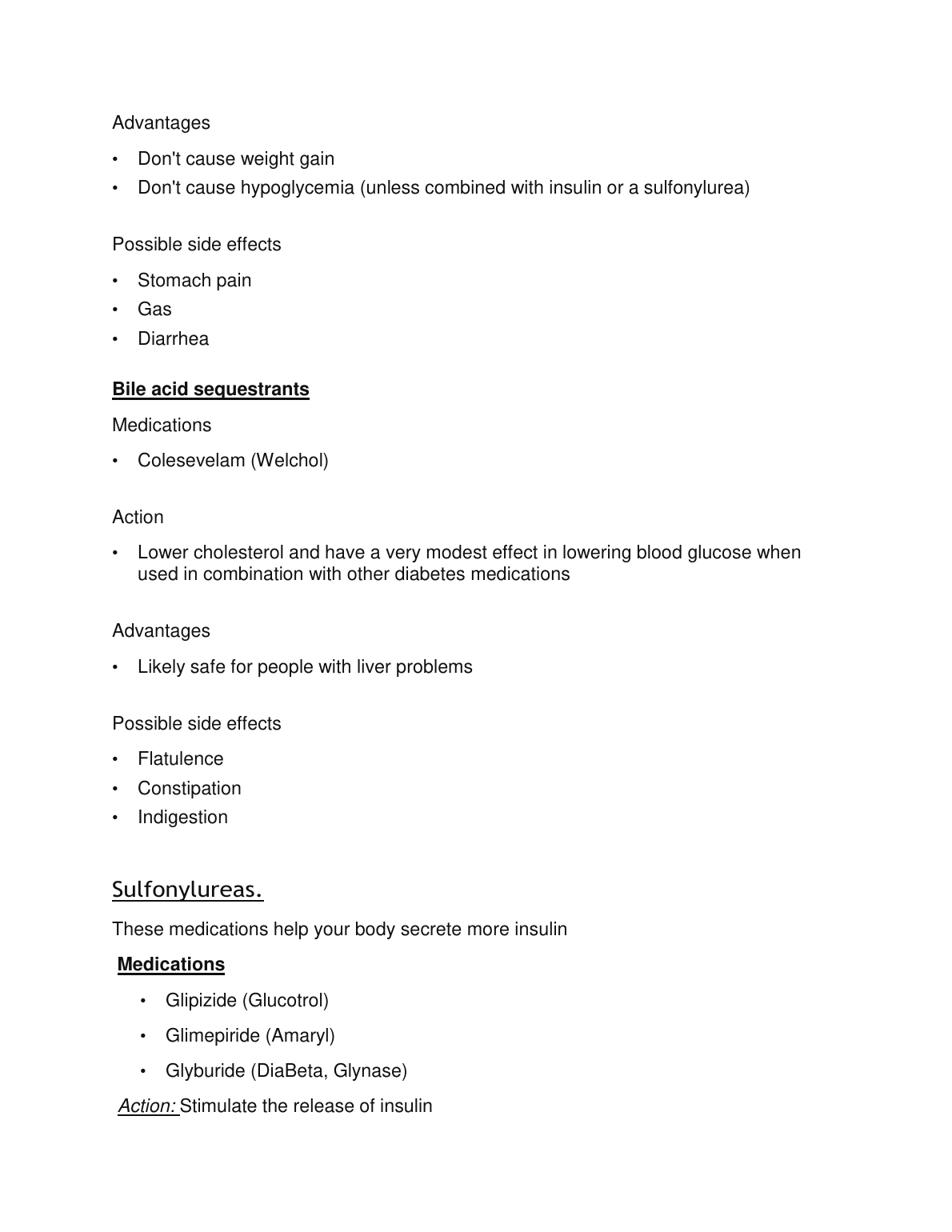
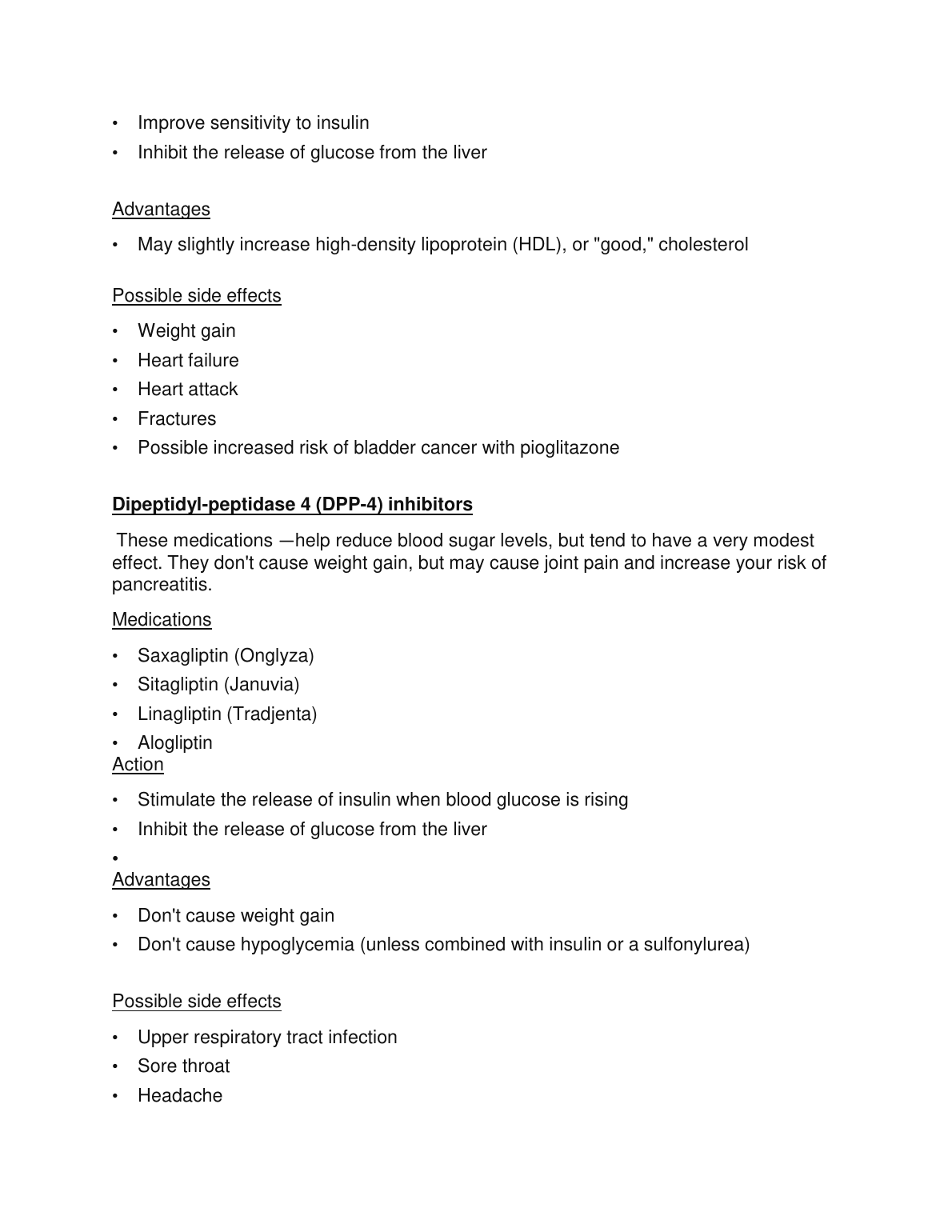
Gain a comprehensive understanding of glucose metabolism disorders through targeted revision of diabetes types and clinical management. This resource consolidates essential knowledge on the pathophysiology, diagnosis, and initial therapeutic interventions for Type 1, Type 2, and Gestational Diabetes Mellitus. It provides clear guidance on diagnostic thresholds such as fasting plasma glucose levels and HbA1c percentages to enhance exam readiness. The content supports confident decision-making regarding screening protocols and pharmacological options like biguanides.
PDF Sample
1 / 3
NR601 Week 5 Study Guide: Glucose Metabolism & Diabetes IMG-1
NR601 Week 5 Study Guide: Glucose Metabolism & Diabetes IMG-2
NR601 Week 5 Study Guide: Glucose Metabolism & Diabetes IMG-3
Who is this Document for ?

This document is designed for nursing students enrolled in advanced pathophysiology courses, specifically those studying NR601. It is suitable for exam candidates preparing for weekly assessments on endocrine system disorders. Tutors and clinical instructors may also use this material to reinforce key concepts regarding diabetes management during teaching sessions.
What you will learn ?
⬤Distinguish between Type 1, Type 2, and Gestational Diabetes by analysing their onset age, prevalence rates, and underlying insulin mechanisms such as lack of production versus resistance.
⬤Apply specific diagnostic criteria for hyperglycaemia, including identifying critical thresholds for fasting plasma glucose (126 mg/dL) and oral glucose tolerance test results (200 mg/dL).
⬤Evaluate the role of Haemoglobin A1c levels in primary diagnosis and understand the clinical implications of values exceeding 6.5% for patient management.
⬤Implement recommended screening protocols as outlined by the American Diabetes Association, targeting routine testing at age 45 and earlier intervention for those with risk factors like obesity or family history.
⬤Identify appropriate initial pharmacological treatments for Type 2 diabetes in patients with overweight or obesity classifications (BMI 25-30 kg/m²), specifically recognising biguanides as a first-line therapy option.
You may also be interested in :
Recommendations for you
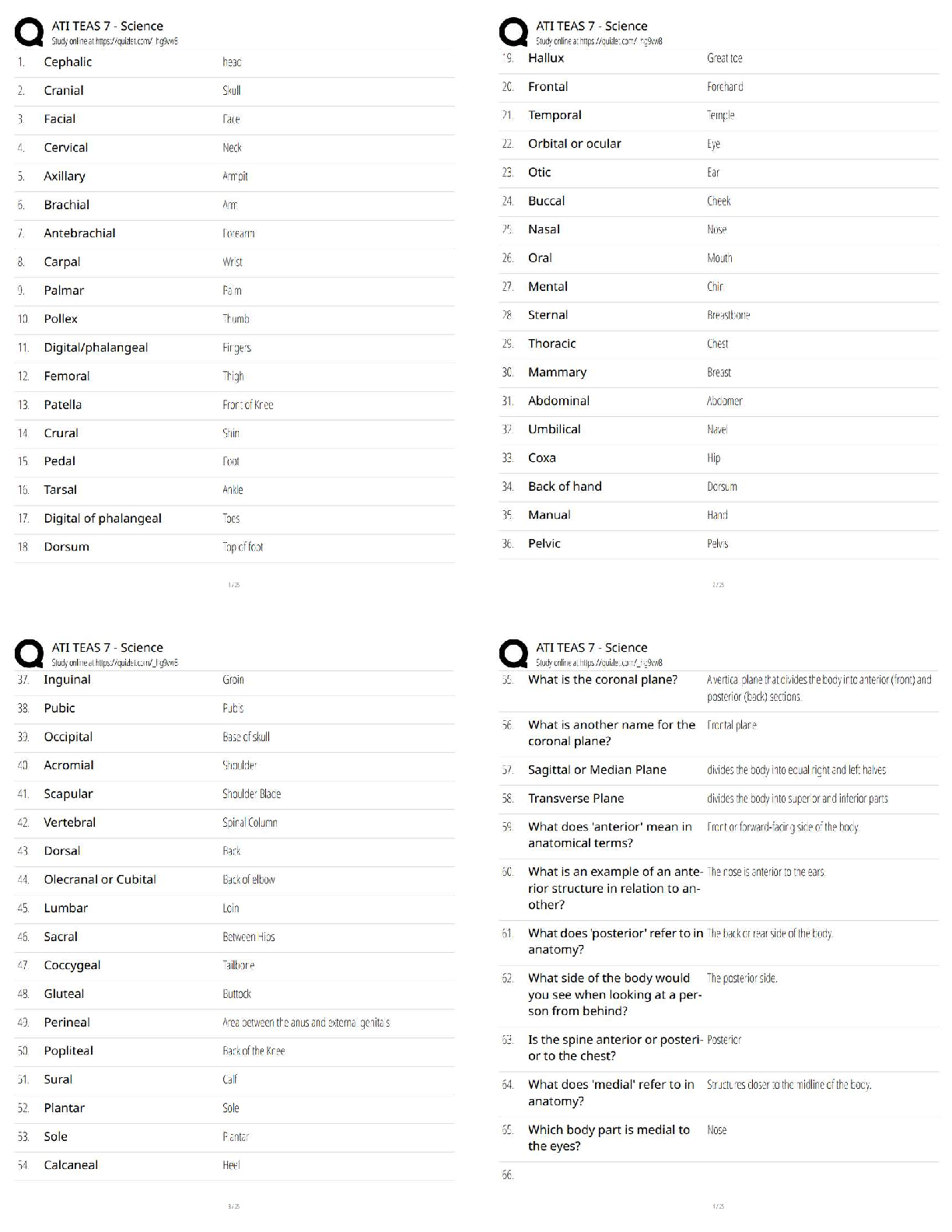
ATI TEAS 7 Science Exam Prep: Anatomy & Physiology Study Guide for Nursing Entrance Success in 2026/2027
ATI TEAS 7 Science Exam Prep: Anatomy & Physiology Study Gui...

Master TEAS 7 Anatomy And Physiology Terms, Planes And Directional Concepts With This...
$16
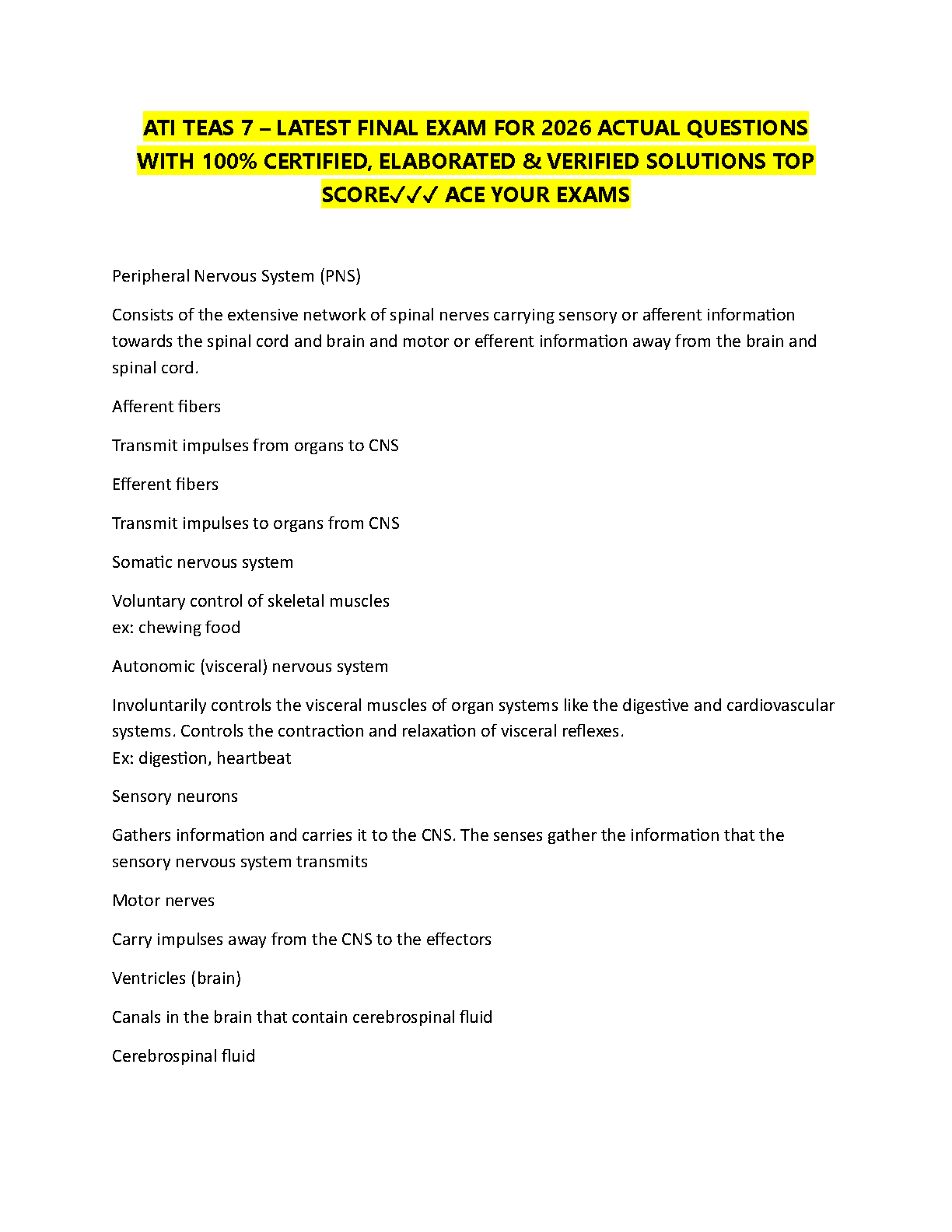
ATI TEAS 7 Final Exam Study Guide 2025/2026 Verified Questions and Elaborated Solutions for Nursing School Success
ATI TEAS 7 Final Exam Study Guide 2025/2026 Verified Questio...

Master ATI TEAS 7 Concepts With Verified Questions And Detailed Solutions. Pass On Fi...
$16
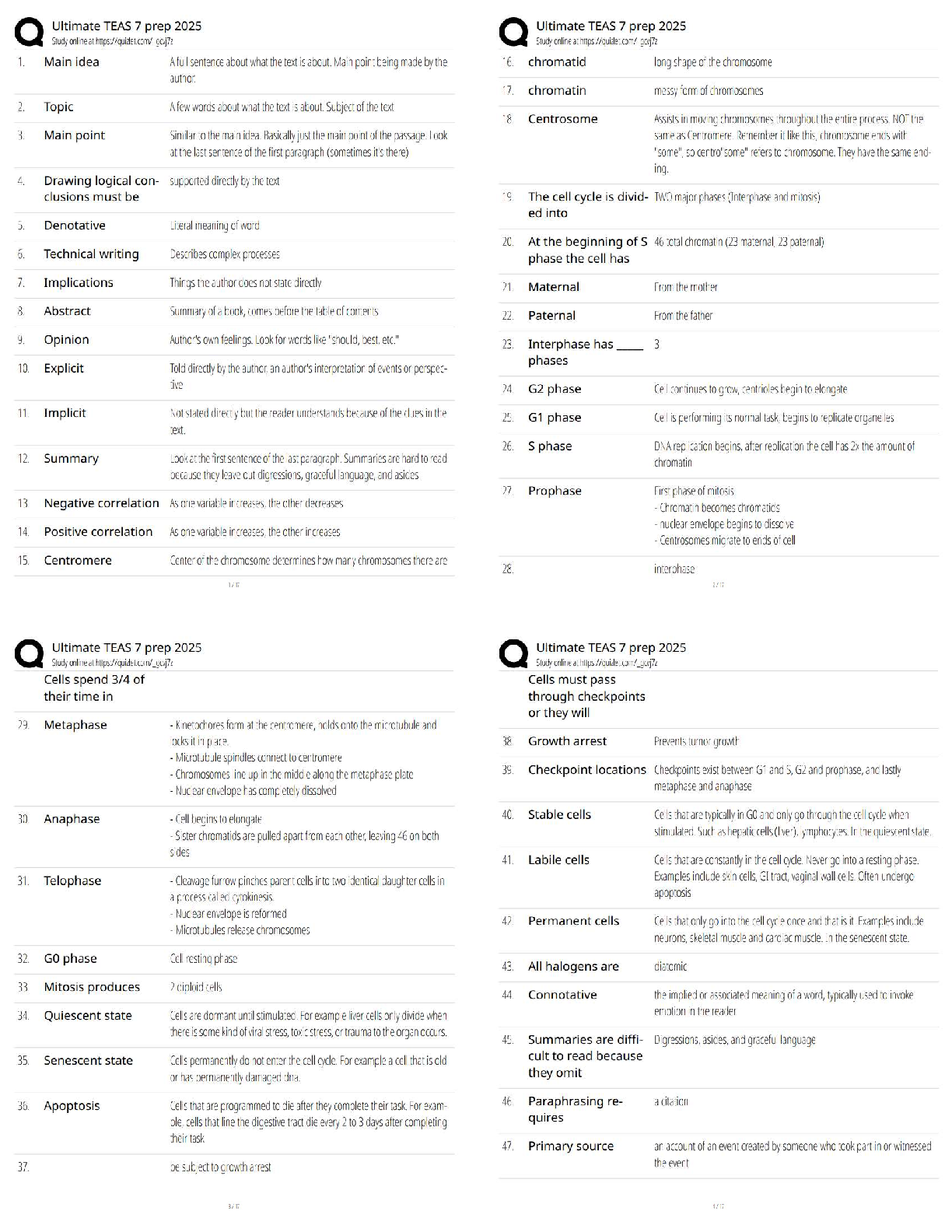
ATI TEAS 7 Ultimate Study Guide 2026/2027: Master Reading, Science & Cell Cycle Concepts for First-Time Success
ATI TEAS 7 Ultimate Study Guide 2026/2027: Master Reading, S...

Ace The ATI TEAS 7 In 2026. Condensed Study Guide Covering Reading, Science And Cell...
$16
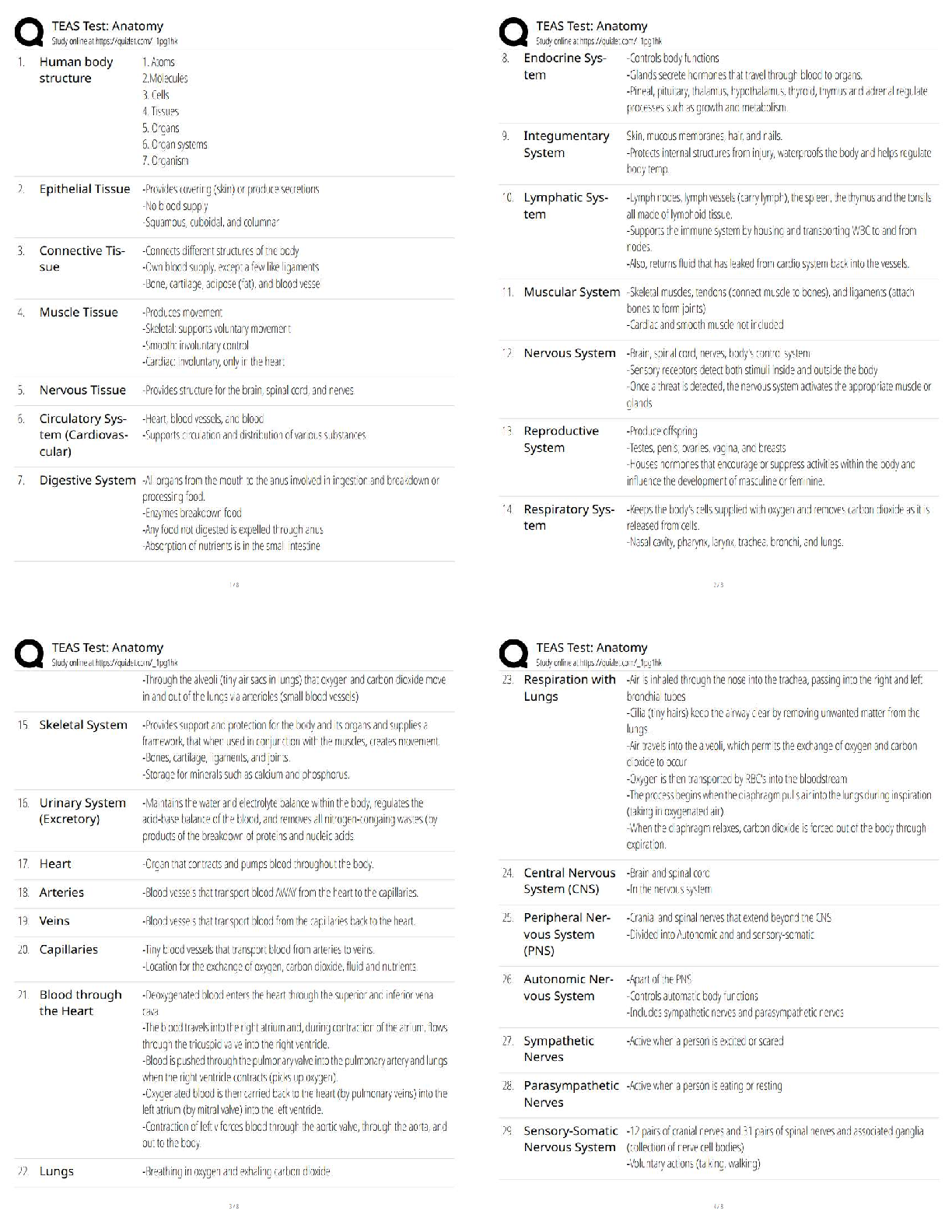
ATI TEAS 7 Anatomy Study Guide 2025/2026: Master Exam Content and Pass First Attempt
ATI TEAS 7 Anatomy Study Guide 2025/2026: Master Exam Conten...

Master Ti TEAS 7 Anatomy With This Concise 2026 Guide. Covers All Systems To Help You...

$16