
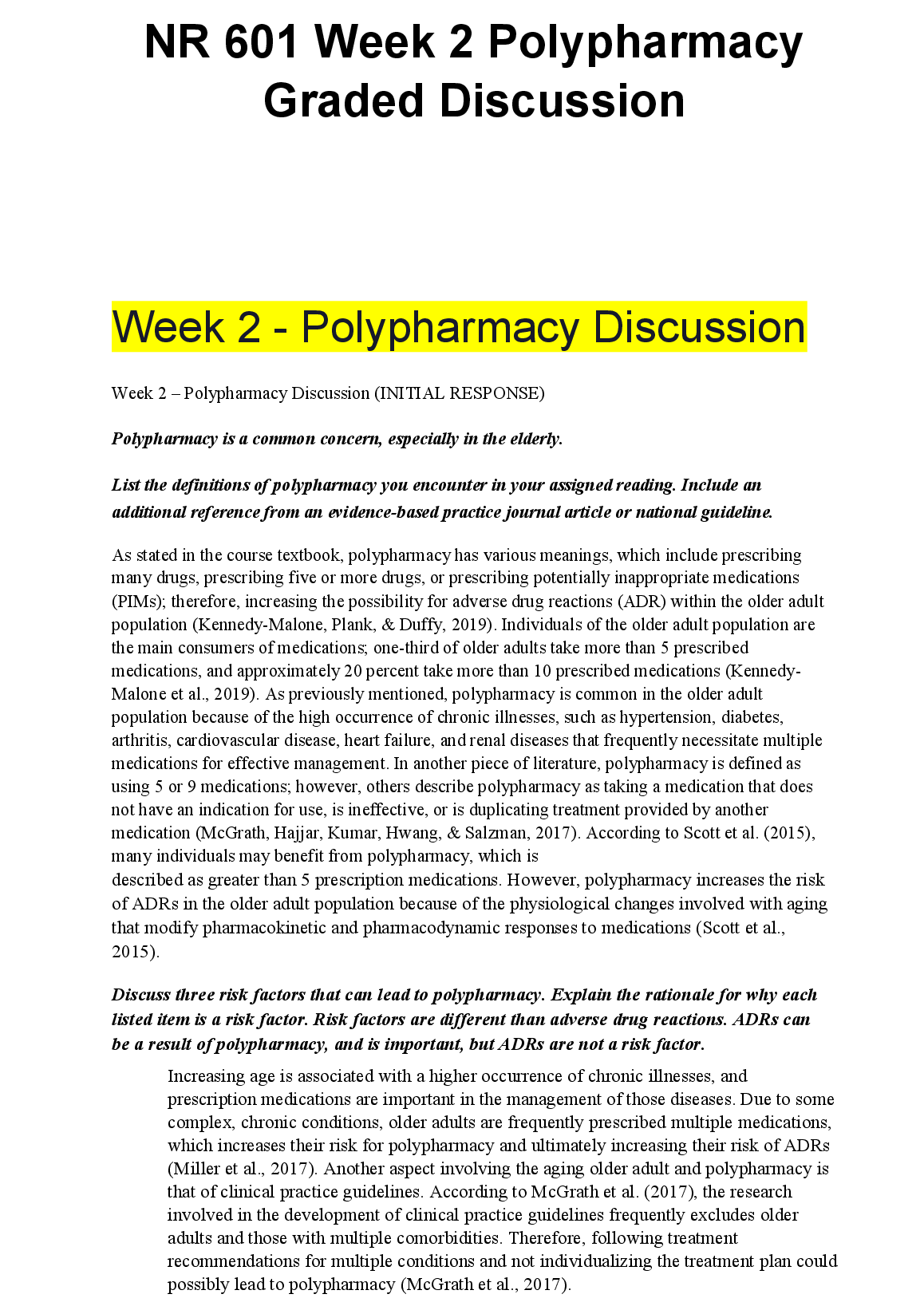
NR 601 Week 2 Polypharmacy Graded Discussion Guide

Study guide

NR 601 Week 2 Polypharmacy Graded Discussion Guide For Nursing Students 2023 Edition


Master Polypharmacy Definitions And Elderly Medication Risks With This NR 601 Graded Discussion Resource.
Description

Gain a comprehensive understanding of polypharmacy in the older adult population, focusing on precise academic definitions and clinical implications. This resource provides evidence-based insights into how physiological changes associated with aging modify pharmacokinetic and pharmacodynamic responses to multiple medications. Learners are equipped to identify potentially inappropriate medications (PIMs) and understand the risks of adverse drug reactions (ADRs) in patients managing chronic conditions such as hypertension, diabetes, and cardiovascular disease. The content supports high-quality academic discourse by integrating textbook data with recent evidence-based practice guidelines.
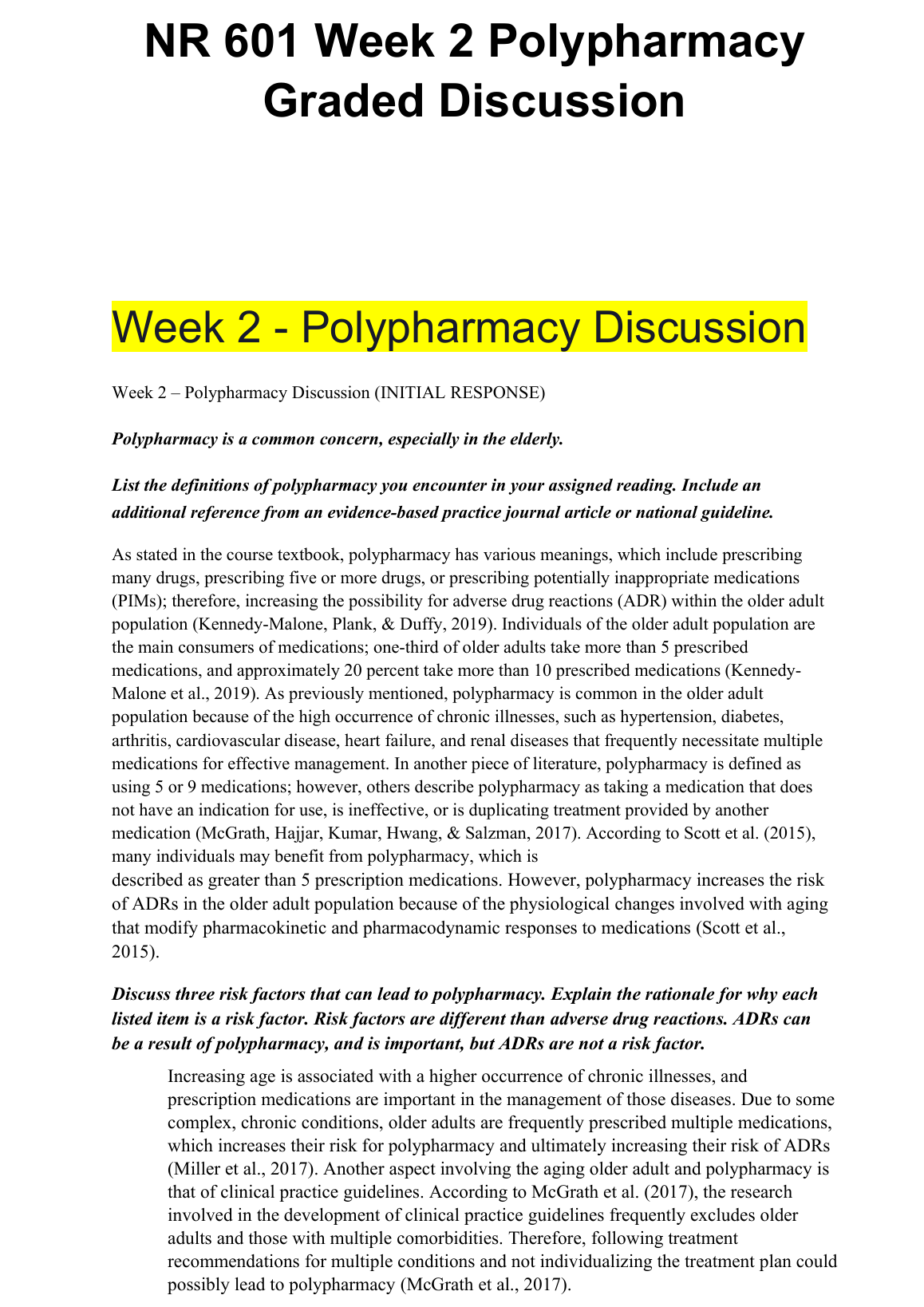
PDF Sample
1 / 1
NR 601 Week 2 Polypharmacy Graded Discussion Guide IMG-1
Who is this Document for ?

This resource is designed for graduate nursing students enrolled in advanced pharmacology or gerontological courses, specifically those completing NR 601 Week 2 assignments. It serves as a valuable reference for students preparing graded discussions who require robust definitions and evidence-based references to support their arguments regarding medication management in the elderly.
What you will learn ?
⬤Identify varying academic definitions of polypharmacy, including prescribing five or more drugs versus using potentially inappropriate medications (PIMs).
⬤Analyse the prevalence of polypharmacy among older adults, noting that one-third take over five prescribed medications and 20 percent take more than ten.
⬤Explain how age-related physiological changes alter pharmacokinetic and pharmacodynamic responses, thereby increasing the risk of adverse drug reactions (ADRs).
⬤Recognise specific chronic illnesses such as hypertension, diabetes, arthritis, cardiovascular disease, heart failure, and renal diseases that necessitate multiple medications for effective management.
⬤Differentiate between beneficial polypharmacy and negative scenarios involving ineffective treatments or duplicating therapies without clear indications.
You may also be interested in :
Recommendations for you
ATI TEAS 7 Science Exam Prep: Anatomy & Physiology Study Guide for Nursing Entrance Success in 2026/2027
ATI TEAS 7 Science Exam Prep: Anatomy & Physiology Study Gui...

Master TEAS 7 Anatomy And Physiology Terms, Planes And Directional Concepts With This...
$16
ATI TEAS 7 Final Exam Study Guide 2025/2026 Verified Questions and Elaborated Solutions for Nursing School Success
ATI TEAS 7 Final Exam Study Guide 2025/2026 Verified Questio...

Master ATI TEAS 7 Concepts With Verified Questions And Detailed Solutions. Pass On Fi...
$16
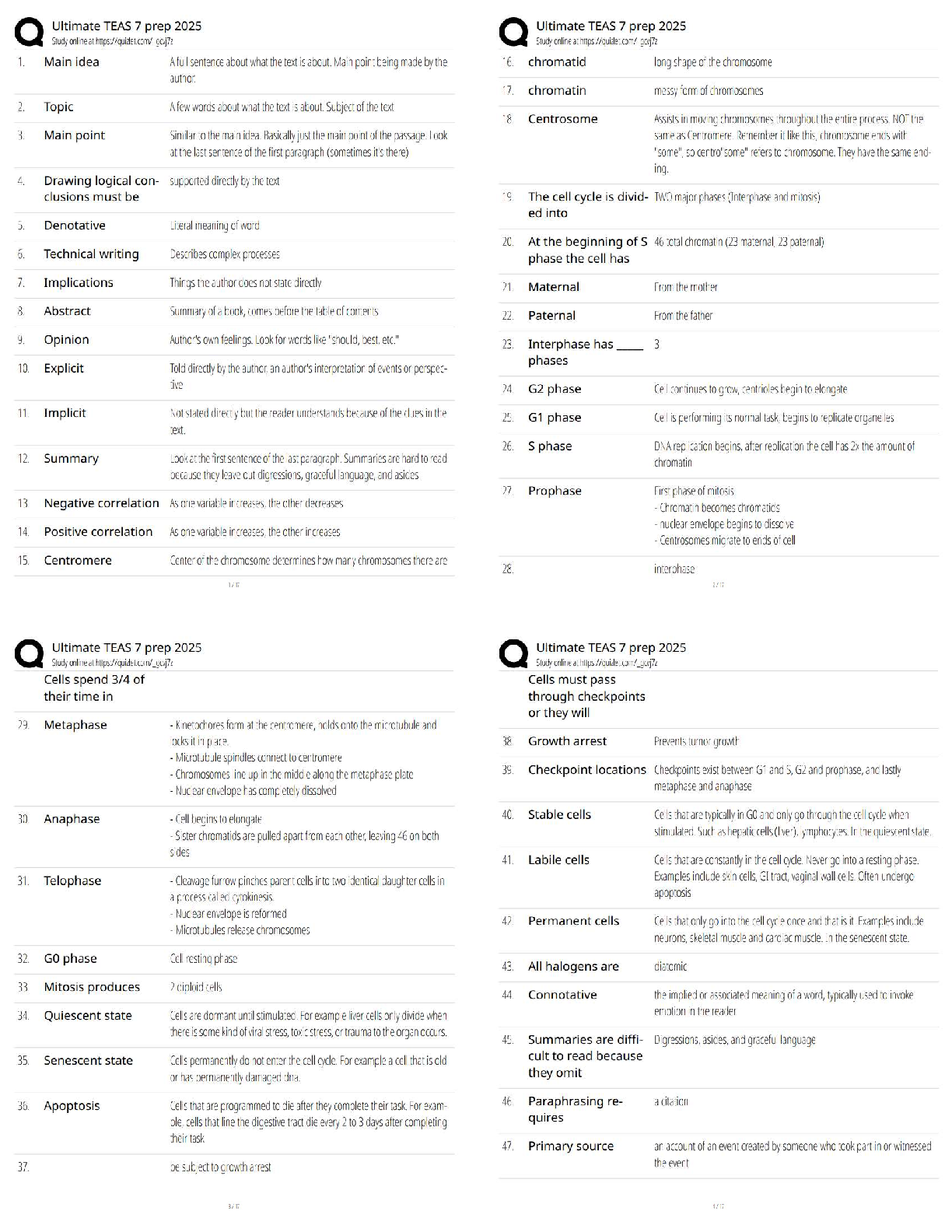
ATI TEAS 7 Ultimate Study Guide 2026/2027: Master Reading, Science & Cell Cycle Concepts for First-Time Success
ATI TEAS 7 Ultimate Study Guide 2026/2027: Master Reading, S...

Ace The ATI TEAS 7 In 2026. Condensed Study Guide Covering Reading, Science And Cell...
$16
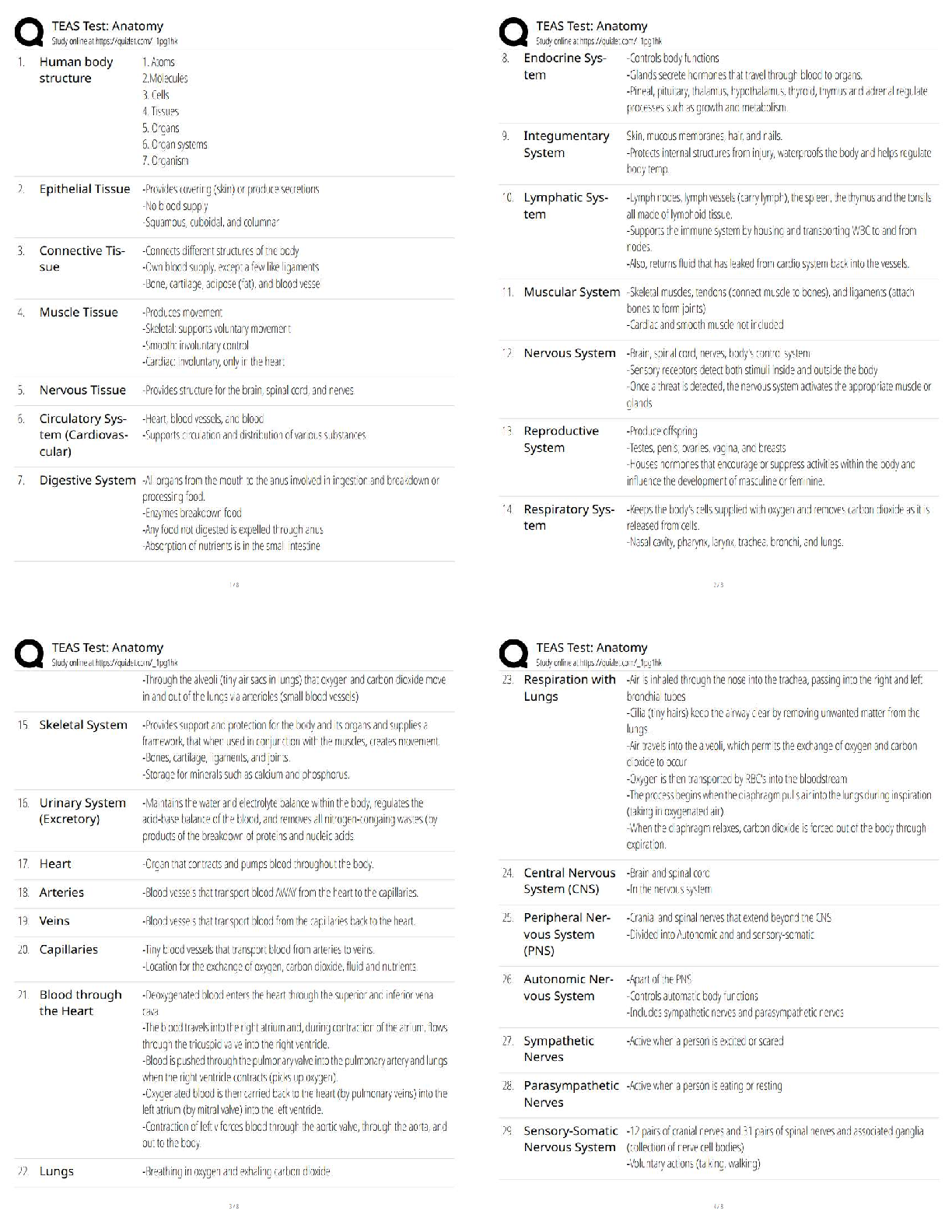
ATI TEAS 7 Anatomy Study Guide 2025/2026: Master Exam Content and Pass First Attempt
ATI TEAS 7 Anatomy Study Guide 2025/2026: Master Exam Conten...

Master Ti TEAS 7 Anatomy With This Concise 2026 Guide. Covers All Systems To Help You...

$16