NR 601 Aging Pharmacology Week 1 Midterm Study Guide NR 601 Aging Pharmacology Week 1 Midterm Study Guide

Study guide

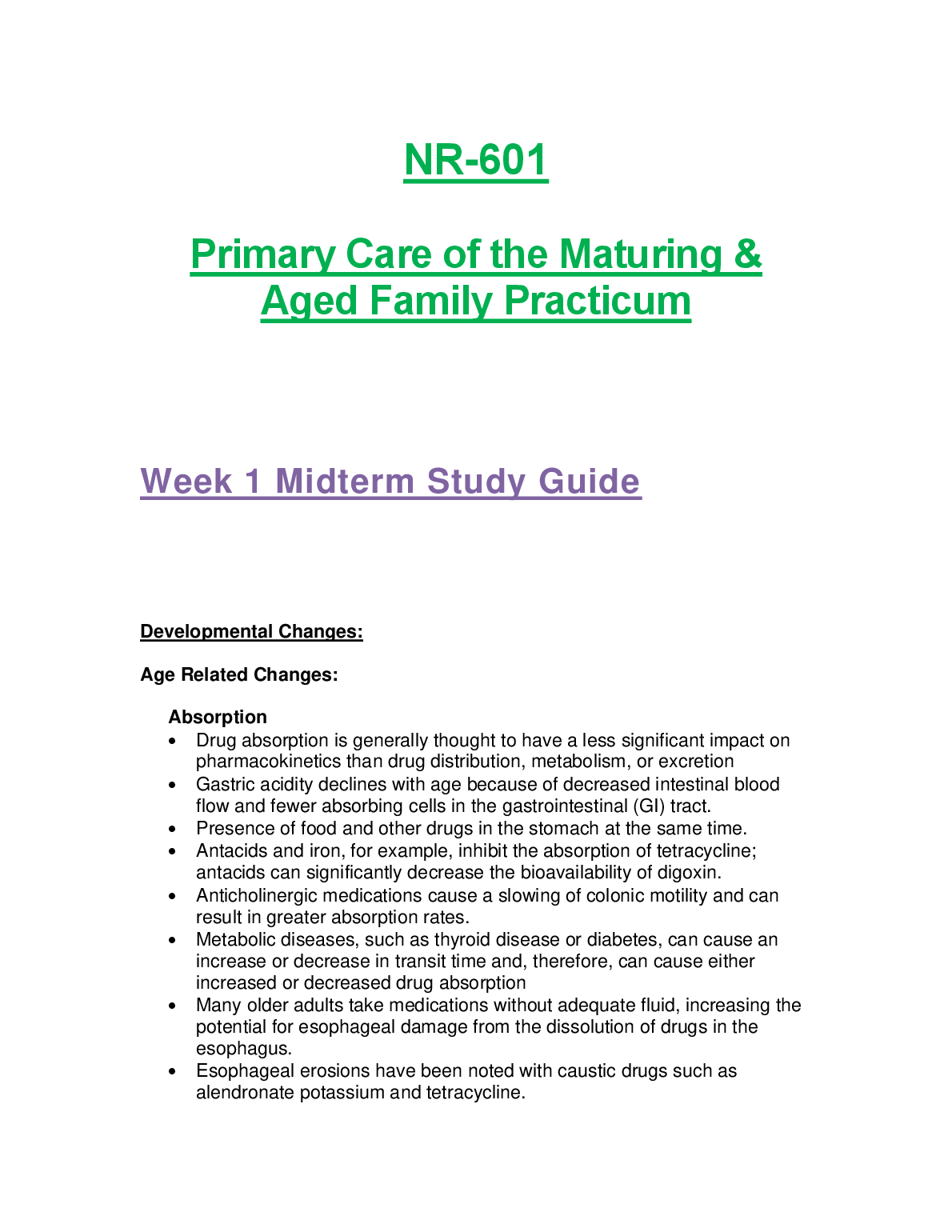
NR 601 Primary Care Of The Maturing & Aged Family Practicum Week 1 Midterm Study Guide 2023 Pharmacokinetics Notes


Master Age-related Changes In Drug Absorption And Pharmacokinetics For NR 601. Comprehensive Study Guide For Geriatric Primary Care Midterm Success.
Description

Accelerate exam readiness by mastering the complex interplay of ageing physiology and pharmacology through this focused revision resource. Gain a clear understanding of how gastric acidity, intestinal blood flow, and GI tract cell density influence drug absorption in older adults. Develop critical insight into common clinical pitfalls, such as reduced bioavailability due to concurrent antacid use or esophageal damage from caustic medications like alendronate. Strengthen your clinical judgement by identifying the impact of metabolic conditions and medication adherence on pharmacokinetic outcomes.
PDF Sample
1 / 3
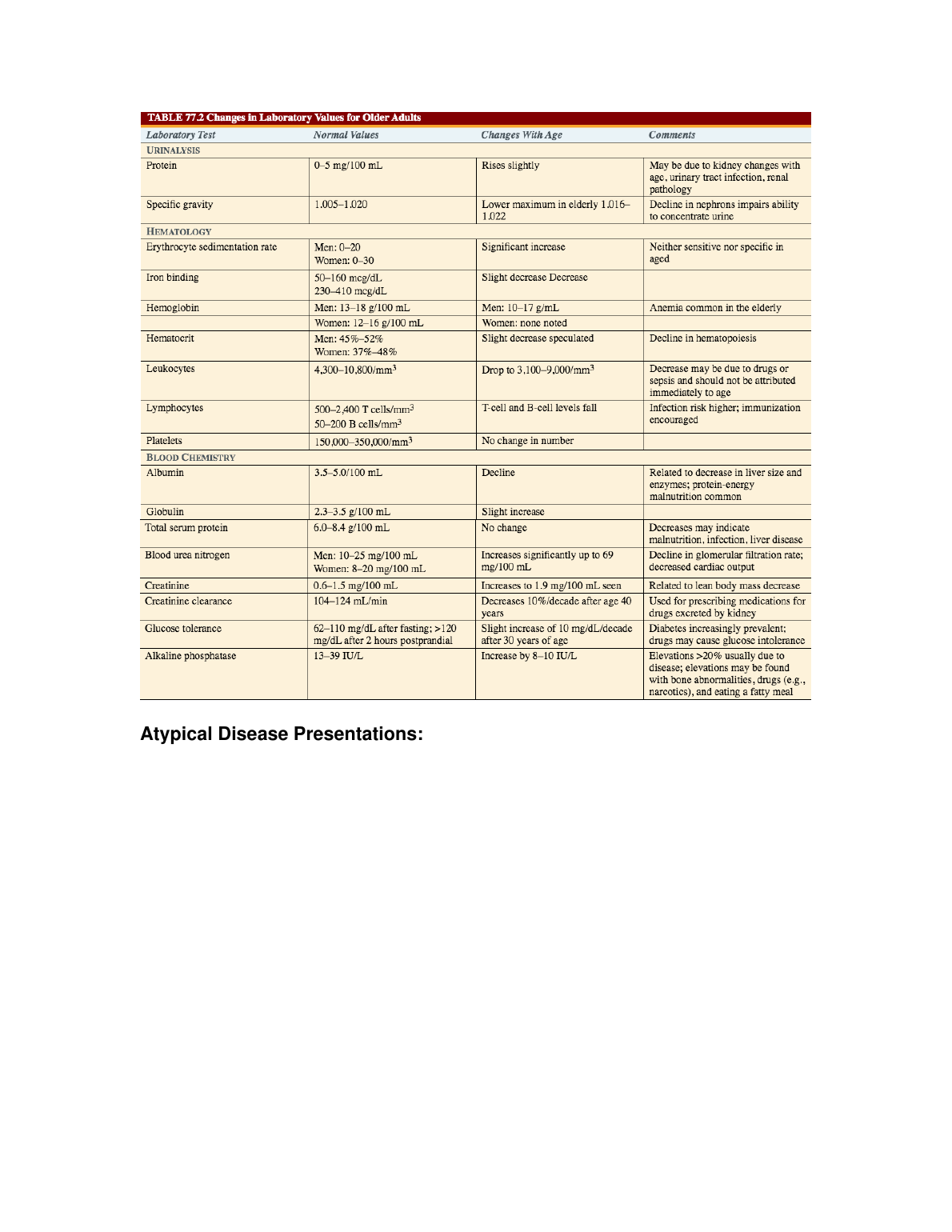
NR 601 Aging Pharmacology Week 1 Midterm Study Guide IMG-1
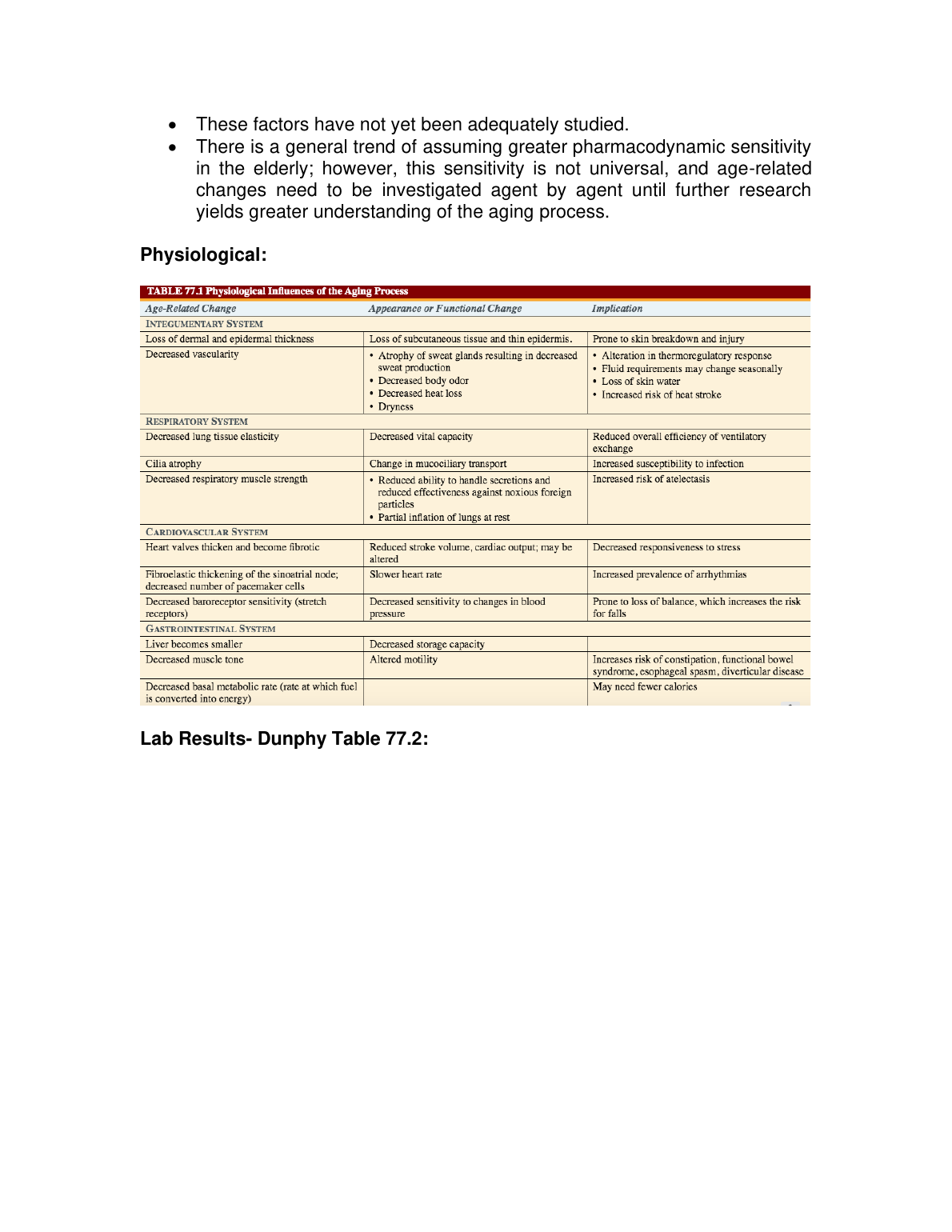
NR 601 Aging Pharmacology Week 1 Midterm Study Guide IMG-2
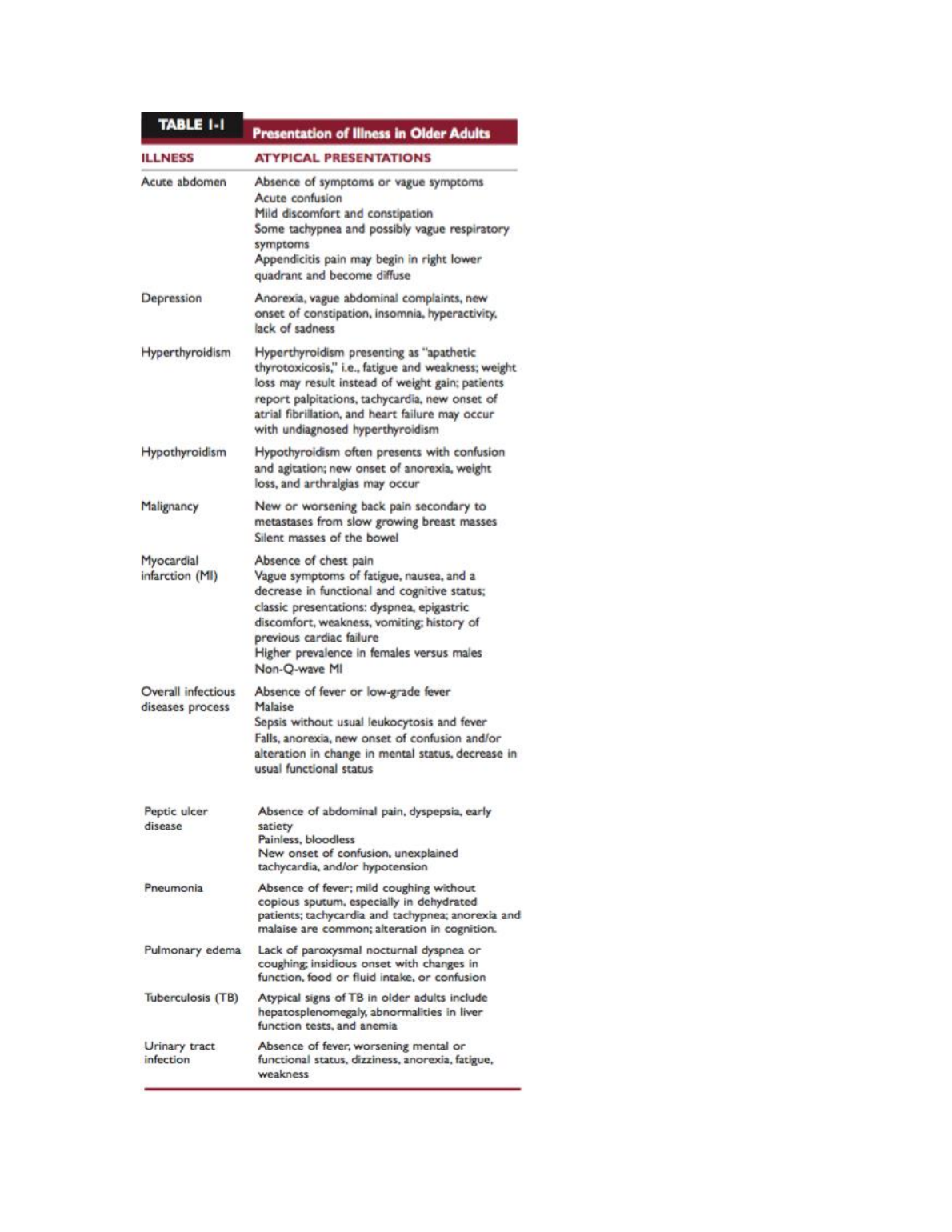
NR 601 Aging Pharmacology Week 1 Midterm Study Guide IMG-3
Who is this Document for ?

This document is specifically designed for nursing students enrolled in NR 601 Primary Care of the Maturing & Aged Family Practicum. It serves as a vital revision tool for candidates preparing for their Week 1 midterm examination, focusing on geriatric pharmacology concepts. Tutors and clinical supervisors may also use these notes to highlight key pathophysiological changes affecting medication administration in elderly populations.
What you will learn ?
Analyse how age-related declines in gastric acidity and intestinal blood flow specifically alter the absorption phase of drug metabolism compared to younger adults.
Identify critical drug interactions, such as how antacids inhibit tetracycline absorption and decrease digoxin bioavailability, ensuring safe medication management for older patients.
Recognise the risks associated with administering medications without adequate fluid intake in geriatric care, specifically preventing esophageal erosion from caustic drugs like alendronate potassium.
Evaluate the impact of anticholinergic medications on colonic motility and how these changes can paradoxically result in increased drug absorption rates.
Assess how chronic metabolic diseases like thyroid disorder or diabetes modify gastrointestinal transit time, leading to variable drug absorption outcomes that require clinical monitoring.
You may also be interested in :
Recommendations for you
NR 601 Week 6 Quiz Review: Diabetes Screening, ADA Recommendations & Diagnostic Tests Study Guide
NR 601 Week 6 Quiz Review: Diabetes Screening, Ada Recommend...

Master NR 601 Diabetes Quiz Content With Detailed Coverage Of Ada Screening Recommend...

$16
NR 601 Comprehensive Final Exam Study Guide and Practice Questions with Solutions A+ Rated
NR 601 Comprehensive Final Exam Study Guide And Practice Que...

Master NR 601 Nursing Concepts Including Mini-cog, Delirium Causes, DM Criteria, And...

$16
NR 601 Comprehensive Final Exam Study Guide: Geriatric Nursing Practice and Clinical Assessments
NR 601 Comprehensive Final Exam Study Guide: Geriatric Nursi...

Master NR 601 Final Exam Concepts With Verified Study Guides Covering Mini-cog, Delir...

$16
NR 601 Week 3 TD 2 Study Guide for 2023/2024: Mental Health Nursing Case Analysis and Assessment Strategies
NR 601 Week 3 Td 2 Study Guide For 2023/2024: Mental Health...

Master NR 601 Mental Health Nursing Concepts With This Week 3 Study Guide, Featuring...

$16