NR 601 Chapter 16 Agitation & Dementia Care Study Guide NR 601 Chapter 16 Agitation & Dementia Care Study Guide

Study guide

NR 601 Chapter 16 Study Guide On Agitation, Signal Symptoms, And Psychiatric Interventions For Nursing Students


Master NR 601 Chapter 16 Covering Agitation In Dementia, Neurobiological Etiologies, Diagnostic Tests, And Treatment.
Description

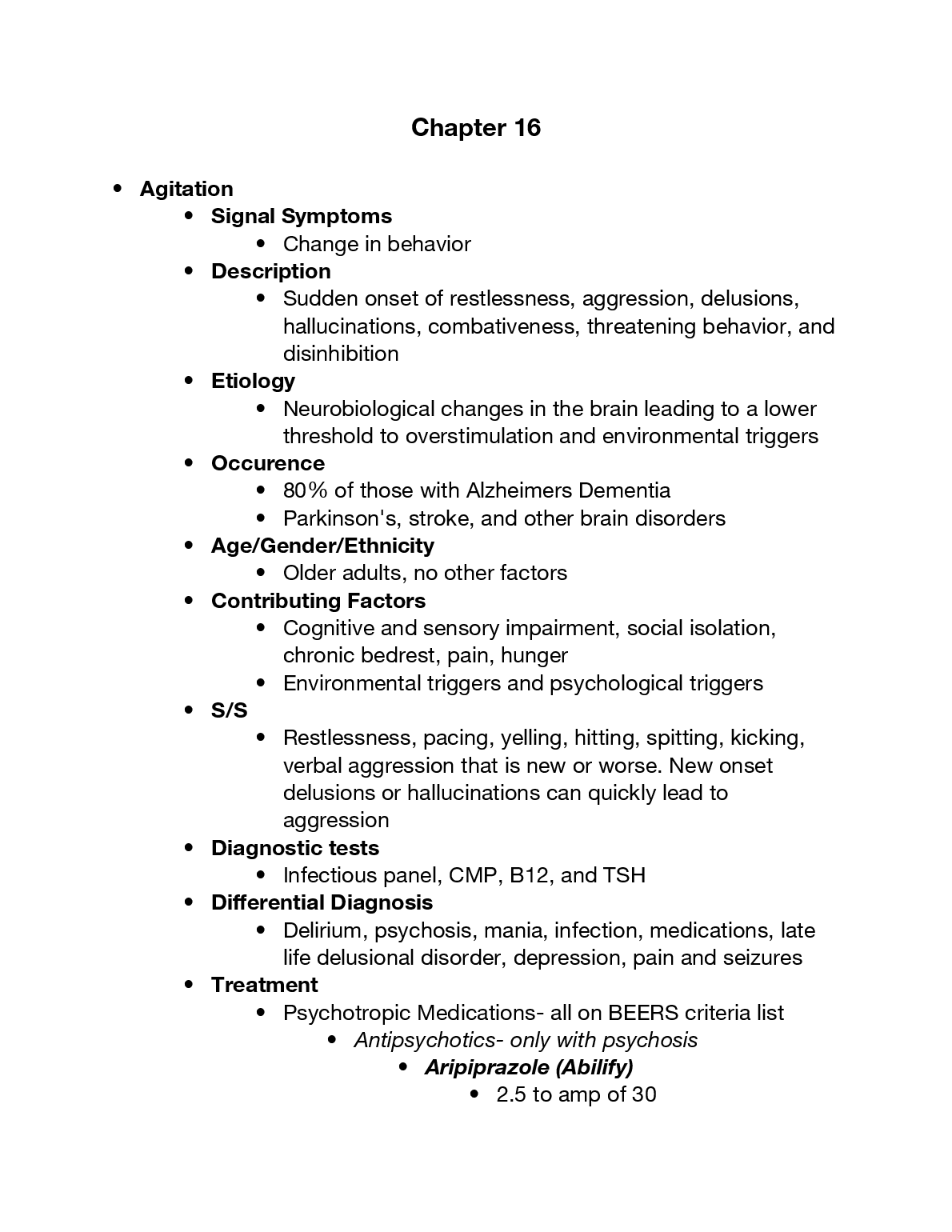
Develop a comprehensive understanding of agitation management in Alzheimer's dementia through this focused chapter review. It provides detailed insights into the signal symptoms, such as sudden restlessness and combativeness, that distinguish pathological aggression from baseline behaviour. The content clarifies neurobiological etiologies and environmental triggers to support evidence-based clinical reasoning for nursing students preparing for NCLEX-style examinations.
PDF Sample
1 / 3
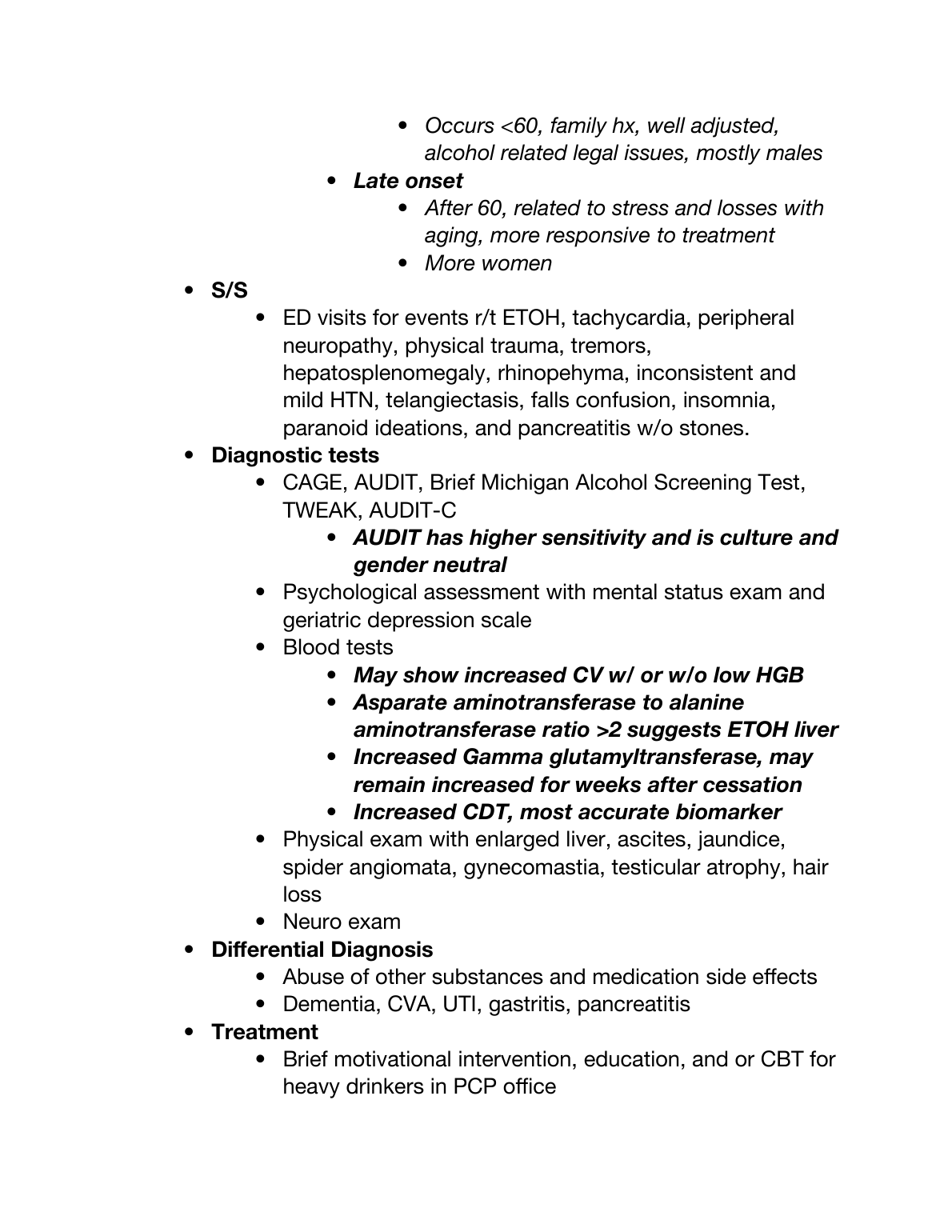
NR 601 Chapter 16 Agitation & Dementia Care Study Guide IMG-1
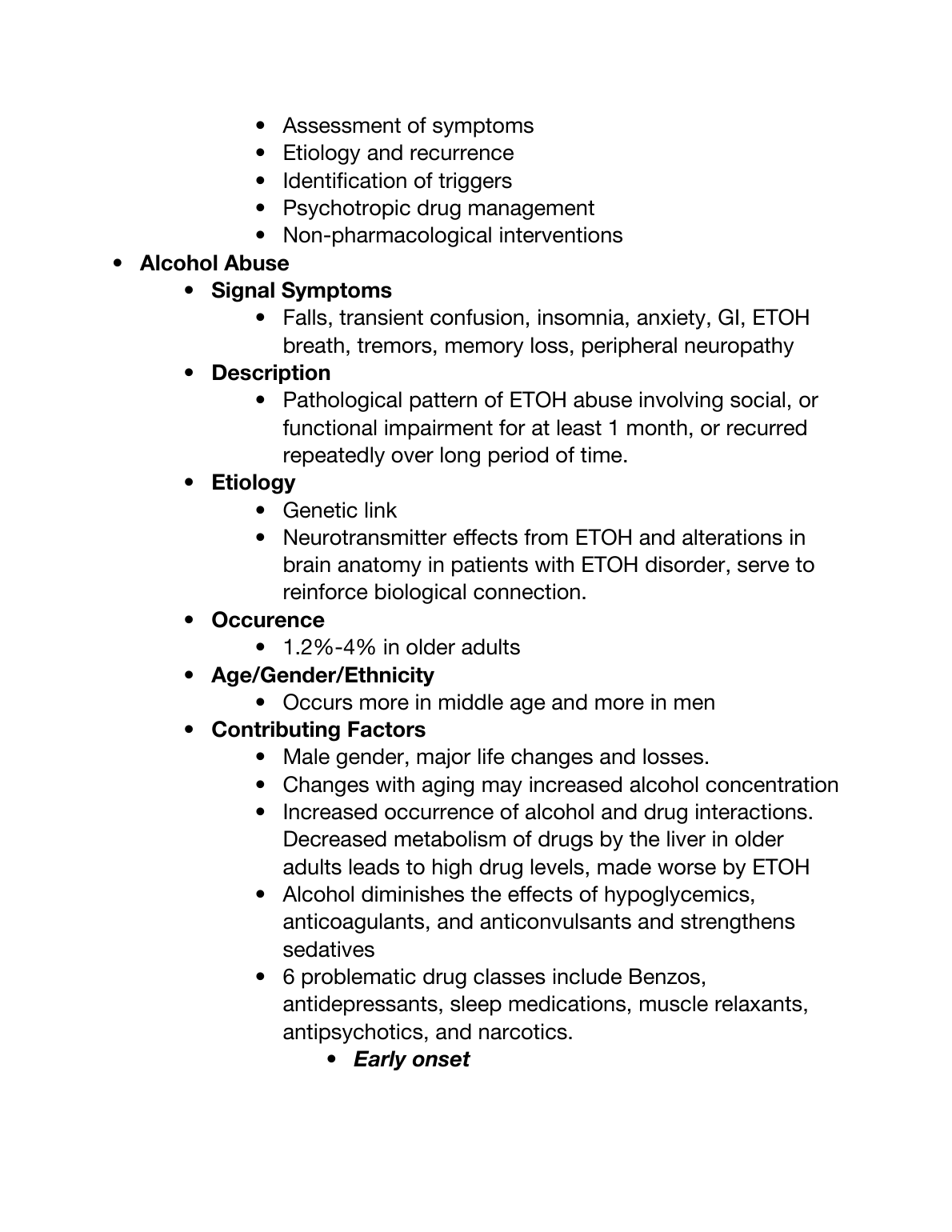
NR 601 Chapter 16 Agitation & Dementia Care Study Guide IMG-2
NR 601 Chapter 16 Agitation & Dementia Care Study Guide IMG-3
Who is this Document for ?

This resource is designed for undergraduate and graduate nursing students enrolled in NR 601 or similar mental health nursing courses. It serves as an efficient revision tool for candidates preparing for board examinations, quizzes, and clinical assessments related to psychiatric disorders of older adults.
What you will learn ?
Identify the specific signal symptoms of agitation in dementia, including restlessness, aggression, delusions, and hallucinations that indicate a sudden change from baseline behaviour.
Analyse the neurobiological etiologies behind behavioural changes, specifically how brain alterations lower thresholds to overstimulation and environmental triggers.
Recognise the high prevalence statistics of agitation in Alzheimer's dementia and understand its occurrence across other conditions like Parkinson's disease, stroke, and general ageing processes.
Differentiate between primary psychiatric symptoms and differential diagnoses such as delirium, mania, infection, medication side effects, pain, and late-life delusional disorder using appropriate diagnostic panels including CMP, B12, and TSH.
Evaluate environmental contributing factors such as cognitive impairment, sensory deficits, social isolation, chronic bedrest, and hunger that exacerbate behavioural disturbances in older adults.
Apply clinical knowledge of psychotropic medication management for agitation, specifically the use of antipsychotics like Aripiprazole (Abilify) at dosages ranging from 2.5 to 30mg within BEERS criteria guidelines.
You may also be interested in :
Recommendations for you
NR 601 Week 6 Quiz Review: Diabetes Screening, ADA Recommendations & Diagnostic Tests Study Guide
NR 601 Week 6 Quiz Review: Diabetes Screening, Ada Recommend...

Master NR 601 Diabetes Quiz Content With Detailed Coverage Of Ada Screening Recommend...

$16
NR 601 Comprehensive Final Exam Study Guide and Practice Questions with Solutions A+ Rated
NR 601 Comprehensive Final Exam Study Guide And Practice Que...

Master NR 601 Nursing Concepts Including Mini-cog, Delirium Causes, DM Criteria, And...

$16
NR 601 Comprehensive Final Exam Study Guide: Geriatric Nursing Practice and Clinical Assessments
NR 601 Comprehensive Final Exam Study Guide: Geriatric Nursi...

Master NR 601 Final Exam Concepts With Verified Study Guides Covering Mini-cog, Delir...

$16
NR 601 Week 3 TD 2 Study Guide for 2023/2024: Mental Health Nursing Case Analysis and Assessment Strategies
NR 601 Week 3 Td 2 Study Guide For 2023/2024: Mental Health...

Master NR 601 Mental Health Nursing Concepts With This Week 3 Study Guide, Featuring...

$16