
Study Guide
Nr601 Week 6 Genitourinary Problems Study Guide 2023 Nursing Course Notes
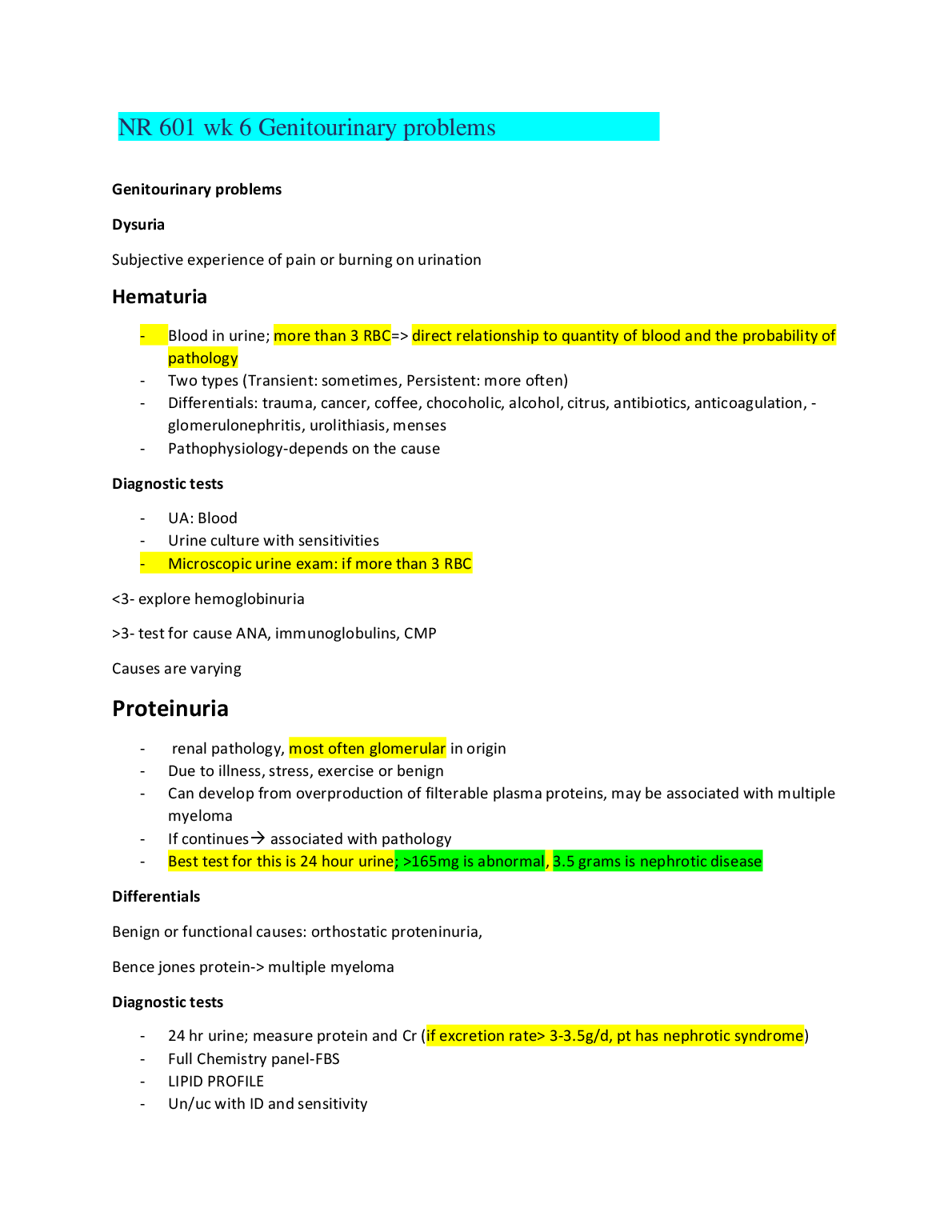
Accelerate clinical understanding of common urological complaints through a focused revision resource that dissects the pathophysiology of dysuria, haematuria and proteinuria. This material provides precise diagnostic criteria, including specific thresholds for RBC counts and protein excretion rates, enabling students to distinguish between benign conditions and serious renal pathology such as nephrotic syndrome or multiple myeloma. By outlining essential differential diagnoses and targeted laboratory tests like 24-hour urine collection and urinalysis culture, the guide equips learners with the analytical skills required for accurate patient assessment. This concise summary supports efficient exam preparation by highlighting key clinical indicators and testing protocols relevant to genitourinary care.
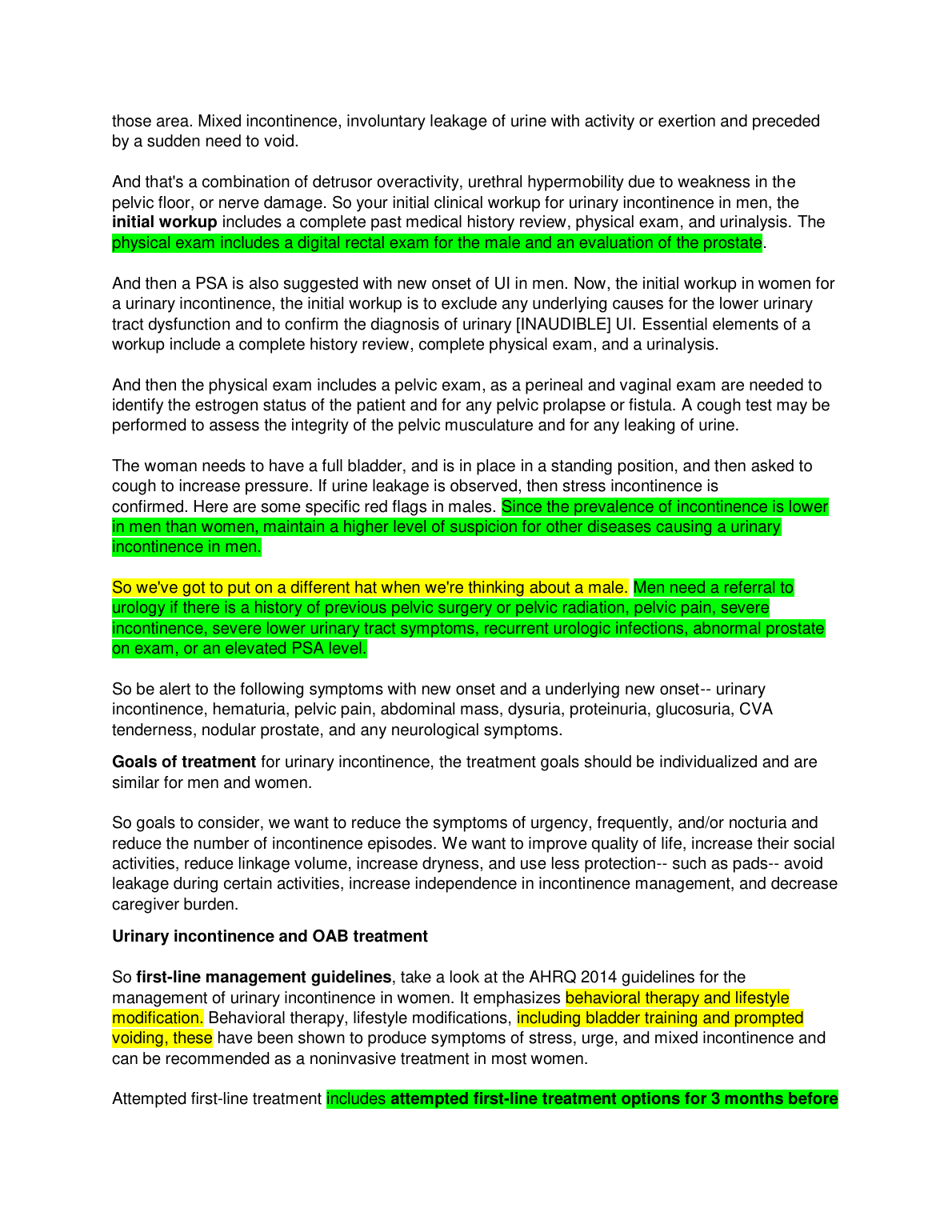
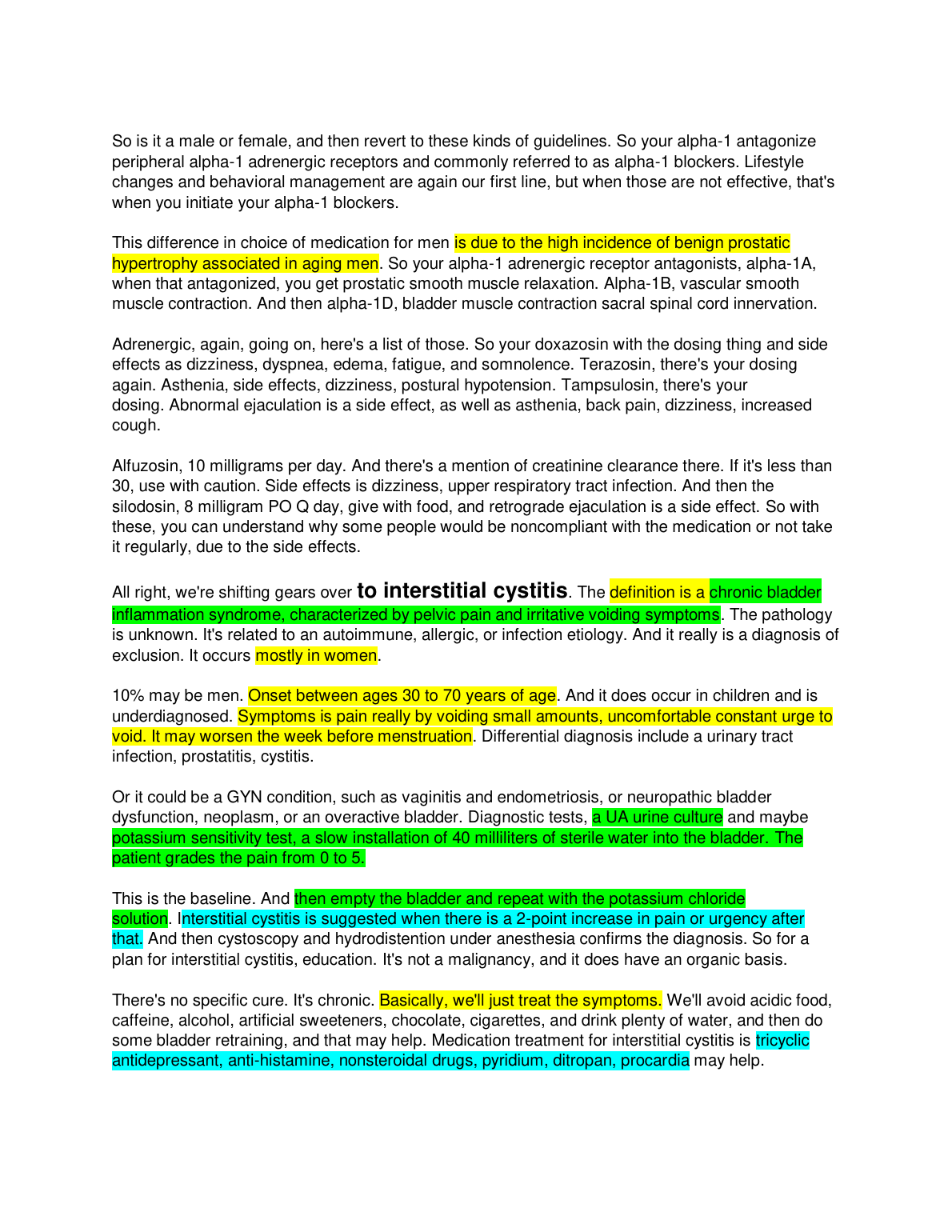
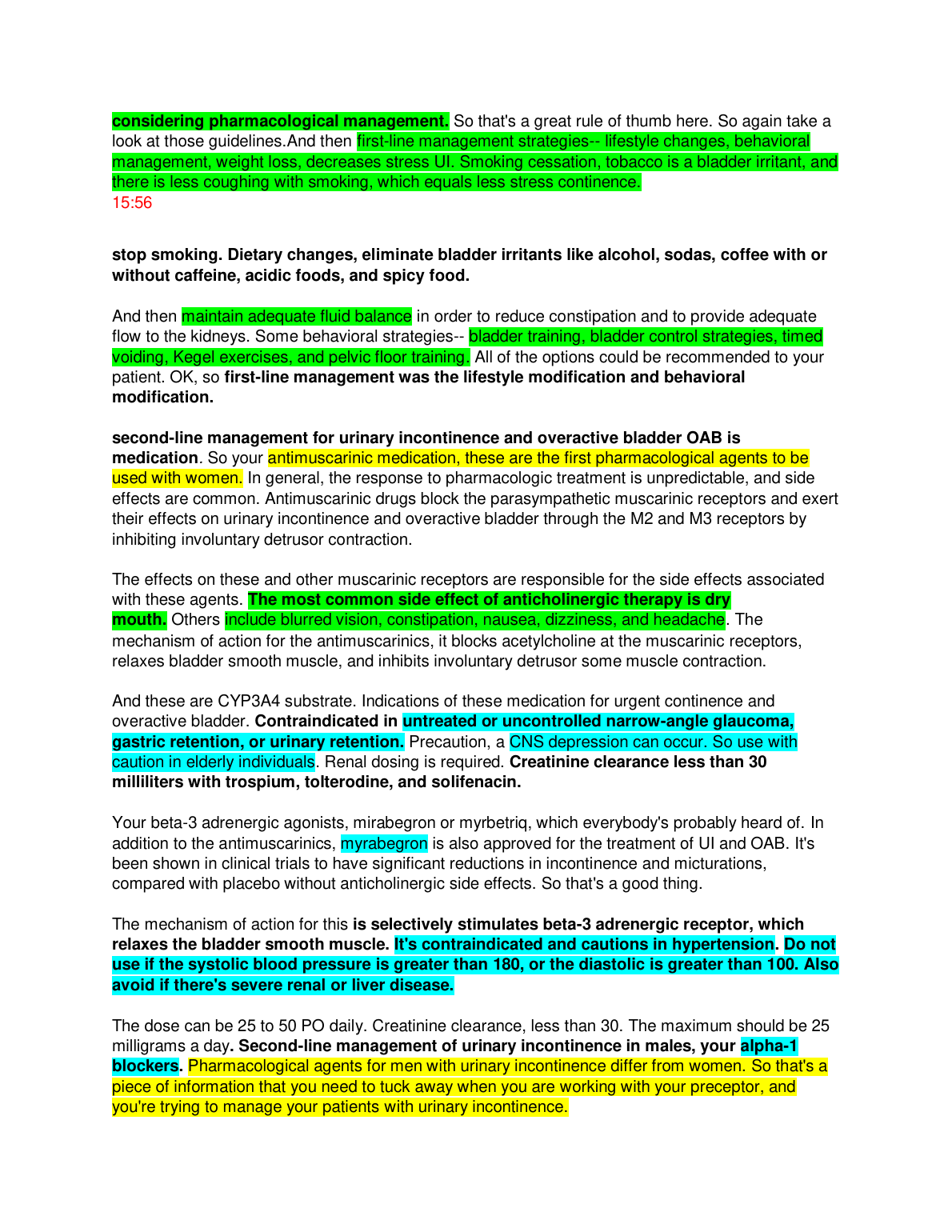
This resource is designed for undergraduate nursing students enrolled in NR601 courses who are preparing for weekly assessments or mid-term examinations. It serves as an effective revision tool for candidates seeking to solidify their knowledge of genitourinary pathophysiology and diagnostic procedures. Clinical instructors may also utilise this summary as a supplemental review aid when reinforcing key concepts regarding urinary abnormalities and renal assessment.
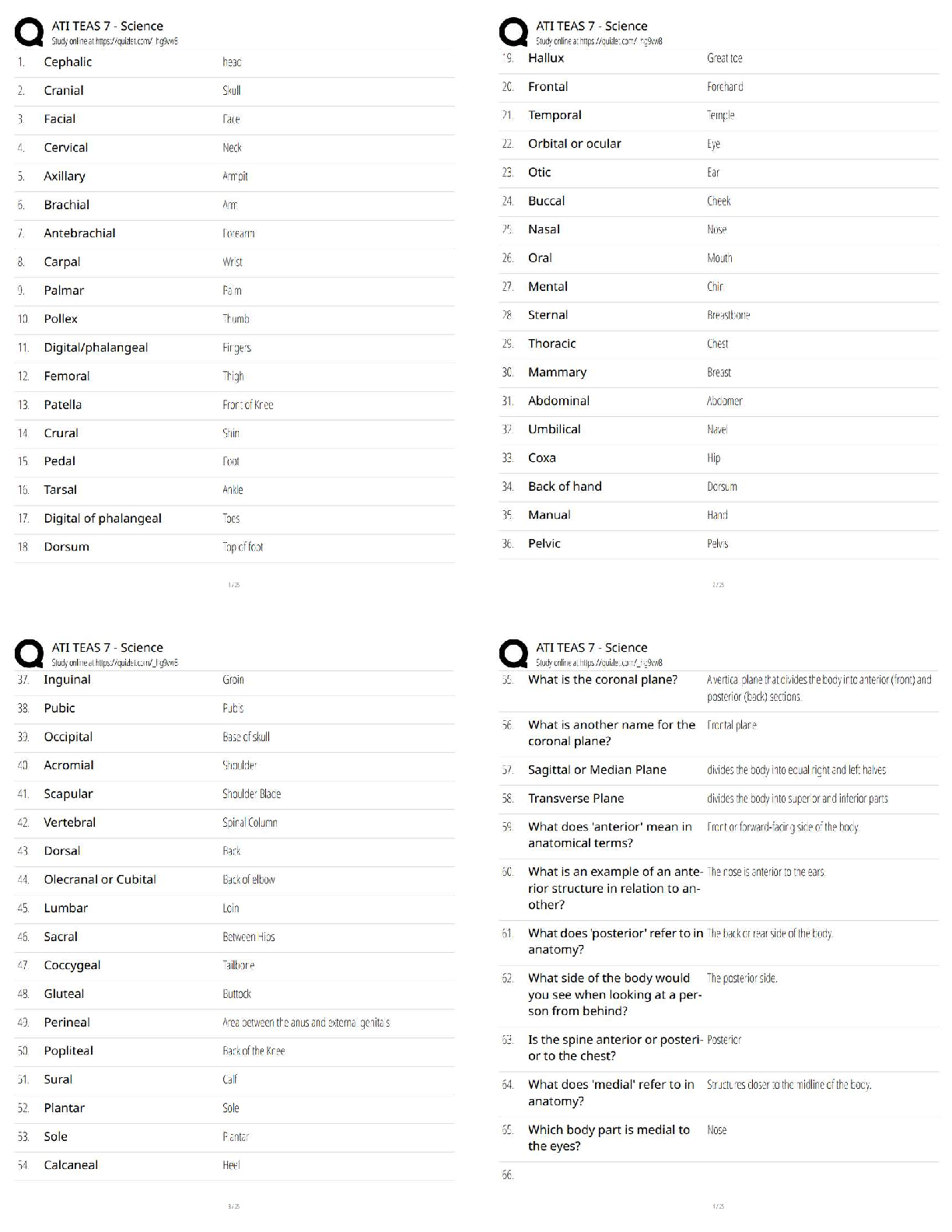
Master TEAS 7 Anatomy And Physiology Terms, Planes And Directional Concepts With This...
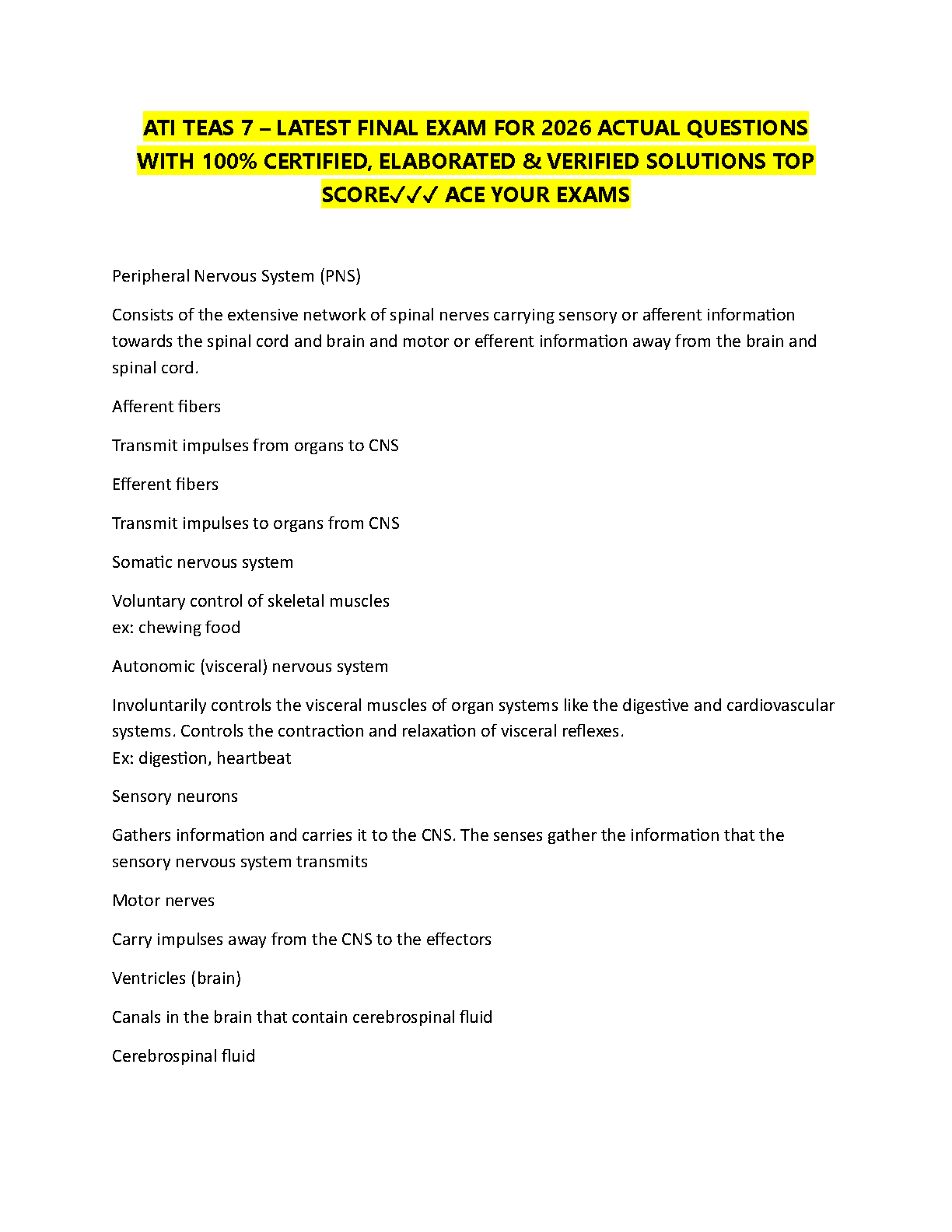
Master ATI TEAS 7 Concepts With Verified Questions And Detailed Solutions. Pass On Fi...
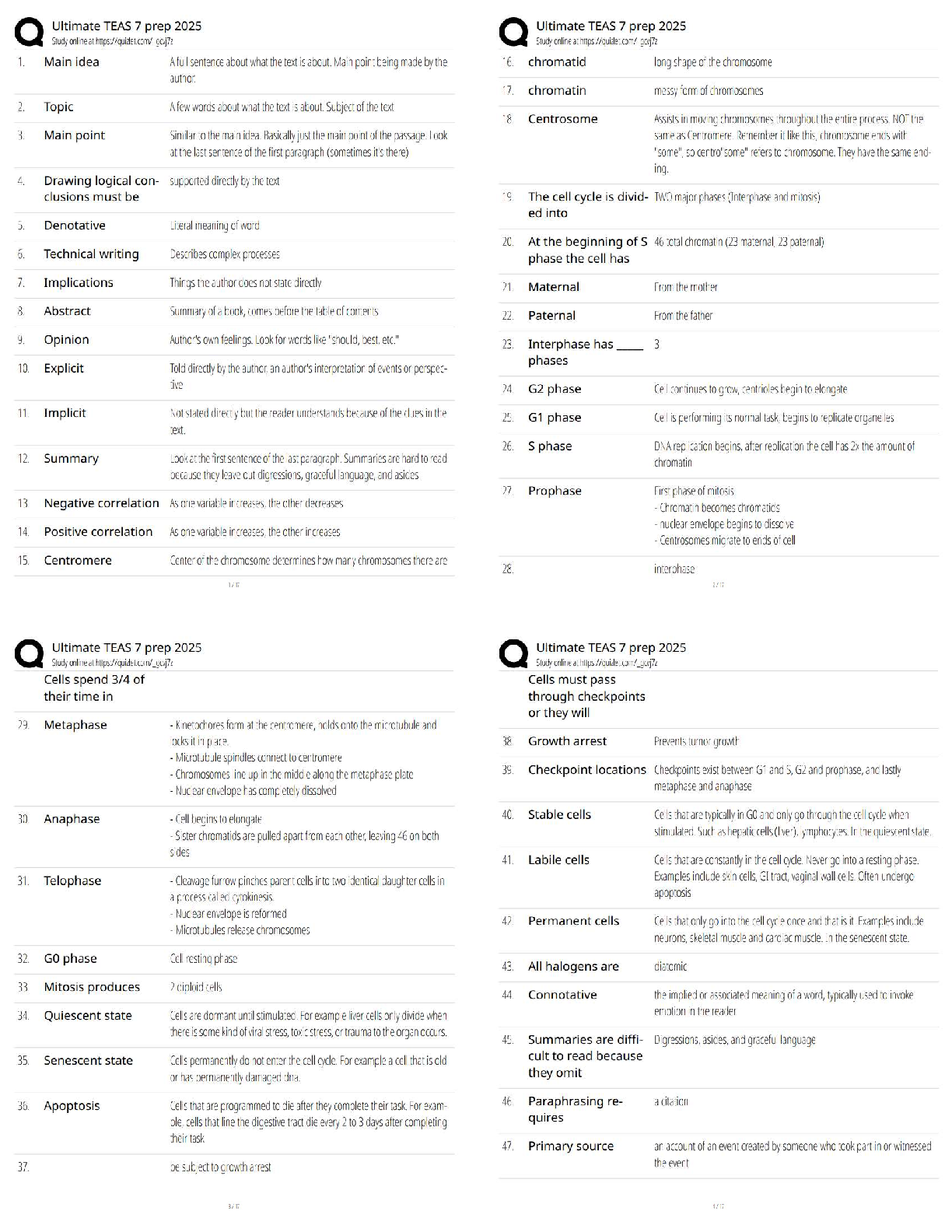
Ace The ATI TEAS 7 In 2026. Condensed Study Guide Covering Reading, Science And Cell...
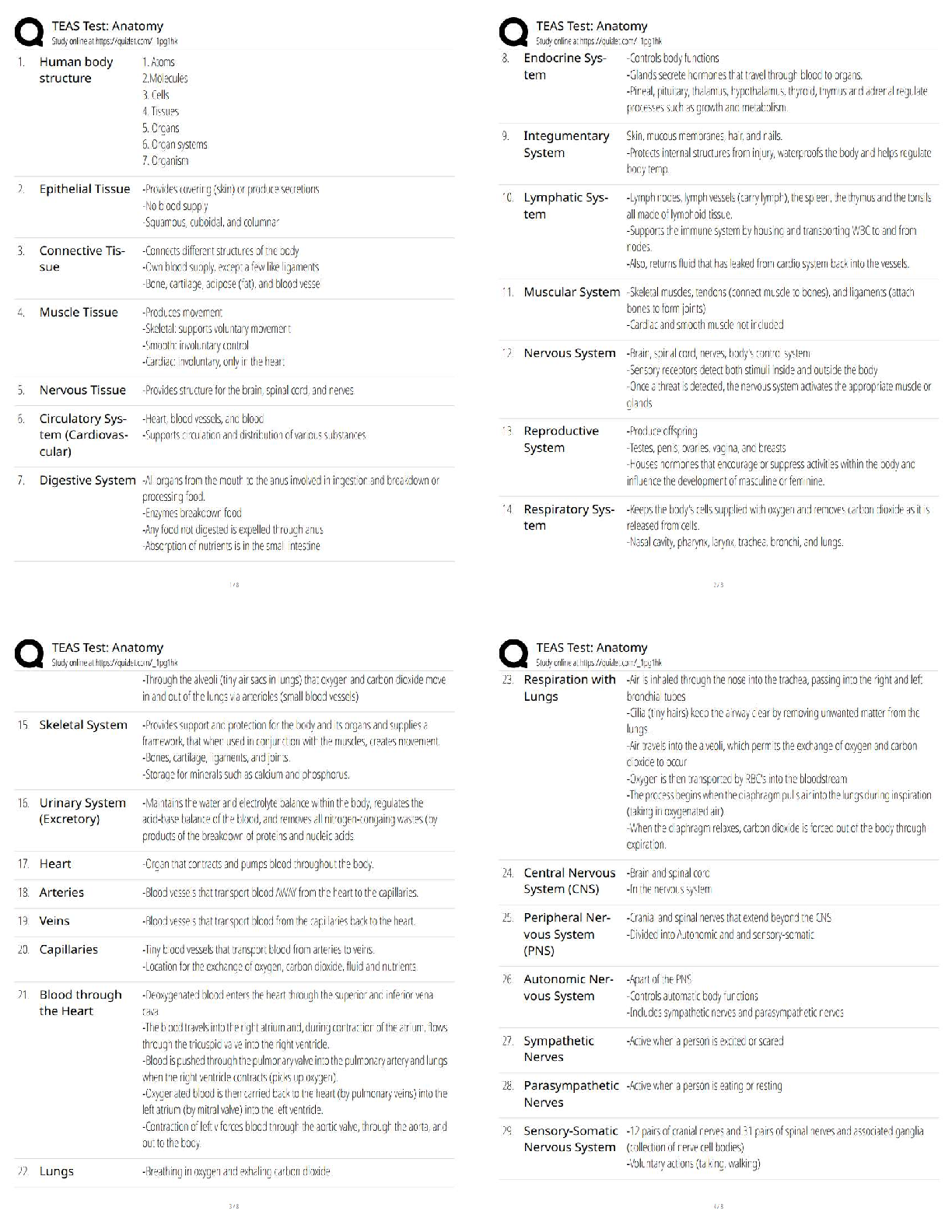
Master Ti TEAS 7 Anatomy With This Concise 2026 Guide. Covers All Systems To Help You...