NR 601 Week 2 Polypharmacy Discussion Answer Key NR 601 Week 2 Polypharmacy Discussion Answer Key

Study guide

NR 601 Week 2 Polypharmacy Discussion Guide For Nursing Students: Risk Factors And Prevention Strategies


Detailed NR 601 Discussion On Polypharmacy Definitions, Risk Factors In The Elderly, And Provider Action Steps For Prevention.
Description

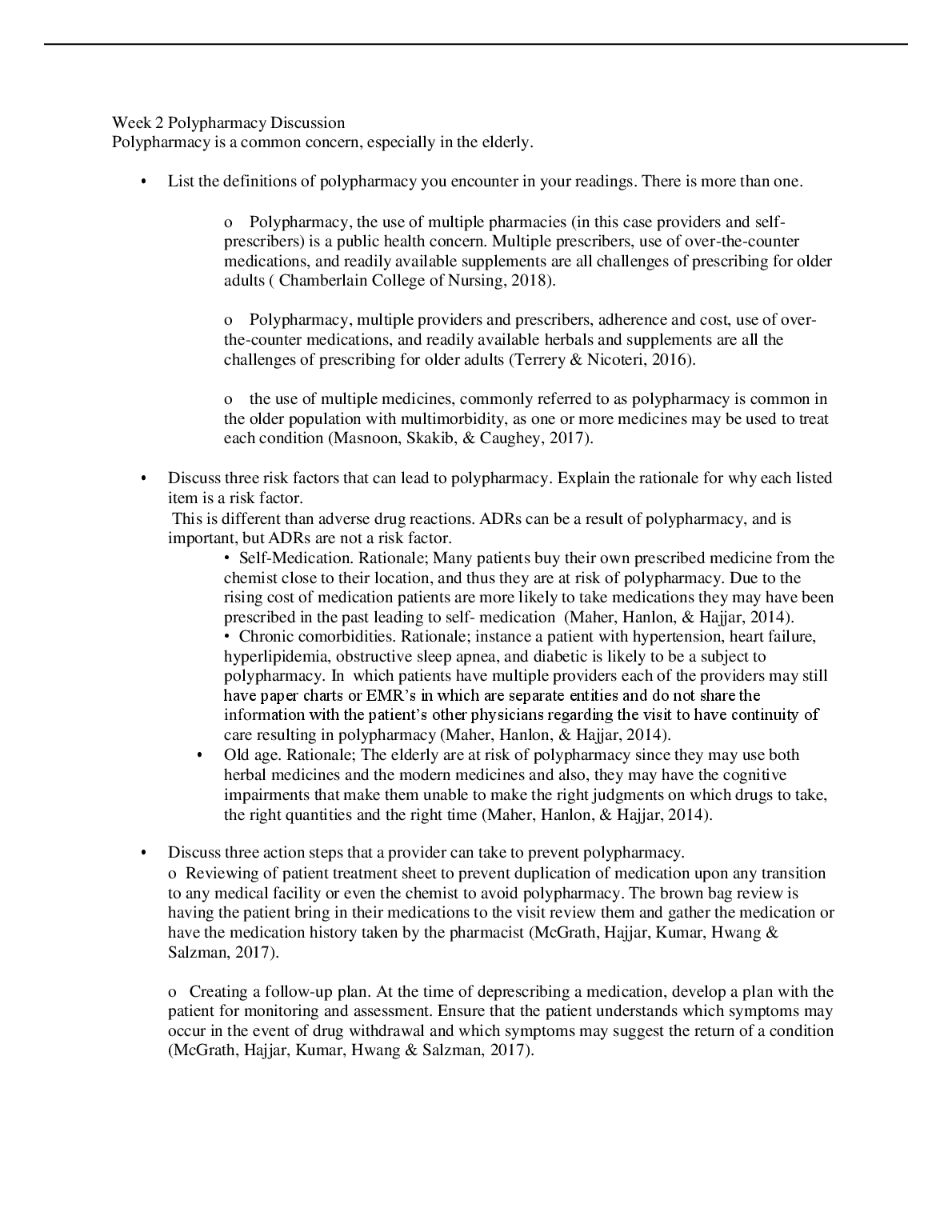
Master the complexities of prescribing multiple medications to older adults through this comprehensive analysis of polypharmacy. The content provides precise definitions derived from key nursing literature while distinguishing between adverse drug reactions and underlying risk factors. Learners gain critical insights into self-medication behaviours, chronic comorbidities, and age-related vulnerabilities that drive medication overload. Practical prevention strategies, including brown bag reviews and structured deprescribing plans, are outlined to enhance clinical decision-making and patient safety.
PDF Sample
1 / 3
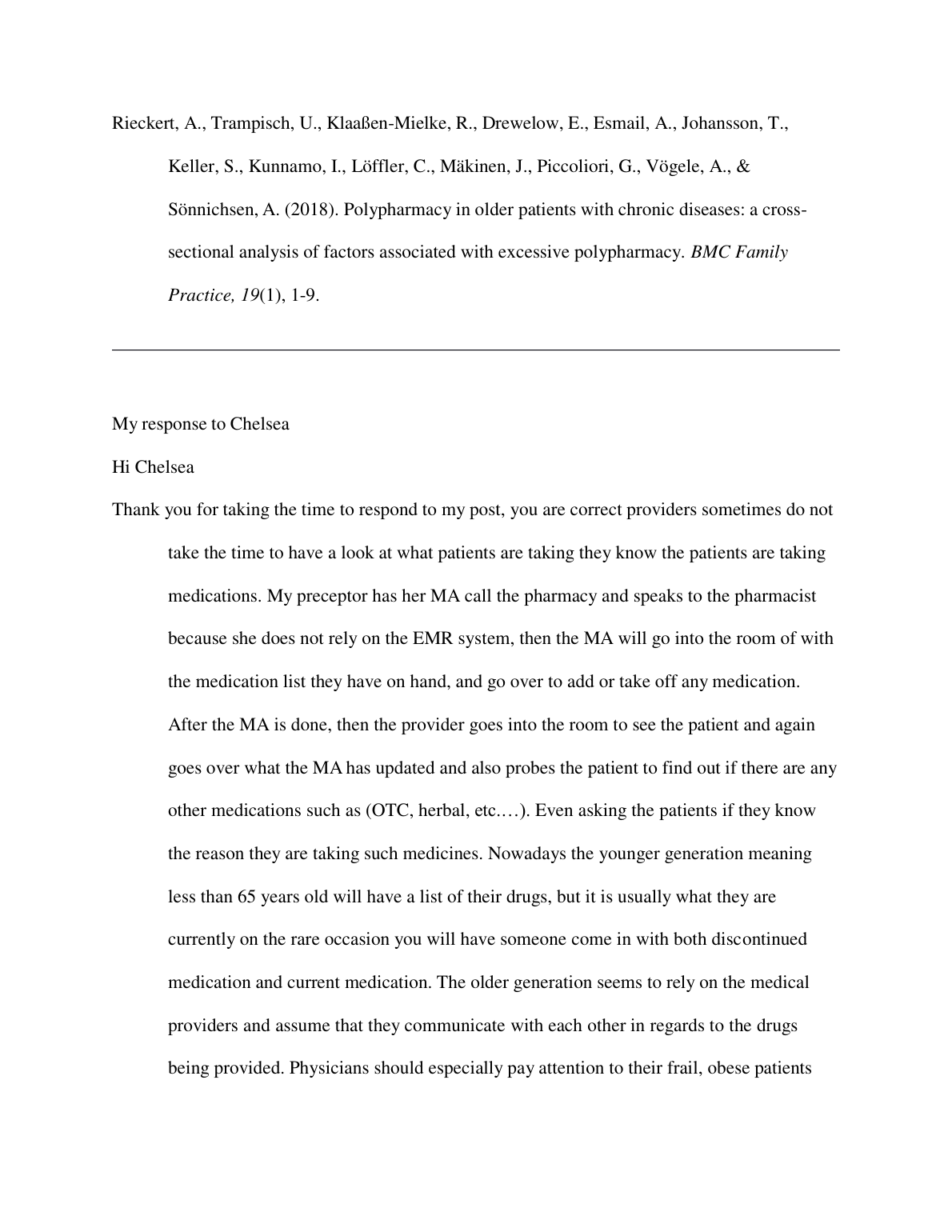
NR 601 Week 2 Polypharmacy Discussion Answer Key IMG-1
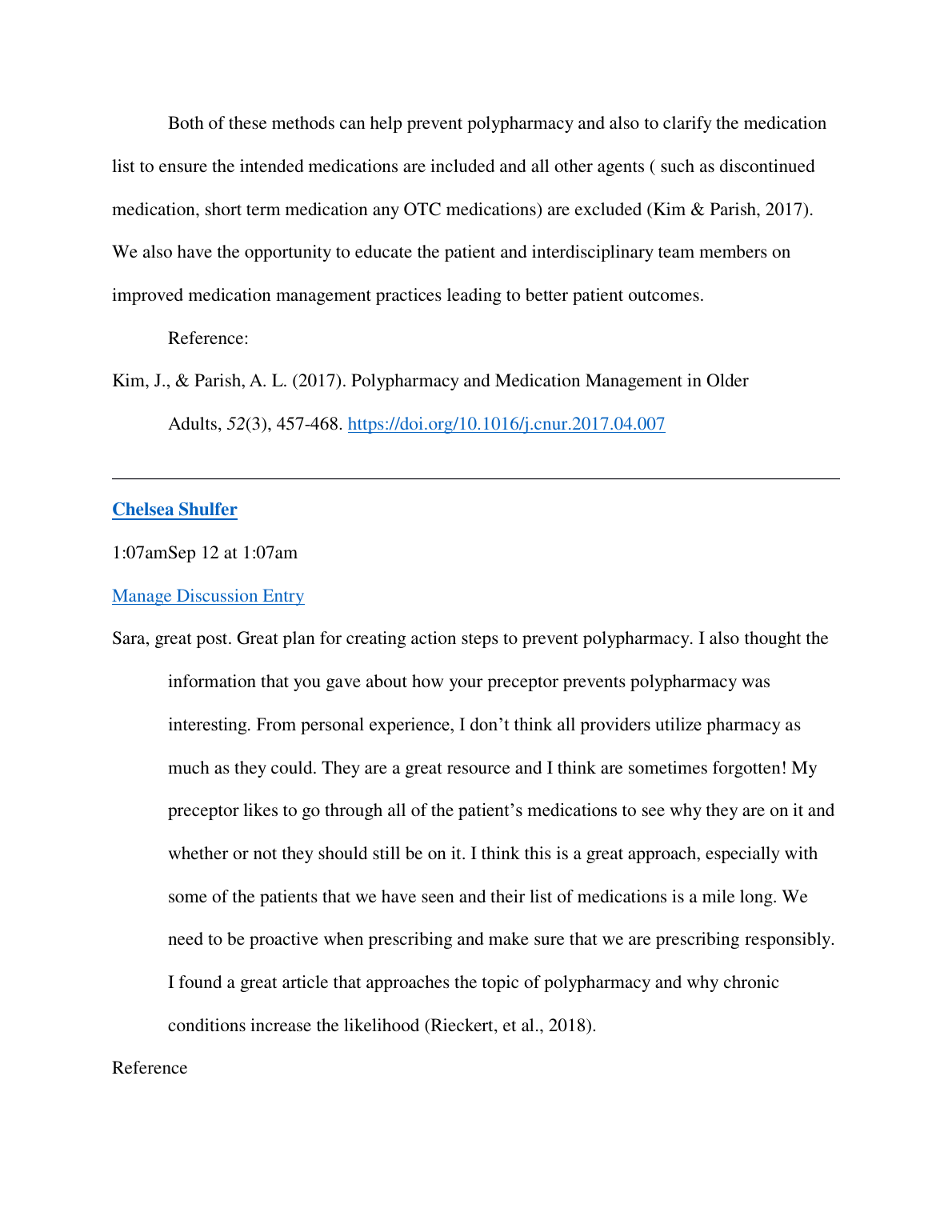
NR 601 Week 2 Polypharmacy Discussion Answer Key IMG-2
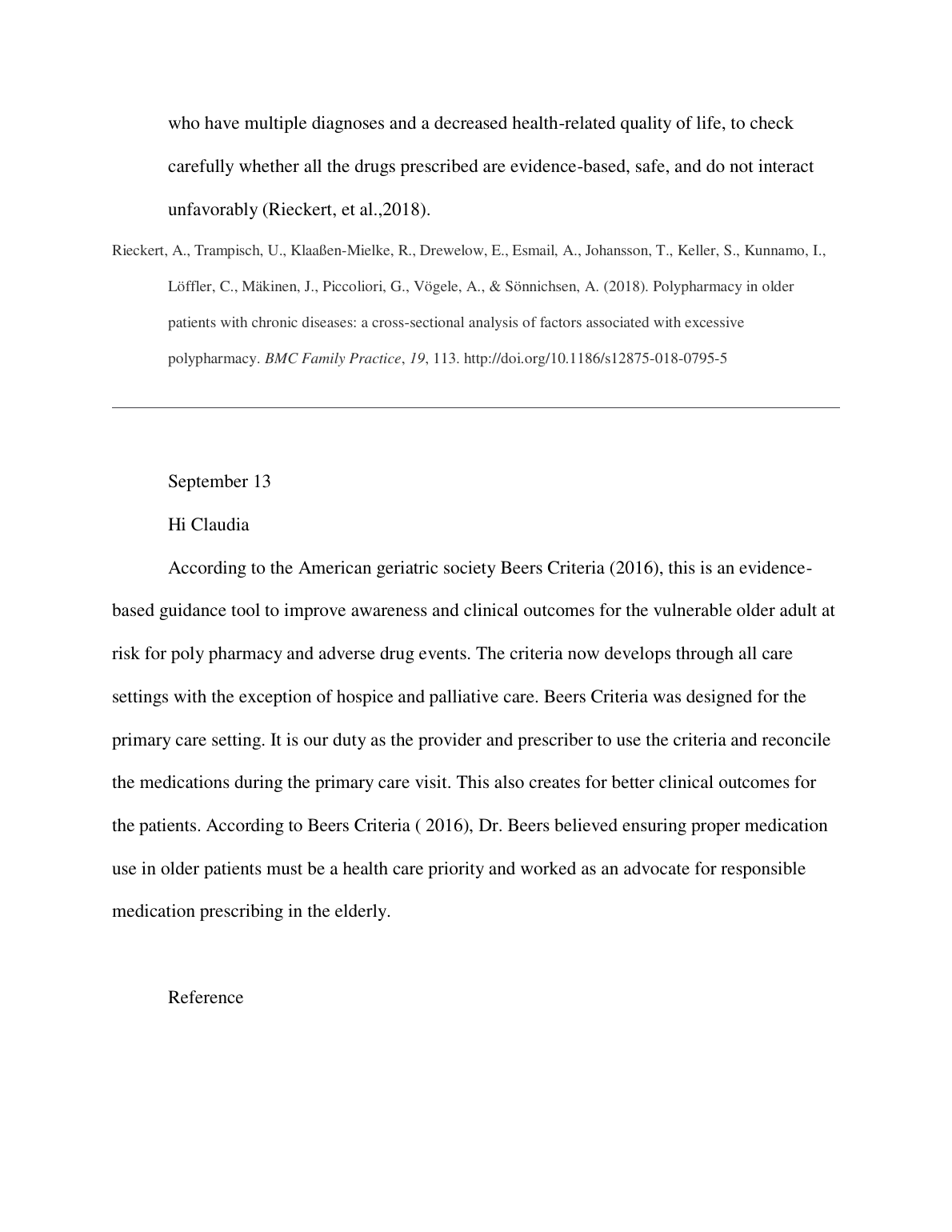
NR 601 Week 2 Polypharmacy Discussion Answer Key IMG-3
Who is this Document for ?

This resource is designed for graduate nursing students enrolled in advanced pharmacology or adult-gerontology courses, specifically those completing NR 601. It serves as a revision tool for learners preparing for weekly discussion boards and clinical practicum assessments. Tutors and faculty members may also utilise this structured outline to align grading criteria with evidence-based best practices.
What you will learn ?
Identify multiple scholarly definitions of polypharmacy, including perspectives from Chamberlain College of Nursing and Masnoon et al., to articulate the public health concern regarding older adults.
Differentiate between adverse drug reactions (ADRs) as outcomes and true risk factors such as self-medication, chronic comorbidities, and old age when analysing prescribing challenges.
Explain how fragmented healthcare systems, where providers use separate electronic medical records or paper charts without sharing information, contribute to polypharmacy in patients with multimorbidity.
Analyse the role of cognitive impairment and the concurrent use of herbal supplements alongside modern medicines as specific risk factors for medication errors in the elderly population.
Apply the 'brown bag review' technique by having patients bring all medications to appointments to prevent duplication during transitions between medical facilities or pharmacists.
Develop structured follow-up plans when deprescribing, ensuring patients understand symptoms of drug withdrawal versus the return of underlying conditions to maintain safe monitoring.
Critique prescribing practices in older adults by recognising how rising medication costs influence patient adherence and increase reliance on over-the-counter products.
You may also be interested in :
Recommendations for you
NR 601 Week 6 Quiz Review: Diabetes Screening, ADA Recommendations & Diagnostic Tests Study Guide
NR 601 Week 6 Quiz Review: Diabetes Screening, Ada Recommend...

Master NR 601 Diabetes Quiz Content With Detailed Coverage Of Ada Screening Recommend...

$16
NR 601 Comprehensive Final Exam Study Guide and Practice Questions with Solutions A+ Rated
NR 601 Comprehensive Final Exam Study Guide And Practice Que...

Master NR 601 Nursing Concepts Including Mini-cog, Delirium Causes, DM Criteria, And...

$16
NR 601 Comprehensive Final Exam Study Guide: Geriatric Nursing Practice and Clinical Assessments
NR 601 Comprehensive Final Exam Study Guide: Geriatric Nursi...

Master NR 601 Final Exam Concepts With Verified Study Guides Covering Mini-cog, Delir...

$16
NR 601 Week 3 TD 2 Study Guide for 2023/2024: Mental Health Nursing Case Analysis and Assessment Strategies
NR 601 Week 3 Td 2 Study Guide For 2023/2024: Mental Health...

Master NR 601 Mental Health Nursing Concepts With This Week 3 Study Guide, Featuring...

$16