
NR 601 Nursing Final Exam Study Guide & Practice Questions NR 601 Nursing Final Exam Study Guide & Practice Questions

Study Guide

NR 601 Comprehensive Final Exam Study Guide And Practice Questions With Solutions A+ Rated


Master NR 601 Nursing Concepts Including Mini-cog, Delirium Causes, DM Criteria, And Urinary Incontinence. Premium Study Guide.
Description

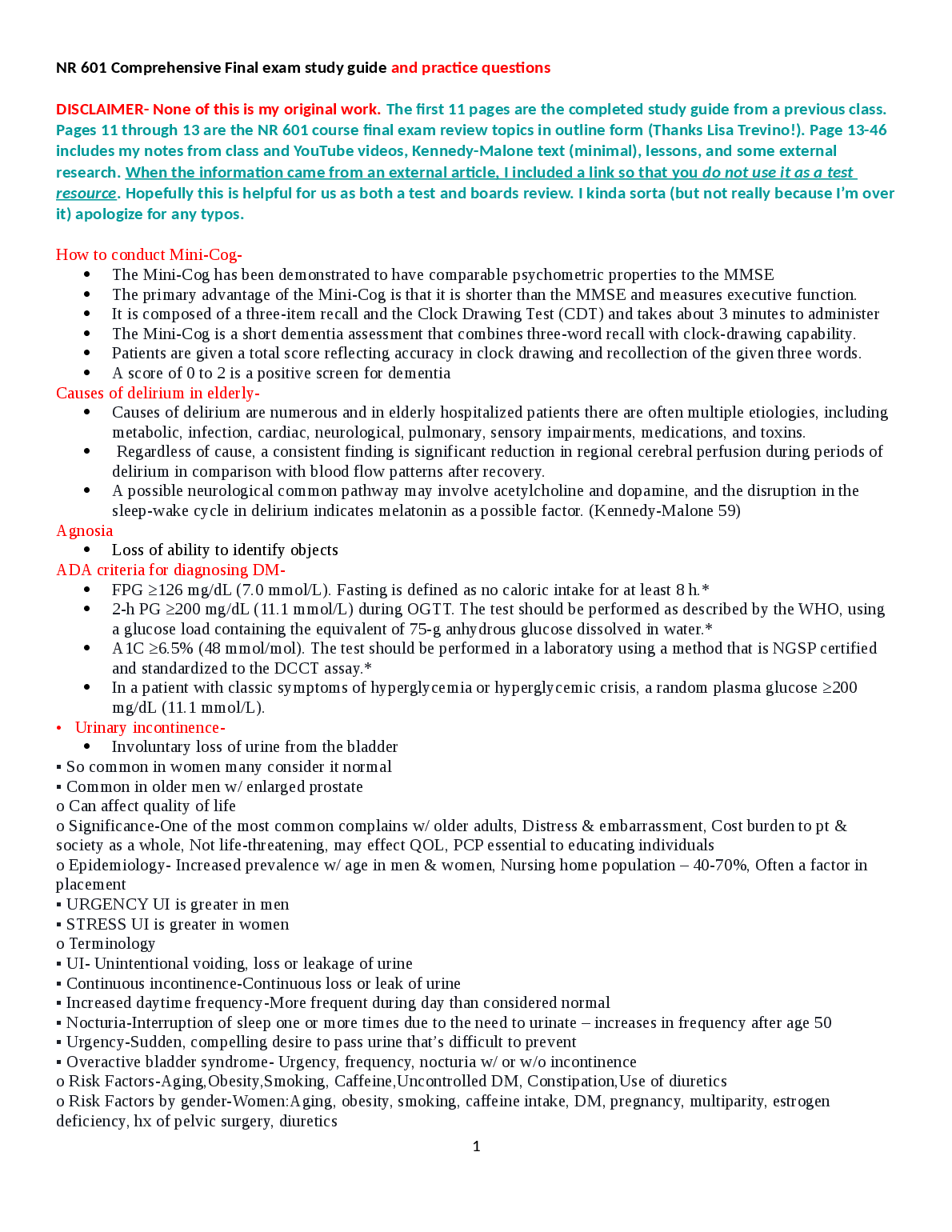
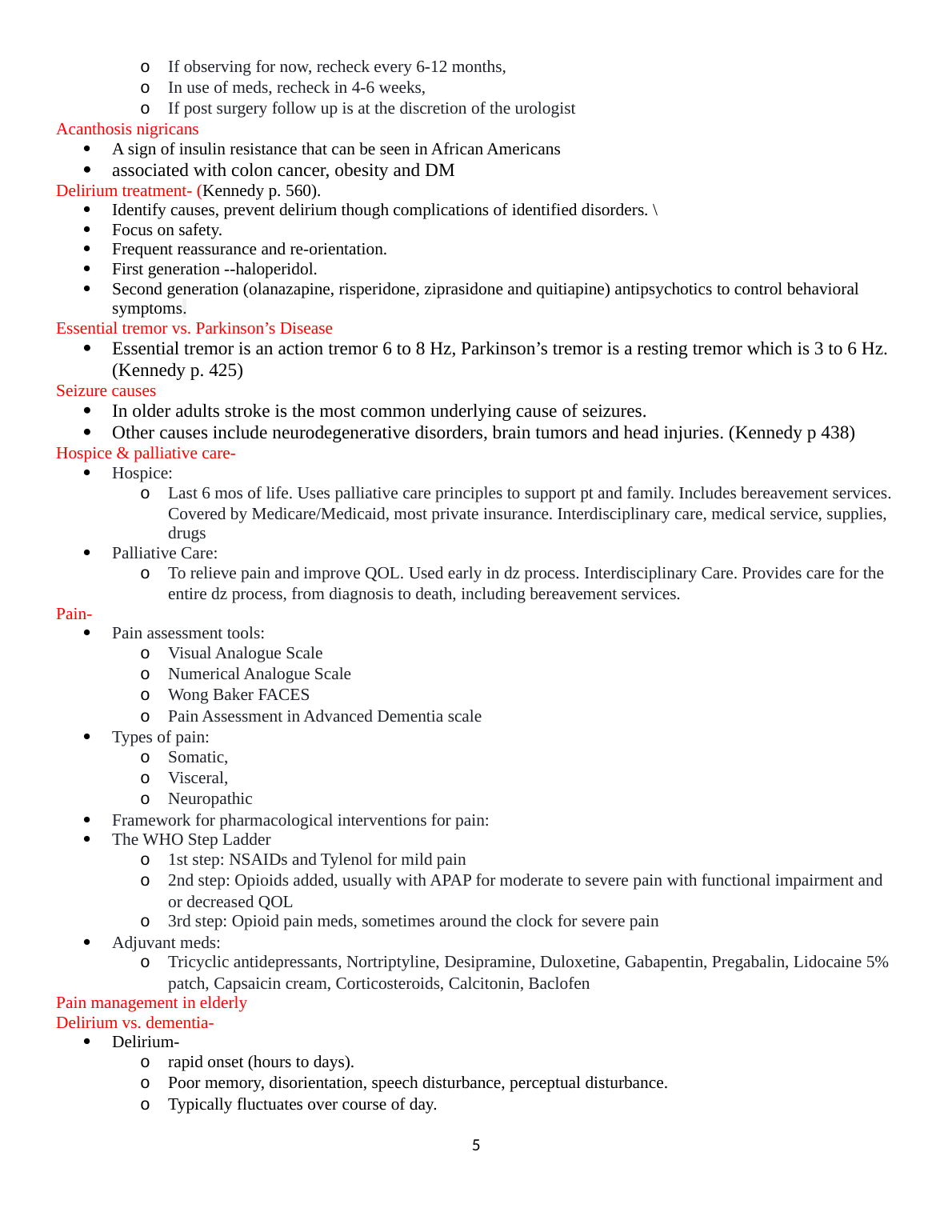
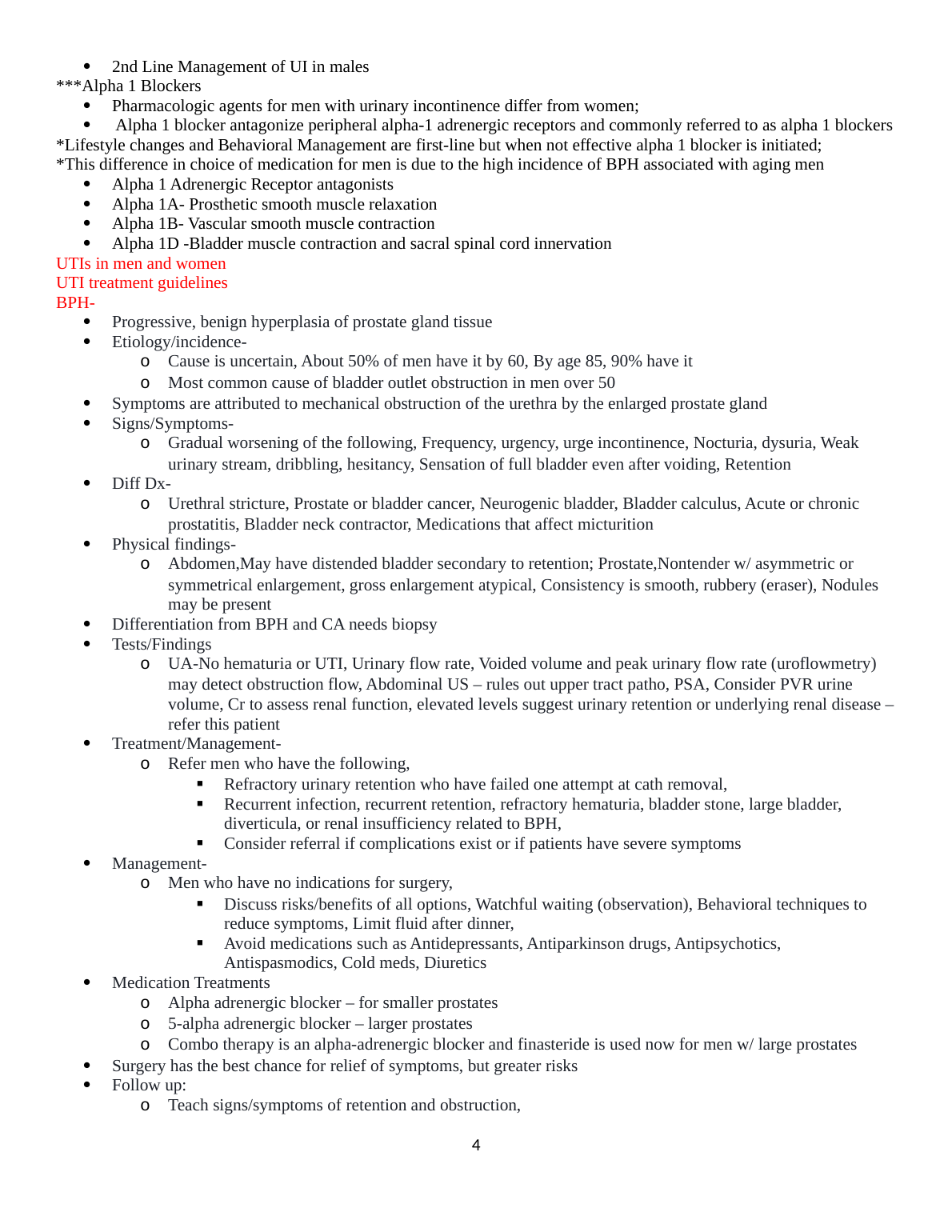
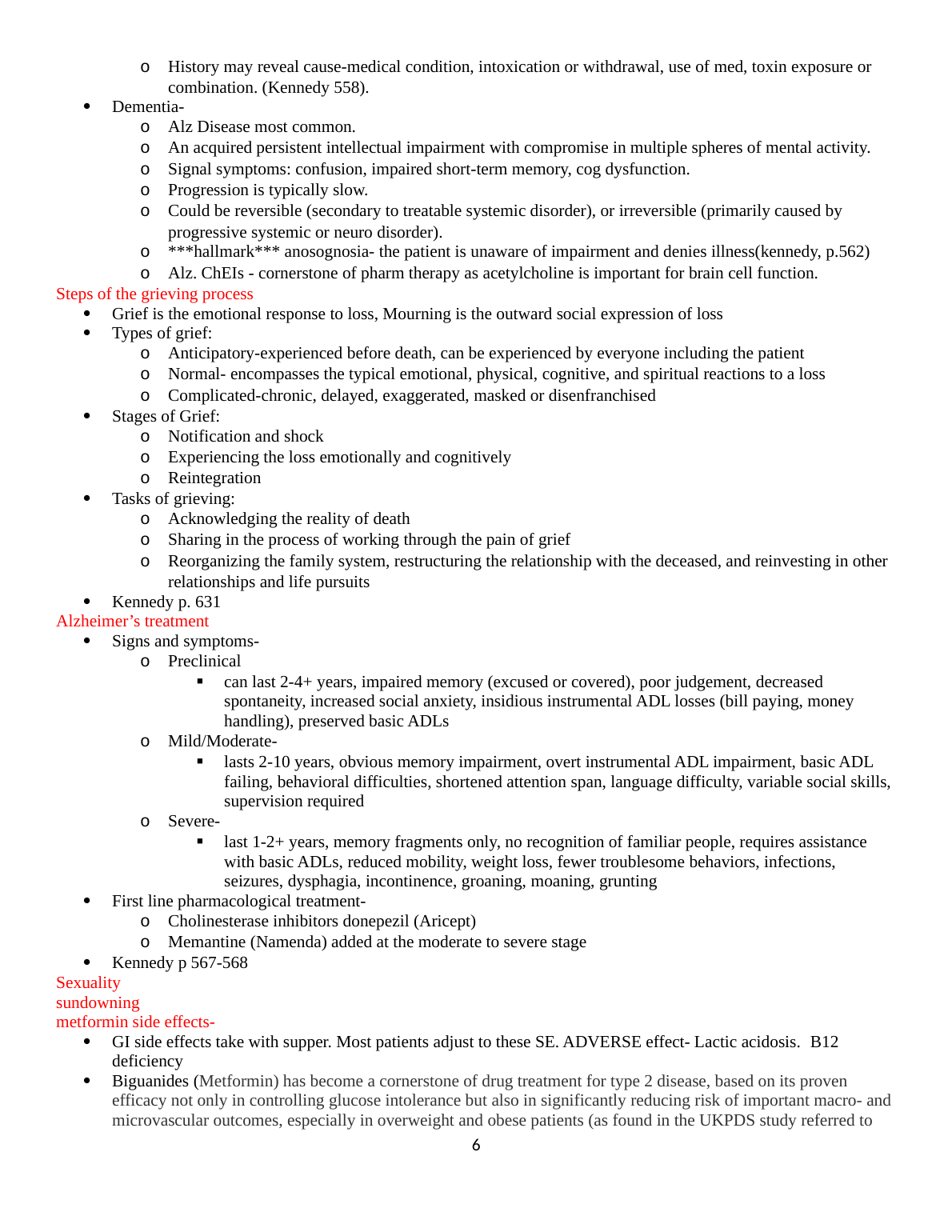
Gain a comprehensive edge for the NR 601 final examination with this A+ rated resource that synthesises complex geriatric and neurological topics into clear, actionable study points. The material provides deep coverage of essential assessments such as the Mini-Cog dementia screen, detailing its psychometric properties and scoring criteria alongside the MMSE. Learners will acquire precise diagnostic knowledge for Type 2 Diabetes Mellitus based on ADA standards, including FPG, OGTT, and A1C thresholds. Furthermore, the guide clarifies the multifactorial causes of delirium in elderly patients, highlighting neurological pathways involving acetylcholine and dopamine to ensure exam-ready proficiency.
PDF Sample
1 / 3
NR 601 Nursing Final Exam Study Guide & Practice Questions IMG-1
NR 601 Nursing Final Exam Study Guide & Practice Questions IMG-2
NR 601 Nursing Final Exam Study Guide & Practice Questions IMG-3
Who is this Document for ?

This document is ideal for nursing students enrolled in NR 601 or similar advanced health assessment courses. It serves as a vital revision tool for candidates preparing for comprehensive final examinations covering geriatric care and neurological disorders. Tutors and clinical instructors may also utilise this structured guide to align teaching objectives with key exam topics such as cognitive screening and chronic disease management.
What you will learn ?
Conduct the Mini-Cog assessment accurately by understanding its three-word recall and Clock Drawing Test components, knowing that a score of 0-2 indicates a positive screen for dementia.
Identify the numerous etiologies of delirium in elderly hospitalised patients, including metabolic, infectious, and medication-related factors, while recognising the role of reduced regional cerebral perfusion.
Apply American Diabetes Association (ADA) criteria to diagnose diabetes mellitus by memorising specific thresholds for FPG (126 mg/dL), 2-h PG during OGTT (200 mg/dL), and A1C levels (6.5%).
Differentiate between types of urinary incontinence, such as urgency versus stress UI, noting that urgency is more prevalent in men while stress incontinence affects women more frequently.
Analyse the risk factors for urinary incontinence specific to gender, including obesity, smoking, uncontrolled diabetes, and hormonal changes like estrogen deficiency in women.
Define agnosia as a loss of ability to identify objects, distinguishing it from other neurological deficits relevant to patient assessment scenarios.
You may also be interested in :
Recommendations for you
WGU D226 NQM1 Task 2 and C802 TXM2 Task 2 E-Portfolio Solutions for the 2026 Academic Year Nursing Capstone
WGU D226 Nqm1 Task 2 And C802 Txm2 Task 2 E-portfolio Soluti...

Complete WGU D226 Nqm1 And C802 Txm2 Task 2 E-portfolio Solutions Aligned With Qsen C...
$16
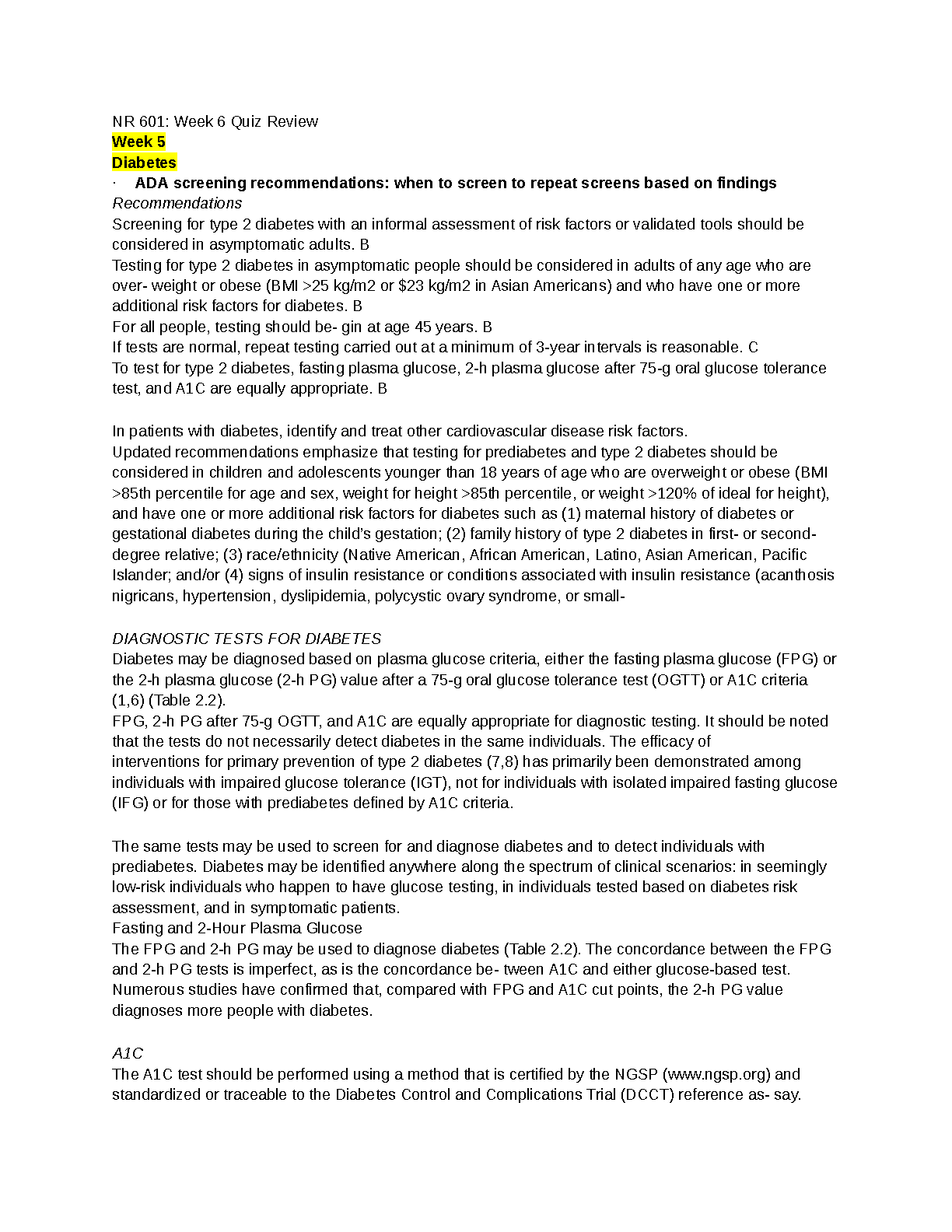
NR 601 Week 6 Quiz Review: Diabetes Screening, ADA Recommendations & Diagnostic Tests Study Guide
NR 601 Week 6 Quiz Review: Diabetes Screening, Ada Recommend...

Master NR 601 Diabetes Quiz Content With Detailed Coverage Of Ada Screening Recommend...
$16
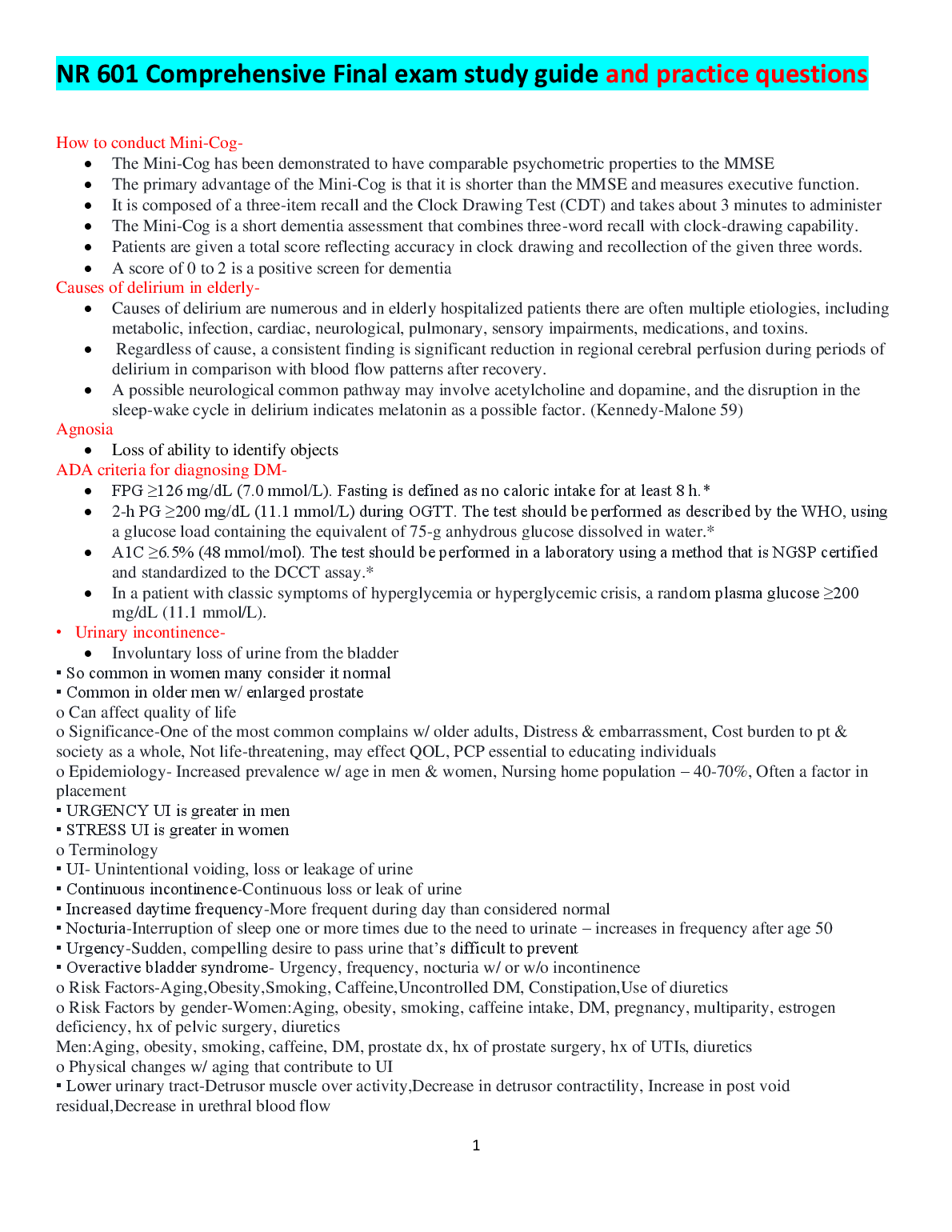
NR 601 Comprehensive Final Exam Study Guide: Geriatric Nursing Practice and Clinical Assessments
NR 601 Comprehensive Final Exam Study Guide: Geriatric Nursi...

Master NR 601 Final Exam Concepts With Verified Study Guides Covering Mini-cog, Delir...
$16
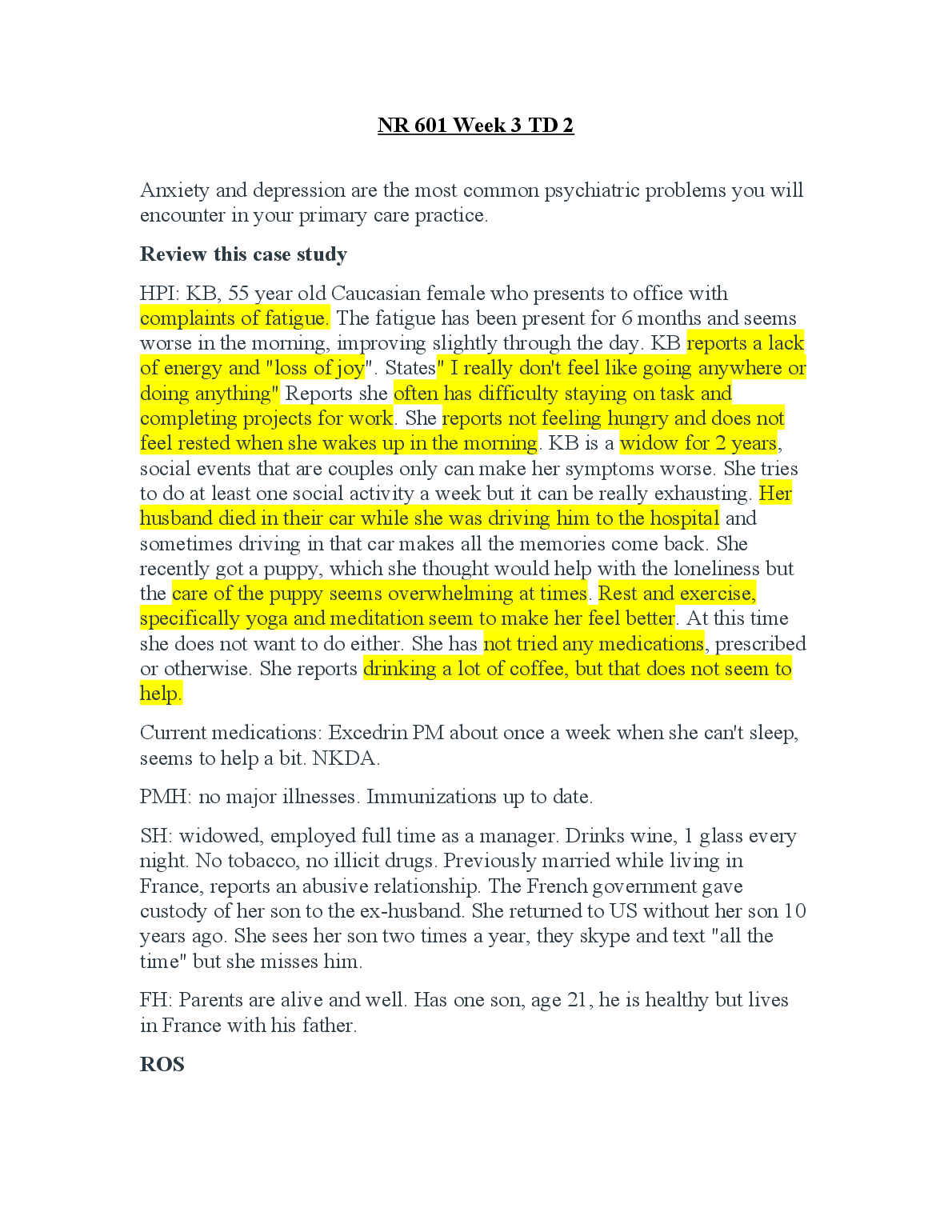
NR 601 Week 3 TD 2 Study Guide for 2023/2024: Mental Health Nursing Case Analysis and Assessment Strategies
NR 601 Week 3 Td 2 Study Guide For 2023/2024: Mental Health...

Master NR 601 Mental Health Nursing Concepts With This Week 3 Study Guide, Featuring...

$16