
Test bank
Davis Advantage For Pathophysiology 3rd Edition Test Bank
Davis Advantage for Pathophysiology: Introductory Concepts and Clinical Perspectives (3rd Edition) by Theresa Capriotti is a comprehensive learning resource designed to introduce nursing and healthcare students to the essential principles of pathophysiology and their application in clinical practice. The text provides a clear connection between normal body function, disease processes, clinical manifestations, diagnostic findings, and patient care, helping learners understand how and why diseases develop and affect human health.
The resource emphasizes a conceptual approach to pathophysiology by integrating foundational science with clinical perspectives. It supports students in developing the ability to recognize patterns of illness, interpret patient symptoms, understand disease mechanisms, and apply pathophysiological knowledge to nursing assessment and decision-making.
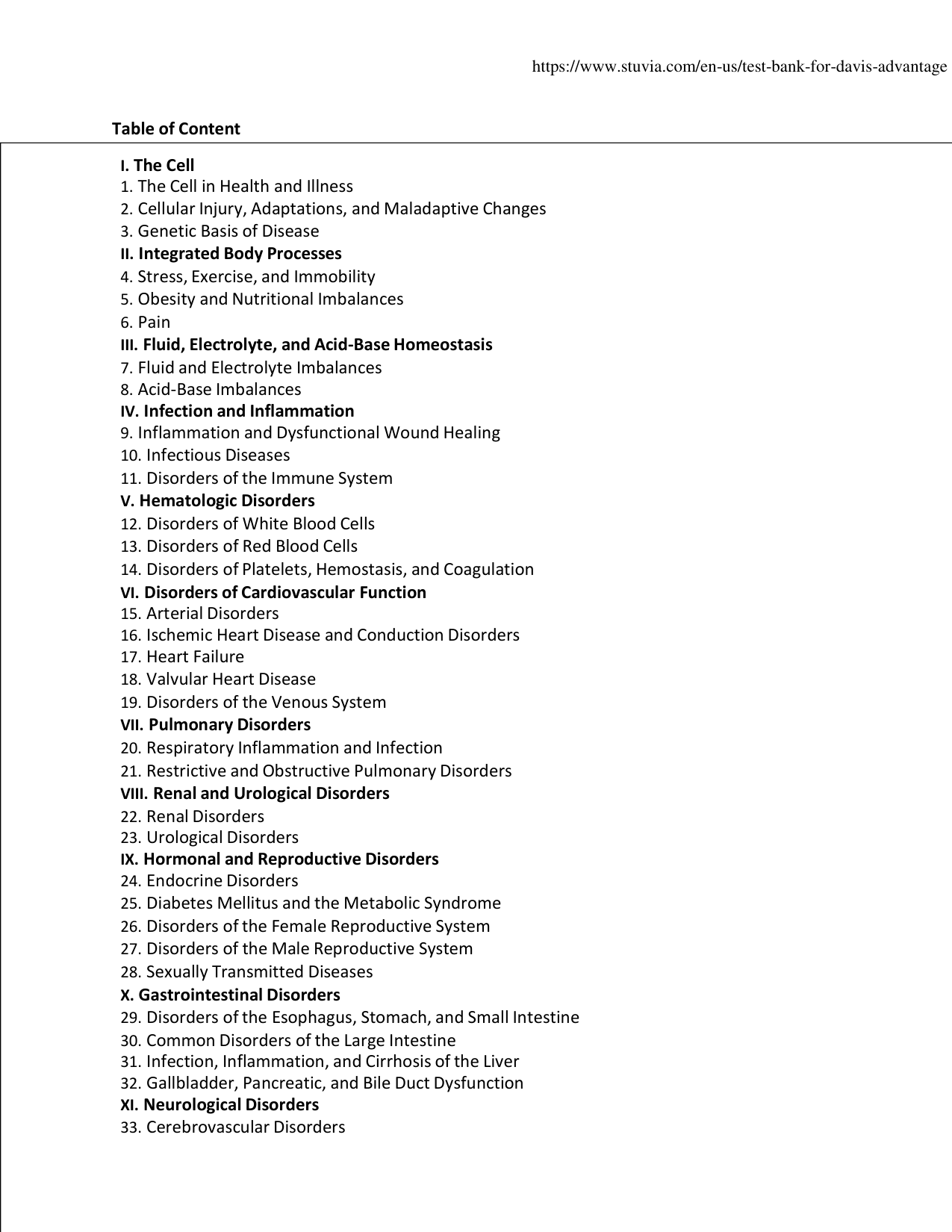
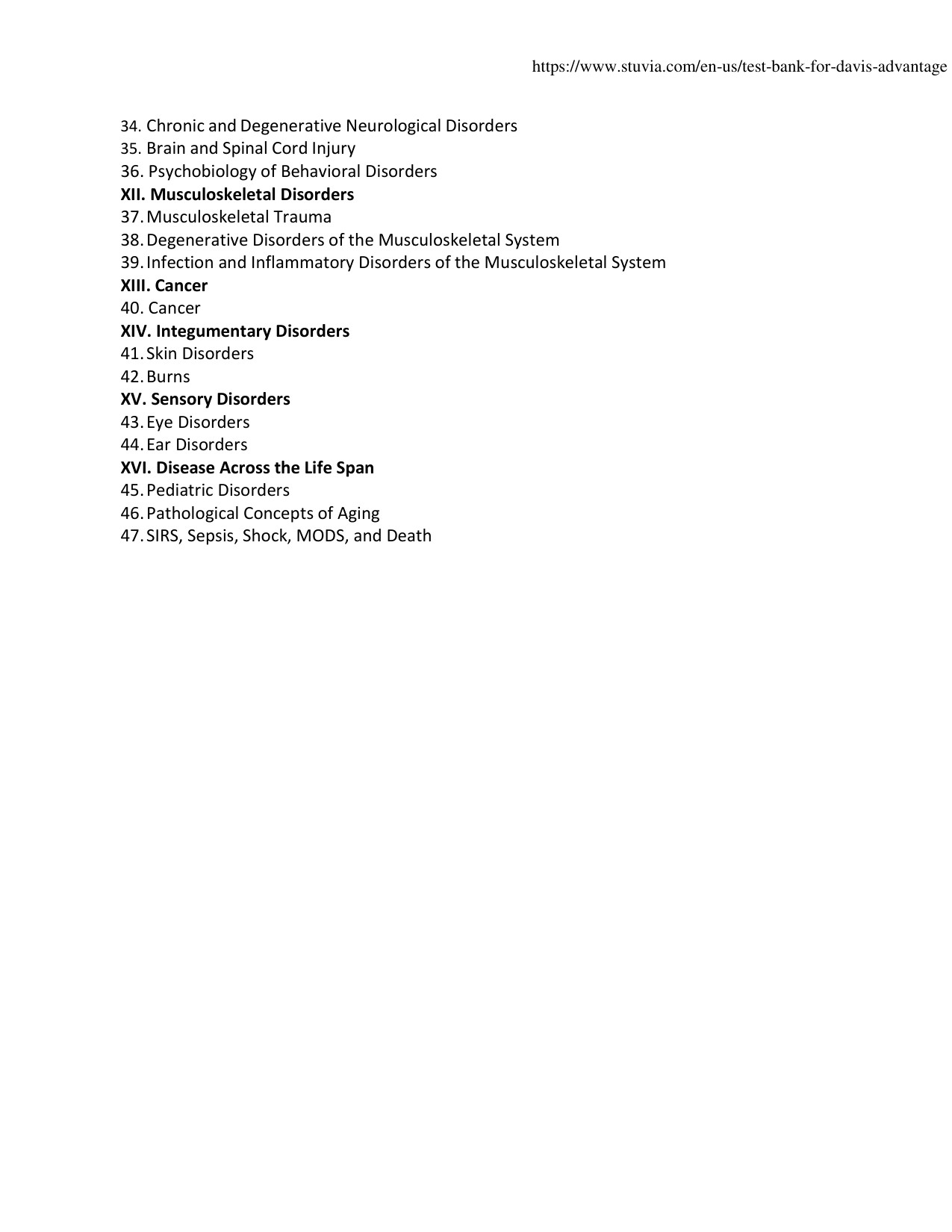
Major topics covered include:
* Foundations of pathophysiology
* Cellular structure, function, and adaptation
* Cellular injury, inflammation, and repair
* Genetic and molecular influences on disease
* Alterations in immune function
* Infection and infectious disease processes
* Fluid, electrolyte, and acid-base imbalances
* Alterations in tissue and organ function
* Hematologic disorders
* Cardiovascular pathophysiology
* Respiratory system disorders
* Neurologic disorders
* Endocrine and metabolic disorders
* Gastrointestinal disorders
* Renal and urinary system disorders
* Reproductive system disorders
* Musculoskeletal disorders
* Integumentary disorders
* Cancer development and progression
* Aging-related physiological changes
* Multisystem disorders and complex health conditions
The text helps learners understand important pathophysiological concepts, including:
* Mechanisms of disease development
* Causes and risk factors of illness
* Structural and functional changes associated with disease
* Relationship between disease processes and clinical symptoms
* Diagnostic testing and interpretation of findings
* Complications and progression of disease
* Principles of treatment and patient management
Key learning features include:
* Clear explanations of complex pathophysiological concepts
* Clinical examples connecting theory to patient care
* Visual learning tools to illustrate disease mechanisms
* Case-based clinical applications
* Critical-thinking exercises that promote clinical reasoning
* Integration of nursing concepts and patient assessment
* Emphasis on understanding rather than memorization
By studying this resource, learners develop the ability to:
* Explain how normal body systems function and how disease alters these processes
* Identify relationships between pathophysiological changes and patient symptoms
* Interpret clinical manifestations associated with various disorders
* Connect diagnostic findings with underlying disease mechanisms
* Apply pathophysiology knowledge to nursing assessment and care planning
* Recognize potential complications and changes in patient conditions
* Use clinical reasoning to support safe and effective healthcare decisions
nursing students, allied health students, healthcare trainees, and educators
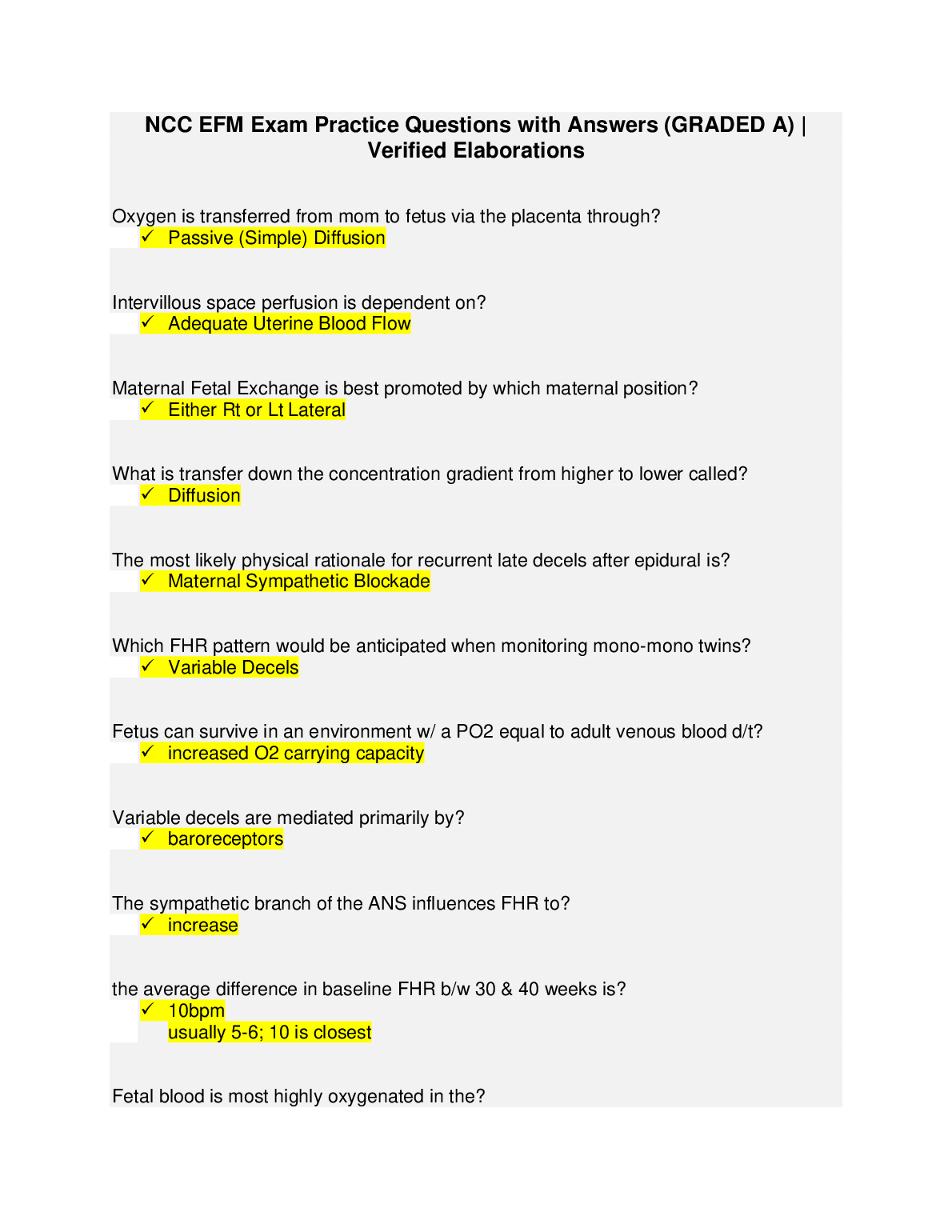
Master Ncc Efm Exams With Graded Practice Questions On Fetal Heart Rate Monitoring, V...
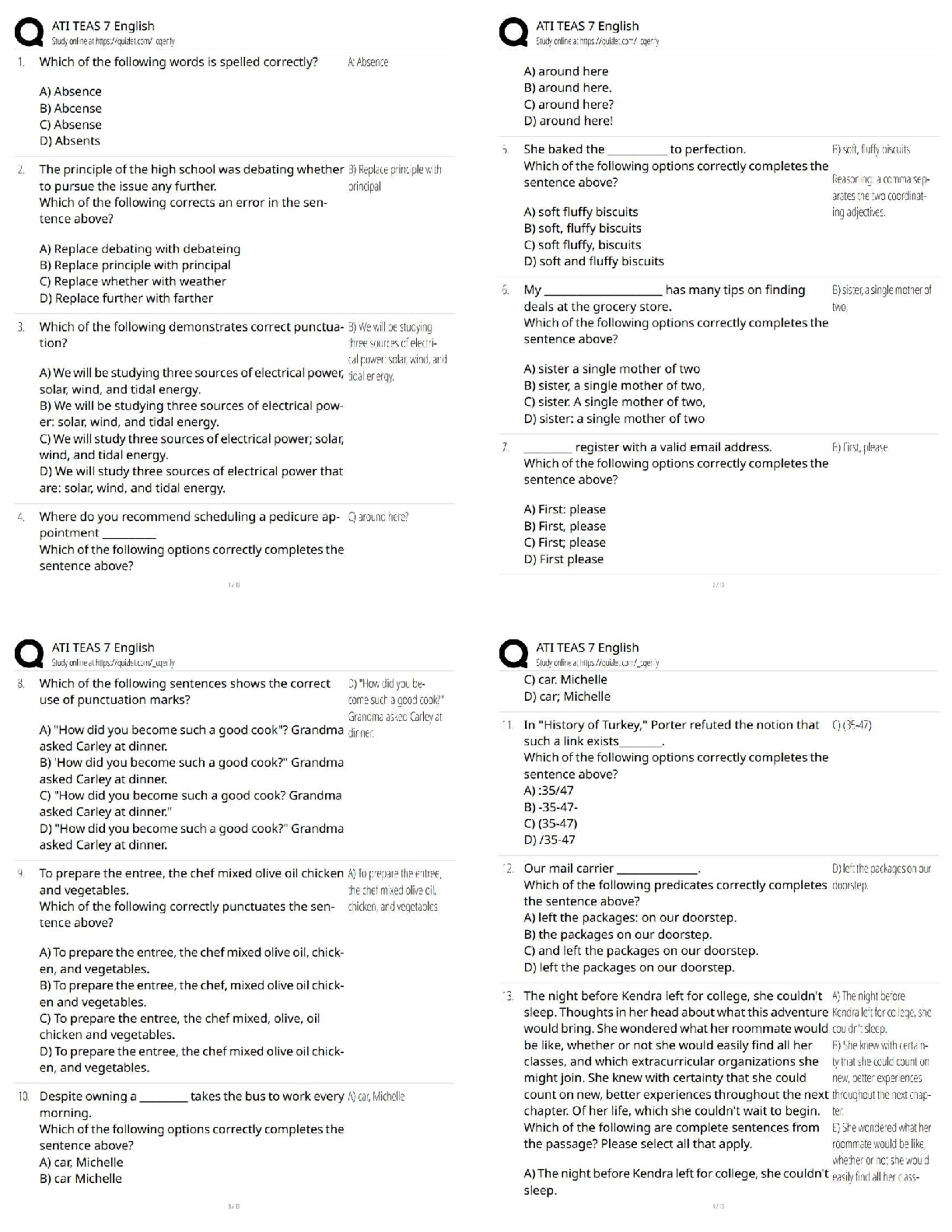
Master The ATI TEAS 7 English Section With This Verified Test Bank. Improve Grammar,...
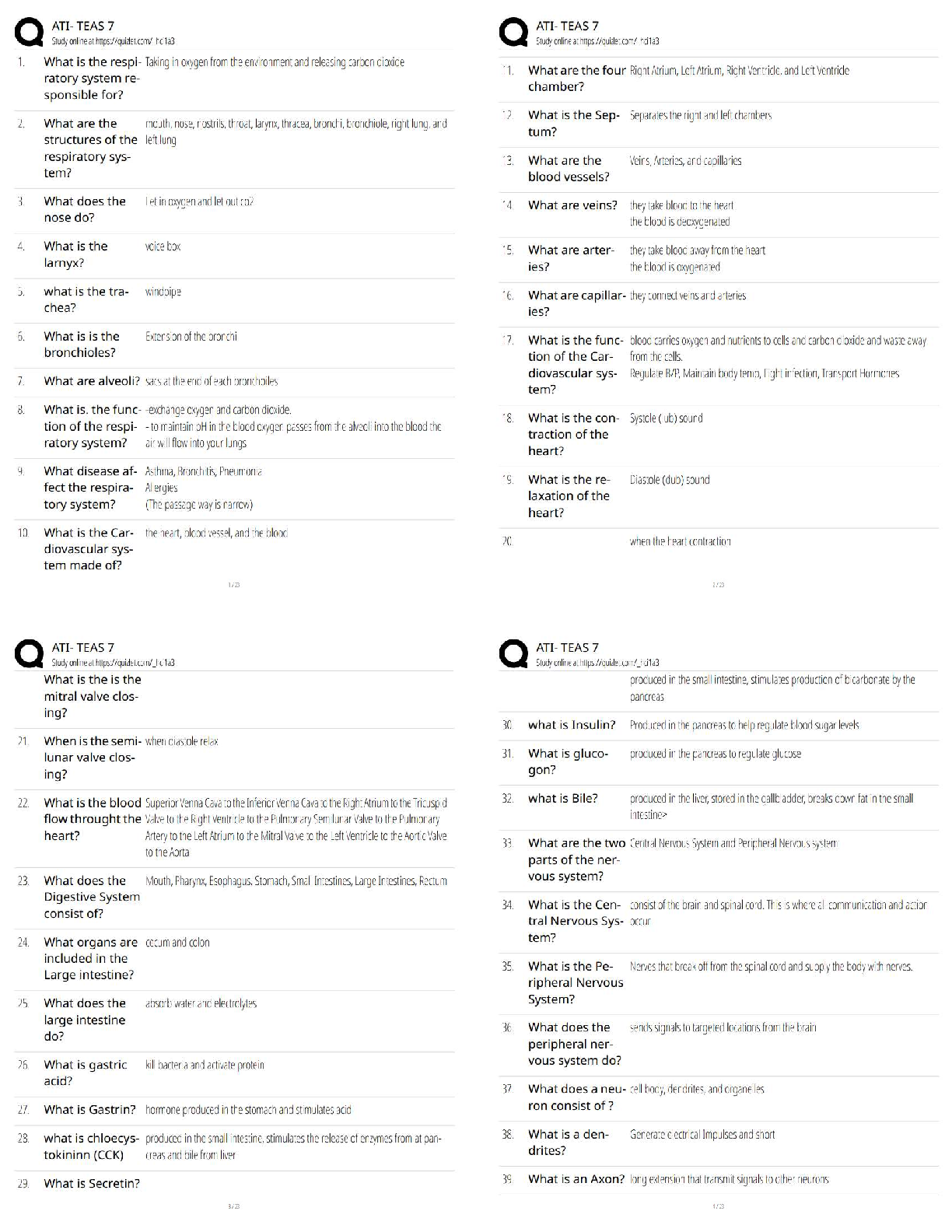
Master ATI TEAS 7 With Our Verified 2026 Test Bank. Covers Respiratory, Cardiovascula...
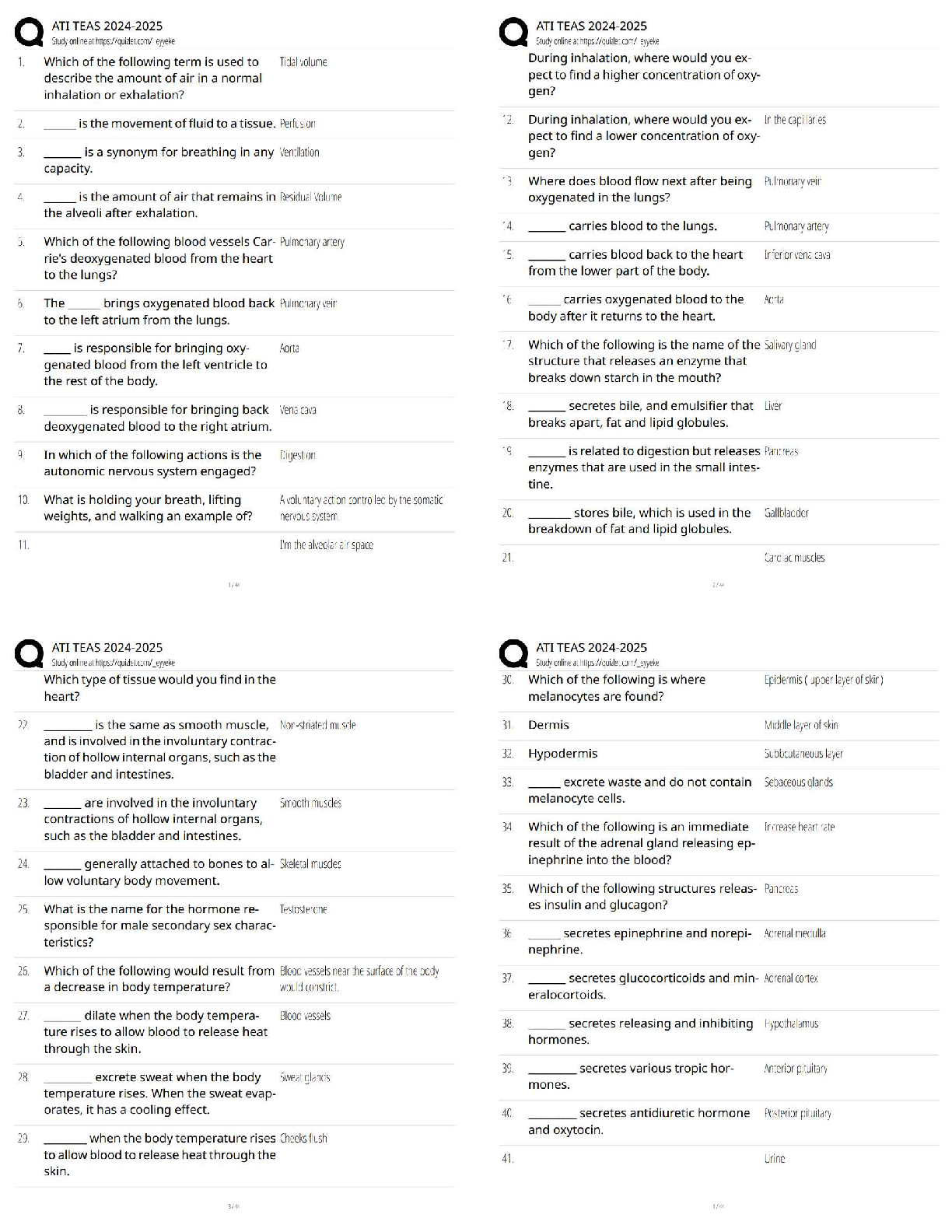
Ace The ATI TEAS 7 Exam On Your First Try. Access Hundreds Of Practice Questions, Det...