
Test bank
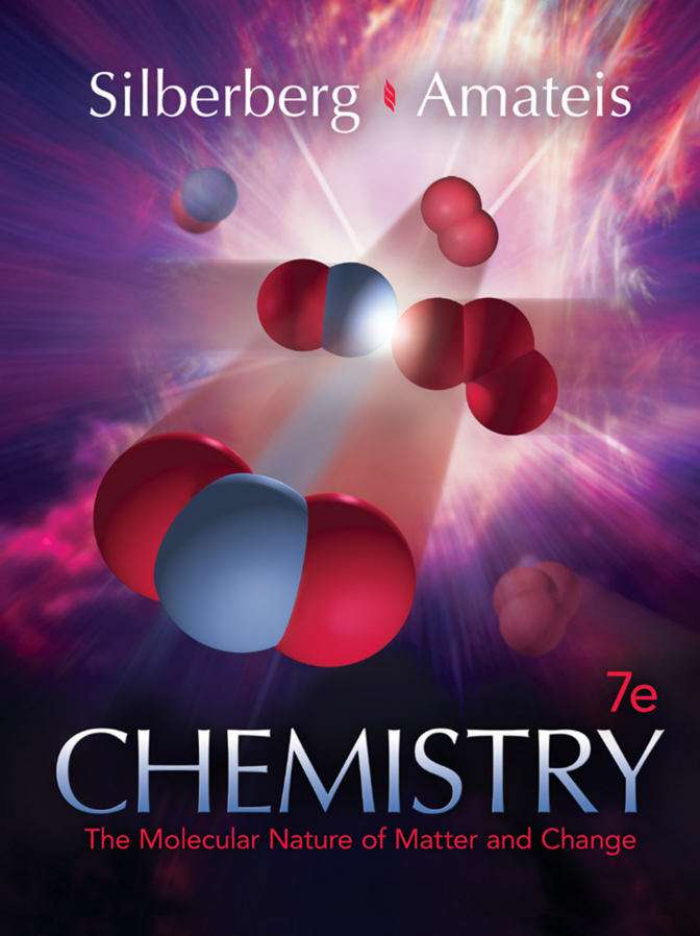
Chemistry The Molecular Nature Of Matter And Change, 7ed
Test Bank for Chemistry: The Molecular Nature of Matter and Change (7th Edition) is a comprehensive assessment resource designed to support the teaching and learning of general chemistry. Aligned with the textbook, it provides chapter-based questions that assess students’ understanding of fundamental chemical principles, quantitative problem-solving, scientific reasoning, and the application of chemistry concepts to laboratory and real-world situations.
The test bank emphasizes the relationship between the molecular nature of matter and observable chemical behavior, helping learners develop a strong conceptual foundation while strengthening analytical and mathematical skills required in chemistry, biology, engineering, medicine, pharmacy, and other STEM disciplines.
Major topics covered include:
* Introduction to chemistry and scientific measurement
* Units, dimensional analysis, and significant figures
* Atomic theory and atomic structure
* Quantum theory and electron configuration
* Periodic table and periodic trends
* Chemical bonding
* Lewis structures
* Molecular geometry and VSEPR theory
* Molecular polarity and intermolecular forces
* Chemical nomenclature
* Chemical reactions
* Stoichiometry
* Balancing chemical equations
* Limiting reactants and theoretical yield
* Gases and gas laws
* Thermochemistry
* Enthalpy and calorimetry
* Electronic structure of atoms
* Chemical kinetics
* Reaction mechanisms
* Chemical equilibrium
* Acid-base chemistry
* Buffer solutions
* Solubility and precipitation equilibria
* Thermodynamics
* Entropy and Gibbs free energy
* Electrochemistry
* Oxidation-reduction reactions
* Nuclear chemistry
* Coordination chemistry
* Organic chemistry fundamentals
* Biochemistry applications
The test bank promotes application-based learning by requiring students to:
* Apply chemical principles to solve quantitative and conceptual problems.
* Interpret chemical equations and reaction mechanisms.
* Analyze atomic and molecular structures.
* Predict chemical properties based on periodic trends.
* Explain bonding, molecular geometry, and intermolecular interactions.
* Perform stoichiometric calculations involving chemical reactions.
* Apply gas laws and thermodynamic principles to chemical systems.
* Evaluate reaction rates, equilibrium, and energy changes.
* Analyze acid-base reactions, buffers, and solution chemistry.
* Interpret laboratory data and experimental observations.
* Apply electrochemical principles to oxidation-reduction systems.
* Connect chemistry concepts to biological, environmental, industrial, and healthcare applications.
Assessment formats commonly include:
* Multiple-choice questions
* Quantitative calculation problems
* Conceptual reasoning questions
* Chemical equation analysis
* Laboratory application questions
* Data interpretation exercises
* Critical-thinking and problem-solving assessments
Key instructional features include:
* Chapter-by-chapter organization aligned with *Chemistry: The Molecular Nature of Matter and Change* (7th Edition)
* Questions progressing from foundational knowledge to advanced application
* Answer keys to support efficient grading and review
* Emphasis on conceptual understanding and scientific reasoning
* Support for classroom examinations, laboratory courses, homework review, and examination preparation

Undergraduate students studying general chemistry, chemistry majors, biology students, engineering students, pre-medical, pre-dental, pharmacy, nursing, and other health science students
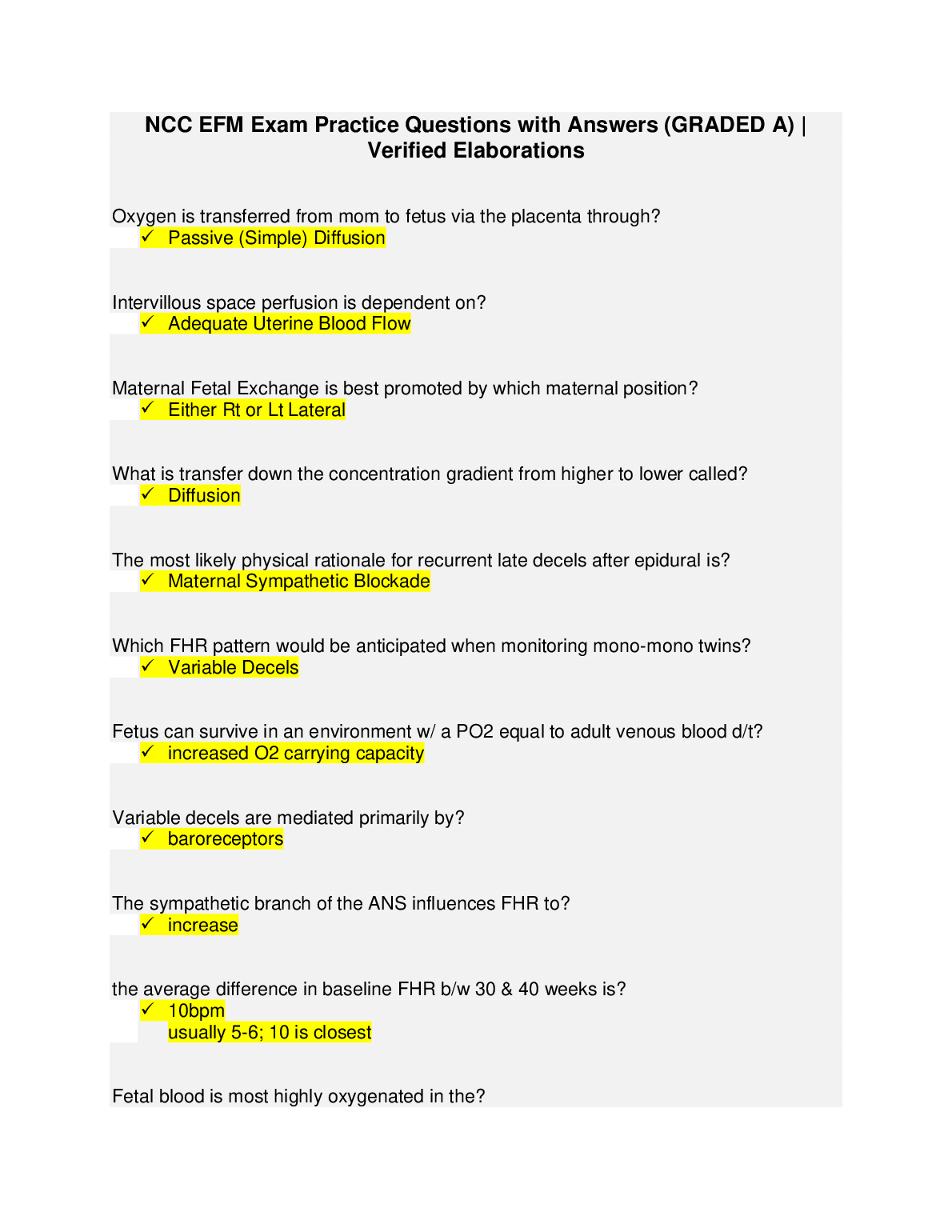
Master Ncc Efm Exams With Graded Practice Questions On Fetal Heart Rate Monitoring, V...
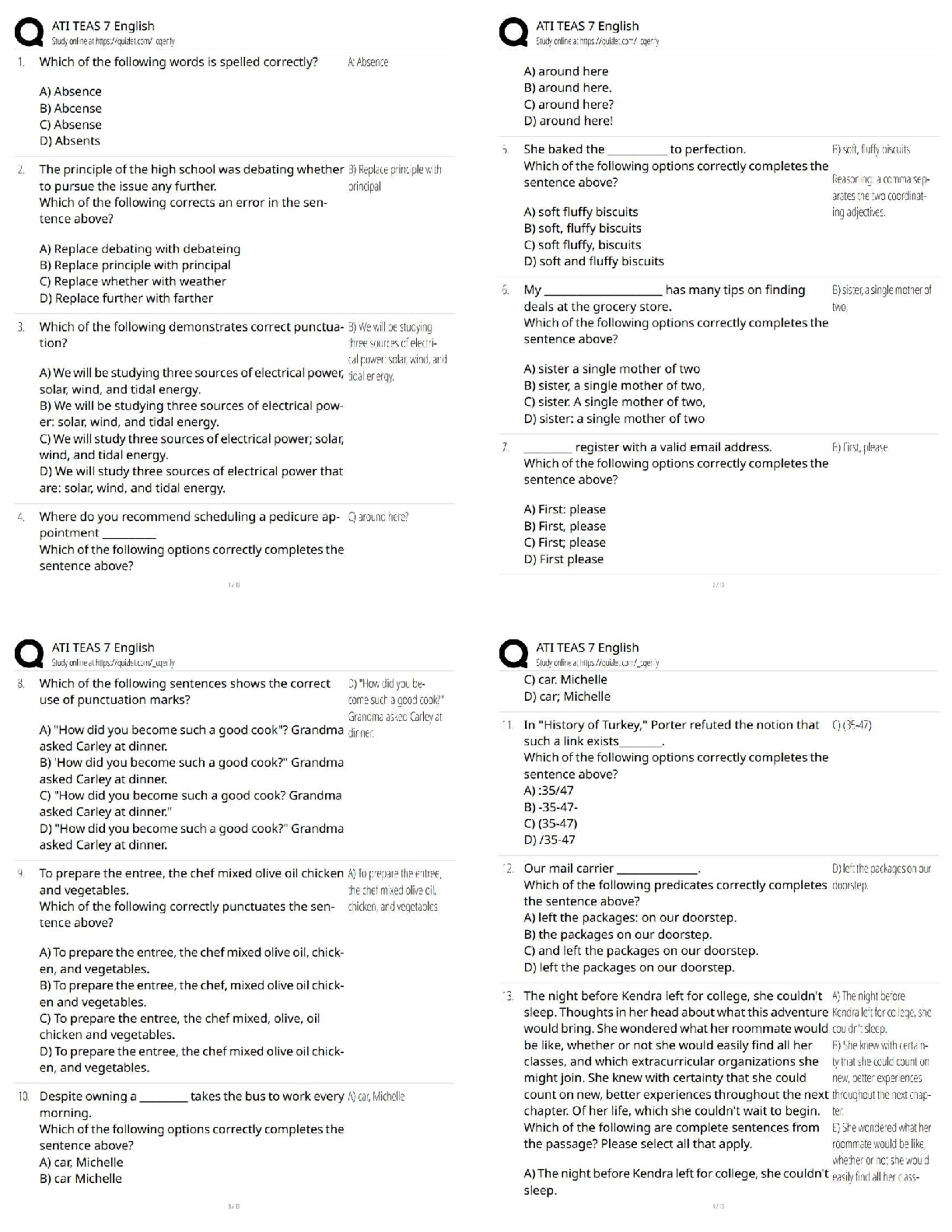
Master The ATI TEAS 7 English Section With This Verified Test Bank. Improve Grammar,...
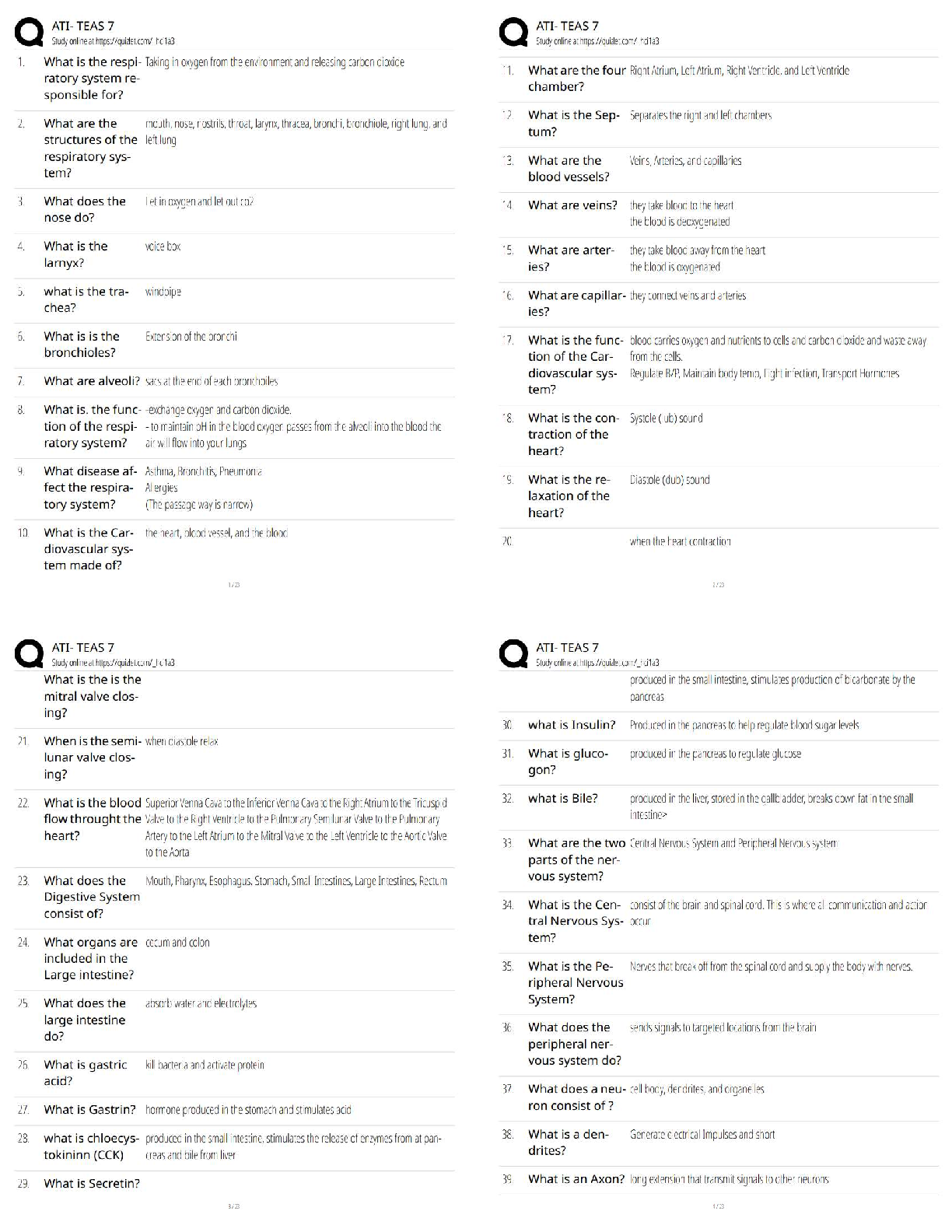
Master ATI TEAS 7 With Our Verified 2026 Test Bank. Covers Respiratory, Cardiovascula...
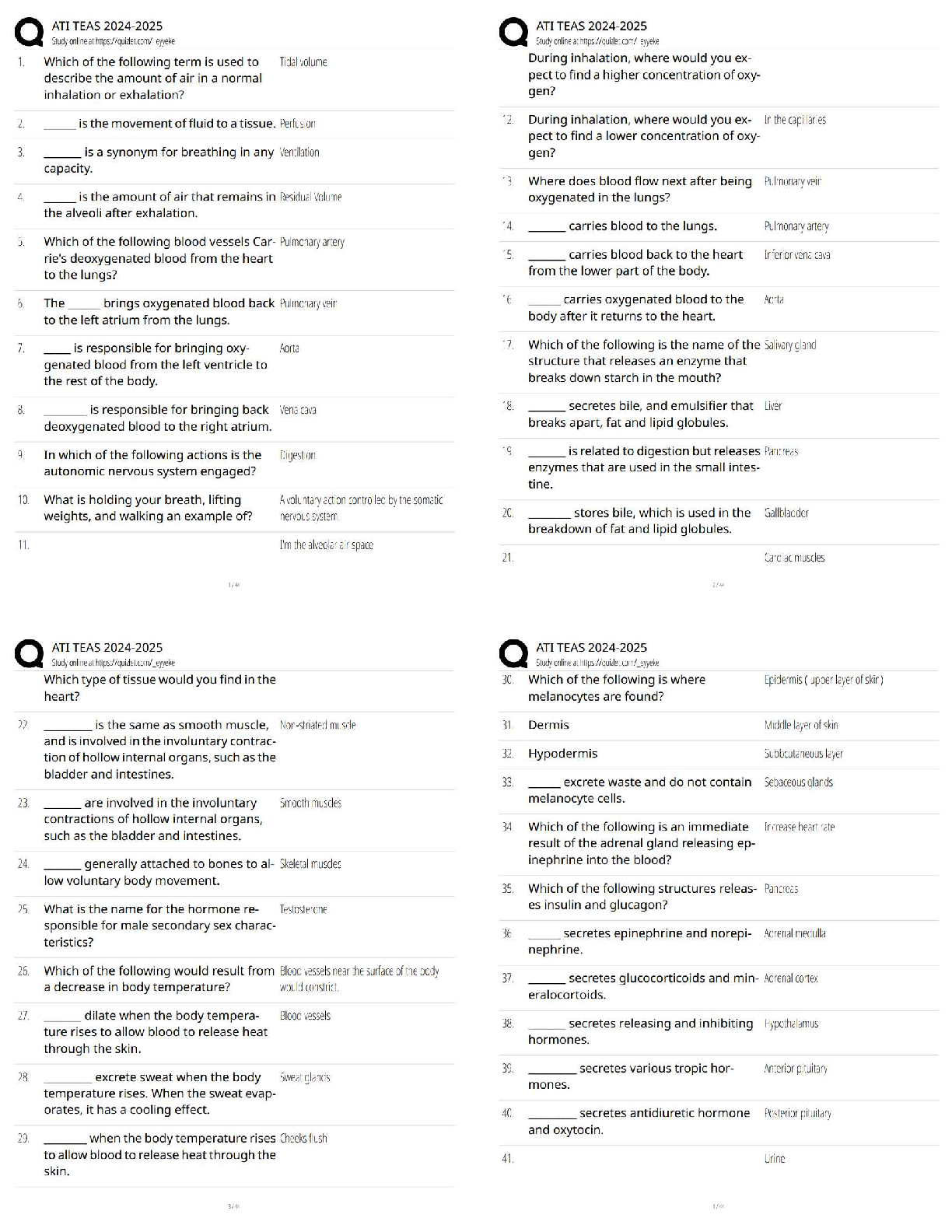
Ace The ATI TEAS 7 Exam On Your First Try. Access Hundreds Of Practice Questions, Det...