
Test bank
General Chemistry The Essential Concepts, 7th Edition
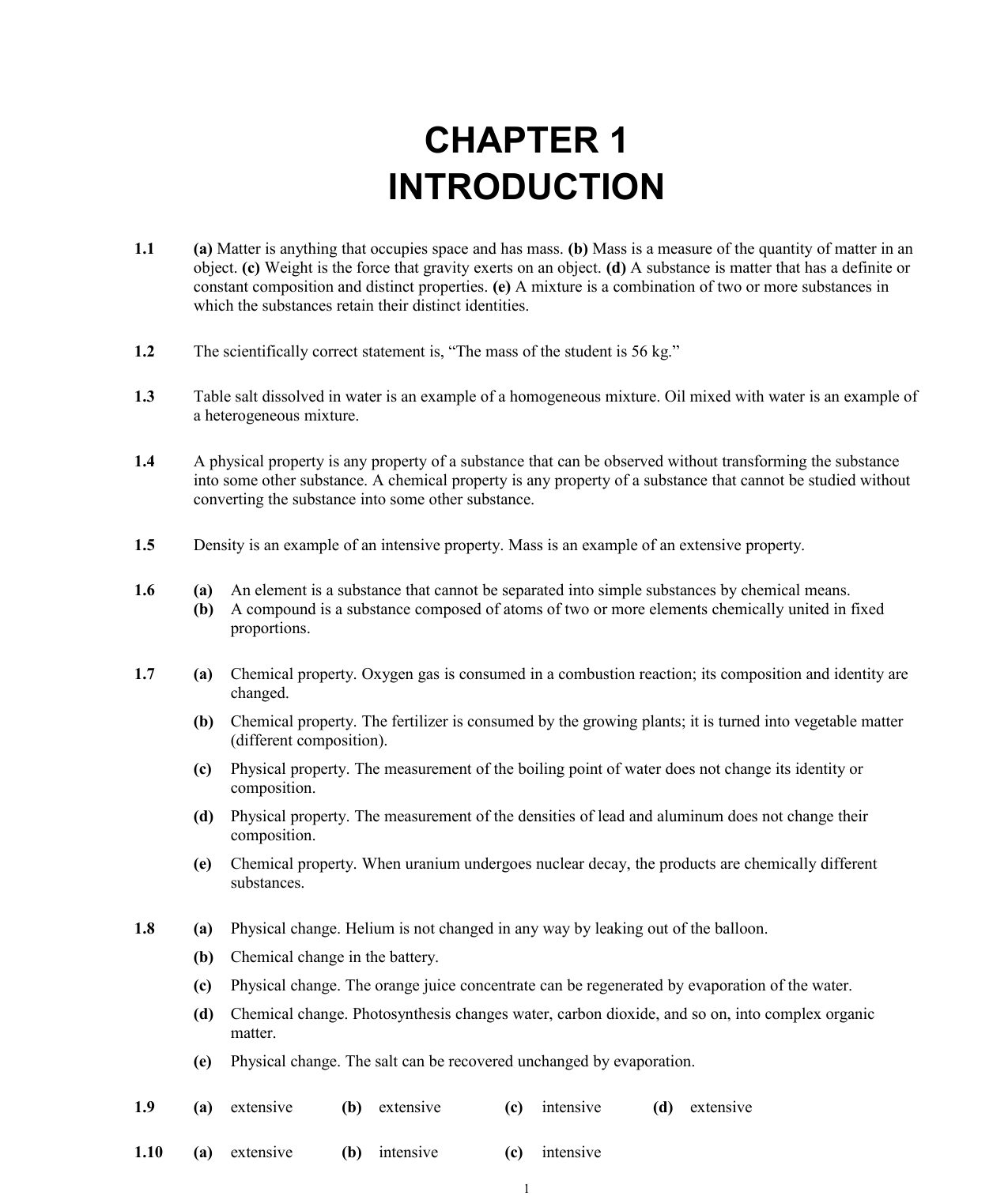
Solutions Manual for General Chemistry: The Essential Concepts (7th Edition) by Raymond Chang and Kenneth Goldsby is a comprehensive learning resource designed to help students master the fundamental principles of general chemistry through detailed, step-by-step solutions to textbook problems. It serves as a companion to the textbook by reinforcing conceptual understanding, quantitative reasoning, and systematic problem-solving techniques required for success in introductory chemistry.
The solutions manual explains not only how to obtain the correct answer but also the reasoning behind each step, enabling students to develop confidence in applying chemical principles to a wide range of theoretical and practical problems. It emphasizes the connection between fundamental concepts, mathematical calculations, laboratory observations, and real-world chemical applications.
Major topics covered include:
* Introduction to chemistry and scientific measurement
* Units, dimensional analysis, and significant figures
* Atomic structure and atomic theory
* Quantum mechanics and electron configuration
* Periodic table and periodic trends
* Chemical bonding and molecular structure
* Lewis structures and molecular geometry
* Intermolecular forces
* Chemical nomenclature
* Chemical reactions
* Stoichiometry
* Limiting reactants and percent yield
* Gases and gas laws
* Thermochemistry
* Enthalpy and calorimetry
* Electronic structure of atoms
* Chemical kinetics
* Chemical equilibrium
* Acid-base chemistry
* Buffer systems
* Solubility and precipitation equilibria
* Thermodynamics
* Entropy and Gibbs free energy
* Electrochemistry
* Oxidation-reduction reactions
* Nuclear chemistry
* Coordination chemistry
* Organic chemistry fundamentals
* Chemistry in biological and environmental systems
The solutions manual supports learners by providing:
* Step-by-step worked solutions to textbook exercises
* Clear explanations of chemical concepts and calculations
* Guidance for solving quantitative chemistry problems
* Dimensional analysis and unit conversion methods
* Problem-solving strategies for complex calculations
* Connections between theoretical concepts and practical applications
* Support for interpreting laboratory and experimental results
Students using this resource develop the ability to:
* Apply fundamental chemistry principles to solve conceptual and numerical problems
* Perform stoichiometric calculations accurately
* Analyze atomic and molecular structures
* Predict chemical behavior using periodic trends and bonding concepts
* Apply gas laws and thermodynamic principles
* Solve equilibrium and acid-base problems
* Analyze oxidation-reduction reactions and electrochemical systems
* Interpret experimental observations using chemical theory
* Strengthen analytical reasoning and mathematical skills
* Improve confidence in solving chemistry assignments and examinations
Key instructional features include:
* Chapter-by-chapter organization corresponding to the textbook
* Fully worked examples with detailed explanations
* Emphasis on conceptual understanding as well as calculation techniques
* Reinforcement of scientific reasoning and quantitative analysis
* Support for homework, self-study, classroom learning, and examination preparation

Undergraduate Chemistry Students
Biology and Biochemistry Students
Pre-Medical Students
Pre-Dental Students
Pharmacy Students
Nursing Students
Allied Health Students
Engineering Students
Environmental Science Students
STEM Students
Chemistry Instructors and Educators
Tutors and Academic Support Professionals
Independent Learners
Students Preparing for Examinations
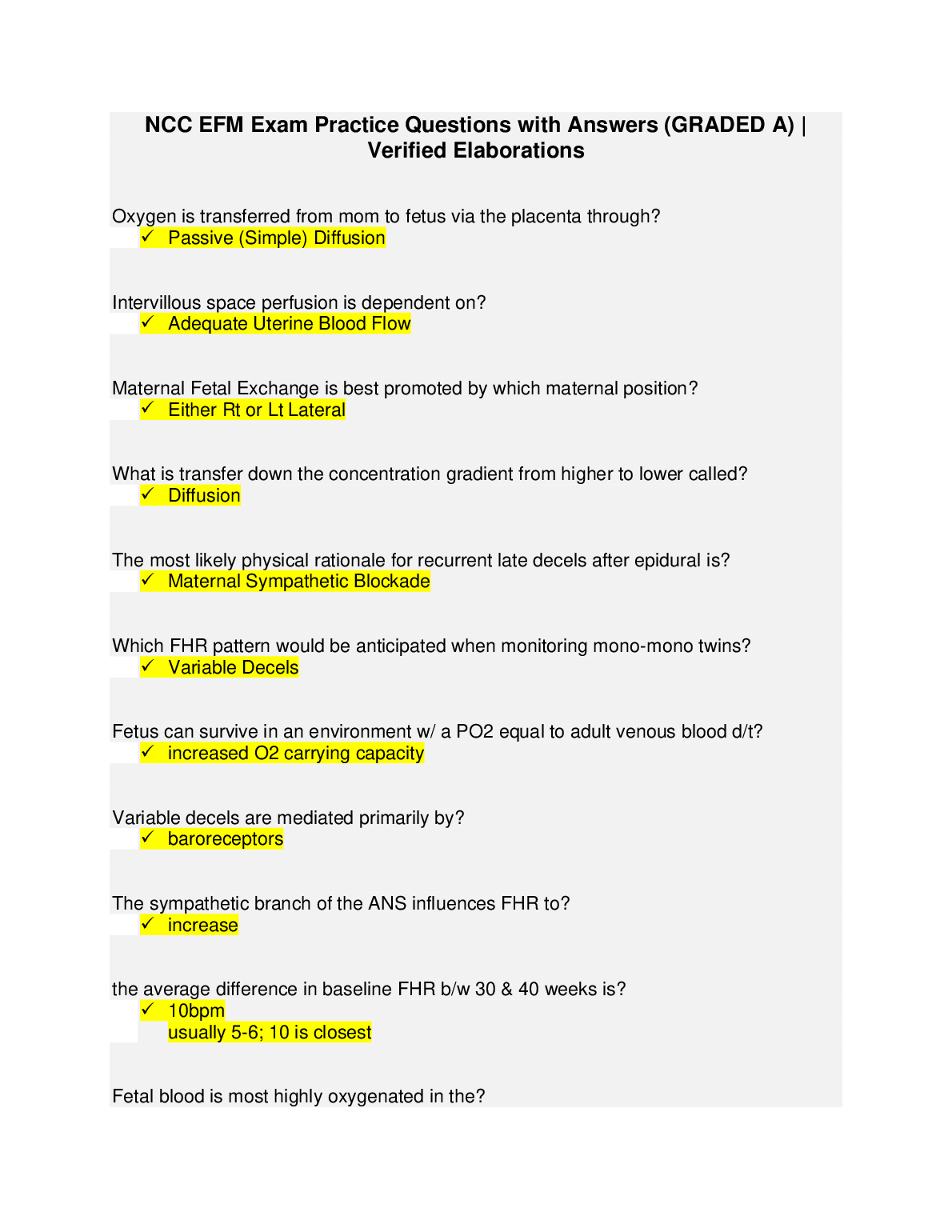
Master Ncc Efm Exams With Graded Practice Questions On Fetal Heart Rate Monitoring, V...
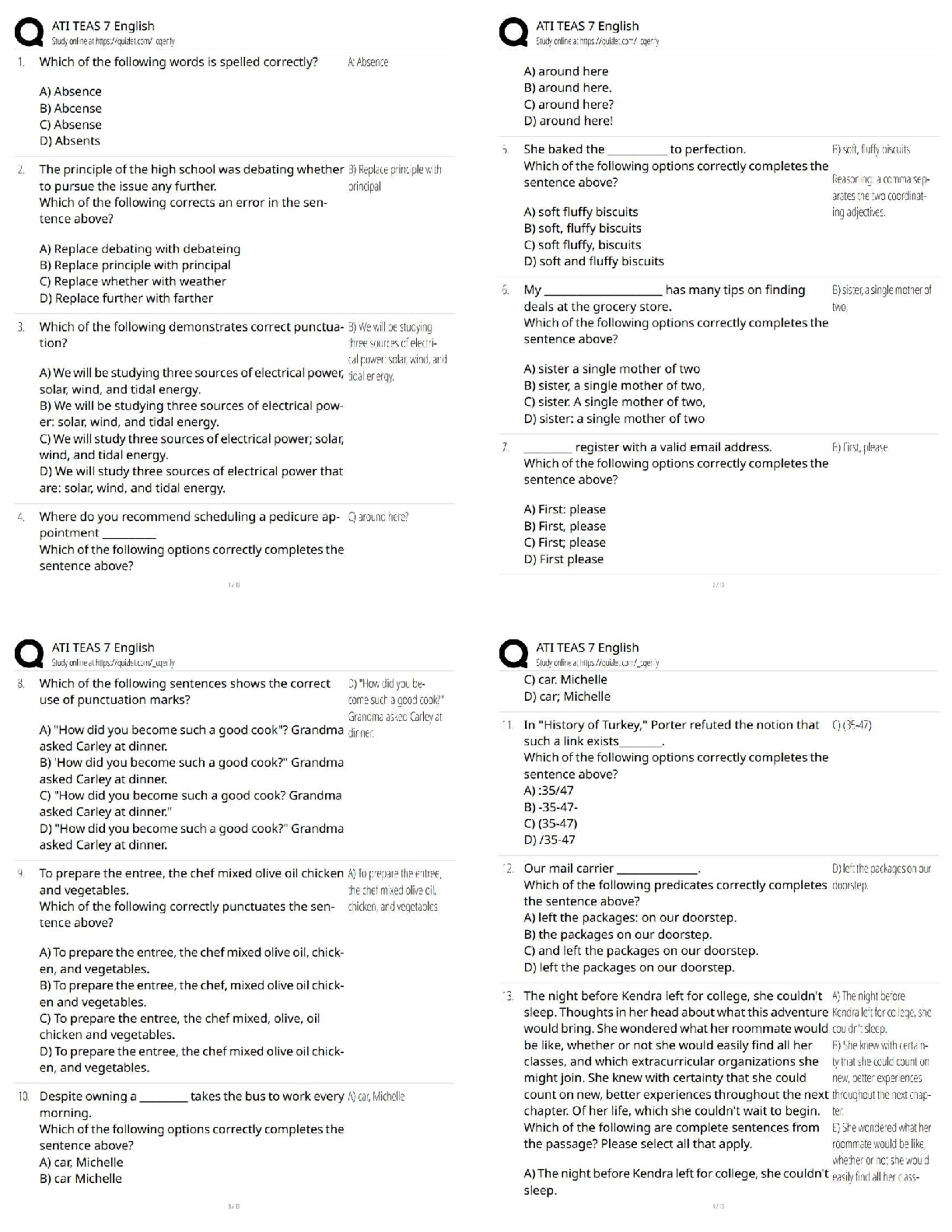
Master The ATI TEAS 7 English Section With This Verified Test Bank. Improve Grammar,...
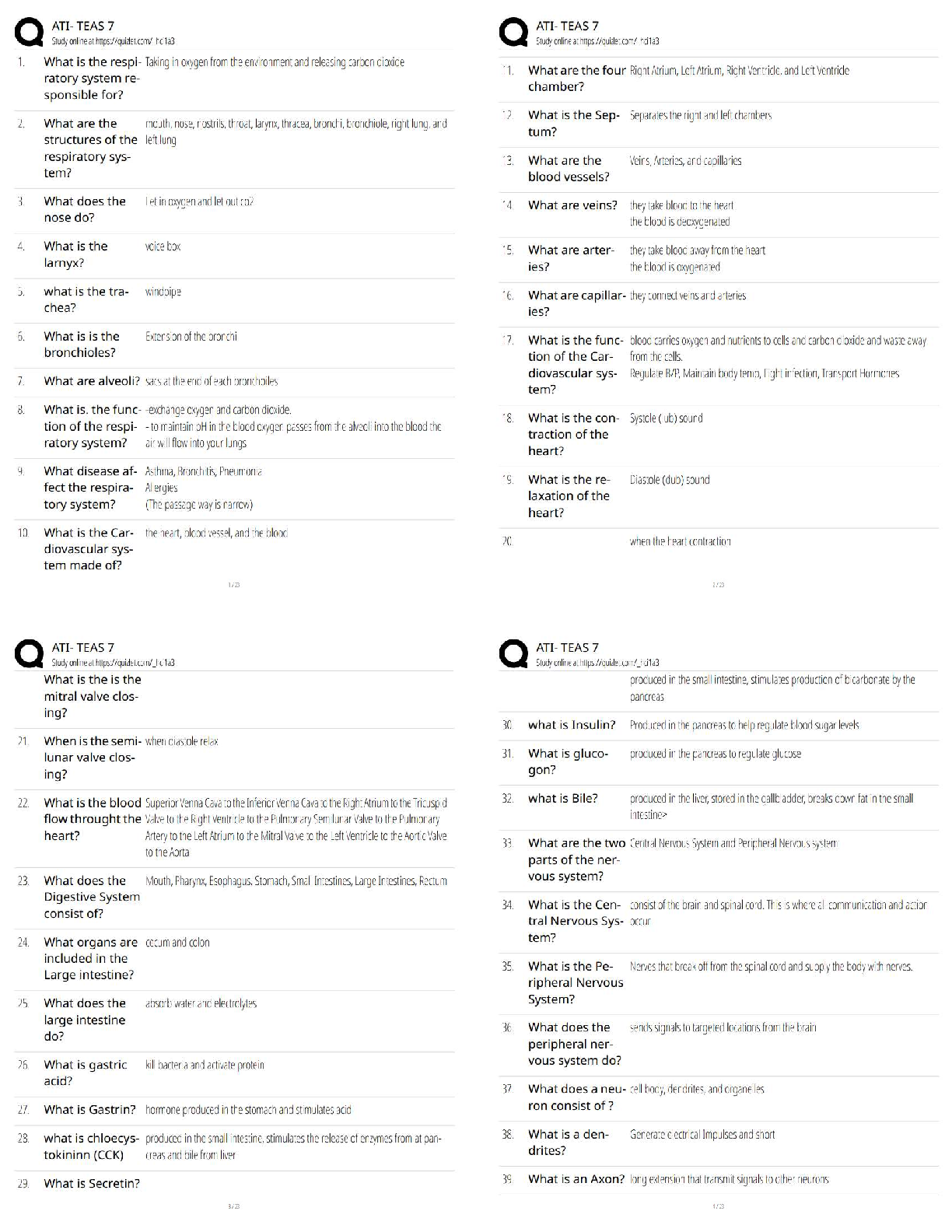
Master ATI TEAS 7 With Our Verified 2026 Test Bank. Covers Respiratory, Cardiovascula...
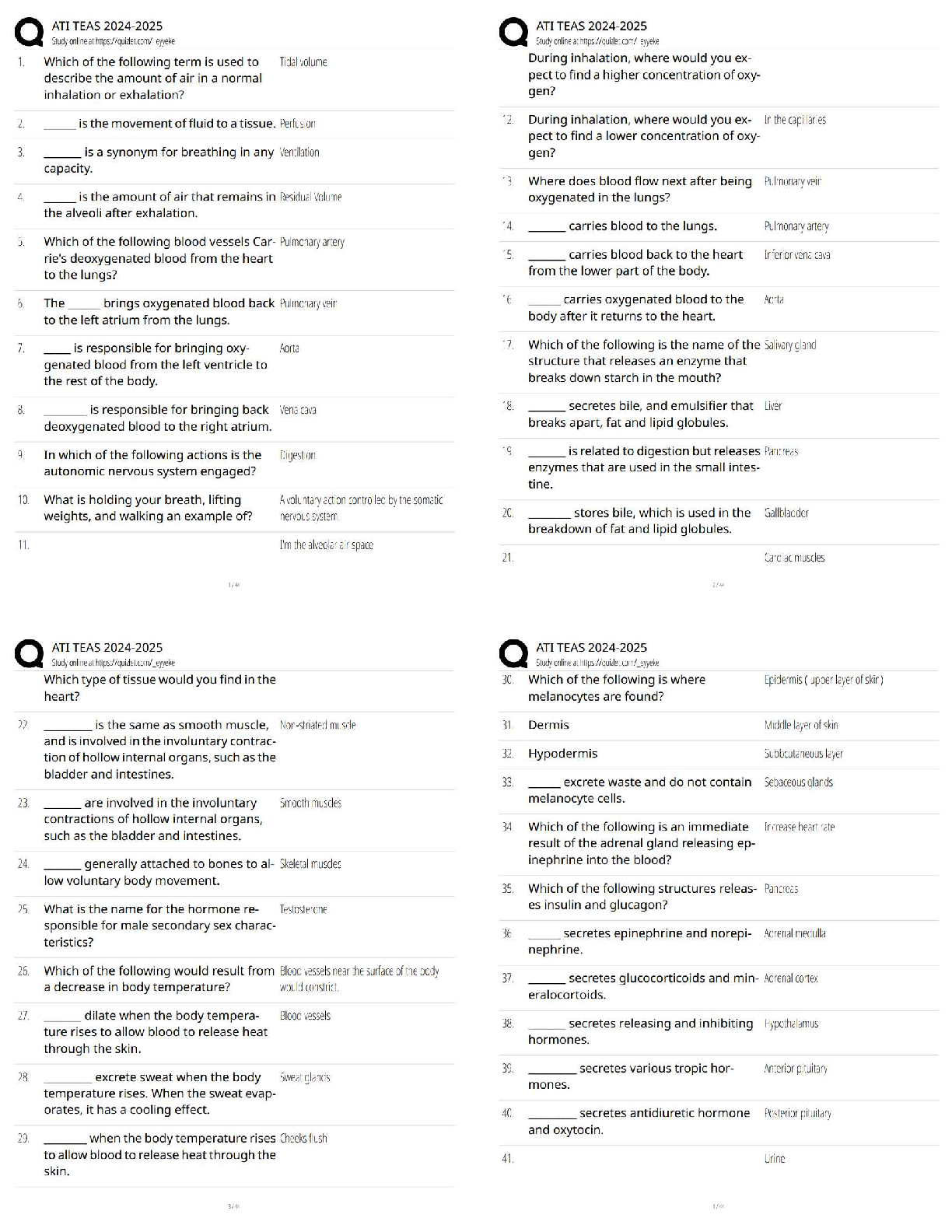
Ace The ATI TEAS 7 Exam On Your First Try. Access Hundreds Of Practice Questions, Det...