
Test bank
Biochemistry 7th Edition Test Bank
Solutions Manual for Biochemistry (7th Edition) by Mary K. Campbell and Shawn O. Farrell is a comprehensive academic companion designed to help students develop a strong understanding of biochemical principles through detailed, step-by-step solutions to textbook problems. It complements the textbook by reinforcing key concepts, demonstrating systematic approaches to solving biochemical problems, and connecting molecular processes with biological function.
The solutions manual emphasizes conceptual understanding alongside quantitative and analytical problem-solving. Rather than focusing solely on final answers, it guides learners through the reasoning behind calculations, pathway analysis, molecular interactions, and biochemical mechanisms. This approach helps students build confidence in applying biochemical principles to laboratory work, coursework, and healthcare-related studies.
Major topics covered include:
* Introduction to biochemistry
* Water and biological systems
* Amino acids and proteins
* Protein structure and function
* Enzymes and enzyme kinetics
* Enzyme regulation
* Carbohydrates and polysaccharides
* Lipids and biological membranes
* Membrane transport
* Bioenergetics and thermodynamics
* ATP and energy transfer
* Cellular metabolism
* Glycolysis
* Citric acid (TCA) cycle
* Electron transport chain
* Oxidative phosphorylation
* Photosynthesis
* Carbohydrate metabolism
* Lipid metabolism
* Fatty acid oxidation and synthesis
* Amino acid metabolism
* Nitrogen metabolism
* Nucleotide metabolism
* DNA structure and replication
* RNA transcription
* Protein synthesis and translation
* Gene regulation
* Recombinant DNA technology
* Molecular biology techniques
* Hormonal regulation of metabolism
* Integration of metabolic pathways
* Biochemical aspects of nutrition
* Clinical and medical biochemistry
The solutions manual supports learners by providing:
* Detailed, step-by-step solutions to textbook exercises
* Explanations of biochemical concepts and molecular mechanisms
* Guidance for quantitative biochemical calculations
* Analysis of metabolic pathways and enzyme function
* Interpretation of biochemical data and laboratory results
* Strategies for solving conceptual and application-based problems
* Reinforcement of scientific reasoning and critical-thinking skills
Students using this resource develop the ability to:
* Explain the structure and function of biological molecules.
* Analyze enzyme activity and regulatory mechanisms.
* Apply thermodynamic principles to biochemical reactions.
* Interpret metabolic pathways and energy production.
* Connect molecular biology concepts with cellular function.
* Solve quantitative problems involving biochemical reactions.
* Analyze genetic information flow from DNA to protein.
* Understand regulation of metabolism under physiological conditions.
* Relate biochemical principles to health, nutrition, and disease.
* Strengthen analytical reasoning for laboratory work and examinations.
Key instructional features include:
* Chapter-by-chapter organization corresponding to the textbook
* Fully worked examples with clear explanations
* Emphasis on conceptual understanding and problem-solving techniques
* Integration of chemistry, biology, and molecular biology concepts
* Support for homework, self-study, classroom learning, and exam preparation

Undergraduate Biochemistry Students
Biology Students
Molecular Biology Students
Biotechnology Students
Pre-Medical Students
Medical Students
Pharmacy Students
Nursing Students
Nutrition and Dietetics Students
Dentistry Students
Allied Health Students
Chemistry Students
Graduate Students
Biochemistry Instructors and Educators
Tutors and Academic Support Professionals
Independent Learners
Students Preparing for Examinations
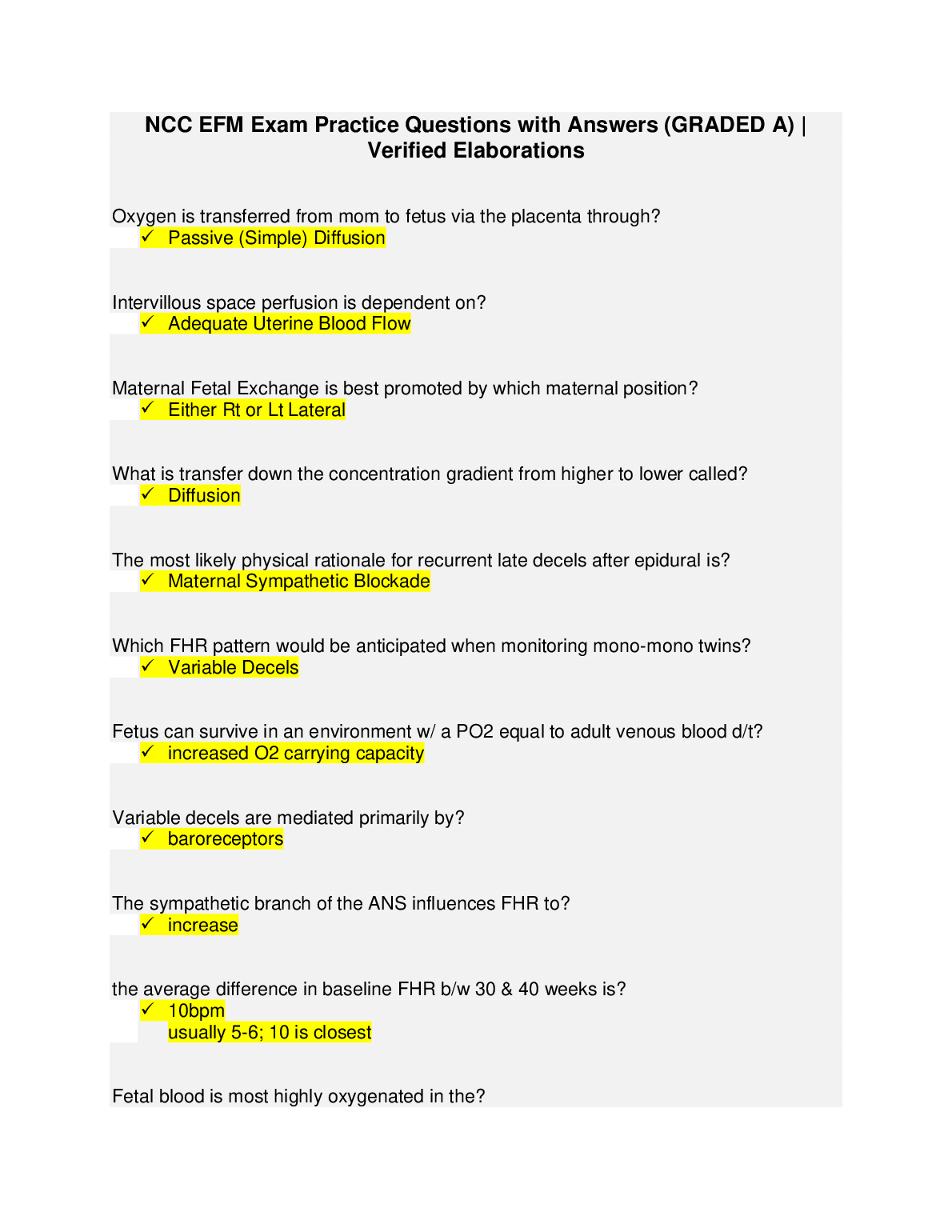
Master Ncc Efm Exams With Graded Practice Questions On Fetal Heart Rate Monitoring, V...
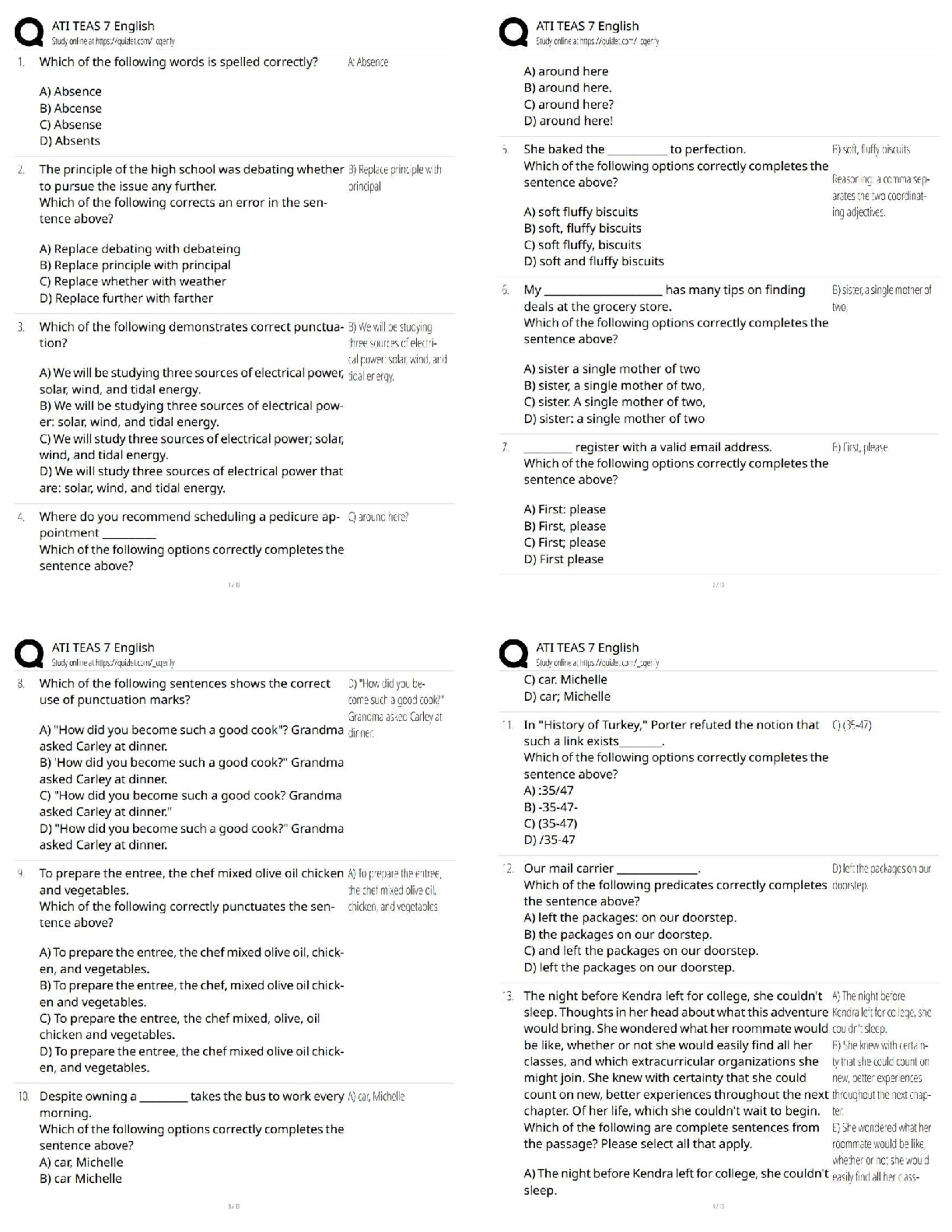
Master The ATI TEAS 7 English Section With This Verified Test Bank. Improve Grammar,...
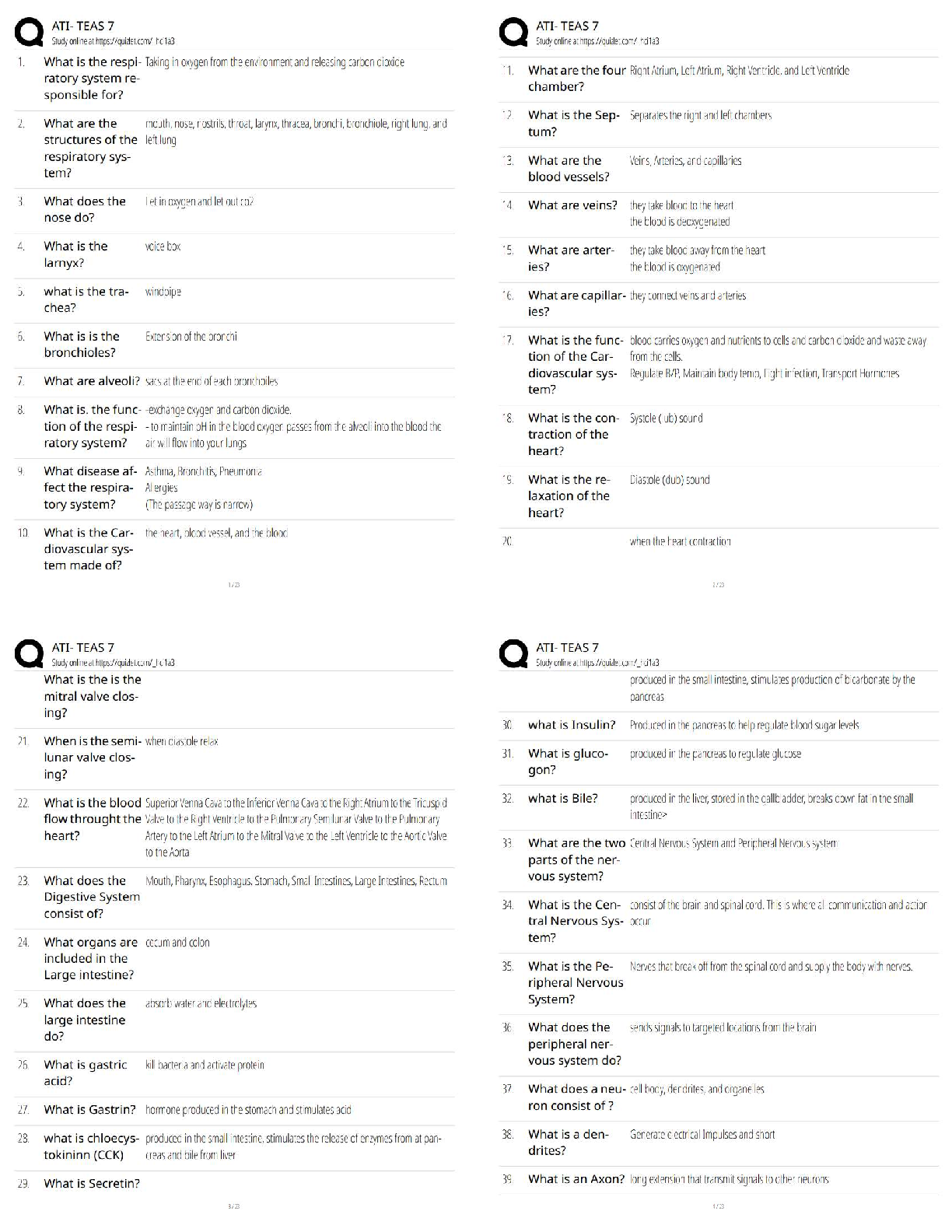
Master ATI TEAS 7 With Our Verified 2026 Test Bank. Covers Respiratory, Cardiovascula...
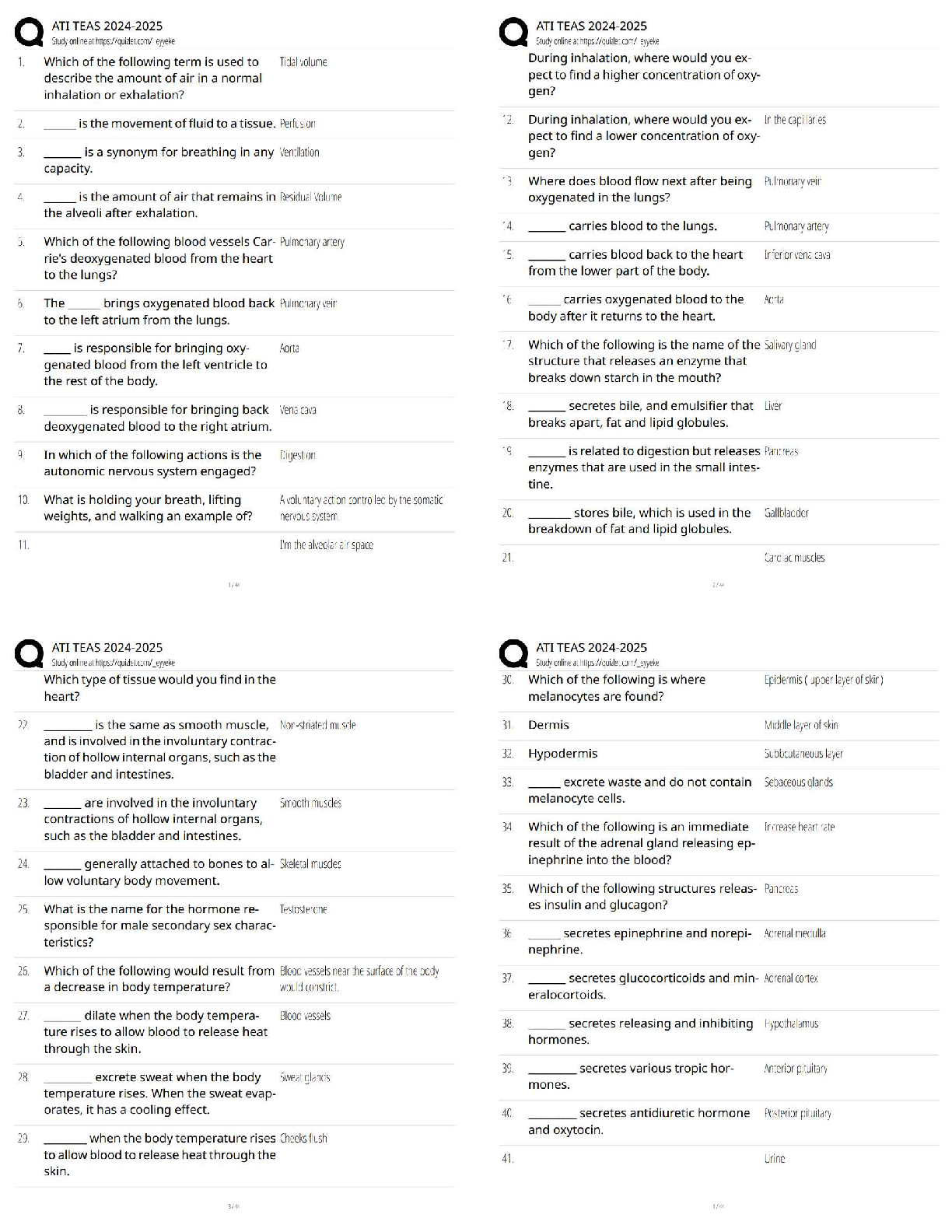
Ace The ATI TEAS 7 Exam On Your First Try. Access Hundreds Of Practice Questions, Det...