
Test bank
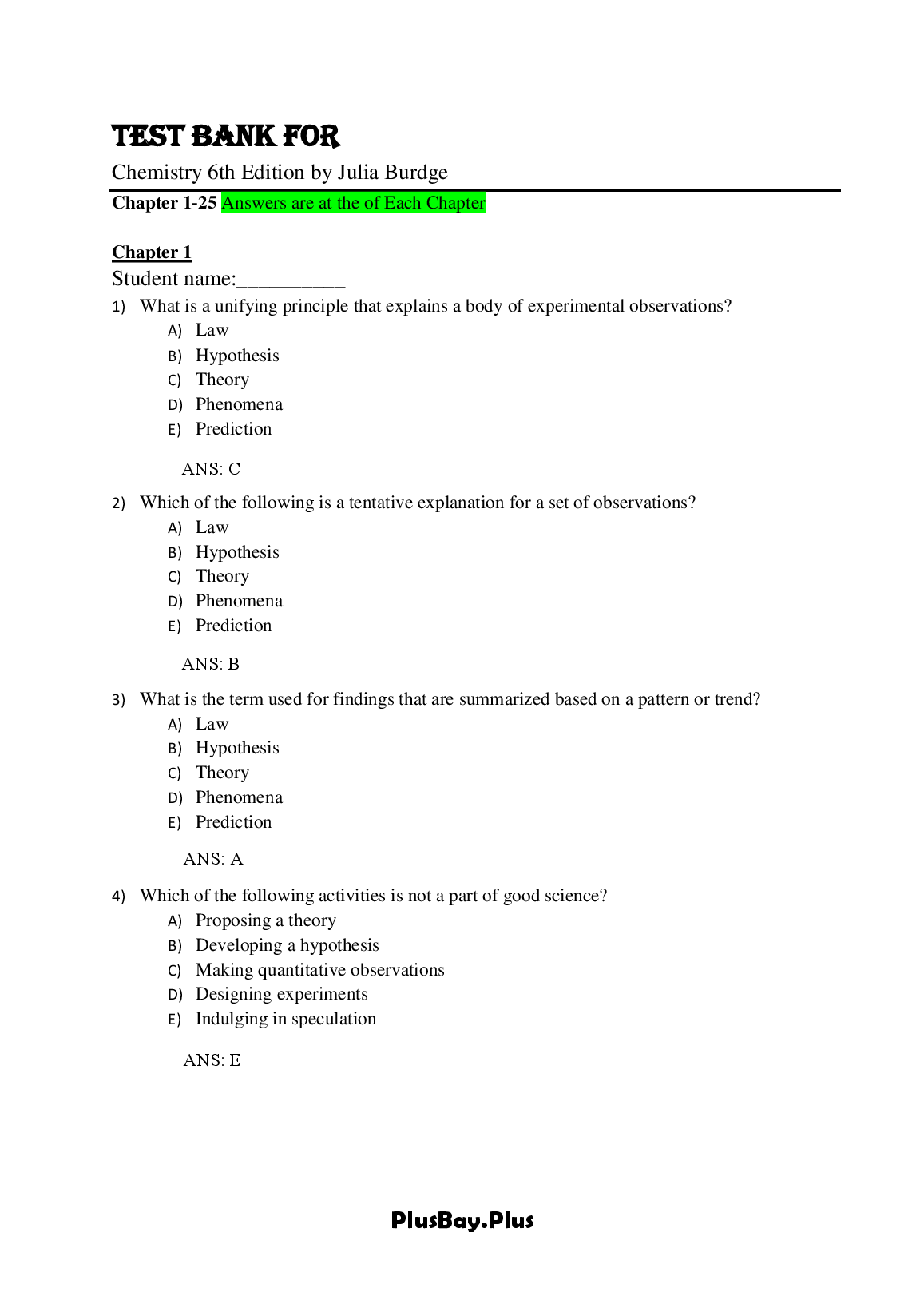
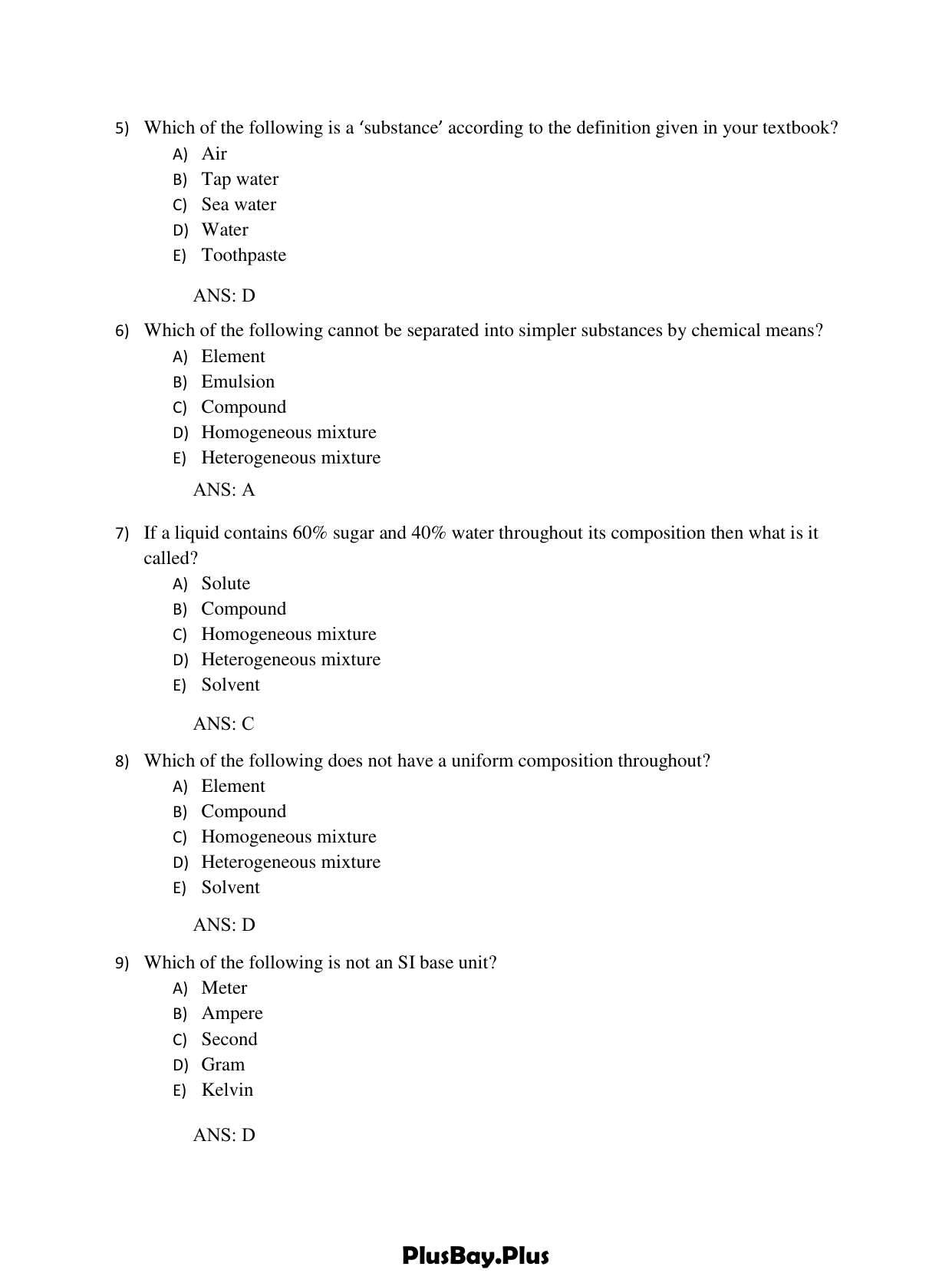
Chemistry 6th Edition By Julia Burdge Test Bank
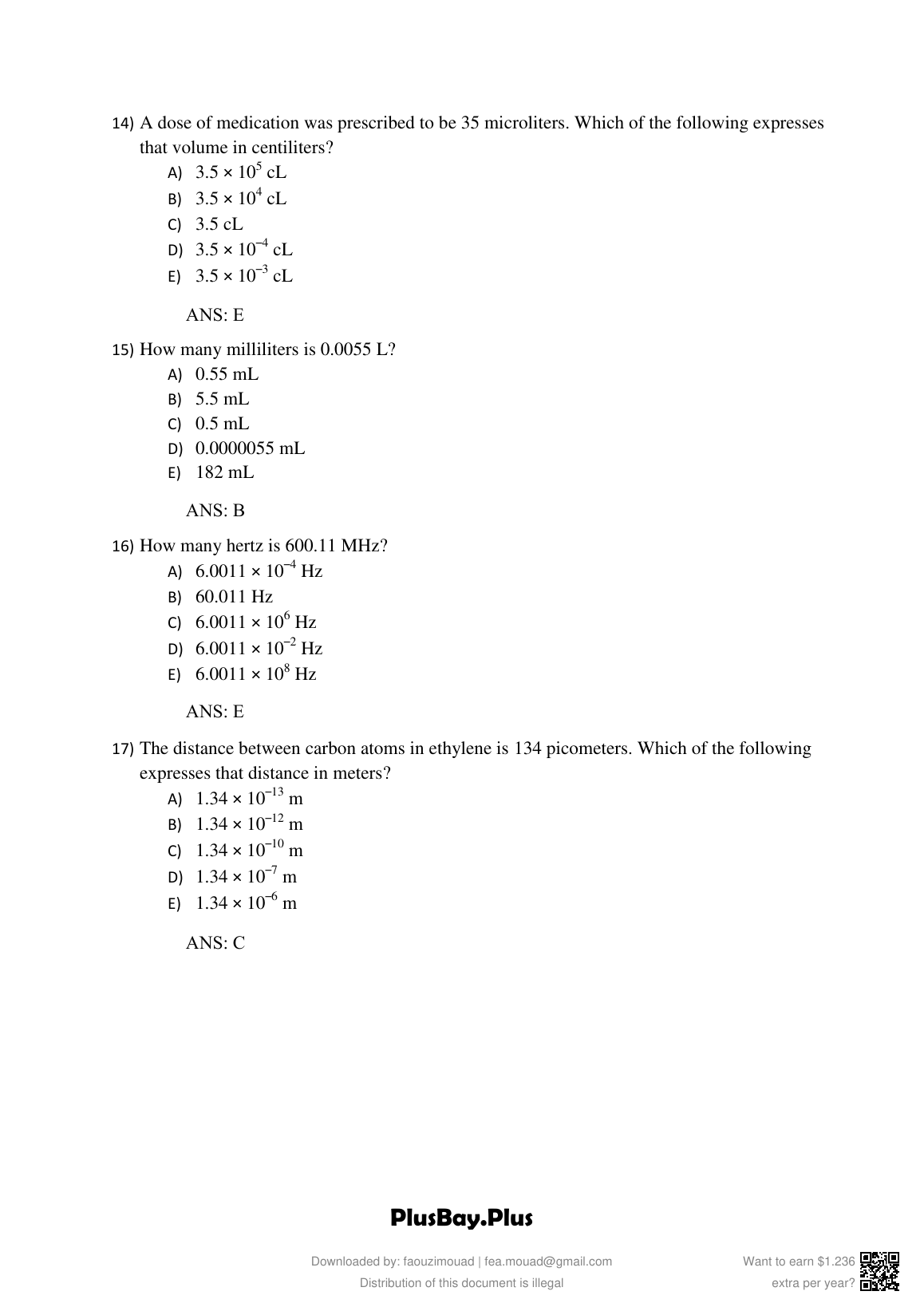
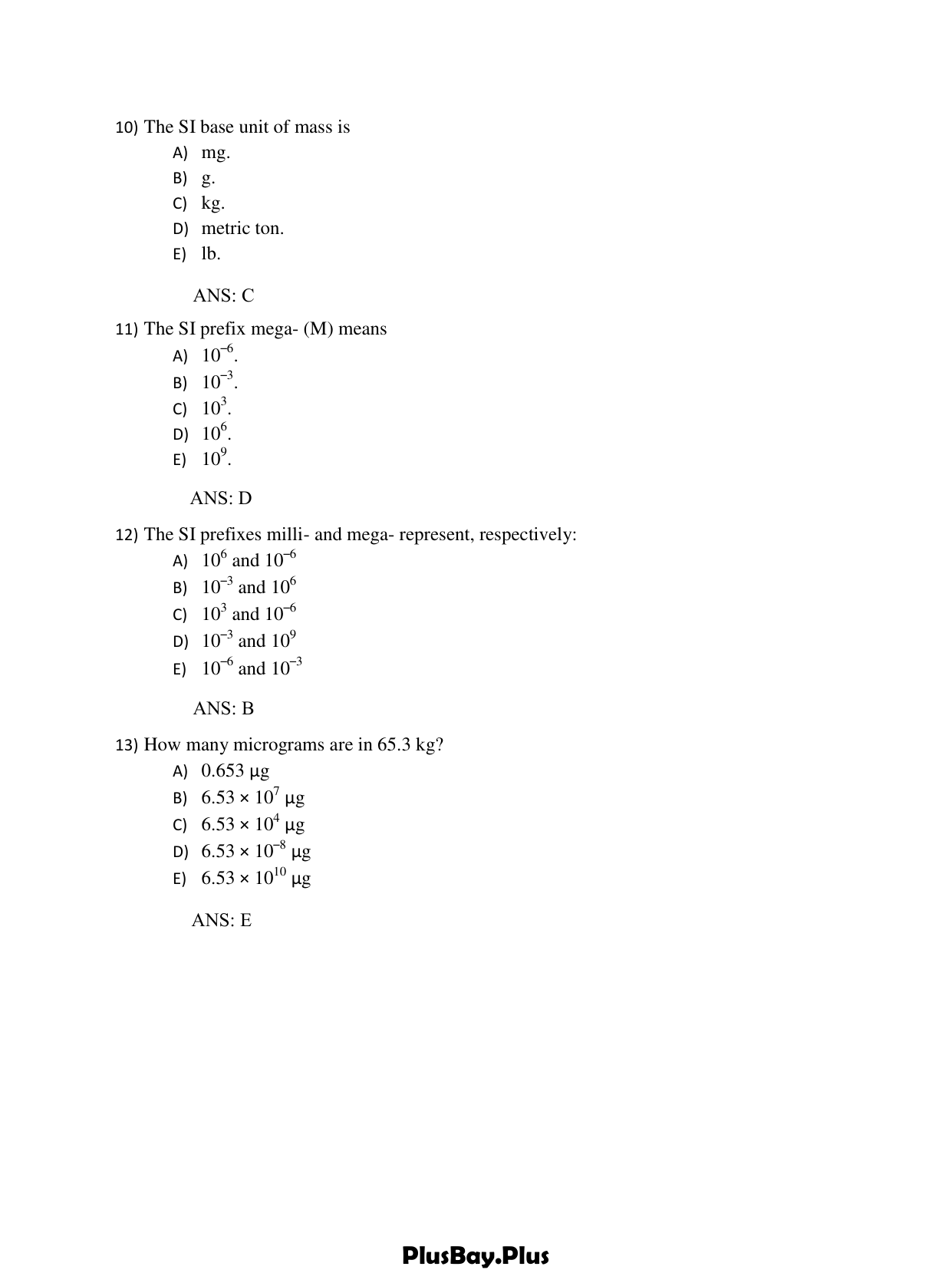
Test Bank for Chemistry (6th Edition) by Julia Burdge is a comprehensive assessment resource developed to complement the textbook by providing a wide range of chapter-based questions that evaluate students’ understanding of core chemistry concepts, quantitative reasoning, and scientific problem-solving. It is designed to help instructors create meaningful assessments while giving students opportunities to reinforce classroom learning and prepare for examinations.
The test bank emphasizes both conceptual understanding and practical application, encouraging learners to connect microscopic atomic and molecular behavior with observable chemical phenomena. Questions progress from foundational knowledge to higher-order critical-thinking and analytical exercises, making the resource suitable for a variety of undergraduate chemistry courses.
Major topics covered include:
* Introduction to chemistry
* Scientific measurement
* Units and dimensional analysis
* Significant figures
* Atomic theory
* Atomic structure
* Quantum theory
* Electron configuration
* Periodic table
* Periodic trends
* Chemical bonding
* Ionic bonding
* Covalent bonding
* Metallic bonding
* Lewis structures
* Molecular geometry
* VSEPR theory
* Molecular polarity
* Intermolecular forces
* Chemical nomenclature
* Chemical reactions
* Balancing chemical equations
* Stoichiometry
* Limiting reactants
* Percent yield
* Gases and gas laws
* Thermochemistry
* Enthalpy
* Calorimetry
* Electronic structure
* Chemical kinetics
* Reaction mechanisms
* Chemical equilibrium
* Acid-base chemistry
* Buffer systems
* Solubility equilibria
* Thermodynamics
* Entropy
* Gibbs free energy
* Electrochemistry
* Oxidation-reduction reactions
* Nuclear chemistry
* Coordination chemistry
* Introduction to organic chemistry
* Environmental and biological chemistry applications
The test bank helps students develop the ability to:
* Apply chemical principles to conceptual and quantitative problems.
* Interpret atomic and molecular structures.
* Predict chemical behavior using periodic trends and bonding theories.
* Write and balance chemical equations accurately.
* Perform stoichiometric calculations involving chemical reactions.
* Solve gas law and thermochemistry problems.
* Analyze reaction rates and equilibrium systems.
* Apply acid-base concepts and solution chemistry.
* Interpret laboratory observations and experimental data.
* Analyze oxidation-reduction reactions and electrochemical cells.
* Connect chemistry concepts to biological, environmental, industrial, and healthcare applications.
* Strengthen scientific reasoning, analytical thinking, and problem-solving skills.
Assessment formats commonly include:
* Multiple-choice questions
* Conceptual application questions
* Quantitative calculation problems
* Data interpretation exercises
* Laboratory application questions
* Critical-thinking questions
* Scenario-based chemistry problems
Key instructional features include:
* Chapter-by-chapter organization aligned with *Chemistry* (6th Edition)
* Questions ranging from introductory knowledge to advanced application
* Answer keys for efficient grading and review
* Emphasis on conceptual understanding and mathematical reasoning
* Support for classroom examinations, quizzes, homework assignments, laboratory assessments, and comprehensive exam preparation
Undergraduate Biochemistry Students
Biology Students
Molecular Biology Students
Biotechnology Students
Pre-Medical Students
Medical Students
Pharmacy Students
Nursing Students
Nutrition and Dietetics Students
Dentistry Students
Allied Health Students
Chemistry Students
Graduate Students
Biochemistry Instructors and Educators
Tutors and Academic Support Professionals
Independent Learners
Students Preparing for Examinations
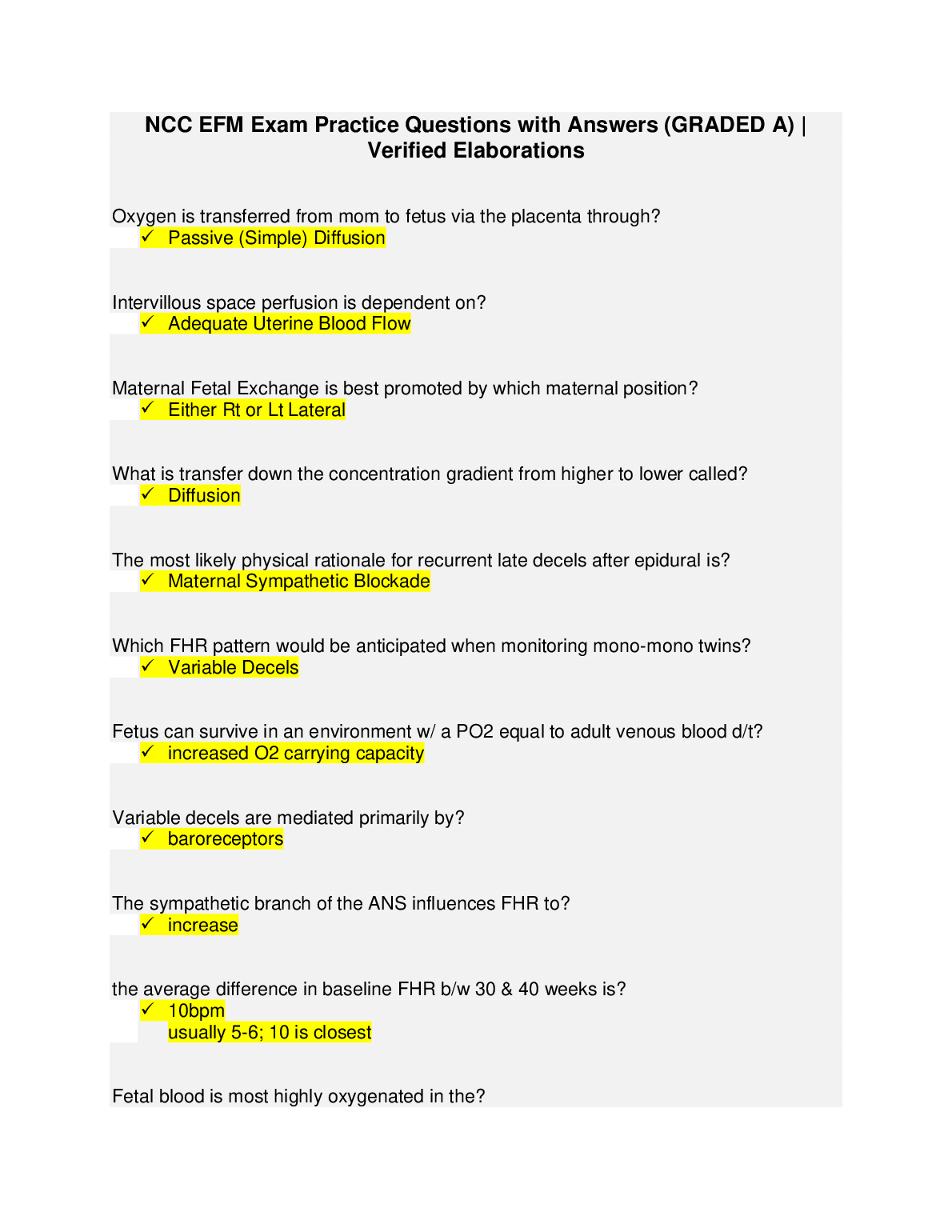
Master Ncc Efm Exams With Graded Practice Questions On Fetal Heart Rate Monitoring, V...
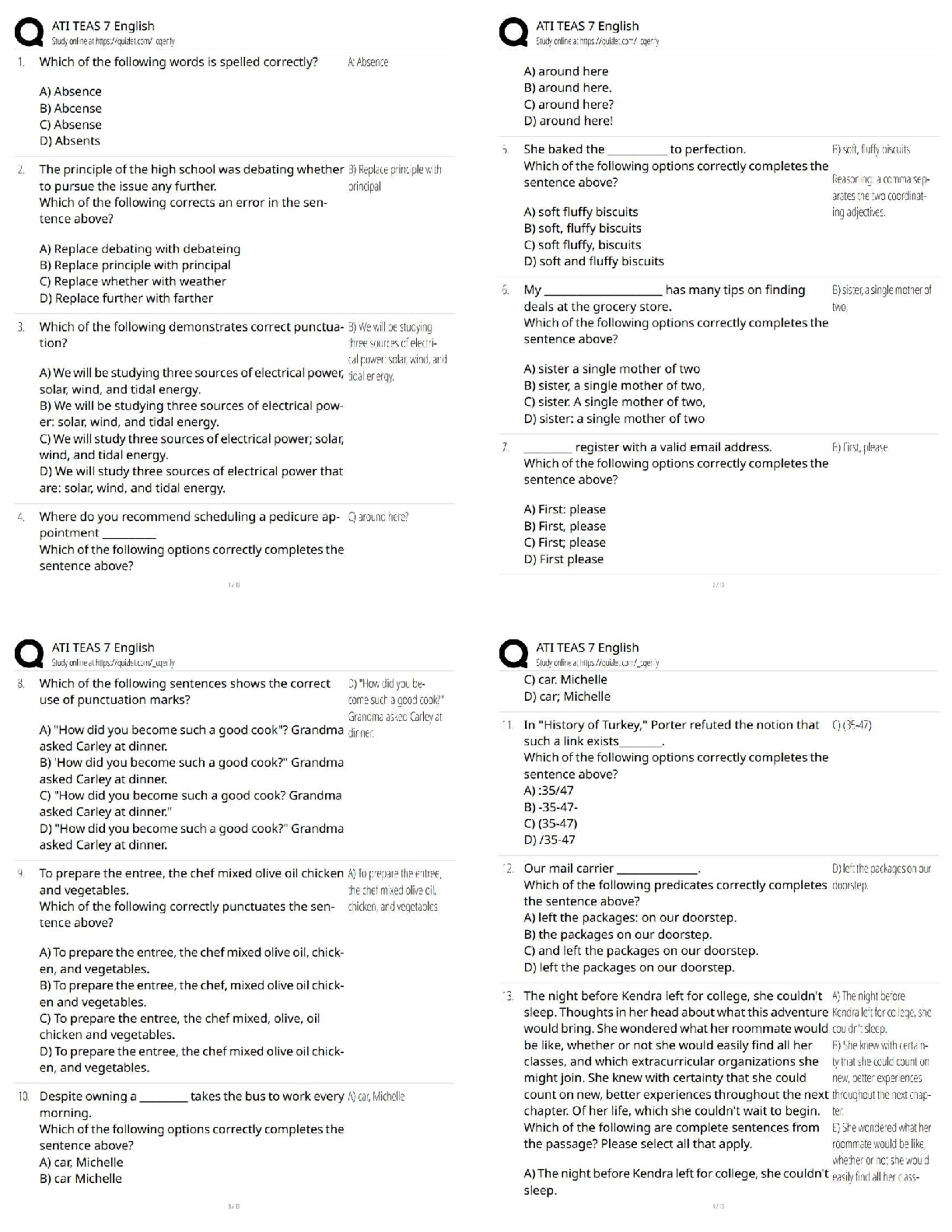
Master The ATI TEAS 7 English Section With This Verified Test Bank. Improve Grammar,...
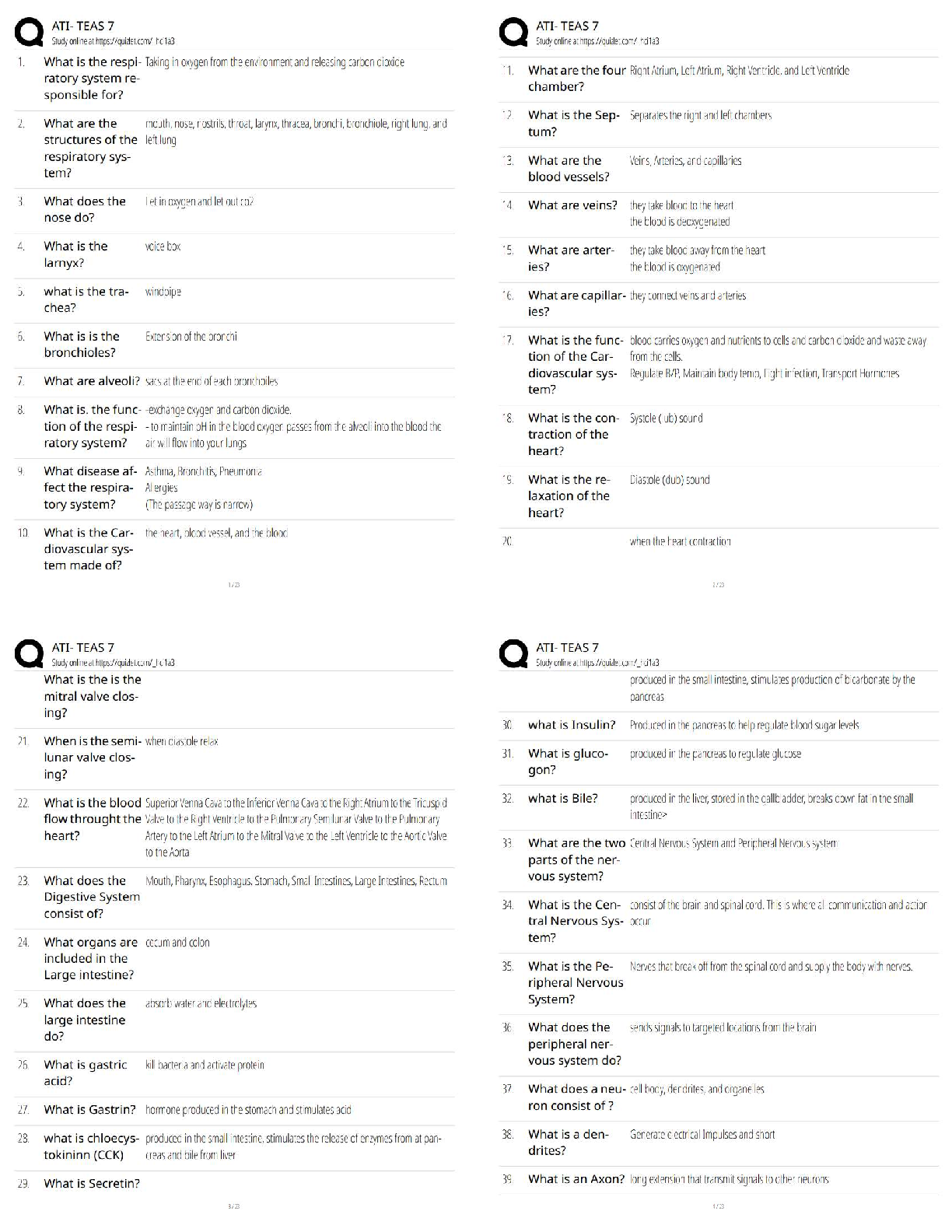
Master ATI TEAS 7 With Our Verified 2026 Test Bank. Covers Respiratory, Cardiovascula...
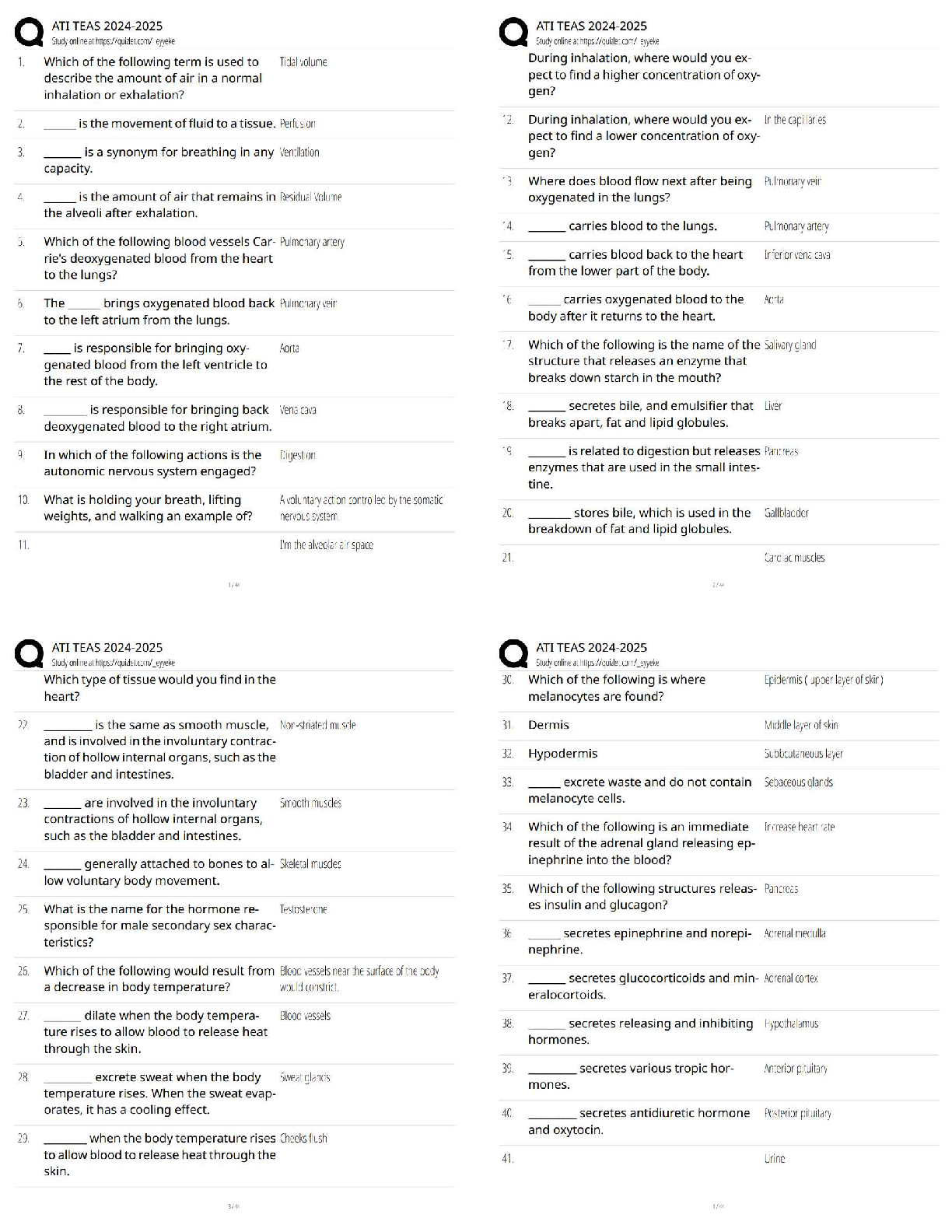
Ace The ATI TEAS 7 Exam On Your First Try. Access Hundreds Of Practice Questions, Det...