

Test bank
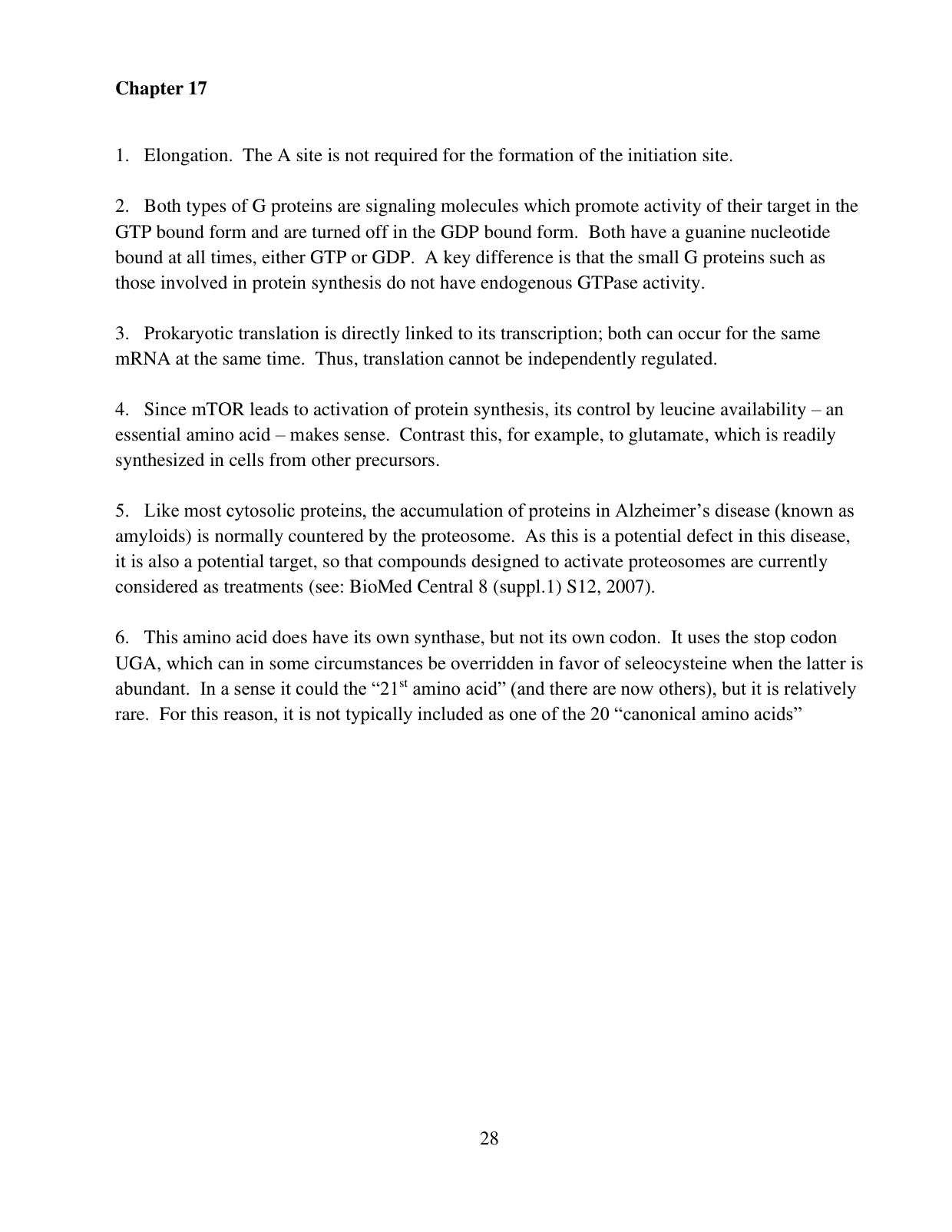
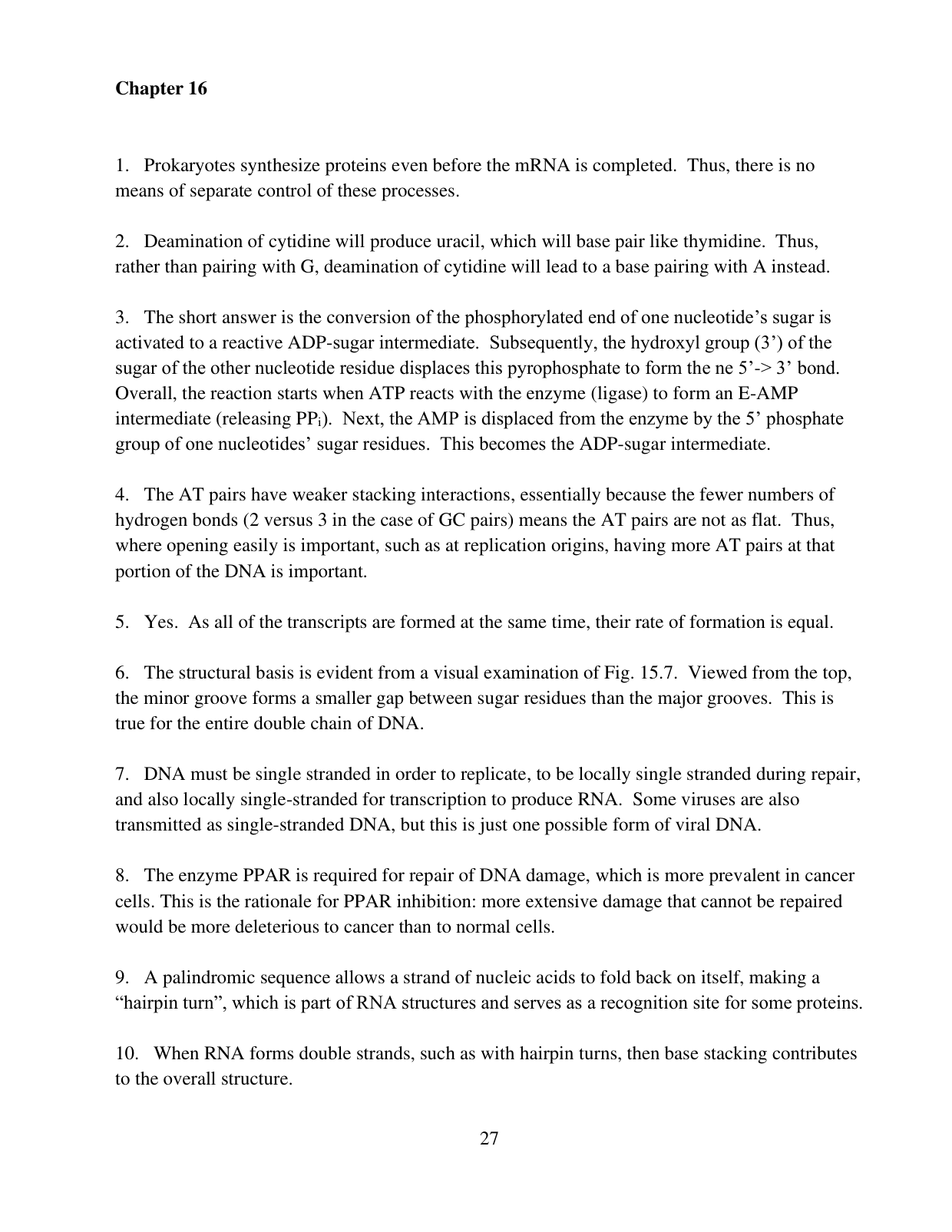
Biochemistry, 2nd Edition By Raymond S. Ochs Test Bank
Test Bank for Biochemistry (2nd Edition) by Raymond S. Ochs is a comprehensive assessment resource designed to complement the textbook by providing a broad range of chapter-based questions that evaluate students' understanding of biochemical concepts, molecular processes, and biological applications. It supports instructors in creating effective assessments while helping students strengthen their conceptual knowledge, analytical reasoning, and scientific problem-solving skills.
The test bank emphasizes the integration of chemistry and biology, encouraging students to understand how molecular structure, biochemical pathways, and cellular processes contribute to normal physiology and human health. Questions progress from foundational knowledge to higher-order application, analysis, and critical-thinking exercises, making the resource suitable for undergraduate biochemistry and life science courses.
Major topics covered include:
* Introduction to biochemistry
* Water and biological systems
* Amino acids and proteins
* Protein structure and function
* Enzymes and enzyme kinetics
* Enzyme regulation
* Carbohydrates and polysaccharides
* Lipids and biological membranes
* Membrane transport
* Bioenergetics
* Thermodynamics
* ATP and energy metabolism
* Cellular respiration
* Glycolysis
* Citric acid (TCA) cycle
* Electron transport chain
* Oxidative phosphorylation
* Photosynthesis
* Carbohydrate metabolism
* Lipid metabolism
* Fatty acid oxidation
* Fatty acid synthesis
* Amino acid metabolism
* Nitrogen metabolism
* Urea cycle
* Nucleotide metabolism
* DNA structure and replication
* RNA transcription
* Protein synthesis and translation
* Gene regulation
* Recombinant DNA technology
* Molecular biology techniques
* Cell signaling
* Hormonal regulation
* Integration of metabolism
* Clinical biochemistry
* Nutrition and metabolism
* Biochemical aspects of disease
The test bank helps students develop the ability to:
* Explain the structure and function of biological molecules.
* Analyze enzyme activity and catalytic mechanisms.
* Apply thermodynamic principles to biochemical reactions.
* Interpret metabolic pathways and energy production.
* Explain DNA replication, transcription, translation, and gene regulation.
* Analyze biochemical laboratory data and experimental observations.
* Apply biochemical concepts to health, nutrition, medicine, and disease.
* Relate molecular structure to biological function.
* Develop critical-thinking and analytical reasoning skills.
* Solve conceptual and quantitative biochemistry problems.
Assessment formats commonly include:
* Multiple-choice questions
* Conceptual understanding questions
* Quantitative calculation problems
* Case-based application questions
* Data interpretation exercises
* Clinical scenario questions
* Critical-thinking and analytical reasoning questions
Key instructional features include:
* Chapter-by-chapter organization aligned with the textbook
* Questions ranging from introductory concepts to advanced applications
* Answer keys for efficient grading and review
* Emphasis on conceptual understanding and scientific reasoning
* Support for quizzes, examinations, laboratory assessments, homework review, and comprehensive exam preparation

Undergraduate Biochemistry Students
Biology Students
Molecular Biology Students
Biotechnology Students
Pre-Medical Students
Medical Students
Pharmacy Students
Nursing Students
Nutrition and Dietetics Students
Dentistry Students
Allied Health Students
Chemistry Students
Graduate Students
Biochemistry Instructors and Educators
Tutors and Academic Support Professionals
Independent Learners
Students Preparing for Examinations
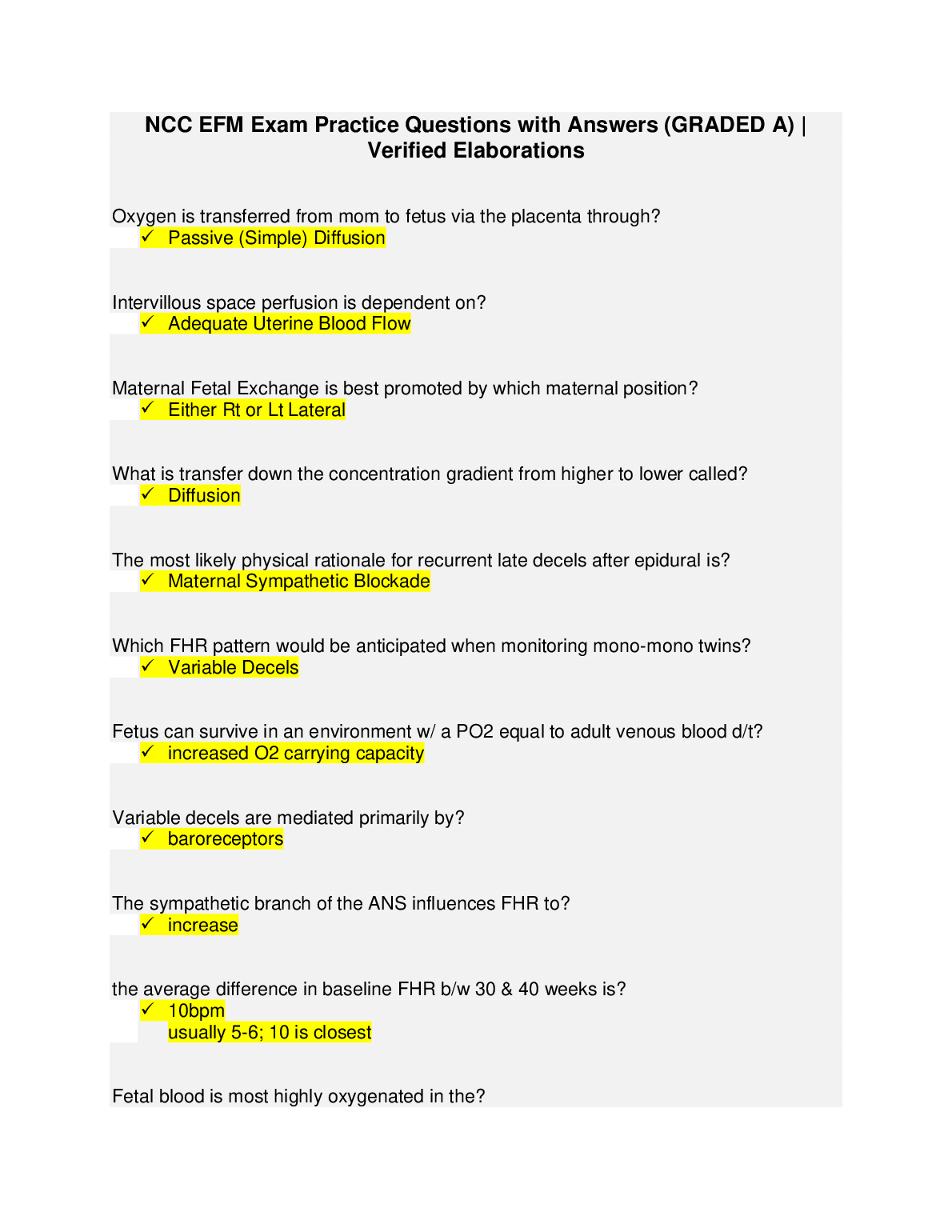
Master Ncc Efm Exams With Graded Practice Questions On Fetal Heart Rate Monitoring, V...
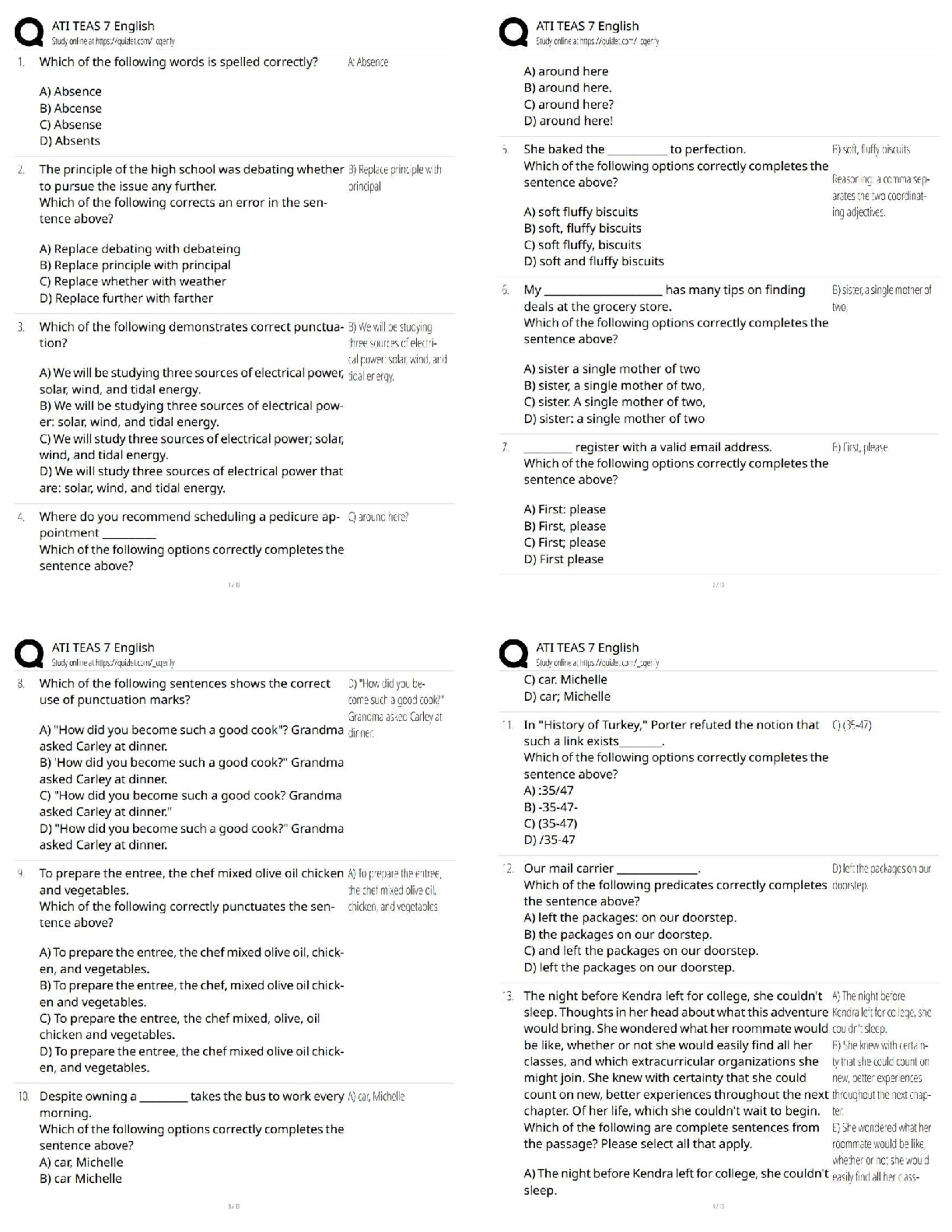
Master The ATI TEAS 7 English Section With This Verified Test Bank. Improve Grammar,...
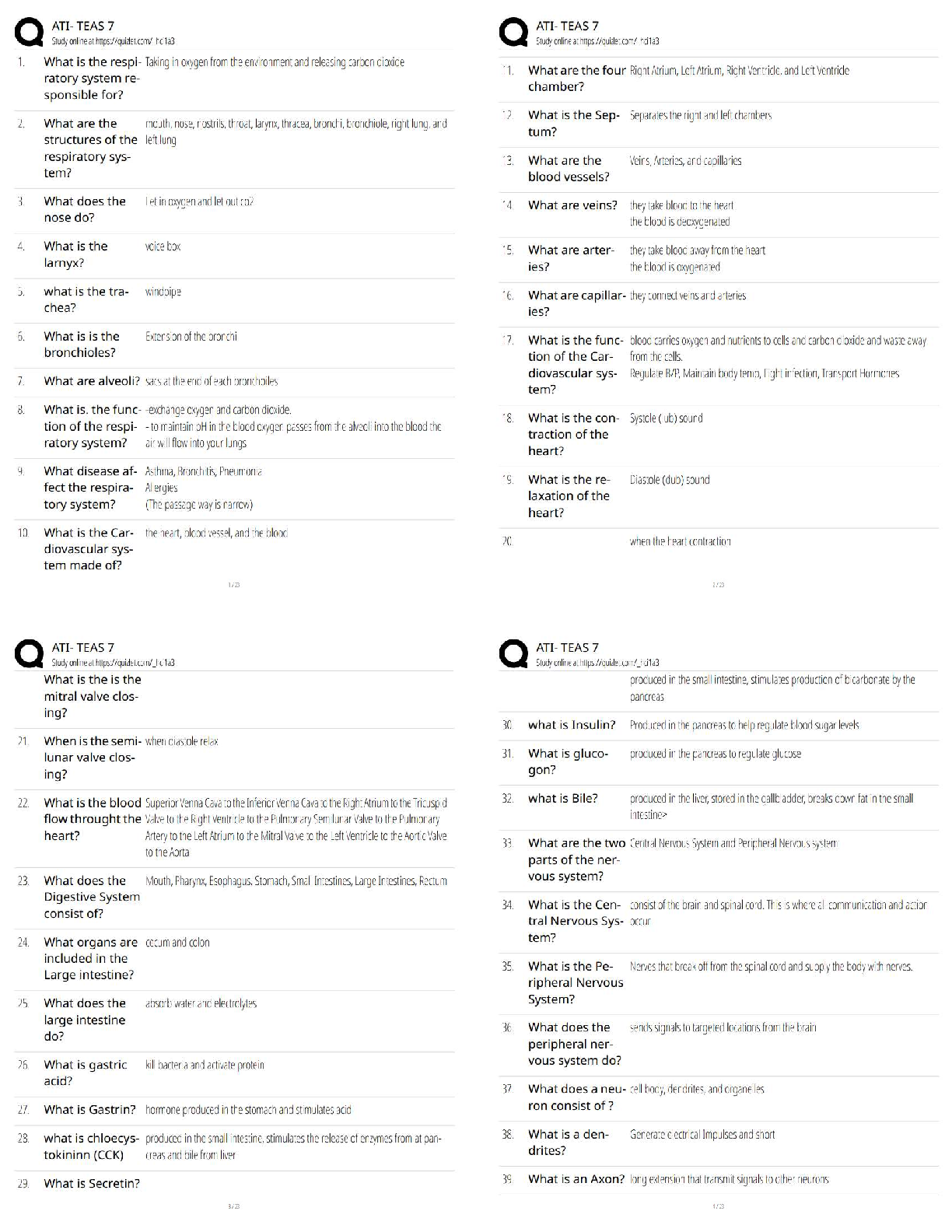
Master ATI TEAS 7 With Our Verified 2026 Test Bank. Covers Respiratory, Cardiovascula...
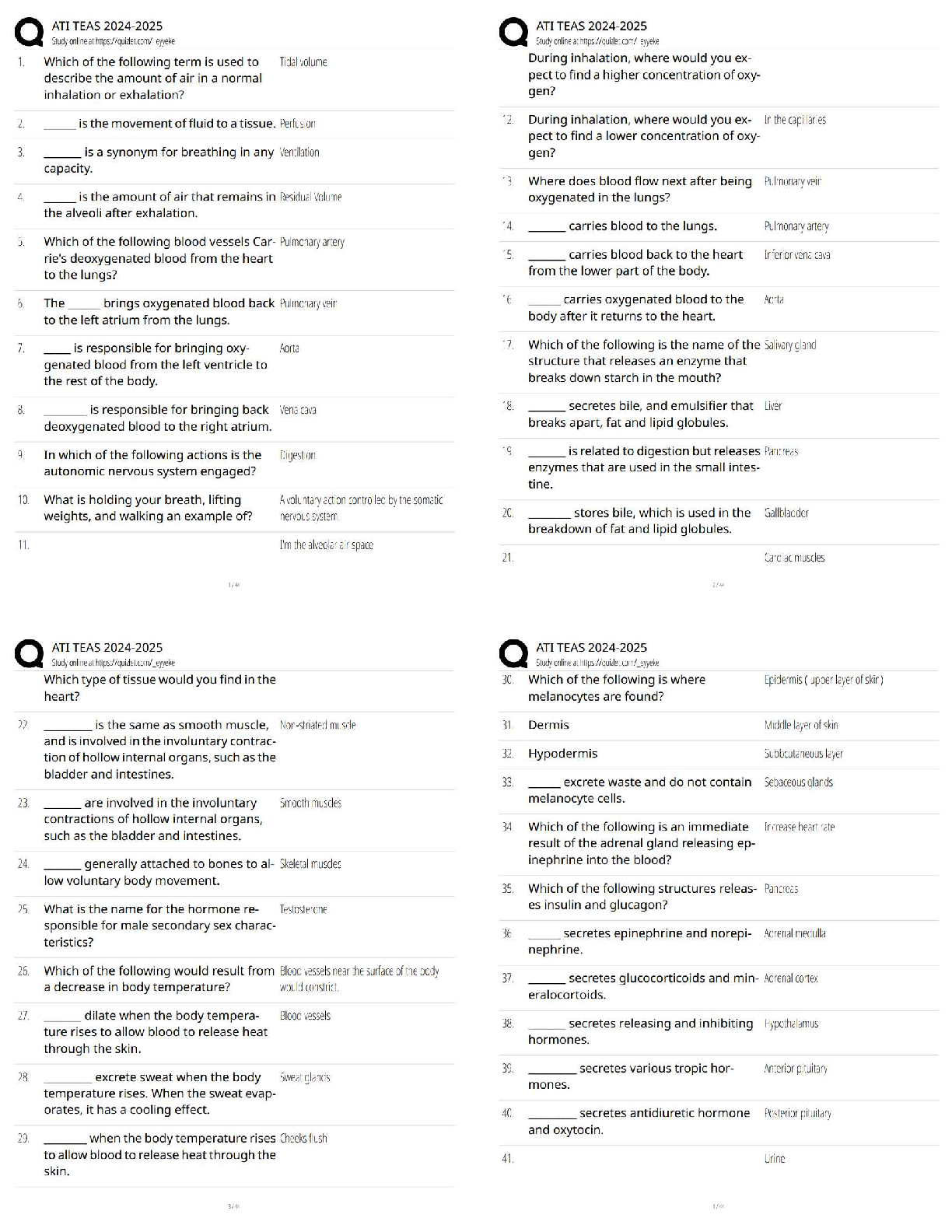
Ace The ATI TEAS 7 Exam On Your First Try. Access Hundreds Of Practice Questions, Det...