
Test bank
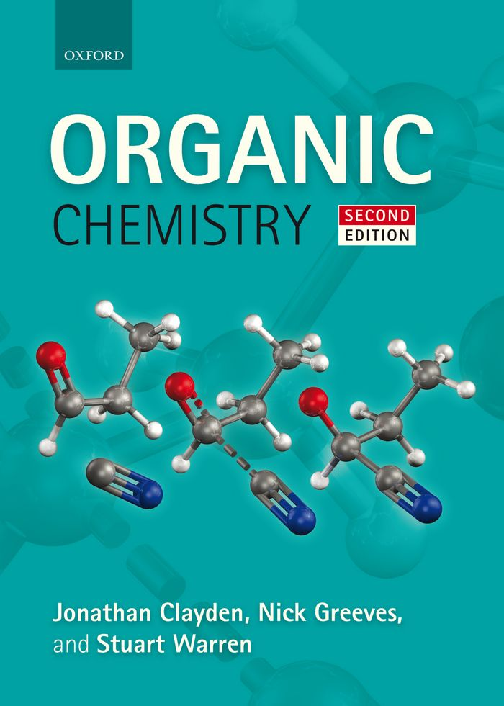
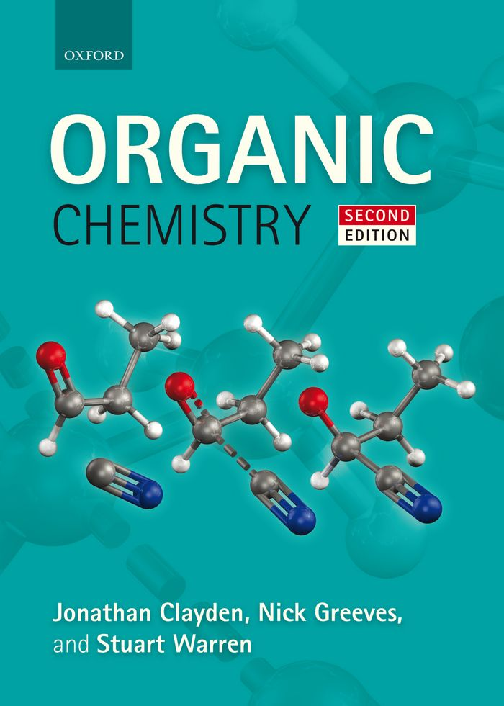
Organic Chemistry 2nd Edition Test Bank
Test Bank for Organic Chemistry (2nd Edition) by Jonathan Clayden, Nick Greeves, and Stuart Warren is a comprehensive assessment resource designed to complement the textbook by providing a wide range of questions that evaluate students’ understanding of organic chemistry principles, reaction mechanisms, molecular structure, and synthetic strategies. The test bank reflects the authors’ emphasis on understanding organic chemistry through concepts, mechanisms, and logical reasoning rather than simple memorization.
This resource helps students develop the ability to analyze chemical structures, predict reaction outcomes, understand mechanistic pathways, and apply organic chemistry concepts to complex problems. It provides instructors with a structured tool for creating quizzes, examinations, and assignments while giving students valuable practice for mastering undergraduate organic chemistry.
Major topics covered include:
* Introduction to organic chemistry
* Structure and bonding in organic molecules
* Atomic orbitals and molecular orbitals
* Hybridization and molecular geometry
* Resonance and electron delocalization
* Acidity and basicity in organic compounds
* Functional groups and their reactivity
* Organic nomenclature
* Stereochemistry
* Chirality and stereoisomers
* Conformational analysis
* Reaction mechanisms
* Curved-arrow notation
* Nucleophilic and electrophilic reactions
* Substitution reactions
* Elimination reactions
* Addition reactions
* Radical reactions
* Alkanes and cycloalkanes
* Alkenes and alkynes
* Aromatic chemistry
* Electrophilic aromatic substitution
* Carbonyl chemistry
* Aldehydes and ketones
* Carboxylic acids and derivatives
* Esters, amides, and related compounds
* Amines and nitrogen-containing compounds
* Enols and enolates
* Carbon-carbon bond formation
* Organometallic chemistry
* Organic synthesis and retrosynthetic analysis
* Multistep synthesis strategies
* Stereoselective reactions
* Pericyclic reactions
* Heterocyclic chemistry
* Spectroscopic techniques
* Infrared (IR) spectroscopy
* Nuclear Magnetic Resonance (NMR) spectroscopy
* Mass spectrometry
* Organic chemistry of biological molecules
* Carbohydrates
* Amino acids and peptides
* Proteins
* Lipids
* Nucleic acids
* Natural products and medicinal chemistry applications
The test bank helps students develop the ability to:
* Explain the relationship between molecular structure and chemical reactivity.
* Identify functional groups and predict their behavior in reactions.
* Apply mechanistic reasoning to understand organic transformations.
* Use electron movement concepts to explain reaction pathways.
* Analyze stereochemical relationships and predict stereochemical outcomes.
* Predict products of organic reactions using mechanistic principles.
* Design and evaluate synthetic routes for complex molecules.
* Apply retrosynthetic analysis to solve synthesis problems.
* Interpret spectroscopic data to determine molecular structures.
* Connect organic chemistry concepts with biological and pharmaceutical applications.
* Develop problem-solving strategies for advanced organic chemistry questions.
* Strengthen analytical thinking and scientific reasoning skills.
Assessment formats commonly include:
* Multiple-choice questions
* Mechanism-based questions
* Structure identification problems
* Reaction prediction exercises
* Synthesis and retrosynthesis problems
* Spectroscopy interpretation questions
* Stereochemistry analysis questions
* Conceptual application questions
* Critical-thinking and problem-solving exercises
Key instructional features include:
* Chapter-by-chapter organization aligned with *Organic Chemistry* (2nd Edition)
* Emphasis on reaction mechanisms and conceptual understanding
* Questions designed to test both foundational knowledge and advanced application
* Support for quizzes, examinations, homework assignments, and review sessions
* Reinforcement of structure–reactivity relationships
* Preparation for higher-level chemistry and biomedical science courses

Chemistry students, instructors, and exam preparation users.
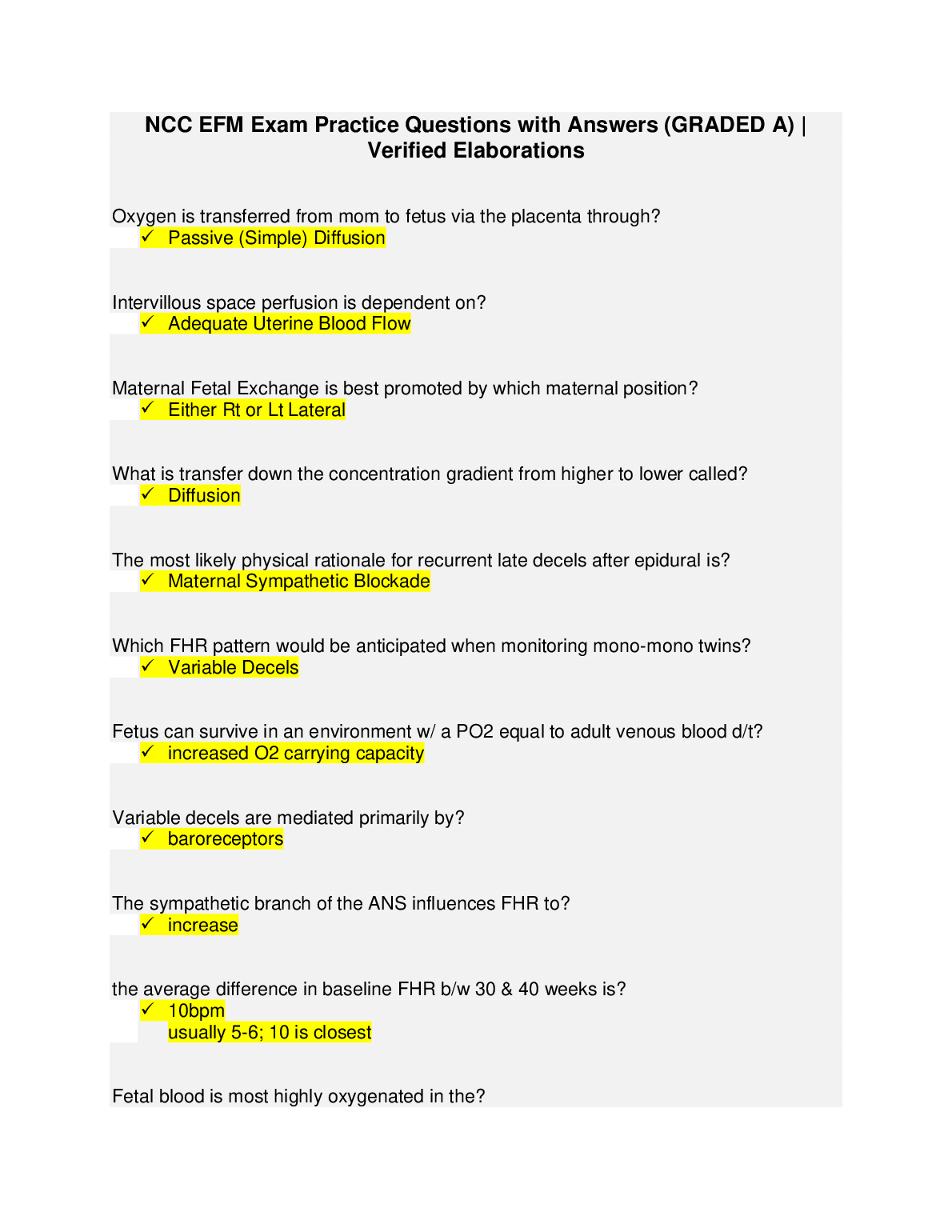
Master Ncc Efm Exams With Graded Practice Questions On Fetal Heart Rate Monitoring, V...
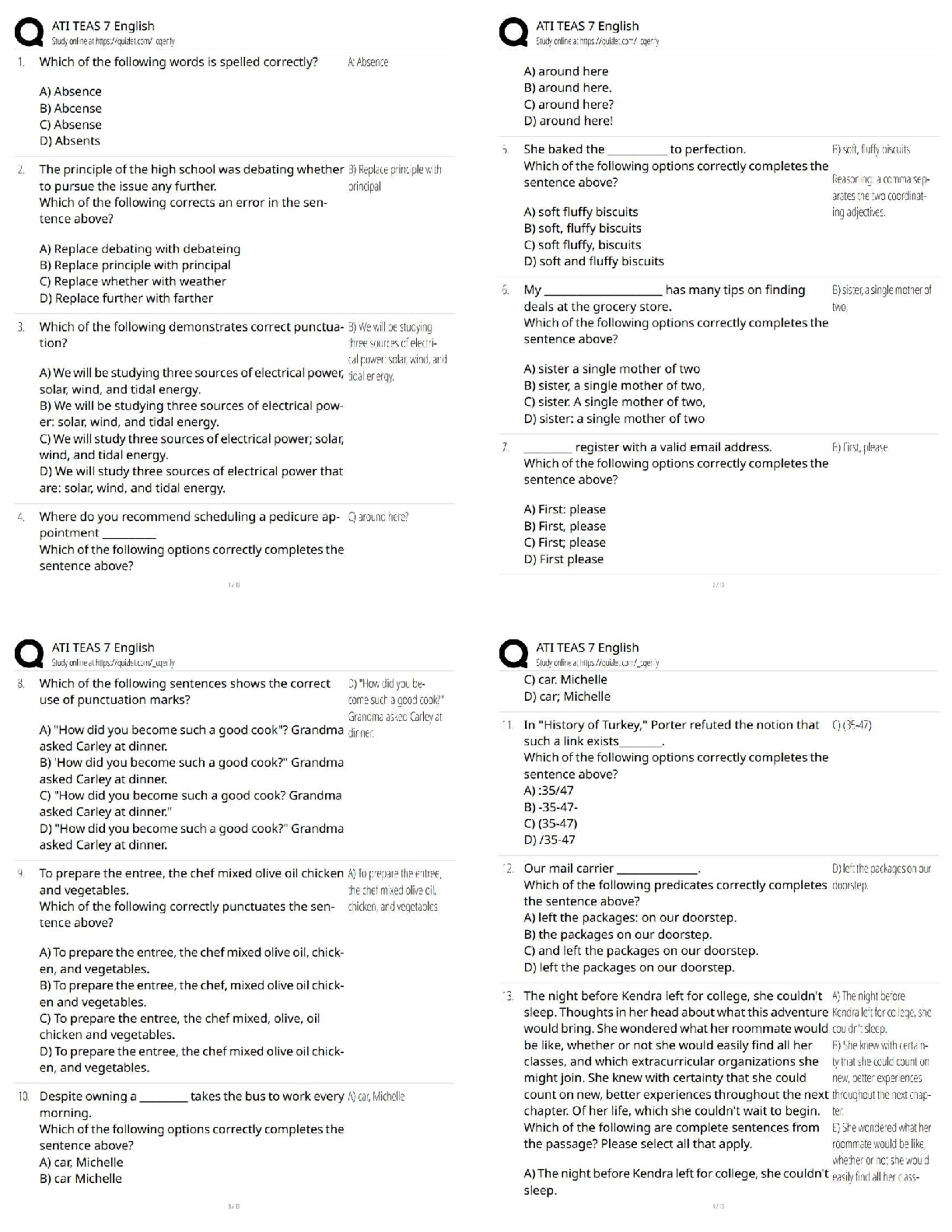
Master The ATI TEAS 7 English Section With This Verified Test Bank. Improve Grammar,...
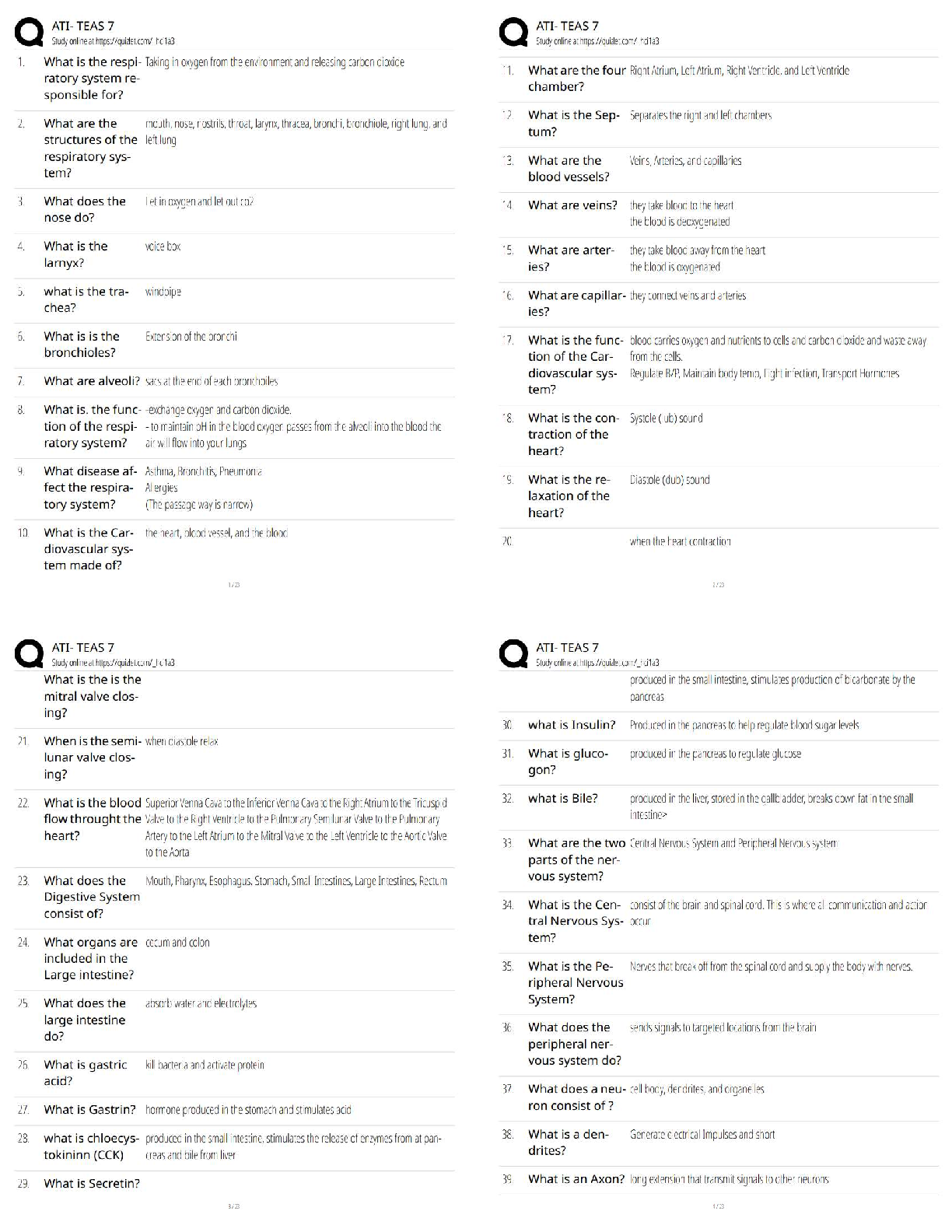
Master ATI TEAS 7 With Our Verified 2026 Test Bank. Covers Respiratory, Cardiovascula...
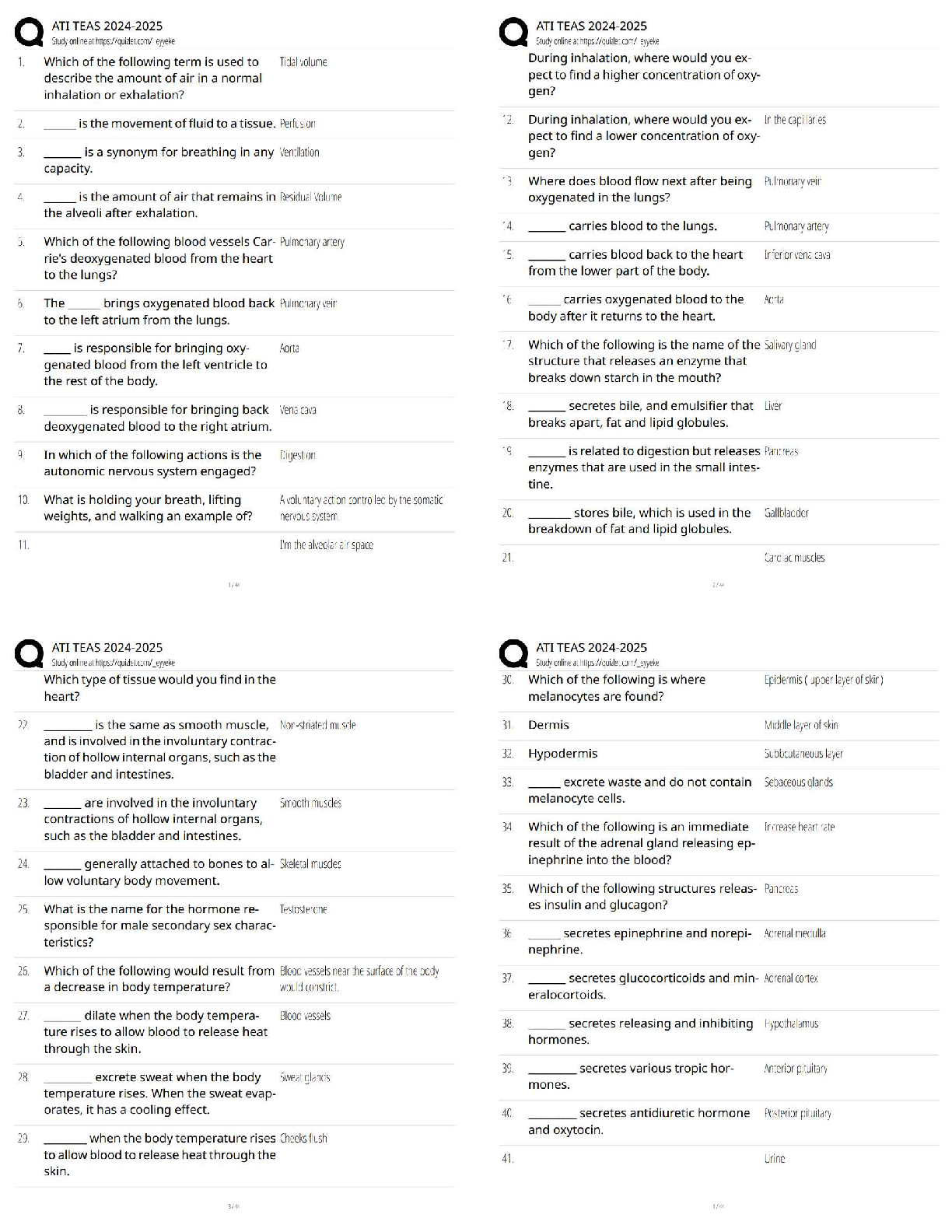
Ace The ATI TEAS 7 Exam On Your First Try. Access Hundreds Of Practice Questions, Det...