Bailey & Scott Diagnostic Microbiology 14th Edition Bailey & Scott Diagnostic Microbiology 14th Edition

Microbiology

Bailey & Scott Diagnostic Microbiology 14th Edition


Is A Comprehensive Assessment Resource Designed To Evaluate Students’ Understanding Of Diagnostic Microbiology
Description

Test Bank for Bailey & Scott’s Diagnostic Microbiology (14th Edition) by Patricia M. Tille is a comprehensive assessment resource designed to accompany the textbook by providing chapter-based questions that evaluate students’ knowledge of diagnostic microbiology, clinical laboratory procedures, infectious diseases, and pathogen identification. It helps instructors develop effective assessments while reinforcing students’ understanding of microbiological principles, laboratory techniques, quality assurance, and evidence-based diagnostic practices.

The test bank emphasizes the integration of microbiology with clinical medicine, highlighting the laboratory’s role in diagnosing infectious diseases, monitoring antimicrobial resistance, and supporting patient care. Questions range from foundational concepts to advanced clinical applications and case-based scenarios, encouraging critical thinking, analytical reasoning, and sound laboratory decision-making.

Major topics covered include:

* Introduction to diagnostic microbiology
* Laboratory safety
* Biosafety practices
* Quality assurance
* Quality control
* Specimen collection and transport
* Specimen processing
* Microscopy
* Staining techniques
* Culture methods
* Media preparation
* Microbial growth
* Bacterial physiology
* Bacterial genetics
* Antimicrobial susceptibility testing
* Antibiotic resistance
* Sterilization and disinfection
* Infection prevention
* Immunology
* Host immune response
* Serologic testing
* Molecular diagnostics
* Polymerase chain reaction (PCR)
* Nucleic acid amplification techniques
* Clinical bacteriology
* Gram-positive bacteria
* Gram-negative bacteria
* Anaerobic bacteria
* Mycobacteria
* Spirochetes
* Virology
* Clinical viral infections
* Mycology
* Pathogenic fungi
* Parasitology
* Protozoa
* Helminths
* Blood and tissue parasites
* Hospital-acquired infections
* Emerging infectious diseases
* Epidemiology
* Public health microbiology
* Clinical case interpretation
* Laboratory management
* Diagnostic algorithms

The test bank helps students develop the ability to:

* Explain the principles of diagnostic microbiology and infectious disease diagnosis.
* Apply laboratory safety and biosafety standards.
* Select appropriate specimen collection and transport methods.
* Interpret staining procedures and microscopic findings.
* Identify microorganisms using culture, biochemical, immunological, and molecular methods.
* Explain mechanisms of antimicrobial action and resistance.
* Interpret antimicrobial susceptibility test results.
* Differentiate bacterial, viral, fungal, and parasitic pathogens.
* Analyze host immune responses to infectious diseases.
* Apply serologic and molecular diagnostic techniques.
* Interpret laboratory findings in clinical case studies.
* Correlate microbiological results with patient history and disease presentation.
* Develop analytical reasoning and evidence-based laboratory decision-making skills.

Assessment formats commonly include:

* Multiple-choice questions
* Clinical case studies
* Laboratory application questions
* Microorganism identification exercises
* Data interpretation questions
* Antimicrobial susceptibility scenarios
* Critical-thinking and problem-solving questions

Key instructional features include:

* Chapter-by-chapter organization aligned with *Bailey & Scott’s Diagnostic Microbiology* (14th Edition)
* Questions progressing from basic microbiology concepts to advanced clinical applications
* Answer keys for efficient grading and review
* Strong emphasis on laboratory procedures, diagnostic interpretation, and patient care
* Support for quizzes, examinations, laboratory assessments, certification review, and comprehensive exam preparation
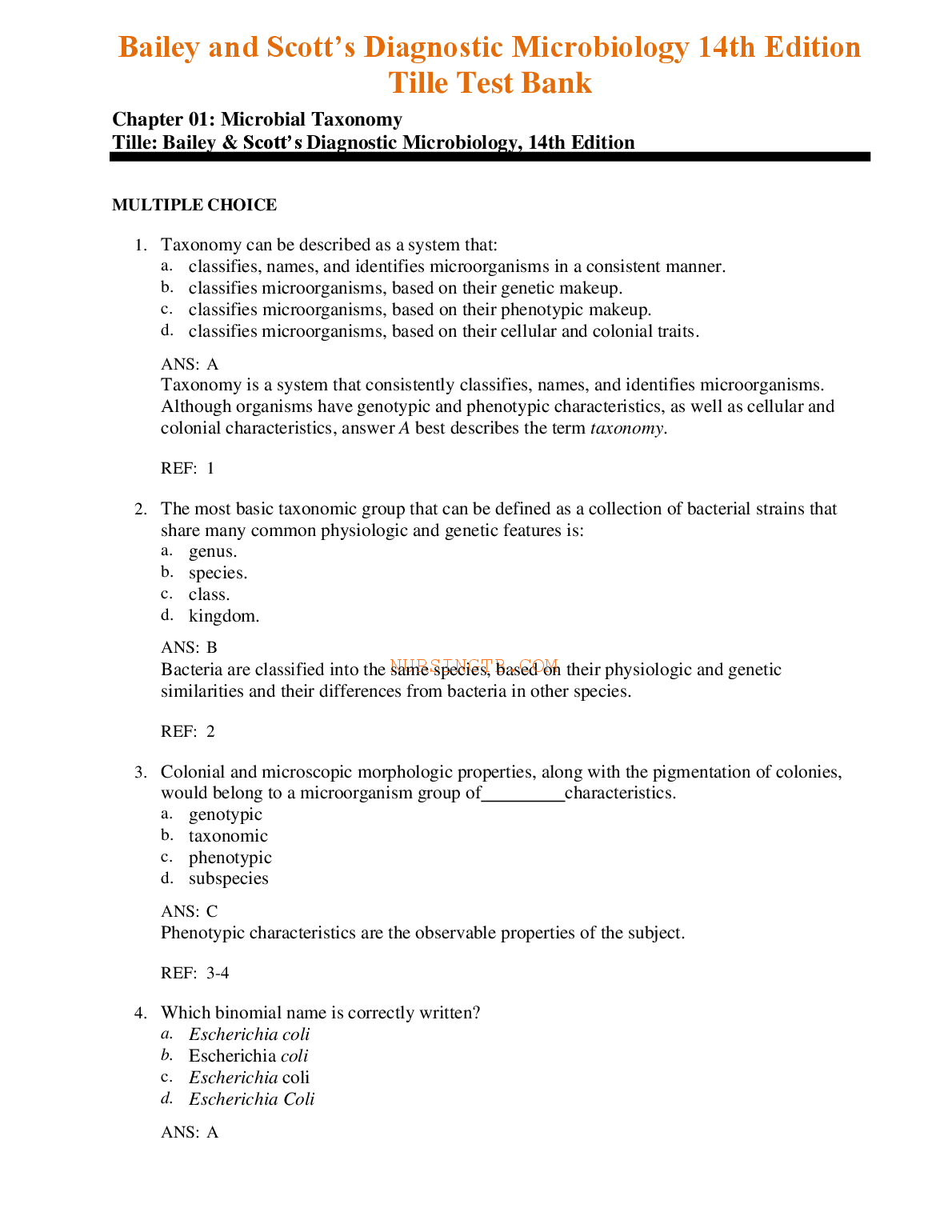
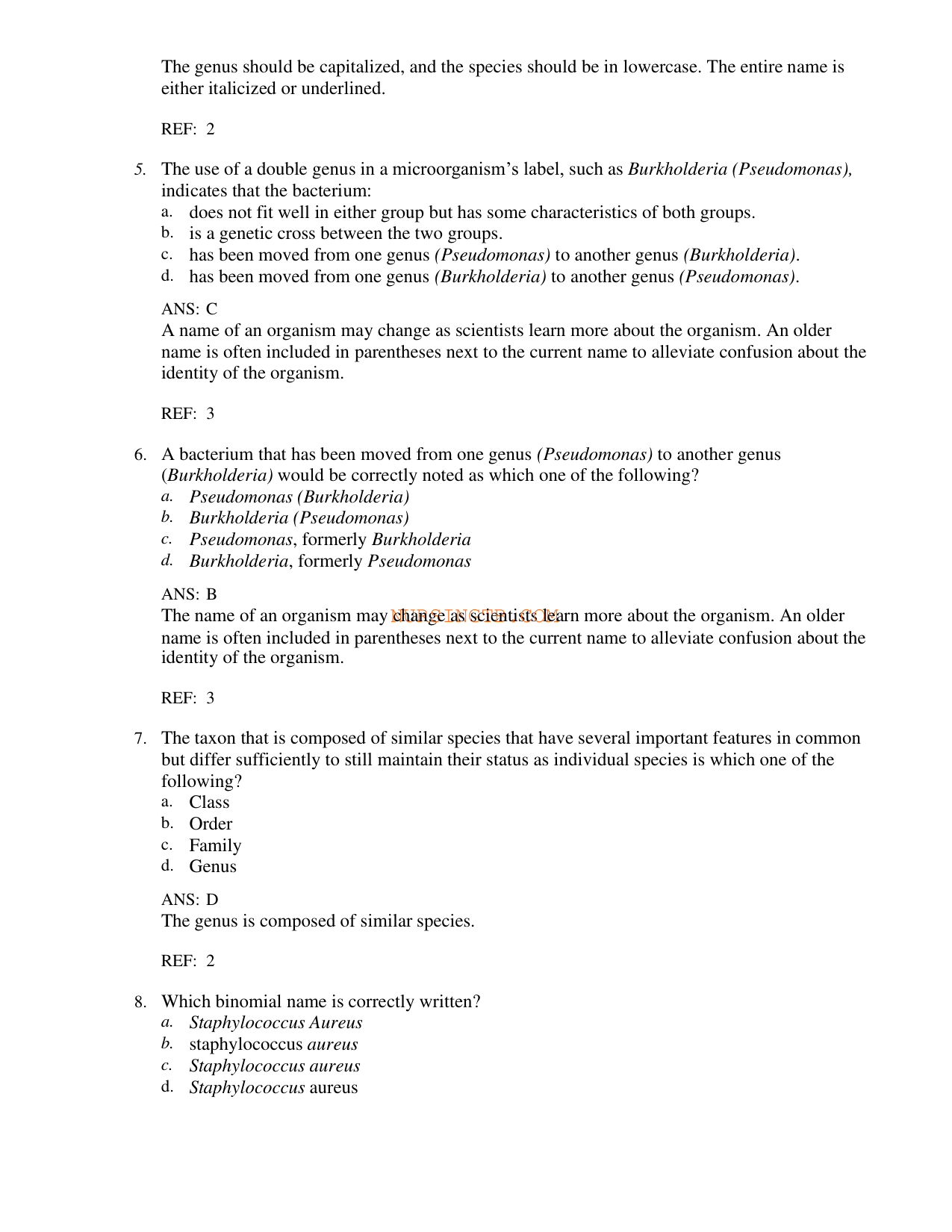
PDF Sample
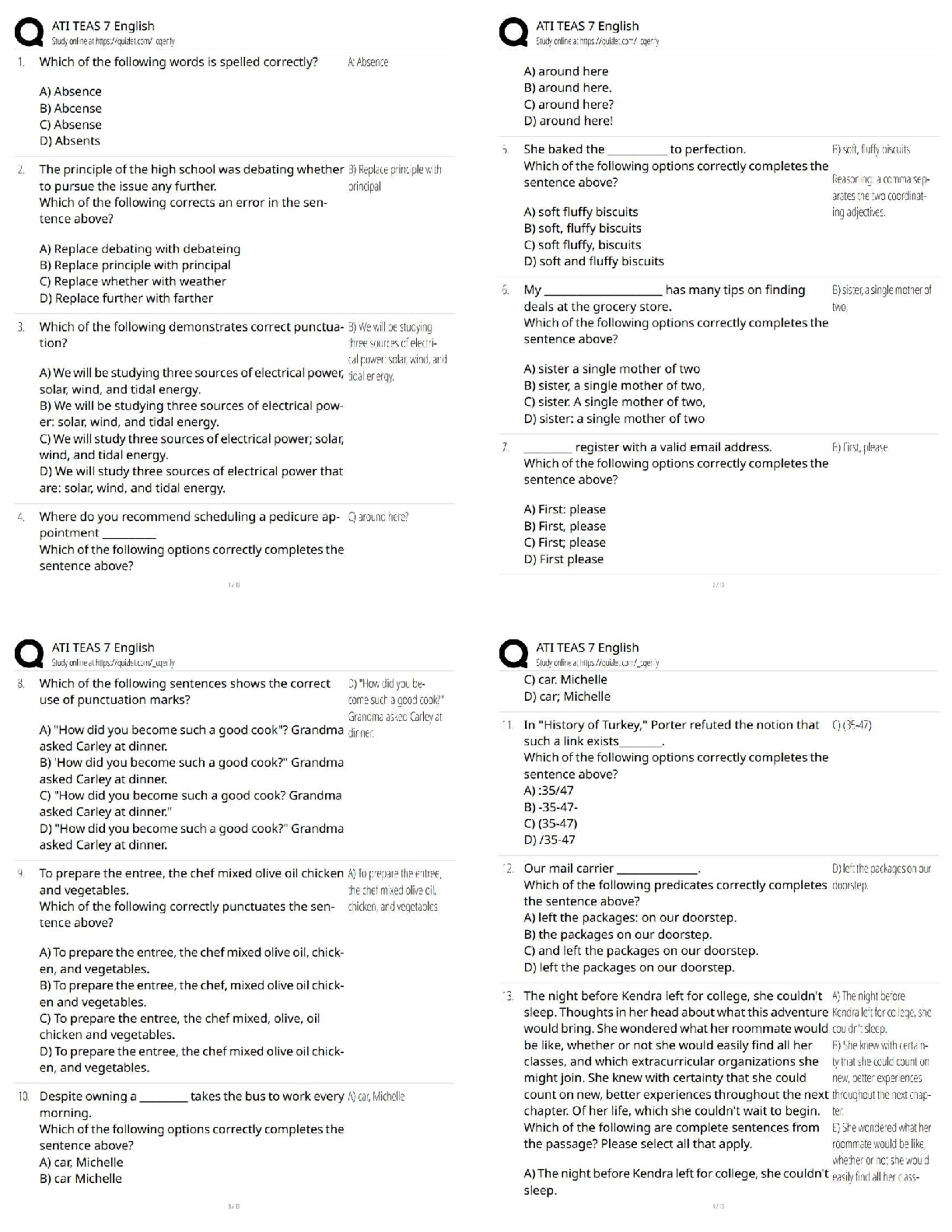
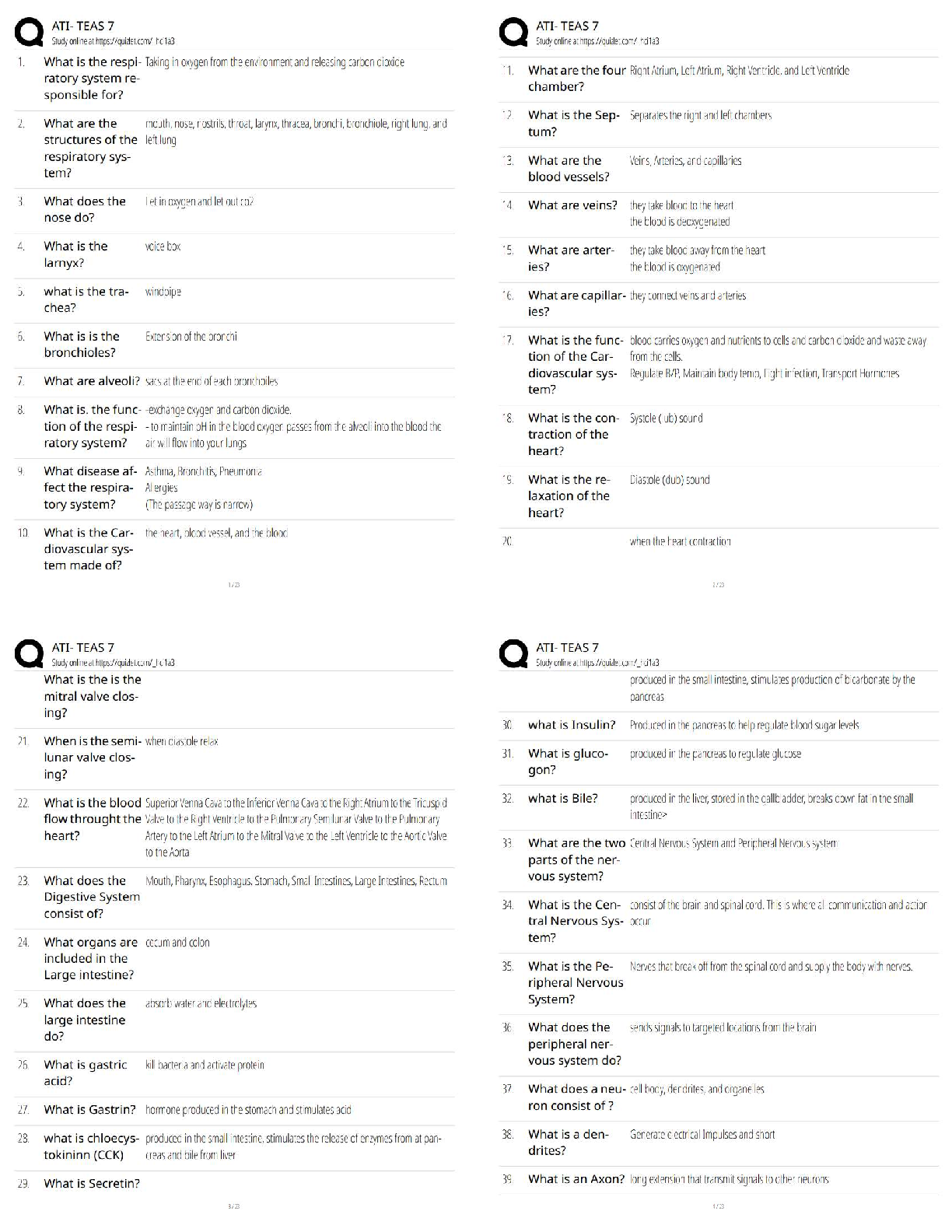
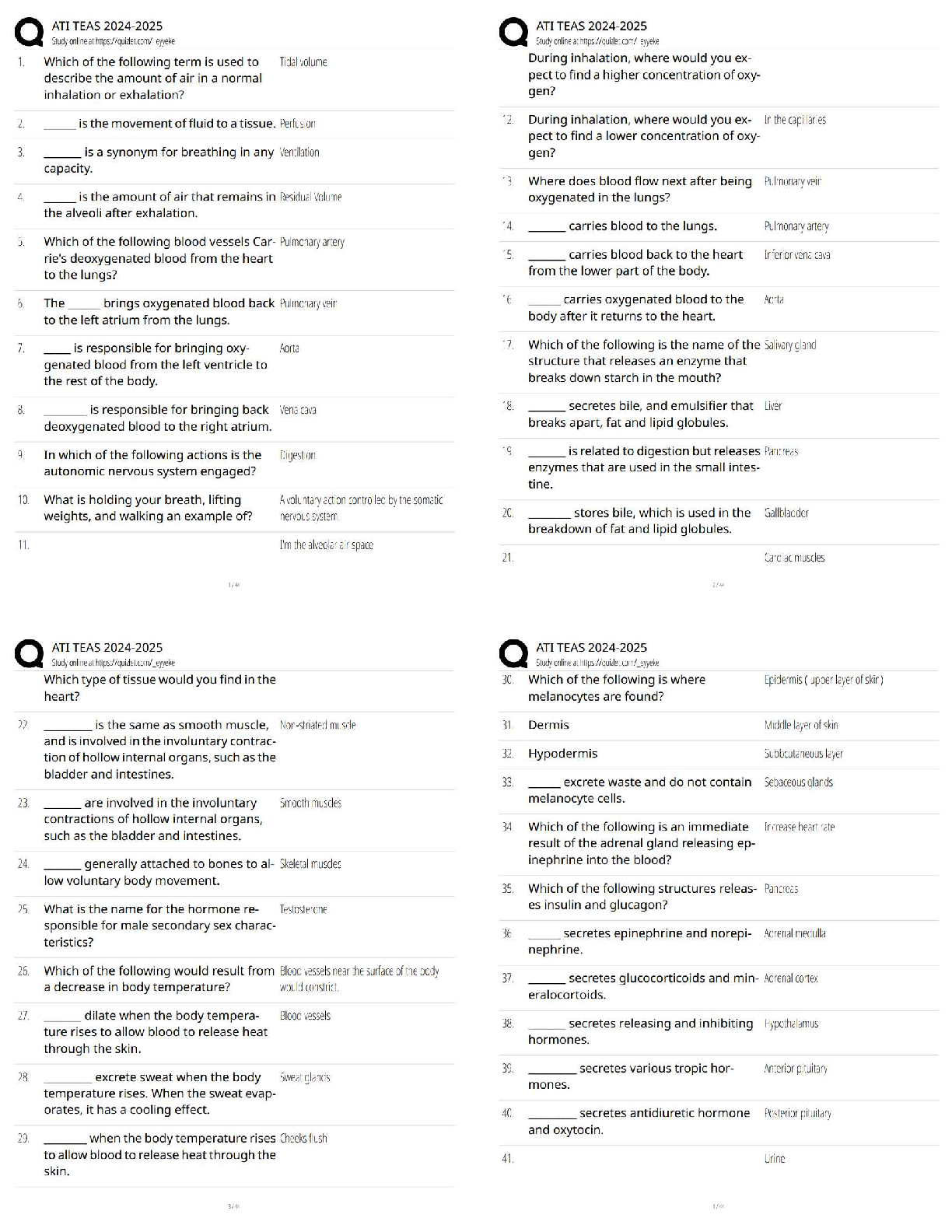
1 / 3
Bailey & Scott Diagnostic Microbiology 14th Edition IMG-1
Bailey & Scott Diagnostic Microbiology 14th Edition IMG-2
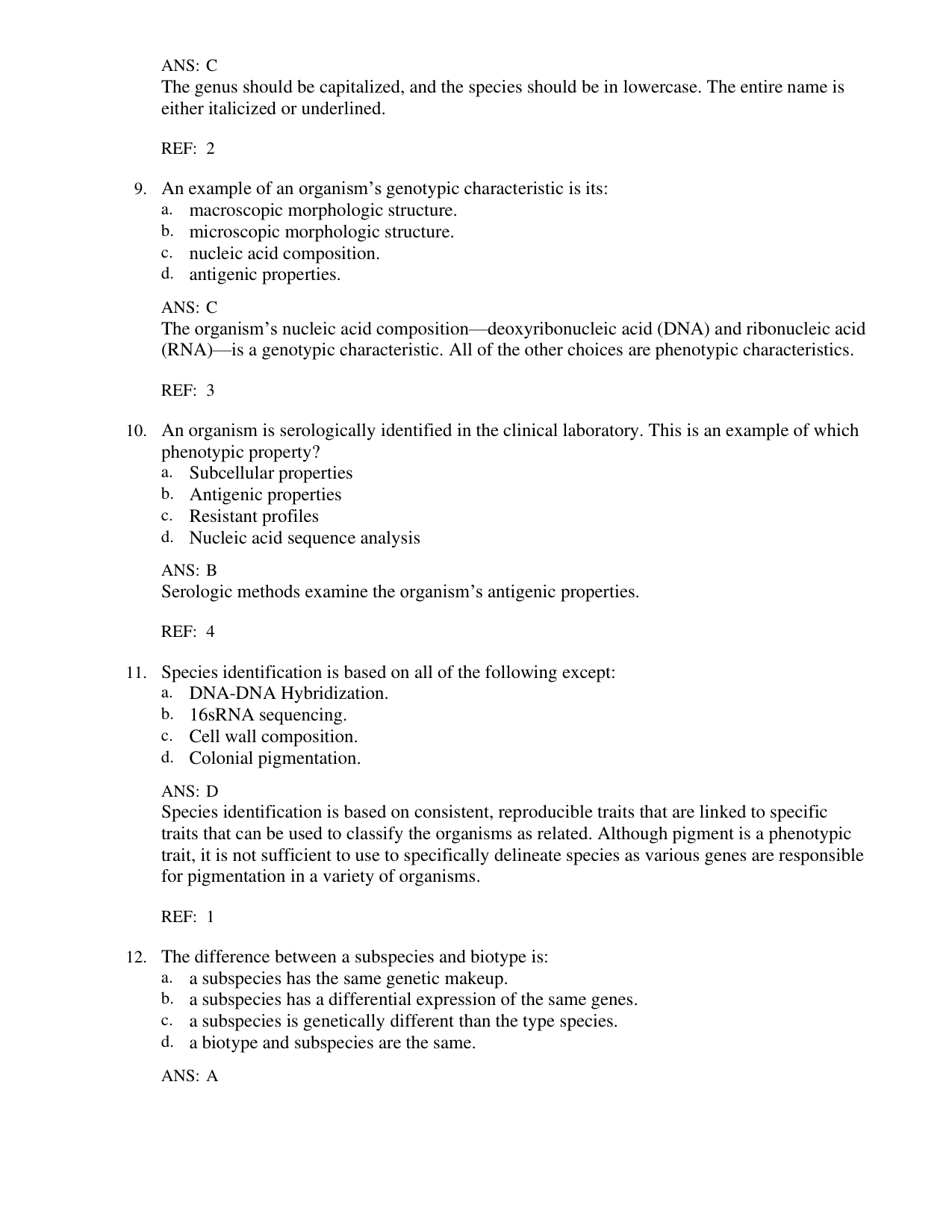
Bailey & Scott Diagnostic Microbiology 14th Edition IMG-3
Who is this Document for ?

students enrolled in Medical Laboratory Science (MLS), Clinical Laboratory Science (CLS), Medical Technology (MT), Clinical Laboratory Technology (CLT), Microbiology, Biomedical Science, Medicine, Nursing, Pharmacy, Public Health, and other health science programs, microbiology instructors, laboratory educators, teaching assistants, tutors, and healthcare professionals
What you will learn ?
Explain the fundamental principles of diagnostic microbiology and the role of the clinical microbiology laboratory in patient care.
Apply laboratory safety, biosafety, and infection prevention practices in accordance with professional standards.
Describe proper specimen collection, transport, processing, and storage procedures for microbiological testing.
Explain the principles of microbial growth, cultivation, and identification.
Perform and interpret common staining techniques, including Gram stain and acid-fast stain.
Differentiate major groups of microorganisms based on morphology, physiology, and laboratory characteristics.
Identify clinically significant bacteria using culture characteristics, biochemical testing, and automated identification systems.
Explain bacterial pathogenesis, virulence factors, and mechanisms of disease.
Interpret antimicrobial susceptibility testing and explain mechanisms of antimicrobial resistance.
Describe the laboratory diagnosis of Gram-positive, Gram-negative, anaerobic, mycobacterial, and atypical bacterial infections.
Explain the principles of clinical virology and laboratory methods used for viral detection.
Identify medically important fungi and describe laboratory methods used in clinical mycology.
Recognize clinically significant parasites and apply laboratory techniques used in diagnostic parasitology.
Explain the host immune response to infectious diseases and apply immunological principles to diagnostic testing.
Interpret serological assays used in infectious disease diagnosis.
Apply molecular diagnostic techniques, including polymerase chain reaction (PCR) and nucleic acid amplification methods.
Correlate laboratory findings with patient history, clinical presentation, and disease progression.
Analyze clinical microbiology case studies to support accurate diagnosis and treatment decisions.
Apply principles of quality assurance and quality control to ensure reliable laboratory results.
Explain the role of epidemiology and public health microbiology in disease surveillance and outbreak investigation.
Interpret laboratory data using evidence-based diagnostic approaches.
Develop critical-thinking, analytical reasoning, and problem-solving skills for microbiology laboratory practice.
Demonstrate readiness for clinical laboratory practice, professional certification examinations, and advanced study in microbiology, medical laboratory science, and other health science disciplines.
What do you get with this PDF ?
Instant access after purchase
Download in PDF format
DRM free, read anywhere
Document details
Last update :
Jul 21, 2026
Length :
372 pages
Edition :
2026
Language :
English
Category :
Keywords
Bailey & Scott’s Diagnostic Microbiology Bailey & Scott’s Diagnostic Microbiology 14th Edition Diagnostic Microbiology Diagnostic Microbiology Test Bank Clinical Microbiology Medical Microbiology Clinical Laboratory Science Medical Laboratory Science Medical Technology Clinical Laboratory Technology Biomedical Laboratory Science Laboratory Medicine Infectious Diseases Pathogen Identification Laboratory Safety Biosafety Quality Assurance Quality Control Specimen Collection Specimen Transport Specimen Processing Microbial Culture Culture Media Microscopy Gram Stain Acid-fast Stain Bacteriology Clinical Bacteriology Gram-positive Bacteria Gram-negative Bacteria Anaerobic Bacteria Mycobacteria Spirochetes Virology Clinical Virology Viral Infections Mycology Pathogenic Fungi Clinical Mycology Parasitology Protozoa Helminths Blood Parasites Immunology Host Immune Response Serology Serologic Testing Molecular Diagnostics Pcr Polymerase Chain Reaction Nucleic Acid Amplification Antimicrobial Susceptibility Testing Antibiotic Resistance Infection Control Sterilization Disinfection Hospital-acquired Infections Healthcare-associated Infections Emerging Infectious Diseases Epidemiology Public Health Microbiology Clinical Case Studies Laboratory Instrumentation Diagnostic Testing Laboratory Quality Management Clinical Laboratory Practice Critical Thinking Scientific Reasoning Laboratory Data Interpretation Healthcare Education Allied Health Microbiology Education Medical Laboratory Certification Ascp Exam Preparation Undergraduate Microbiology Medical Students Nursing Students Pharmacy Students Biomedical Science Students Laboratory Professional Training.
You may also be interested in :
Recommendations for you
Textbook Of Diagnostic Microbiology 7th Edition TEST BANK
Textbook Of Diagnostic Microbiology 7th Edition Test Bank

Is A Comprehensive Assessment Resource Designed To Evaluate Students’ Understanding O...

$16
Medical Microbiology 8th Edition TEST BANK
Medical Microbiology 8th Edition Test Bank

Is A Comprehensive Assessment Resource Designed To Evaluate Students’ Understanding O...

$16
Nester's Microbiology: A Human Perspective 8th Edition

Ideal For Undergraduate Microbiology, Nursing, Allied Health, Medical Laboratory Scie...

$16
Prescotts Microbiology 9th Edition Test Bank

Is A Comprehensive Assessment Resource Designed To Evaluate Students’ Understanding O...

$18