
Test bank
Clayton’s Basic Pharmacology For Nurses, 19th Edition
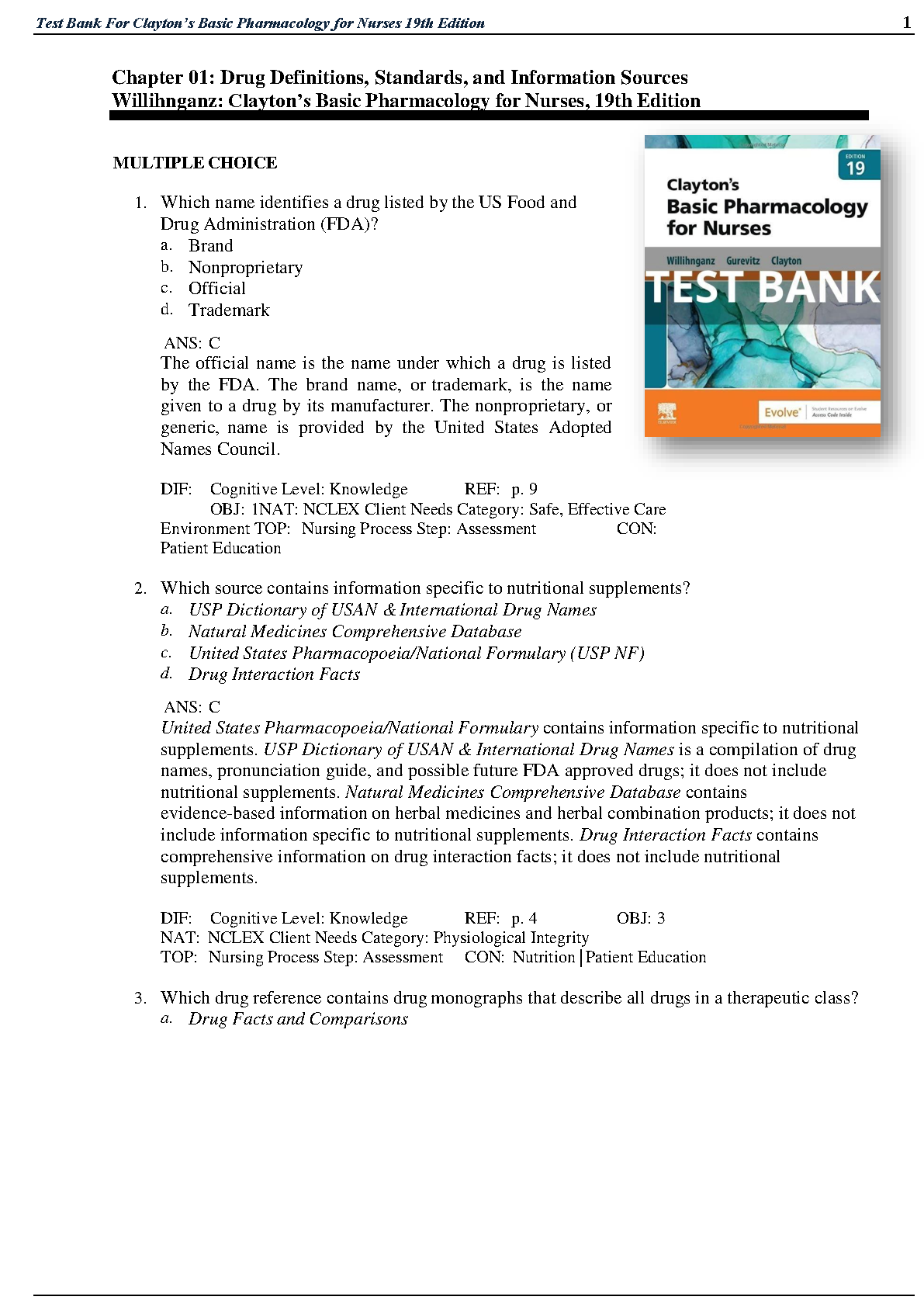
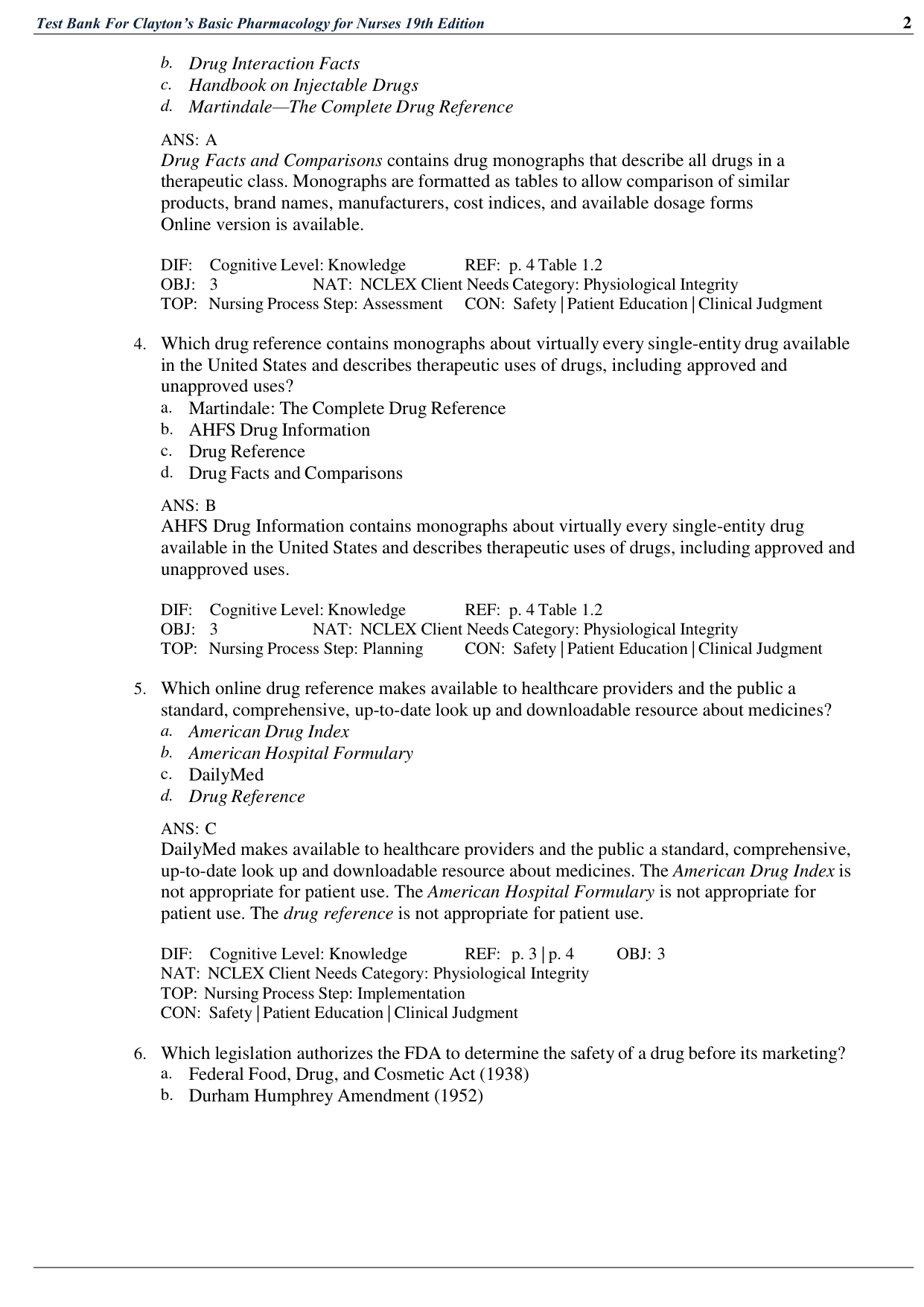
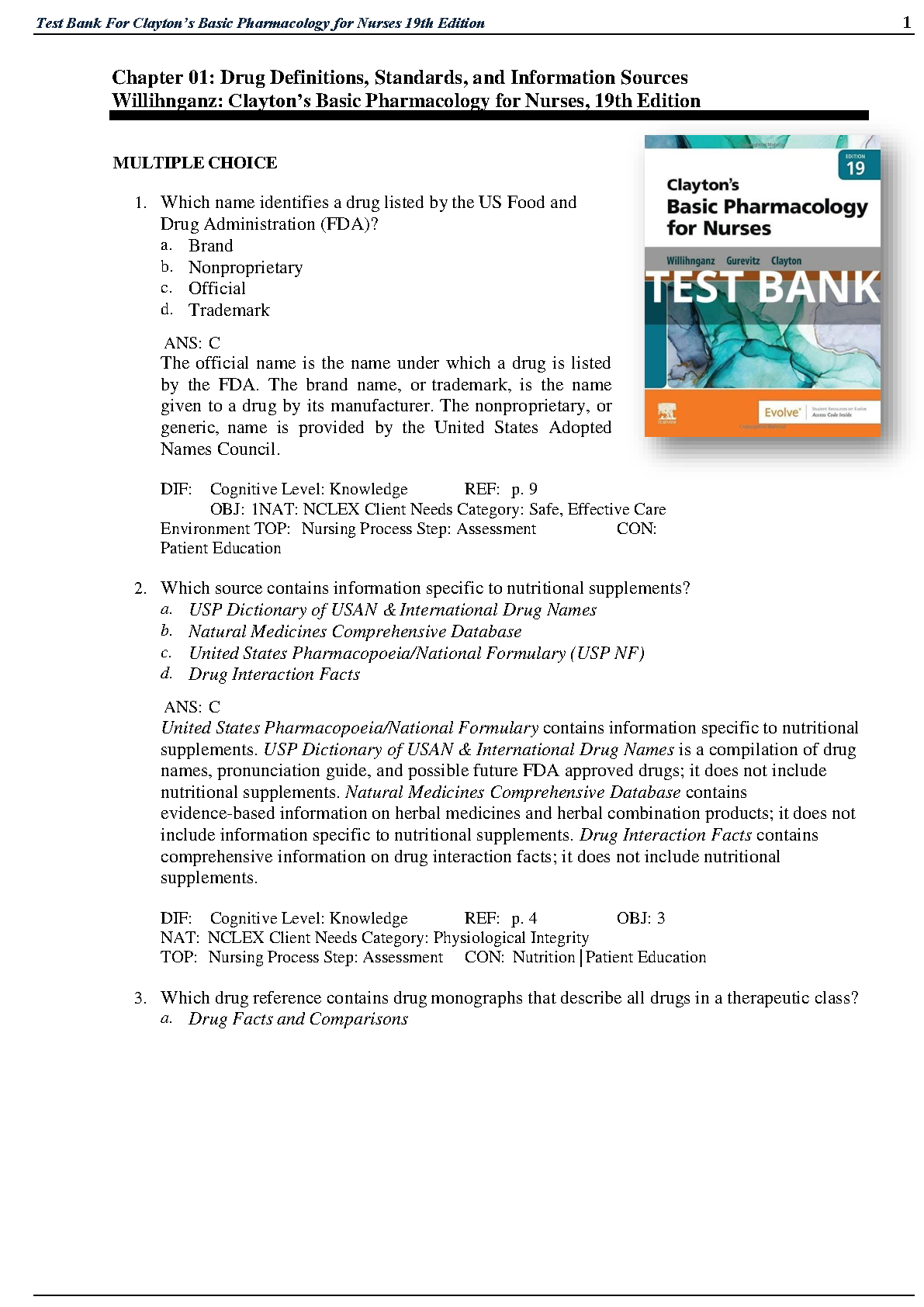
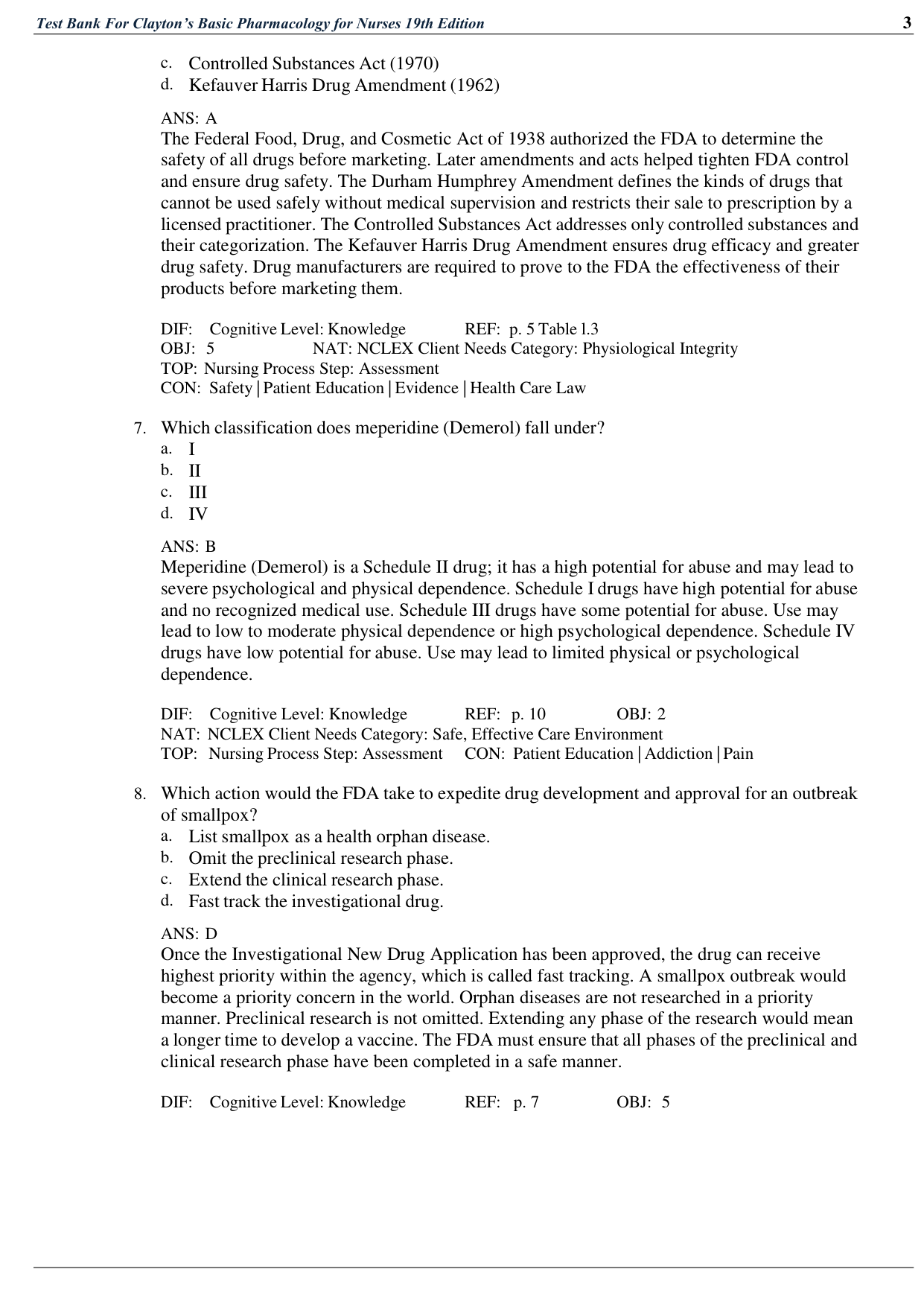
Test Bank for Clayton’s Basic Pharmacology for Nurses (19th Edition) by Michelle J. Willihnganz, Samuel L. Gurevitz and Bruce D. Claytonis a comprehensive assessment resource designed to evaluate nursing students’ understanding of pharmacology principles, medication administration, drug classifications, therapeutic effects, adverse reactions, and safe nursing care related to drug therapy. The resource supports students in applying pharmacological concepts to clinical nursing practice through structured questions that emphasize critical thinking, patient safety, clinical judgment, and evidence-based medication management. The 19th edition focuses on helping learners understand drug actions, nursing responsibilities, patient education, and safe medication administration practices.
This test bank complements the textbook by integrating pharmacology concepts with the nursing process. It helps learners develop the ability to assess patients receiving medications, identify potential complications, implement appropriate nursing interventions, educate patients about medications, and evaluate therapeutic outcomes. The textbook emphasizes practical application of pharmacology to nursing care, including medication safety, drug therapy across the lifespan, and preparation for Next Generation NCLEX®-style clinical judgment questions.
Major Topics Covered Include:
Foundations of pharmacology in nursing practice
Drug definitions, standards, and information sources
Drug classifications and naming systems
Principles of drug action
Pharmacokinetics and pharmacodynamics
Drug absorption, distribution, metabolism, and excretion
Drug interactions and adverse drug reactions
Factors affecting drug response across the lifespan
Pediatric, adult, pregnant, and older adult medication considerations
The nursing process in pharmacology
Patient assessment related to medication therapy
Medication administration principles
Medication safety practices
Dosage calculations and medication measurements
Safe preparation and administration of medications
Enteral medication administration
Parenteral medication administration
Intradermal, subcutaneous, intramuscular, and intravenous medications
High-alert medications and safety precautions
Patient education and medication adherence
Autonomic nervous system drugs
Central nervous system drugs
Cardiovascular medications
Respiratory medications
Gastrointestinal medications
Endocrine medications
Antidiabetic medications
Anti-infective medications
Anti-inflammatory medications
Pain management medications
Musculoskeletal medications
Reproductive system medications
Immune system medications
Cancer-related medications
Blood and coagulation medications
Vitamins, minerals, and nutritional supplements
Herbal products and alternative therapies
Emergency medications and clinical safety considerations
The Test Bank Helps Students Develop the Ability To:
Explain fundamental concepts of pharmacology and medication therapy.
Describe how drugs affect body systems and physiological processes.
Apply pharmacokinetic and pharmacodynamic principles to patient care.
Identify therapeutic effects, side effects, adverse reactions, and toxicity risks.
Recognize factors that influence individual responses to medications.
Apply the nursing process when caring for patients receiving drug therapy.
Safely calculate, prepare, administer, and document medications.
Identify medication errors and implement safety measures.
Educate patients about medication use, precautions, and adherence.
Apply clinical judgment when prioritizing medication-related nursing interventions.
Recognize drug interactions and contraindications.
Adapt medication care for patients across the lifespan.
Evaluate patient outcomes related to pharmacological treatment.
Integrate evidence-based pharmacology knowledge into nursing practice.
Prepare for nursing examinations and NCLEX®-style pharmacology questions.
Assessment Formats Commonly Include:
Multiple-choice questions
NCLEX®-style application questions
Medication safety scenarios
Clinical judgment questions
Drug classification questions
Nursing process application questions
Patient education scenarios
Dosage and administration problem-solving questions
Key Features:
Chapter-by-chapter organization aligned with Clayton’s Basic Pharmacology for Nurses (19th Edition)
Emphasis on safe medication administration and nursing responsibilities
Application-based questions connecting pharmacology concepts to clinical practice
Focus on patient safety, therapeutic outcomes, and clinical decision-making
Support for classroom examinations, pharmacology review, and NCLEX® preparation
Reinforcement of nursing concepts related to drug therapy and patient care
Nursing students, instructors, and exam preparation users.
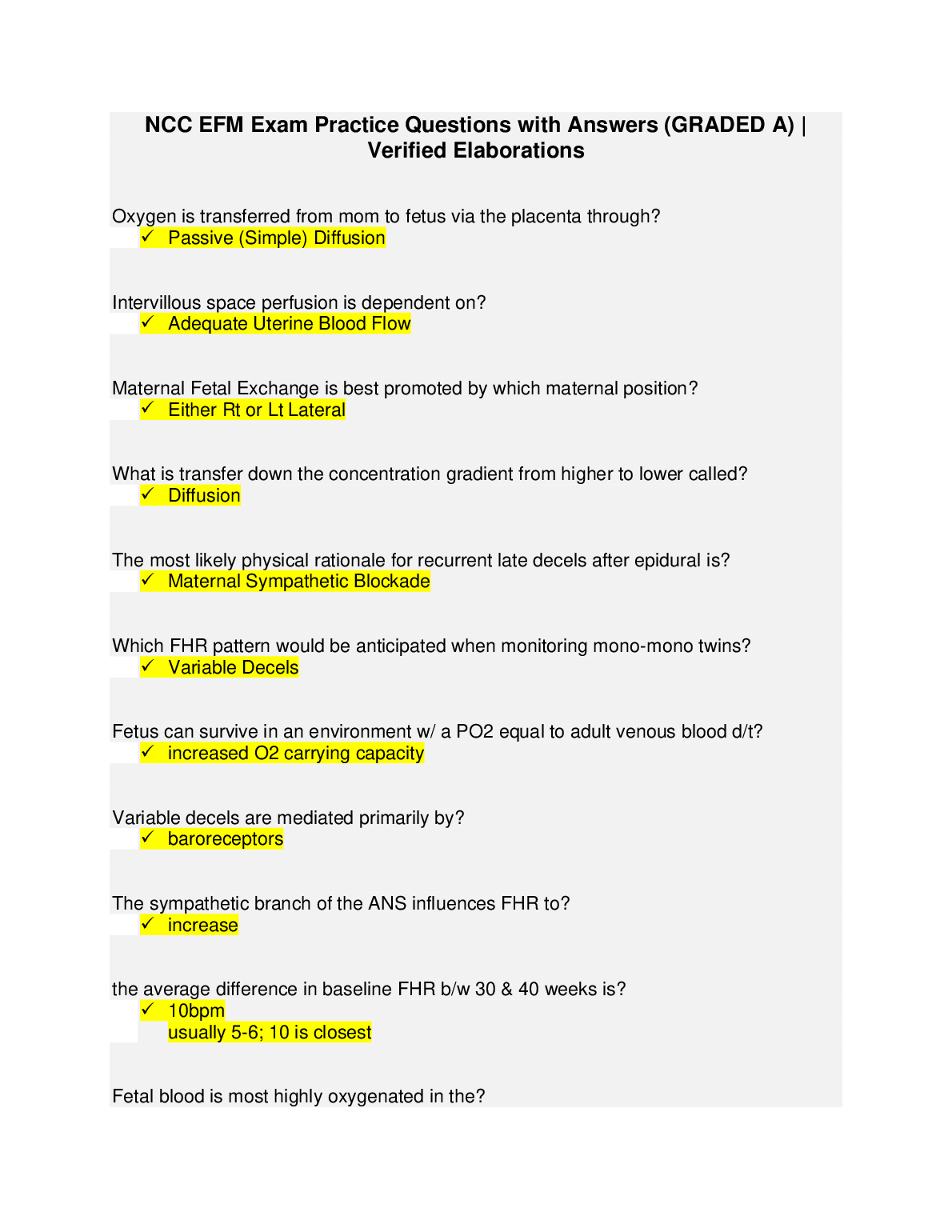
Master Ncc Efm Exams With Graded Practice Questions On Fetal Heart Rate Monitoring, V...
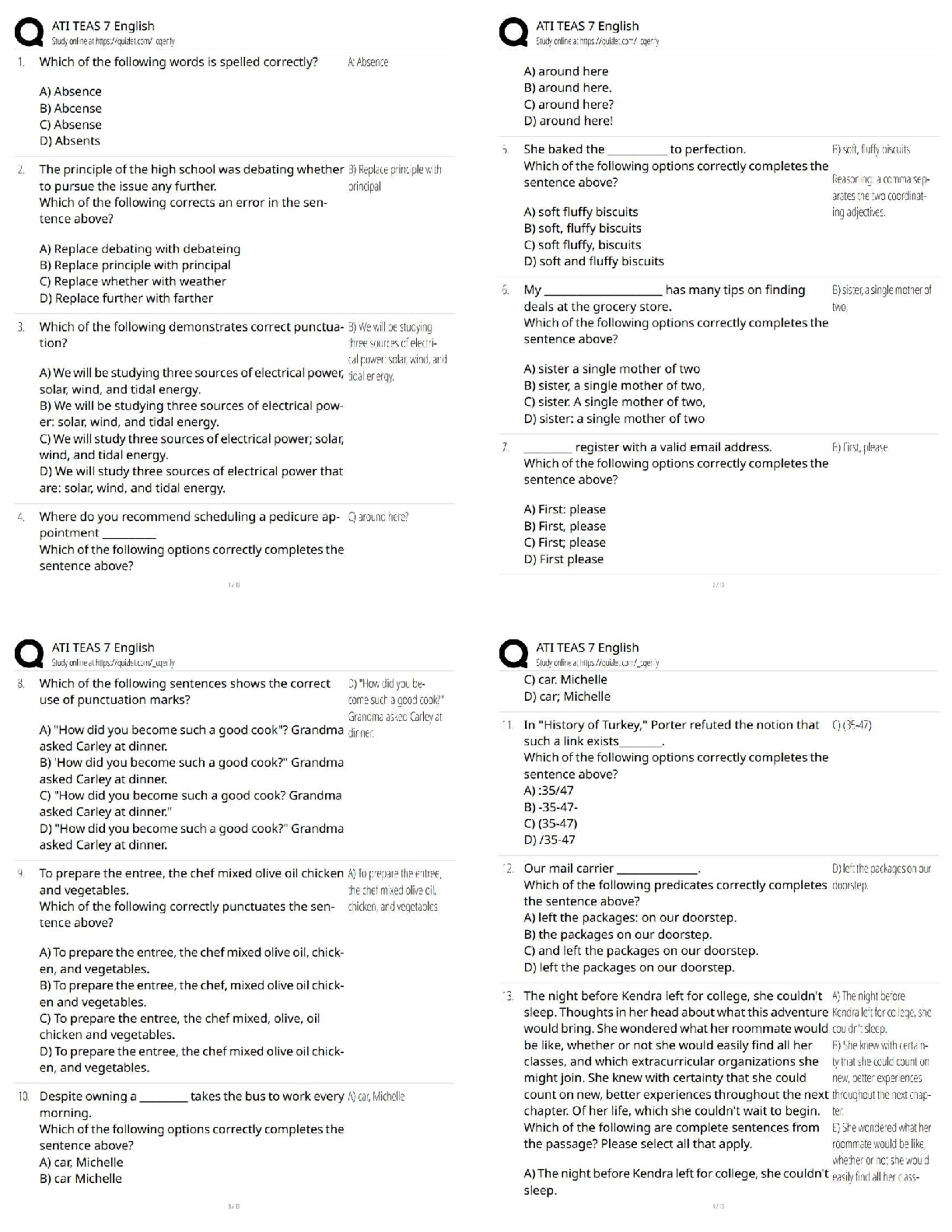
Master The ATI TEAS 7 English Section With This Verified Test Bank. Improve Grammar,...
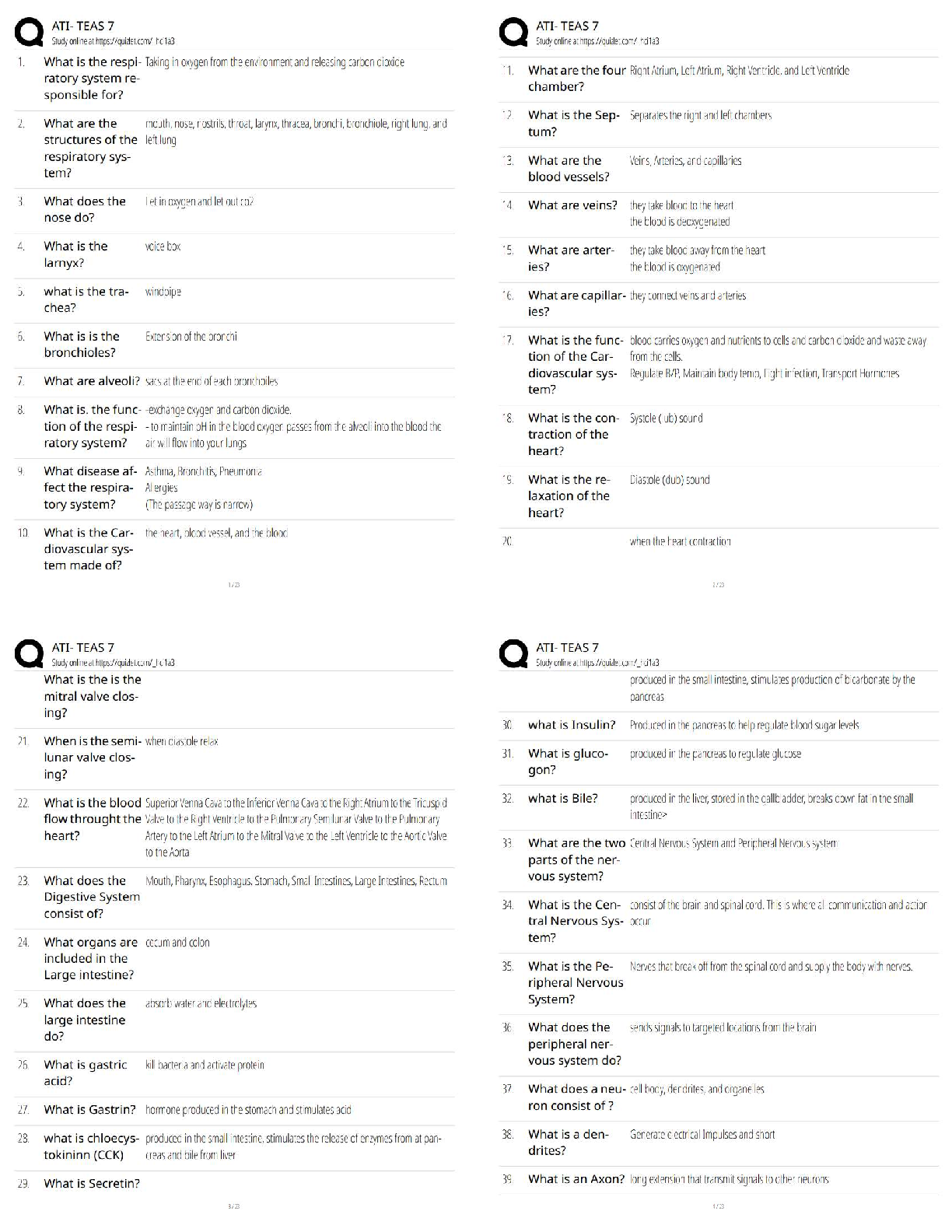
Master ATI TEAS 7 With Our Verified 2026 Test Bank. Covers Respiratory, Cardiovascula...
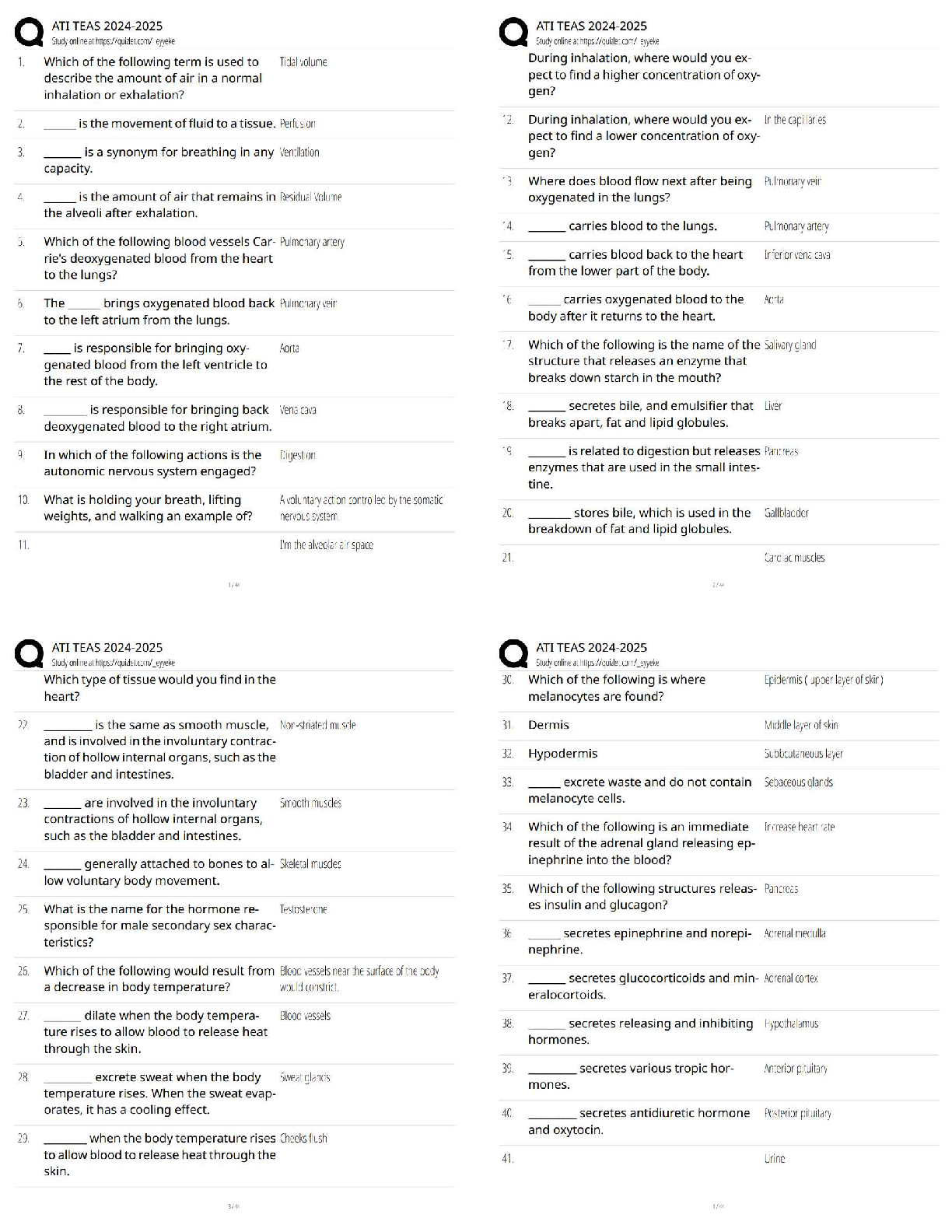
Ace The ATI TEAS 7 Exam On Your First Try. Access Hundreds Of Practice Questions, Det...