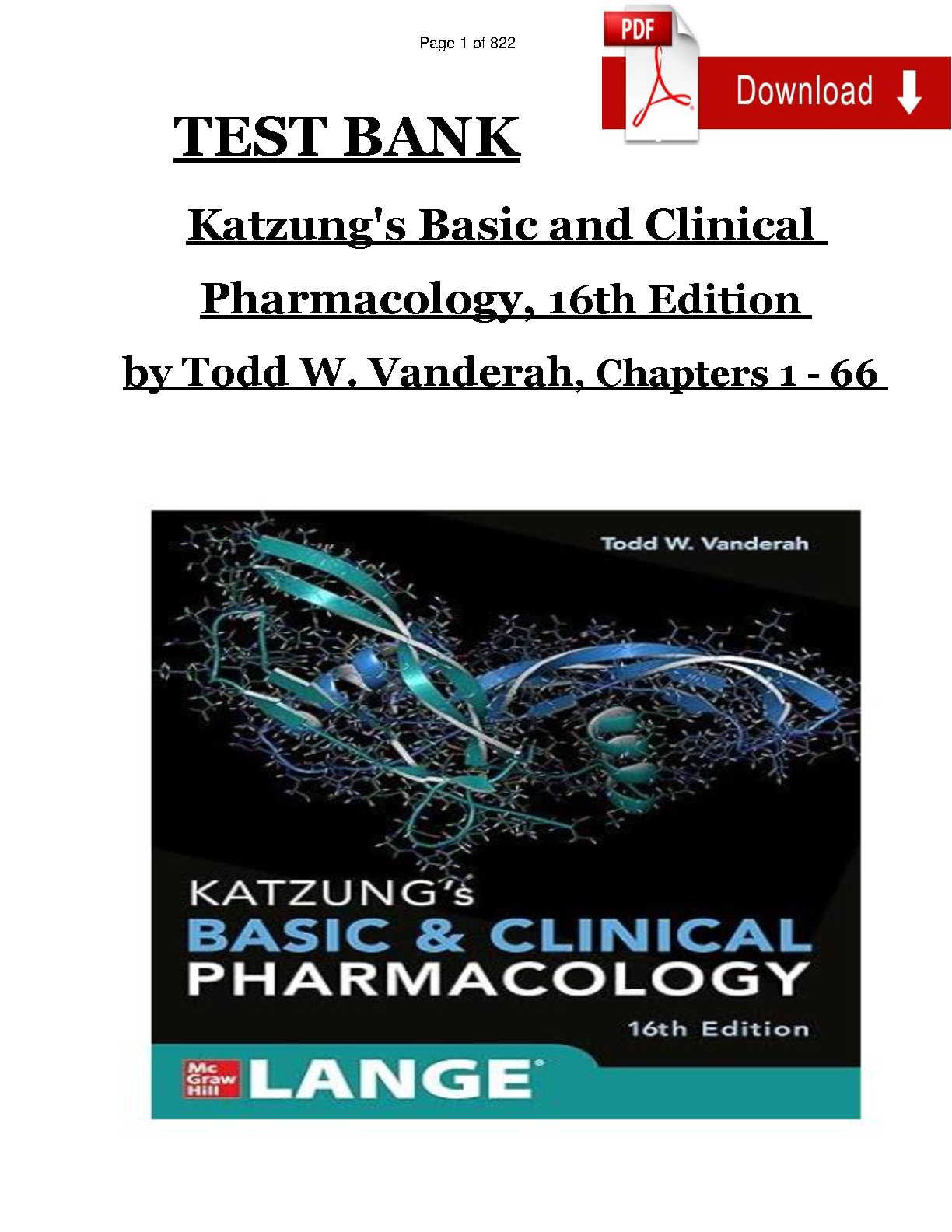
Katzung's Basic and Clinical Pharmacology 16th Edition Katzung's Basic and Clinical Pharmacology 16th Edition

Pharmacology

Katzung's Basic And Clinical Pharmacology 16th Edition


Is A Comprehensive Assessment Resource Designed To Evaluate Students’ Understanding Of Pharmacological Principles
Description

Test Bank for Katzung’s Basic and Clinical Pharmacology (16th Edition) by Todd W. Vanderah is a comprehensive assessment resource designed to support the evaluation of students’ understanding of fundamental and clinical pharmacology concepts. It provides structured, chapter-based questions that assess knowledge of drug mechanisms, therapeutic uses, adverse effects, pharmacokinetics, pharmacodynamics, and clinical decision-making related to medication therapy.

This test bank complements Katzung’s Basic and Clinical Pharmacology by integrating basic science principles with clinical applications. It emphasizes the relationship between drug actions and patient outcomes, helping learners understand how medications affect physiological systems and how pharmacological knowledge is applied in healthcare practice.

The resource assists instructors in developing quizzes, examinations, and review activities while helping students strengthen their understanding of drug classes, mechanisms of action, therapeutic indications, contraindications, and evidence-based medication use.

Major Topics Covered Include:
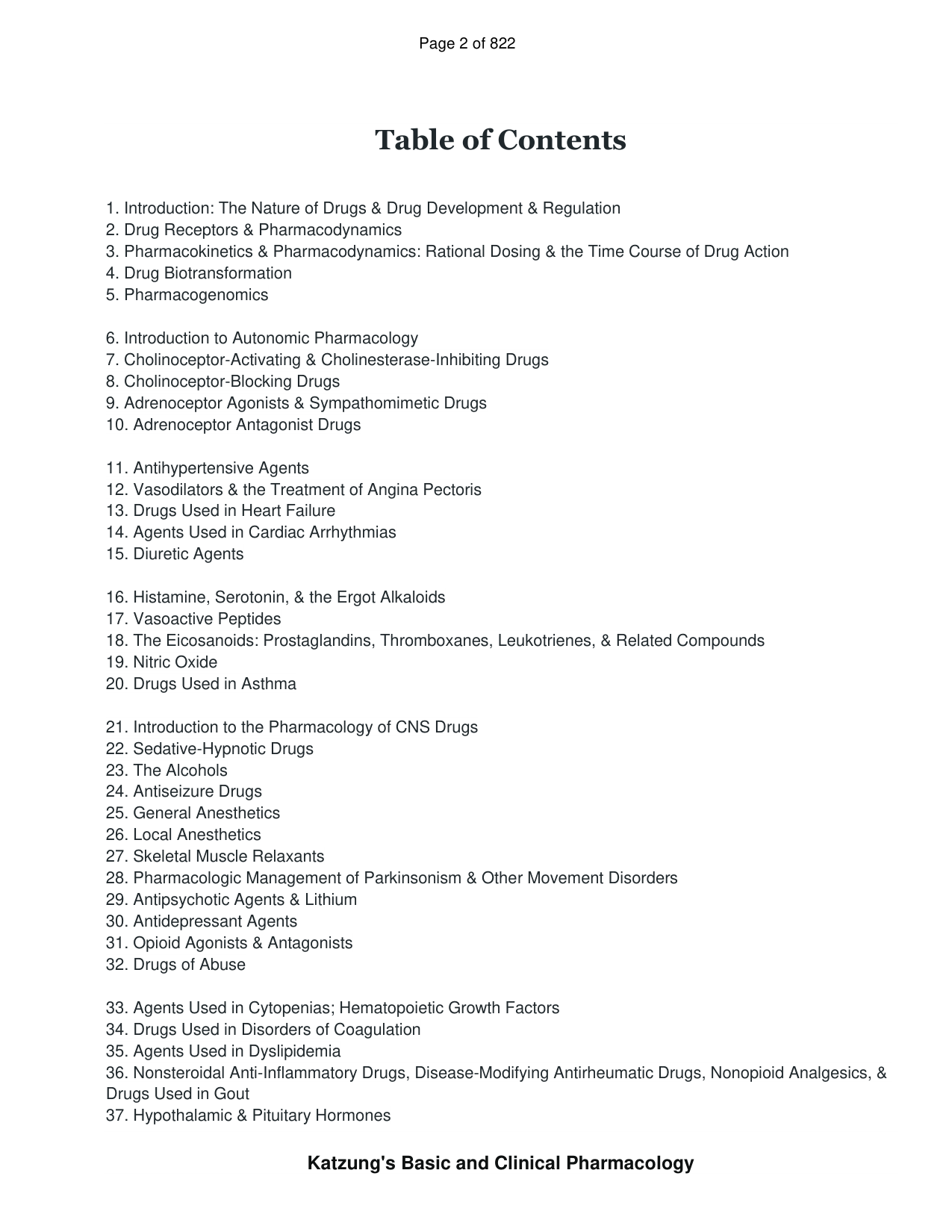
Introduction to pharmacology and principles of drug therapy
Drug development, regulation, and clinical trials
Pharmacokinetics:
Drug absorption
Drug distribution
Drug metabolism
Drug elimination
Pharmacodynamics:
Drug receptors
Dose-response relationships
Drug efficacy and potency
Therapeutic index
Drug interactions and adverse drug reactions
Pharmacogenetics and personalized medicine
Drug discovery and evaluation
Autonomic nervous system pharmacology
Cholinergic drugs and anticholinergic agents
Adrenergic drugs and adrenergic blockers
Cardiovascular pharmacology:
Antihypertensive drugs
Antianginal agents
Heart failure medications
Antiarrhythmic drugs
Lipid-lowering agents
Anticoagulants and antiplatelet drugs
Renal pharmacology and diuretics
Respiratory pharmacology:
Bronchodilators
Asthma medications
COPD therapies
Gastrointestinal pharmacology:
Acid suppression therapy
Antiemetics
Drugs affecting gastrointestinal motility
Endocrine pharmacology:
Diabetes medications
Insulin therapy
Thyroid medications
Corticosteroids
Hormonal therapies
Reproductive pharmacology:
Contraceptives
Fertility medications
Drugs affecting pregnancy
Neuropharmacology:
Anesthetics
Analgesics
Opioids
Sedative-hypnotics
Antiepileptic drugs
Drugs for Parkinson disease
Psychiatric medications
Antidepressants
Antipsychotics
Anxiety medications
Antimicrobial pharmacology:
Antibacterial agents
Antiviral drugs
Antifungal medications
Antiparasitic agents
Immunopharmacology:
Immunosuppressants
Vaccines
Anti-inflammatory drugs
Hematologic pharmacology
Cancer chemotherapy:
Antineoplastic agents
Targeted therapies
Cancer treatment principles
Toxicology and treatment of poisoning
Drugs affecting inflammation and immune responses
Vitamins, minerals, and nutritional pharmacology
Clinical application of pharmacological principles
PDF Sample
1 / 3
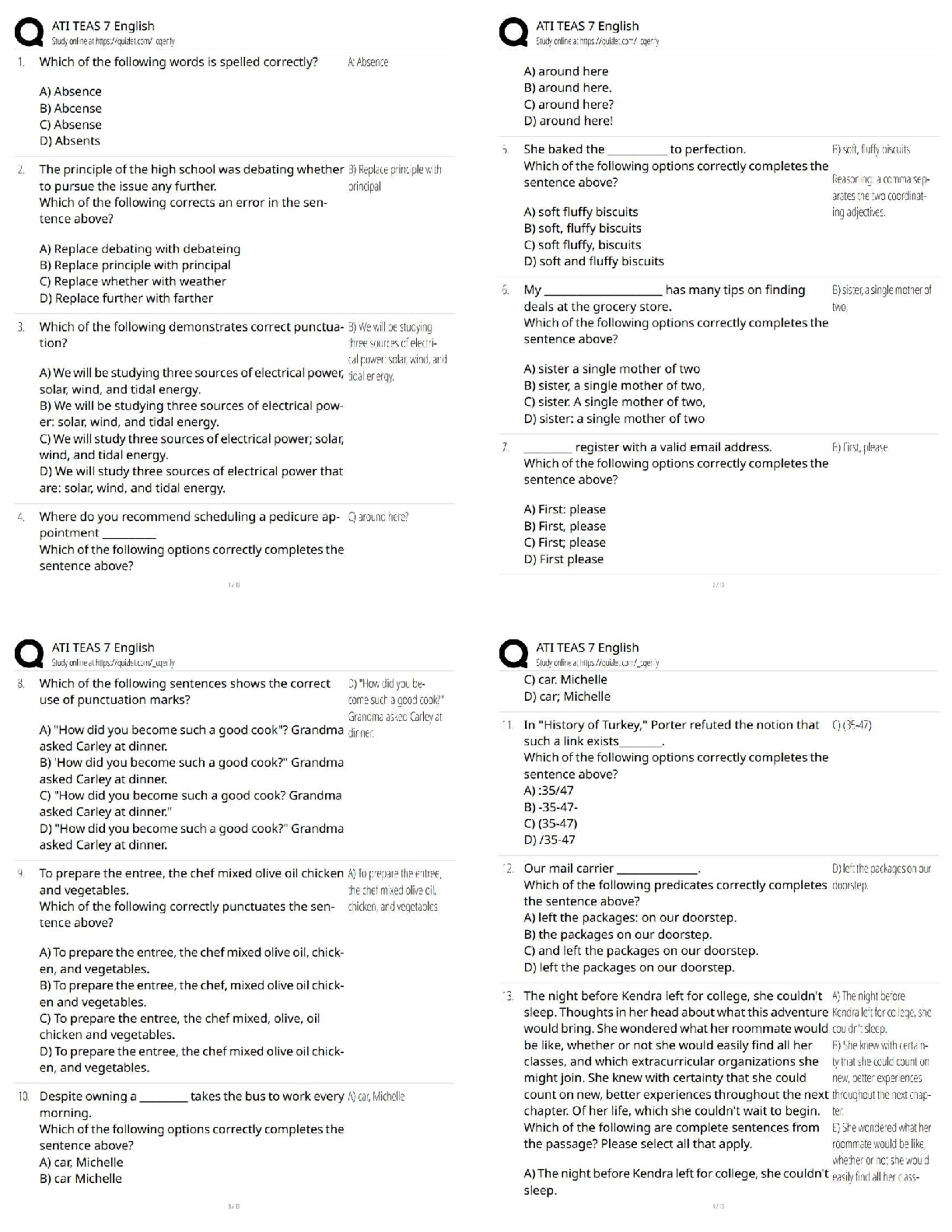
Katzung's Basic and Clinical Pharmacology 16th Edition IMG-1
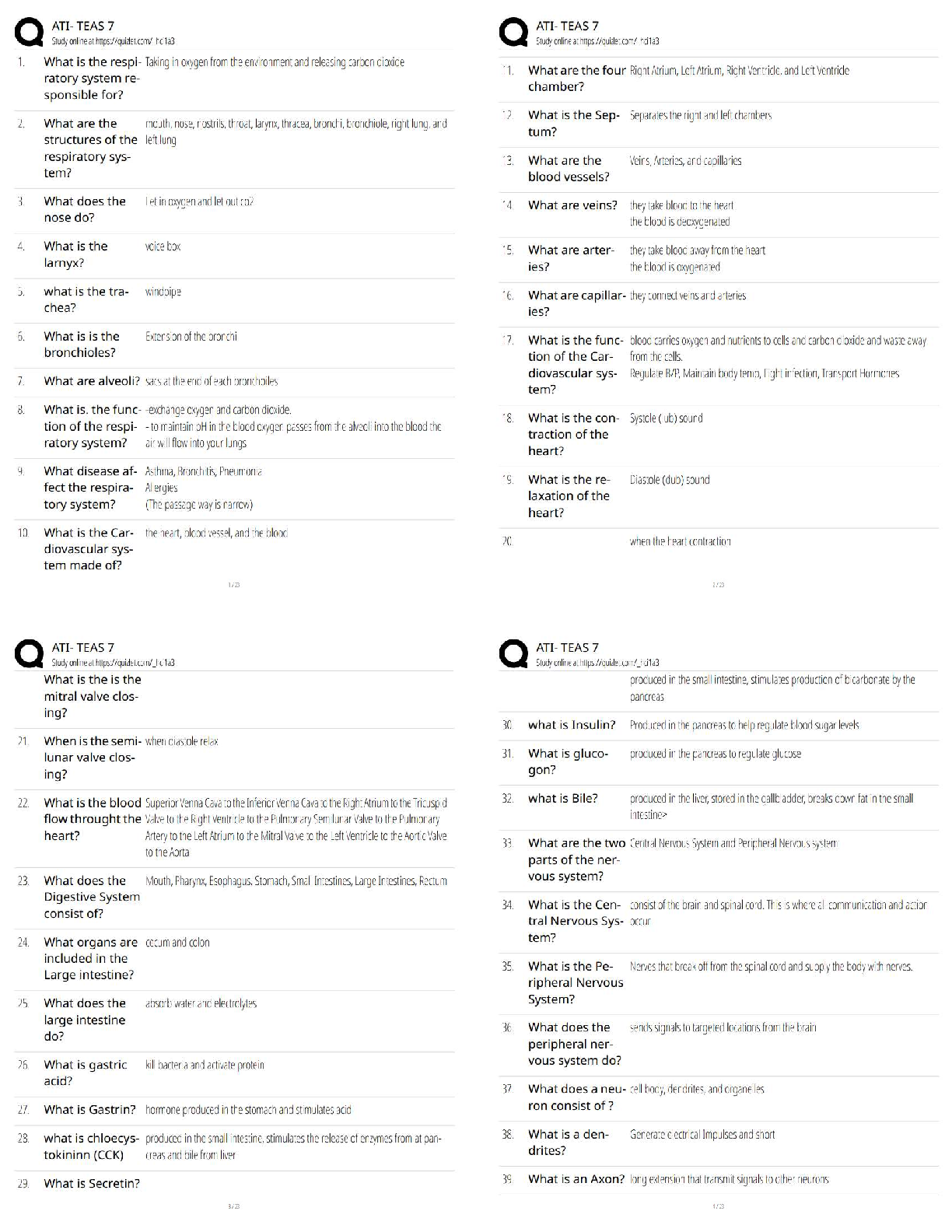
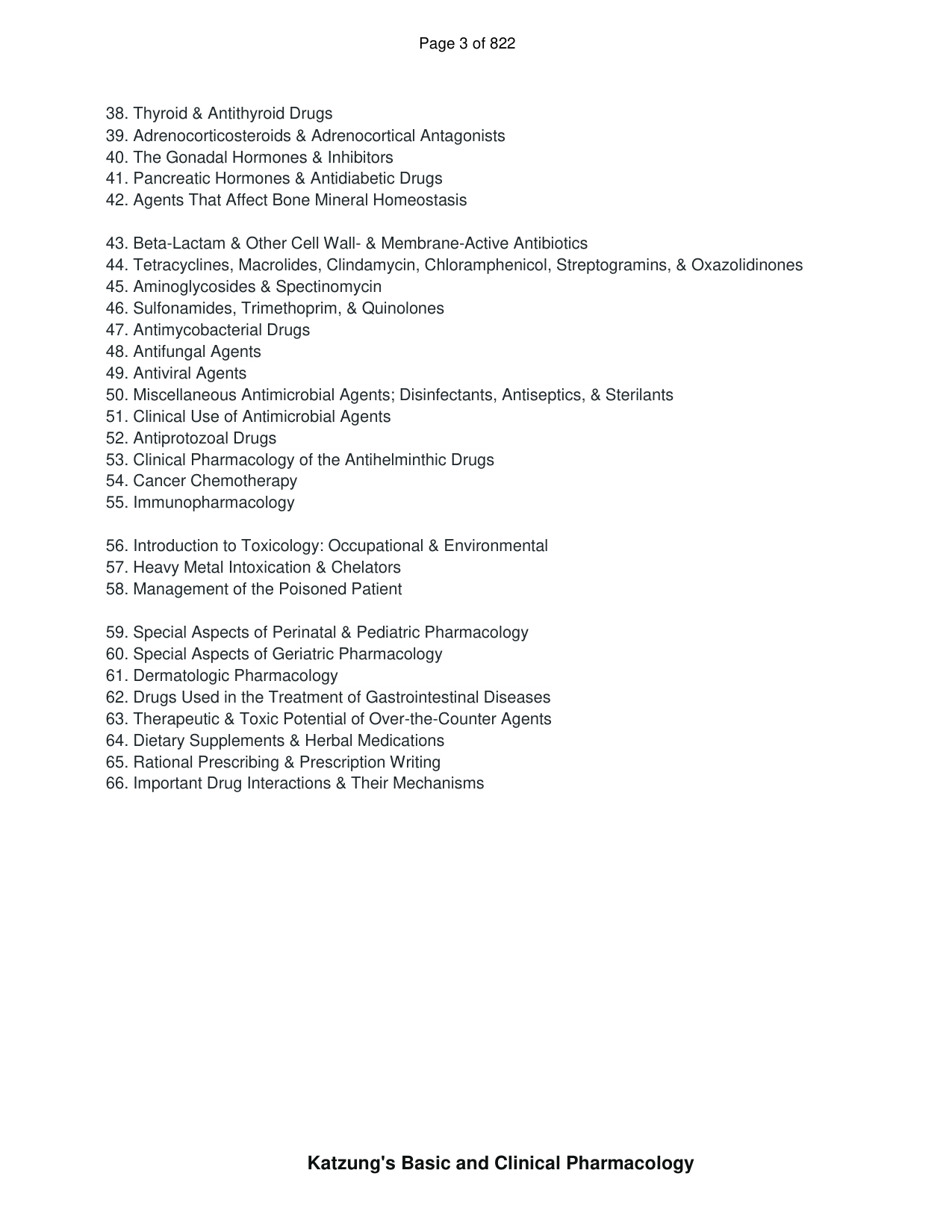
Katzung's Basic and Clinical Pharmacology 16th Edition IMG-2
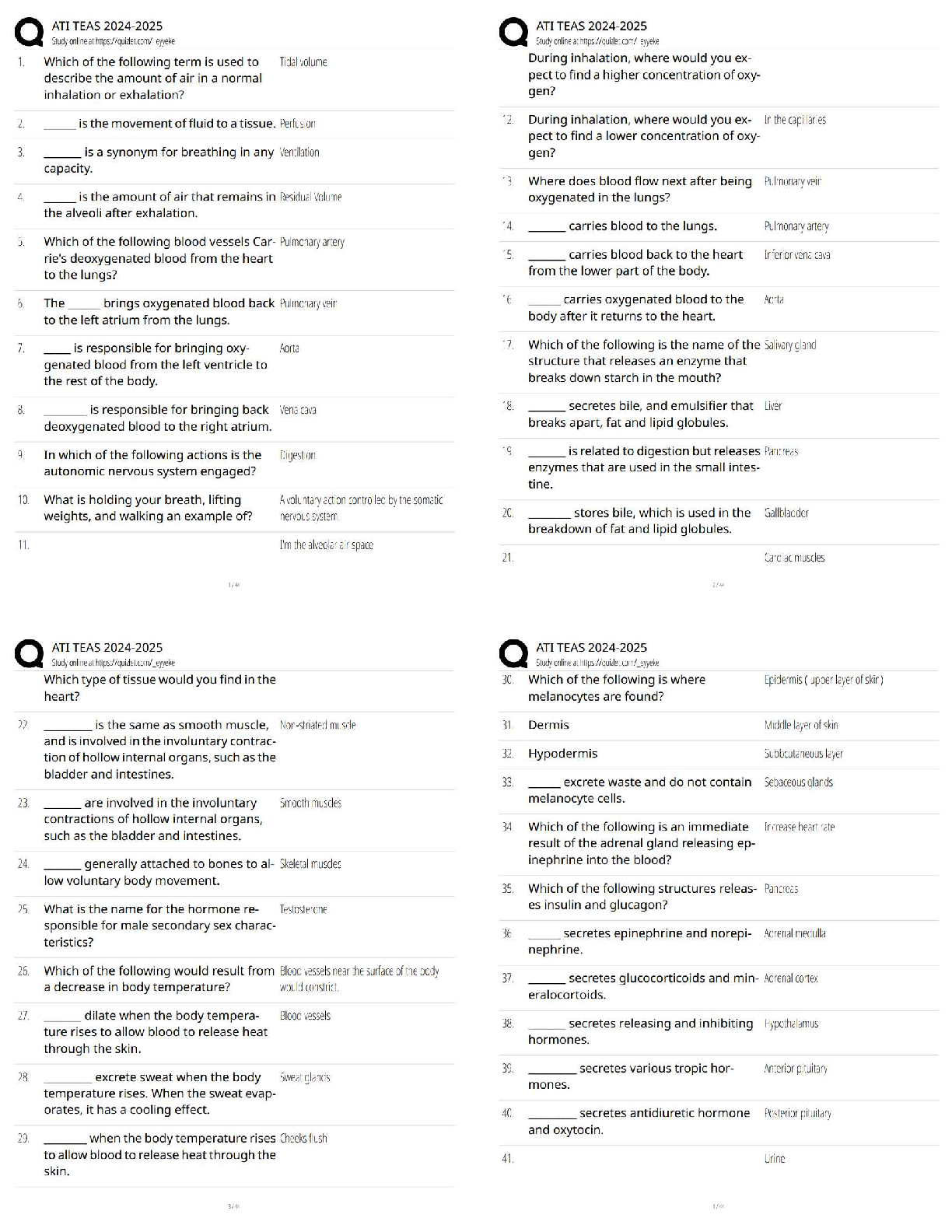
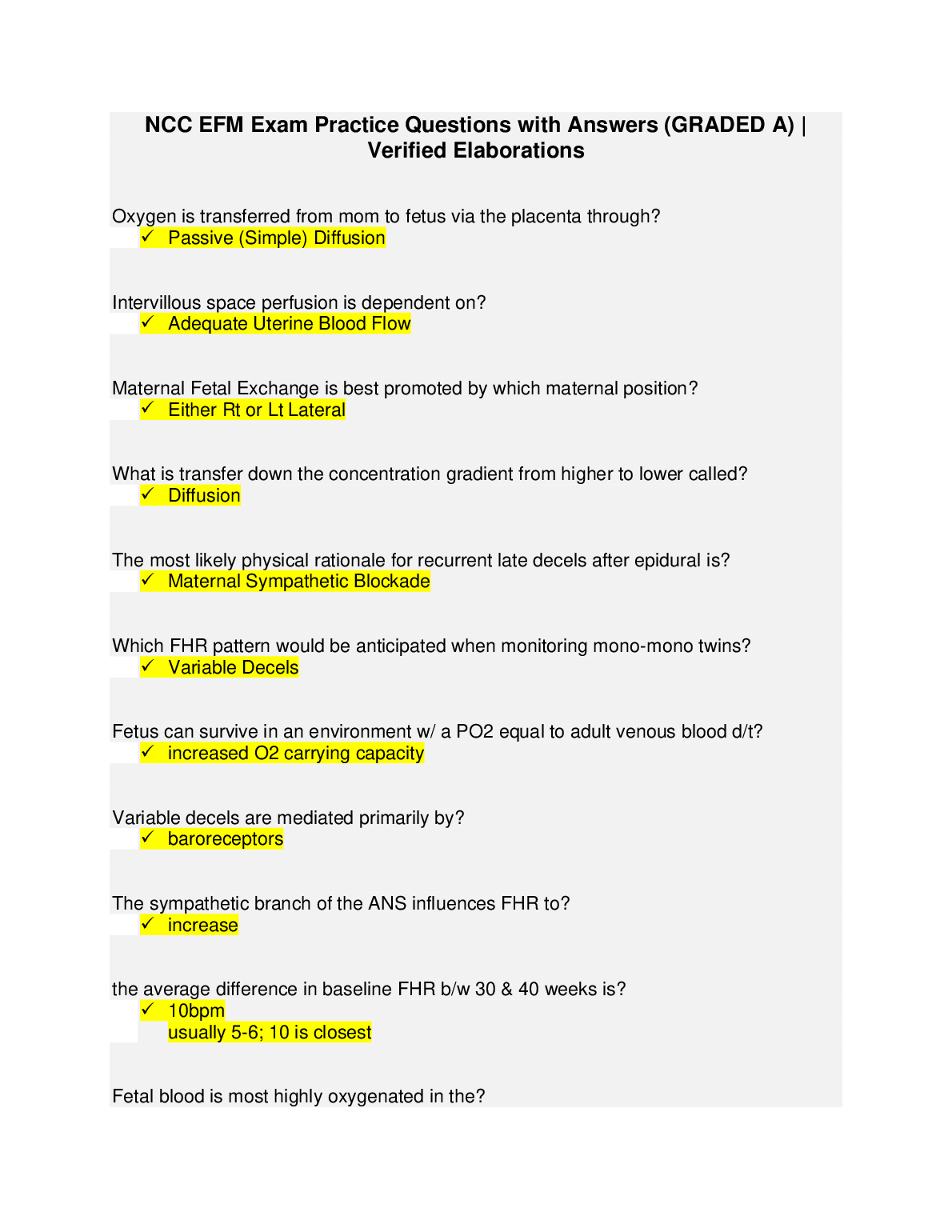
Katzung's Basic and Clinical Pharmacology 16th Edition IMG-3
Who is this Document for ?

Nursing students, instructors, and exam preparation users.
What you will learn ?
Explain the fundamental principles and scope of basic and clinical pharmacology.
Describe the processes involved in drug discovery, development, regulation, and clinical evaluation.
Explain pharmacokinetic principles, including absorption, distribution, metabolism, and elimination of drugs.
Describe pharmacodynamic concepts, including drug receptors, dose-response relationships, efficacy, potency, and therapeutic index.
Analyze factors that influence individual variation in drug responses, including genetics, age, disease states, and environmental factors.
Explain mechanisms of drug action at molecular, cellular, and physiological levels.
Identify major drug classes, their mechanisms of action, therapeutic uses, and adverse effects.
Apply pharmacological principles to clinical decision-making and patient care.
Evaluate drug interactions, contraindications, toxicity risks, and medication safety considerations.
Explain principles of pharmacogenetics and personalized medicine.
Describe the organization and function of the autonomic nervous system and related pharmacological therapies.
Explain the mechanisms, indications, and clinical applications of cholinergic, anticholinergic, adrenergic, and adrenergic-blocking drugs.
Analyze cardiovascular pharmacology, including medications used for hypertension, heart failure, arrhythmias, angina, dyslipidemia, and coagulation disorders.
Describe renal pharmacology, including diuretics and drugs affecting fluid and electrolyte balance.
Explain respiratory pharmacology, including medications used for asthma, COPD, and other pulmonary disorders.
Describe gastrointestinal pharmacology, including drugs affecting acid secretion, motility, nausea, and digestive disorders.
Explain endocrine pharmacology, including insulin, diabetes medications, thyroid drugs, corticosteroids, and hormonal therapies.
Describe reproductive pharmacology, including contraceptives, fertility medications, and pregnancy-related drug considerations.
Explain neuropharmacological principles related to anesthesia, pain management, opioids, epilepsy, Parkinson disease, and psychiatric disorders.
Describe mechanisms and clinical uses of antidepressants, antipsychotics, anxiolytics, and other psychotherapeutic medications.
Explain antimicrobial pharmacology, including antibacterial, antiviral, antifungal, and antiparasitic therapies.
Analyze principles of antimicrobial resistance and appropriate antimicrobial use.
Describe immunopharmacology, including vaccines, immunosuppressants, and anti-inflammatory therapies.
Explain hematologic pharmacology, including drugs affecting blood formation, clotting, and bleeding disorders.
Describe cancer pharmacology, including antineoplastic agents, targeted therapies, and principles of chemotherapy.
Explain toxicology principles and management approaches for drug poisoning and overdose.
Evaluate therapeutic outcomes and adverse effects associated with pharmacological treatments.
Interpret clinical data and research findings related to drug therapy.
Apply evidence-based pharmacology principles to patient-specific treatment decisions.
Integrate pharmacological knowledge with clinical practice across healthcare disciplines.
Develop critical-thinking, problem-solving, and clinical reasoning skills related to medication therapy.
Demonstrate readiness for pharmacology examinations, board-style assessments, and professional healthcare practice.
What do you get with this PDF ?
Instant access after purchase
Download in PDF format
DRM free, read anywhere
Document details
Last update :
Jul 22, 2026
Length :
830 pages
Edition :
2026
Language :
English
Category :
Keywords
Katzung’s Basic And Clinical Pharmacology Katzung’s Basic And Clinical Pharmacology 16th Edition Todd W. Vanderah Pharmacology Test Bank Basic Pharmacology Clinical Pharmacology Medical Pharmacology Drug Therapy Pharmacodynamics Pharmacokinetics Drug Absorption Drug Distribution Drug Metabolism Drug Elimination Drug Receptors Dose Response Relationship Drug Efficacy Drug Potency Therapeutic Index Drug Interactions Adverse Drug Reactions Drug Toxicity Pharmacogenetics Personalized Medicine Drug Development Clinical Trials Evidence-based Pharmacology Autonomic Pharmacology Autonomic Nervous System Cholinergic Drugs Anticholinergic Drugs Adrenergic Drugs Adrenergic Blockers Cardiovascular Pharmacology Antihypertensive Drugs Heart Failure Medications Antianginal Drugs Antiarrhythmic Drugs Lipid-lowering Agents Anticoagulants Antiplatelet Drugs Renal Pharmacology Diuretics Respiratory Pharmacology Asthma Medications COPD Drugs Gastrointestinal Pharmacology Acid Suppression Therapy Antiemetics Endocrine Pharmacology Diabetes Medications Insulin Therapy Thyroid Drugs Corticosteroids Hormonal Therapy Reproductive Pharmacology Contraceptives Neuropharmacology Anesthetics Analgesics Opioids Sedative Hypnotics Antiepileptic Drugs Parkinson Disease Medications Psychiatric Pharmacology Antidepressants Antipsychotics Anxiolytics Antimicrobial Pharmacology Antibiotics Antiviral Drugs Antifungal Drugs Antiparasitic Drugs Antimicrobial Resistance Immunopharmacology Vaccines Immunosuppressants Anti-inflammatory Drugs Hematologic Pharmacology Cancer Chemotherapy Antineoplastic Drugs Targeted Therapy Toxicology Poison Management Clinical Therapeutics Medication Safety Healthcare Education Medical Students Nursing Students Pharmacy Students Physician Assistant Students Allied Health Education Pharmacology Review Board Exam Preparation Clinical Decision Making Critical Thinking Drug Mechanisms Therapeutic Applications Patient Care Healthcare Professionals.
You may also be interested in :
Recommendations for you
Focus on Nursing Pharmacology 6th Edition TEST BANK
Focus On Nursing Pharmacology 6th Edition Test Bank

Is A Comprehensive Assessment Resource Designed To Help Nursing Students Master Essen...

$16
Brody’s Human Pharmacology 6th Edition

Is A Comprehensive Assessment Resource Designed To Evaluate Students’ Understanding O...

$16
Lilley's Pharmacology for Canadian Health Care 5th Edition
Lilley's Pharmacology For Canadian Health Care 5th Edition

Is A Comprehensive Assessment Resource Designed To Evaluate Students’ Understanding O...

$16
Edmunds' Pharmacology 5th Edition TEST BANK
Edmunds' Pharmacology 5th Edition Test Bank

This Resource Supports Nursing, Np, And Healthcare Students In Mastering Pharmacologi...

$16