
Test bank
Basic And Clinical Pharmacology 15th Edition Test Bank
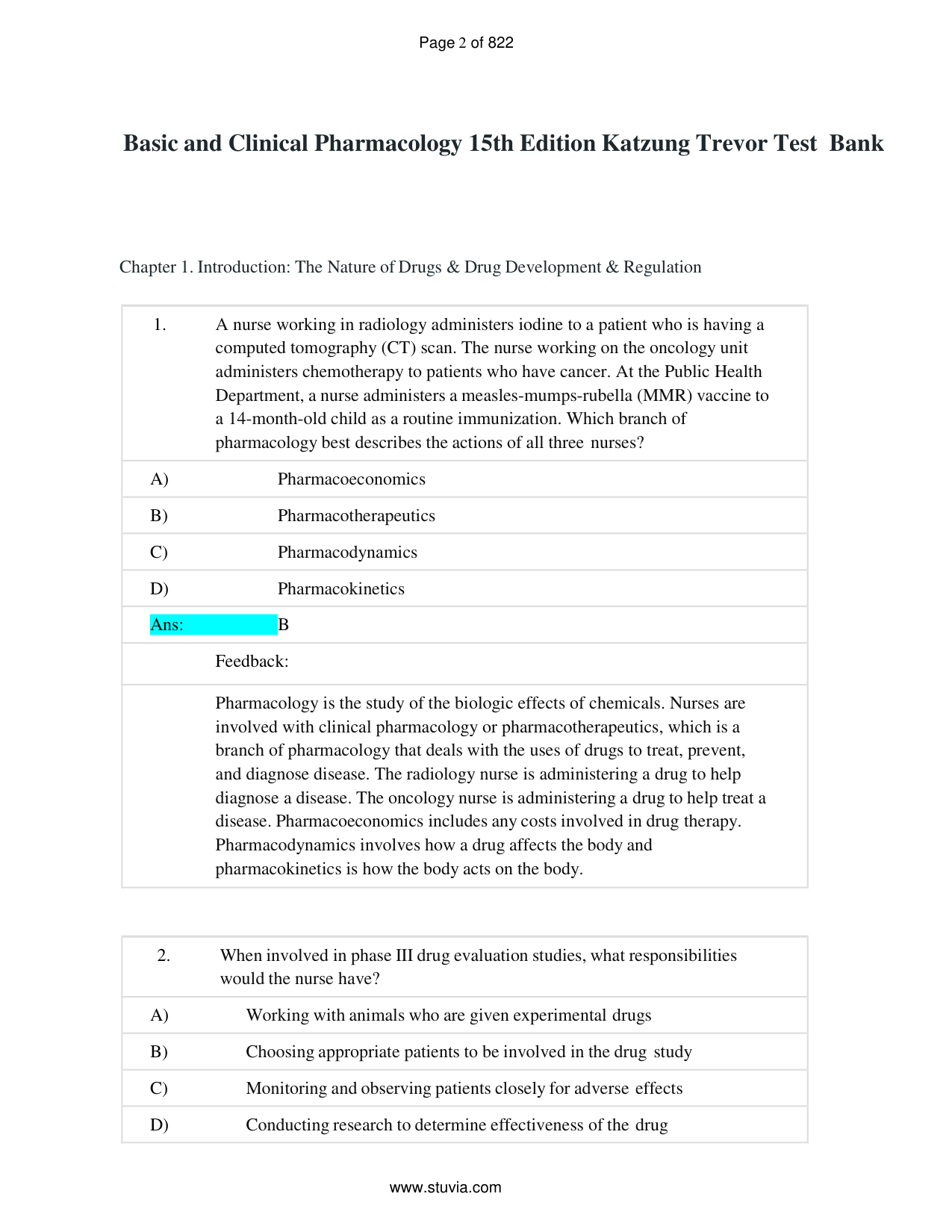
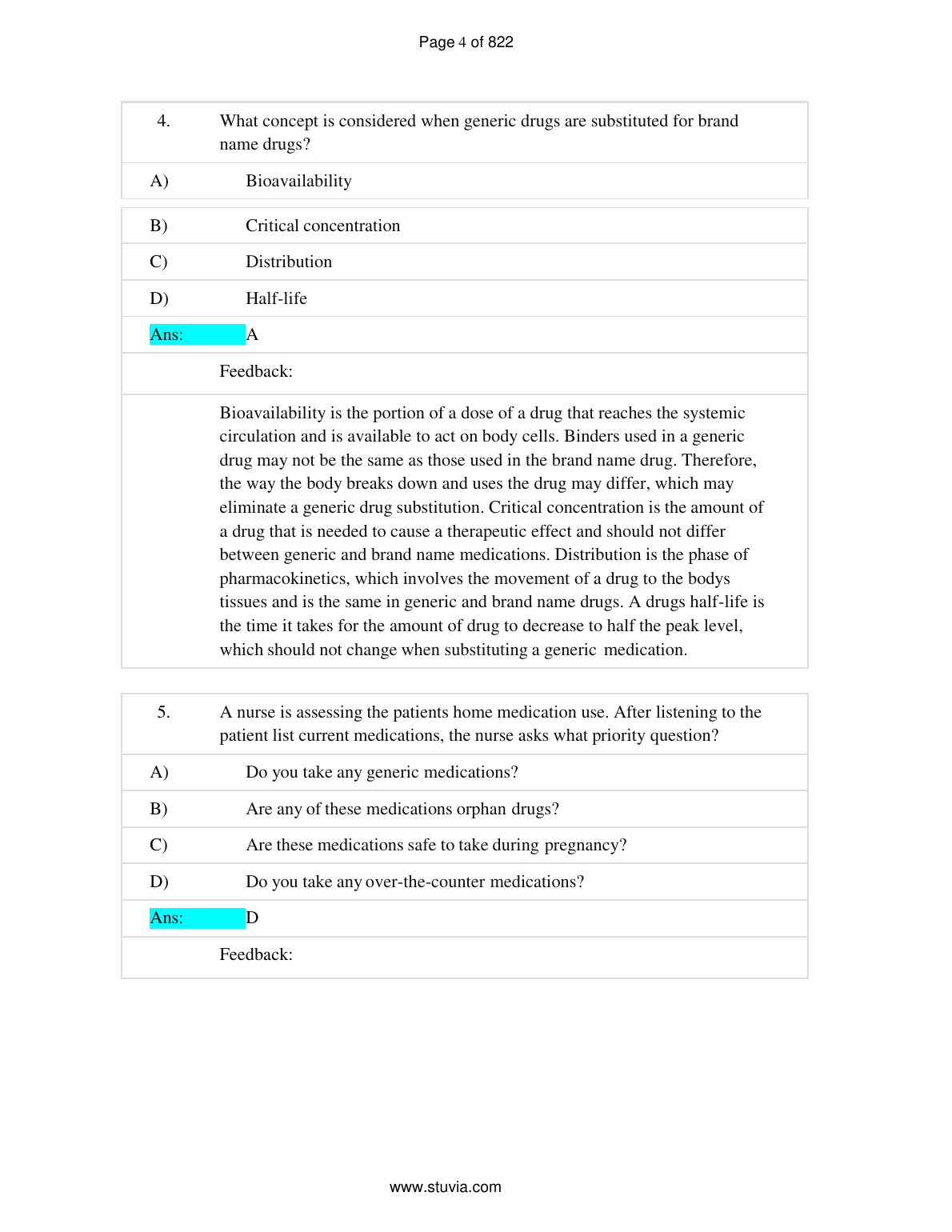
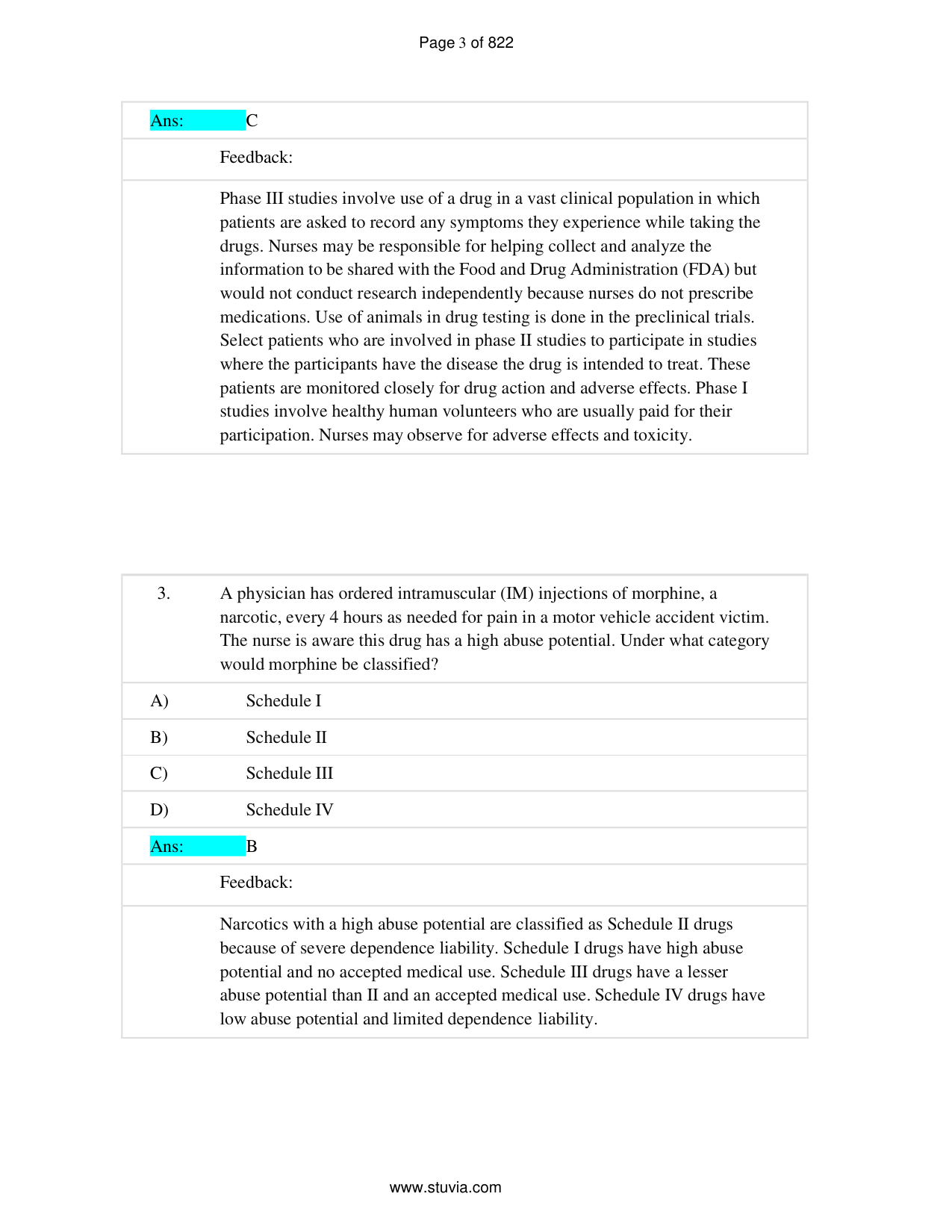
Test Bank for Basic and Clinical Pharmacology (15th Edition) by Bertram G. Katzung and Anthony J. Trevor is a comprehensive assessment resource designed to support the evaluation of students’ understanding of basic pharmacological principles and their clinical applications. It provides chapter-based questions that assess knowledge of drug mechanisms, therapeutic uses, adverse effects, pharmacokinetics, pharmacodynamics, and the safe and effective use of medications in healthcare practice.
This test bank complements Basic and Clinical Pharmacology by connecting fundamental concepts in molecular pharmacology with clinical medicine. It emphasizes how drugs interact with biological systems, how therapeutic decisions are made, and how pharmacological knowledge is applied in diagnosing, treating, and preventing disease.
The resource assists instructors in creating quizzes, examinations, and review activities while helping students strengthen their understanding of drug actions, receptor interactions, clinical indications, contraindications, toxicity, and evidence-based medication management.
Major Topics Covered Include:
Principles of pharmacology and drug therapy
History and development of pharmacology
Drug discovery, regulation, and clinical trials
Pharmacokinetics:
Drug absorption
Drug distribution
Drug metabolism
Drug elimination
Pharmacodynamics:
Drug receptors
Signal transduction
Dose-response relationships
Drug efficacy and potency
Therapeutic index
Drug interactions and adverse drug reactions
Pharmacogenomics and individualized drug therapy
Drug toxicity and medication safety
Autonomic nervous system pharmacology
Cholinergic pharmacology:
Cholinomimetics
Anticholinesterases
Antimuscarinic drugs
Adrenergic pharmacology:
Adrenergic agonists
Adrenergic antagonists
Sympatholytic drugs
Cardiovascular pharmacology:
Antihypertensive agents
Drugs for heart failure
Antianginal medications
Antiarrhythmic drugs
Lipid-lowering agents
Anticoagulants and antiplatelet drugs
Renal pharmacology:
Diuretics
Drugs affecting electrolyte balance
Respiratory pharmacology:
Asthma medications
COPD therapies
Allergy medications
Gastrointestinal pharmacology:
Acid-control drugs
Antiemetics
Laxatives and gastrointestinal agents
Endocrine pharmacology:
Diabetes medications
Insulin therapy
Thyroid drugs
Corticosteroids
Hormonal therapies
Reproductive pharmacology:
Contraceptives
Fertility agents
Drugs used during pregnancy
Neuropharmacology:
General anesthetics
Local anesthetics
Analgesics
Opioids
Sedative-hypnotic drugs
Antiepileptic medications
Drugs for Parkinson disease
Psychiatric medications
Antidepressants and antipsychotic drugs
Antimicrobial pharmacology:
Antibacterial agents
Antiviral drugs
Antifungal agents
Antiparasitic drugs
Principles of antimicrobial resistance
Immunopharmacology:
Vaccines
Immunosuppressants
Anti-inflammatory medications
Hematologic pharmacology:
Drugs affecting blood formation
Coagulation medications
Cancer pharmacology:
Chemotherapeutic agents
Targeted therapies
Hormonal cancer treatments
Drugs affecting inflammation and immune responses
Vitamins, minerals, and nutritional supplements
Toxicology and management of poisoning
Clinical application of pharmacological principles
The Test Bank Helps Students Develop the Ability To:
Explain the fundamental concepts and terminology of pharmacology.
Describe mechanisms of drug action at molecular, cellular, and systemic levels.
Apply pharmacokinetic and pharmacodynamic principles to clinical situations.
Explain how receptor interactions influence drug effects.
Compare drug classes based on mechanisms, therapeutic uses, and adverse effects.
Identify appropriate drug therapies for specific diseases and clinical conditions.
Recognize contraindications, drug interactions, and toxicity risks.
Analyze adverse drug reactions and safety considerations.
Apply pharmacological knowledge to patient care and treatment decisions.
Interpret clinical information related to medication therapy.
Understand the relationship between basic science and clinical therapeutics.
Evaluate evidence supporting medication use and treatment strategies.
Develop critical-thinking and clinical reasoning skills in pharmacology.
Prepare for pharmacology examinations and healthcare licensing assessments.
Assessment Formats Commonly Include:
Multiple-choice questions
Clinical application questions
Drug mechanism questions
Case-based pharmacology scenarios
Therapeutic decision-making questions
Adverse reaction and safety questions
Pharmacokinetic and pharmacodynamic application questions
Critical-thinking exercises
Key Features:
Chapter-by-chapter organization aligned with Basic and Clinical Pharmacology (15th Edition)
Integration of basic pharmacology concepts with clinical applications
Emphasis on mechanisms of action, therapeutic effects, and adverse reactions
Questions designed to assess both knowledge and application skills
Support for medical, nursing, pharmacy, and allied health education
Reinforcement of concepts needed for pharmacology competency and clinical practice
Medical Students, Pharmacy Students, Nursing Students, Allied Health Students, Healthcare Educators and Faculty, Healthcare Professionals and Examination Preparation Learners.
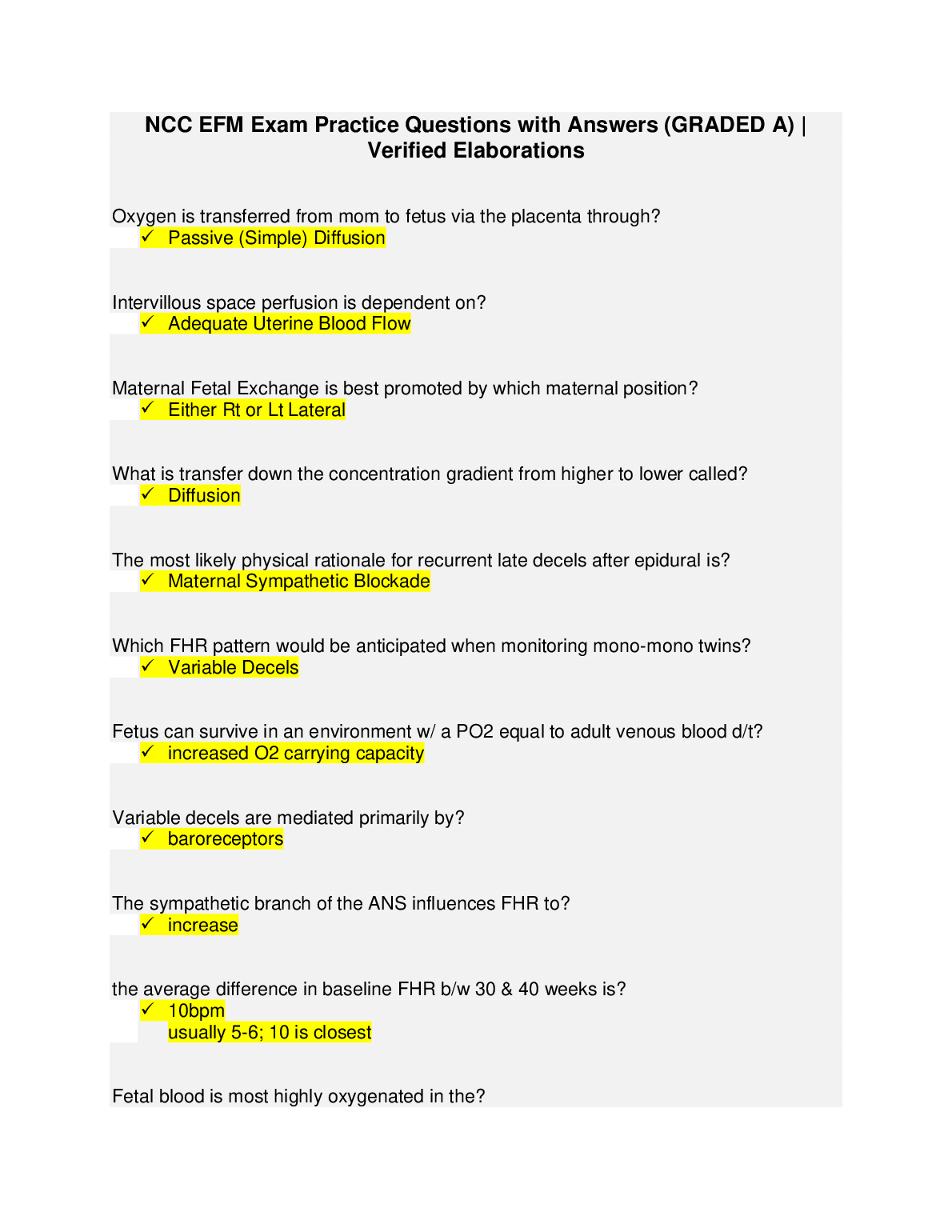
Master Ncc Efm Exams With Graded Practice Questions On Fetal Heart Rate Monitoring, V...
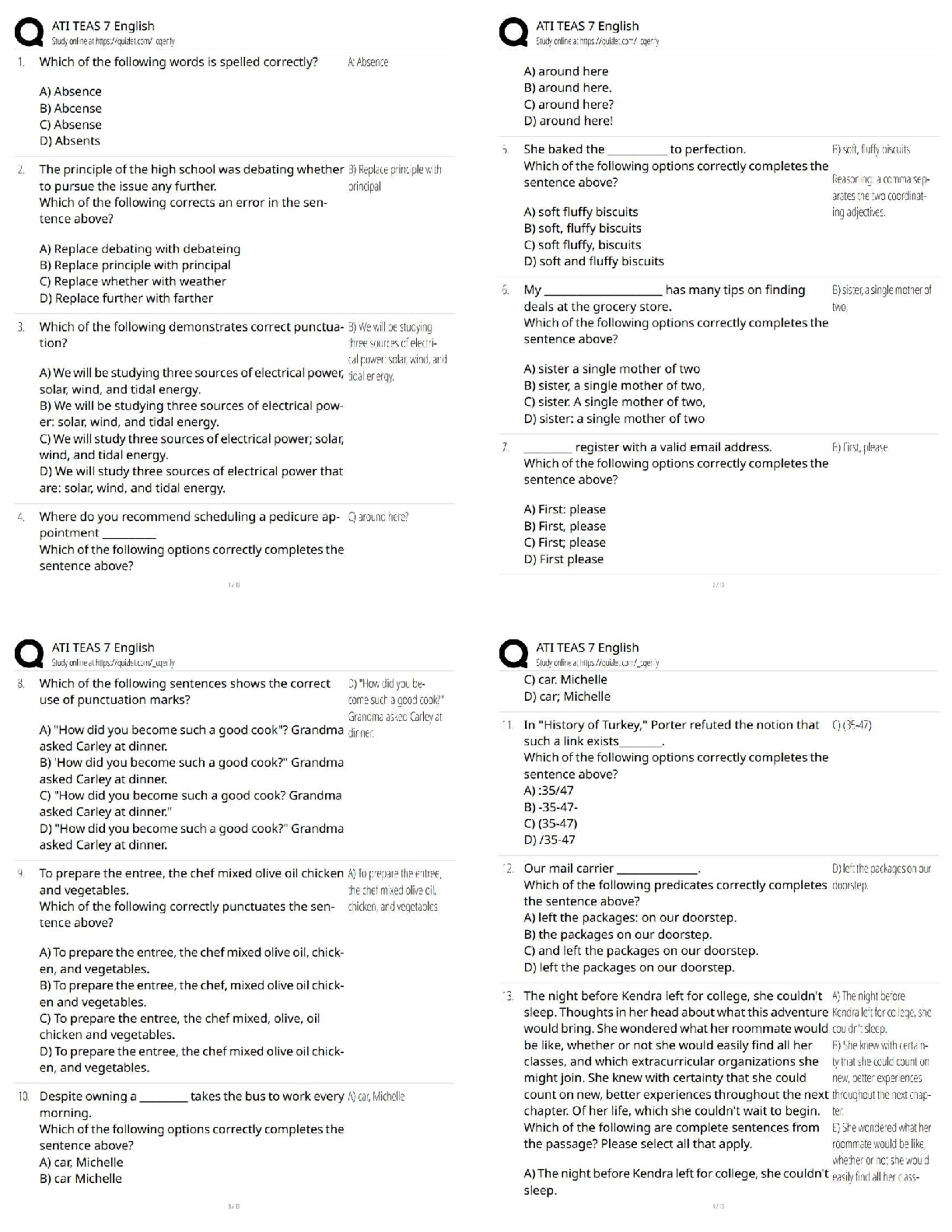
Master The ATI TEAS 7 English Section With This Verified Test Bank. Improve Grammar,...
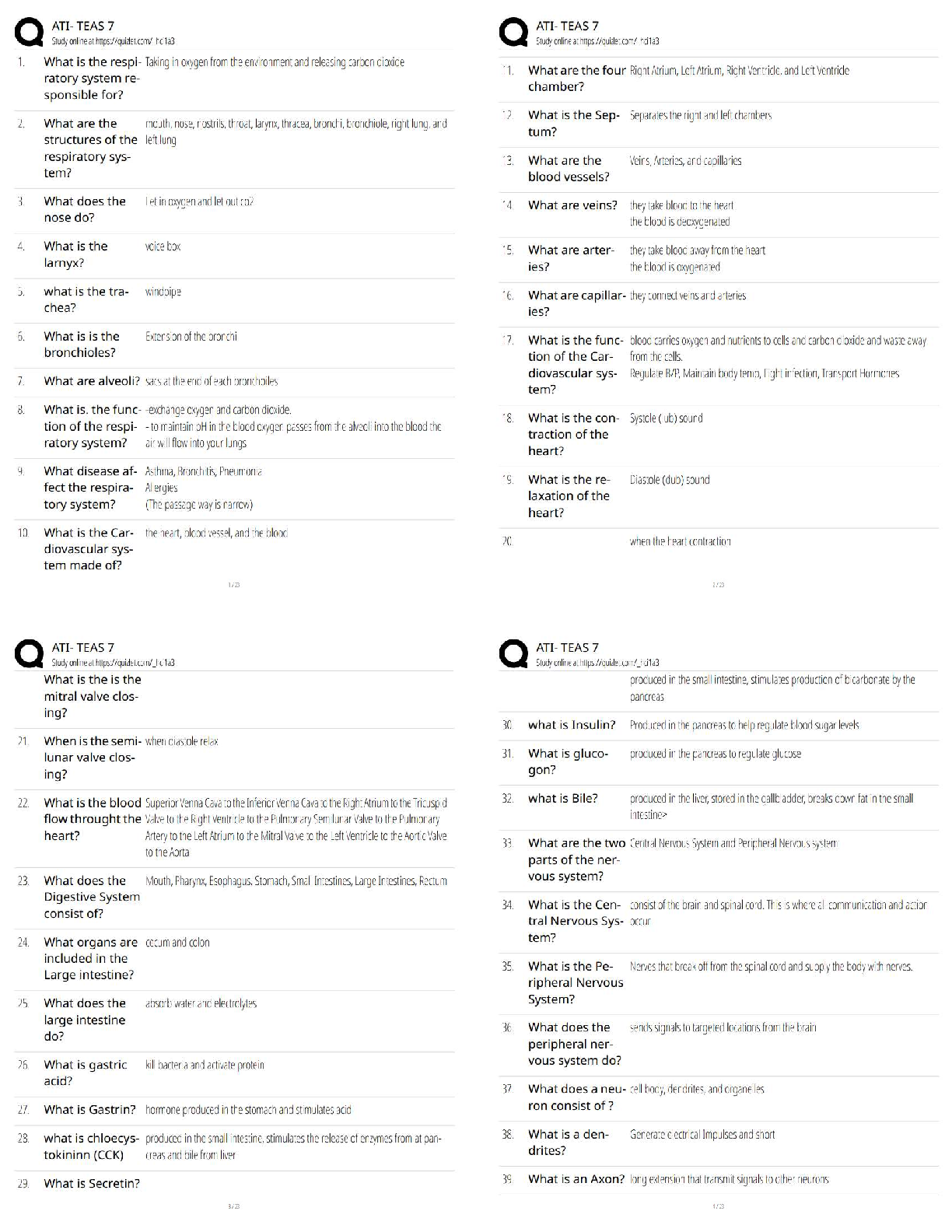
Master ATI TEAS 7 With Our Verified 2026 Test Bank. Covers Respiratory, Cardiovascula...
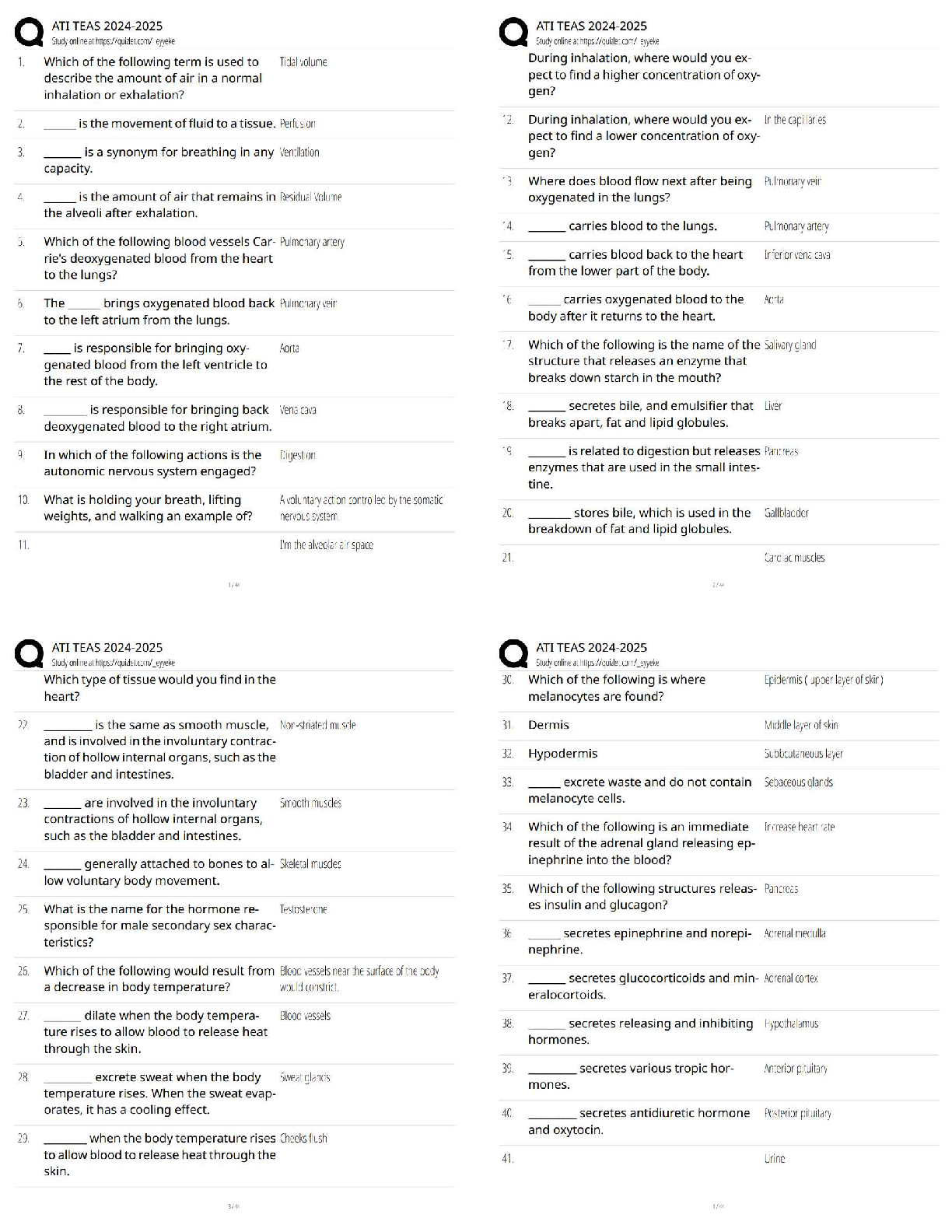
Ace The ATI TEAS 7 Exam On Your First Try. Access Hundreds Of Practice Questions, Det...