
Test bank
Introduction To Pharmacology 13th Edition Test Bank
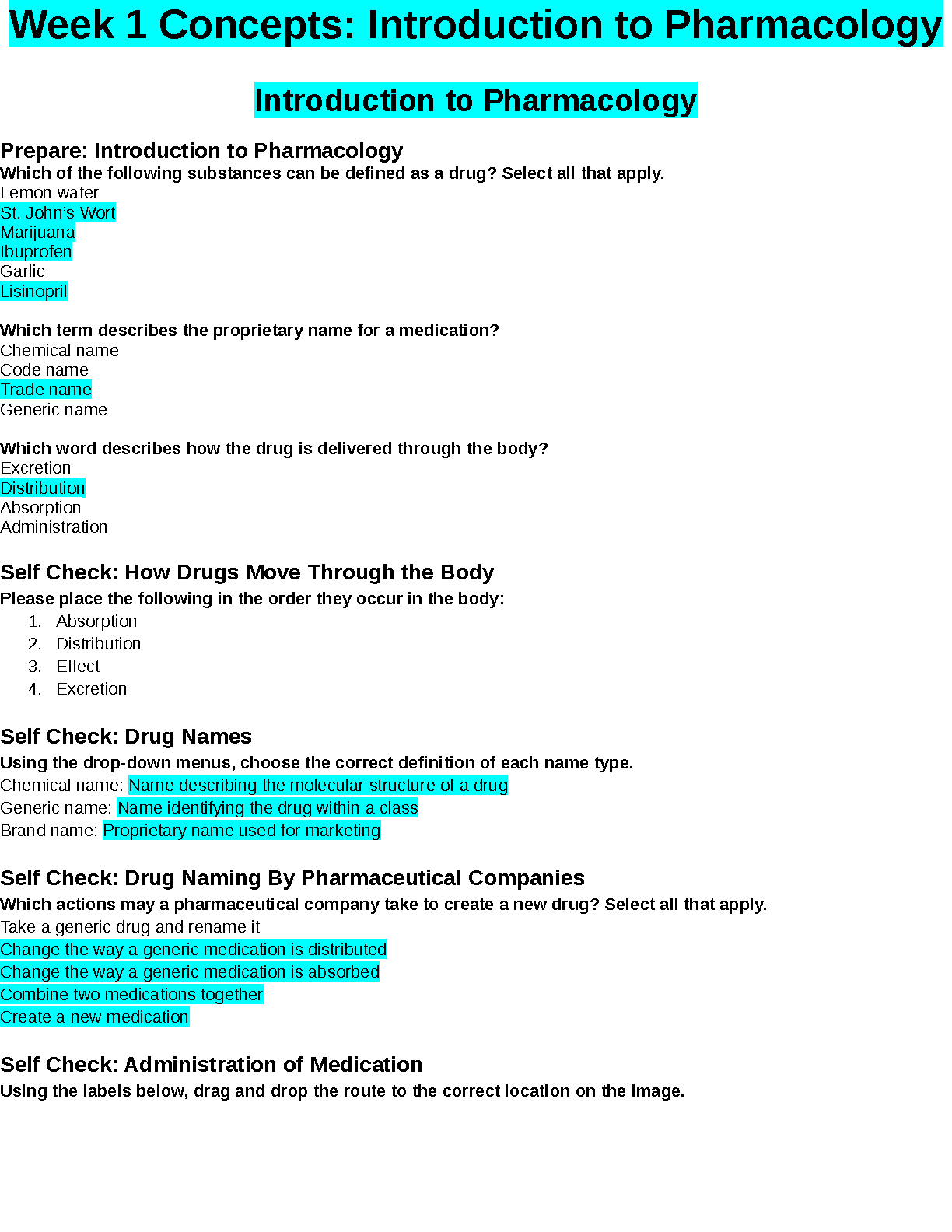
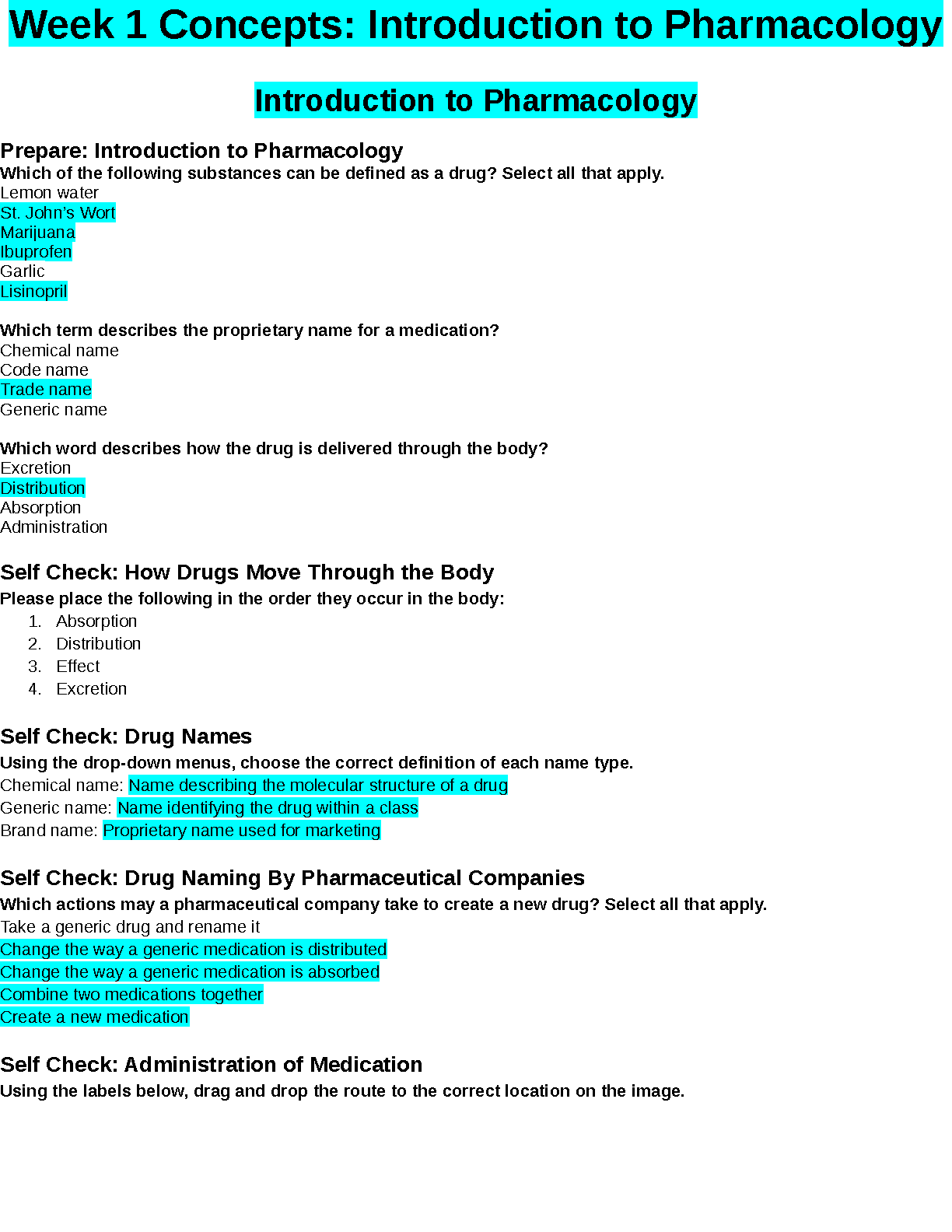
Introduction to Pharmacology (13th Edition) is a comprehensive educational resource designed to introduce students to the essential principles of pharmacology and the safe use of medications in healthcare practice. The text provides a strong foundation in drug therapy by explaining how medications are developed, classified, administered, absorbed, distributed, metabolized, eliminated, and used to treat various health conditions.
This edition emphasizes practical application by connecting pharmacological concepts with clinical decision-making, patient care, and medication safety. It helps learners understand the relationship between drugs and the human body while developing the knowledge required to recognize therapeutic effects, adverse reactions, drug interactions, and appropriate medication management strategies.
The content is structured to support students in healthcare programs by progressing from basic pharmacology concepts to the clinical application of major medication categories. It highlights the responsibilities of healthcare professionals in administering medications safely, educating patients, and monitoring outcomes.
Major Topics Covered Include:
Introduction to pharmacology and the role of medications in healthcare
History and development of pharmacology
Drug sources and medication discovery
Drug names:
Chemical names
Generic names
Brand names
Drug classifications and categories
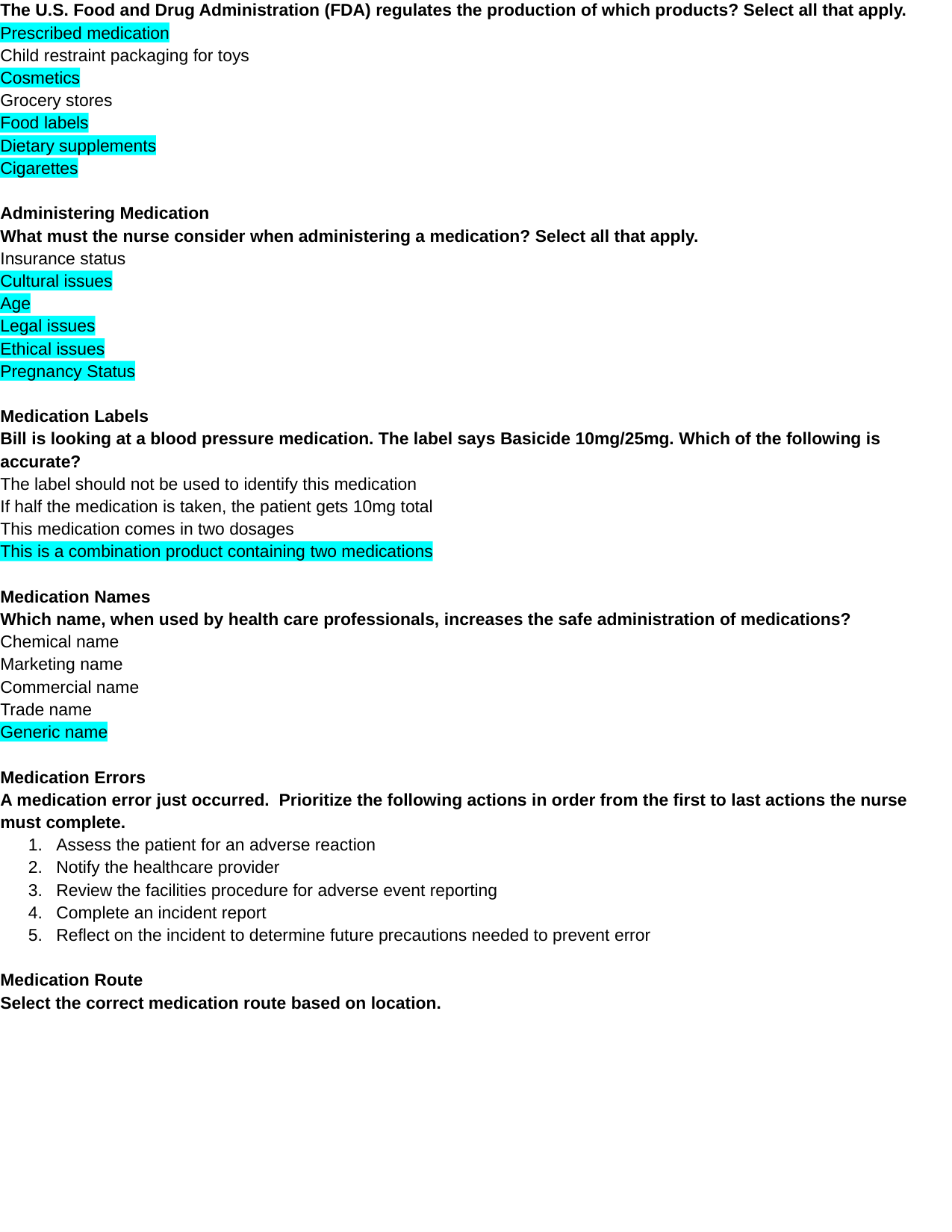
Federal regulation and drug approval processes
Medication standards and safety regulations
Drug information resources
Legal and ethical considerations in medication use
Medication administration principles
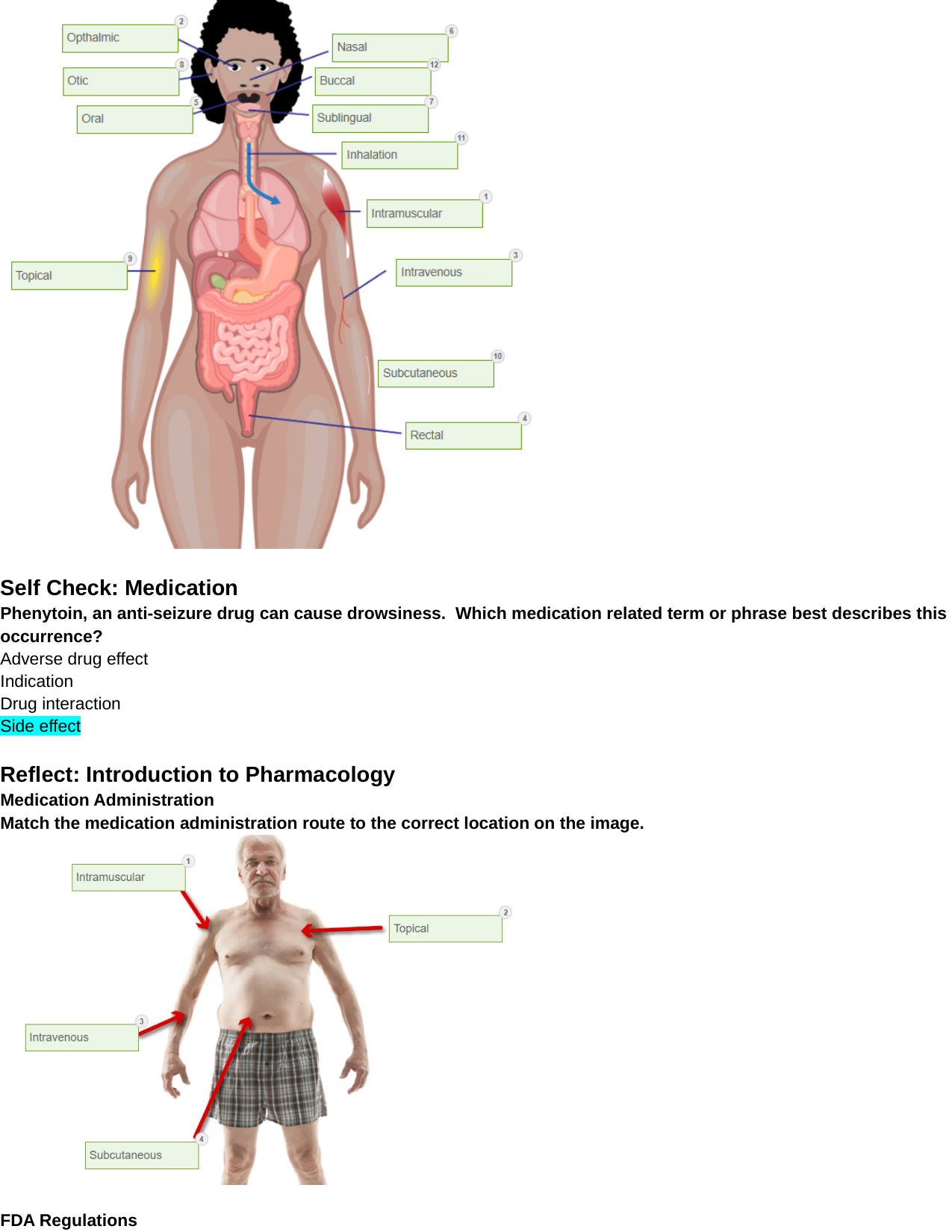
Routes of drug administration:
Oral
Topical
Inhalation
Parenteral
Intravenous
Intramuscular
Subcutaneous
Dosage forms and medication preparations
Drug calculations and measurement systems
Pharmacokinetics:
Drug absorption
Drug distribution
Drug metabolism
Drug excretion
Pharmacodynamics:
Mechanisms of drug action
Drug receptors
Cellular responses
Dose-response relationships
Therapeutic effects and desired outcomes
Side effects and adverse drug reactions
Drug toxicity and overdose
Drug interactions:
Drug-drug interactions
Drug-food interactions
Drug-disease interactions
Factors affecting drug responses:
Age
Genetics
Body weight
Gender
Disease conditions
Lifestyle factors
Medication errors and prevention
High-alert medications
Patient safety principles
Patient education and medication adherence
Major Drug Categories Covered Include:
Cardiovascular medications:
Antihypertensive drugs
Heart medications
Diuretics
Lipid-lowering agents
Respiratory medications:
Bronchodilators
Asthma medications
Allergy medications
Nervous system medications:
Analgesics
Sedatives
Anxiolytics
Antidepressants
Anticonvulsants
Anti-infective medications:
Antibiotics
Antiviral medications
Antifungal agents
Endocrine medications:
Insulin
Diabetes medications
Thyroid medications
Hormonal therapies
Gastrointestinal medications:
Antacids
Acid reducers
Antiemetics
Laxatives
Anti-inflammatory and pain management medications
Immune system medications
Antineoplastic medications
Vitamins, minerals, and nutritional supplements
The Resource Helps Students Develop the Ability To:
Explain basic pharmacological concepts and terminology.
Describe how medications affect body systems.
Understand the relationship between drug actions and clinical outcomes.
Apply pharmacokinetic and pharmacodynamic principles to medication therapy.
Identify therapeutic effects, side effects, and adverse reactions.
Recognize factors influencing individual medication responses.
Apply safe medication administration practices.
Identify potential medication errors and prevention strategies.
Understand drug interactions and safety precautions.
Educate patients about medication use and adherence.
Apply pharmacological knowledge to clinical healthcare situations.
Develop critical-thinking and decision-making skills related to medication therapy.
Key Features:
Clear introduction to essential pharmacology concepts
Focus on practical medication use in healthcare settings
Emphasis on patient safety and responsible medication administration
Integration of clinical examples and healthcare applications
Support for nursing and allied health education
Medical Students, Pharmacy Students, Nursing Students, Allied Health Students, Healthcare Educators and Faculty, Healthcare Professionals and Examination Preparation Learners.
Master WGU D635 Objective Assessment. Access Verified Questions, Detailed Answers On...
Master WGU D635 Final Exam Topics Like Idea And Section 504. Access Verified Question...
Ace The WGU D658 Exam With This 2026 Test Bank Featuring Verified Answers And Detaile...
Master WGU D658 With Verified Exam Questions, Answers And Rationales. Pass Assessment...