
Test bank
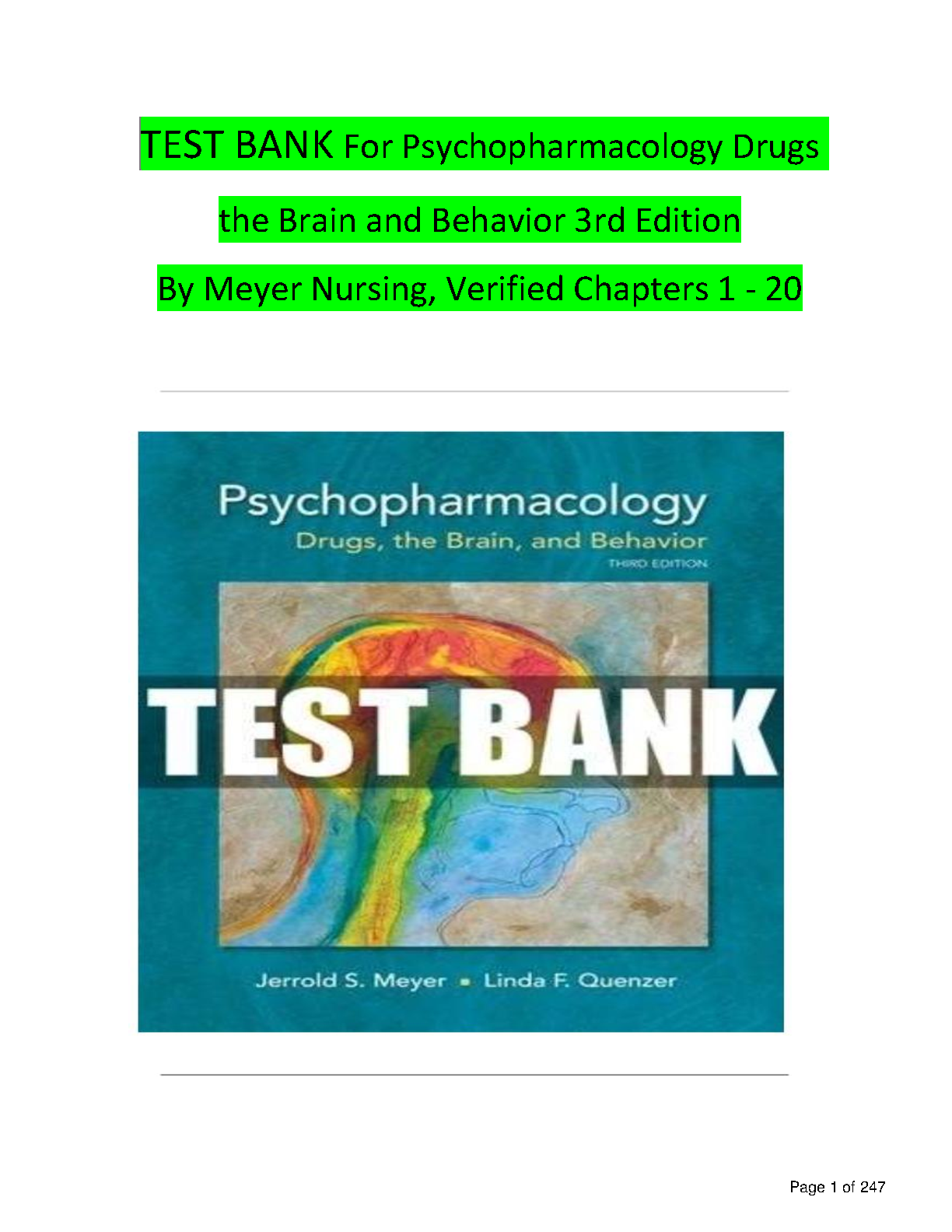
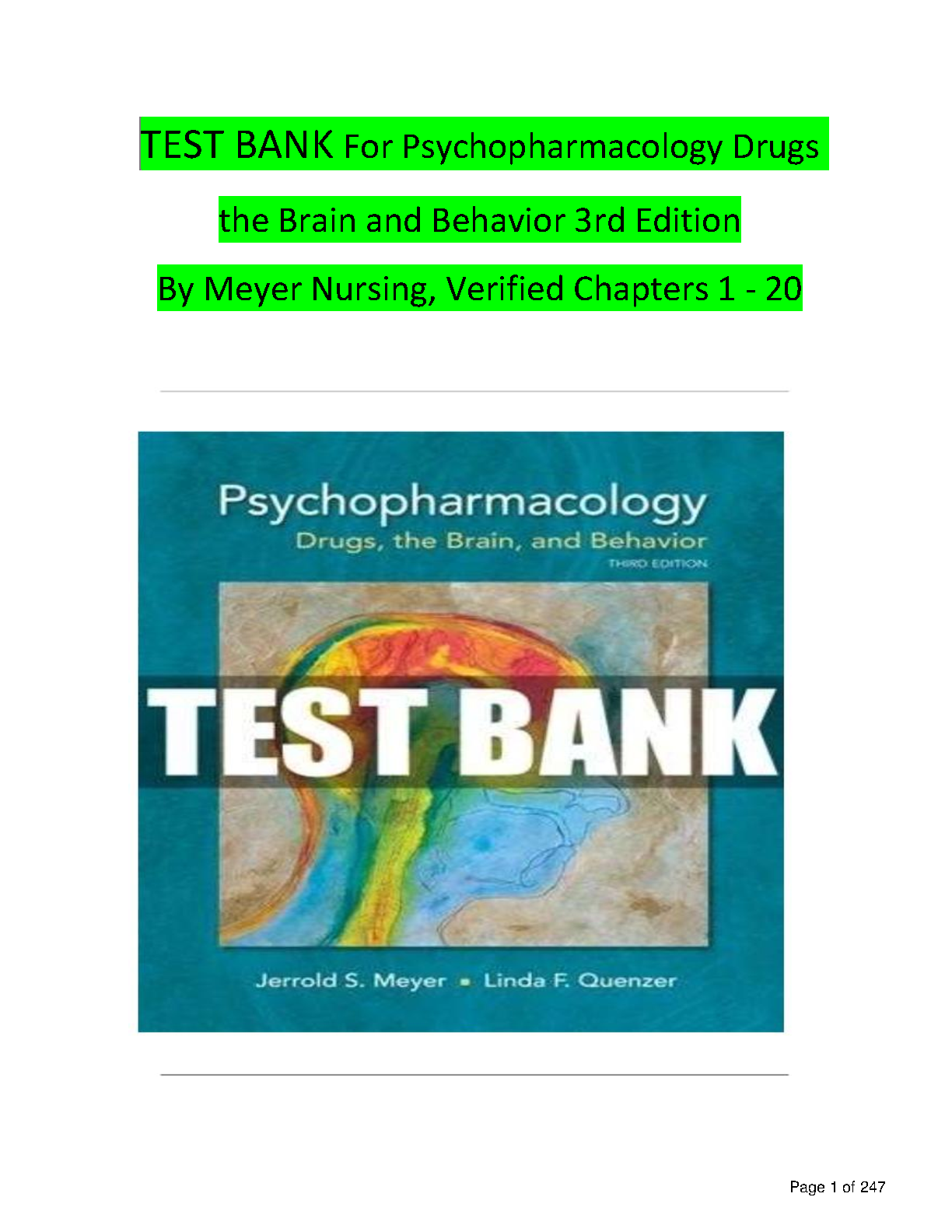
Psychopharmacology Drugs The Brain And Behavior 3rd Edition
Test Bank for Psychopharmacology: Drugs, the Brain, and Behavior (3rd Edition) is a comprehensive assessment resource designed to reinforce students’ understanding of psychopharmacology, neuroscience, and the relationship between psychoactive drugs, brain function, and behavior. Organized by chapter, it provides a broad range of assessment questions that evaluate knowledge of neurobiology, neurotransmission, pharmacokinetics, pharmacodynamics, psychiatric medications, substance use disorders, therapeutic interventions, and the behavioral effects of drugs.
Designed to complement the textbook, this test bank integrates fundamental neuroscience with clinical psychopharmacology, emphasizing how medications and psychoactive substances influence brain chemistry, cognition, emotion, perception, and behavior. It supports students in developing scientific reasoning, critical thinking, and evidence-based decision-making while exploring the pharmacological treatment of neurological and psychiatric disorders.
The resource also assists instructors in creating quizzes, examinations, and review activities while preparing students for advanced coursework and professional practice in psychology, neuroscience, pharmacy, nursing, medicine, counseling, and related behavioral sciences.
Major Topics Covered Include:
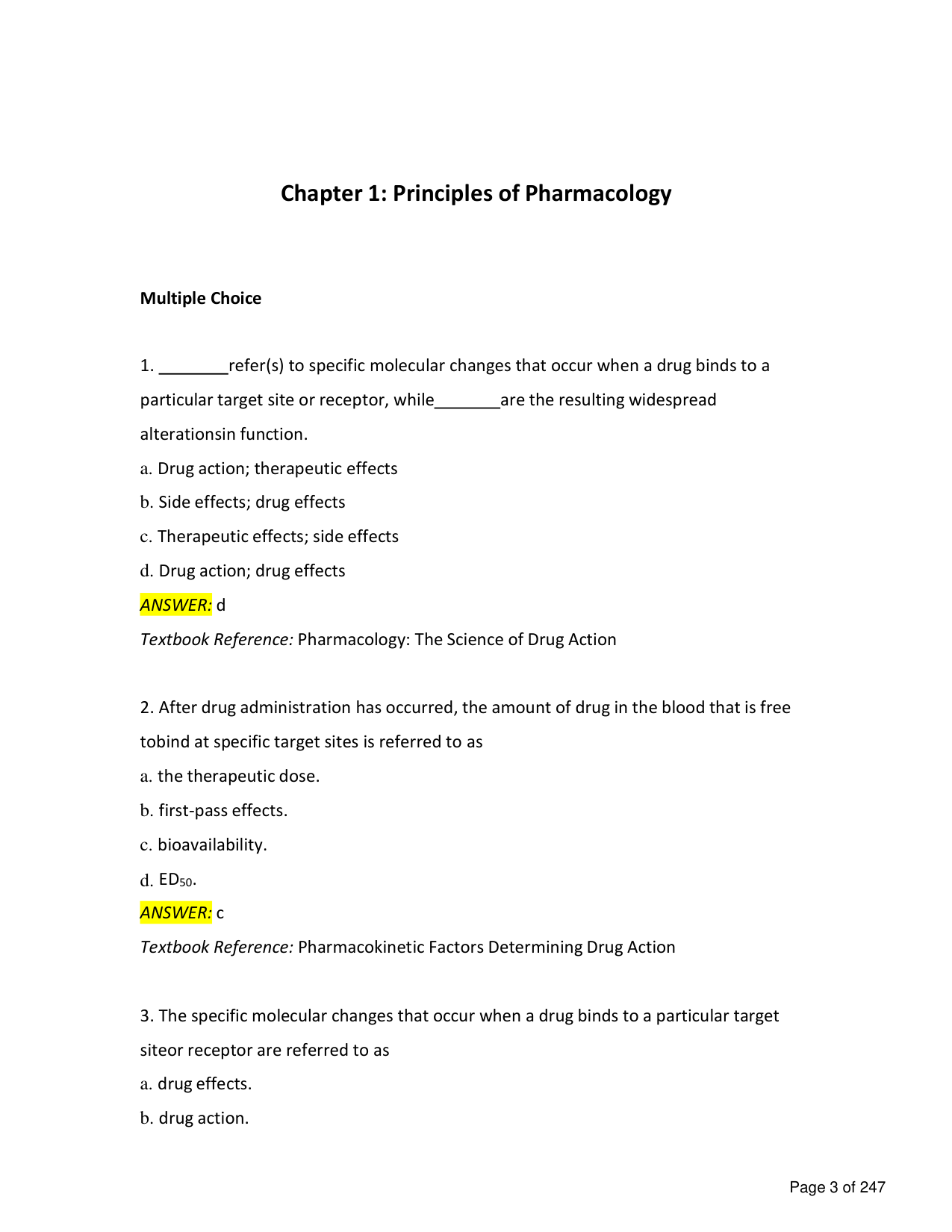
Introduction to psychopharmacology
History and development of psychoactive drugs
Fundamentals of neuroscience
Structure and function of the nervous system
Neuroanatomy and brain organization
Neurons and synaptic transmission
Neurotransmitters and receptor systems
Neuroplasticity and brain adaptation
Pharmacokinetics:
Drug absorption
Drug distribution
Drug metabolism
Drug elimination
Pharmacodynamics:
Drug-receptor interactions
Mechanisms of drug action
Dose-response relationships
Behavioral pharmacology
Drug tolerance and sensitization
Dependence, withdrawal, and addiction
Reinforcement mechanisms and reward pathways
Dopamine pathways
Serotonin systems
Norepinephrine systems
Acetylcholine systems
GABA and glutamate neurotransmission
Endogenous opioid systems
Endocannabinoid system
Substance use disorders
Alcohol pharmacology
Nicotine pharmacology
Caffeine and stimulant pharmacology
Cocaine and amphetamine pharmacology
Opioid pharmacology
Cannabis pharmacology
Hallucinogens and psychedelic drugs
Dissociative anesthetics
Sedative-hypnotics
Anxiolytics
Antidepressants
Mood stabilizers
Antipsychotic medications
ADHD medications
Sleep medications
Cognitive enhancers
Drugs affecting memory and learning
Parkinson disease pharmacology
Alzheimer's disease pharmacology
Neurodegenerative disorders
Clinical psychopharmacology
Individual differences in drug responses
Pharmacogenetics and personalized medicine
Ethical and legal issues in psychopharmacology
Current research and emerging therapies
The Test Bank Helps Students Develop the Ability To:
Explain fundamental principles of psychopharmacology and neuroscience.
Describe how psychoactive drugs affect the brain and behavior.
Understand the biological basis of psychiatric disorders.
Explain pharmacokinetic and pharmacodynamic principles related to psychoactive medications.
Identify major neurotransmitters and their functions.
Describe mechanisms of action for common psychiatric medications.
Analyze behavioral effects of psychoactive substances.
Differentiate therapeutic uses and adverse effects of psychiatric medications.
Explain the neurobiology of addiction and substance dependence.
Evaluate treatment approaches for psychiatric and neurological disorders.
Interpret scientific evidence related to psychopharmacology.
Apply critical-thinking and problem-solving skills to clinical case scenarios.
Integrate neuroscience with behavioral science and clinical practice.
Assessment Formats Commonly Include:
Multiple-choice questions
Clinical application questions
Neuroscience concept questions
Drug mechanism questions
Case-based psychopharmacology scenarios
Behavioral analysis questions
Critical-thinking exercises
Research interpretation questions
Key Features:
Chapter-by-chapter organization aligned with Psychopharmacology: Drugs, the Brain, and Behavior (3rd Edition)
Integration of neuroscience, psychology, and pharmacology
Strong emphasis on brain-behavior relationships
Clinical application of psychiatric medications and substance use treatments
Questions designed to assess knowledge, application, analysis, and evaluation
Medical Students, Pharmacy Students, Nursing Students, Allied Health Students, Healthcare Educators and Faculty, Healthcare Professionals and Examination Preparation Learners.
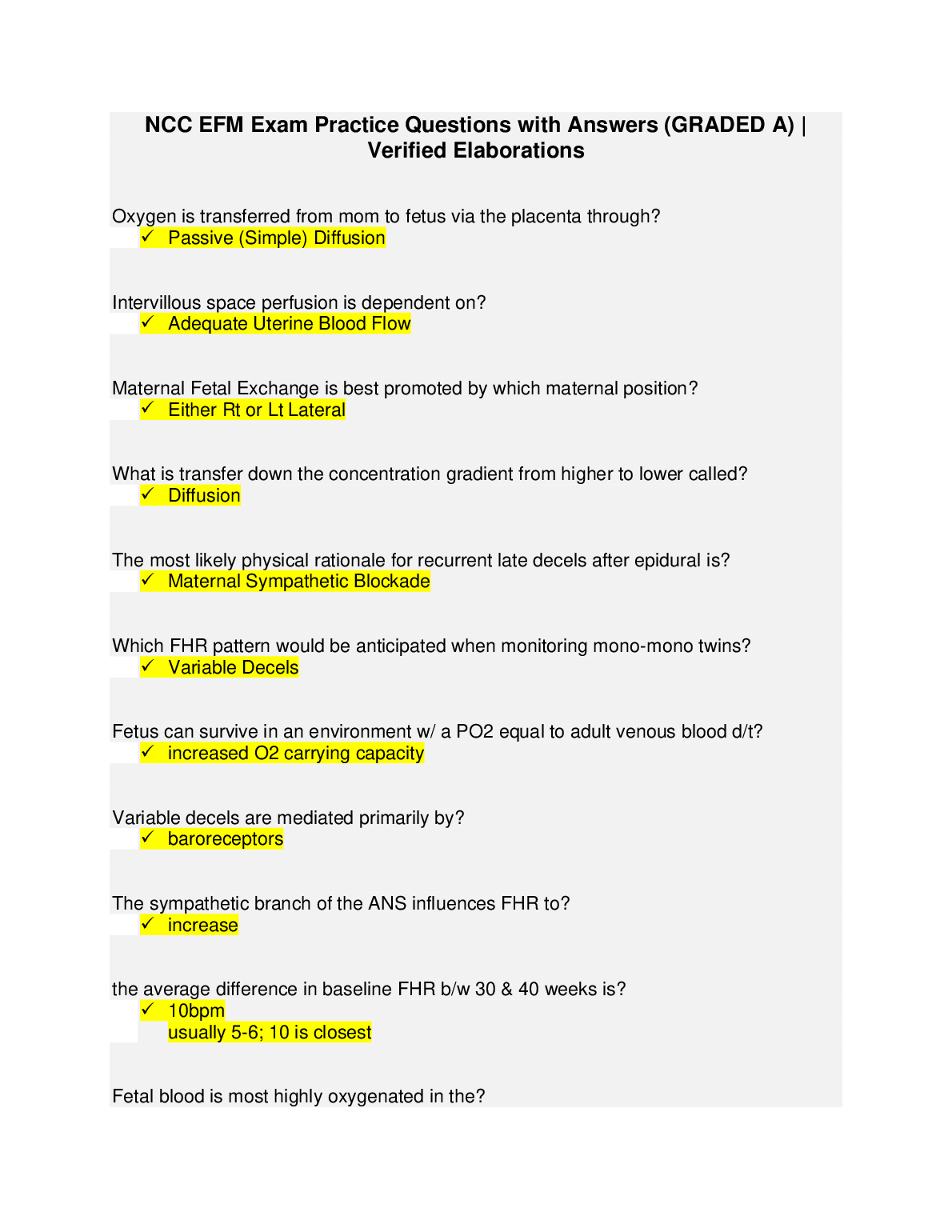
Master Ncc Efm Exams With Graded Practice Questions On Fetal Heart Rate Monitoring, V...
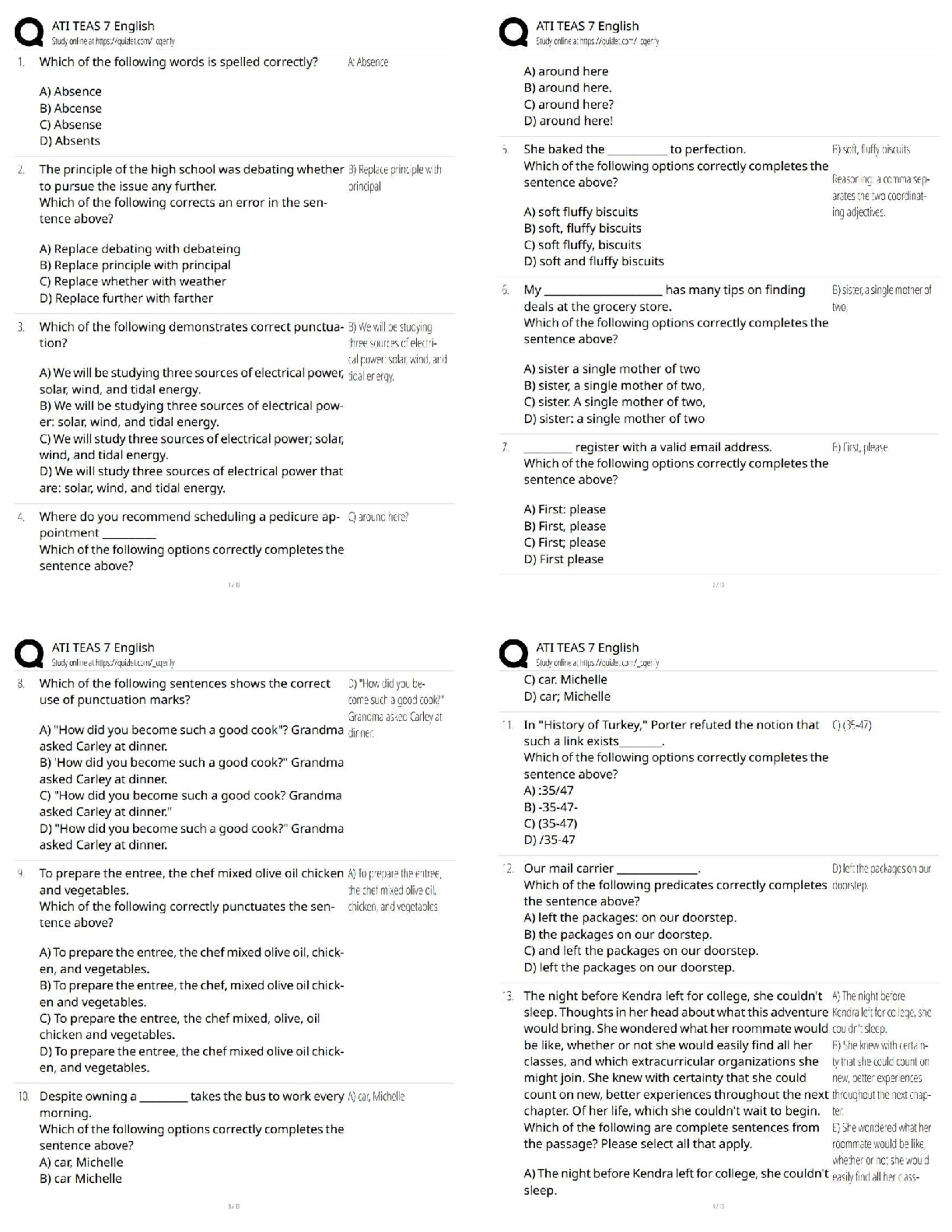
Master The ATI TEAS 7 English Section With This Verified Test Bank. Improve Grammar,...
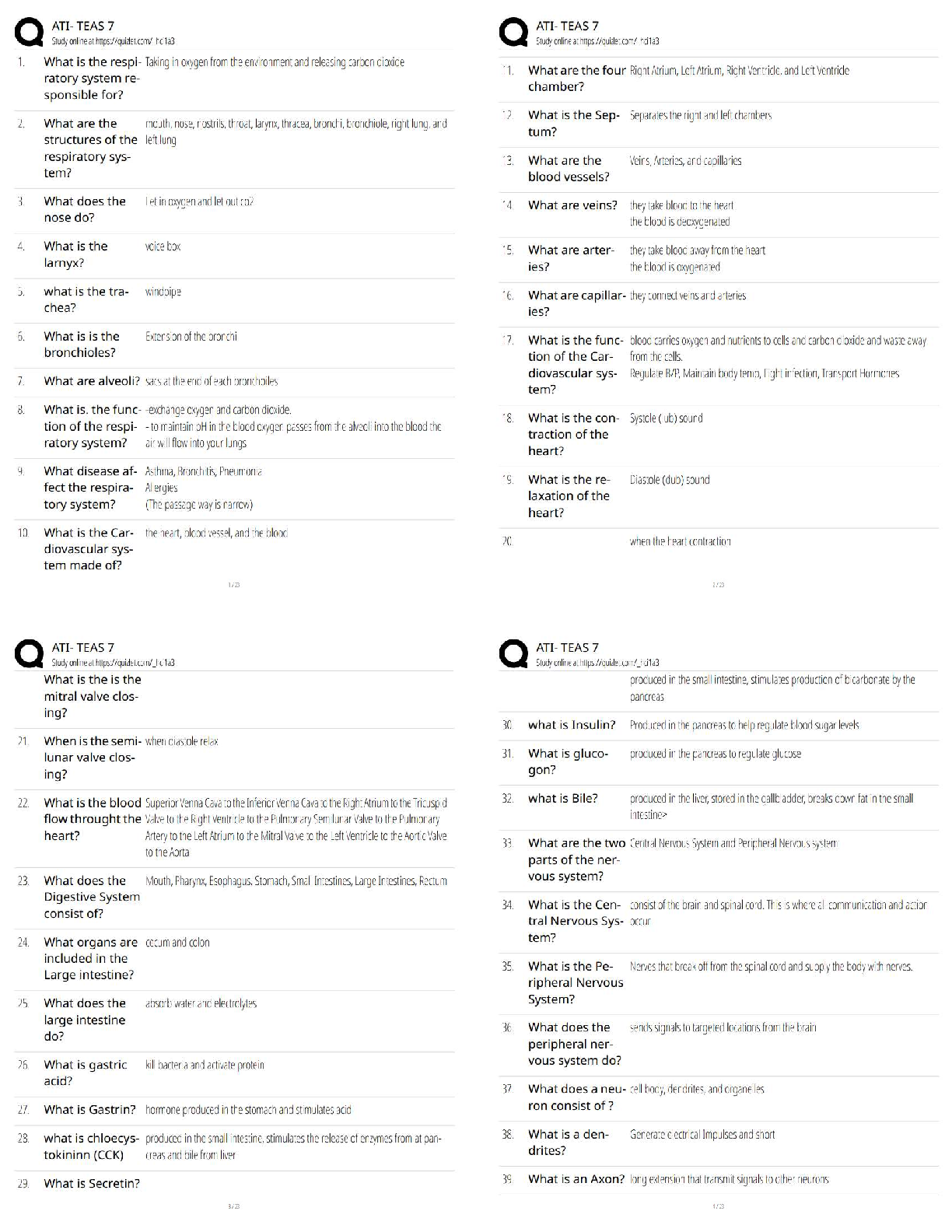
Master ATI TEAS 7 With Our Verified 2026 Test Bank. Covers Respiratory, Cardiovascula...
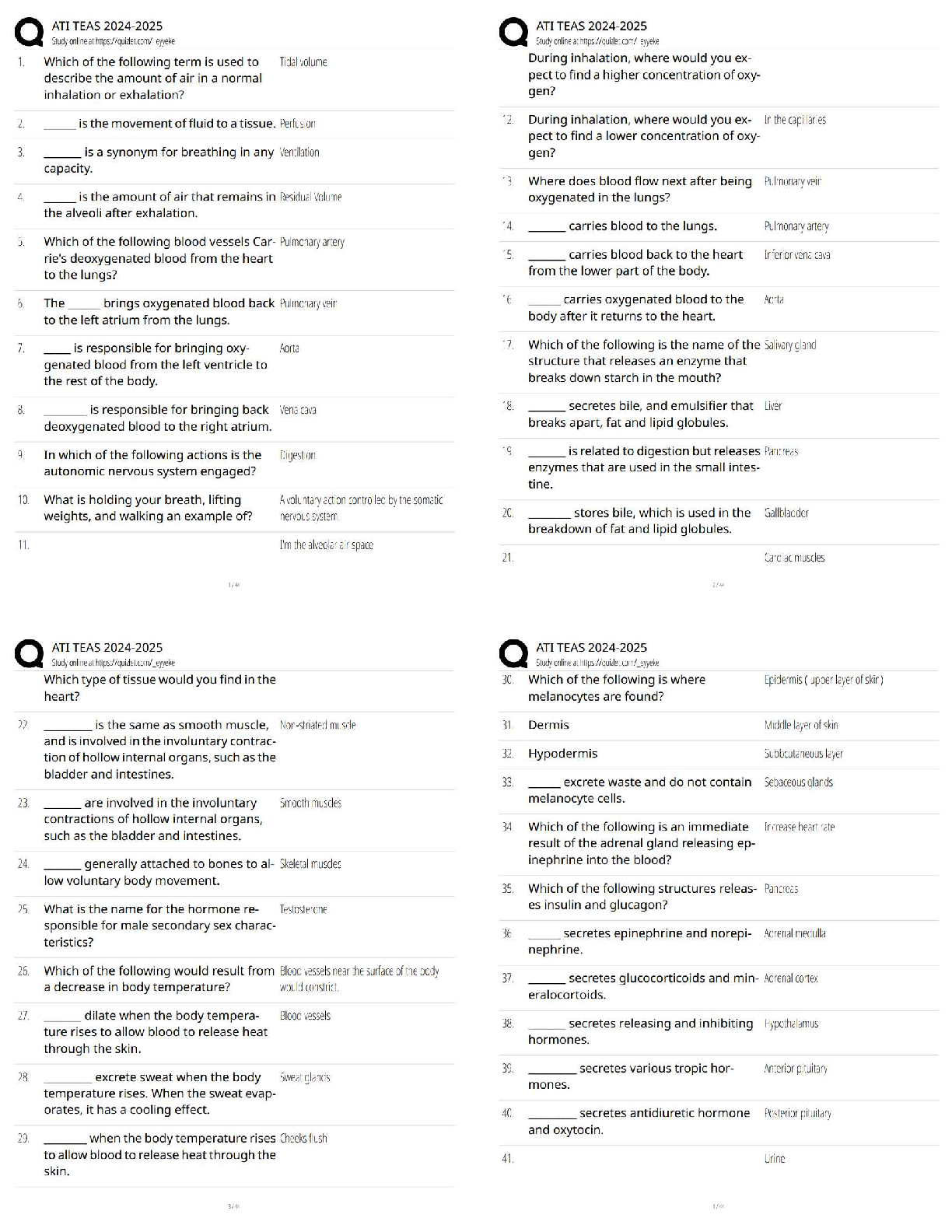
Ace The ATI TEAS 7 Exam On Your First Try. Access Hundreds Of Practice Questions, Det...