Edmunds' Pharmacology 5th Edition TEST BANK Edmunds' Pharmacology 5th Edition TEST BANK

Pharmacology

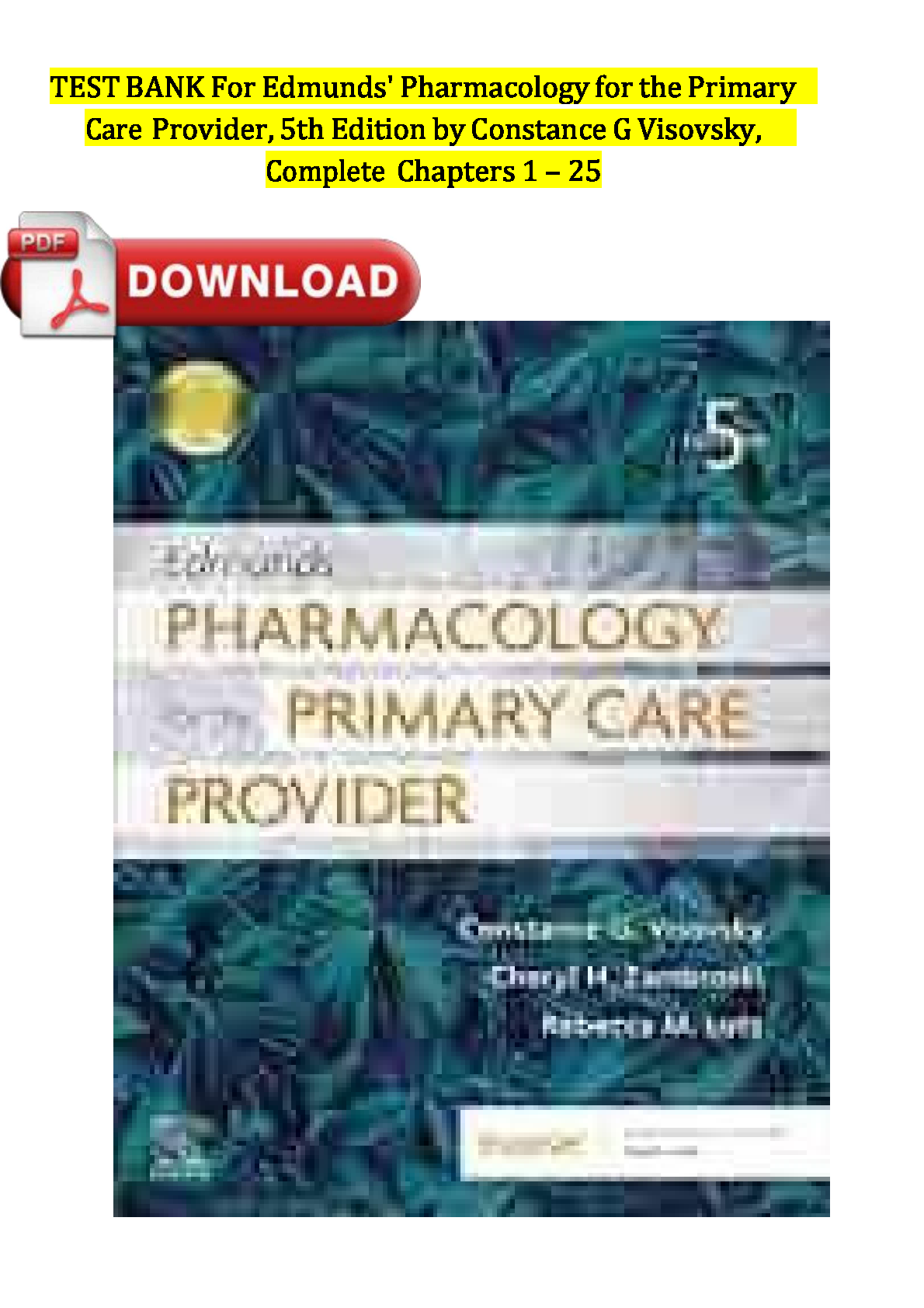
Edmunds' Pharmacology 5th Edition Test Bank


This Resource Supports Nursing, Np, And Healthcare Students In Mastering Pharmacologic Principles, Drug Classifications.
Description

Test Bank for Pharmacology for the Primary Care Provider (5th Edition) is a comprehensive assessment resource designed to strengthen learners' understanding of pharmacology as it applies to primary care practice across the lifespan. Organized by chapter, it provides a broad collection of assessment questions that evaluate knowledge of pharmacokinetics, pharmacodynamics, pharmacotherapeutics, evidence-based prescribing, medication safety, patient education, and clinical decision-making in ambulatory and primary care settings.

Designed to complement the textbook, this test bank integrates pharmacological principles with patient assessment, diagnosis, and management of common acute and chronic health conditions. It emphasizes rational prescribing, individualized treatment planning, medication monitoring, adverse drug reaction prevention, and interprofessional collaboration to prepare healthcare providers for safe and effective medication management.

The resource supports instructors in creating quizzes, examinations, and review activities while helping students strengthen clinical reasoning, prepare for certification examinations, and confidently apply pharmacological knowledge in primary care practice.

Major Topics Covered Include:
Foundations of clinical pharmacology
Principles of pharmacotherapeutics
Pharmacokinetics:
Drug absorption
Drug distribution
Drug metabolism
Drug elimination
Pharmacodynamics
Mechanisms of drug action
Receptor pharmacology
Drug selection and individualized therapy
Evidence-based prescribing
Clinical decision-making
Prescription writing
Medication safety
Prevention of medication errors
Adverse drug reactions
Drug toxicity
Drug interactions:
Drug-drug interactions
Drug-food interactions
Drug-herbal interactions
Pharmacogenomics and personalized medicine
Medication adherence
Patient education and counseling
Monitoring therapeutic outcomes
Prescribing across the lifespan:
Pediatrics
Adults
Pregnancy
Lactation
Older adults
Pain management
Controlled substances
Cardiovascular pharmacology:
Hypertension
Heart failure
Coronary artery disease
Dyslipidemia
Anticoagulation
Respiratory pharmacology:
Asthma
COPD
Respiratory infections
Endocrine pharmacology:
Diabetes mellitus
Thyroid disorders
Adrenal disorders
Gastrointestinal pharmacology
Renal pharmacology
Neurological pharmacology
Psychiatric pharmacology
Infectious disease pharmacology
Dermatologic pharmacology
Women's health pharmacology
Men's health pharmacology
Musculoskeletal pharmacology
Rheumatologic medications
Immunologic pharmacology
Oncology pharmacology
Emergency pharmacology
Preventive care pharmacology
Vaccines and immunizations
Complementary and alternative therapies
The Test Bank Helps Students Develop the Ability To:
Explain fundamental pharmacological principles used in primary care.
Apply pharmacokinetic and pharmacodynamic concepts to medication management.
Select appropriate evidence-based pharmacotherapy for common primary care conditions.
Develop individualized medication treatment plans based on patient characteristics.
Evaluate medication effectiveness using clinical assessment and laboratory findings.
Identify therapeutic effects, adverse reactions, contraindications, precautions, and drug interactions.
Prescribe medications safely using current clinical guidelines.
Apply pharmacogenomic principles to individualized patient care.
Educate patients regarding medication use, adherence, monitoring, and lifestyle modifications.
Monitor patients for therapeutic outcomes and medication-related complications.
Recognize medication safety issues and implement risk-reduction strategies.
Integrate pharmacology with patient assessment, diagnosis, and disease management.
Strengthen critical-thinking, clinical reasoning, and evidence-based prescribing skills.
Assessment Formats Commonly Include:
Multiple-choice questions
Clinical application questions
Primary care case studies
Pharmacotherapy decision-making questions
Prescription writing exercises
Medication safety questions
Evidence-based practice scenarios
Critical-thinking and clinical reasoning exercises
Key Features:
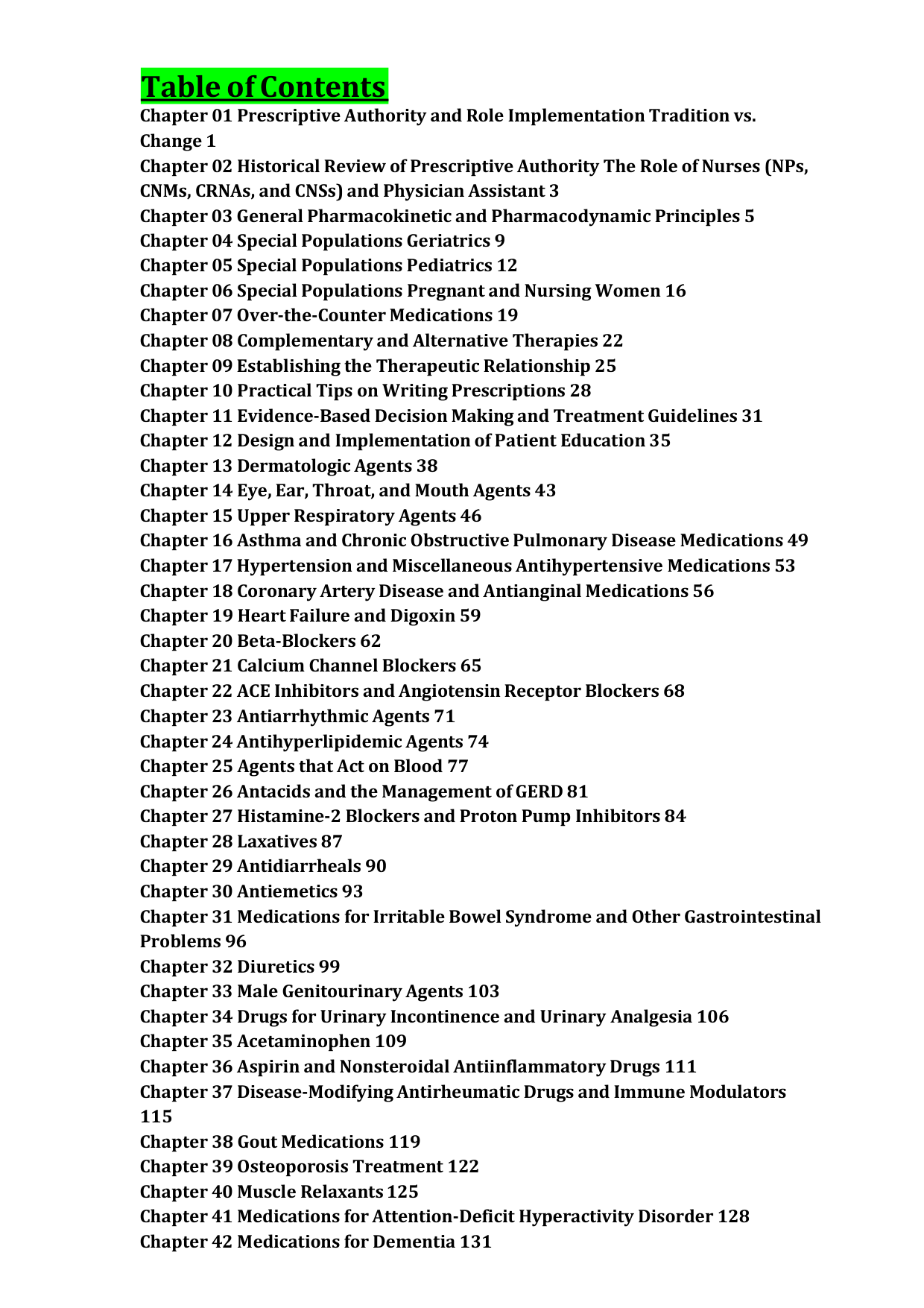
Chapter-by-chapter organization aligned with Pharmacology for the Primary Care Provider (5th Edition)
Strong emphasis on evidence-based prescribing and medication safety
Integration of pharmacology with primary care diagnosis and management
Application-focused questions that reflect real-world clinical practice
Reinforcement of patient-centered care and individualized pharmacotherapy
Suitable for examinations, classroom instruction, review, and certification preparation
PDF Sample
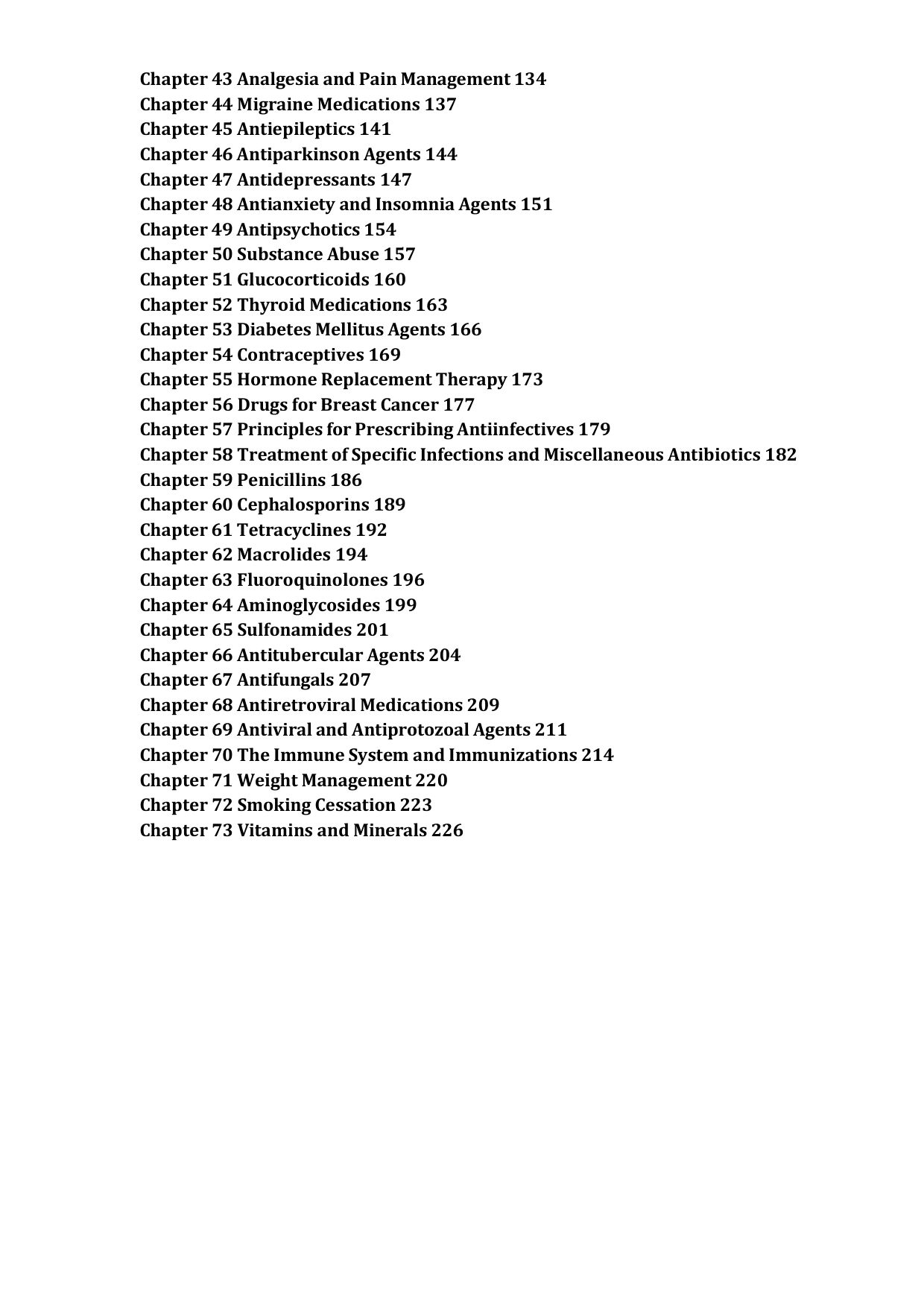
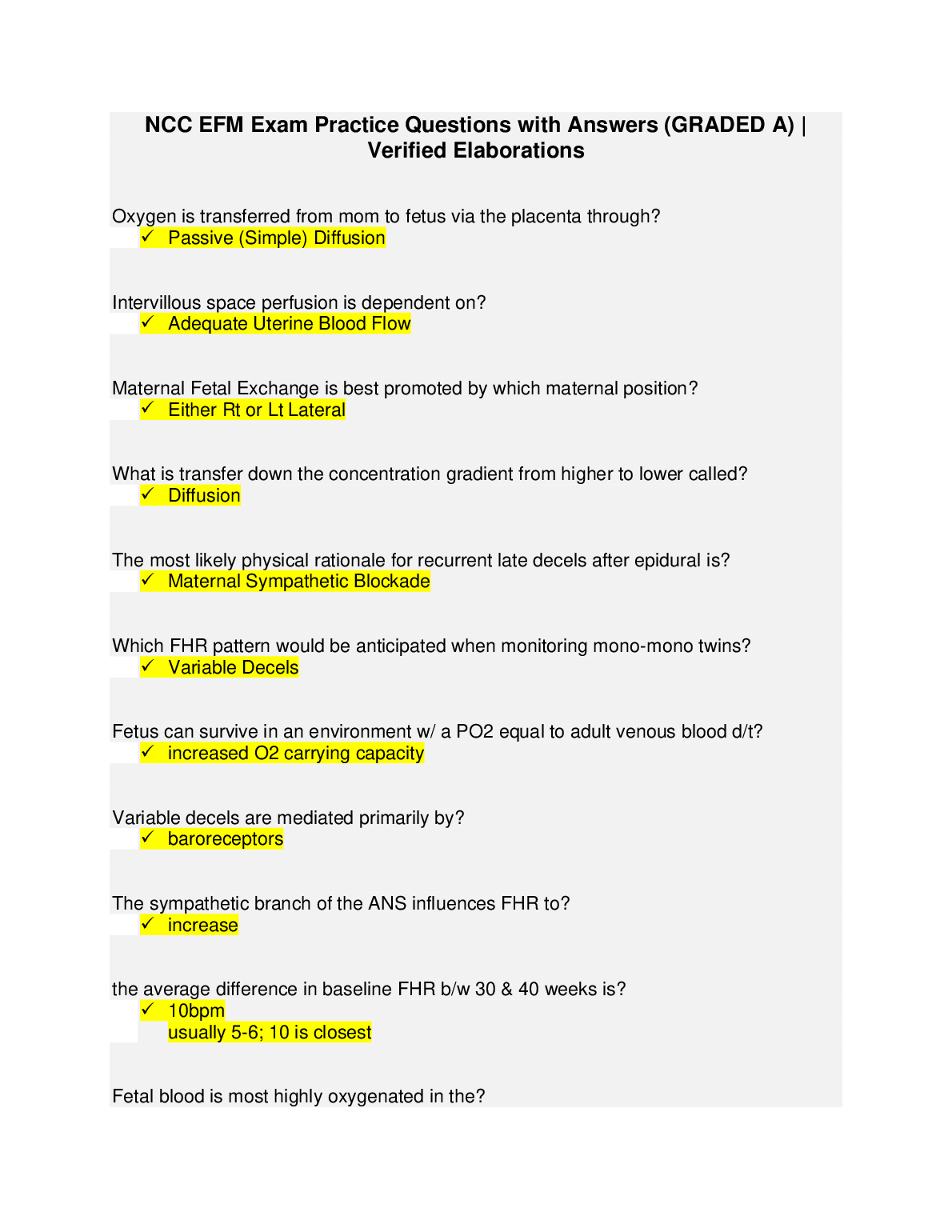
1 / 3
Edmunds' Pharmacology 5th Edition TEST BANK IMG-1
Edmunds' Pharmacology 5th Edition TEST BANK IMG-2
Edmunds' Pharmacology 5th Edition TEST BANK IMG-3
Who is this Document for ?

Medical Students, Pharmacy Students, Nursing Students, Allied Health Students, Healthcare Educators and Faculty, Healthcare Professionals and Examination Preparation Learners.
What you will learn ?
Explain the fundamental principles of pharmacology and their application in primary care practice.
Apply pharmacokinetic principles, including drug absorption, distribution, metabolism, and elimination, to clinical decision-making.
Describe pharmacodynamic concepts, including mechanisms of drug action, receptor interactions, therapeutic effects, and dose-response relationships.
Integrate pharmacological principles into patient assessment, diagnosis, treatment, and follow-up care.
Develop evidence-based pharmacotherapeutic plans for common acute and chronic health conditions.
Select appropriate medications based on patient age, comorbidities, organ function, genetics, and clinical presentation.
Apply evidence-based prescribing guidelines to promote safe, effective, and individualized patient care.
Demonstrate safe prescription writing and medication documentation practices.
Identify therapeutic effects, adverse drug reactions, contraindications, precautions, and medication toxicity.
Analyze drug-drug, drug-food, drug-herbal, and drug-disease interactions.
Apply principles of pharmacogenomics and personalized medicine to optimize medication therapy.
Recognize high-risk medications and implement medication safety strategies to prevent adverse events.
Educate patients regarding medication use, adherence, monitoring, lifestyle modifications, and self-management.
Evaluate patient responses to medication therapy using clinical findings, laboratory values, and therapeutic outcomes.
Modify pharmacological treatment plans based on patient response and evidence-based recommendations.
Apply pharmacological principles to pediatric, adult, pregnant, lactating, and older adult populations.
Explain the pharmacological management of cardiovascular disorders, including hypertension, heart failure, coronary artery disease, dyslipidemia, and anticoagulation therapy.
Describe medications used in the treatment of respiratory disorders, including asthma, COPD, and respiratory infections.
Explain endocrine pharmacology, including medications for diabetes, thyroid disorders, adrenal disorders, and hormonal therapies.
Describe gastrointestinal medications and their clinical applications.
Explain neurological and psychiatric pharmacology, including medications for depression, anxiety, ADHD, seizure disorders, Parkinson disease, dementia, and chronic pain.
Describe anti-infective pharmacology, including antibacterial, antiviral, antifungal, and antiparasitic medications.
Explain pharmacological management of musculoskeletal, rheumatologic, dermatologic, immunologic, reproductive, and oncologic conditions.
Apply preventive pharmacology principles, including immunizations and health promotion therapies.
Integrate clinical practice guidelines into medication selection and disease management.
Utilize critical-thinking and clinical reasoning skills when evaluating pharmacotherapeutic options.
Collaborate effectively with interprofessional healthcare teams to optimize medication management.
Demonstrate evidence-based decision-making in primary care pharmacology.
Apply pharmacology knowledge to certification examination–style questions and clinical case scenarios.
Demonstrate readiness for safe, effective, and patient-centered prescribing in advanced primary care practice.
What do you get with this PDF ?
Instant access after purchase
Download in PDF format
DRM free, read anywhere
Document details
Last update :
Jul 22, 2026
Length :
228 pages
Edition :
2026
Language :
English
Category :
Keywords
Pharmacology For The Primary Care Provider Pharmacology For The Primary Care Provider 5th Edition Primary Care Pharmacology Pharmacology Test Bank Advanced Pharmacology Clinical Pharmacology Pharmacotherapeutics Evidence-based Prescribing Primary Care Provider Nurse Practitioner Pharmacology Family Nurse Practitioner FNP Adult-gerontology Nurse Practitioner AGNP Advanced Practice Nursing Aprn Physician Assistant Medical Students Pharmacology Education Drug Therapy Medication Management Prescription Writing Safe Prescribing Pharmacokinetics Pharmacodynamics Drug Absorption Drug Distribution Drug Metabolism Drug Elimination Drug Mechanism Of Action Drug Receptors Dose Response Relationship Therapeutic Effects Side Effects Adverse Drug Reactions Drug Toxicity Drug Interactions Drug-food Interactions Drug-herbal Interactions Contraindications Precautions Medication Safety Medication Errors High-alert Medications Patient Safety Evidence-based Practice Clinical Decision Making Critical Thinking Patient Assessment Patient Education Medication Adherence Therapeutic Drug Monitoring Pharmacogenomics Personalized Medicine Cardiovascular Pharmacology Antihypertensive Drugs Heart Failure Medications Antianginal Drugs Antiarrhythmic Drugs Anticoagulants Lipid-lowering Medications Respiratory Pharmacology Bronchodilators Asthma Medications COPD Medications Gastrointestinal Pharmacology Endocrine Pharmacology Diabetes Medications Insulin Therapy Thyroid Medications Corticosteroids Neurological Pharmacology Psychiatric Pharmacology Antidepressants Antipsychotics Anxiolytics Adhd Medications Pain Management Opioids Anti-infective Medications Antibiotics Antiviral Drugs Antifungal Drugs Antiparasitic Drugs Women's Health Pharmacology Men's Health Pharmacology Oncology Pharmacology Preventive Care Pharmacology Vaccines Immunizations Complementary Therapies Primary Care Practice Ambulatory Care Clinical Practice Guidelines Certification Exam Preparation Healthcare Education.
You may also be interested in :
Recommendations for you
Rang and Dale's Pharmacology 8th Edition TEST BANK
Rang And Dale's Pharmacology 8th Edition Test Bank

Is A Comprehensive Assessment Resource Designed To Support Students In Mastering The...

$17
Essentials of Pharmacology for Health Professions 8th Ed
Essentials Of Pharmacology For Health Professions 8th Ed

Focusing On Essential Drug Information And Clinical Application, With Patient Educati...

$18
Focus on Nursing Pharmacology 7th Edition TEST BANK
Focus On Nursing Pharmacology 7th Edition Test Bank

Is A Comprehensive Assessment Resource Designed To Help Nursing Students Master Essen...

$17
Focus on Nursing Pharmacology 6th Edition TEST BANK
Focus On Nursing Pharmacology 6th Edition Test Bank

Is A Comprehensive Assessment Resource Designed To Help Nursing Students Master Essen...

$16