
Test bank
Lilley's Pharmacology For Canadian Health Care 5th Edition
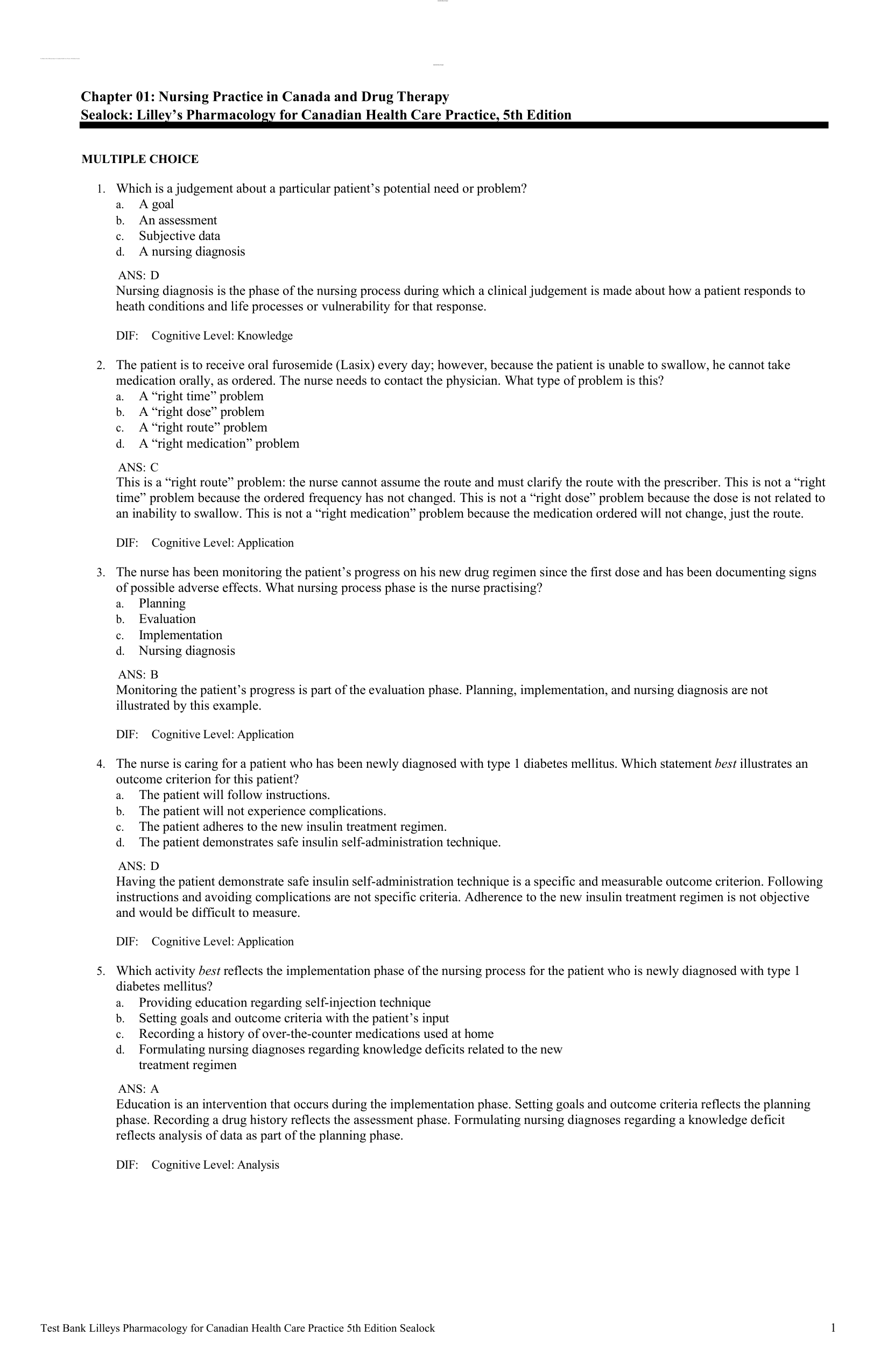
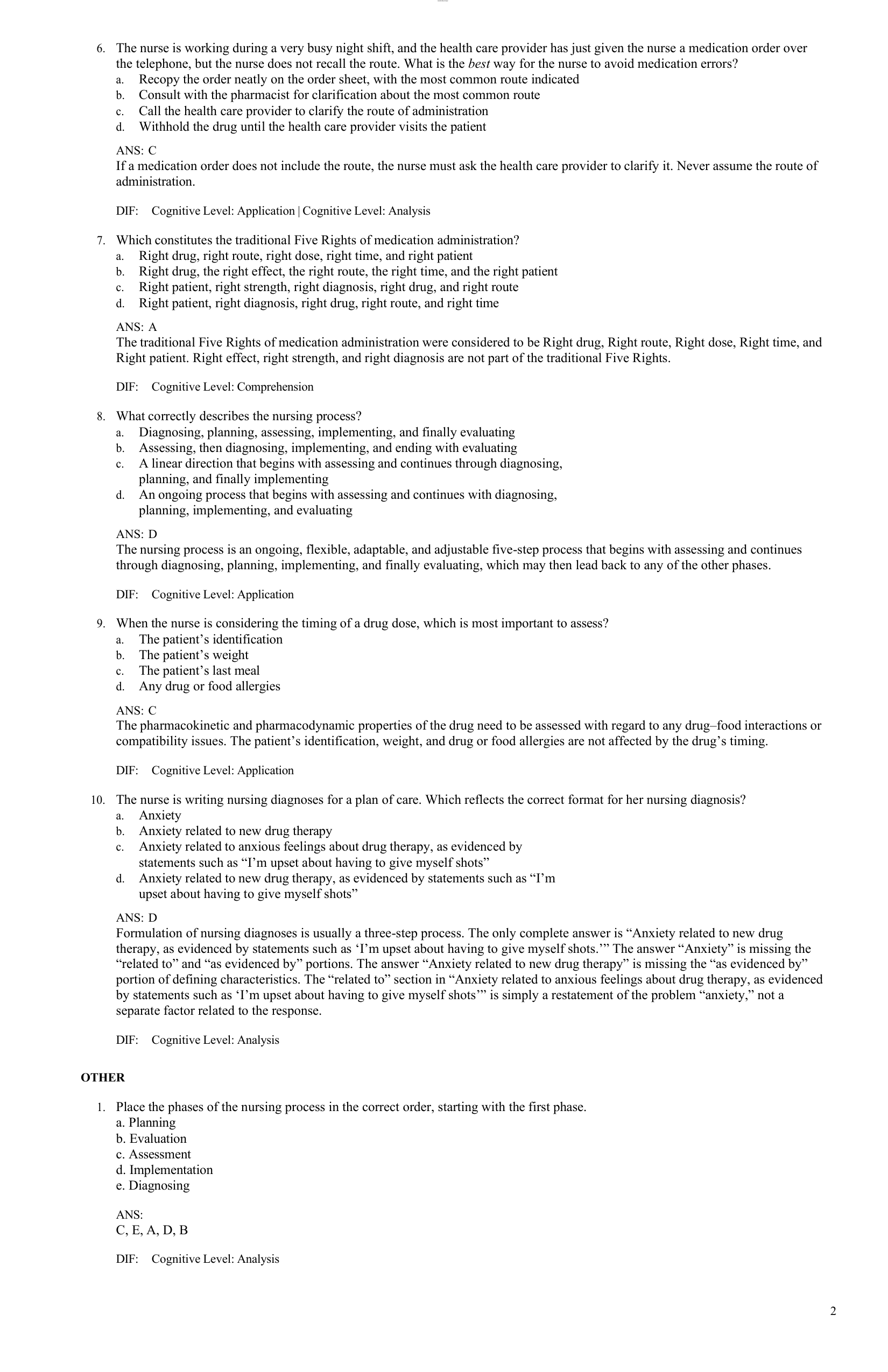
Test Bank for Lilley’s Pharmacology for Canadian Health Care Practice (5th Edition) by Kara Sealock is a comprehensive assessment resource designed to reinforce students’ understanding of pharmacology while emphasizing safe medication administration, evidence-informed practice, and patient-centered care within the Canadian healthcare environment. Organized by chapter, it provides a broad collection of assessment questions that evaluate learners’ knowledge of pharmacological principles, medication therapy, pharmacokinetics, pharmacodynamics, dosage calculations, drug classifications, therapeutic outcomes, adverse drug reactions, and professional responsibilities related to medication management.
Designed to complement Lilley’s Pharmacology for Canadian Health Care Practice (5th Edition), this test bank integrates foundational pharmacology with nursing practice by applying the nursing process, clinical judgment, and evidence-based decision-making to medication care. It emphasizes safe prescribing and administration practices, prevention of medication errors, patient education, monitoring of therapeutic responses, and individualized care across the lifespan.
The resource supports instructors in creating quizzes, examinations, and review activities while helping students prepare for nursing licensure examinations, including NCLEX-RN® and REx-PN®, and develop confidence in applying pharmacological knowledge in clinical settings.
Major Topics Covered Include:
Foundations of pharmacology and medication therapy
Principles of safe medication administration
Canadian healthcare medication standards and practices
Drug names, classifications, and schedules
Legal, ethical, and professional responsibilities
Medication safety and error prevention
Pharmacokinetics:
Absorption
Distribution
Metabolism
Excretion
Pharmacodynamics:
Drug-receptor interactions
Mechanisms of drug action
Therapeutic effects
Dose-response relationships
Factors affecting drug responses:
Age
Genetics
Culture
Disease states
Pregnancy and lactation
Lifestyle factors
Medication dosage calculations
Safe medication preparation and administration
Routes of medication administration:
Oral
Sublingual
Buccal
Topical
Transdermal
Ophthalmic
Otic
Inhalation
Intradermal
Subcutaneous
Intramuscular
Intravenous
Patient assessment and medication monitoring
Documentation and evaluation of medication therapy
Patient education and medication adherence
Therapeutic drug monitoring
Adverse drug reactions and toxicity
Drug interactions:
Drug-drug interactions
Drug-food interactions
Drug-natural health product interactions
System-Based Pharmacology Topics Include:
Cardiovascular Pharmacology
Antihypertensive medications
Heart failure medications
Antianginal agents
Antiarrhythmic drugs
Anticoagulants
Antiplatelet medications
Lipid-lowering agents
Respiratory Pharmacology
Bronchodilators
Asthma medications
COPD therapies
Respiratory infection treatments
Gastrointestinal Pharmacology
Acid-reducing medications
Antiemetics
Laxatives
Antidiarrheal medications
Inflammatory bowel disease therapies
Endocrine Pharmacology
Insulin therapy
Oral antidiabetic medications
Thyroid medications
Corticosteroids
Hormonal therapies
Neurological and Psychiatric Pharmacology
Analgesics
Opioids
Anticonvulsants
Antidepressants
Antipsychotics
Anxiolytics
Sedative-hypnotics
Parkinson disease medications
Alzheimer disease medications
Anti-Infective Pharmacology
Antibiotics
Antiviral medications
Antifungal medications
Antiparasitic medications
Antimicrobial resistance
Additional Pharmacology Areas
Anti-inflammatory medications
Immunologic therapies
Reproductive health medications
Musculoskeletal medications
Dermatologic medications
Oncology medications
Emergency medications
Vitamins, minerals, and complementary therapies
The Test Bank Helps Students Develop the Ability To:
Explain core pharmacology concepts and terminology.
Apply pharmacokinetic and pharmacodynamic principles to patient care.
Understand drug classifications, mechanisms of action, and therapeutic uses.
Perform accurate medication dosage calculations.
Safely prepare, administer, document, and evaluate medication therapy.
Identify adverse effects, contraindications, precautions, and toxicity risks.
Analyze clinically significant medication interactions.
Apply Canadian medication safety principles to reduce errors.
Educate patients about medications, adherence, and safe self-management.
Monitor patient responses and evaluate therapeutic outcomes.
Use clinical judgment and evidence-informed practice in medication decisions.
Integrate pharmacological knowledge into patient-centred nursing care.
Assessment Formats Commonly Include:
Multiple-choice questions
NCLEX-RN®-style questions
REx-PN®-style questions
Clinical case scenarios
Medication safety questions
Dosage calculation exercises
Drug classification questions
Patient education scenarios
Critical-thinking and clinical reasoning questions
Key Features:
Chapter-by-chapter organization aligned with Lilley’s Pharmacology for Canadian Health Care Practice (5th Edition)
Emphasis on Canadian nursing practice and medication safety standards
Integration of pharmacology with the nursing process
Application-focused questions reflecting real clinical situations
Support for classroom testing, examination preparation, and self-review
Reinforcement of safe medication administration and patient-centred care
Medical Students, Pharmacy Students, Nursing Students, Allied Health Students, Healthcare Educators and Faculty, Healthcare Professionals and Examination Preparation Learners.
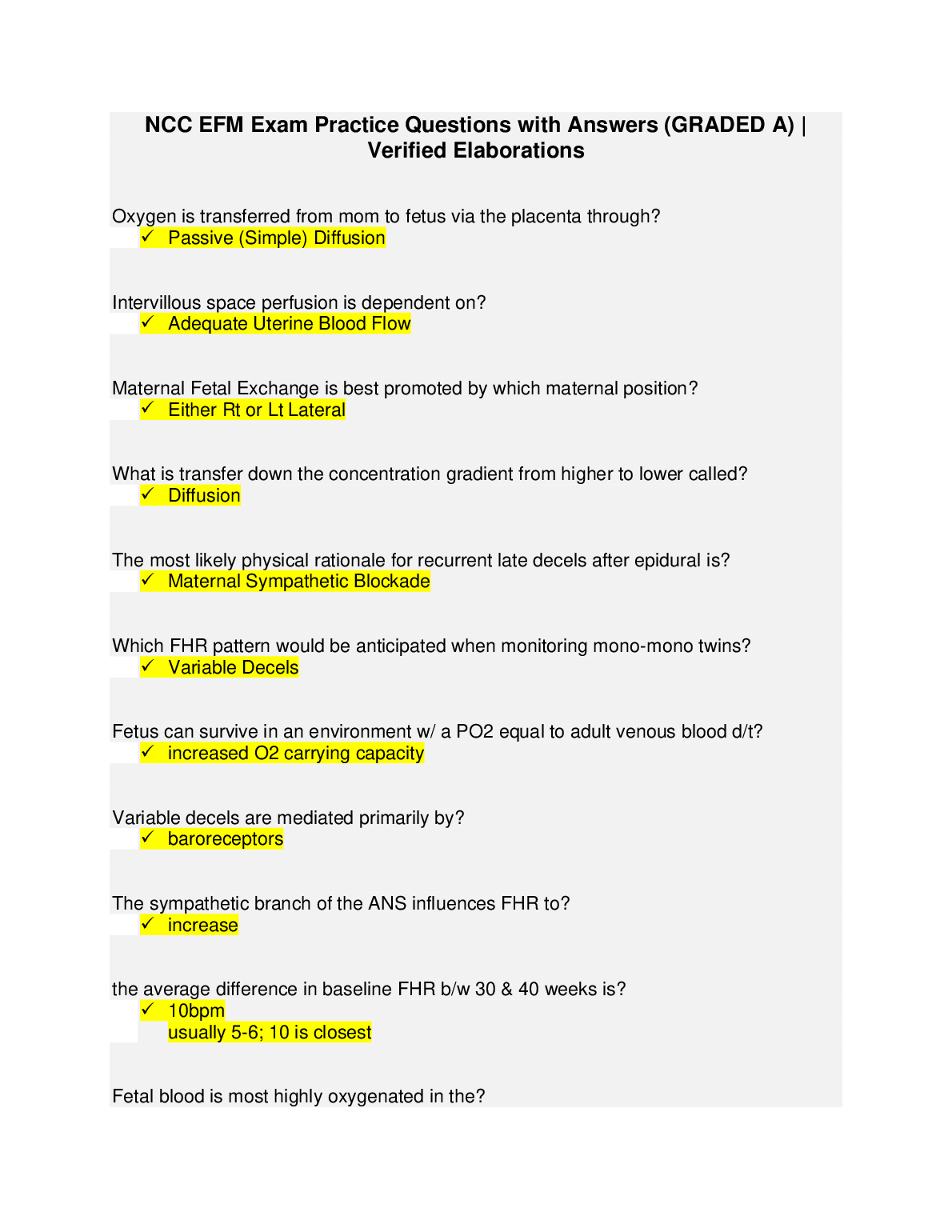
Master Ncc Efm Exams With Graded Practice Questions On Fetal Heart Rate Monitoring, V...
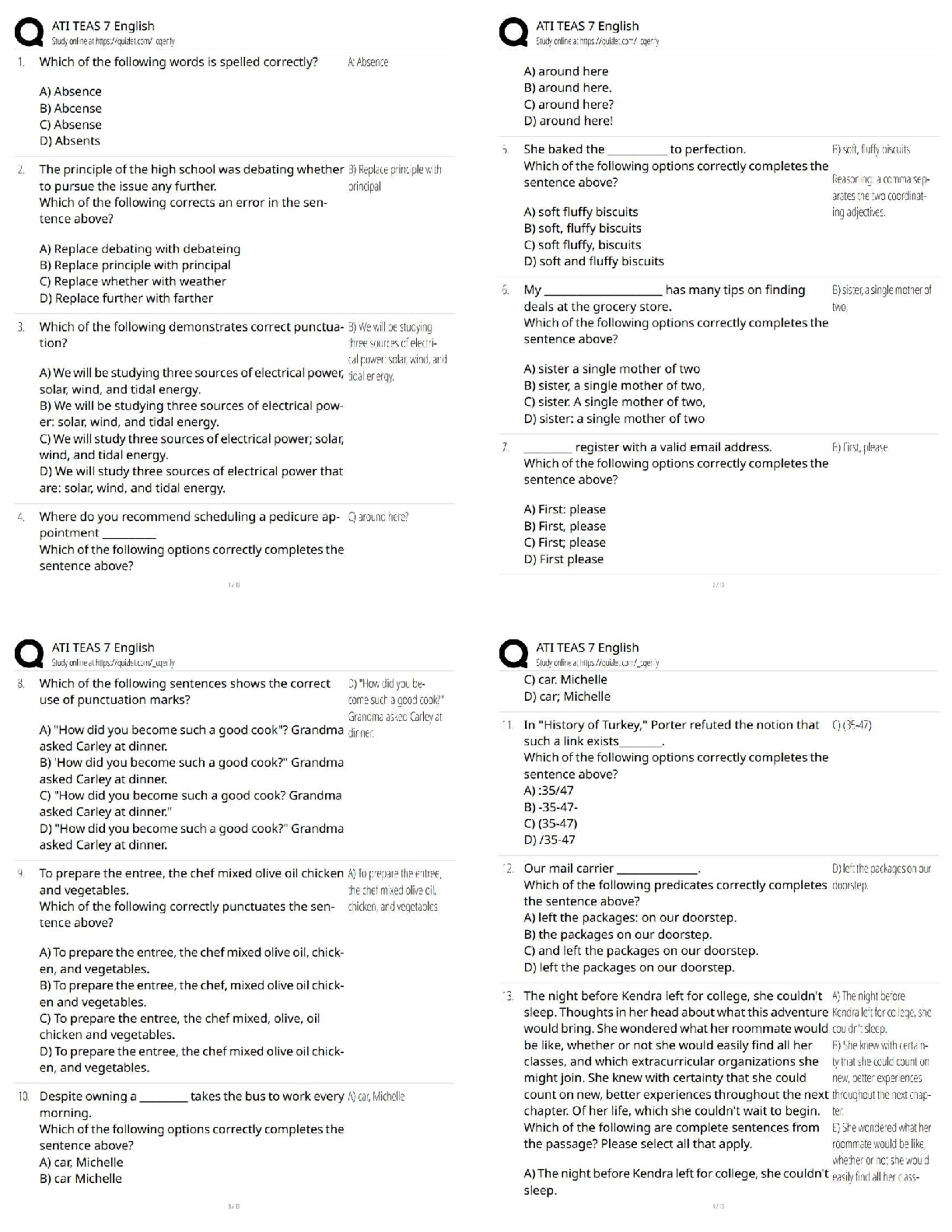
Master The ATI TEAS 7 English Section With This Verified Test Bank. Improve Grammar,...
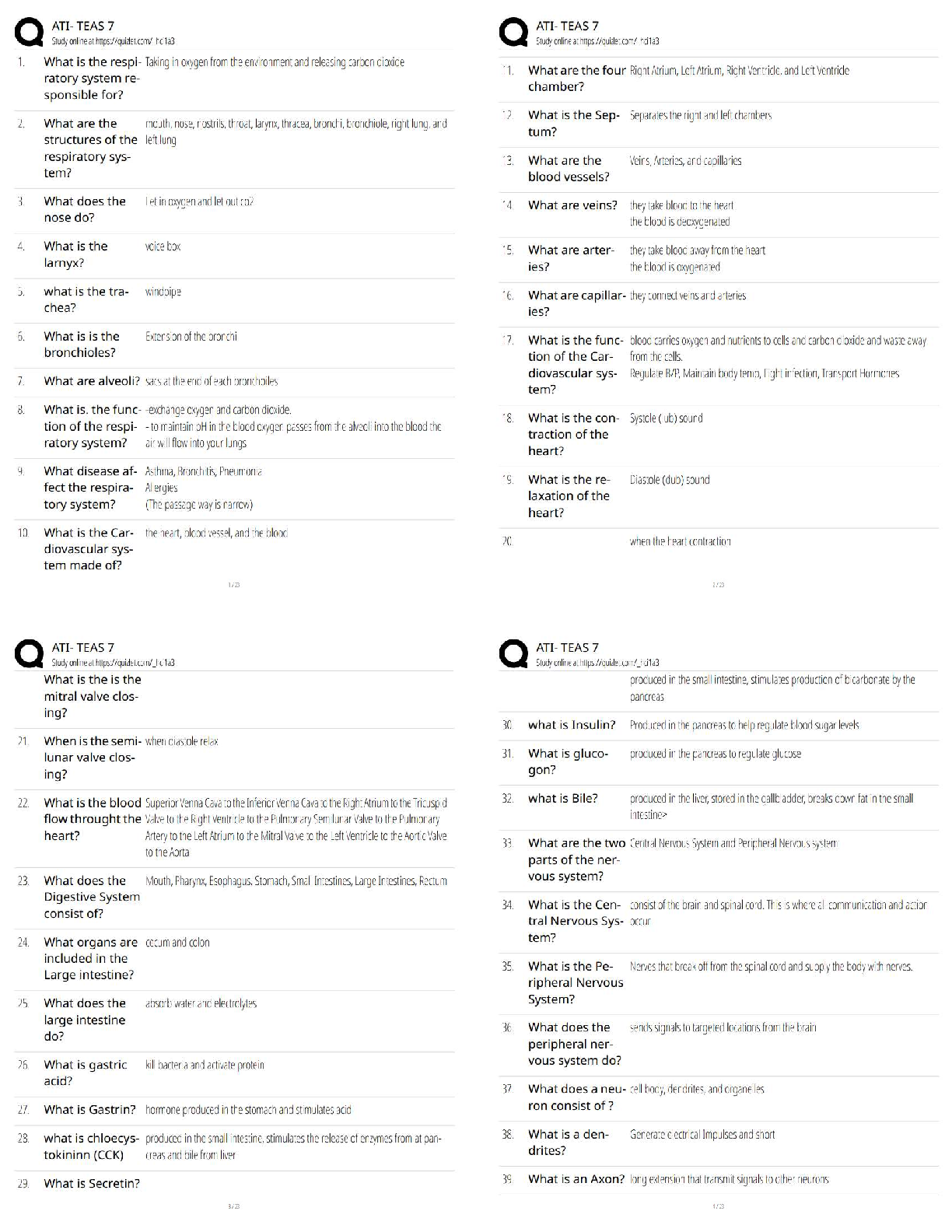
Master ATI TEAS 7 With Our Verified 2026 Test Bank. Covers Respiratory, Cardiovascula...
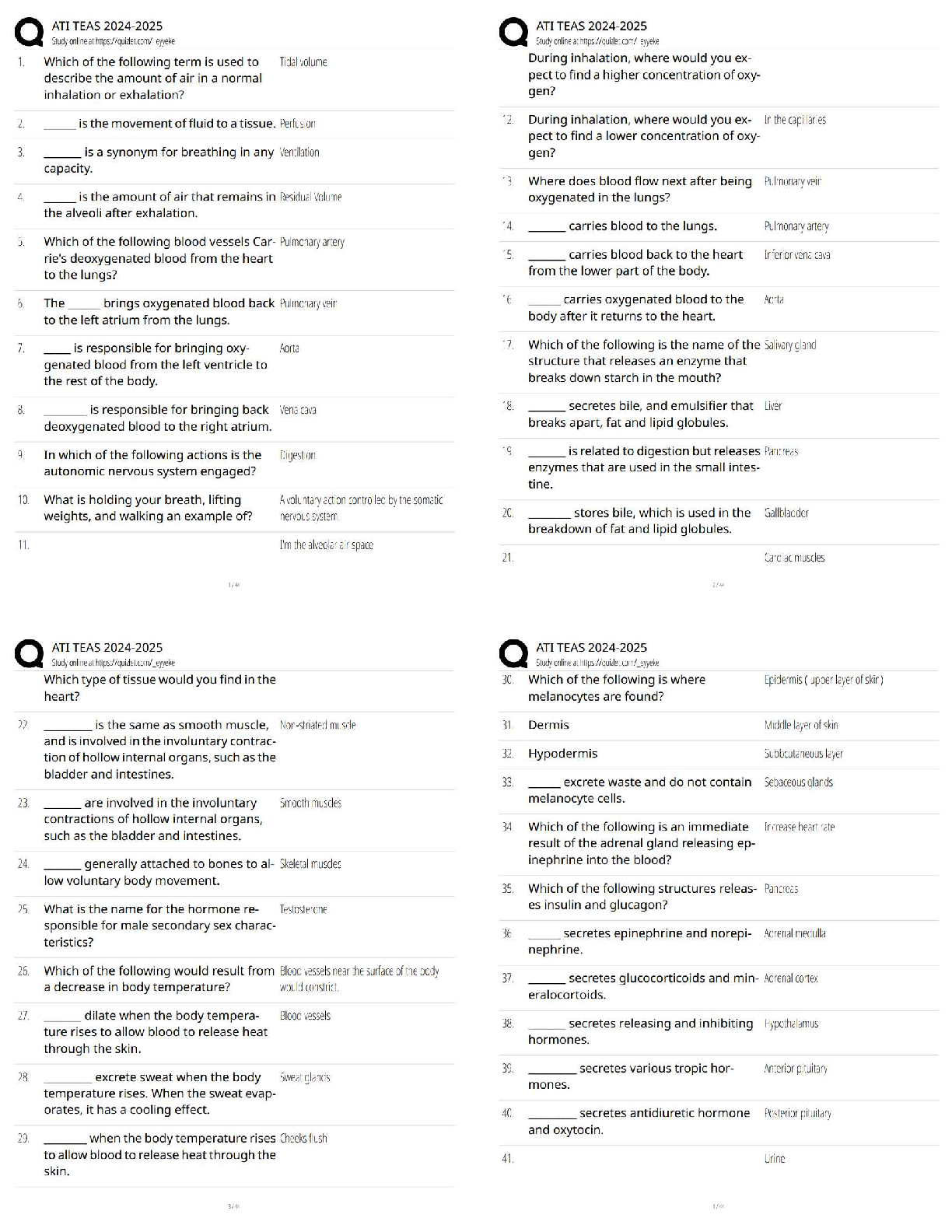
Ace The ATI TEAS 7 Exam On Your First Try. Access Hundreds Of Practice Questions, Det...