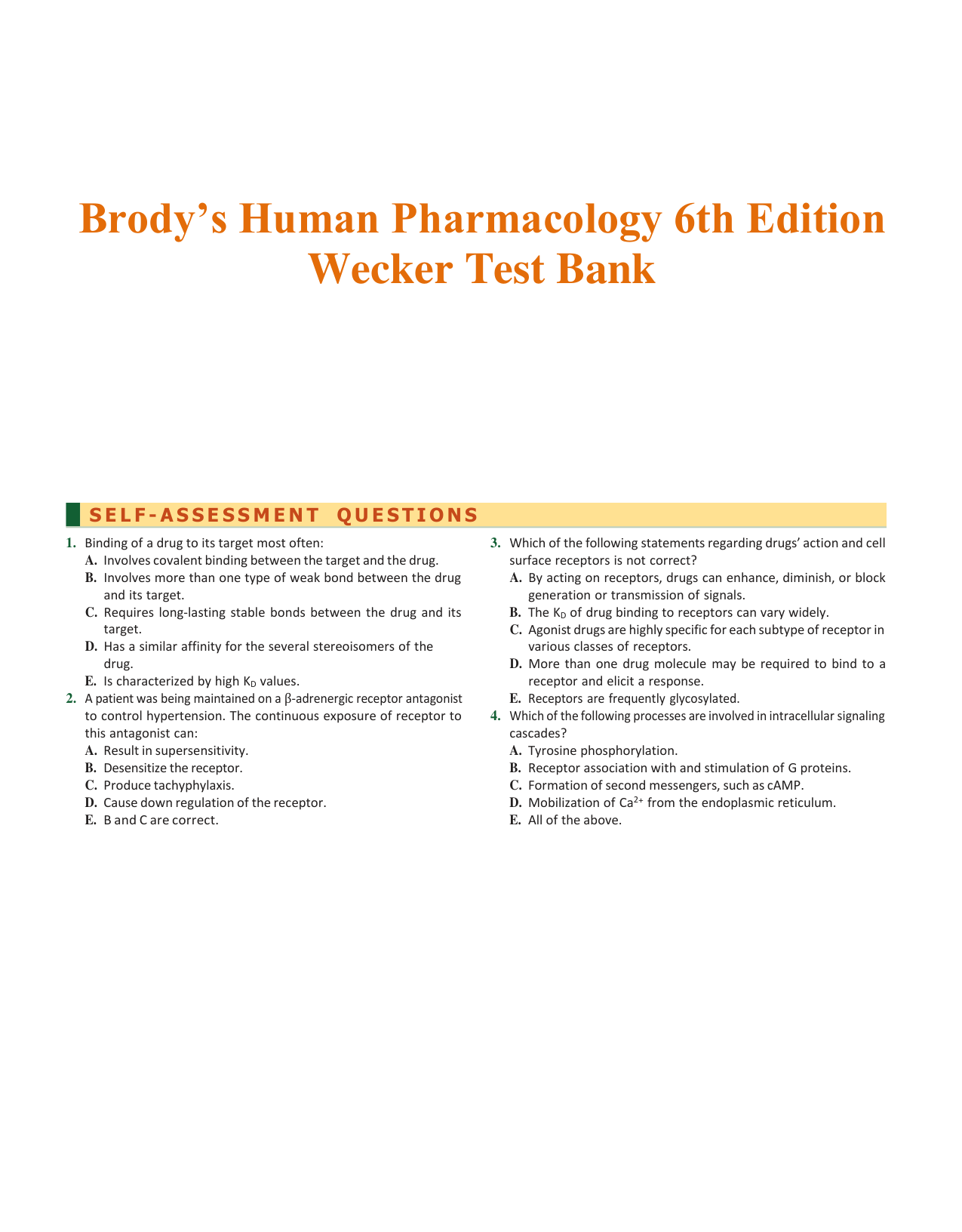
Brody’s Human Pharmacology 6th Edition Brody’s Human Pharmacology 6th Edition

Pharmacology

Brody’s Human Pharmacology 6th Edition


Is A Comprehensive Assessment Resource Designed To Evaluate Students’ Understanding Of Human Pharmacology
Description

Test Bank for Brody’s Human Pharmacology (6th Edition) by Lynn Wecker is a comprehensive assessment resource designed to enhance students’ understanding of human pharmacology by evaluating their knowledge of drug mechanisms, therapeutic applications, clinical decision-making, and safe medication use. Organized by chapter, the test bank provides a wide range of assessment questions that reinforce key pharmacological concepts, including pharmacokinetics, pharmacodynamics, drug-receptor interactions, pharmacotherapy, and the relationship between drugs, human physiology, and disease processes.

Designed to complement Brody’s Human Pharmacology, this test bank integrates basic science concepts with clinical applications by emphasizing how medications affect body systems, alter physiological processes, and contribute to the prevention and treatment of disease. It supports learners in developing critical-thinking skills by applying pharmacological principles to clinical scenarios, patient responses, and therapeutic decision-making.

The resource assists instructors in developing quizzes, examinations, and review activities while helping students prepare for advanced coursework and professional practice in medicine, pharmacy, nursing, biomedical sciences, and other healthcare disciplines.

Major Topics Covered Include:
Foundations of human pharmacology
Principles of drug therapy
Drug development, regulation, and approval processes
Drug nomenclature and classification
Pharmacokinetics:
Drug absorption
Drug distribution
Drug metabolism
Drug elimination
Bioavailability
Half-life
Clearance
Pharmacodynamics:
Drug-receptor interactions
Mechanisms of drug action
Agonists and antagonists
Dose-response relationships
Therapeutic index
Cellular and molecular mechanisms of drug action
Signal transduction pathways
Pharmacogenetics and individualized therapy
Adverse drug reactions and toxicity
Drug interactions
Medication safety principles
Autonomic nervous system pharmacology:
Cholinergic drugs
Adrenergic drugs
Sympathetic and parasympathetic regulation
Central nervous system pharmacology:
Neurotransmitters
Sedatives and hypnotics
Anxiolytics
Antidepressants
Antipsychotics
Antiepileptic medications
Drugs for neurodegenerative disorders
Cardiovascular pharmacology:
Antihypertensive medications
Diuretics
Antianginal agents
Antiarrhythmic drugs
Heart failure medications
Anticoagulants and antiplatelet agents
Lipid-lowering medications
Respiratory pharmacology:
Asthma medications
COPD therapies
Respiratory infection treatments
Endocrine pharmacology:
Diabetes medications
Insulin therapy
Thyroid medications
Corticosteroids
Reproductive hormones
Gastrointestinal pharmacology:
Acid-reducing agents
Antiemetics
Gastrointestinal motility drugs
Renal pharmacology
Anti-infective pharmacology:
Antibiotics
Antivirals
Antifungals
Antiparasitic agents
Immunologic pharmacology:
Immunosuppressants
Immunomodulators
Vaccines
Inflammatory and pain management pharmacology:
NSAIDs
Opioids
Anti-inflammatory therapies
Oncology pharmacology:
Chemotherapeutic agents
Targeted therapies
Cancer treatment principles
Dermatologic pharmacology
Emergency and critical care medications
Toxicology and overdose management
Complementary and alternative medication considerations
The Test Bank Helps Students Develop the Ability To:
Explain the fundamental principles of human pharmacology.
Describe how drugs interact with biological systems to produce therapeutic effects.
Apply pharmacokinetic and pharmacodynamic concepts to medication therapy.
Explain mechanisms of action for major drug classes.
Relate drug effects to physiological processes and disease states.
Analyze therapeutic benefits, adverse effects, contraindications, and safety considerations.
Evaluate clinically important drug interactions.
Understand factors affecting individual variation in drug response.
Apply pharmacological knowledge to clinical case scenarios.
Interpret laboratory findings and patient responses related to medication therapy.
Develop evidence-based approaches to pharmacological treatment decisions.
Strengthen clinical reasoning and critical-thinking skills in drug therapy.
Assessment Formats Commonly Include:
Multiple-choice questions
Clinical application questions
Drug mechanism questions
Pharmacotherapy case studies
Patient scenario-based questions
Adverse effect and safety questions
Drug classification exercises
Critical-thinking and clinical reasoning questions
Key Features:
Chapter-by-chapter organization aligned with Brody’s Human Pharmacology (6th Edition)
Integration of molecular pharmacology with clinical applications
Emphasis on mechanisms of action and therapeutic outcomes
Application-focused questions that reinforce clinical reasoning
Coverage of major organ systems and disease-related pharmacotherapy
Suitable for classroom assessment, exam preparation, and independent review

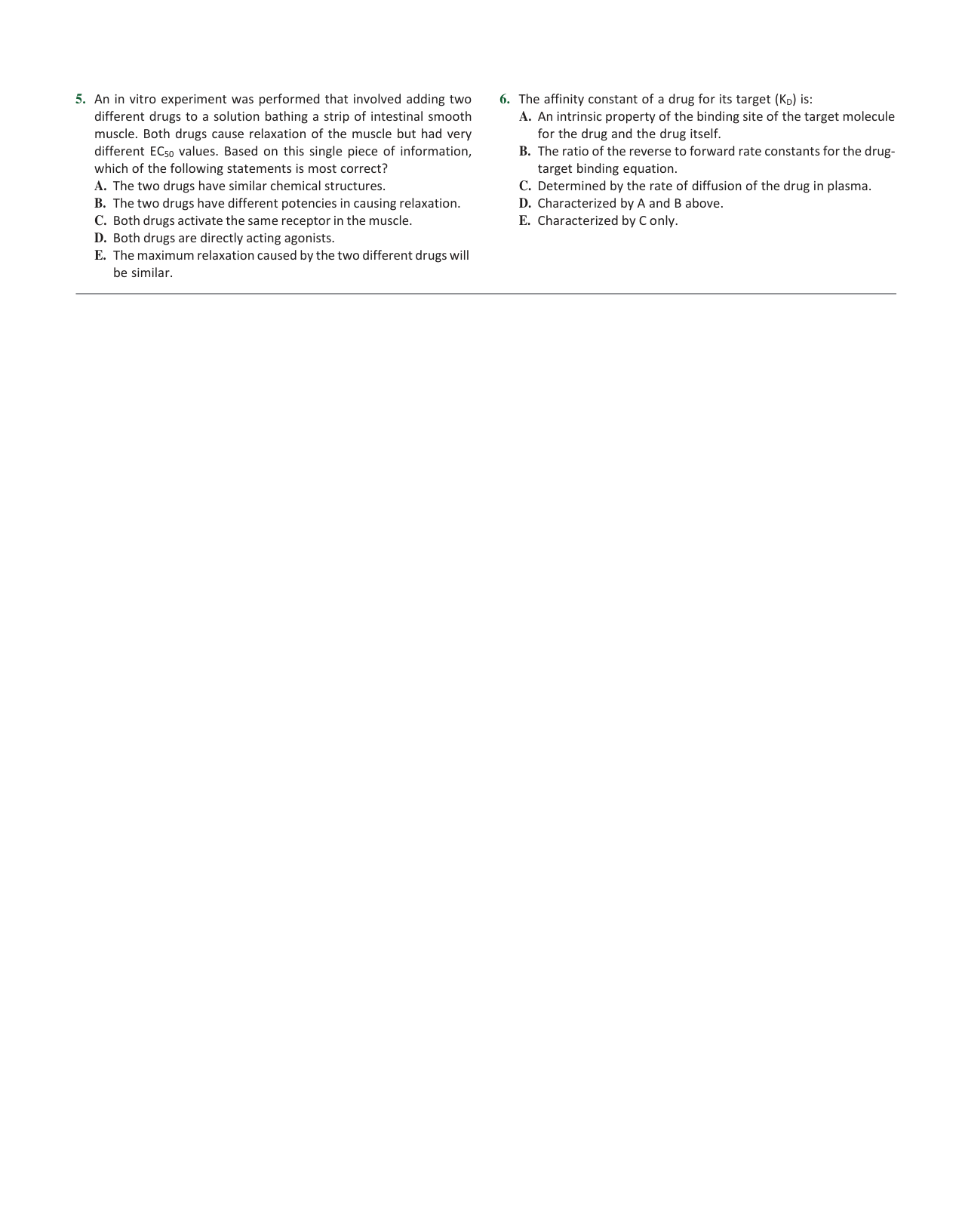
PDF Sample
1 / 3
Brody’s Human Pharmacology 6th Edition IMG-1
Brody’s Human Pharmacology 6th Edition IMG-2
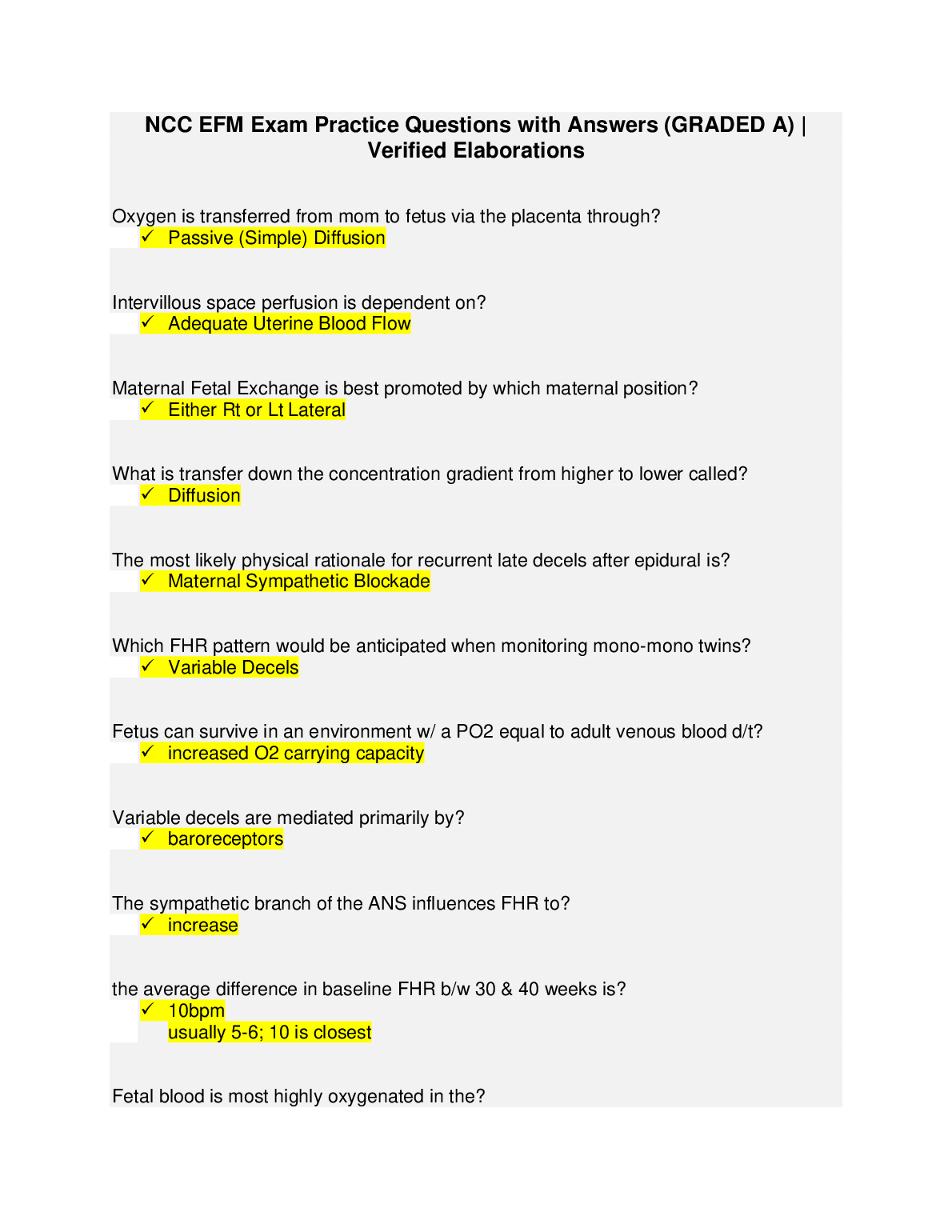
Brody’s Human Pharmacology 6th Edition IMG-3
Who is this Document for ?

Medical Students, Pharmacy Students, Nursing Students, Allied Health Students, Healthcare Educators and Faculty, Healthcare Professionals and Examination Preparation Learners.
What you will learn ?
Explain the fundamental principles of human pharmacology and their importance in healthcare practice.
Describe the relationship between drugs, biological systems, physiological processes, and disease states.
Explain pharmacokinetic principles, including absorption, distribution, metabolism, elimination, bioavailability, clearance, and half-life.
Describe pharmacodynamic principles, including receptor binding, mechanisms of action, agonists, antagonists, dose-response relationships, and therapeutic index.
Analyze cellular and molecular mechanisms involved in drug actions and therapeutic responses.
Explain how drugs influence major organ systems and physiological functions.
Identify major drug classifications and describe their therapeutic uses and clinical applications.
Explain the role of neurotransmitters and signaling pathways in pharmacological responses.
Describe autonomic nervous system pharmacology, including cholinergic and adrenergic drug actions.
Apply principles of central nervous system pharmacology to medications used for neurological and psychiatric disorders.
Explain the mechanisms, indications, and adverse effects of medications used to treat cardiovascular disorders.
Describe pharmacological approaches for hypertension, heart failure, arrhythmias, angina, dyslipidemia, and thromboembolic disorders.
Explain respiratory pharmacology and the use of medications for asthma, COPD, and pulmonary conditions.
Describe endocrine pharmacology, including insulin, diabetes medications, thyroid drugs, corticosteroids, and hormonal therapies.
Explain gastrointestinal pharmacology and the therapeutic use of medications affecting digestive function.
Describe renal pharmacology and medications influencing fluid balance and kidney function.
Explain the mechanisms and clinical applications of anti-infective medications, including antibiotics, antivirals, antifungals, and antiparasitic drugs.
Analyze antimicrobial mechanisms, resistance patterns, and principles of appropriate anti-infective therapy.
Describe immunologic pharmacology, including vaccines, immunosuppressants, and immune-modifying therapies.
Explain pharmacological approaches to inflammation, pain management, and musculoskeletal disorders.
Describe opioid pharmacology, analgesic mechanisms, tolerance, dependence, and safety considerations.
Explain the pharmacological principles of cancer treatment, including chemotherapy and targeted therapies.
Identify factors affecting individual drug responses, including genetics, age, disease conditions, and environmental influences.
Explain the principles of pharmacogenetics and personalized medicine.
Identify adverse drug reactions, toxicity, contraindications, precautions, and clinically significant drug interactions.
Apply medication safety principles to reduce preventable drug-related harm.
Evaluate therapeutic outcomes using patient assessment findings, laboratory data, and clinical response.
Apply evidence-based pharmacological knowledge to patient care and treatment planning.
Integrate pharmacology concepts into clinical reasoning and healthcare decision-making.
Analyze clinical cases involving drug selection, dosing, monitoring, and patient response.
Develop critical-thinking and problem-solving skills related to pharmacotherapy.
Apply pharmacology knowledge to medical, pharmacy, nursing, and allied health examination-style questions.
Demonstrate readiness to safely evaluate and manage medication therapy in clinical practice.
What do you get with this PDF ?
Instant access after purchase
Download in PDF format
DRM free, read anywhere
Document details
Last update :
Jul 22, 2026
Length :
88 pages
Edition :
2026
Language :
English
Category :
Keywords
Brody’s Human Pharmacology Brody’s Human Pharmacology 6th Edition Wecker Pharmacology Test Bank Human Pharmacology Clinical Pharmacology Basic Pharmacology Pharmacotherapy Drug Therapy Medication Management Drug Actions Drug Mechanisms Pharmacokinetics Pharmacodynamics Drug Absorption Drug Distribution Drug Metabolism Drug Elimination Bioavailability Half-life Drug Clearance Therapeutic Index Drug Receptors Receptor Binding Agonists Antagonists Dose Response Relationship Cellular Pharmacology Molecular Pharmacology Signal Transduction Pharmacogenetics Personalized Medicine Adverse Drug Reactions Drug Toxicity Drug Interactions Medication Safety Evidence-based Pharmacology Clinical Decision Making Critical Thinking Autonomic Nervous System Pharmacology Cholinergic Drugs Adrenergic Drugs Sympathetic Nervous System Parasympathetic Nervous System Central Nervous System Pharmacology Neurotransmitters Neurological Drugs Psychiatric Pharmacology Antidepressants Antipsychotics Anxiolytics Sedatives Hypnotics Antiepileptic Drugs Neurodegenerative Disease Medications Cardiovascular Pharmacology Antihypertensive Drugs Diuretics Antianginal Drugs Antiarrhythmic Drugs Heart Failure Medications Anticoagulants Antiplatelet Drugs Lipid-lowering Drugs Respiratory Pharmacology Asthma Medications COPD Medications Bronchodilators Endocrine Pharmacology Diabetes Medications Insulin Therapy Thyroid Drugs Corticosteroids Hormonal Therapy Gastrointestinal Pharmacology Renal Pharmacology Anti-infective Pharmacology Antibiotics Antivirals Antifungals Antiparasitic Drugs Antimicrobial Resistance Immunopharmacology Vaccines Immunosuppressants Anti-inflammatory Drugs Pain Management Analgesics Opioids Oncology Pharmacology Chemotherapy Targeted Cancer Therapy Dermatologic Pharmacology Emergency Pharmacology Toxicology Complementary Medicine Medical Students Pharmacy Students Nursing Students Physician Assistant Students Biomedical Science Students Healthcare Education Pharmacology Review Clinical Case Studies Drug Safety Therapeutic Outcomes Patient Care Evidence-based Medicine.
You may also be interested in :
Recommendations for you
Rang and Dale's Pharmacology 8th Edition TEST BANK
Rang And Dale's Pharmacology 8th Edition Test Bank

Is A Comprehensive Assessment Resource Designed To Support Students In Mastering The...

$17
Essentials of Pharmacology for Health Professions 8th Ed
Essentials Of Pharmacology For Health Professions 8th Ed

Focusing On Essential Drug Information And Clinical Application, With Patient Educati...

$18
Focus on Nursing Pharmacology 7th Edition TEST BANK
Focus On Nursing Pharmacology 7th Edition Test Bank

Is A Comprehensive Assessment Resource Designed To Help Nursing Students Master Essen...

$17
Focus on Nursing Pharmacology 6th Edition TEST BANK
Focus On Nursing Pharmacology 6th Edition Test Bank

Is A Comprehensive Assessment Resource Designed To Help Nursing Students Master Essen...

$16