
Test bank
Rang And Dale's Pharmacology 8th Edition Test Bank
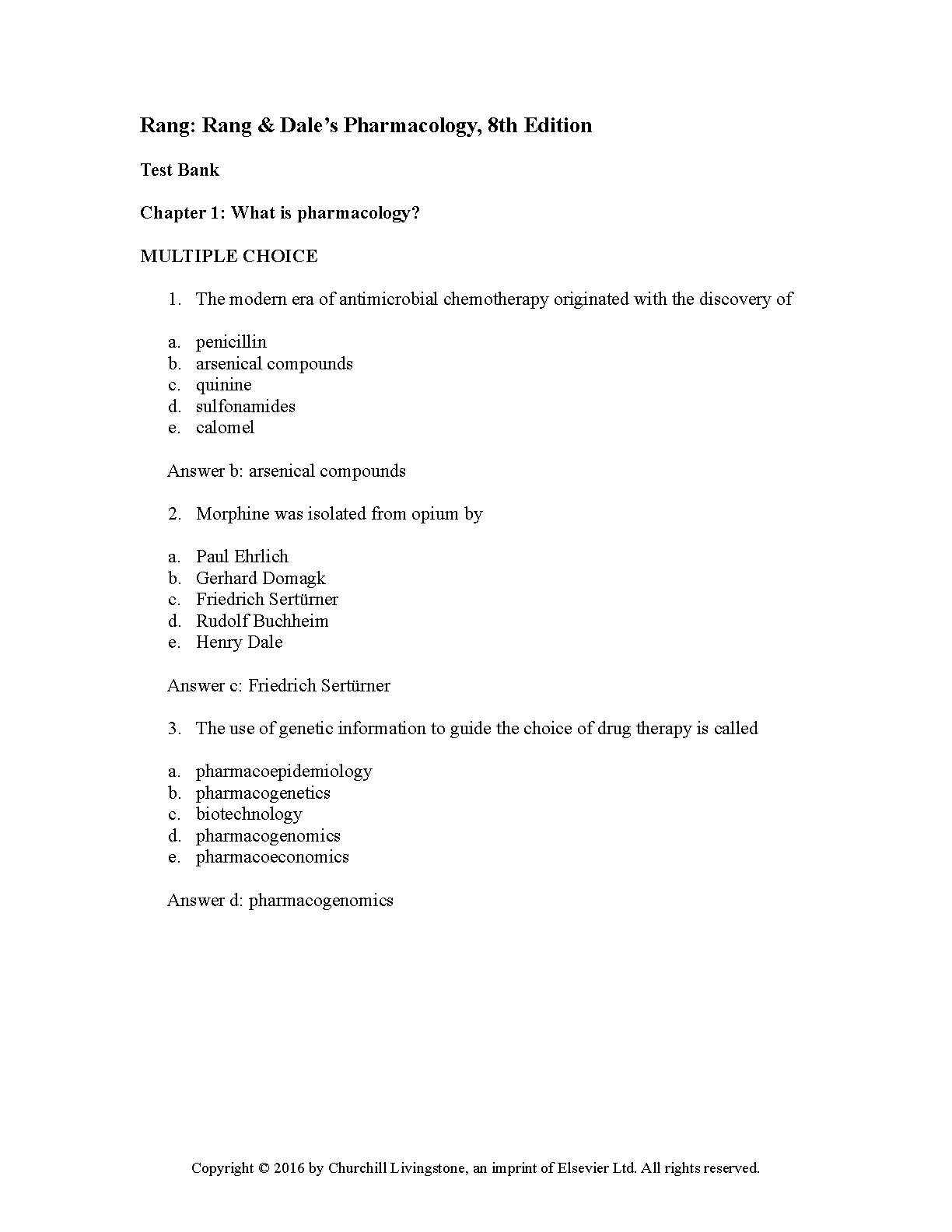
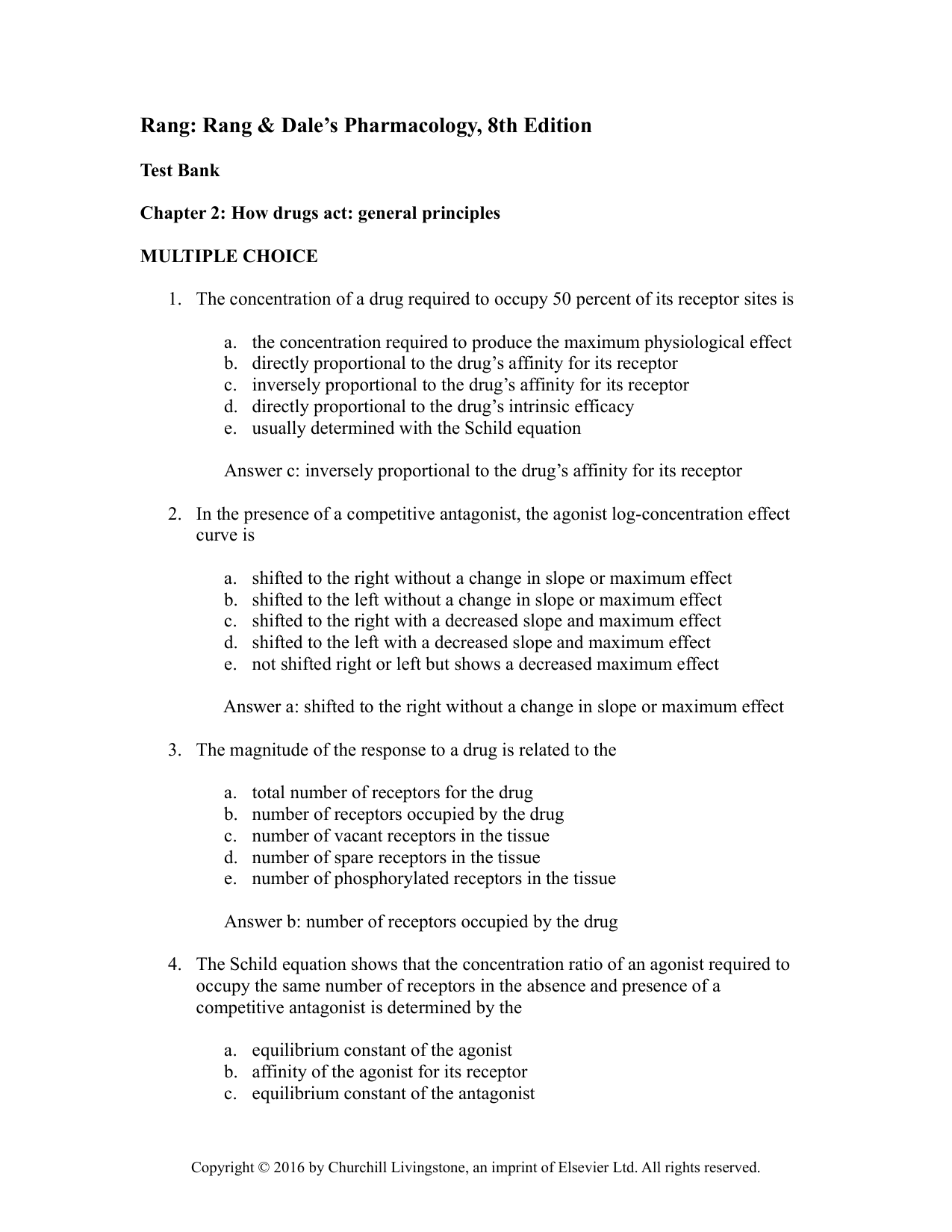
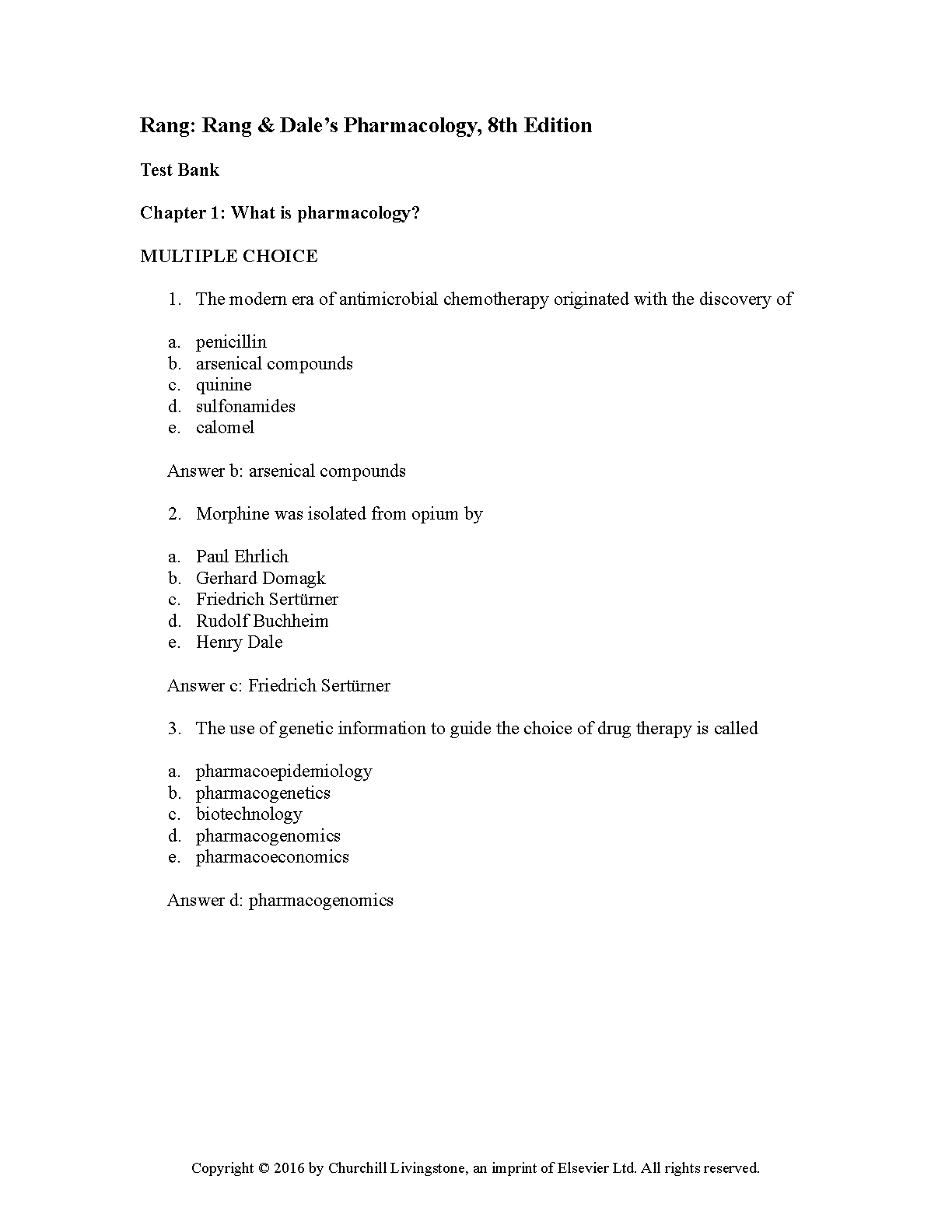
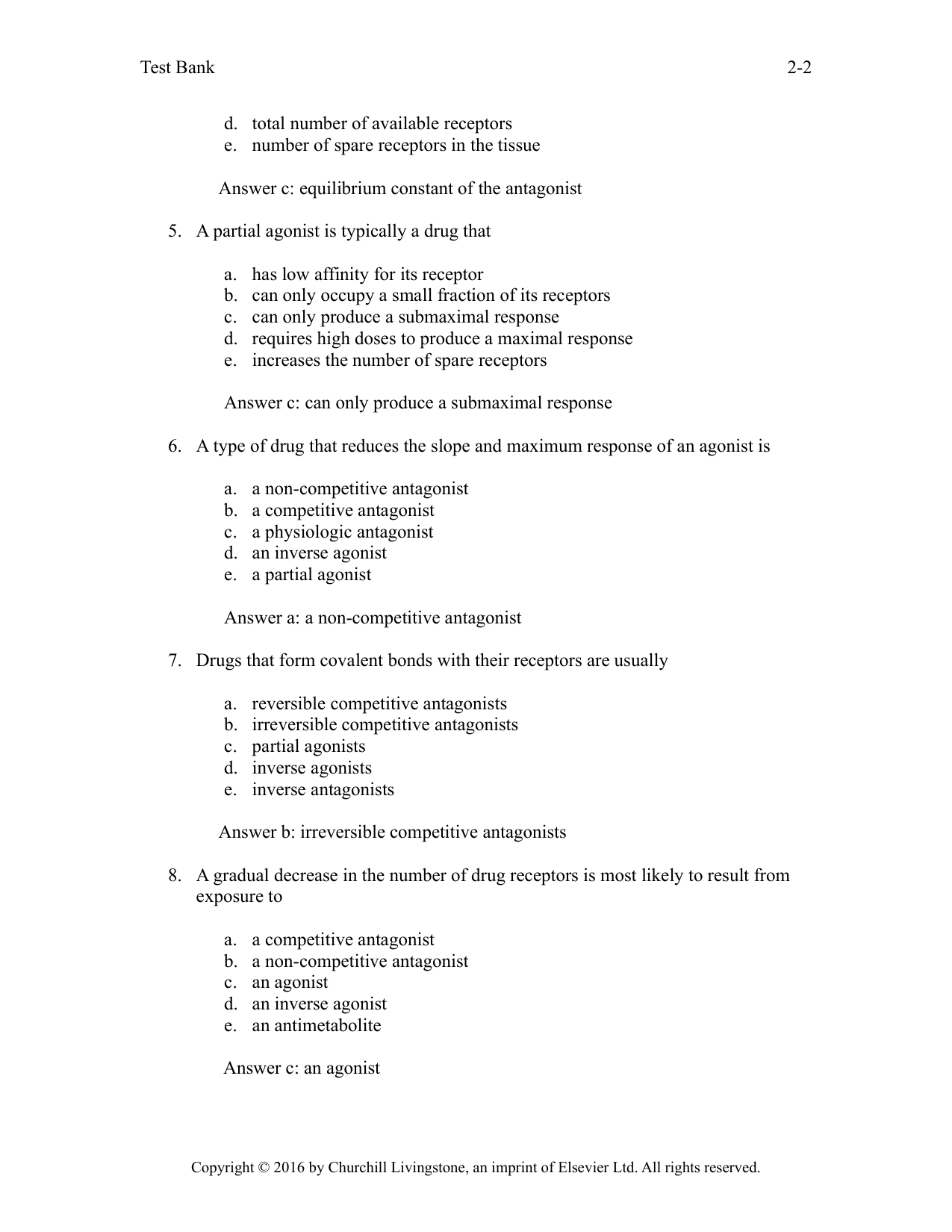
Test Bank for Rang & Dale’s Pharmacology (8th Edition) by James M. Ritter DPhil, Rod J. Flower, Graeme Henderson, Humphrey P. Rang is a comprehensive assessment resource designed to reinforce students’ understanding of modern pharmacology, drug actions, and clinical therapeutics. It provides a structured collection of questions that evaluate learners’ knowledge of fundamental pharmacological principles, molecular mechanisms of drug action, therapeutic applications, and the safe and effective use of medicines in clinical practice.
Designed to complement Rang & Dale’s Pharmacology, this test bank integrates basic science concepts with clinical relevance by emphasizing how drugs interact with biological systems, influence physiological processes, and contribute to the prevention and treatment of disease. It supports the development of critical-thinking skills by requiring students to apply pharmacological concepts to clinical situations, therapeutic decisions, and patient responses.
The resource is organized to help instructors create examinations, quizzes, and review activities while allowing students to assess their understanding of pharmacology and prepare for advanced study in medicine, pharmacy, nursing, and other healthcare disciplines.
Major Topics Covered Include:
Introduction to pharmacology
Principles of drug action
History and development of pharmacology
Drug discovery, development, and regulation
Drug nomenclature and classification
Pharmacokinetics:
Drug absorption
Drug distribution
Drug metabolism
Drug elimination
Bioavailability
Volume of distribution
Clearance
Half-life
Pharmacodynamics:
Drug receptors
Ligand-receptor interactions
Agonists and antagonists
Partial agonists
Dose-response relationships
Therapeutic index
Molecular mechanisms of drug action
Signal transduction pathways
Cellular targets of drug therapy
Pharmacogenetics and personalized medicine
Adverse drug reactions
Drug toxicity
Drug interactions
Clinical trials and evidence-based therapeutics
System-Based Pharmacology Topics Include:
Autonomic Nervous System Pharmacology
Cholinergic transmission
Muscarinic and nicotinic receptors
Anticholinergic drugs
Adrenergic receptors
Sympathomimetics
Adrenergic antagonists
Central Nervous System Pharmacology
Neurotransmission
Anesthetics
Sedatives and hypnotics
Anxiolytics
Antidepressants
Antipsychotics
Antiepileptic drugs
Drugs for neurodegenerative disorders
Substance dependence and addiction pharmacology
Cardiovascular Pharmacology
Drugs affecting blood pressure
Diuretics
Renin-angiotensin system drugs
Calcium channel blockers
Beta blockers
Antianginal medications
Antiarrhythmic drugs
Heart failure medications
Anticoagulants
Antiplatelet agents
Lipid-lowering therapies
Respiratory Pharmacology
Bronchodilators
Asthma therapies
COPD medications
Anti-inflammatory respiratory drugs
Endocrine Pharmacology
Insulin and diabetes medications
Thyroid drugs
Corticosteroids
Sex hormones
Hormonal contraceptives
Drugs affecting bone metabolism
Gastrointestinal Pharmacology
Acid secretion inhibitors
Gastrointestinal motility drugs
Antiemetics
Laxatives
Drugs for inflammatory bowel disorders
Anti-Infective Pharmacology
Antibacterial drugs
Antiviral drugs
Antifungal drugs
Antiparasitic medications
Antimicrobial mechanisms
Drug resistance
Inflammation and Immunology
NSAIDs
Anti-inflammatory agents
Immunosuppressants
Immunomodulators
Vaccines
Cancer Pharmacology
Anticancer drugs
Chemotherapy principles
Targeted therapies
Hormonal cancer treatments
Additional Pharmacology Areas
Pain pharmacology
Opioid medications
Local anesthetics
Dermatological drugs
Renal pharmacology
Reproductive pharmacology
Emergency and critical care medications
The Test Bank Helps Students Develop the Ability To:
Explain core principles of pharmacology and drug therapy.
Describe mechanisms by which drugs produce therapeutic effects.
Apply pharmacokinetic and pharmacodynamic concepts to clinical practice.
Explain receptor interactions and molecular mechanisms of drug action.
Identify major drug classes and their clinical uses.
Analyze therapeutic benefits, adverse effects, contraindications, and safety concerns.
Evaluate drug interactions and factors influencing medication responses.
Understand the relationship between disease processes and pharmacological treatment.
Apply evidence-based principles to medication selection and therapeutic decision-making.
Interpret clinical information related to drug therapy.
Develop problem-solving and critical-thinking skills in pharmacology.
Connect basic pharmacology knowledge with patient care and clinical practice.
Assessment Formats Commonly Include:
Multiple-choice questions
Drug mechanism questions
Clinical application questions
Case-based pharmacology scenarios
Therapeutic decision-making questions
Adverse effect and toxicity questions
Receptor and molecular pharmacology questions
Critical-thinking exercises
Key Features:
Chapter-aligned organization based on Rang & Dale’s Pharmacology (8th Edition)
Strong integration of molecular, cellular, and clinical pharmacology
Emphasis on mechanisms of action and therapeutic outcomes
Application-focused questions for deeper understanding
Support for classroom examinations and independent review
Useful preparation resource for healthcare-related pharmacology courses
Medical Students, Pharmacy Students, Nursing Students, Allied Health Students, Healthcare Educators and Faculty, Healthcare Professionals and Examination Preparation Learners.
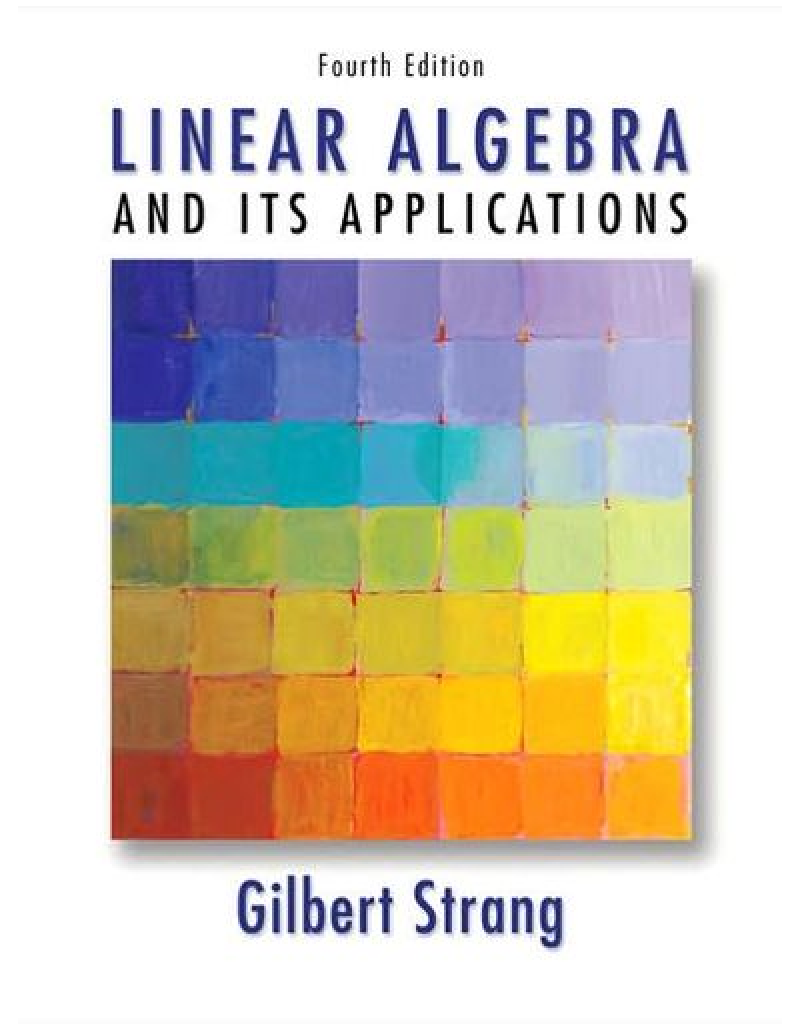
Study Material Covering Equations, Matrices, Vector Spaces, Transformations, Eigenval...
Study Resource Covering Accounting Principles, Financial Statements, Transactions, Th...
Study Resource Covering Financial Reporting, Statement Analysis, Forecasting, Valuati...

Resource Supporting Review Of Financial Performance, Accounting Information, Forecast...