
Test bank
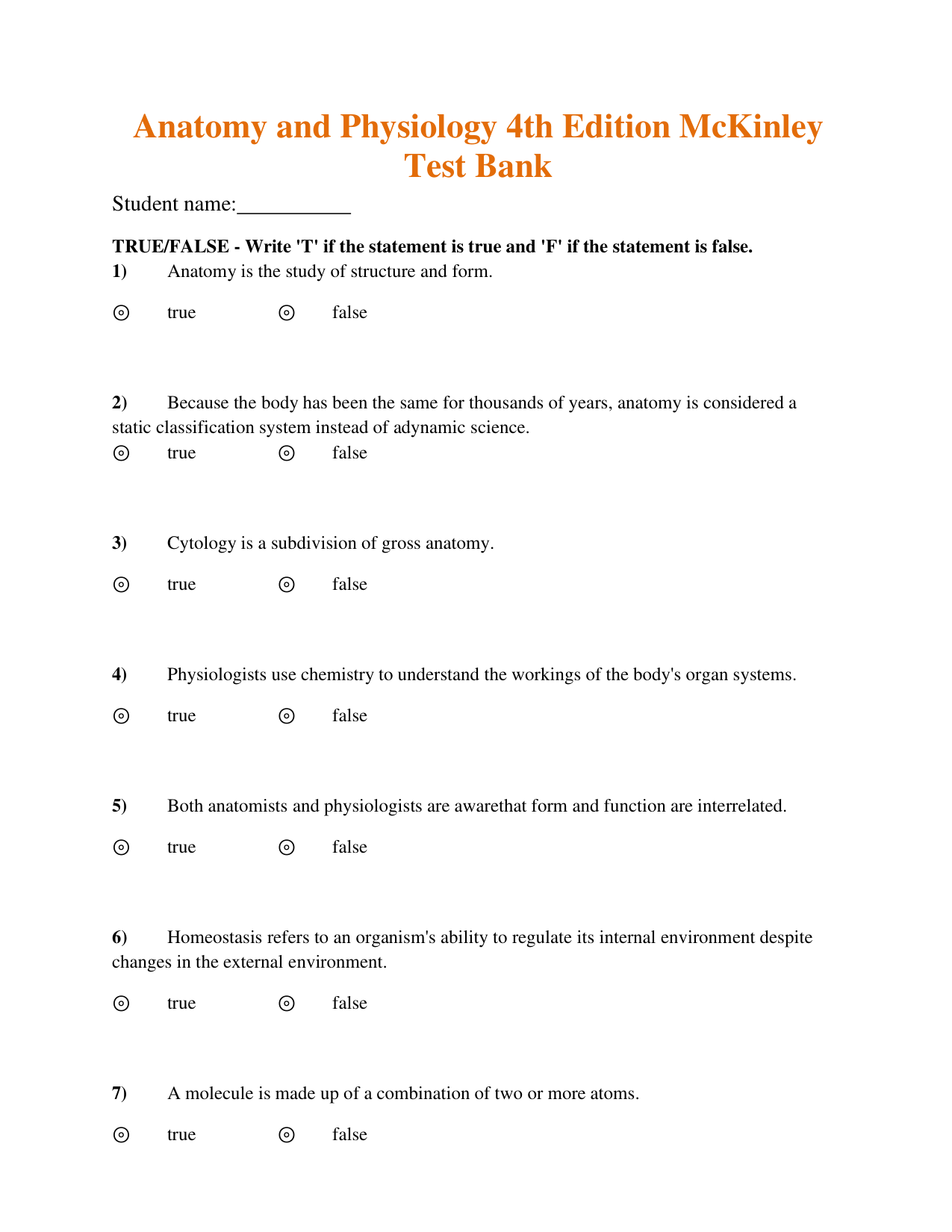
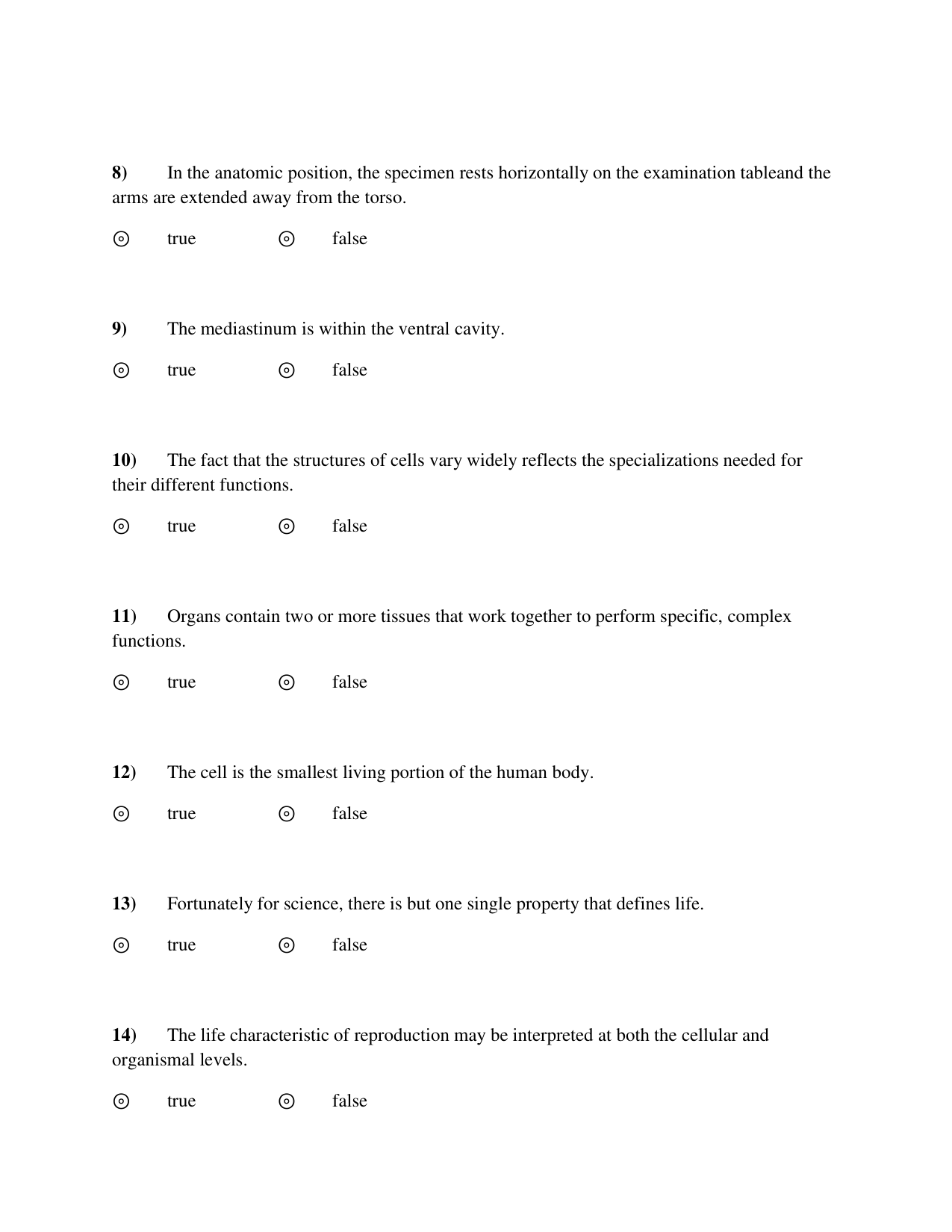
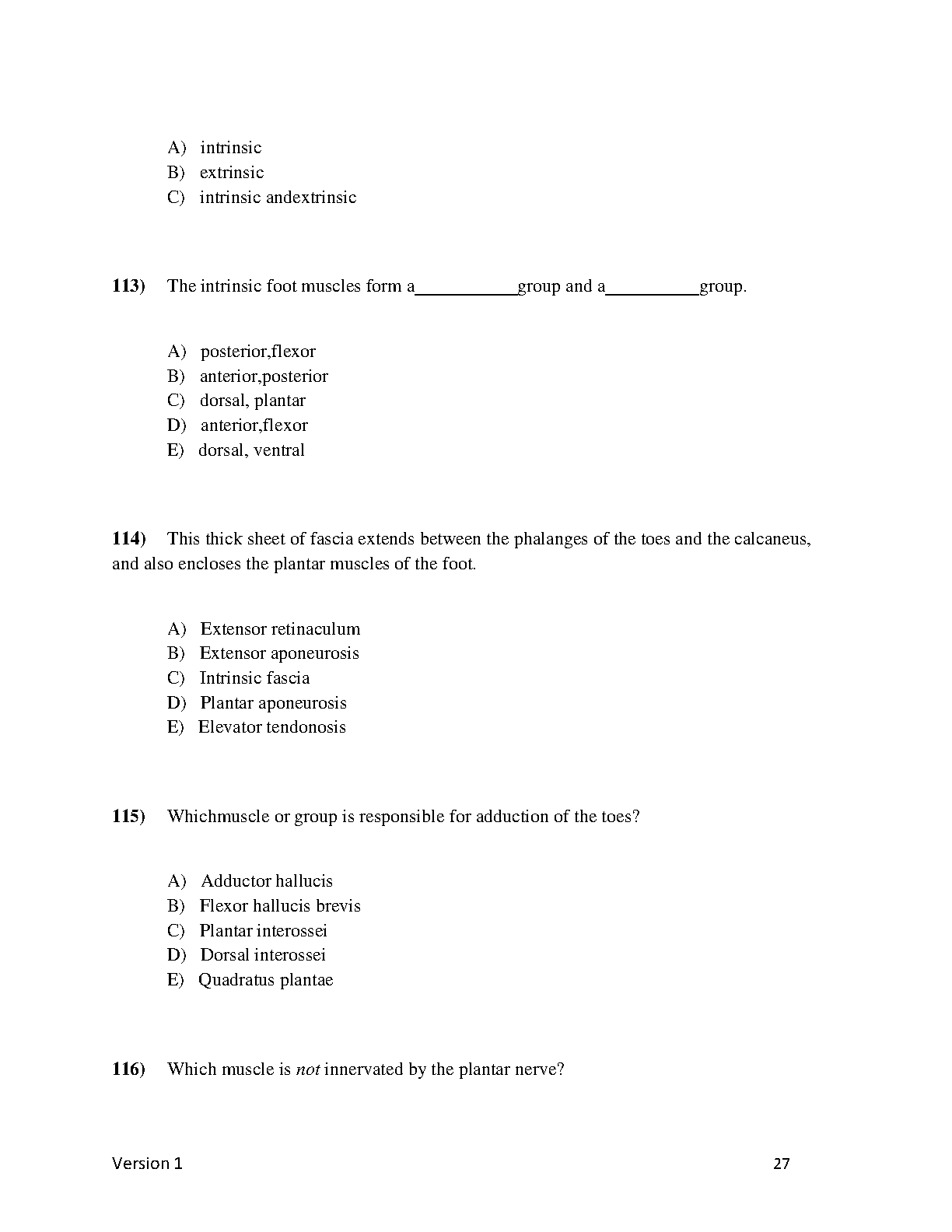
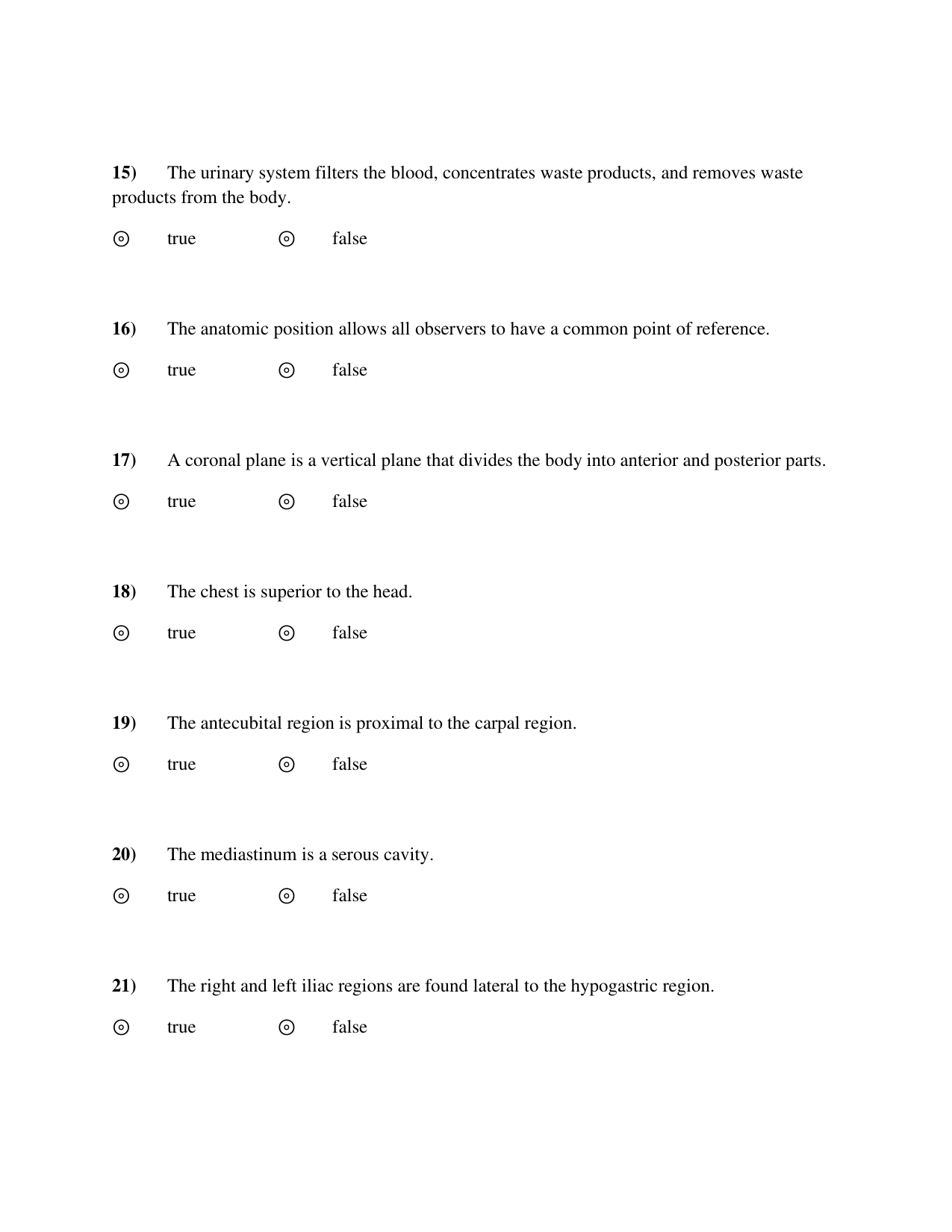
Anatomy And Physiology 4th Edition Test Bank
Anatomy & Physiology: An Integrative Approach (4th Edition) by Michael McKinley and colleagues is a comprehensive human anatomy and physiology textbook designed to help students understand how the structures of the human body work together to maintain life and health. The text uses an integrated approach that emphasizes the relationship between anatomy (structure) and physiology (function), helping learners connect biological concepts to real-world clinical and healthcare situations.
The textbook presents fundamental concepts of human biology, beginning with the organization of the body, chemical foundations, cells, tissues, and homeostasis. It then explores each major body system while highlighting how systems interact and depend on one another to maintain internal balance.
Major topics covered include:
* Foundations of anatomy and physiology
* Anatomical terminology, body regions, planes, and directional references
* Chemical basis of life and biological molecules
* Cell structure, function, metabolism, and cellular communication
* Tissue types and tissue organization
* Homeostasis and feedback mechanisms
* Integumentary system and skin functions
* Skeletal system, bone development, joints, and movement
* Muscular system and muscle physiology
* Nervous system organization and neural communication
* Special senses and sensory physiology
* Endocrine system and hormonal regulation
* Cardiovascular system, blood, and circulation
* Lymphatic and immune systems
* Respiratory system and gas exchange
* Digestive system, metabolism, and nutrition
* Urinary system and regulation of fluid balance
* Reproductive systems and human development
The book emphasizes an integrative learning approach by explaining how body systems interact rather than studying them as isolated units. It incorporates clinical examples, case studies, and health-related applications to demonstrate the relevance of anatomy and physiology in medicine and healthcare practice.
Key learning features commonly include:
* Clear explanations linking structure and function
* Detailed anatomical illustrations and visual learning tools
* Clinical applications connecting concepts to diseases and disorders
* Integration of body systems and physiological processes
* Concept-based organization to support understanding and retention
* Review questions and learning activities to reinforce key concepts
* Emphasis on critical thinking and application of scientific knowledge
This textbook is widely used in introductory anatomy and physiology courses for nursing, allied health, biology, pre-medical, and healthcare-related programs. It provides students with the foundational knowledge needed to understand human health, disease processes, and advanced clinical concepts.
Nursing students, instructors, and exam preparation users.
Nursing students beginning anatomy and physiology coursework
Allied health students
Medical and pre-medical students
Biology and life science students
Physical therapy students
Occupational therapy students
Respiratory therapy students
Physician assistant students
Dental hygiene and dental assisting students
Medical assisting students
Health science and healthcare program students
College and university students enrolled in anatomy and physiology courses
Instructors teaching human anatomy and physiology
Healthcare professionals
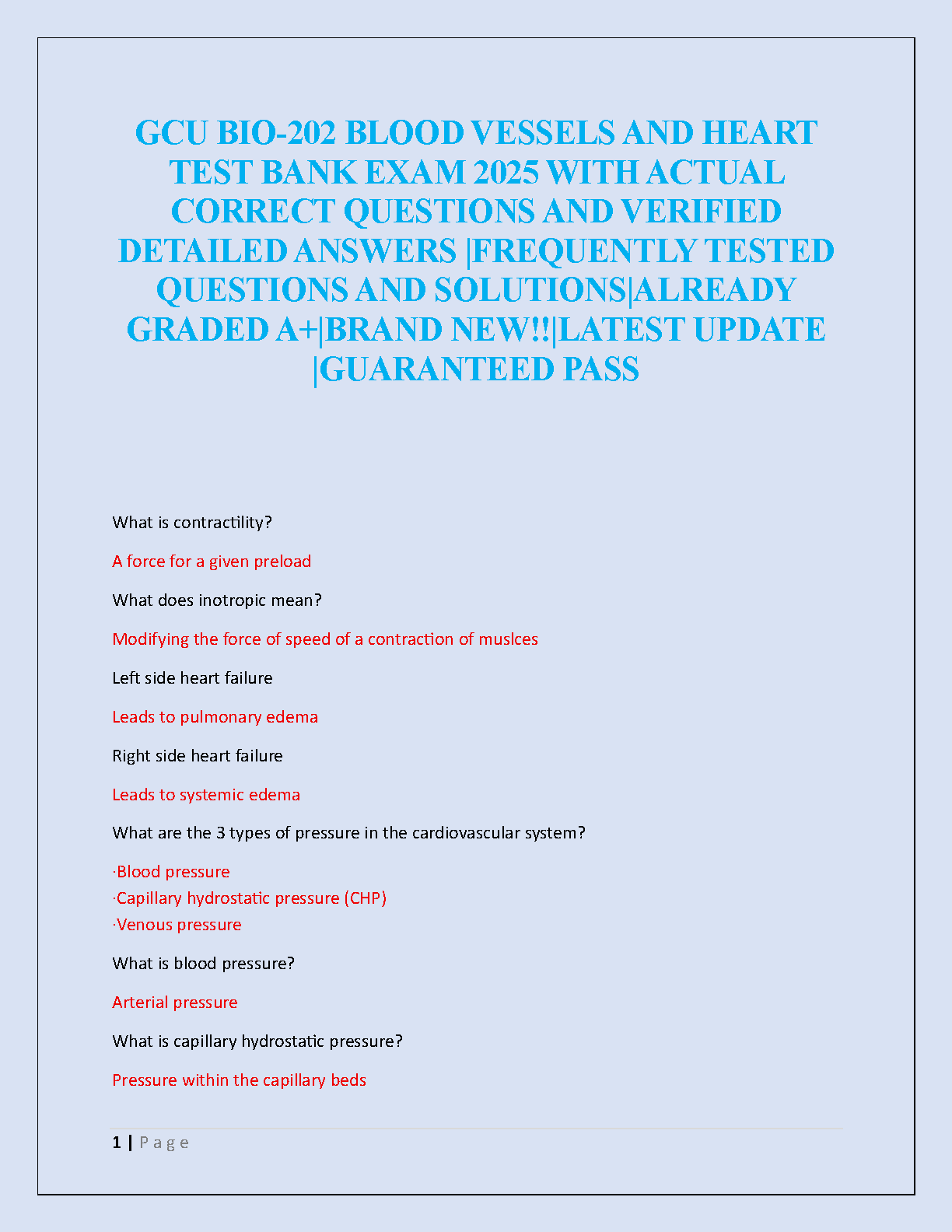
Master Gcu Bio-202 With Verified Answers On Heart Function, Contractility, And Vascul...
Master Gcu Nur 631 Advanced Physiology And Pathophysiology. Access Over 350 Verified...
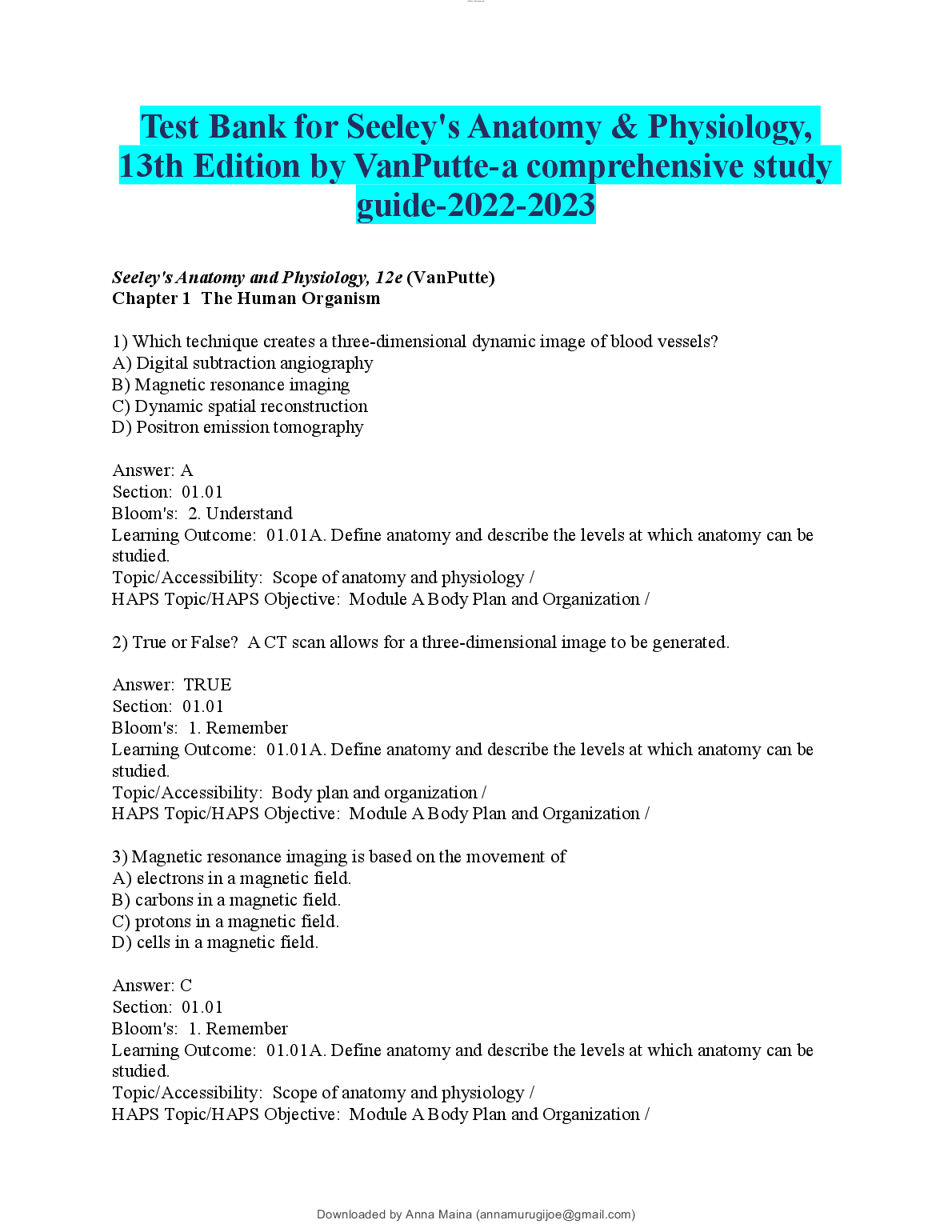
Download The Complete Test Bank For Seeley's Anatomy And Physiology 13th Ed. Includes...
Master A&p With This Comprehensive Test Bank. Thousands Of Practice Questions Aligned...