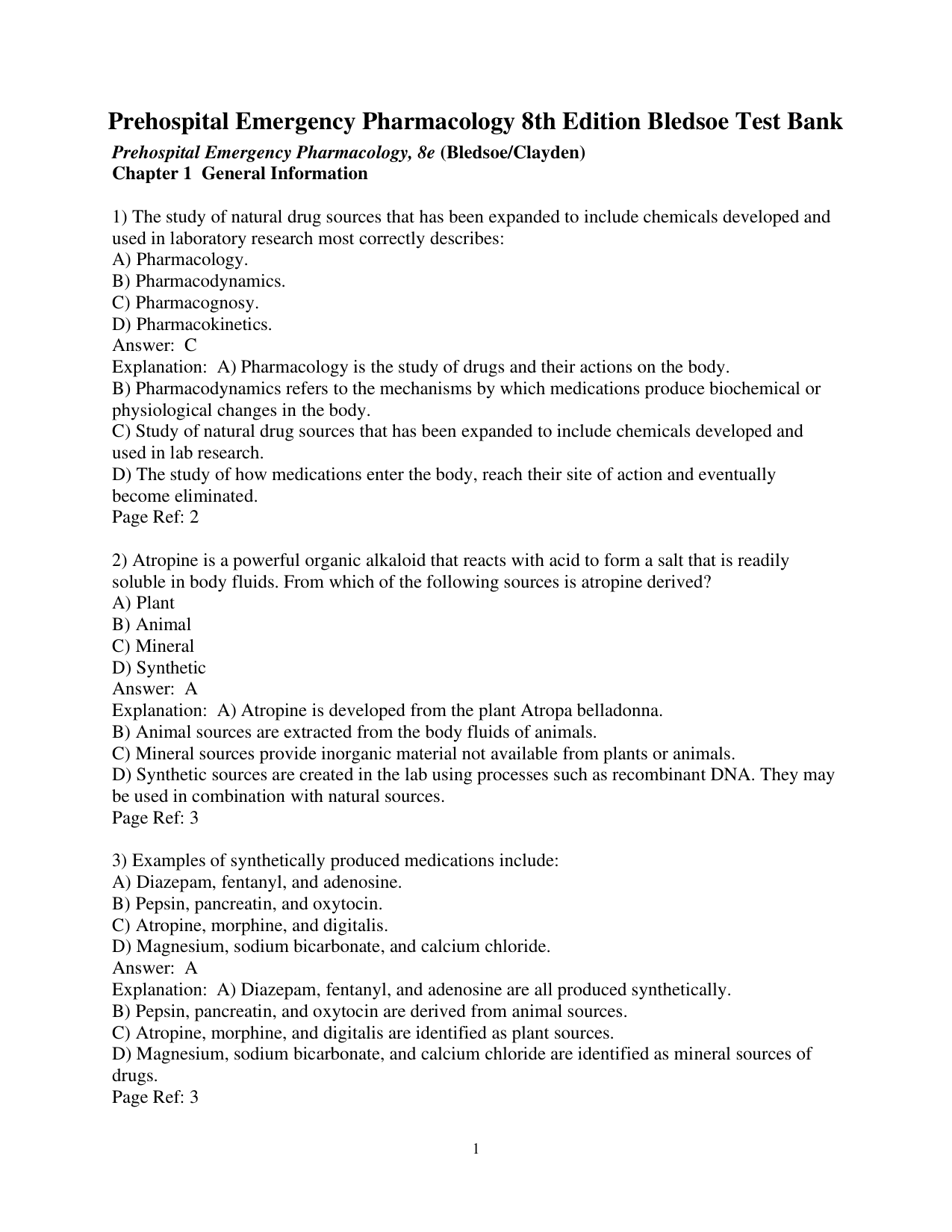
Prehospital Emergency Pharmacology, 8th Edition TEST BANK Prehospital Emergency Pharmacology, 8th Edition TEST BANK

Pharmacology

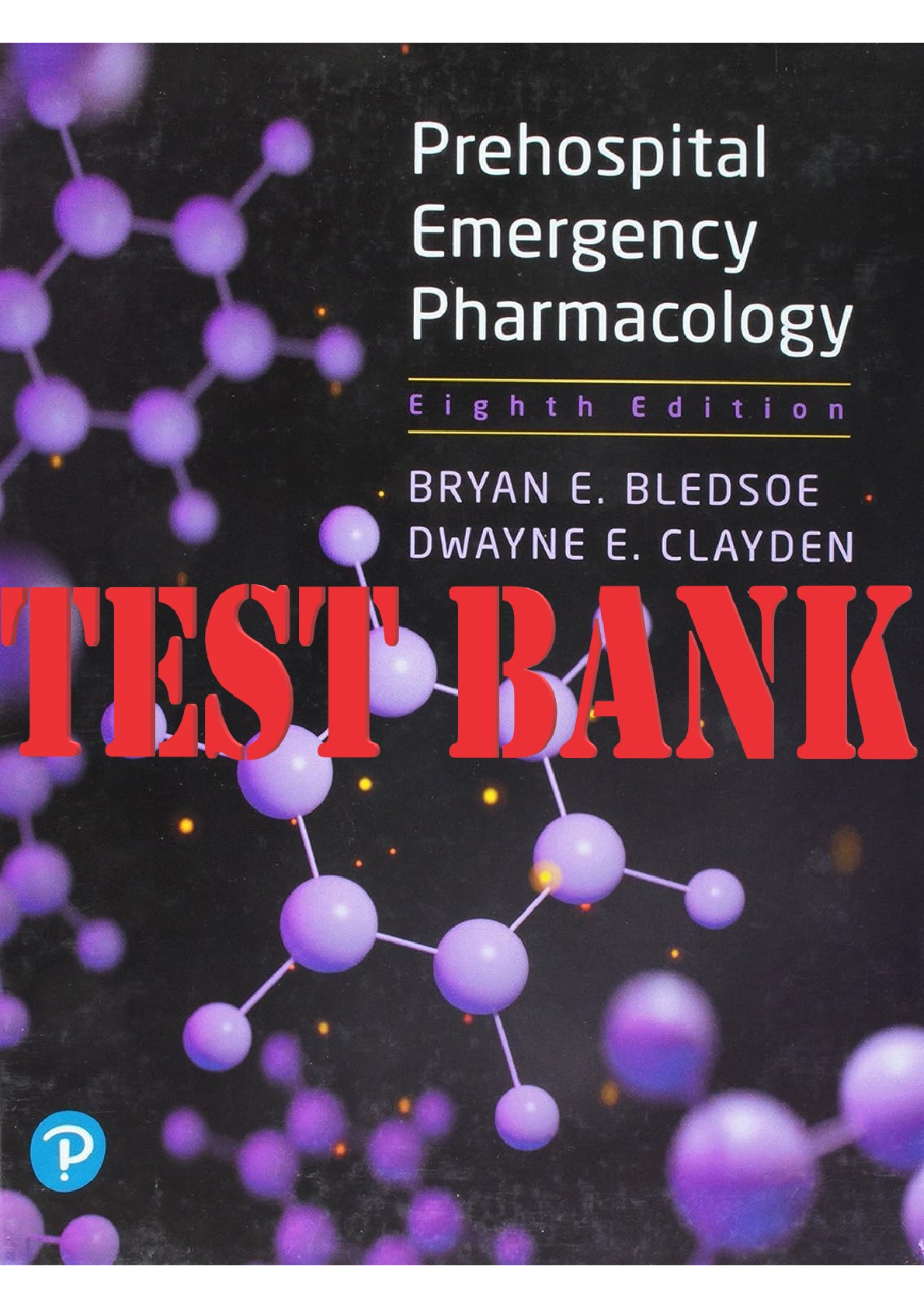
Prehospital Emergency Pharmacology, 8th Edition Test Bank


Is A Comprehensive Reference Guide To The Most Common Medications And Fluids Used In Prehospital Emergency Care.
Description

Test Bank for Prehospital Emergency Pharmacology (8th Edition) by Bledsoe & Clayden is a comprehensive assessment resource designed to strengthen students' understanding of emergency pharmacology and the safe administration of medications in prehospital settings. Organized by chapter, the test bank provides a broad range of assessment questions that evaluate knowledge of pharmacological principles, emergency drug therapy, medication administration, patient assessment, clinical decision-making, and evidence-based emergency care.

Designed to complement Prehospital Emergency Pharmacology, this resource emphasizes the integration of pharmacology with emergency medical services (EMS) practice. It focuses on medication selection, indications, contraindications, dosage calculations, routes of administration, adverse reactions, and the role of emergency medications in managing life-threatening conditions encountered by Emergency Medical Technicians (EMTs), Advanced EMTs, paramedics, and other prehospital healthcare providers.

The test bank assists instructors in developing quizzes, examinations, competency assessments, and certification review activities while helping students prepare for paramedic education, EMS certification examinations, and clinical practice.

Major Topics Covered Include:
Foundations of emergency pharmacology
Principles of pharmacology in prehospital care
Legal and ethical issues in medication administration
Medication safety in emergency medical services
Drug standards and regulations
Pharmacokinetics:
Absorption
Distribution
Metabolism
Elimination
Pharmacodynamics:
Mechanisms of action
Drug receptors
Therapeutic effects
Dose-response relationships
Medication dosage calculations
Drug preparation and administration
Routes of medication administration:
Oral
Sublingual
Intramuscular
Intravenous
Intraosseous
Subcutaneous
Endotracheal
Intranasal
Nebulized
Medication storage, handling, and documentation
Medication errors and prevention strategies
Adverse drug reactions
Drug toxicity
Allergic reactions and anaphylaxis
Drug interactions
Patient assessment before and after medication administration
Emergency Pharmacology Topics Include:

Airway and Respiratory Emergencies

Oxygen therapy
Bronchodilators
Asthma medications
COPD medications
Respiratory stimulants

Cardiovascular Emergencies

Cardiac arrest medications
Antiarrhythmic drugs
Vasopressors
Antihypertensive medications
Vasodilators
Medications for acute coronary syndromes
Anticoagulants
Antiplatelet medications

Neurological Emergencies

Anticonvulsants
Stroke medications
Sedatives
Neuromuscular blocking agents

Pain and Sedation

Opioid analgesics
Non-opioid analgesics
Sedative medications
Procedural sedation agents

Endocrine Emergencies

Insulin
Oral glucose
Dextrose
Glucagon
Medications for adrenal emergencies

Toxicology

Poison management
Antidotes
Activated charcoal
Toxic exposure treatment

Allergic and Immune Emergencies

Epinephrine
Antihistamines
Corticosteroids
Medications for anaphylaxis

Infectious Disease Pharmacology

Antibiotics
Antiviral medications
Emergency infection management

Obstetric and Pediatric Pharmacology

Obstetric emergency medications
Neonatal medications
Pediatric dosage calculations
Pediatric medication administration
Additional Topics Include:
Fluid and electrolyte replacement
Intravenous fluid therapy
Shock pharmacology
Trauma medications
Gastrointestinal emergency medications
Emergency antidotes
Disaster and mass-casualty pharmacology
Special populations:
Pediatric patients
Geriatric patients
Pregnant patients
Patients with chronic diseases
The Test Bank Helps Students Develop the Ability To:
Explain the principles of emergency pharmacology.
Apply pharmacokinetic and pharmacodynamic concepts to emergency patient care.
Identify indications, contraindications, precautions, and adverse effects of emergency medications.
Calculate medication dosages accurately in emergency situations.
Select appropriate medications based on patient assessment findings.
Demonstrate safe medication administration techniques.
Recognize medication-related complications and implement appropriate interventions.
Evaluate therapeutic effectiveness of emergency medications.
Apply clinical reasoning during medication selection and administration.
Integrate pharmacology knowledge into evidence-based prehospital care.
Improve decision-making skills during medical and trauma emergencies.
Prepare for paramedic certification examinations and clinical competency evaluations.
Assessment Formats Commonly Include:
Multiple-choice questions
Clinical scenario questions
Medication calculation exercises
Drug indication and contraindication questions
Case-based emergency pharmacology questions
Critical-thinking questions
Patient assessment scenarios
Medication safety questions
Key Features:
Chapter-by-chapter organization aligned with Prehospital Emergency Pharmacology (8th Edition)
Strong emphasis on emergency medication administration
Integration of pharmacology with EMS protocols and clinical practice
Application-focused questions that strengthen clinical judgment
Reinforcement of medication safety and evidence-based emergency care
Suitable for classroom testing, certification preparation, and independent study
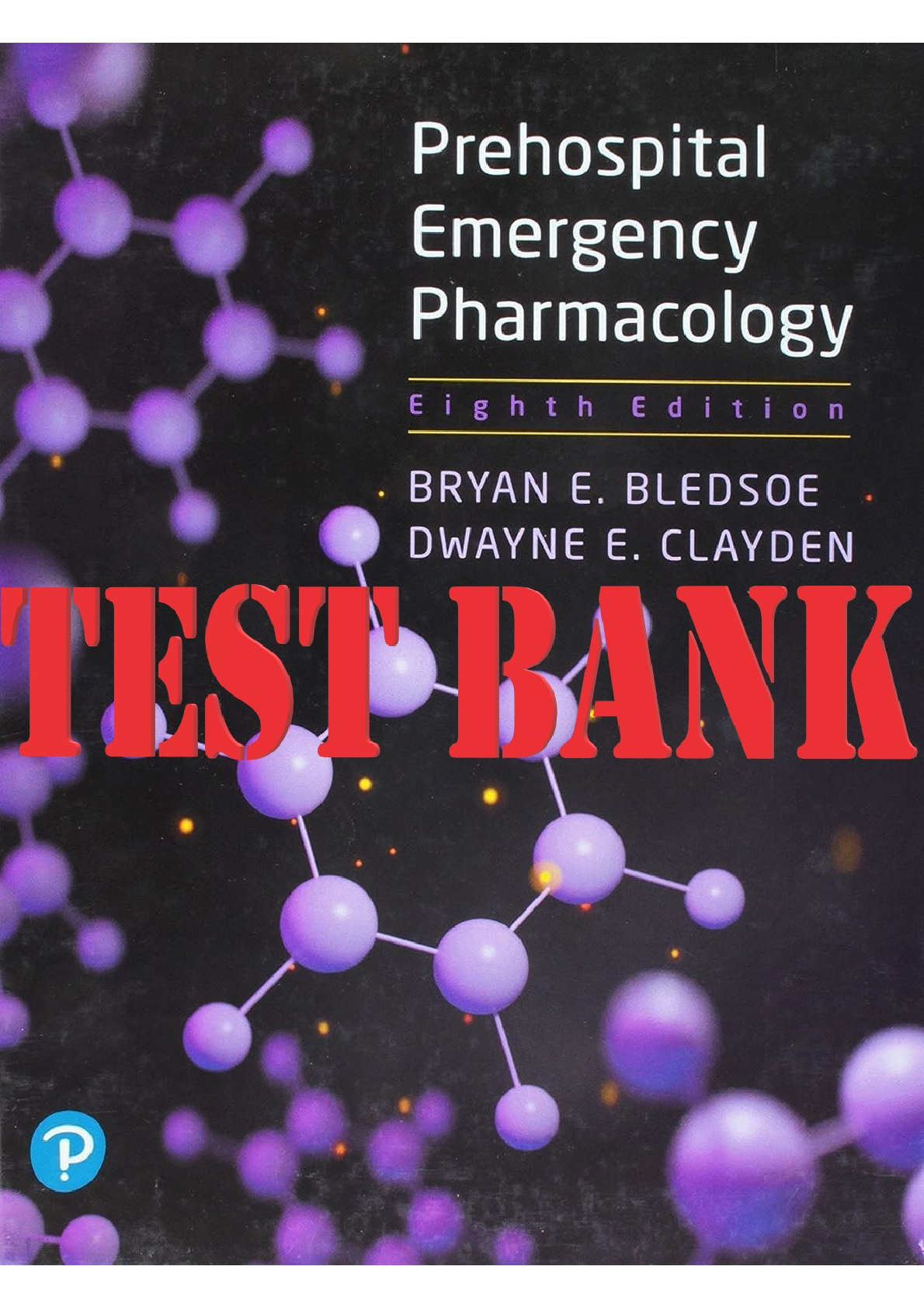
PDF Sample
1 / 3
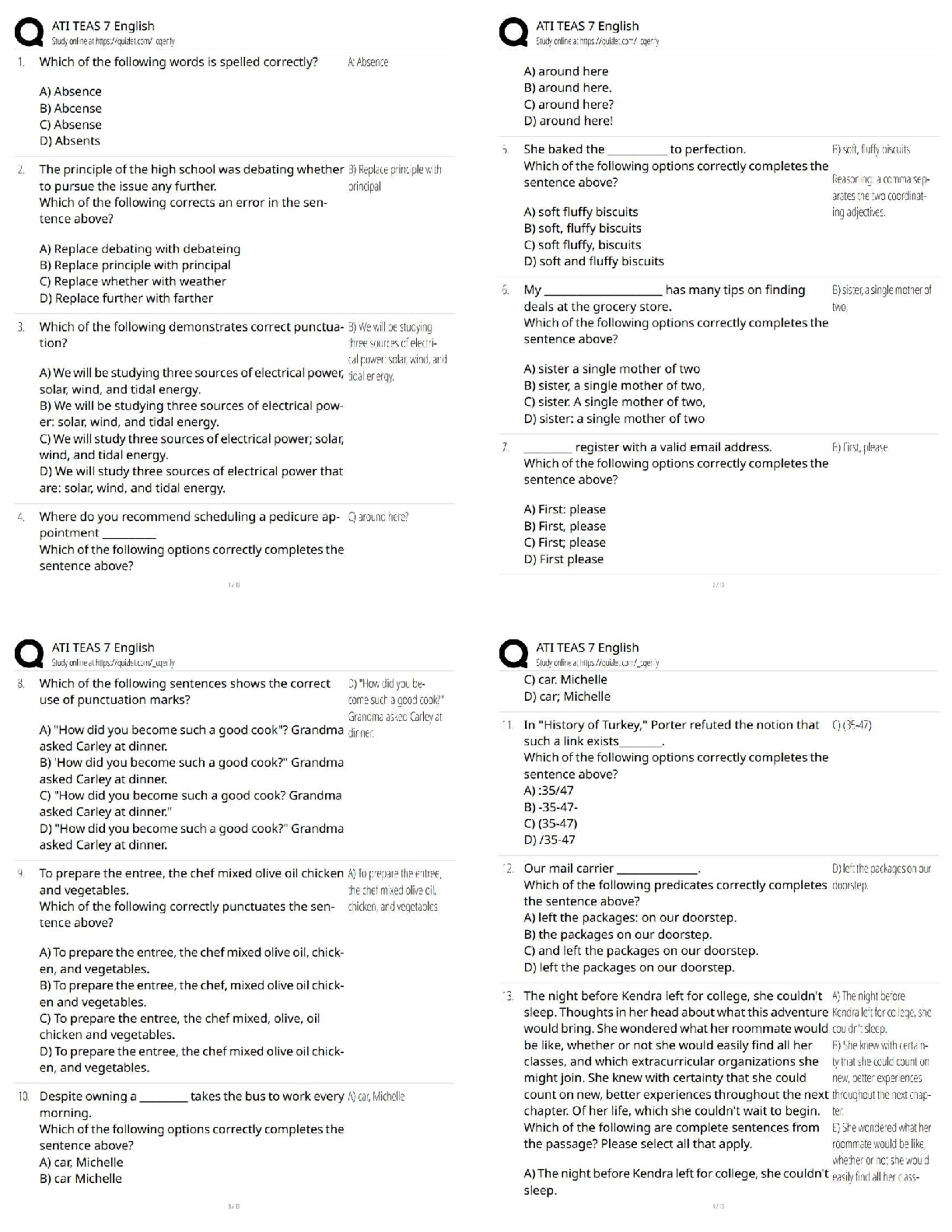
Prehospital Emergency Pharmacology, 8th Edition TEST BANK IMG-1
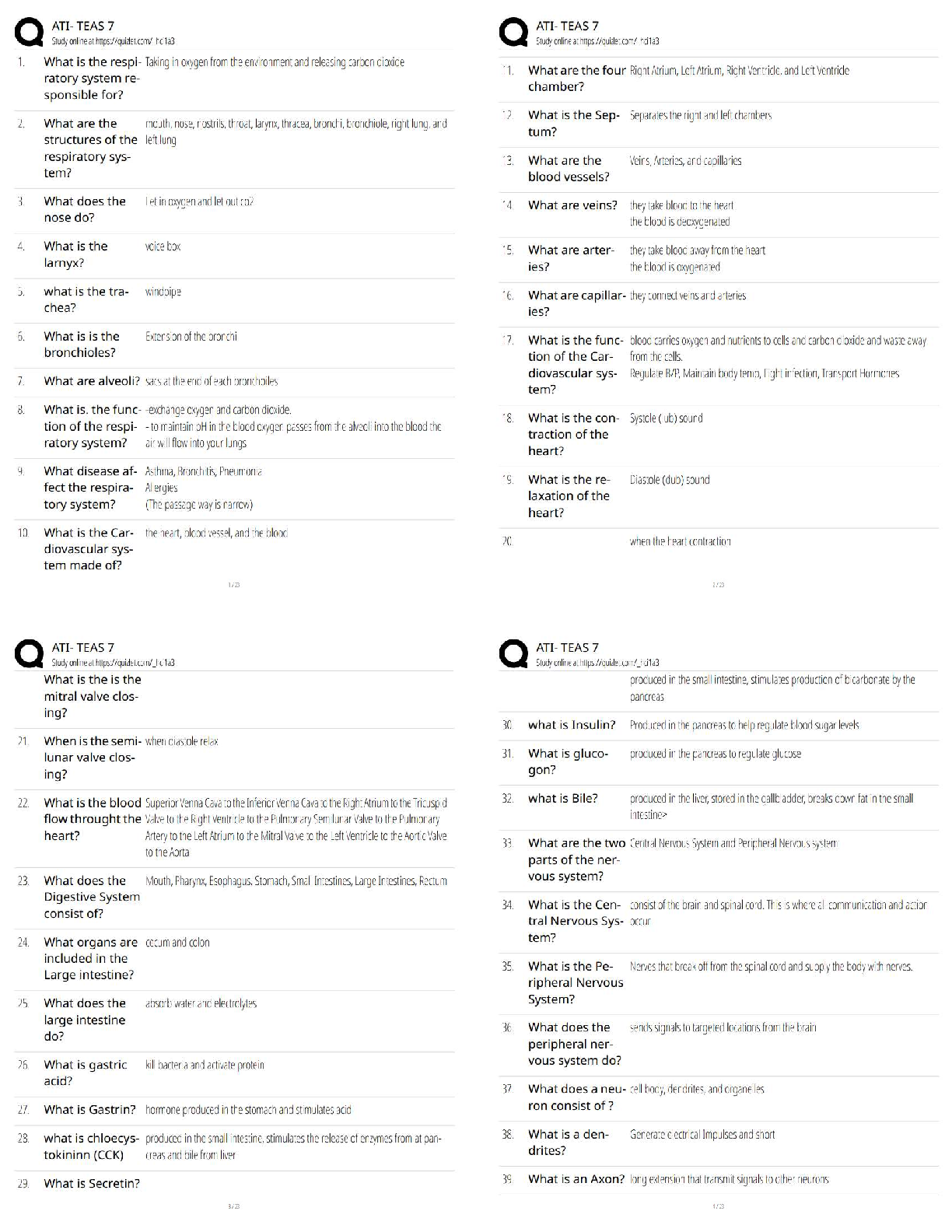
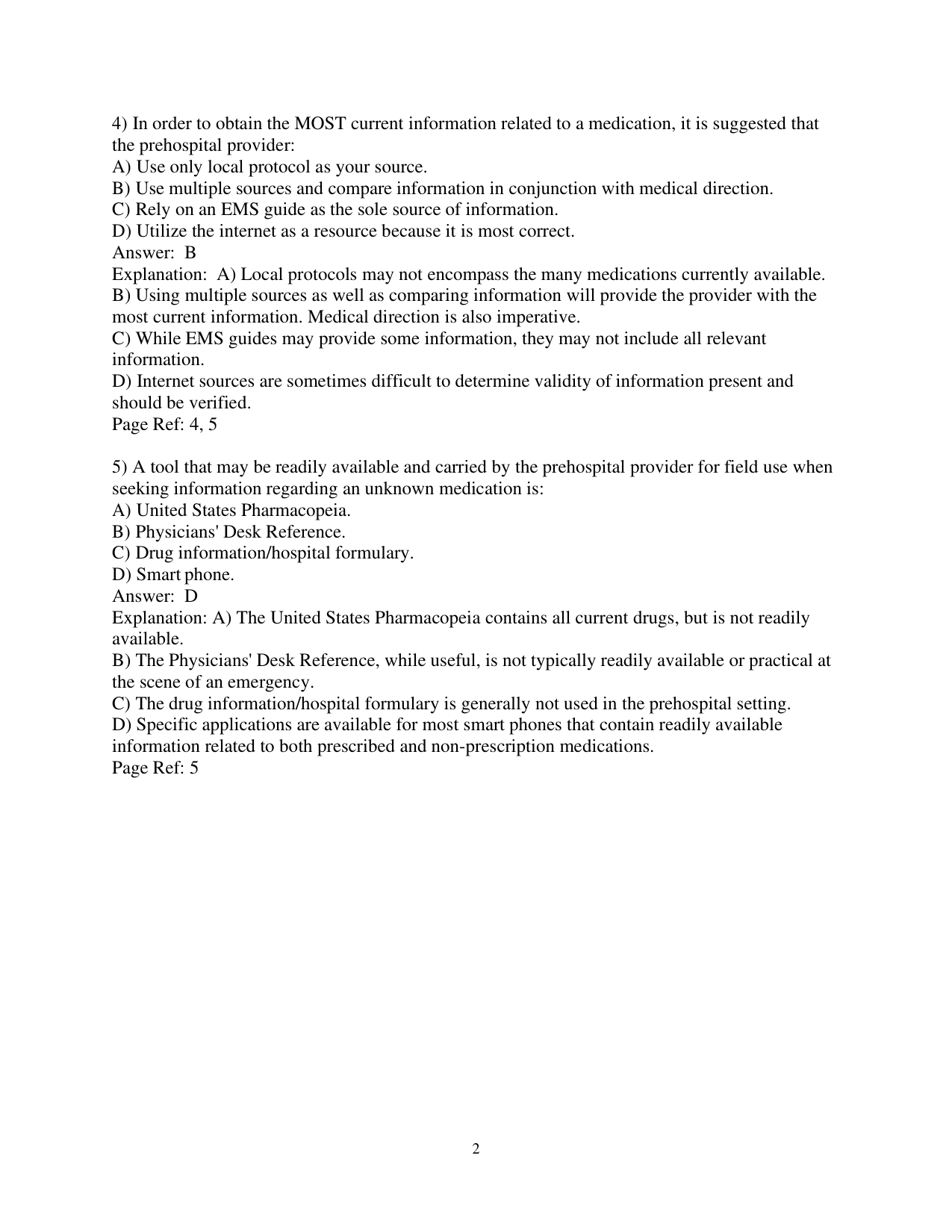
Prehospital Emergency Pharmacology, 8th Edition TEST BANK IMG-2
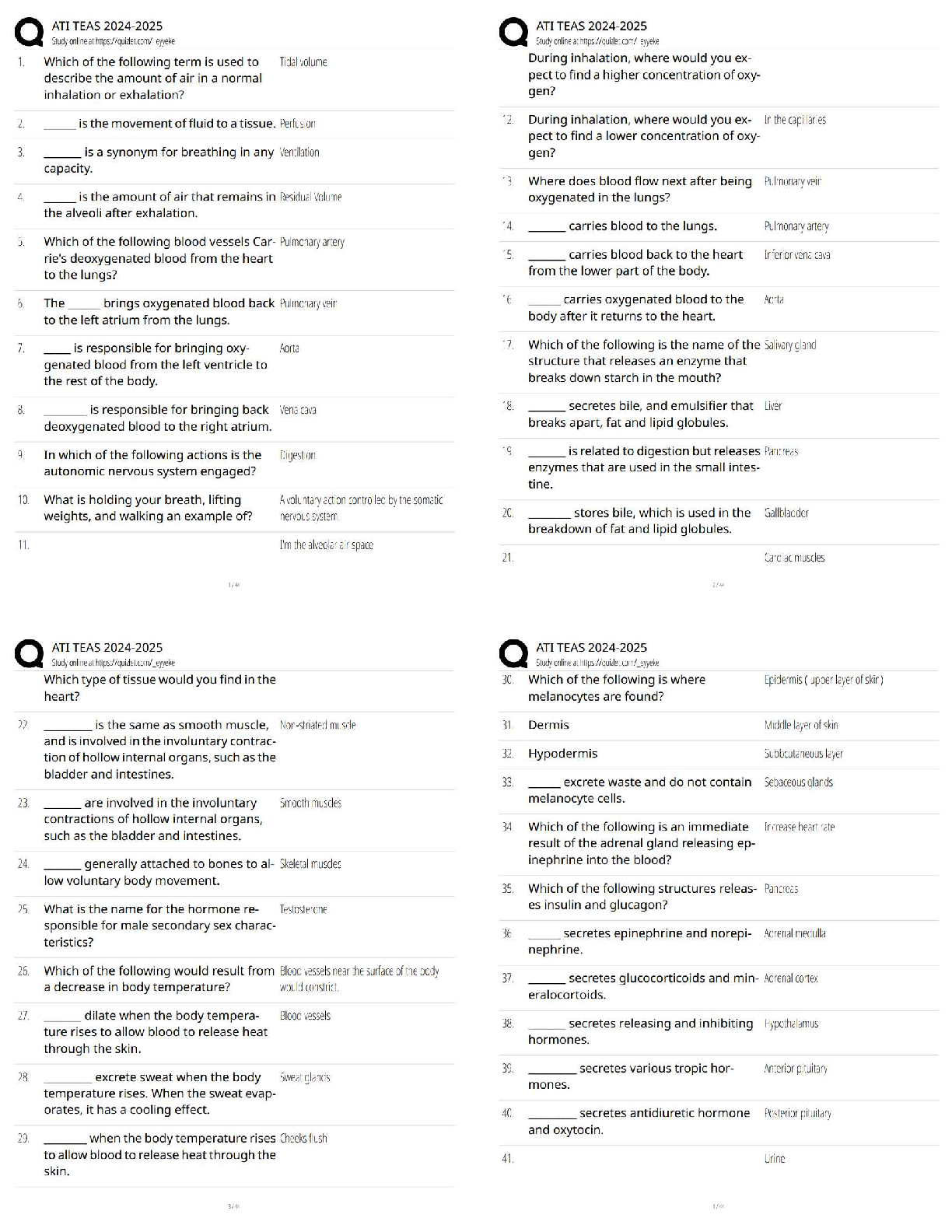
Prehospital Emergency Pharmacology, 8th Edition TEST BANK IMG-3
Who is this Document for ?

EMT students, Advanced EMT students, paramedic students, emergency medical services (EMS) professionals, emergency medicine trainees, nursing students in emergency care, physician assistant students, and other healthcare learners involved in prehospital and emergency medicine.
EMS educators, paramedic instructors, clinical preceptors, and certification review programs.
What you will learn ?
Explain the fundamental principles of pharmacology as they apply to prehospital emergency care.
Describe the roles and responsibilities of EMS professionals in medication administration.
Apply pharmacokinetic principles, including absorption, distribution, metabolism, and excretion, to emergency medication therapy.
Explain pharmacodynamic concepts, including mechanisms of action, receptor interactions, therapeutic effects, and dose-response relationships.
Differentiate between indications, contraindications, precautions, side effects, adverse drug reactions, and medication toxicity.
Calculate medication dosages accurately using standard emergency dosage formulas.
Demonstrate safe medication preparation, administration, storage, documentation, and disposal practices.
Identify appropriate routes of medication administration based on patient condition and clinical circumstances.
Apply medication safety principles to reduce medication errors in prehospital settings.
Recognize clinically significant drug interactions and their potential impact on patient care.
Assess patients before, during, and after medication administration to evaluate therapeutic effectiveness and adverse effects.
Integrate pharmacological knowledge with patient assessment and clinical decision-making during emergencies.
Airway and Respiratory Objectives
Explain the pharmacology of oxygen therapy and respiratory medications.
Describe the mechanisms, indications, contraindications, and adverse effects of bronchodilators and medications used to treat asthma and COPD.
Apply respiratory pharmacology principles during airway and breathing emergencies.
Cardiovascular Objectives
Describe the pharmacology of medications used in cardiac arrest, acute coronary syndromes, arrhythmias, hypertension, heart failure, and shock.
Explain the therapeutic use of vasopressors, vasodilators, antiarrhythmics, anticoagulants, and antiplatelet medications.
Select appropriate cardiovascular medications based on patient presentation and clinical guidelines.
Neurological Objectives
Explain medications used for seizures, stroke, sedation, and neurological emergencies.
Describe the indications, mechanisms, and monitoring requirements for sedatives and anticonvulsants.
Recognize medication-related neurological complications and appropriate interventions.
Pain Management and Sedation Objectives
Describe the pharmacology of opioid and non-opioid analgesics.
Explain the indications, contraindications, risks, and monitoring requirements for procedural sedation.
Apply pain management principles in emergency medical care.
Endocrine and Metabolic Objectives
Explain the pharmacology of insulin, glucagon, dextrose, oral glucose, and medications used in endocrine emergencies.
Describe emergency management of diabetic and metabolic disorders using pharmacological interventions.
Toxicology Objectives
Identify common toxic substances encountered in prehospital care.
Describe the mechanisms and therapeutic uses of antidotes and toxicology medications.
Apply pharmacological principles to poisoning and overdose management.
Allergy and Immune Objectives
Explain the pharmacology of epinephrine, antihistamines, corticosteroids, and medications used to manage allergic reactions and anaphylaxis.
Recognize life-threatening allergic emergencies and select appropriate medication therapy.
Infectious Disease Objectives
Describe the role of anti-infective medications in emergency care.
Explain basic principles of antimicrobial therapy and infection management in prehospital settings.
Special Population Objectives
Adapt medication administration principles for pediatric, geriatric, obstetric, and medically complex patients.
Calculate weight-based medication dosages accurately for pediatric patients.
Recognize age-related physiological factors affecting medication responses.
Clinical Application Objectives
Integrate pharmacology principles with patient assessment and emergency treatment protocols.
Apply evidence-based medication practices during medical and trauma emergencies.
Interpret patient responses to medications and determine the need for additional interventions.
Prioritize medication administration based on patient acuity and clinical presentation.
Demonstrate critical-thinking and clinical reasoning skills during emergency pharmacological management.
Apply emergency pharmacology knowledge to EMS certification examinations, paramedic education, and real-world prehospital patient care.
Promote safe, ethical, and effective medication administration within the scope of EMS practice.
What do you get with this PDF ?
Instant access after purchase
Download in PDF format
DRM free, read anywhere
Document details
Last update :
Jul 23, 2026
Length :
117 pages
Edition :
2026
Language :
English
Category :
Keywords
Prehospital Emergency Pharmacology Prehospital Emergency Pharmacology 8th Edition Bledsoe Clayden Emergency Pharmacology Test Bank Ems Pharmacology Paramedic Pharmacology EMT Pharmacology Advanced EMT Pharmacology Emergency Medical Services Prehospital Care Emergency Medicine Clinical Pharmacology Drug Therapy Medication Administration Medication Safety Pharmacokinetics Pharmacodynamics Drug Absorption Drug Distribution Drug Metabolism Drug Elimination Drug Mechanism Of Action Drug Receptors Therapeutic Effects Dose Response Relationship Drug Interactions Adverse Drug Reactions Medication Toxicity Contraindications Precautions Medication Errors Patient Safety Medication Dosage Calculations Drug Calculations Weight-based Dosage Medication Preparation Routes Of Administration Oral Medications Sublingual Medications Intramuscular Injections Intravenous Therapy Intraosseous Access Intranasal Medications Endotracheal Drug Administration Nebulized Medications Airway Pharmacology Oxygen Therapy Bronchodilators Asthma Medications COPD Medications Respiratory Emergencies Cardiac Arrest Medications Vasopressors Vasodilators Antiarrhythmic Drugs Antihypertensive Medications Heart Failure Drugs Acute Coronary Syndrome Medications Anticoagulants Antiplatelet Drugs Shock Management Neurological Emergencies Anticonvulsants Stroke Medications Sedatives Neuromuscular Blocking Agents Pain Management Analgesics Opioids Non-opioid Analgesics Procedural Sedation Endocrine Emergencies Insulin Therapy Dextrose Glucagon Oral Glucose Toxicology Poison Management Antidotes Activated Charcoal Overdose Treatment Allergy Emergencies Epinephrine Antihistamines Corticosteroids Anaphylaxis Management Anti-infective Medications Antibiotics Antiviral Drugs Obstetric Emergencies Pediatric Pharmacology Neonatal Medications Geriatric Pharmacology Intravenous Fluids Fluid Therapy Electrolyte Replacement Trauma Pharmacology Gastrointestinal Emergency Medications Emergency Drug Protocols Evidence-based Ems Patient Assessment Clinical Decision Making Critical Thinking Ems Certification Preparation Nremt Preparation Paramedic Education EMT Education Emergency Nursing Healthcare Education Prehospital Medication Management Emergency Patient Care.
You may also be interested in :
Recommendations for you
Introduction to Clinical Pharmacology, 10th Edition
Introduction To Clinical Pharmacology, 10th Edition

It Promotes Safety By Showing How Drugs And Drug Classes Work, So You CAN Understand...

$17
Lilley’s Pharmacology and the Nursing 10th Edition Test Bank
Lilley’s Pharmacology And The Nursing 10th Edition Test Bank

Coverage Begins With Pharmacology Basics, Then Discusses Drugs By Body Systems And Dr...

$17
Karch's Focus on Nursing Pharmacology 8th Edition TEST BANK
Karch's Focus On Nursing Pharmacology 8th Edition Test Bank

Is A Comprehensive Assessment Resource Developed To Help Nursing Students Master Esse...

$18
Rang and Dale's Pharmacology 8th Edition TEST BANK
Rang And Dale's Pharmacology 8th Edition Test Bank

Is A Comprehensive Assessment Resource Designed To Support Students In Mastering The...

$17