Microbiology for the Healthcare Professional, 2nd Edition Microbiology for the Healthcare Professional, 2nd Edition

Microbiology

Microbiology For The Healthcare Professional, 2nd Edition


Is A Comprehensive Assessment Resource Designed To Help Healthcare Students Understand The Essential Principles.
Description

Test Bank for Microbiology for the Healthcare Professional (2nd Edition) by Karin C. VanMeter and Robert J. Hubert is a comprehensive assessment resource designed to help healthcare students develop a strong understanding of microbiology principles and their relevance to clinical practice. This resource supports learning by providing chapter-based questions that assess knowledge of microorganisms, infectious diseases, immune responses, laboratory procedures, antimicrobial therapies, and infection prevention strategies.

Aligned with Microbiology for the Healthcare Professional (2nd Edition), the test bank emphasizes the connection between microbiology and healthcare practice. It helps learners understand how microorganisms affect human health, how infections develop and spread, and how healthcare professionals prevent, diagnose, and treat infectious diseases. Questions encourage application of microbiological concepts to realistic healthcare scenarios, strengthening critical thinking and clinical decision-making skills.

This assessment resource is valuable for students in nursing, allied health, medical assisting, respiratory therapy, dental hygiene, laboratory technology, and other healthcare programs. It can be used by educators for quizzes, examinations, and competency assessments while helping students prepare for healthcare-related microbiology coursework.

Major Topics Covered Include
Foundations of Microbiology
History and scope of microbiology
Microorganisms and their impact on healthcare
Microbial classification
Taxonomy and naming systems
Microbial diversity
Cell Structure and Function
Prokaryotic and eukaryotic cells
Bacterial cell structure
Cellular components
Microbial growth requirements
Metabolism and energy production
Microscopy and Laboratory Techniques
Microscopes and imaging techniques
Specimen collection
Staining methods
Culture techniques
Identification of microorganisms
Diagnostic microbiology procedures
Microbial Genetics
DNA structure and replication
Gene expression
Genetic variation
Mutation
Horizontal gene transfer
Antibiotic resistance development
Microbial Growth and Control
Bacterial growth patterns
Environmental factors affecting microbes
Physical methods of microbial control
Chemical disinfectants
Sterilization techniques
Antiseptics
Infection and Disease
Pathogens and normal microbiota
Host–microbe interactions
Disease transmission
Virulence factors
Signs and symptoms of infection
Healthcare-associated infections
Epidemiology and Public Health
Disease transmission patterns
Infection prevention practices
Outbreak investigation
Public health measures
Epidemiological terminology
Immunology
Innate immunity
Adaptive immunity
Antigens and antibodies
Immune responses
Vaccines and immunization
Immune disorders
Bacteriology
Characteristics of medically important bacteria
Bacterial infections
Pathogenesis
Diagnostic methods
Prevention and treatment
Virology
Viral structure and replication
Viral diseases
Viral transmission
Antiviral therapies
Viral prevention strategies
Mycology and Parasitology
Fungal infections
Protozoan parasites
Helminths
Life cycles of parasites
Diagnosis and prevention
Antimicrobial Therapy
Antibiotics
Antimicrobial mechanisms
Antimicrobial resistance
Drug susceptibility testing
Appropriate antimicrobial use
Healthcare Applications
Standard precautions
Infection control practices
Healthcare-associated infections (HAIs)
Occupational safety
Patient protection
Environmental controls
The Test Bank Helps Students Develop the Ability To
Explain fundamental microbiology concepts related to healthcare practice.
Identify major groups of microorganisms and their characteristics.
Describe how microorganisms cause disease and interact with human hosts.
Apply principles of infection prevention and control in healthcare settings.
Understand methods used to diagnose microbial infections.
Interpret basic microbiological laboratory results.
Explain mechanisms of antimicrobial action and resistance.
Apply knowledge of immunology to disease prevention and patient care.
Describe transmission routes and methods of controlling infectious diseases.
Recognize important bacterial, viral, fungal, and parasitic infections.
Connect microbiology concepts to clinical healthcare situations.
Understand the role of healthcare professionals in preventing infection spread.
Apply critical-thinking skills to microbiological case scenarios.
Integrate microbiology knowledge into evidence-based healthcare practice.
Assessment Formats Commonly Include
Multiple-choice questions
Healthcare application questions
Case-based scenarios
Critical-thinking questions
Clinical microbiology problems
Infection-control scenarios
Laboratory interpretation questions
Key Features
Chapter-by-chapter organization aligned with Microbiology for the Healthcare Professional (2nd Edition)
Strong focus on healthcare applications of microbiology
Integration of infection prevention, immunology, and antimicrobial therapy concepts
Application-based questions that connect theory to clinical practice
Reinforcement of essential microbiology knowledge for healthcare professionals
Useful for classroom assessment, exam preparation, and independent study
PDF Sample
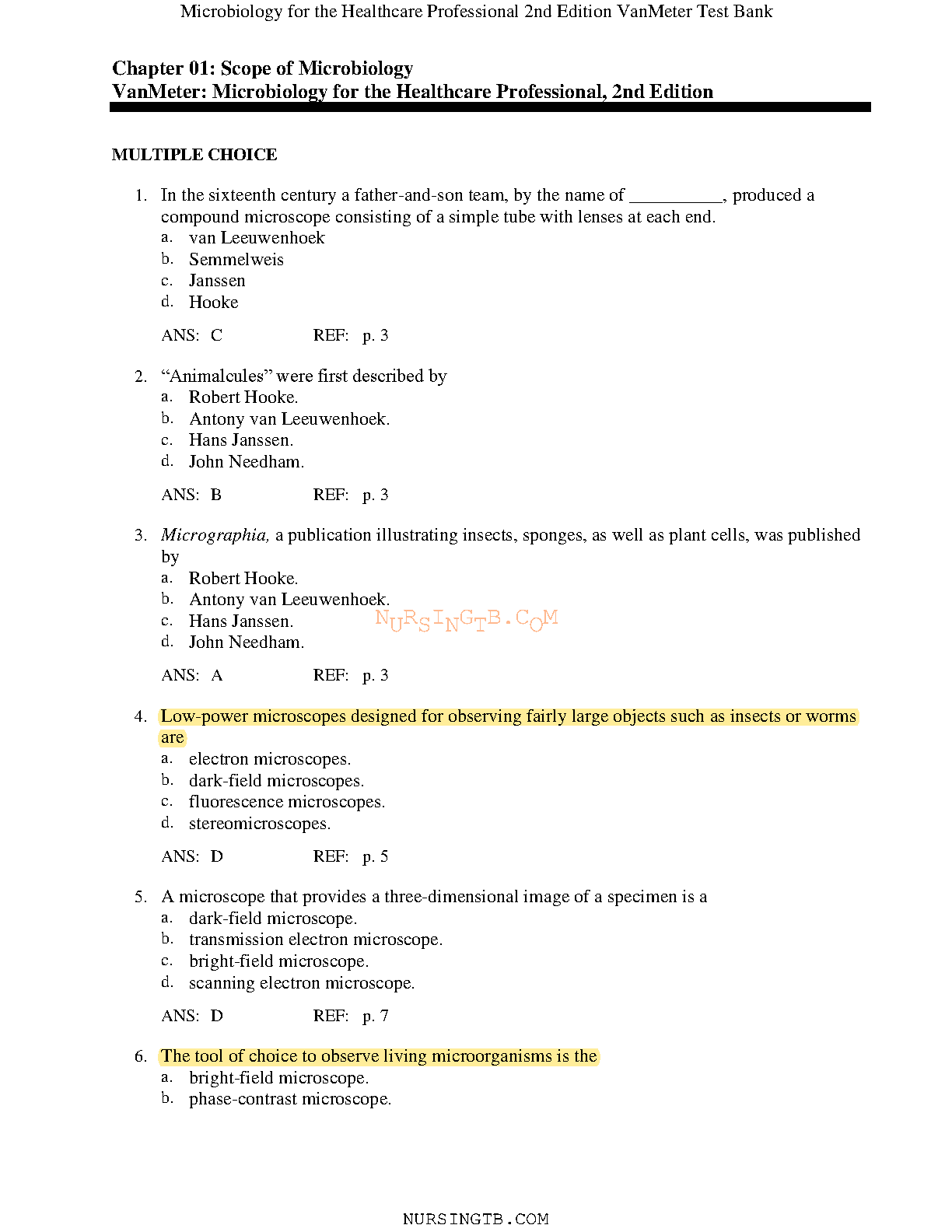
1 / 3
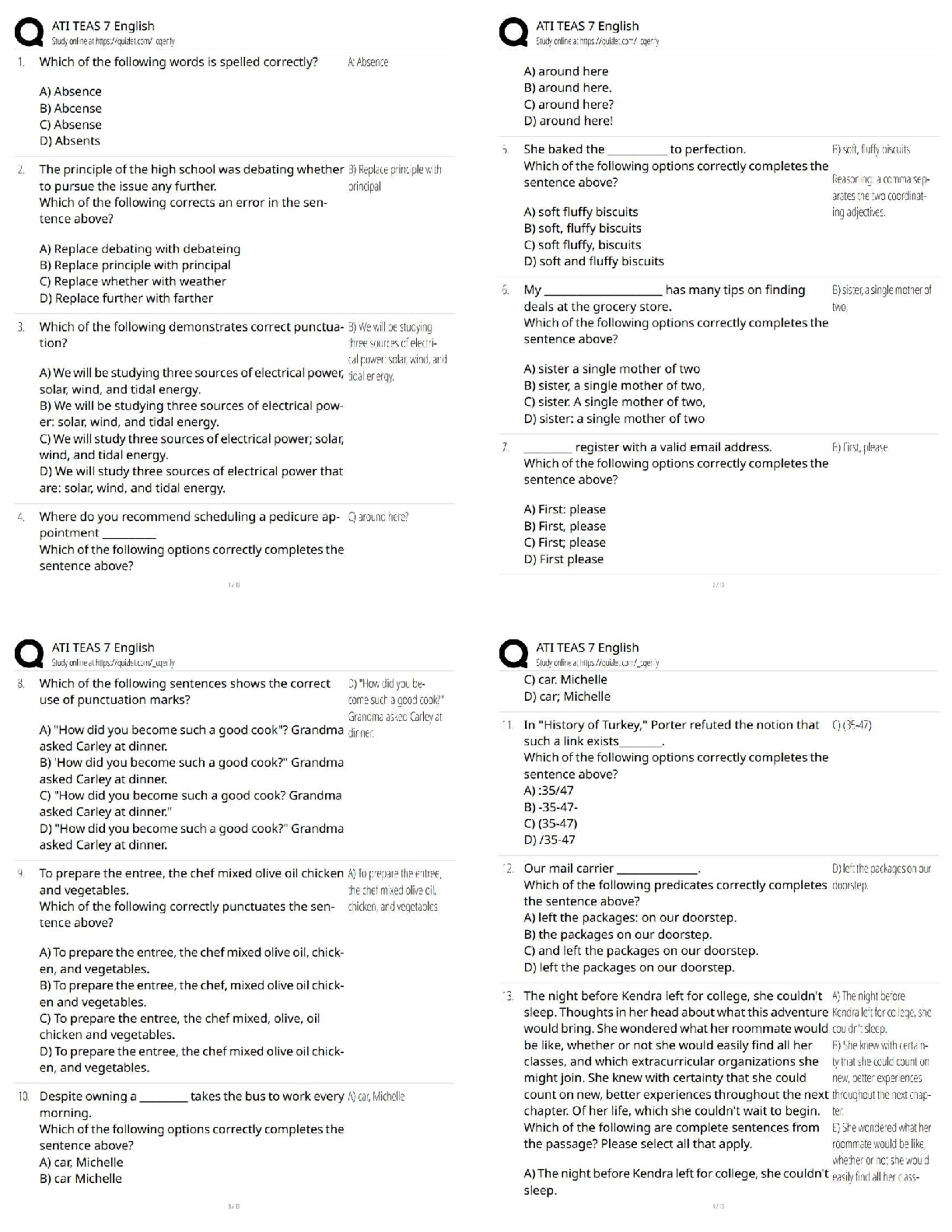
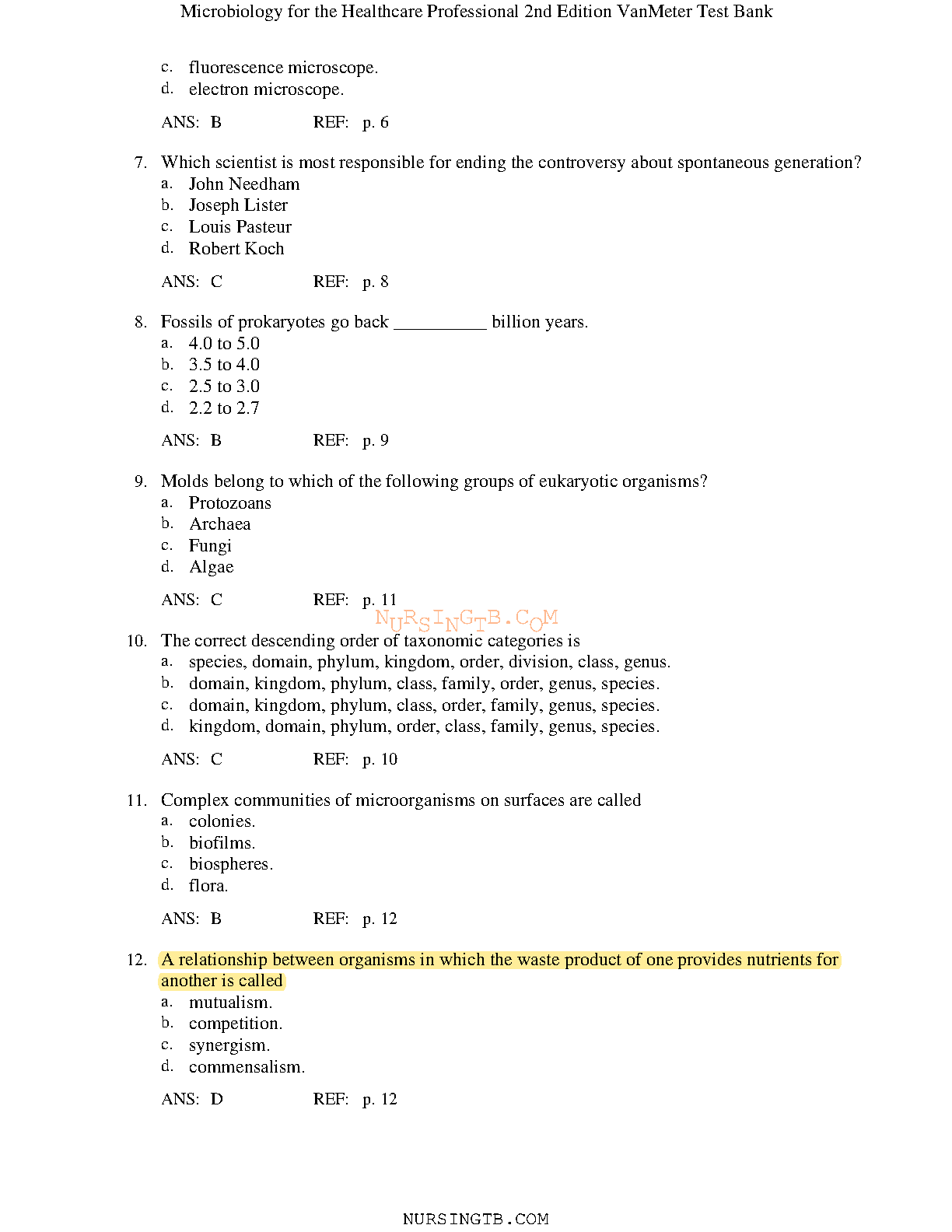
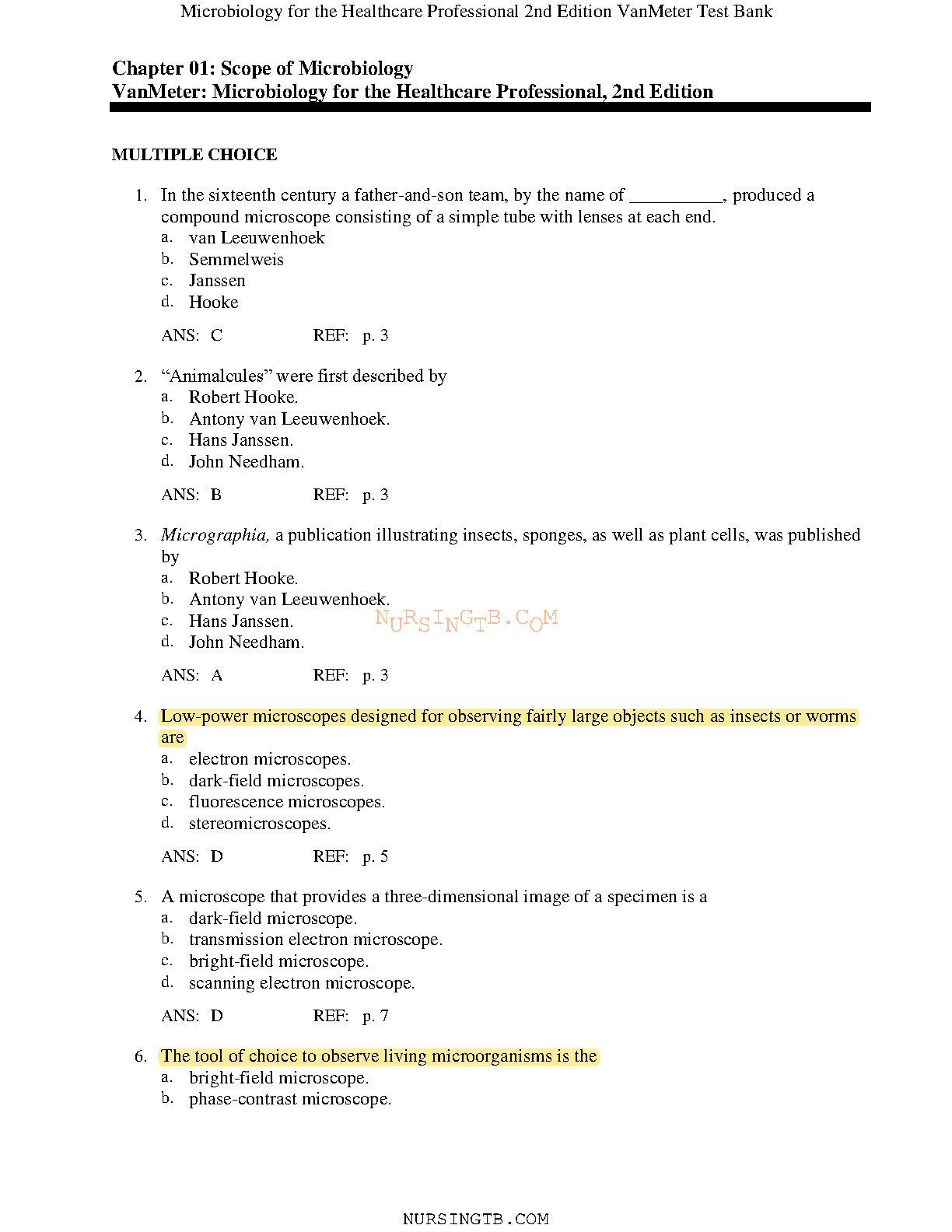
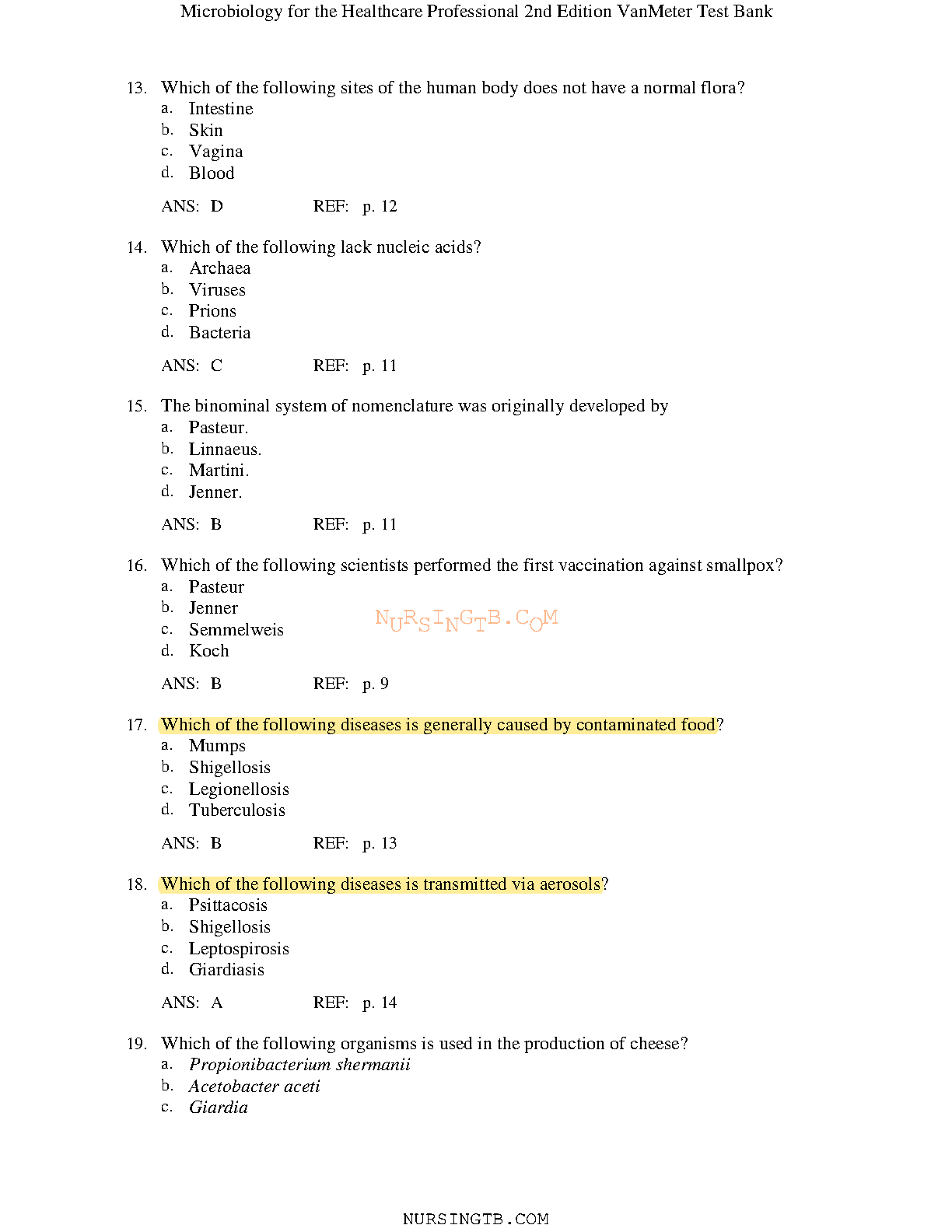
Microbiology for the Healthcare Professional, 2nd Edition IMG-1
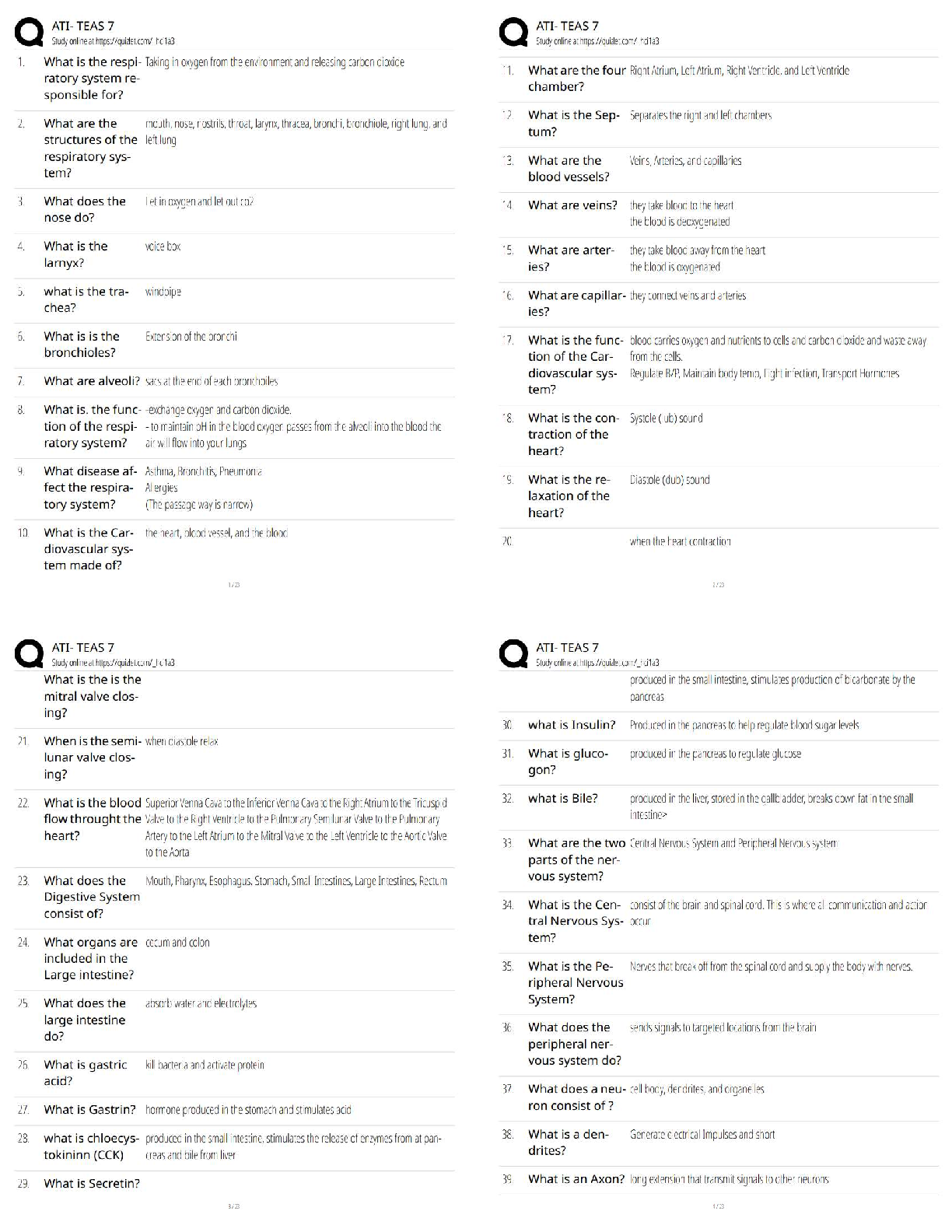
Microbiology for the Healthcare Professional, 2nd Edition IMG-2
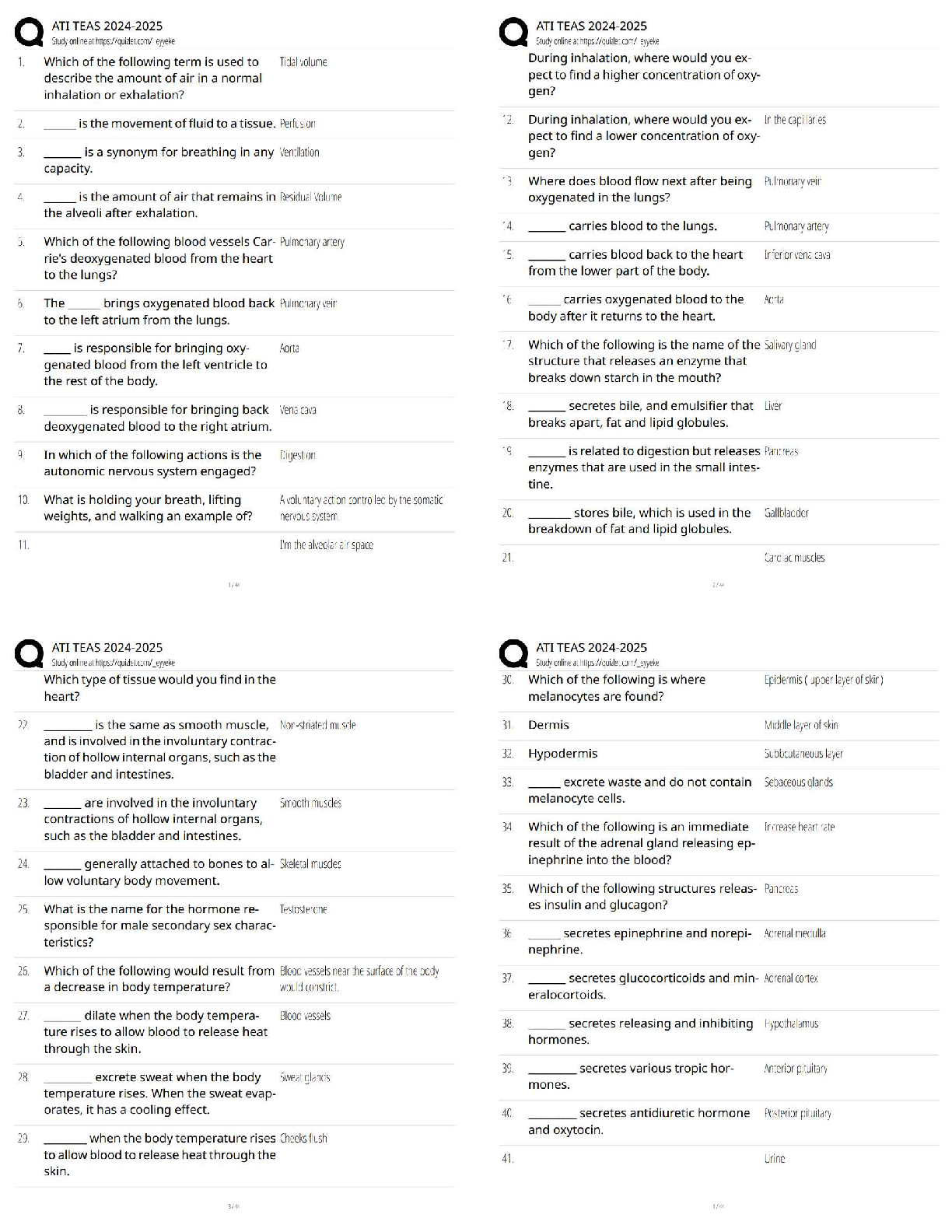
Microbiology for the Healthcare Professional, 2nd Edition IMG-3
Who is this Document for ?

Nursing students, allied health students, medical assisting students, respiratory therapy students, dental hygiene students, laboratory science students, and other healthcare professional learners
What you will learn ?
Explain the importance of microbiology in healthcare and its role in preventing and treating infectious diseases.
Describe the history, scope, and major contributions of microbiology to modern healthcare.
Identify major groups of microorganisms and classify microbes based on their characteristics.
Differentiate between prokaryotic and eukaryotic cells and describe their structures and functions.
Explain the structure, function, and reproduction of bacteria, viruses, fungi, and parasites.
Describe microbial metabolism, growth requirements, and factors affecting microbial survival.
Explain how microorganisms interact with human hosts and contribute to health and disease.
Describe the role of normal microbiota in maintaining health and preventing infection.
Apply principles of microscopy, staining, culturing, and laboratory identification techniques.
Interpret basic microbiological laboratory findings used in healthcare diagnosis.
Explain microbial genetics, DNA replication, mutation, and genetic variation.
Describe mechanisms of gene transfer and their relationship to antimicrobial resistance.
Explain factors that influence microbial growth and methods used to control microorganisms.
Compare sterilization, disinfection, antisepsis, and sanitation methods used in healthcare settings.
Describe the chain of infection and methods for interrupting disease transmission.
Explain modes of microbial transmission and factors affecting the spread of infectious diseases.
Apply epidemiological concepts to understand disease patterns and outbreaks.
Identify common healthcare-associated infections (HAIs) and strategies for prevention.
Explain innate and adaptive immune responses and their roles in protecting the body.
Describe the functions of immune cells, antibodies, antigens, and immune system components.
Explain the principles of vaccination and immunization in disease prevention.
Identify immune system disorders and their impact on patient health.
Describe characteristics of medically important bacteria and the diseases they cause.
Explain bacterial pathogenesis, virulence factors, and mechanisms of bacterial infection.
Identify important viral diseases, viral structures, and viral replication processes.
Describe fungal infections, parasitic diseases, and their healthcare significance.
Explain mechanisms of antimicrobial drugs and their effects on microorganisms.
Describe antimicrobial resistance and factors contributing to its development.
Apply principles of appropriate antimicrobial use in healthcare practice.
Explain diagnostic methods used to identify infectious organisms.
Apply microbiology concepts to patient care, infection prevention, and healthcare decision-making.
Demonstrate understanding of standard precautions, personal protective equipment (PPE), and infection-control practices.
Recognize the role of healthcare professionals in preventing and controlling infectious diseases.
Integrate microbiology knowledge into evidence-based healthcare practice.
Apply critical-thinking skills to microbiological case studies and clinical scenarios.
Demonstrate readiness to use microbiology principles in nursing and allied healthcare environments.
What do you get with this PDF ?
Instant access after purchase
Download in PDF format
DRM free, read anywhere
Document details
Last update :
Jul 23, 2026
Length :
129 pages
Edition :
2026
Language :
English
Category :
Keywords
Microbiology For The Healthcare Professional Microbiology For The Healthcare Professional 2nd Edition Karin C. Vanmeter Robert J. Hubert Microbiology Test Bank Healthcare Microbiology Medical Microbiology Clinical Microbiology Microorganisms Microbes Bacteria Viruses Fungi Parasites Protozoa Helminths Microbial Classification Microbial Taxonomy Prokaryotic Cells Eukaryotic Cells Cell Structure Bacterial Structure Microbial Growth Microbial Metabolism Microbial Genetics Dna Replication Gene Expression Mutation Genetic Variation Horizontal Gene Transfer Antibiotic Resistance Antimicrobial Resistance Infection Infectious Diseases Pathogens Normal Microbiota Host-microbe Interactions Pathogenesis Virulence Factors Disease Transmission Chain Of Infection Epidemiology Public Health Microbiology Healthcare-associated Infections Infection Control Infection Prevention Standard Precautions Personal Protective Equipment Sterilization Disinfection Antisepsis Sanitation Microbial Control Immunology Immune System Innate Immunity Adaptive Immunity Antigens Antibodies Immune Response Vaccines Immunization Bacteriology Virology Mycology Parasitology Viral Replication Bacterial Infections Viral Diseases Fungal Infections Parasitic Infections Antimicrobial Therapy Antibiotics Antiviral Therapy Drug Susceptibility Testing Laboratory Techniques Microscopy Staining Methods Culture Techniques Diagnostic Microbiology Specimen Collection Clinical Laboratory Testing Healthcare Applications Nursing Microbiology Allied Health Microbiology Infection Prevention Nursing Patient Safety Evidence-based Practice Clinical Decision Making Healthcare Professionals Nursing Students Allied Health Students Medical Assisting Respiratory Therapy Dental Hygiene Laboratory Technology Healthcare Education Microbiology Exam Preparation.
You may also be interested in :
Recommendations for you
Microbiology, 2nd Edition INSTRUCTOR MANUAL AND TEST BANK
Microbiology, 2nd Edition Instructor Manual And Test Bank

Is A Comprehensive Teaching Resource Designed To Support Educators In Effectively Del...

$16
Textbook Of Diagnostic Microbiology 7th Edition TEST BANK
Textbook Of Diagnostic Microbiology 7th Edition Test Bank

Is A Comprehensive Assessment Resource Designed To Evaluate Students’ Understanding O...

$16
Medical Microbiology 8th Edition TEST BANK
Medical Microbiology 8th Edition Test Bank

Is A Comprehensive Assessment Resource Designed To Evaluate Students’ Understanding O...

$16
Nester's Microbiology: A Human Perspective 8th Edition

Ideal For Undergraduate Microbiology, Nursing, Allied Health, Medical Laboratory Scie...

$16