Microbiology, 2nd Edition INSTRUCTOR MANUAL AND TEST BANK Microbiology, 2nd Edition INSTRUCTOR MANUAL AND TEST BANK

Microbiology

Microbiology, 2nd Edition Instructor Manual And Test Bank


Is A Comprehensive Teaching Resource Designed To Support Educators In Effectively Delivering Microbiology Courses.
Description

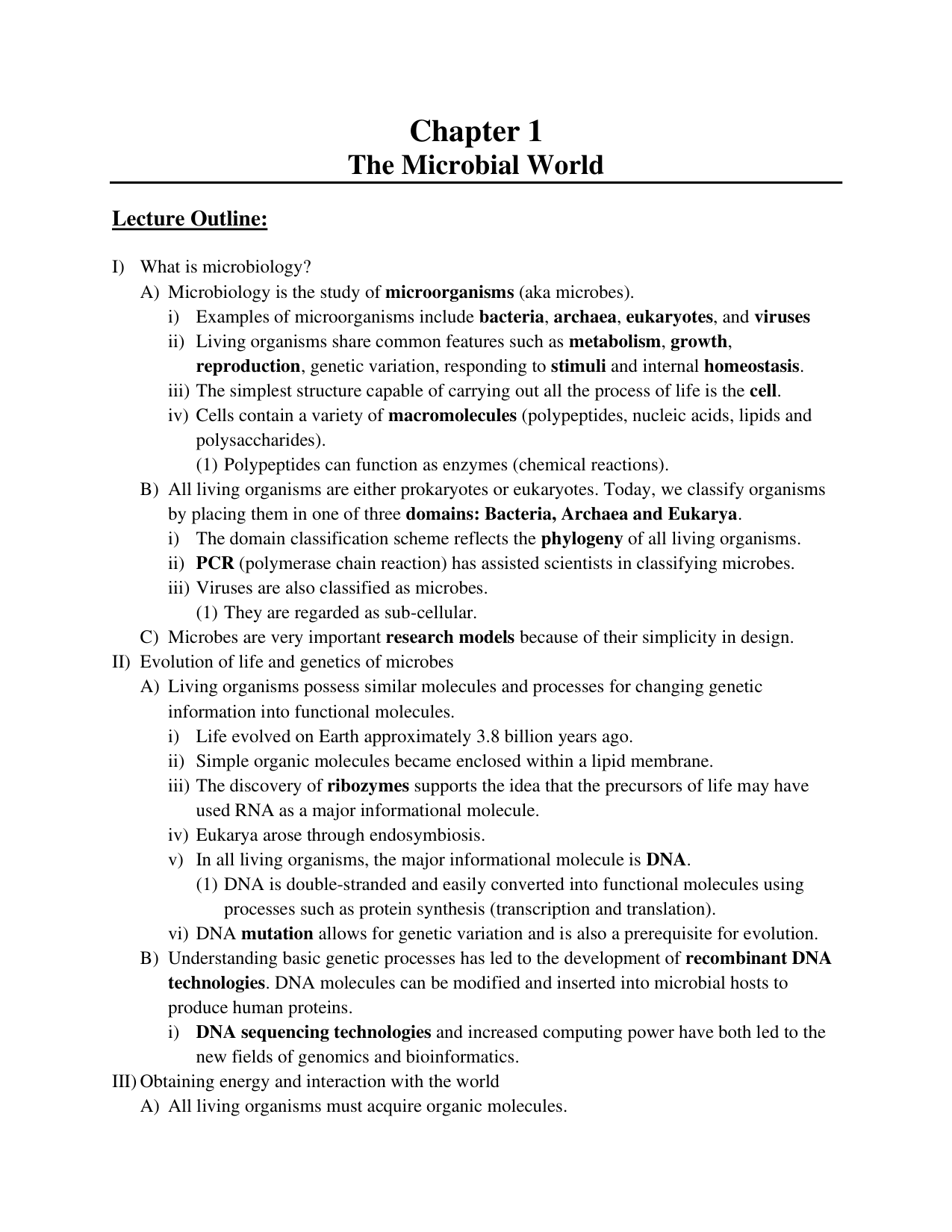
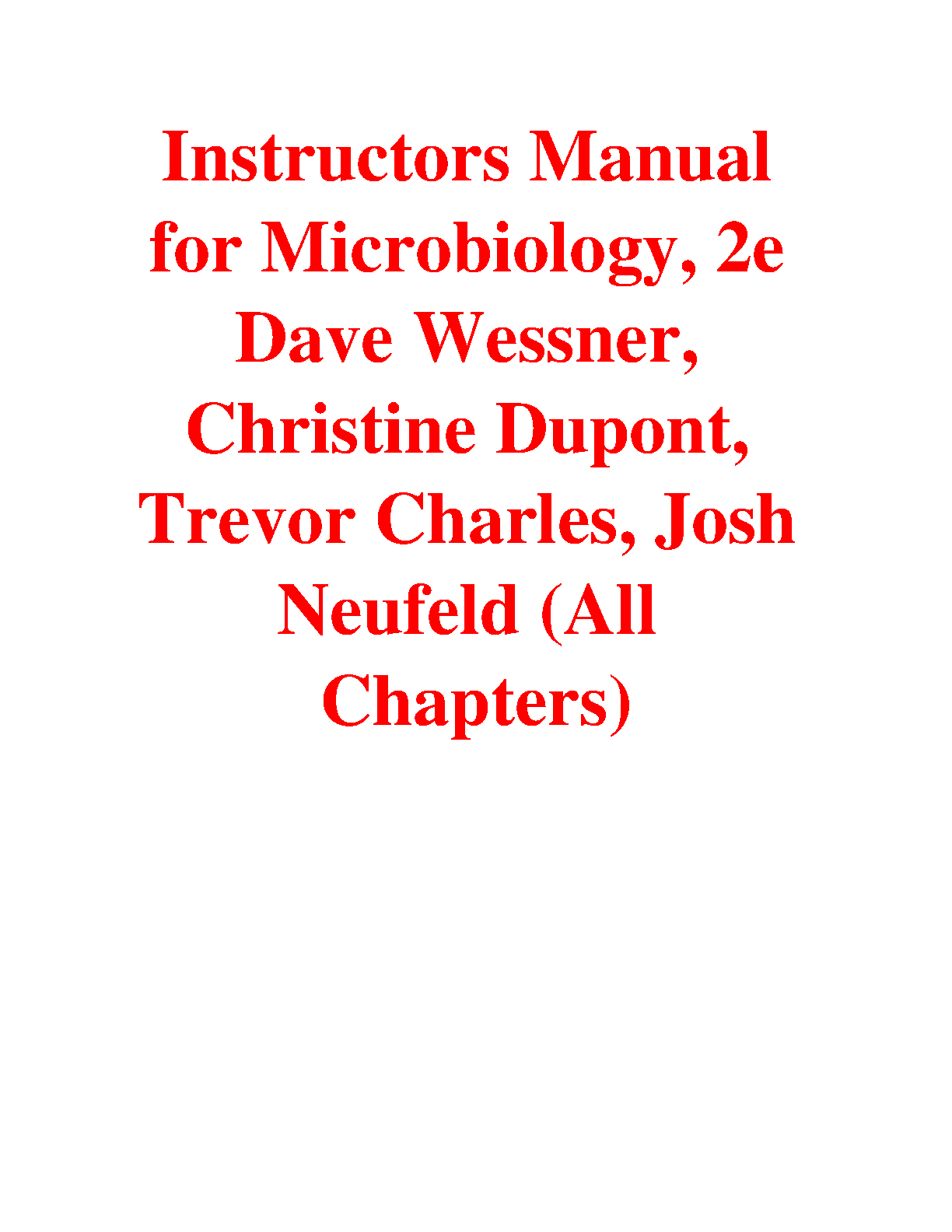
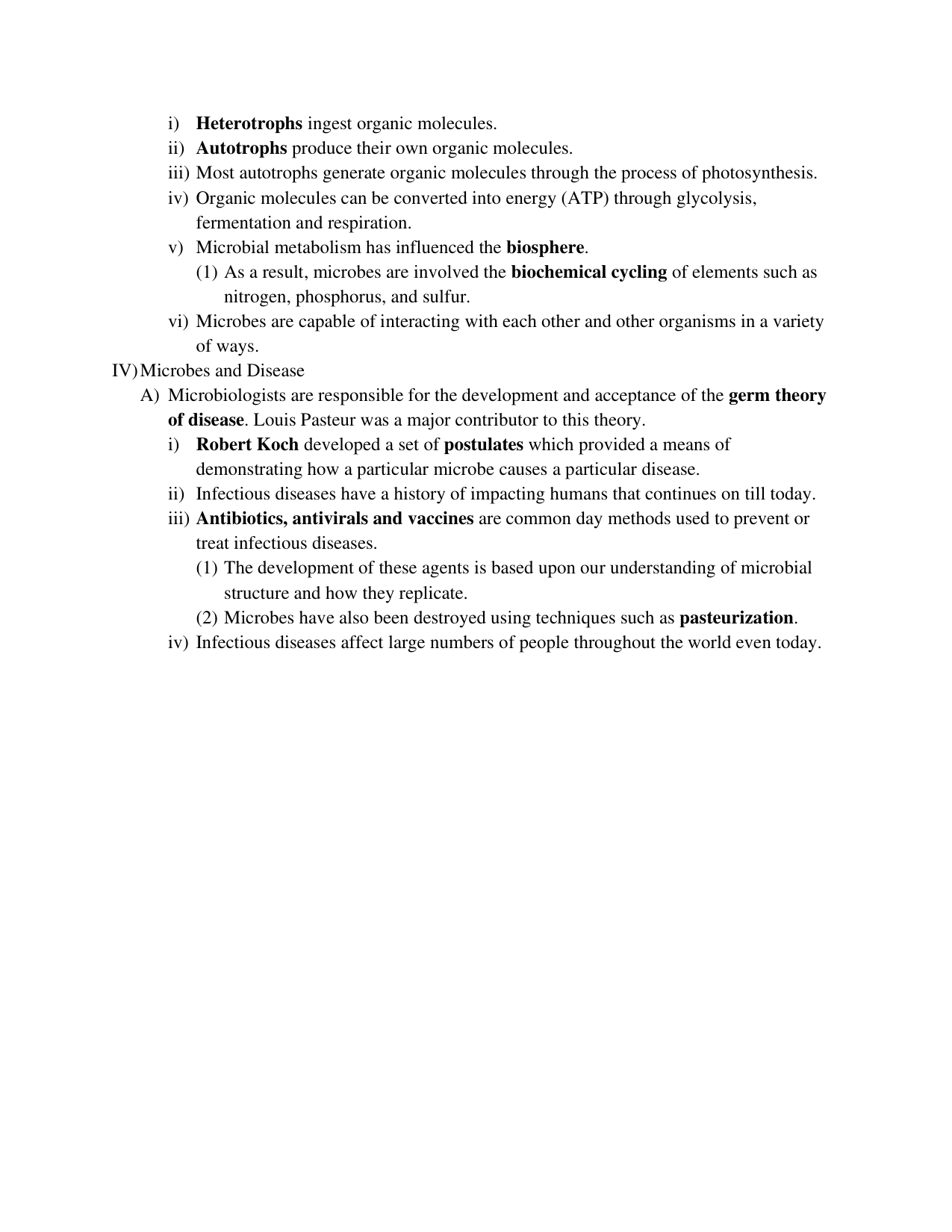
Instructor’s Manual for Microbiology (2nd Edition) by Dave Wessner, Christine Dupont, Trevor Charles, and Josh Neufeld is a comprehensive instructional resource developed to assist educators in planning, organizing, and delivering effective microbiology courses. Designed to accompany the textbook, the manual provides valuable teaching support for presenting fundamental and advanced microbiological concepts while encouraging student engagement, critical thinking, and scientific understanding.

This instructor resource offers chapter-by-chapter guidance that aligns with textbook content, helping instructors create structured lessons, lectures, classroom activities, and assessments. It supports faculty in explaining complex microbiology topics through clear teaching approaches, examples, discussion prompts, and active-learning strategies.

The manual emphasizes the connection between microbiology theory and real-world applications, helping instructors demonstrate the relevance of microorganisms in healthcare, environmental science, biotechnology, research, and everyday life. It is suitable for introductory microbiology courses in colleges, universities, and health science programs.

Major Features Include
Chapter Teaching Support
Chapter overviews and summaries
Key concepts and important terminology
Teaching objectives
Recommended lecture organization
Suggested emphasis points
Common student challenges and misconceptions
Learning Objectives and Outcomes
Guidance for achieving chapter learning goals
Strategies for reinforcing essential microbiological principles
Methods for assessing student understanding
Alignment with course outcomes and competencies
Lecture Preparation Assistance
Lecture planning recommendations
Explanations of difficult concepts
Teaching suggestions for complex biological processes
Examples connecting microbiology to practical applications
Classroom discussion ideas
Active Learning Strategies
Classroom activities
Group discussion prompts
Case studies
Problem-solving exercises
Student engagement techniques
Concept review activities
Major Topics Supported Include
Foundations of Microbiology
History of microbiology
Microbial diversity
Scientific methods
Microbial classification
Importance of microorganisms
Microbial Cell Biology
Prokaryotic and eukaryotic cells
Cell structure and function
Cellular components
Microbial physiology
Microbial Genetics
DNA structure
Gene expression
Mutation
Genetic variation
Gene transfer mechanisms
Biotechnology applications
Microbial Growth and Metabolism
Microbial nutrition
Growth requirements
Metabolic pathways
Energy production
Environmental influences on microbes
Microorganisms and Human Health
Host–microbe relationships
Normal microbiota
Pathogens
Infectious diseases
Disease transmission
Immune responses
Immunology
Innate immunity
Adaptive immunity
Immune system components
Antigens and antibodies
Vaccination principles
Microbial Control
Sterilization
Disinfection
Antisepsis
Antimicrobial agents
Infection prevention strategies
Bacteriology, Virology, and Other Microbes
Bacterial diversity
Viral structure and replication
Fungi
Protozoa
Other microbial groups
Applied Microbiology
Environmental microbiology
Biotechnology
Industrial microbiology
Food microbiology
Public health applications
The Instructor’s Manual Helps Educators:
Develop effective microbiology lesson plans.
Present microbiological concepts clearly and efficiently.
Connect textbook material to practical applications.
Encourage student participation and scientific reasoning.
Identify challenging concepts and provide teaching strategies.
Create meaningful classroom discussions and activities.
Support diverse learning styles through active-learning approaches.
Integrate examples from healthcare, environmental science, and biotechnology.
Assess student comprehension and achievement of learning outcomes.
Improve student engagement and success in microbiology courses.
PDF Sample
1 / 3
Microbiology, 2nd Edition INSTRUCTOR MANUAL AND TEST BANK IMG-1
Microbiology, 2nd Edition INSTRUCTOR MANUAL AND TEST BANK IMG-2
Microbiology, 2nd Edition INSTRUCTOR MANUAL AND TEST BANK IMG-3
Who is this Document for ?

College and university microbiology instructors, professors, lecturers, teaching assistants, and educators
What you will learn ?
Effectively organize and deliver microbiology course content using structured teaching strategies.
Align classroom instruction with textbook learning objectives and course outcomes.
Explain fundamental microbiology concepts clearly and accurately to diverse student populations.
Develop lesson plans and lectures that promote student understanding of microbiological principles.
Identify key microbiology concepts, terminology, and processes that require emphasis during instruction.
Apply active-learning strategies to improve student engagement and participation.
Encourage critical thinking and scientific reasoning through discussions, activities, and case studies.
Connect microbiology concepts to real-world applications in healthcare, biotechnology, environmental science, and public health.
Explain the history, scope, and significance of microbiology in modern science.
Teach microbial classification, diversity, and evolutionary relationships effectively.
Present microbial cell structures and functions, including bacterial and eukaryotic cell components.
Explain microbial metabolism, growth requirements, and environmental influences on microorganisms.
Teach principles of microbial genetics, DNA replication, gene expression, mutation, and genetic variation.
Describe mechanisms of microbial reproduction and genetic exchange.
Explain how microorganisms interact with humans, animals, and the environment.
Present concepts related to normal microbiota, pathogens, infection, and disease development.
Teach principles of epidemiology, disease transmission, and public health microbiology.
Explain immune system functions, including innate and adaptive immunity.
Present concepts of antigens, antibodies, immune responses, and vaccination.
Teach methods of microbial control, including sterilization, disinfection, antisepsis, and antimicrobial therapy.
Explain mechanisms of antimicrobial action and the development of antimicrobial resistance.
Guide students in understanding bacterial, viral, fungal, and parasitic microorganisms.
Support students in applying microbiology concepts to healthcare and clinical scenarios.
Develop classroom activities, review exercises, and discussion topics that reinforce learning.
Assess student comprehension using appropriate evaluation methods and learning activities.
Address common student misconceptions and challenging microbiology concepts.
Promote evidence-based scientific thinking and problem-solving skills.
Integrate laboratory concepts and microbiological techniques into course instruction.
Encourage students to recognize the importance of microbiology in healthcare, research, and everyday life.
Foster student preparation for future careers in healthcare, biology, biotechnology, and related scientific fields.
What do you get with this PDF ?
Instant access after purchase
Download in PDF format
DRM free, read anywhere
Document details
Last update :
Jul 23, 2026
Length :
165 pages
Edition :
2026
Language :
English
Category :
Keywords
Instructor’s Manual For Microbiology Microbiology 2nd Edition Dave Wessner Christine Dupont Trevor Charles Josh Neufeld Microbiology Instructor Manual Microbiology Teaching Resource Microbiology Education Biology Instruction College Microbiology Introductory Microbiology Microbial Biology Microorganisms Microbes Bacteria Viruses Fungi Parasites Protozoa Microbial Diversity Microbial Classification Taxonomy Evolution Of Microorganisms Prokaryotic Cells Eukaryotic Cells Cell Structure And Function Microbial Physiology Microbial Metabolism Microbial Growth Microbial Nutrition Microbial Genetics Dna Replication Gene Expression Mutation Genetic Variation Horizontal Gene Transfer Biotechnology Laboratory Techniques Microscopy Microbial Identification Culture Methods Infection Biology Infectious Diseases Pathogens Host-microbe Interactions Normal Microbiota Disease Transmission Epidemiology Public Health Microbiology Immunology Immune System Innate Immunity Adaptive Immunity Antigens Antibodies Vaccines Immunization Antimicrobial Therapy Antibiotics Antimicrobial Resistance Microbial Control Sterilization Disinfection Antisepsis Infection Prevention Healthcare Microbiology Environmental Microbiology Food Microbiology Industrial Microbiology Active Learning Teaching Strategies Lecture Planning Classroom Activities Learning Objectives Assessment Strategies Critical Thinking Scientific Reasoning Case Studies Discussion Questions Student Engagement Biology Curriculum Stem Education Health Science Education Nursing Microbiology Allied Health Microbiology Biotechnology Education Laboratory Science Education College Faculty Resource Instructor Support Teaching Guide Course Planning Microbiology Exam Preparation.
You may also be interested in :
Recommendations for you
Microbiology for the Healthcare Professional, 2nd Edition
Microbiology For The Healthcare Professional, 2nd Edition

Is A Comprehensive Assessment Resource Designed To Help Healthcare Students Understan...

$16
Textbook Of Diagnostic Microbiology 7th Edition TEST BANK
Textbook Of Diagnostic Microbiology 7th Edition Test Bank

Is A Comprehensive Assessment Resource Designed To Evaluate Students’ Understanding O...

$16
Medical Microbiology 8th Edition TEST BANK
Medical Microbiology 8th Edition Test Bank

Is A Comprehensive Assessment Resource Designed To Evaluate Students’ Understanding O...

$16
Nester's Microbiology: A Human Perspective 8th Edition

Ideal For Undergraduate Microbiology, Nursing, Allied Health, Medical Laboratory Scie...

$16