
Test bank
Biology, 2nd Edition Test Bank
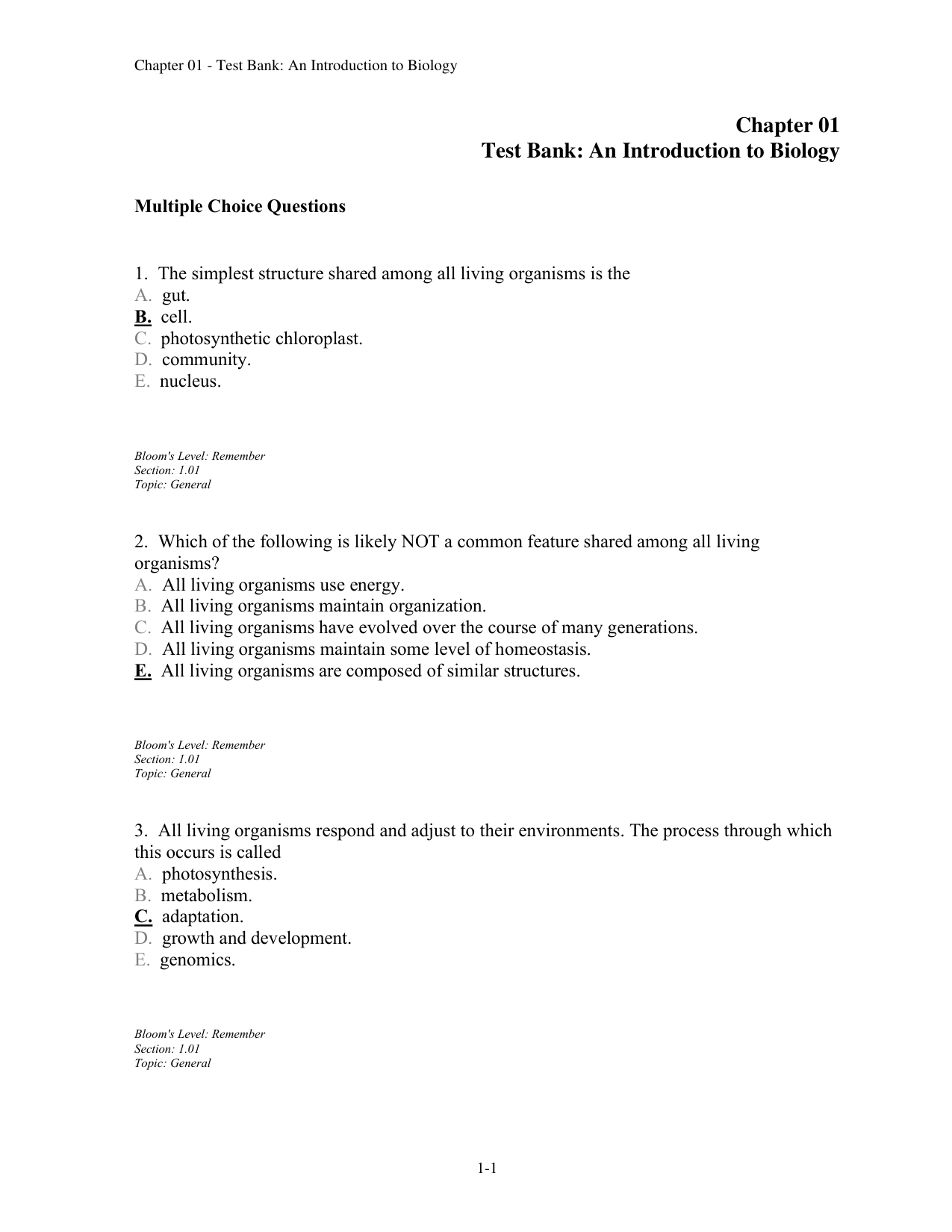
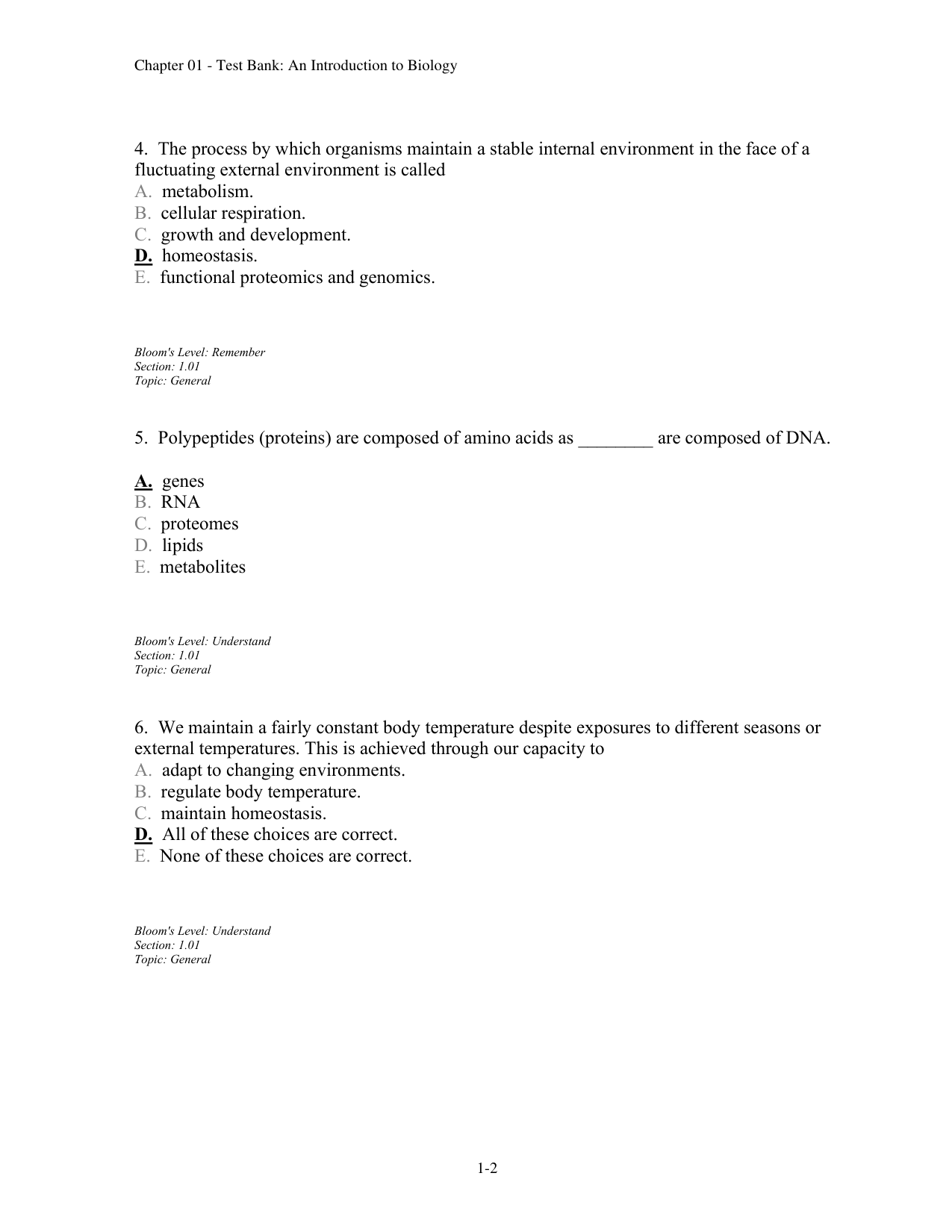
Test Bank for Biology (2nd Edition) by Robert J. Brooker, Eric P. Widmaier, Linda E. Graham, and Peter D. Stiling is a comprehensive assessment resource designed to help students develop a strong understanding of the fundamental principles of biology and apply biological concepts to scientific and real-world problems. Organized by chapter to align with the textbook, the test bank provides a wide variety of assessment questions that evaluate students’ knowledge of biological structures, processes, mechanisms, and interactions.
This resource supports a conceptual and application-based approach to learning biology by integrating molecular, cellular, organismal, evolutionary, and ecological perspectives. Questions are designed to encourage scientific reasoning, critical thinking, interpretation of biological data, and problem-solving skills. The test bank helps learners connect biological concepts across different levels of organization, from molecules and cells to organisms and ecosystems.
The assessment resource is valuable for instructors creating quizzes, exams, and classroom assessments, while also serving as a study tool for students preparing for introductory biology examinations in biology, pre-health, environmental science, and related life science programs.
Major Topics Covered Include
Introduction to Biology and Scientific Inquiry
Characteristics of living organisms
Biological organization
Scientific methods and experimental design
Scientific evidence and data interpretation
Biology as a scientific discipline
Evolution as a central theme of biology
Chemistry of Life
Atoms and elements
Chemical bonds
Properties of water
Acids, bases, and pH
Biological molecules
Carbohydrates
Lipids
Proteins
Nucleic acids
Cell Biology
Cell theory
Prokaryotic and eukaryotic cells
Cell structures and organelles
Membrane structure and function
Transport mechanisms
Cell communication
Cellular organization
Cellular Energy and Metabolism
Energy principles in biological systems
ATP and energy transfer
Enzyme function
Metabolic pathways
Cellular respiration
Photosynthesis
Regulation of metabolism
Molecular Biology and Genetics
DNA structure and function
DNA replication
Chromosomes
Genes and genomes
Gene expression
Transcription and translation
Mutations
Regulation of gene activity
Cell Division and Inheritance
Cell cycle
Mitosis
Meiosis
Mendelian genetics
Patterns of inheritance
Genetic variation
Chromosomal inheritance
Evolutionary Biology
Darwin’s theory of evolution
Natural selection
Adaptation
Population genetics
Evolutionary mechanisms
Speciation
Phylogenetic relationships
Evolutionary history
Diversity of Life
Classification and taxonomy
Domains and kingdoms of life
Bacteria and archaea
Protists
Fungi
Plants
Animals
Evolutionary relationships among organisms
Plant Biology
Plant structure and function
Plant tissues
Transport systems
Photosynthesis
Plant reproduction
Plant growth and development
Plant adaptations
Animal Structure and Function
Animal organization
Tissues and organs
Homeostasis
Nervous system
Endocrine system
Circulatory system
Respiratory system
Digestive system
Immune system
Reproductive system
Ecology and Environmental Biology
Population ecology
Community interactions
Ecosystem structure
Energy flow
Nutrient cycling
Biodiversity
Conservation biology
Human impacts on ecosystems
The Test Bank Helps Students Develop the Ability To
Explain fundamental biological principles and their relationships.
Apply biological concepts across molecular, cellular, organismal, and ecological levels.
Describe how biological structures relate to their functions.
Analyze scientific experiments, graphs, models, and biological data.
Explain how cells maintain organization and carry out life processes.
Understand mechanisms of DNA replication, gene expression, and inheritance.
Apply genetic concepts to biological variation and heredity.
Explain evolutionary processes and the mechanisms driving biodiversity.
Describe the relationships between organisms and their environments.
Understand how organisms maintain homeostasis through integrated systems.
Explain major physiological processes in plants and animals.
Apply ecological concepts to environmental challenges and conservation.
Develop scientific reasoning and critical-thinking skills.
Interpret biological information and evaluate scientific evidence.
Connect biology concepts to healthcare, biotechnology, and everyday life.
Assessment Formats Commonly Include
Multiple-choice questions
Concept-based questions
Application questions
Critical-thinking questions
Data analysis questions
Diagram and figure interpretation questions
Experimental scenario questions
Scientific reasoning problems
Key Features
Chapter-by-chapter organization aligned with Biology (2nd Edition)
Comprehensive coverage of major biological concepts
Integration of molecular, cellular, evolutionary, and ecological perspectives
Emphasis on conceptual understanding and application
Questions designed to strengthen scientific literacy
Support for classroom assessment and independent exam preparation
College and university students enrolled in introductory biology courses biology, pre-medical programs, nursing, allied health sciences, environmental science, biotechnology, and other life science disciplines, instructors, professors, and teaching assistants.
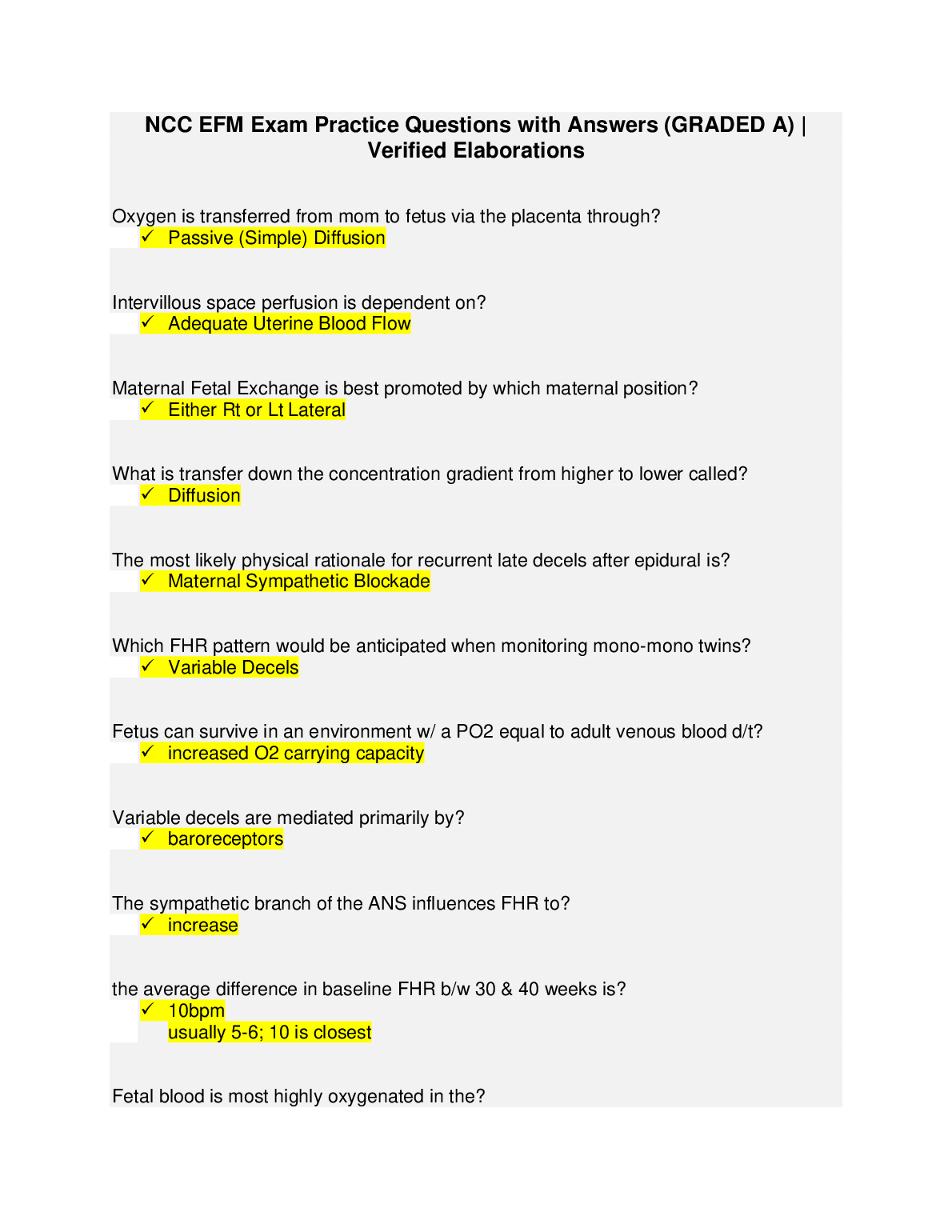
Master Ncc Efm Exams With Graded Practice Questions On Fetal Heart Rate Monitoring, V...
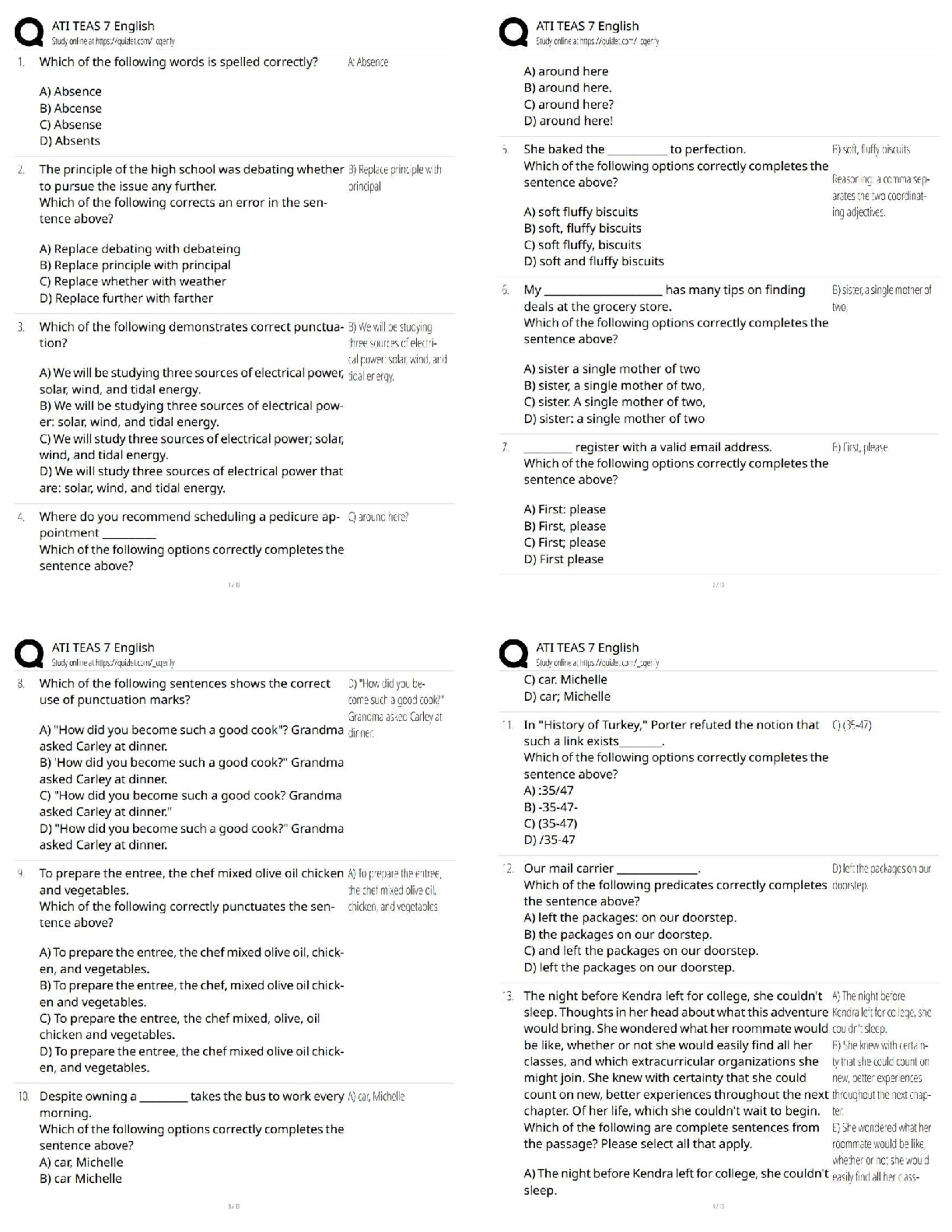
Master The ATI TEAS 7 English Section With This Verified Test Bank. Improve Grammar,...
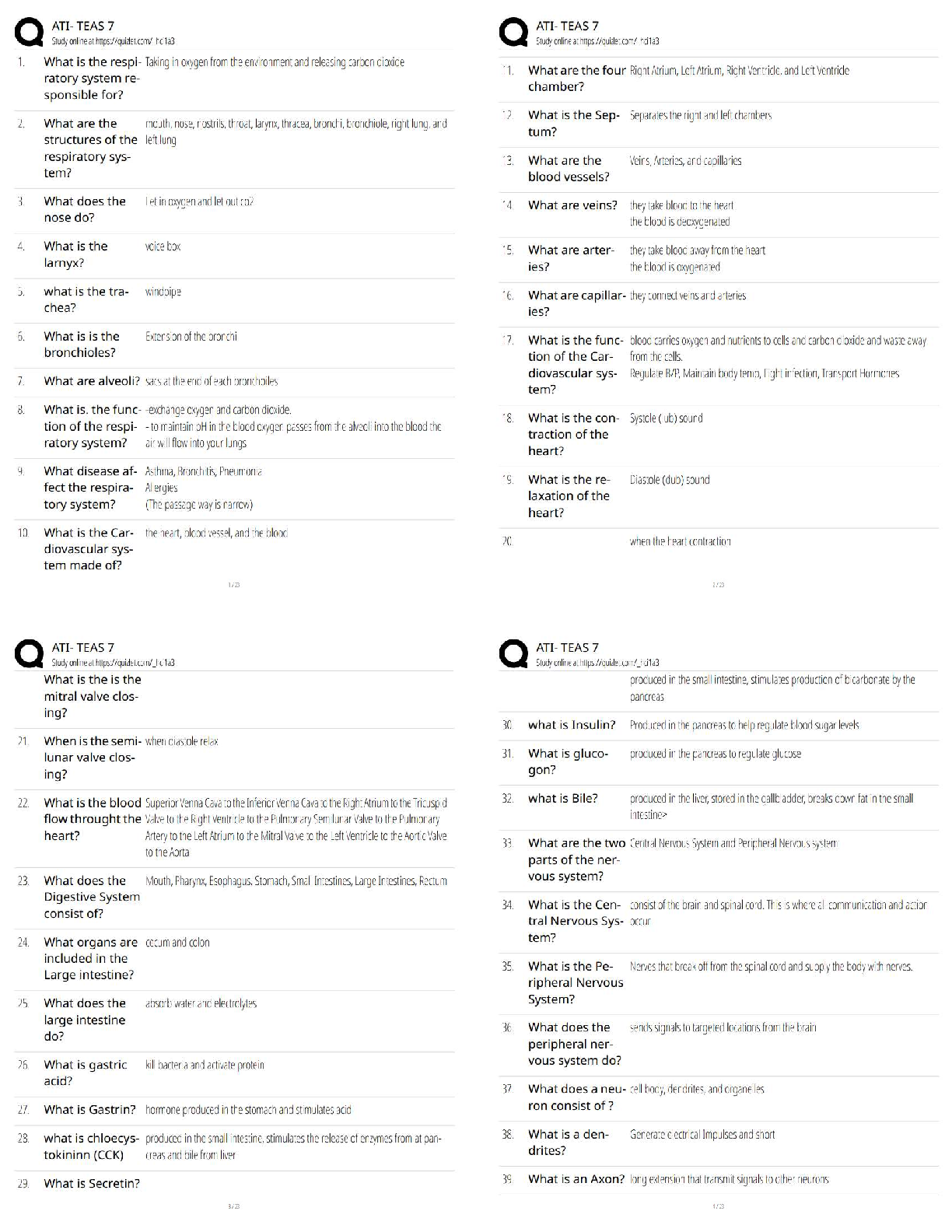
Master ATI TEAS 7 With Our Verified 2026 Test Bank. Covers Respiratory, Cardiovascula...
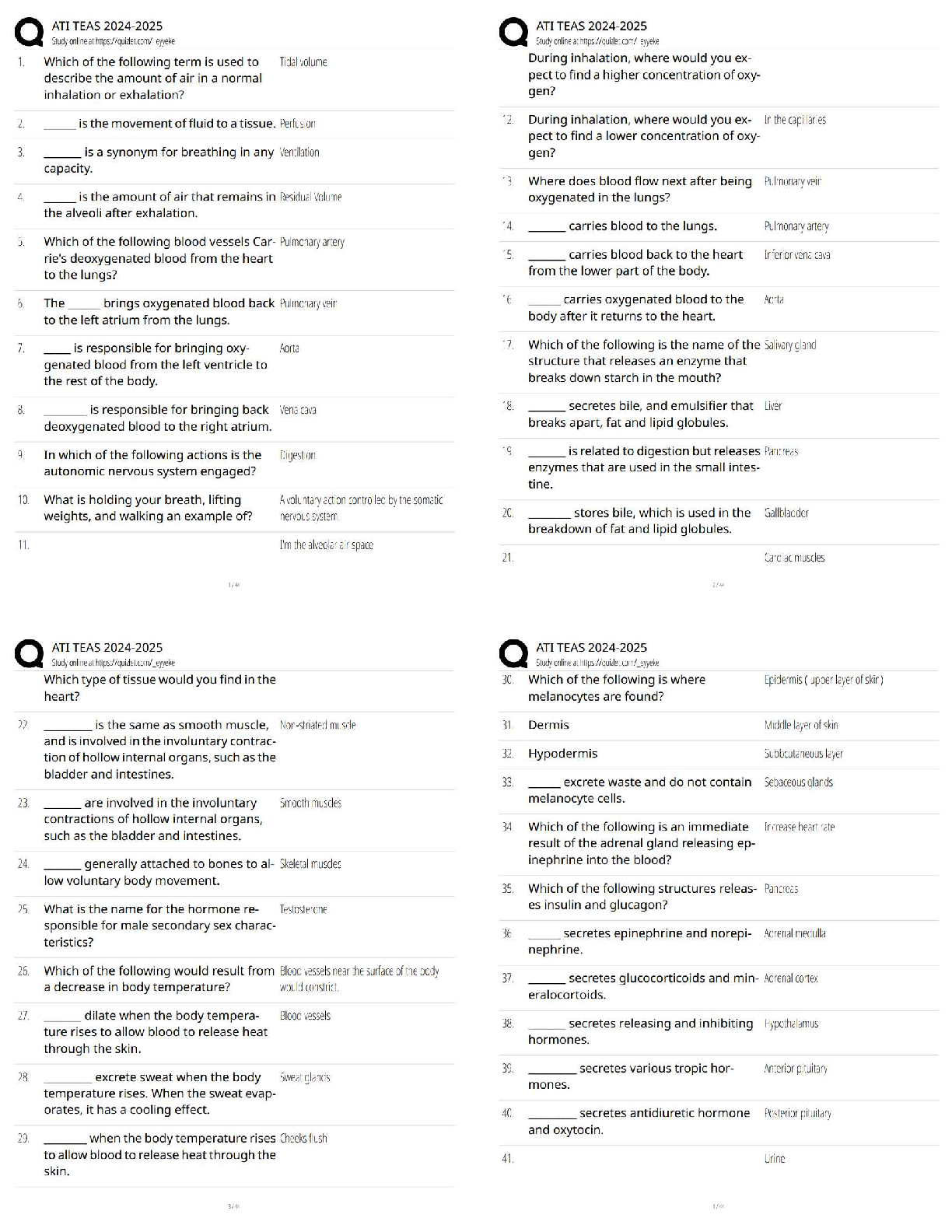
Ace The ATI TEAS 7 Exam On Your First Try. Access Hundreds Of Practice Questions, Det...