
Test bank
Cell Biology, 3rd Edition Test Bank
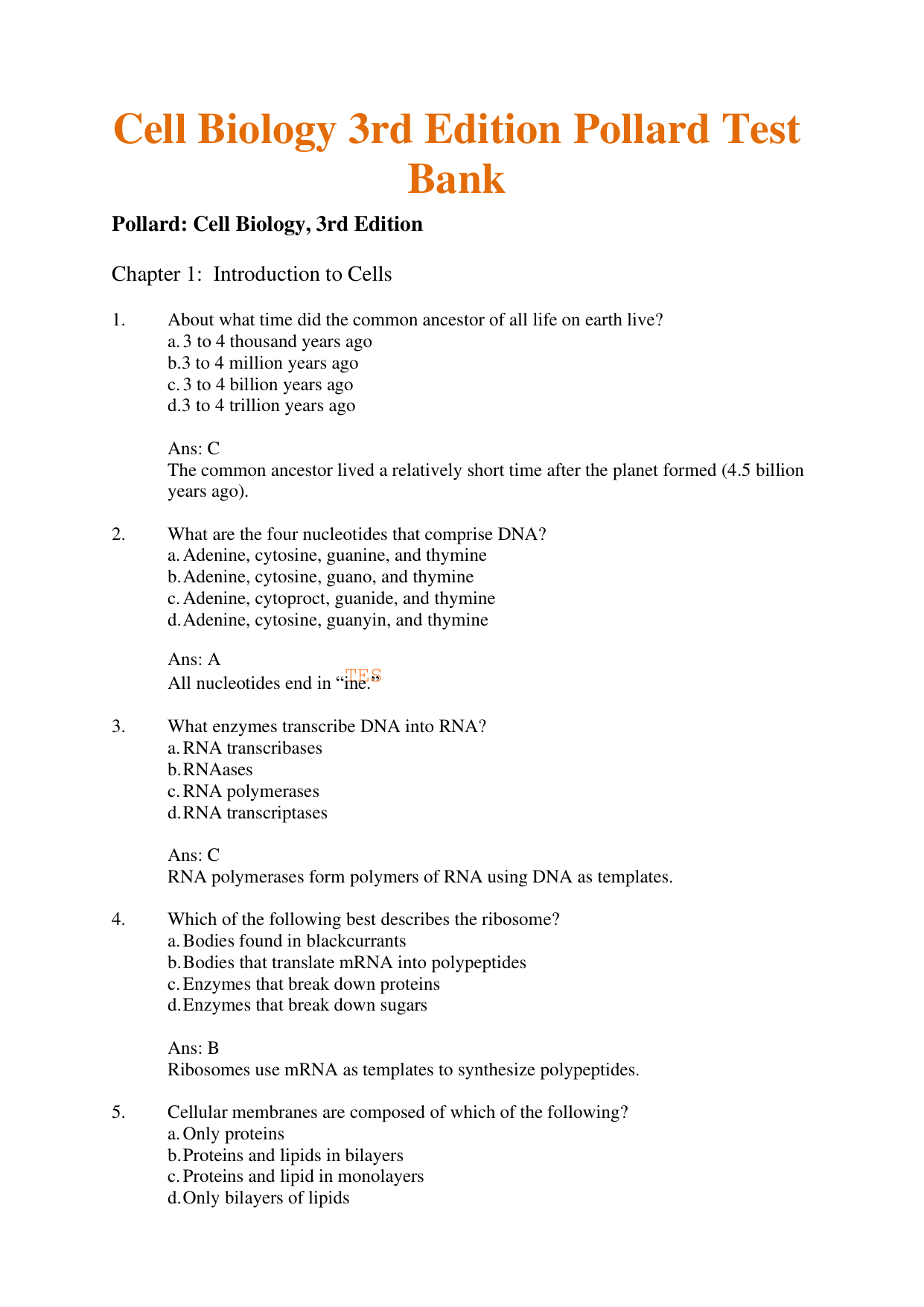
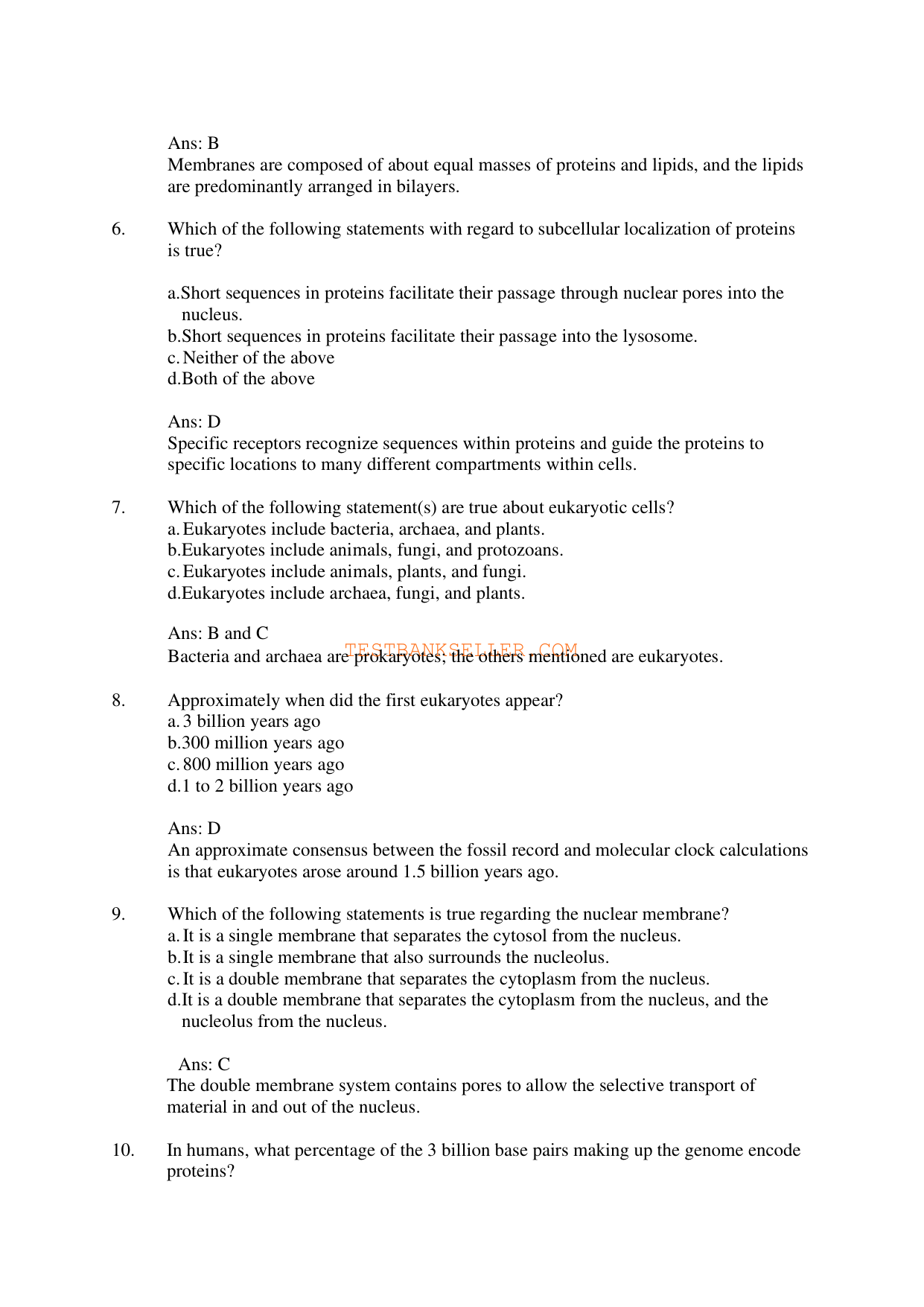
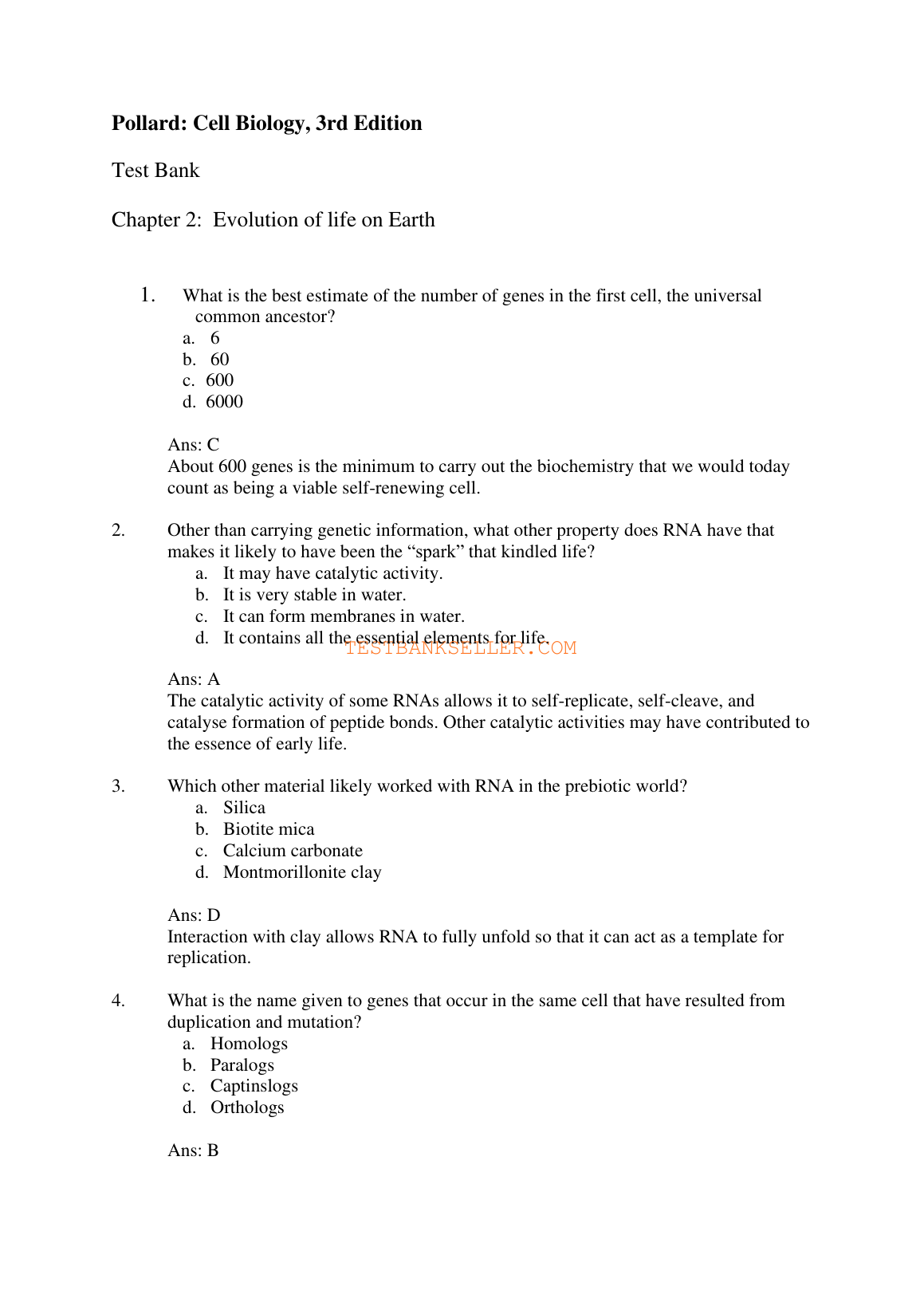
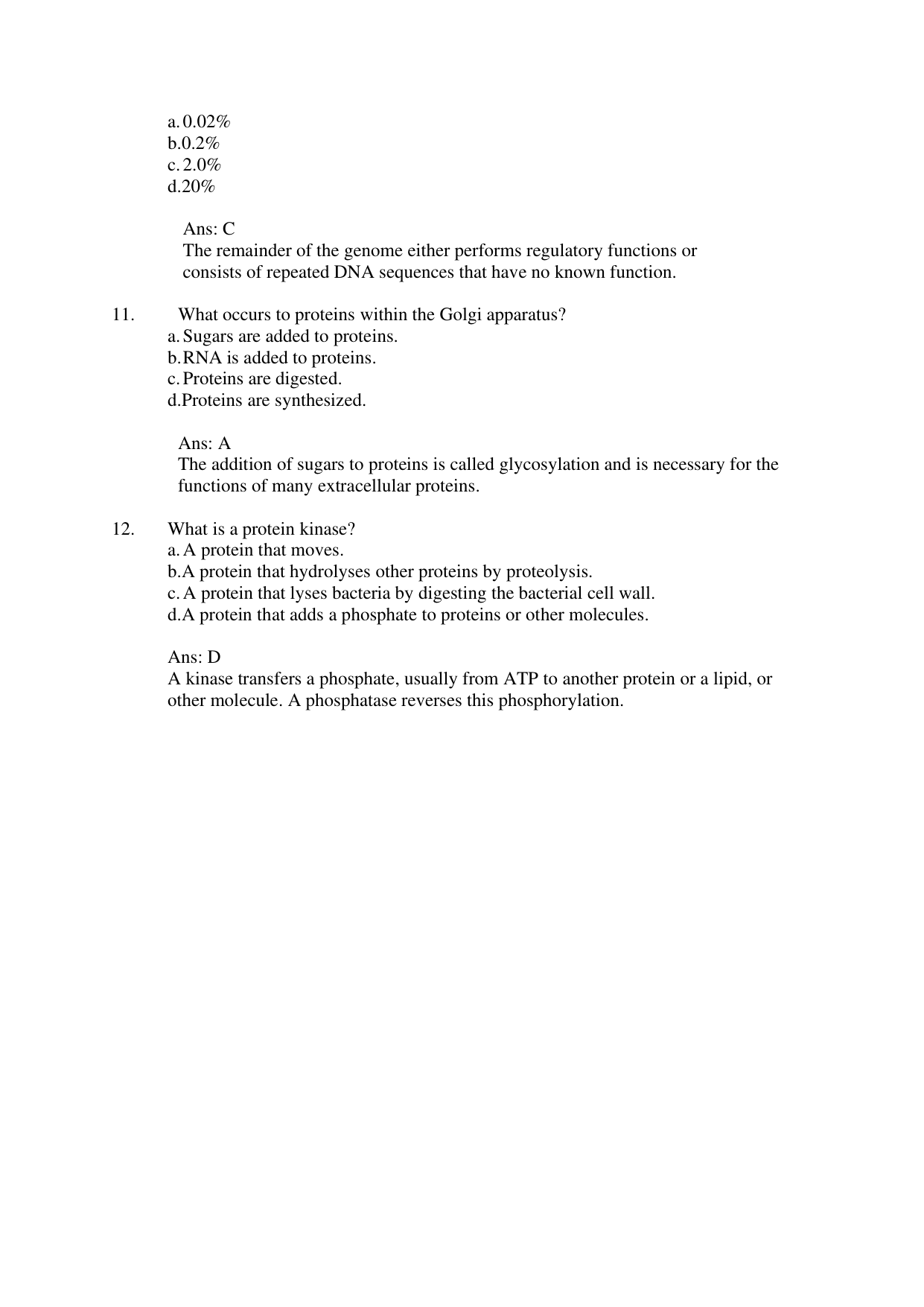
Test Bank for Cell Biology (3rd Edition) by Thomas D. Pollard, William C. Earnshaw, Jennifer Lippincott-Schwartz, and Graham Johnson is a comprehensive assessment resource designed to help students develop a deep understanding of the molecular and cellular mechanisms that govern living systems. Aligned with the textbook, this resource provides chapter-organized questions that assess students’ knowledge of cell structure, molecular processes, cellular regulation, and experimental approaches used in modern cell biology.
The test bank supports a concept-driven approach to learning by connecting fundamental cellular principles with research applications, disease mechanisms, and biotechnology. Questions are designed to evaluate comprehension, application, interpretation of experimental data, and critical-thinking skills. It helps students understand how molecules interact to create cellular structures and how cells regulate complex biological processes.
This resource is valuable for instructors preparing quizzes, examinations, and classroom assessments, as well as for students studying cell biology in undergraduate biology, biomedical sciences, biotechnology, molecular biology, and health-related programs.
Major Topics Covered Include
Foundations of Cell Biology
History and development of cell biology
Cell theory and principles of cellular organization
Molecular basis of cellular processes
Experimental approaches in cell biology
Microscopy and imaging techniques
Quantitative analysis of cellular structures and functions
Cellular Structure and Organization
Prokaryotic and eukaryotic cell organization
Cellular compartments and organelles
Nucleus and genetic material organization
Cytoplasm and intracellular components
Relationships between cellular structure and function
Biological Membranes
Structure and organization of lipid bilayers
Membrane proteins
Membrane fluidity and dynamics
Transport across membranes
Channels, carriers, and pumps
Vesicular transport mechanisms
Protein Structure and Function
Protein synthesis and folding
Protein targeting and localization
Protein modifications
Enzyme function
Protein interactions and cellular networks
Molecular Biology of the Cell
DNA structure and replication
Chromosome organization
Gene expression
Transcription and RNA processing
Translation and protein synthesis
Regulation of gene activity
The Cytoskeleton and Cell Movement
Actin filaments
Microtubules
Intermediate filaments
Motor proteins
Cytoskeletal organization
Cell migration and mechanical properties of cells
Cell Signaling and Communication
Cellular signaling pathways
Receptors and signal transduction
Second messengers
Protein kinases and phosphatases
Regulation of cellular responses
Communication between cells
Cellular Energy and Metabolism
Mitochondrial structure and function
Cellular respiration
ATP production
Energy metabolism
Metabolic regulation
Cellular responses to energy demands
Organelles and Intracellular Transport
Endoplasmic reticulum
Golgi apparatus
Lysosomes
Peroxisomes
Mitochondria
Protein trafficking pathways
Vesicle formation and movement
Cell Division and Reproduction
Cell cycle regulation
DNA duplication
Mitosis
Cytokinesis
Cell cycle checkpoints
Regulation of cell proliferation
Cell Death and Disease
Apoptosis
Programmed cell death pathways
Cellular stress responses
Cancer biology
Abnormal cell growth and regulation
Development and Differentiation
Cell differentiation
Stem cells
Developmental signaling
Tissue organization
Cellular specialization
Immunology and Specialized Cells
Immune cell structure and function
Cellular interactions in immunity
Antigen recognition
Immune signaling mechanisms
Experimental Cell Biology
Molecular techniques
Cell culture methods
Fluorescence microscopy
Electron microscopy
Genetic approaches
Imaging and visualization methods
Experimental interpretation
The Test Bank Helps Students Develop the Ability To
Explain the fundamental principles of cell biology.
Describe how cellular structures support specific biological functions.
Understand relationships between molecules, organelles, and cellular systems.
Explain membrane structure and mechanisms of cellular transport.
Describe how proteins are synthesized, modified, transported, and regulated.
Explain DNA replication, gene expression, and cellular regulation.
Analyze mechanisms of cellular signaling and communication.
Understand how cells produce and use energy.
Explain the roles of mitochondria and other organelles in cellular function.
Describe cytoskeletal organization and its role in cell shape and movement.
Understand cell cycle regulation and mechanisms of cell division.
Explain how defects in cellular processes contribute to disease.
Interpret experimental data from modern cell biology research.
Apply molecular and cellular concepts to biomedical and biotechnology applications.
Develop critical-thinking and problem-solving skills in cellular analysis.
Assessment Formats Commonly Include
Multiple-choice questions
Conceptual understanding questions
Application-based questions
Experimental analysis questions
Data interpretation questions
Figure and microscopy analysis questions
Molecular pathway questions
Critical-thinking scenarios
Key Features
Chapter-by-chapter organization aligned with Cell Biology (3rd Edition)
Comprehensive coverage of modern cellular and molecular biology
Emphasis on mechanisms, processes, and experimental reasoning
Integration of molecular biology, genetics, and biomedical applications
Questions designed to strengthen analytical and scientific skills
Useful for classroom assessments, review, and exam preparation
Biology students, instructors, and exam preparation users.
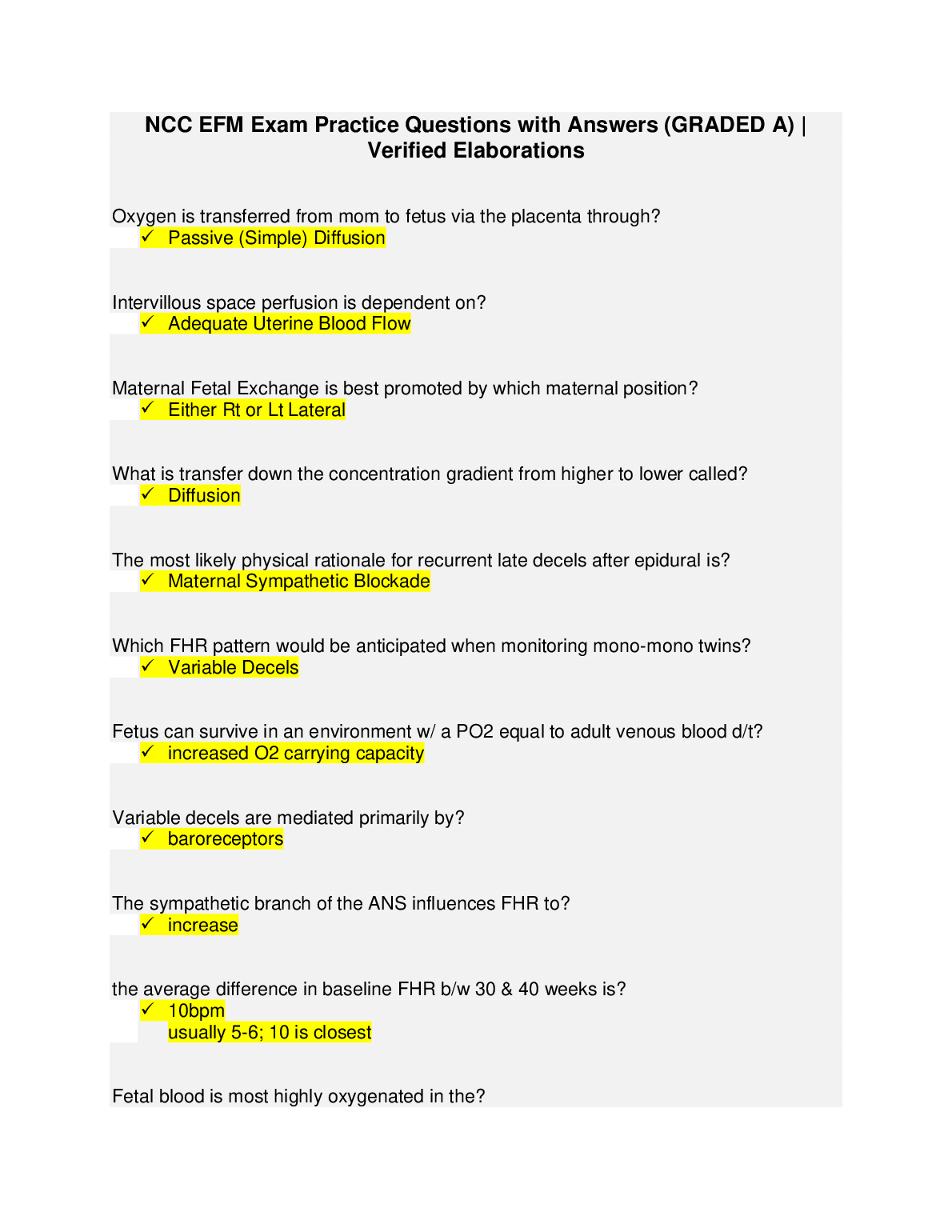
Master Ncc Efm Exams With Graded Practice Questions On Fetal Heart Rate Monitoring, V...
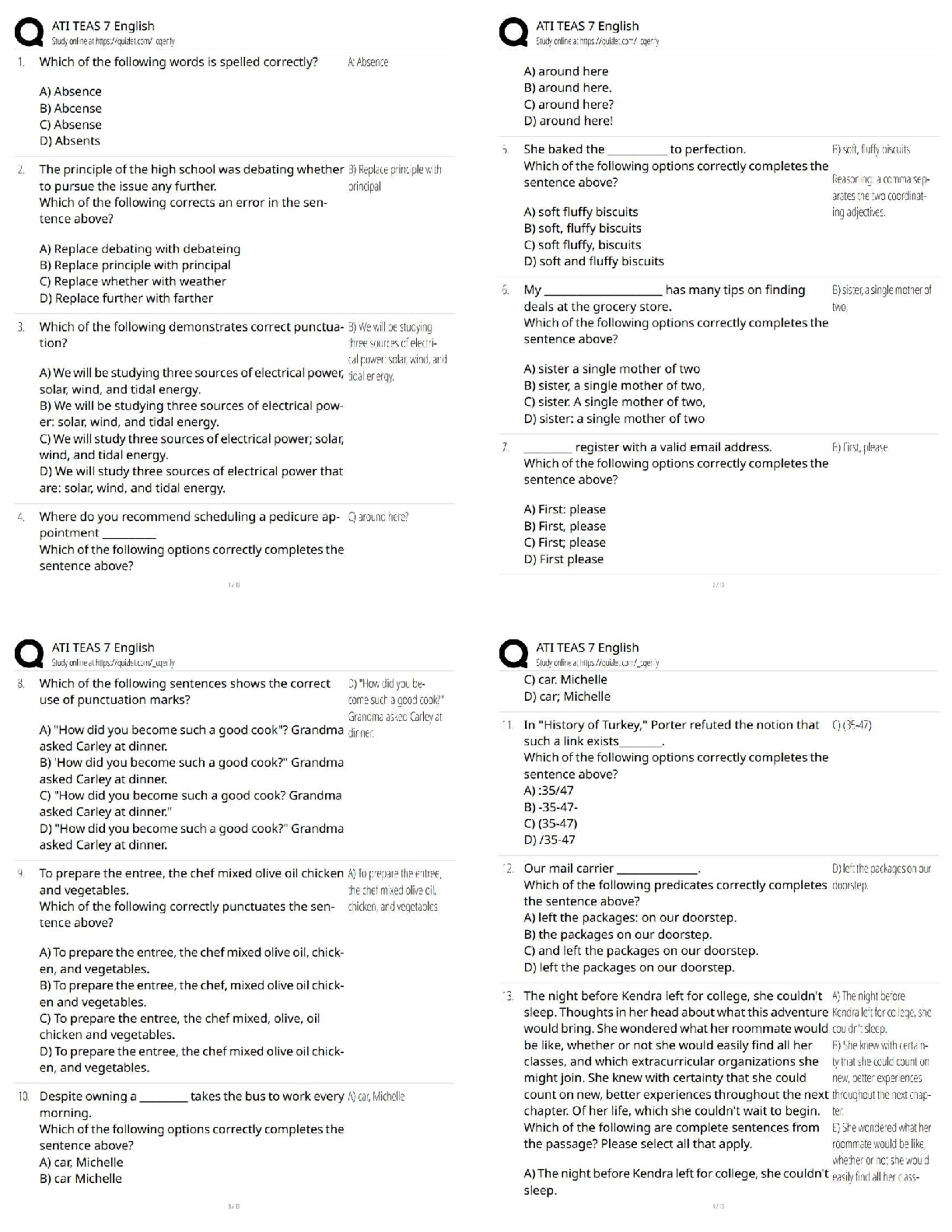
Master The ATI TEAS 7 English Section With This Verified Test Bank. Improve Grammar,...
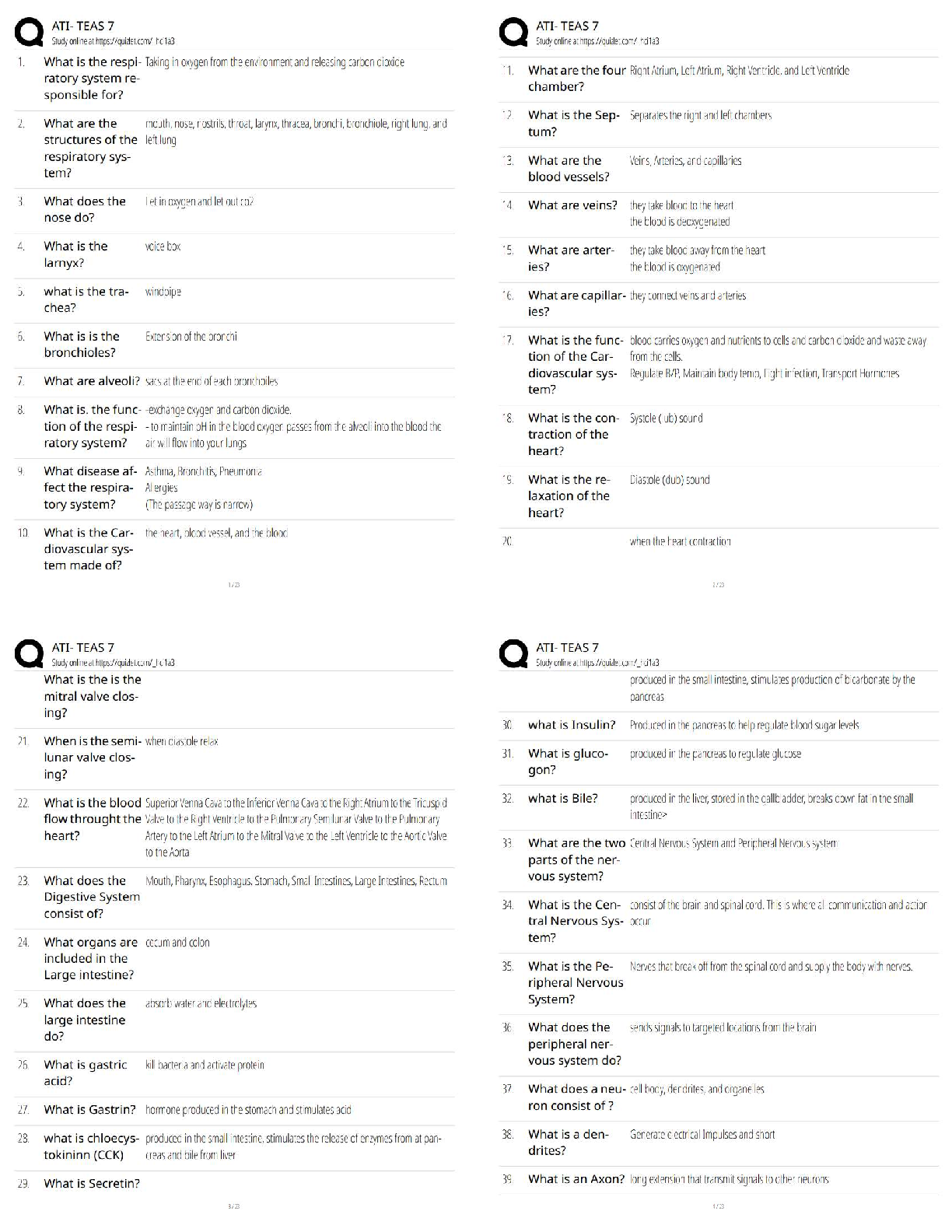
Master ATI TEAS 7 With Our Verified 2026 Test Bank. Covers Respiratory, Cardiovascula...
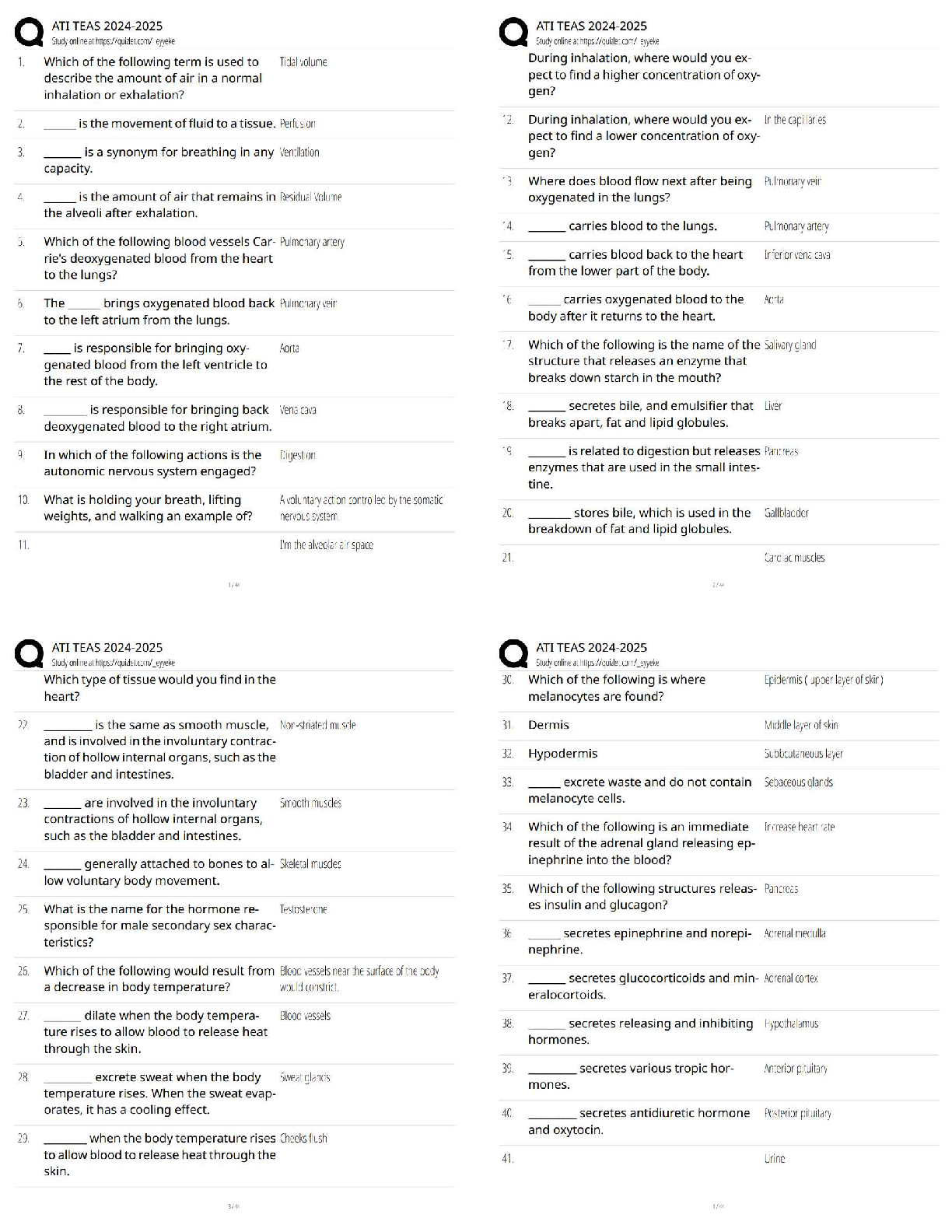
Ace The ATI TEAS 7 Exam On Your First Try. Access Hundreds Of Practice Questions, Det...