
Test bank
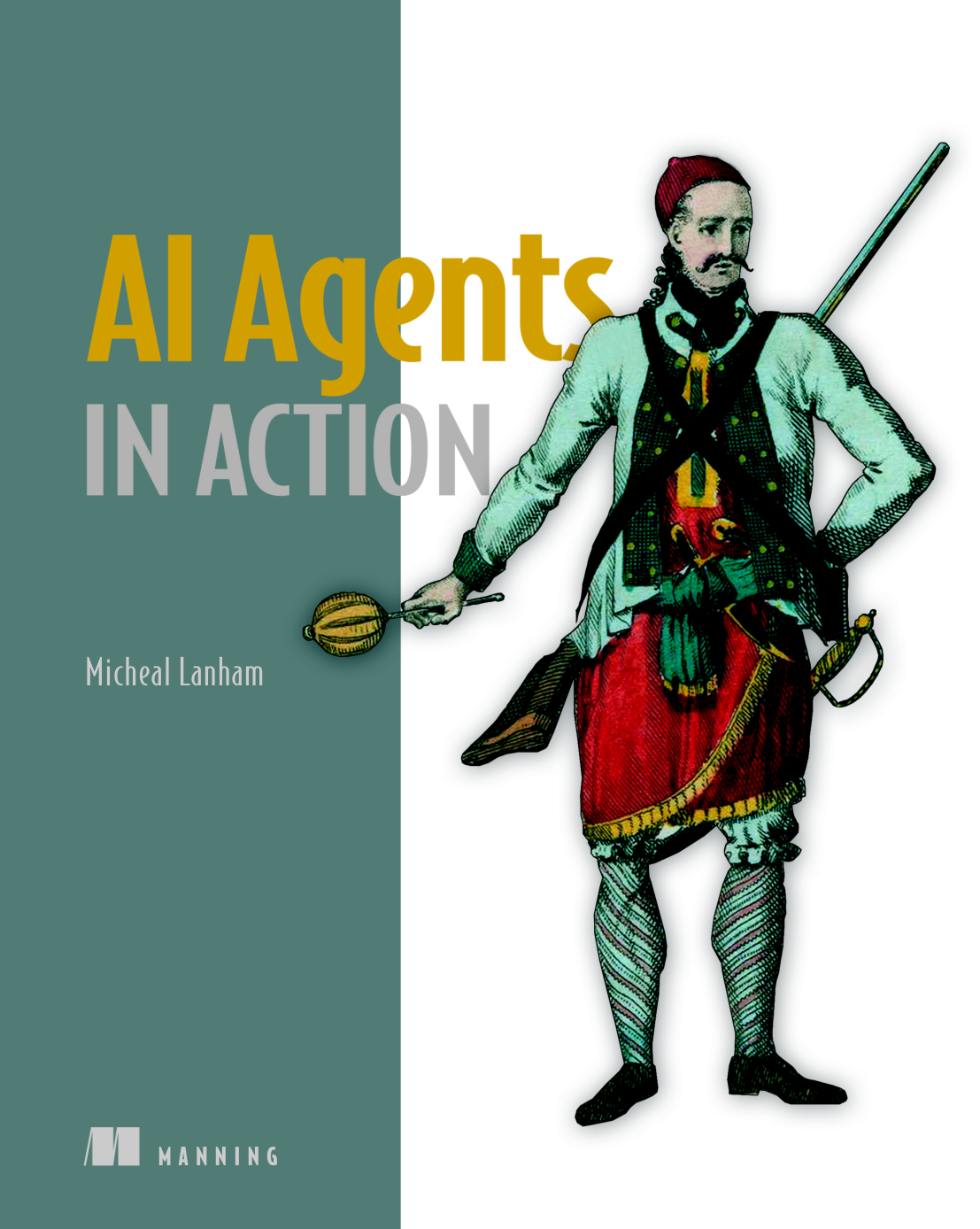
Ai Agents In Action 1st Edition Test Bank
Test Bank for AI Agents in Action, 1st Edition by Michael Lanham is a comprehensive instructor assessment resource developed to accompany the textbook and support teaching, learning, and evaluation in artificial intelligence, autonomous agents, and modern AI application development. Designed for instructors, university students, software developers, and technical training programs, the test bank provides a diverse collection of assessment materials that evaluate learners' understanding of AI agent design, large language models, intelligent automation, and real-world agent deployment across a variety of development environments.
The resource includes multiple assessment formats, including multiple-choice, true/false, matching, fill-in-the-blank, short-answer, and scenario-based application questions. Organized according to the textbook chapters, the assessment items enable instructors to create chapter quizzes, laboratory assessments, midterm examinations, and comprehensive final exams. Many questions present realistic development scenarios that require students to analyze requirements, select appropriate AI architectures, troubleshoot implementation challenges, and apply best practices in building intelligent agent systems.
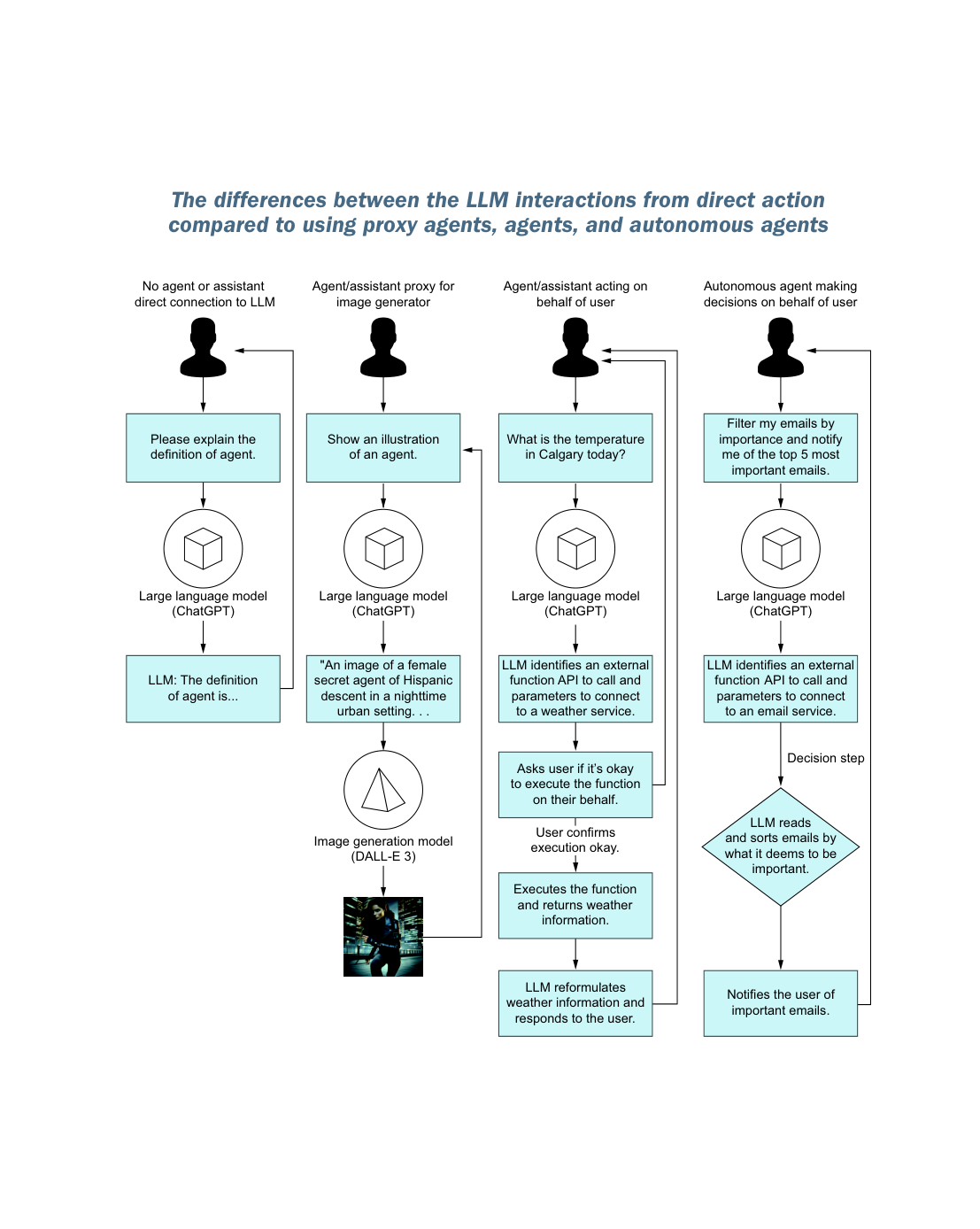
Content begins with the foundational concepts of artificial intelligence, autonomous agents, and intelligent decision-making. Students explore AI agent architectures, agent lifecycles, planning, reasoning, perception, action, and communication while learning how modern AI agents interact with users, external services, APIs, databases, and software tools. Assessment items reinforce both theoretical understanding and practical application of agent-based systems.
The test bank provides extensive coverage of large language models (LLMs), prompt engineering, context management, memory systems, retrieval-augmented generation (RAG), embeddings, vector databases, semantic search, and knowledge retrieval. Students are evaluated on their ability to design effective prompts, optimize context windows, integrate external knowledge sources, and build AI systems capable of producing reliable, context-aware responses.
Additional assessment content focuses on AI agent frameworks, orchestration techniques, workflow automation, tool calling, function execution, API integration, event-driven architectures, multi-step reasoning, task planning, and multi-agent collaboration. Students are challenged to apply software engineering principles while developing scalable, modular, and maintainable AI-powered applications that automate complex workflows and business processes.
The resource also addresses model selection, inference optimization, cloud deployment, performance evaluation, observability, debugging, testing methodologies, security, privacy, authentication, authorization, and responsible AI practices. Ethical considerations—including bias mitigation, transparency, explainability, governance, regulatory compliance, and safe deployment—are integrated throughout the assessment materials to encourage responsible development and operation of AI systems.
Designed to assess multiple cognitive levels, the test bank evaluates factual knowledge, conceptual understanding, practical implementation, analytical thinking, troubleshooting, system design, and technical decision-making. Students are encouraged to integrate principles of artificial intelligence, machine learning, natural language processing, software engineering, cloud computing, and data management while solving realistic AI development challenges.
Learning activities emphasize hands-on application through scenario-based questions that simulate professional software development environments. Students practice designing AI workflows, integrating APIs, implementing memory and retrieval systems, optimizing agent performance, evaluating model outputs, and addressing deployment challenges while following industry best practices for reliability, scalability, and maintainability.


Undergraduate and graduate students studying artificial intelligence, machine learning, computer science, software engineering, data science, and information technology.
University instructors, professors, and lecturers teaching AI, intelligent systems, generative AI, and autonomous agent development courses.
Technical trainers and bootcamp instructors delivering professional education in AI application development and intelligent automation.
Software engineers and application developers seeking to build AI-powered applications using large language models (LLMs), AI agents, and automation frameworks.
Machine learning engineers, AI engineers, and data scientists developing intelligent systems and production-ready AI solutions.
Cloud developers, DevOps engineers, and solution architects integrating AI services into scalable cloud-based applications.
Technology professionals implementing retrieval-augmented generation (RAG), vector databases, prompt engineering, and AI orchestration frameworks.
Developers working with APIs, agent frameworks, workflow automation, and multi-agent systems.
IT professionals and enterprise architects designing intelligent business applications and AI-driven automation solutions.
Researchers exploring autonomous agents, natural language processing, generative AI, and human-AI collaboration.
Organizations and corporate training programs focused on upskilling employees in generative AI, intelligent automation, and AI governance.
Professionals preparing for AI-related certifications or transitioning into careers in artificial intelligence, machine learning, software development, and enterprise AI solutions.
Master ATI Capstone Adult Medical-surgical Assessments With Verified Tips, Practice Q...
Master The RN ATI Capstone With Verified Questions, Detailed Solutions, And High-yiel...

Master The ATI Capstone Nursing Exam. Complete 2025 Test Bank With Verified Answers A...
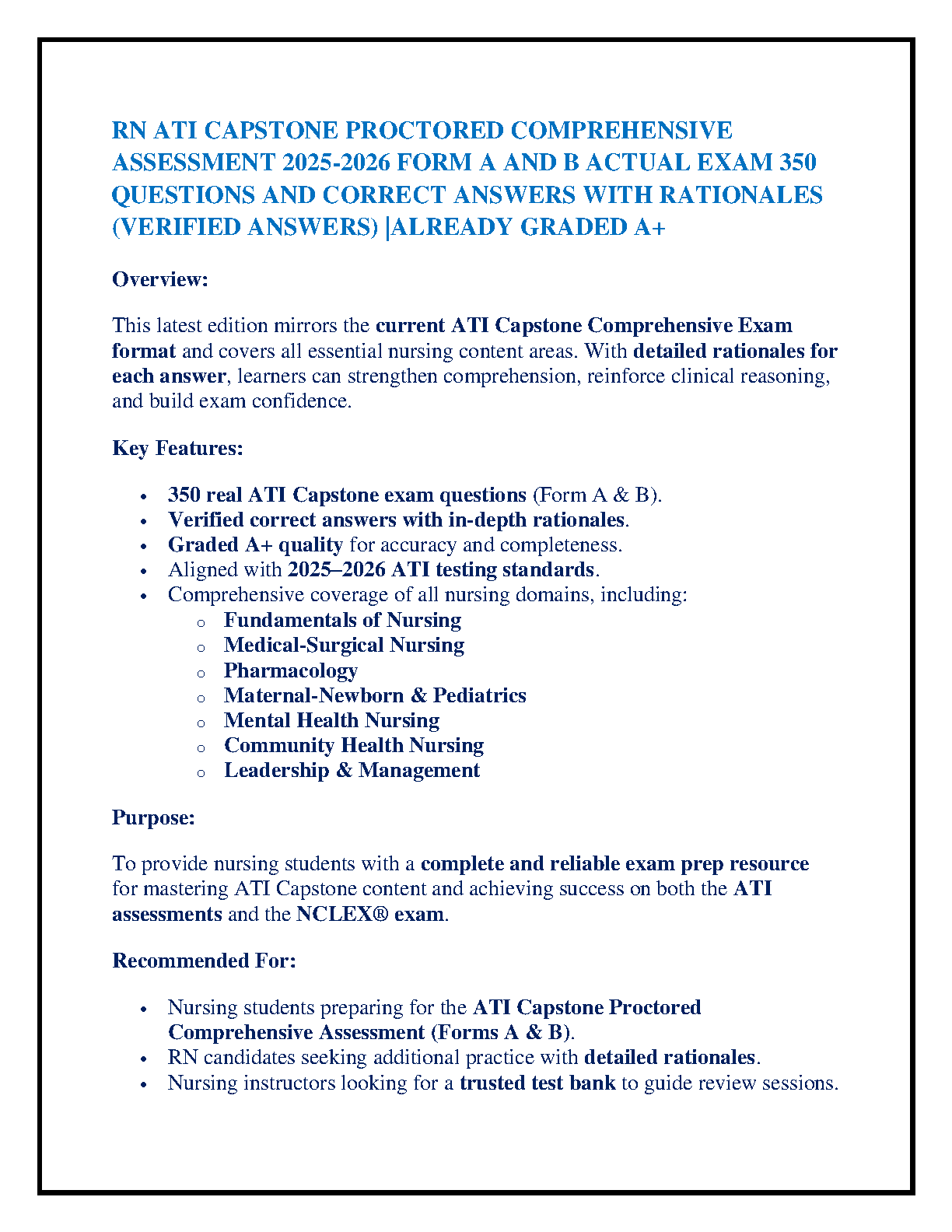
Master The ATI RN Capstone With 350 Verified Questions And Rationales. Ideal For NCLE...