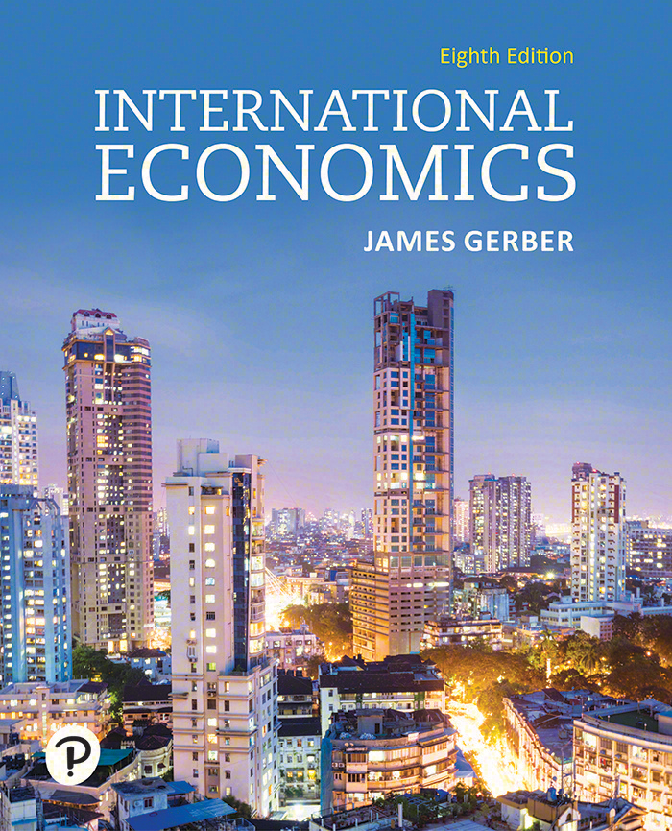
International Economics 8th Edition Test Bank International Economics 8th Edition Test Bank

Economics

International Economics 8th Edition Test Bank


International Economics Is Designed For A One-semester Course Covering Both The Trade And Finance Components.
Description

Test Bank for International Economics, 8th Edition by James Gerber is a comprehensive instructor assessment resource developed to accompany the textbook and support teaching, learning, and evaluation in international economics. Intended for undergraduate and graduate courses in economics, international business, finance, political economy, and public policy, the test bank provides a broad collection of assessment materials that evaluate students' understanding of international trade, global finance, economic development, and the complex interactions among national economies in an increasingly interconnected world.

The resource includes a variety of assessment formats, including multiple-choice, true/false, matching, fill-in-the-blank, short-answer, quantitative, and case-based application questions. Organized according to the textbook chapters, the assessment materials enable instructors to create chapter quizzes, unit tests, midterm examinations, and comprehensive final assessments. Many questions incorporate realistic economic scenarios that require students to analyze data, interpret economic indicators, evaluate policy alternatives, and apply international economic theory to contemporary global issues.

Content begins with the fundamental concepts of international economics, introducing comparative advantage, opportunity cost, specialization, production possibilities, and the gains from international trade. Students are assessed on classical and modern trade theories, including the Ricardian model, Heckscher-Ohlin theory, economies of scale, imperfect competition, and strategic trade theory. Assessment items encourage learners to examine how productivity, technology, resource endowments, and market structures influence trade patterns and economic performance across countries.

Comprehensive coverage of international trade policy examines tariffs, quotas, subsidies, trade agreements, customs unions, free trade areas, regional economic integration, and the role of international institutions such as the World Trade Organization (WTO). Students evaluate the economic effects of protectionism, trade liberalization, and government intervention while considering their impact on producers, consumers, employment, and national welfare.

The international finance section explores foreign exchange markets, exchange rate determination, purchasing power parity, interest rate parity, balance of payments accounting, international capital flows, foreign direct investment, portfolio investment, international banking, and global financial markets. Assessment materials emphasize quantitative reasoning, interpretation of macroeconomic indicators, analysis of exchange rate movements, and evaluation of financial risks in open economies.

Additional topics include open-economy macroeconomics, fiscal and monetary policy, inflation, unemployment, economic growth, globalization, multinational corporations, global supply chains, international migration, sustainable development, environmental economics, financial crises, sovereign debt, international development, emerging markets, technological innovation, digital commerce, and policy coordination among nations. The resource also examines the functions of institutions such as the International Monetary Fund (IMF), World Bank, and central banks in promoting global financial stability and economic cooperation.

Designed to assess multiple levels of learning, the test bank evaluates factual knowledge, conceptual understanding, analytical reasoning, quantitative analysis, policy evaluation, problem-solving, and critical thinking. Students are encouraged to integrate economic theory with empirical evidence while applying international economic models to current global events, business decisions, and public policy challenges.

Learning activities emphasize data interpretation, graphical analysis, economic modeling, comparative evaluation, and case-based problem solving. Scenario-based questions strengthen students' ability to assess international trade patterns, interpret financial market developments, evaluate government policies, analyze economic indicators, and develop evidence-based recommendations using established economic principles.
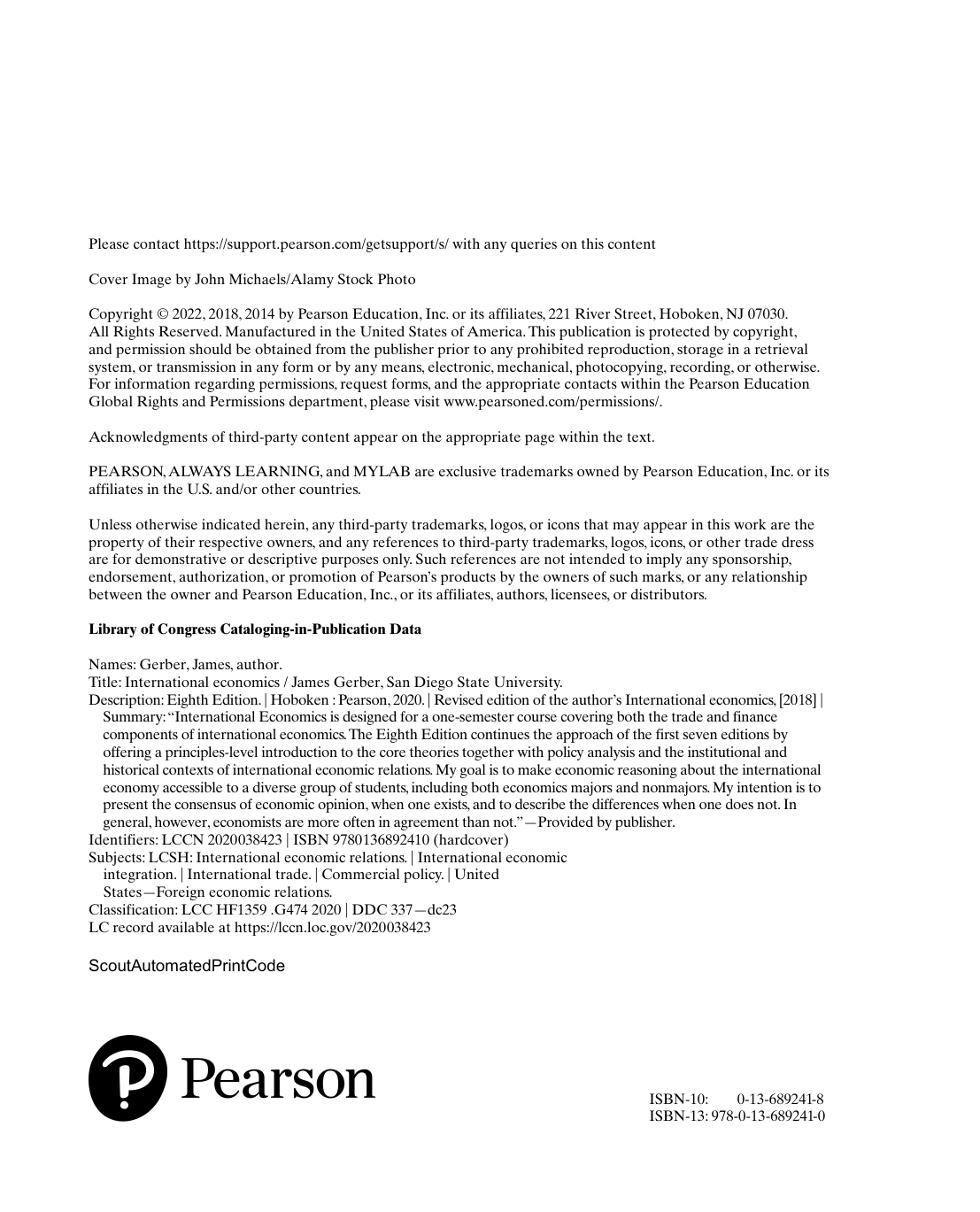
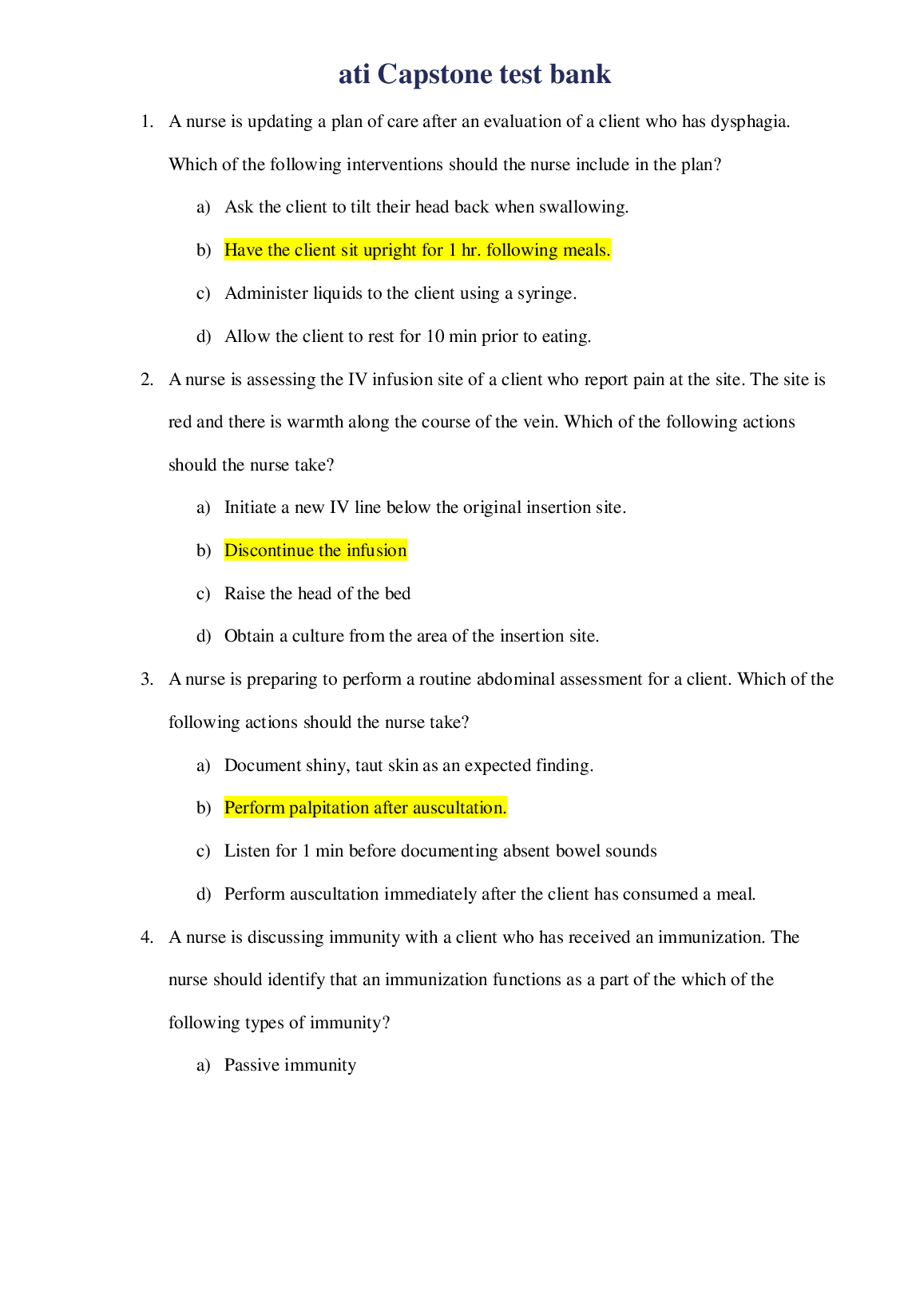
PDF Sample
1 / 3
International Economics 8th Edition Test Bank IMG-1
International Economics 8th Edition Test Bank IMG-2
International Economics 8th Edition Test Bank IMG-3
Who is this Document for ?

Economics students, instructors, and exam preparation users.
What you will learn ?
Explain the fundamental concepts and principles of international economics.
Describe the theory of comparative advantage and its role in international trade.
Analyze the gains from trade using classical and modern trade theories.
Differentiate among the Ricardian, Heckscher-Ohlin, and new trade models.
Explain how opportunity cost, productivity, and factor endowments influence global trade patterns.
Evaluate the effects of tariffs, quotas, subsidies, and other trade barriers on economic welfare.
Assess the economic impact of free trade agreements, customs unions, and regional economic integration.
Explain the functions and significance of the World Trade Organization (WTO) and other international economic institutions.
Describe the operation of foreign exchange markets and the factors influencing exchange rate movements.
Analyze purchasing power parity, interest rate parity, and exchange rate determination.
Explain the structure and importance of the balance of payments in international economics.
Evaluate the role of foreign direct investment, portfolio investment, and international capital mobility.
Analyze the effects of fiscal and monetary policies in open economies.
Explain the causes and consequences of inflation, unemployment, and business cycles in the global economy.
Assess the contributions of multinational corporations to international production, investment, and global value chains.
Examine the causes and impacts of international financial crises, banking instability, and sovereign debt.
Analyze economic growth, globalization, technological innovation, and sustainable development from an international perspective.
Evaluate the roles of the International Monetary Fund (IMF), World Bank, and central banks in promoting global economic stability.
Interpret international economic indicators, trade statistics, and financial data to support economic analysis.
Apply quantitative methods and economic models to analyze international trade and finance problems.
Assess the relationship between international trade, environmental sustainability, and long-term economic development.
Evaluate public policies designed to improve economic competitiveness, trade performance, and international cooperation.
Demonstrate critical thinking when analyzing current international economic events and policy issues.
Integrate international trade theory, international finance, and macroeconomic analysis to evaluate complex global economic challenges.
Apply economic reasoning, quantitative analysis, and evidence-based decision-making to solve real-world problems in international business, finance, and public policy.
What do you get with this PDF ?
Instant access after purchase
Download in PDF format
DRM free, read anywhere
Document details
Last update :
Jul 27, 2026
Length :
495 pages
Edition :
2026
Language :
English
Category :
Keywords
International Economics International Trade International Finance Global Economics Globalization Comparative Advantage Absolute Advantage Opportunity Cost Specialization Gains From Trade Ricardian Model Heckscher-ohlin Model New Trade Theory Specific Factors Model Economies Of Scale Increasing Returns To Scale Imperfect Competition Monopolistic Competition Strategic Trade Theory Factor Endowments Productivity Production Possibility Frontier Ppf Trade Policy Tariffs Quotas Export Subsidies Import Restrictions Non-tariff Barriers Protectionism Free Trade Trade Liberalization Trade Agreements Customs Unions Free Trade Areas Regional Economic Integration World Trade Organization Wto Foreign Exchange Market Exchange Rates Floating Exchange Rates Fixed Exchange Rates Purchasing Power Parity Ppp Interest Rate Parity Balance Of Payments Current Account Capital Account Financial Account Currency Appreciation Currency Depreciation Exchange Rate Determination International Capital Flows Foreign Direct Investment Fdi Portfolio Investment Multinational Corporations Mncs Global Value Chains International Banking International Financial Markets Sovereign Debt Financial Crises Banking Crises Global Financial Stability International Monetary Fund Imf World Bank Central Banks Monetary Policy Fiscal Policy Inflation Unemployment Economic Growth Business Cycles Open Economy Macroeconomics Microeconomics Capital Mobility Trade Deficits Trade Surpluses Competitiveness Productivity Growth Economic Development Emerging Markets Developing Economies Developed Economies Globalization Effects Environmental Sustainability Climate Economics Migration Labor Mobility Technological Innovation Digital Economy International Investment International Business Quantitative Analysis Economic Modeling Policy Analysis Economic Indicators Trade Statistics Econometrics Welfare Economics Consumer Surplus Producer Surplus Market Efficiency International Cooperation Trade Negotiations Public Policy Economic Forecasting Global Supply Chains Cross-border Trade International Commerce Global Governance Risk Management Evidence-based Decision-making Economic Resilience International Markets.
Recommendations for you
International Economics 5th Edition TEST BANK
International Economics 5th Edition Test Bank

Is A Supplementary Instructor Resource Designed To Assess Students' Understanding Of...

$18
Global Economic Issues and Policies 4th Edition TEST BANK
Global Economic Issues And Policies 4th Edition Test Bank

Is A Comprehensive Instructor Assessment Resource Developed To Accompany The Textbook...

$16
Intermediate Microeconomics: A Modern Approach 9th Edition

The Resource Supports Critical Thinking, Analytical Problem-solving And Exam Preparat...

$16
Economics of Money, Banking, and Financial Markets
Economics Of Money, Banking, And Financial Markets

The Resource Supports Critical Thinking, Quantitative Analysis, And Exam Preparation...

$16