
Test bank
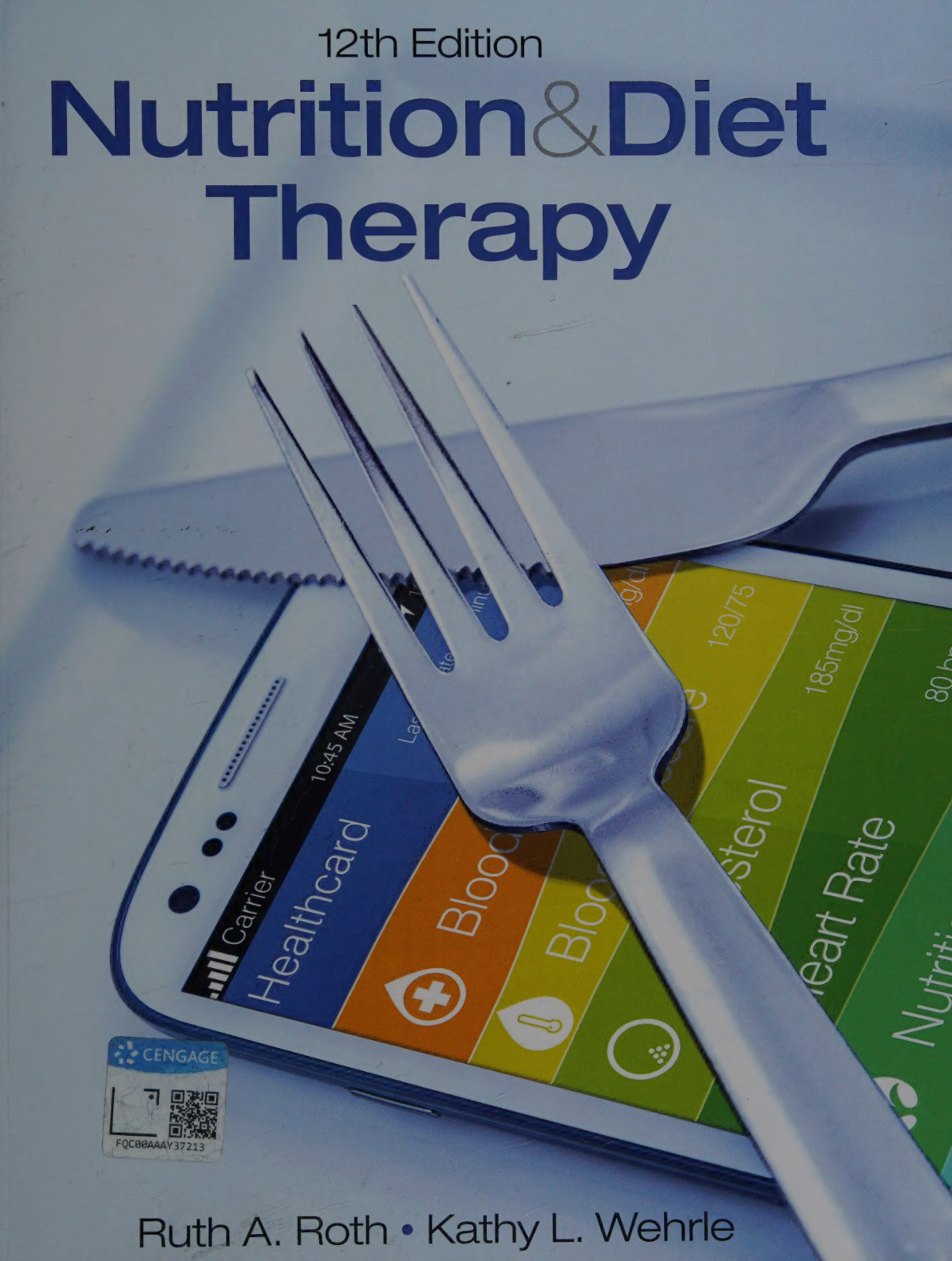
Nutrition And Diet Therapy, 12th Edition Test Bank
Test Bank for Nutrition & Diet Therapy, Twelfth Edition by Ruth A. Roth and Kathy L. Wehrle is a comprehensive instructor assessment resource developed to support teaching, learning, and evaluation in nutrition science, diet therapy, and healthcare nutrition practice. Designed for nursing students, allied health learners, dietetic students, and healthcare professionals, the test bank provides a wide variety of assessment materials that evaluate students’ understanding of nutrition principles, dietary management, and the relationship between nutrition and health outcomes.
The resource includes a range of assessment formats, including multiple-choice questions, true/false questions, matching exercises, fill-in-the-blank questions, calculation-based problems, and case-based application scenarios. Organized according to textbook chapters, these assessment items allow instructors to create quizzes, unit examinations, midterm assessments, final examinations, and classroom review activities. Many questions require students to apply nutrition concepts to realistic healthcare situations, analyze dietary patterns, interpret nutrition information, and make appropriate dietary recommendations.
The test bank begins with foundational concepts in nutrition, including essential nutrients, energy balance, metabolism, digestion, absorption, and the role of nutrition in maintaining health. Students are assessed on their understanding of carbohydrates, proteins, fats, vitamins, minerals, water, fiber, and other components of a balanced diet. Questions reinforce the functions of nutrients, food sources, recommended intake levels, deficiency symptoms, toxicity risks, and the impact of nutrient balance on overall wellness.
Comprehensive coverage of nutrition assessment focuses on methods used to evaluate nutritional status, including dietary analysis, anthropometric measurements, biochemical indicators, clinical assessment, and health history evaluation. Students learn to identify nutritional risks, interpret assessment findings, and apply nutrition principles to individualized care planning.
The resource addresses dietary guidelines, food choices, meal planning, cultural influences on eating behaviors, food labels, dietary patterns, and strategies for promoting healthy lifestyle changes. Assessment items emphasize evidence-based nutrition recommendations, behavior modification, patient education, and the role of healthcare professionals in supporting long-term dietary improvements.
Extensive coverage of life-cycle nutrition examines nutritional needs during pregnancy, infancy, childhood, adolescence, adulthood, and older adulthood. Students evaluate how age, growth, development, physiological changes, and health conditions influence nutritional requirements and dietary recommendations throughout the lifespan.
Medical nutrition therapy concepts are addressed through disease-specific nutrition management, including cardiovascular disease, diabetes, obesity, gastrointestinal disorders, renal disease, cancer, metabolic disorders, hypertension, and other chronic health conditions. Students are challenged to apply therapeutic diet principles, understand dietary modifications, and support nutrition interventions that improve patient outcomes.
Additional topics include weight management, eating behaviors, physical activity and nutrition, sports nutrition, food safety, foodborne illness prevention, community nutrition, public health nutrition initiatives, and nutrition-related health disparities. The test bank also reinforces concepts related to evidence-based practice, interdisciplinary healthcare collaboration, and patient-centered nutrition care.
Designed to assess multiple levels of learning, the test bank evaluates knowledge recall, comprehension, application, analysis, clinical reasoning, and problem-solving skills. Students are encouraged to integrate nutrition science with anatomy, physiology, disease processes, and healthcare practice while developing appropriate dietary strategies for diverse patient populations.
Case-based questions strengthen students’ ability to evaluate patient scenarios, identify nutrition-related concerns, interpret dietary information, recommend appropriate interventions, and educate individuals about healthy food choices and therapeutic diets. These activities promote critical thinking and prepare learners to apply nutrition principles in real-world healthcare environments.


Nursing students, instructors, and exam preparation users.
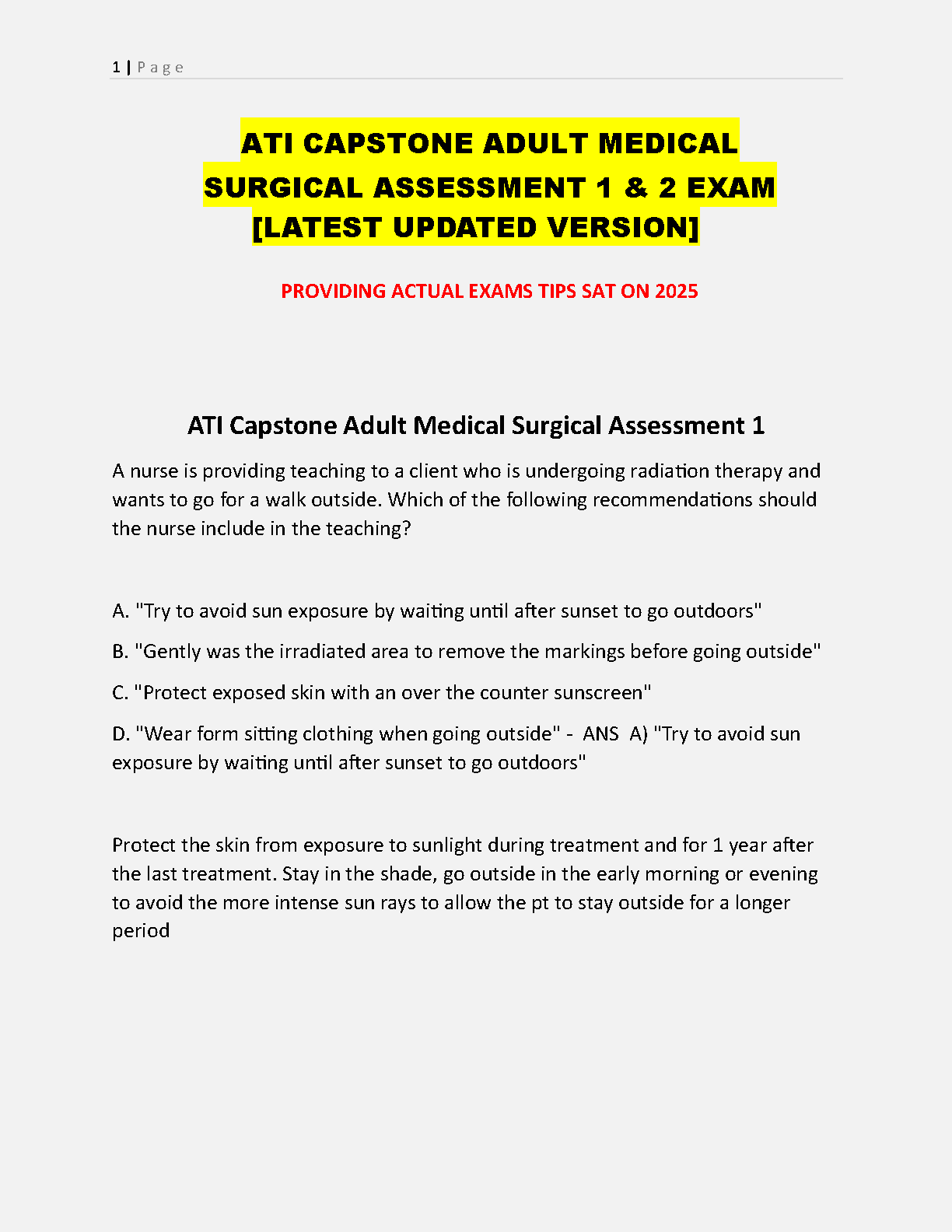
Master ATI Capstone Adult Medical-surgical Assessments With Verified Tips, Practice Q...
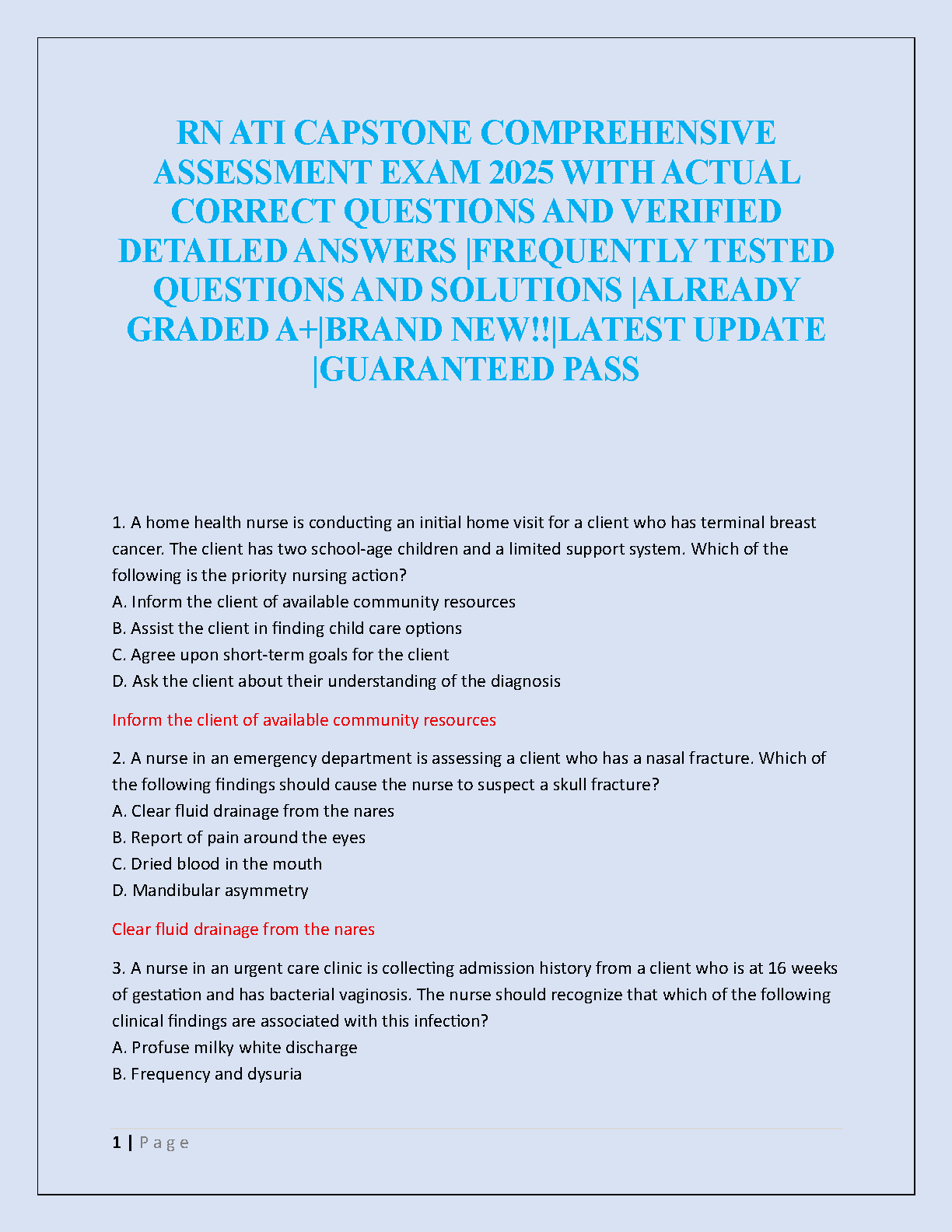
Master The RN ATI Capstone With Verified Questions, Detailed Solutions, And High-yiel...

Master The ATI Capstone Nursing Exam. Complete 2025 Test Bank With Verified Answers A...
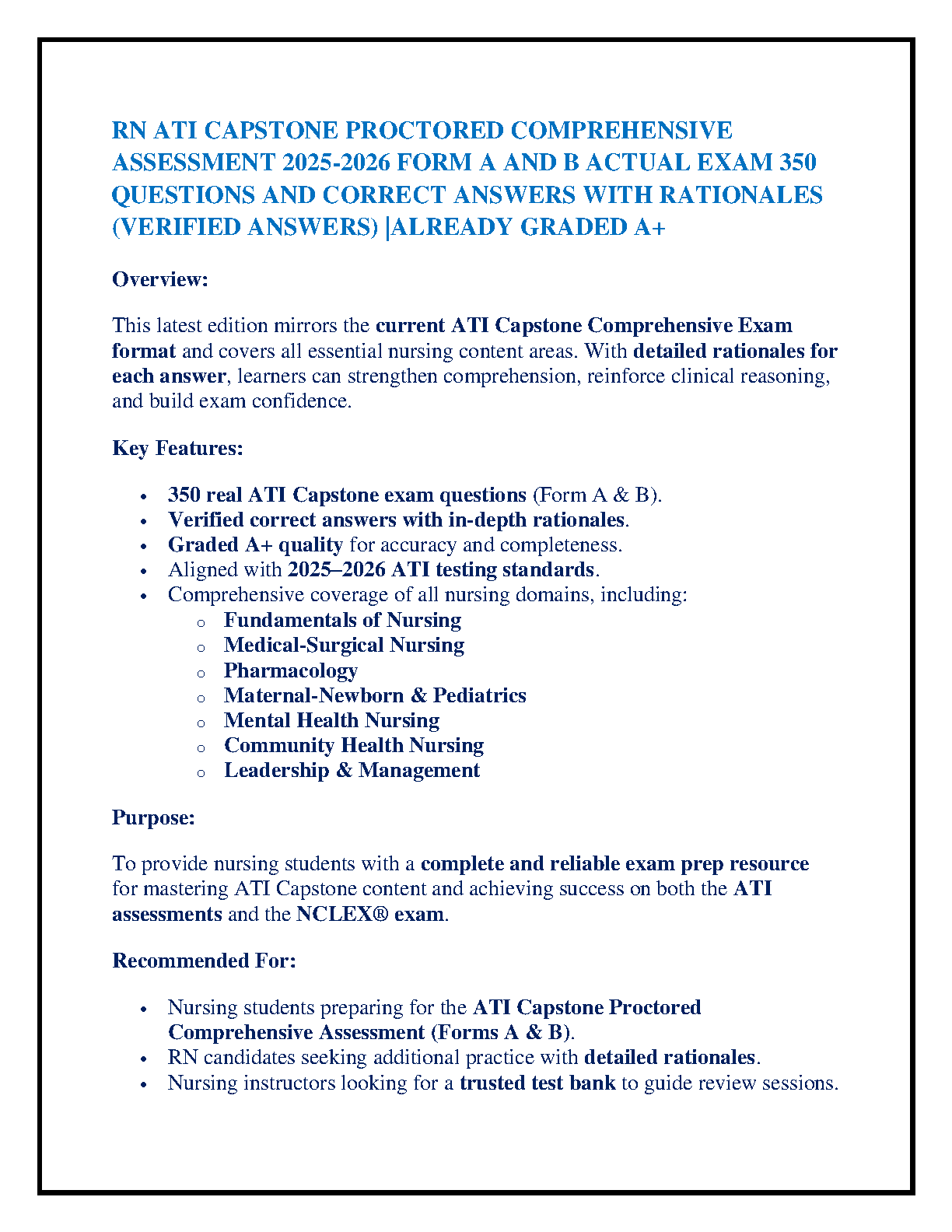
Master The ATI RN Capstone With 350 Verified Questions And Rationales. Ideal For NCLE...