
Nursing
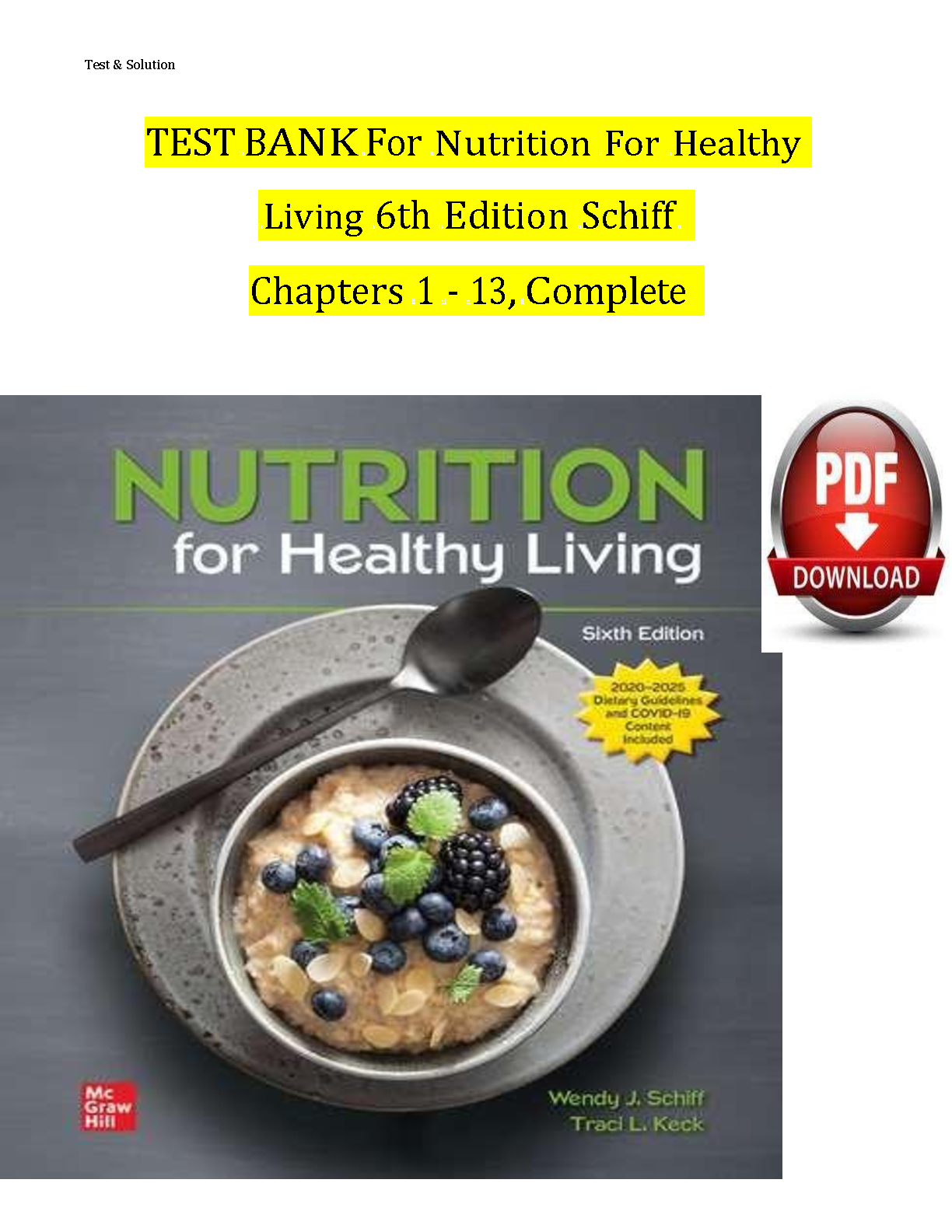
Nutrition For Healthy Living, 6th Edition Test Bank
Test Bank for Nutrition for Healthy Living, 6th Edition by Wendy J. Schiff and Traci L. Keck is a comprehensive instructor assessment resource developed to support teaching, learning, and evaluation in nutrition science, health promotion, and wellness education. Designed for introductory nutrition courses, health science programs, nursing students, allied health learners, and individuals studying the relationship between diet and health, the test bank provides a wide range of assessment materials that evaluate students’ understanding of nutrition principles, dietary behaviors, and evidence-based approaches to maintaining a healthy lifestyle.
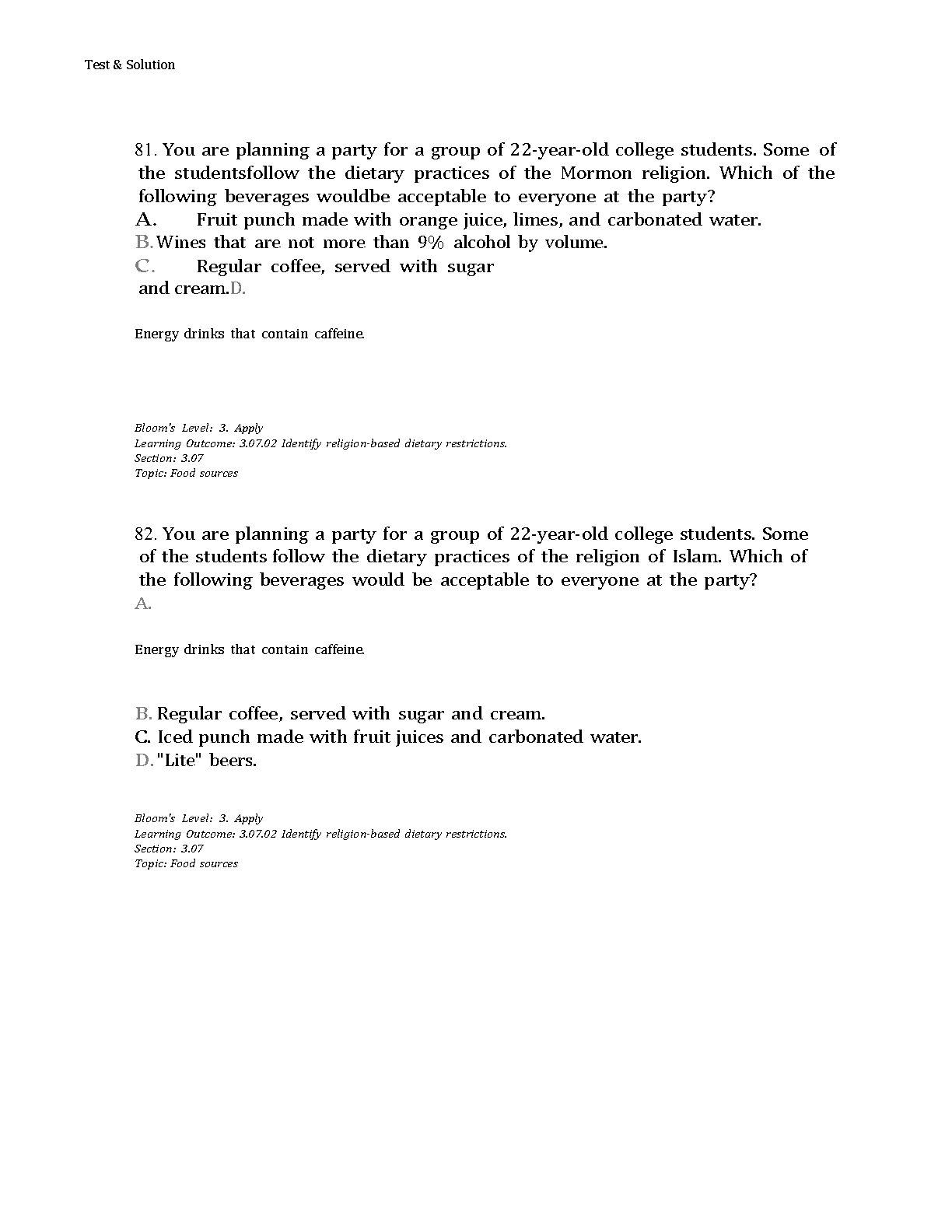
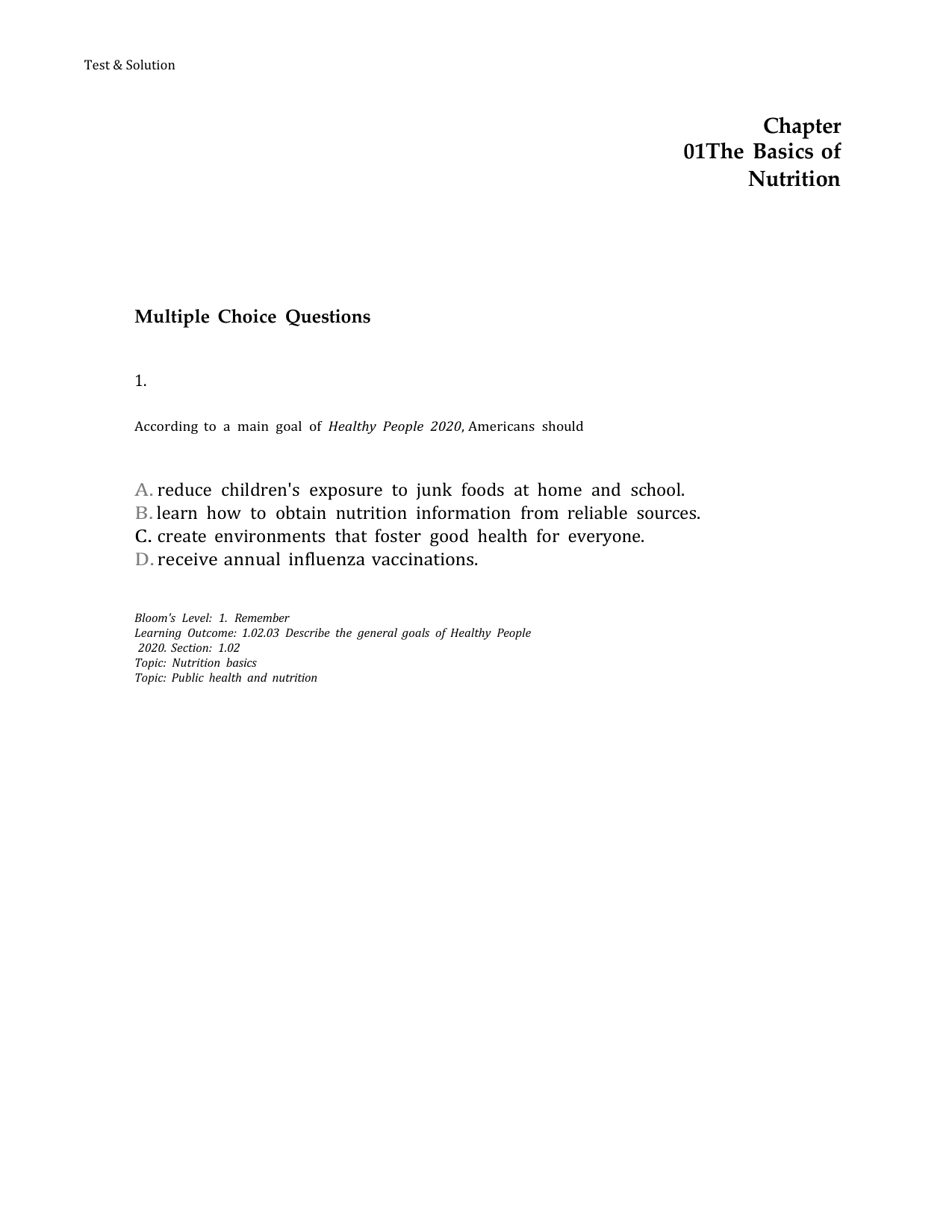
The resource includes a variety of assessment formats, including multiple-choice questions, true/false questions, matching exercises, fill-in-the-blank questions, nutrition calculation problems, and case-based application scenarios. Organized according to textbook chapters, the assessment items allow instructors to create quizzes, unit examinations, midterm tests, final examinations, and classroom review activities. Many questions require students to apply nutrition concepts to everyday health situations, analyze dietary patterns, interpret nutrition information, and make informed decisions about food choices and lifestyle behaviors.
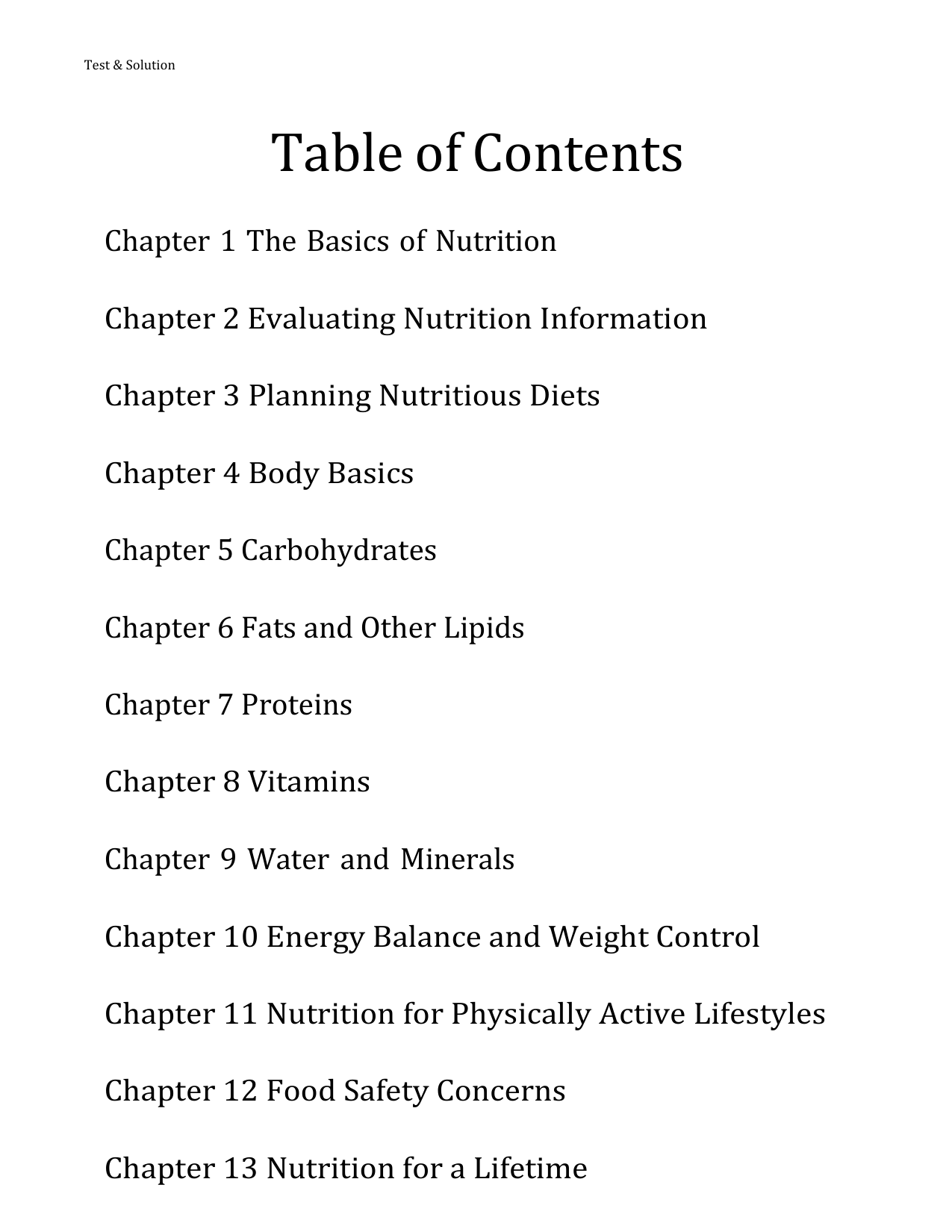
The test bank begins with foundational concepts in nutrition, including the role of nutrients, energy balance, metabolism, digestion, absorption, and the importance of nutrition in overall health and disease prevention. Students are assessed on their understanding of carbohydrates, proteins, fats, vitamins, minerals, water, fiber, and other essential components of a balanced diet.
Comprehensive coverage of nutrient functions examines how macronutrients and micronutrients contribute to body processes, energy production, growth, maintenance, immune function, and disease prevention. Assessment materials reinforce concepts related to nutrient sources, recommended intakes, deficiency symptoms, excess consumption, and the impact of dietary choices on health outcomes.
The resource addresses dietary guidelines, healthy eating patterns, food selection, meal planning, portion control, food labels, and strategies for improving nutritional quality. Students evaluate dietary recommendations, identify health-promoting behaviors, and apply practical approaches to developing balanced eating habits.
Nutrition assessment concepts are covered through evaluation of dietary intake, body composition, energy needs, physical activity levels, and lifestyle factors. Students learn to recognize factors affecting nutritional status and apply nutrition principles to individual health goals and wellness planning.
The test bank also explores energy balance, weight management, obesity prevention, physical activity, metabolism, and the relationship between nutrition and chronic disease risk. Students analyze factors influencing body weight and evaluate strategies for achieving and maintaining a healthy lifestyle through appropriate nutrition and activity choices.
Additional topics include nutrition throughout the life cycle, including pregnancy, infancy, childhood, adolescence, adulthood, and older adulthood. Students examine changing nutritional needs related to growth, development, aging, and health status while considering the influence of culture, environment, and personal behaviors on dietary practices.
The resource covers the relationship between nutrition and disease prevention, including cardiovascular health, diabetes, cancer prevention, immune function, digestive health, and other nutrition-related conditions. Students apply nutrition concepts to understand how dietary patterns influence long-term health outcomes.
Food safety, foodborne illness prevention, dietary supplements, functional foods, consumer nutrition information, and current nutrition controversies are also addressed. Assessment questions encourage students to evaluate nutrition claims, identify reliable sources of information, and make evidence-based decisions about food and health.
Designed to assess multiple levels of learning, the test bank evaluates knowledge recall, comprehension, application, analysis, critical thinking, and problem-solving skills. Students are encouraged to connect nutrition science with personal health behaviors, community wellness, and preventive healthcare practices.
Nursing students, instructors, and exam preparation users.
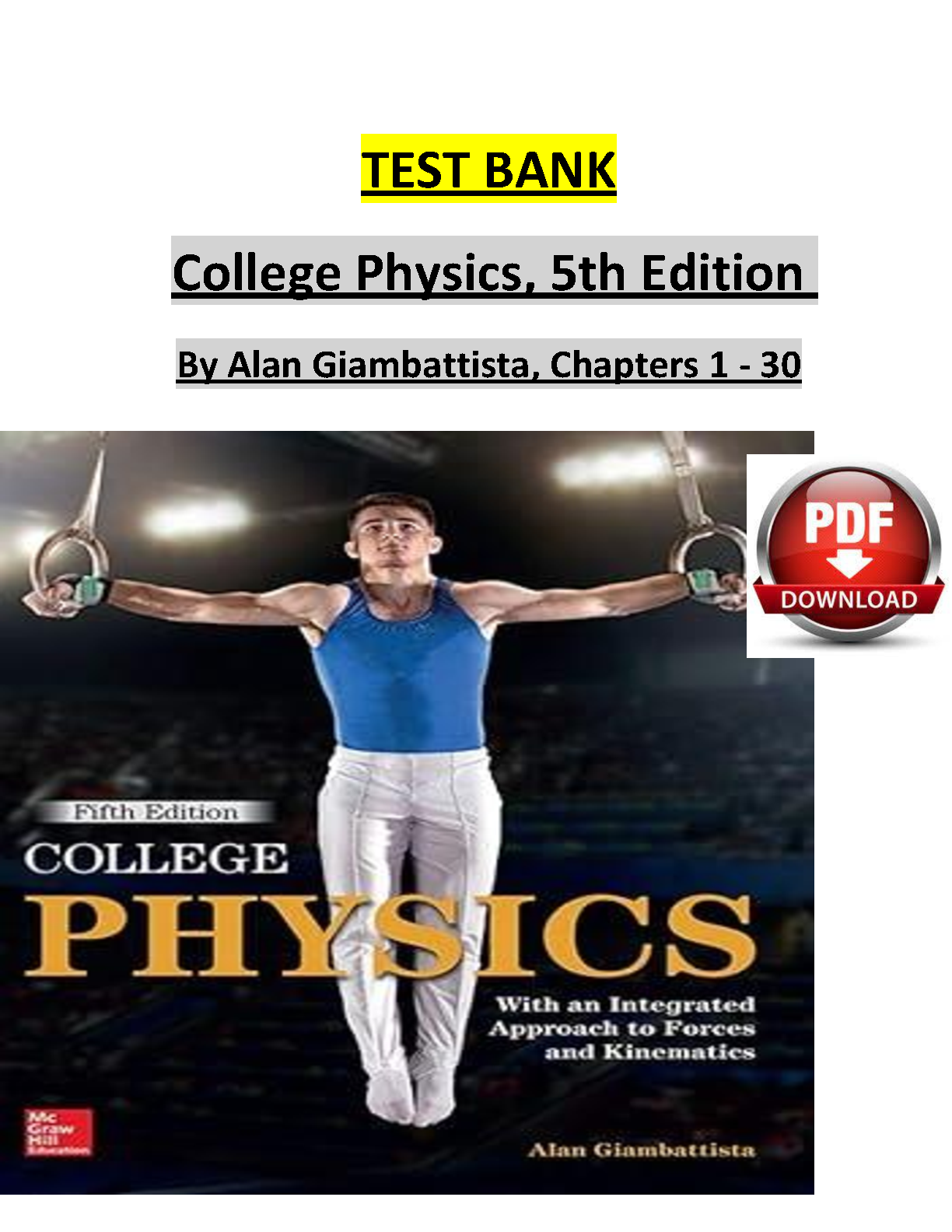
Is A Comprehensive Instructor Assessment Resource Designed For College Physics Instru...
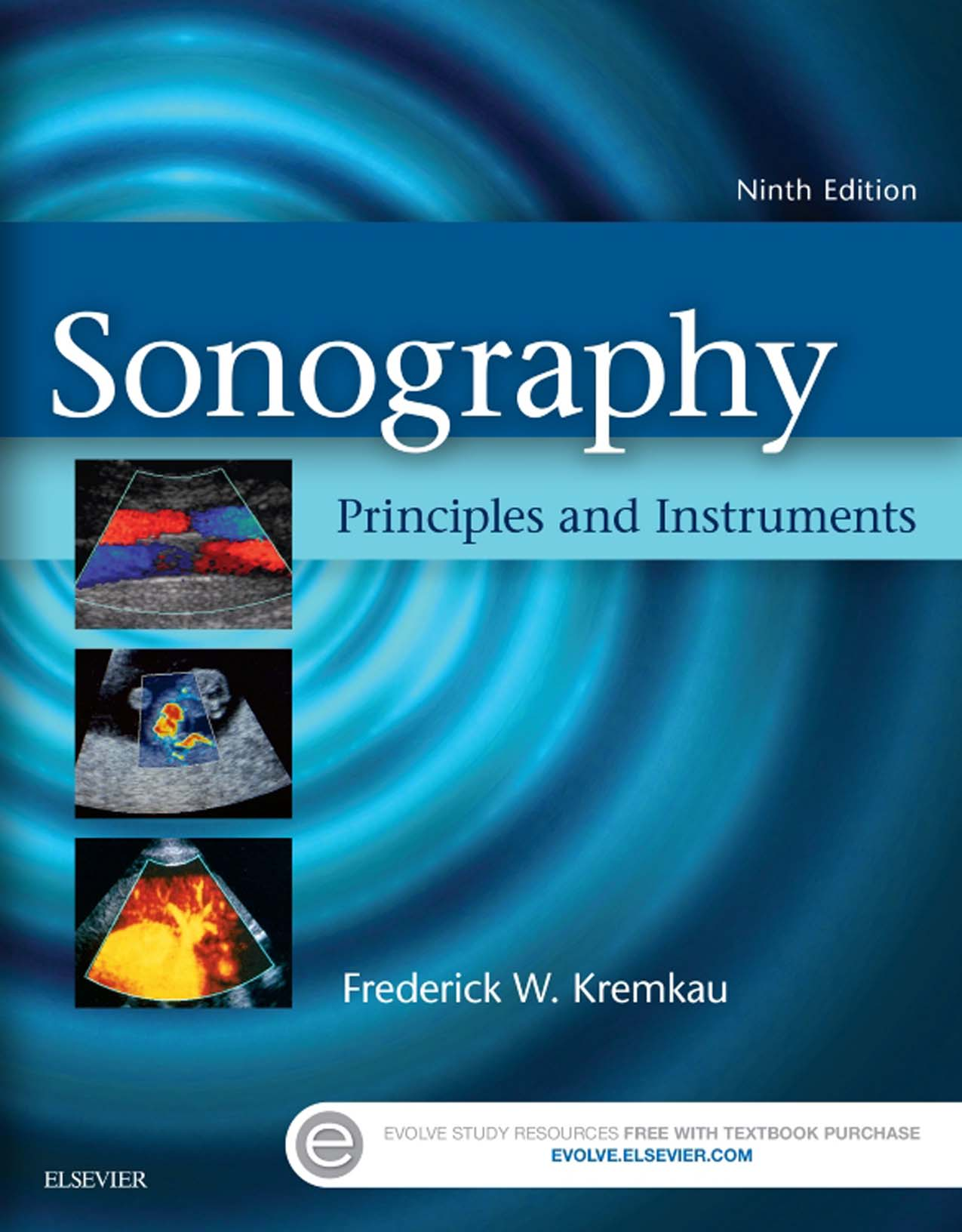
Is A Comprehensive Instructor Assessment Resource Designed To Evaluate Students’ Unde...
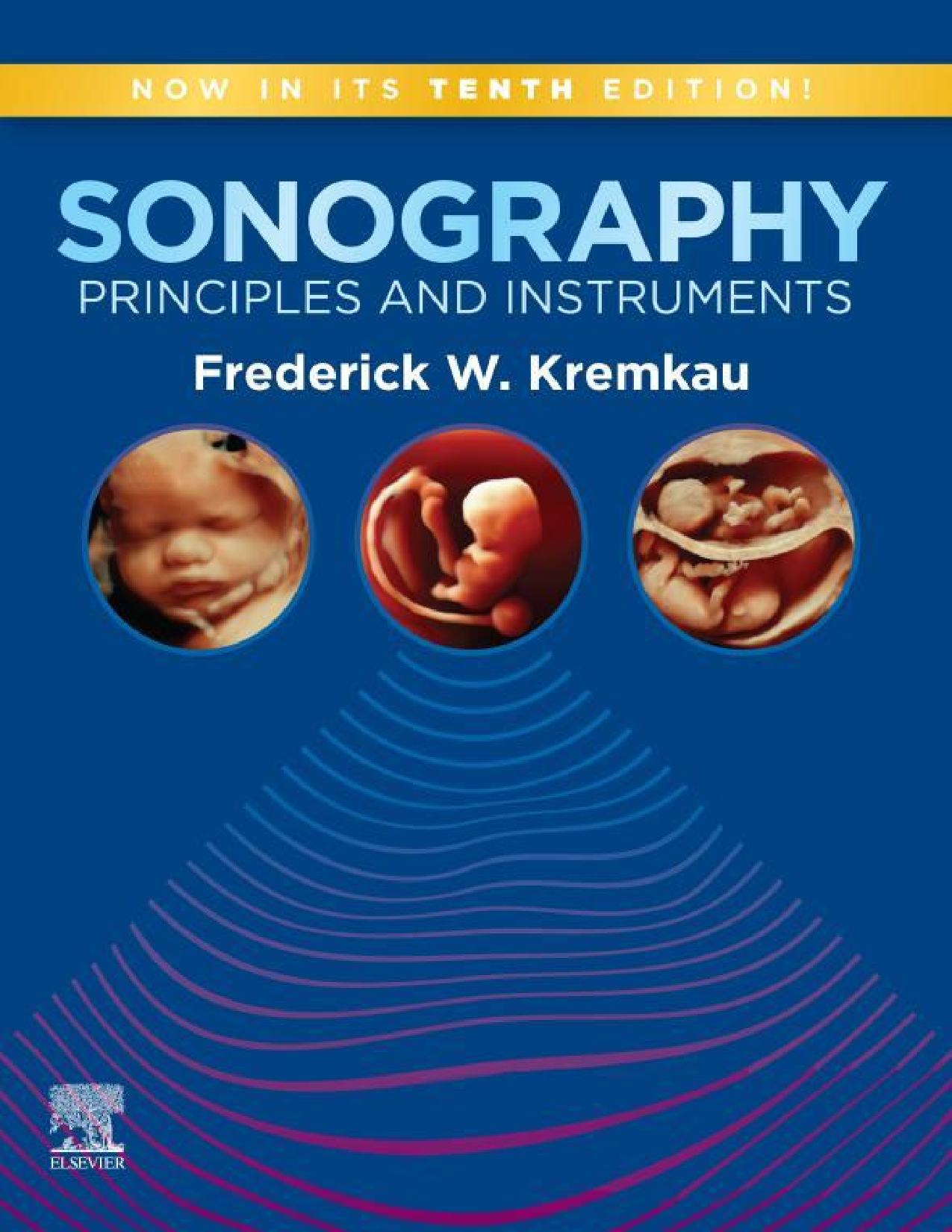
Is A Comprehensive Instructor Assessment Resource Designed To Evaluate Students’ Unde...
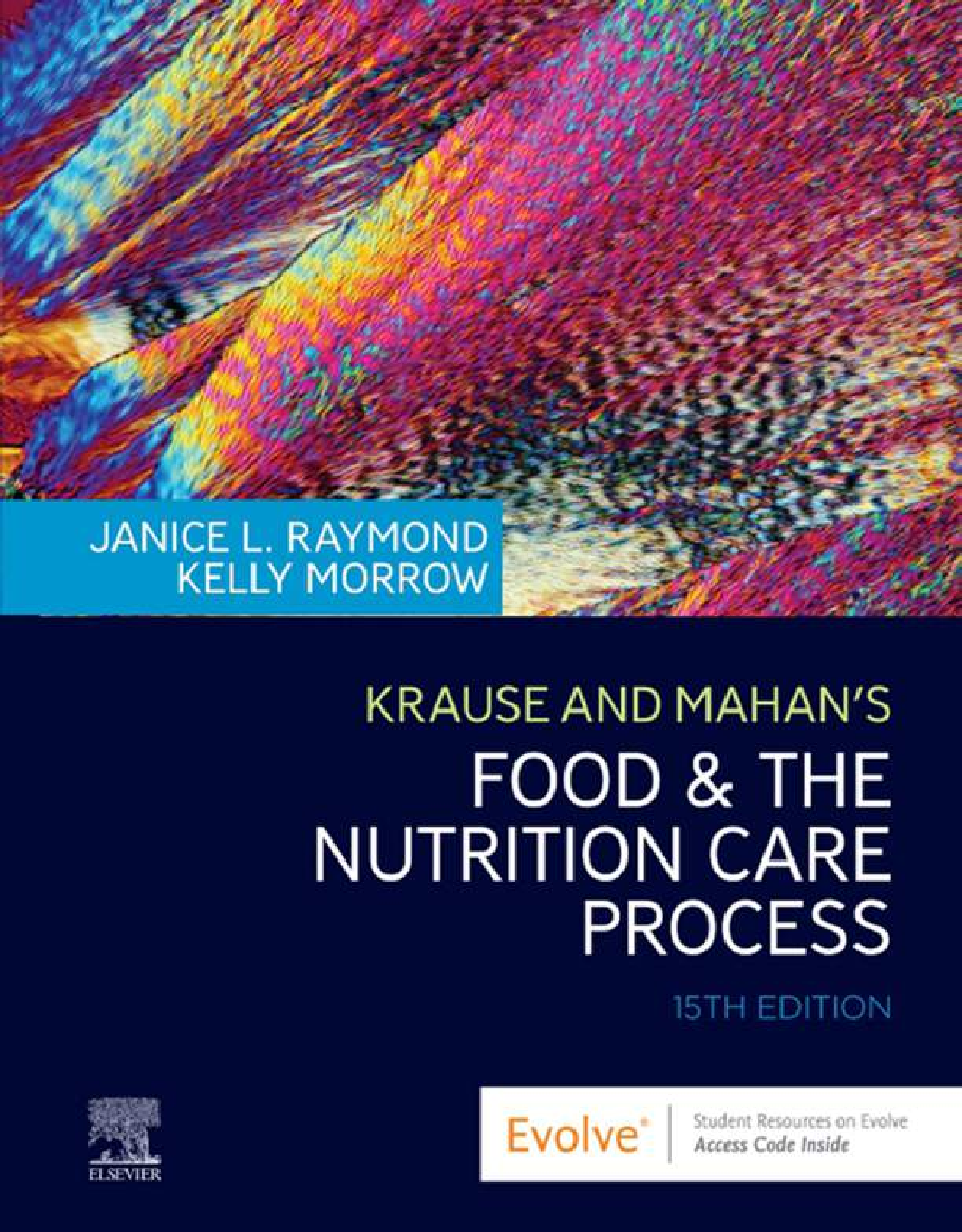
Is A Comprehensive Instructor Assessment Resource Designed To Evaluate Students’ Unde...