
Test bank
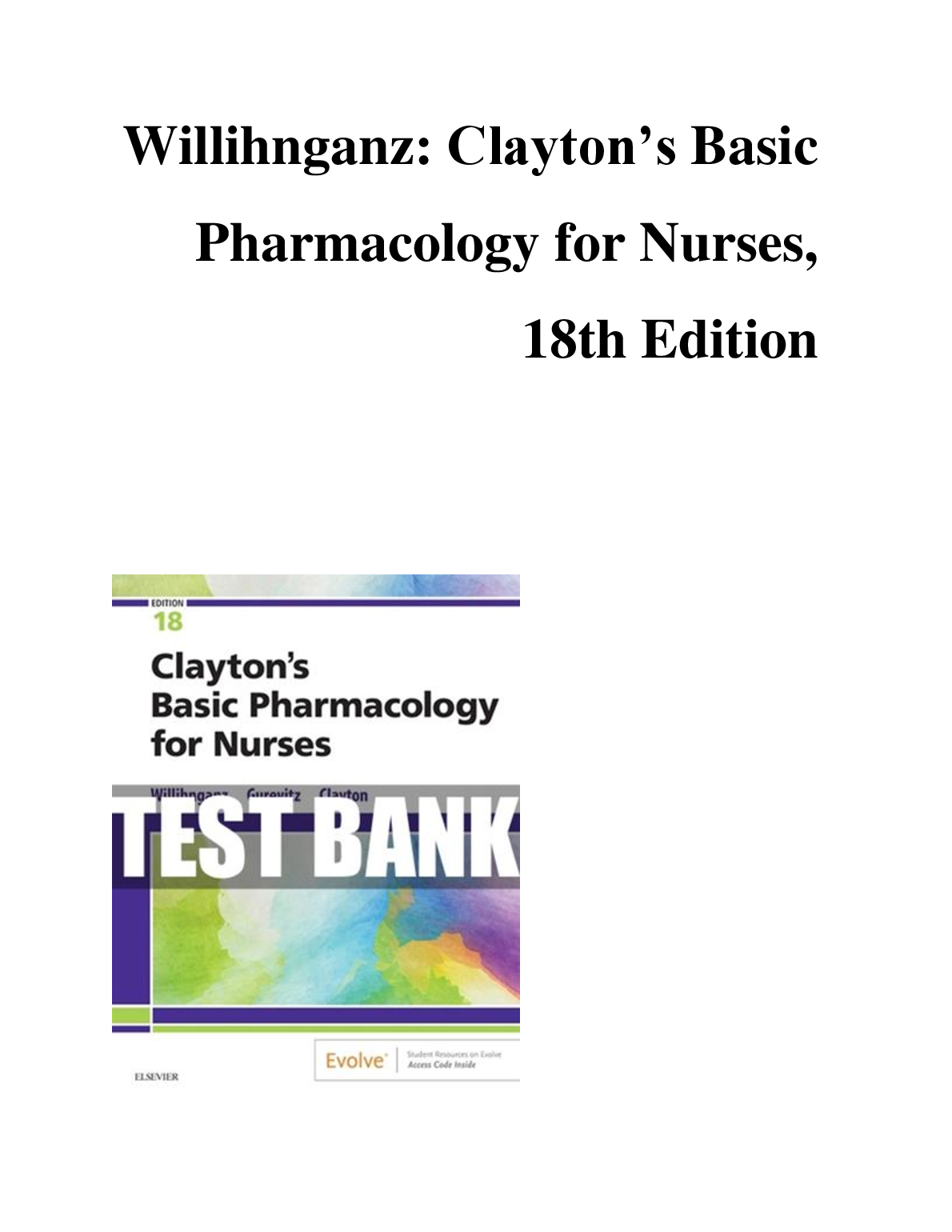
Clayton's Basic Pharmacology For Nurses, 18th Edition
Test Bank for Clayton’s Basic Pharmacology for Nurses, 18th Edition by Michelle J. Willihnganz, Samuel L. Gurevitz, and Bruce D. Clayton is a comprehensive instructor assessment resource designed to support nursing education in pharmacology, medication administration, and safe patient care. Developed for nursing students, educators, and healthcare learners, the test bank provides a wide range of assessment materials that evaluate understanding of drug therapy principles, nursing responsibilities, and clinical decision-making related to medications.
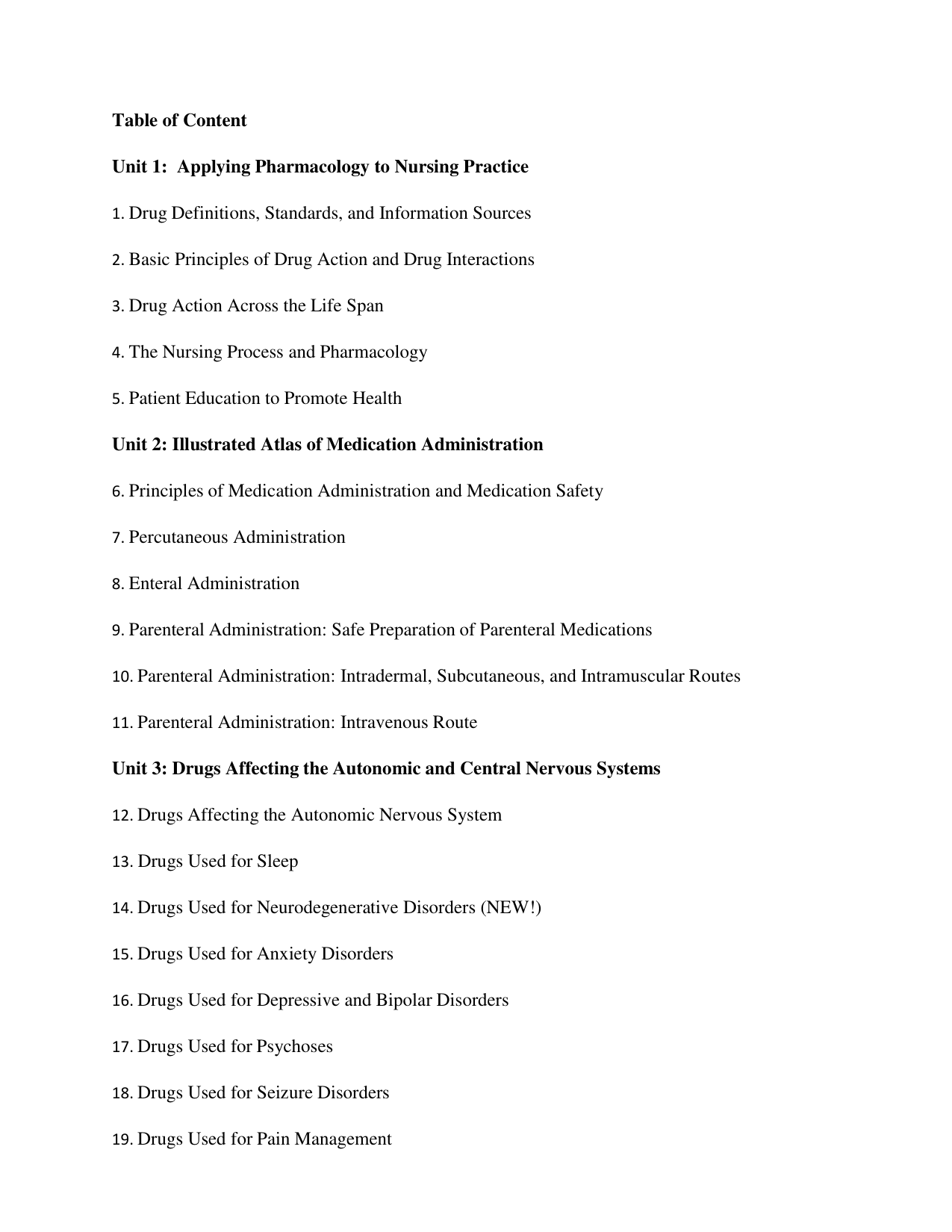
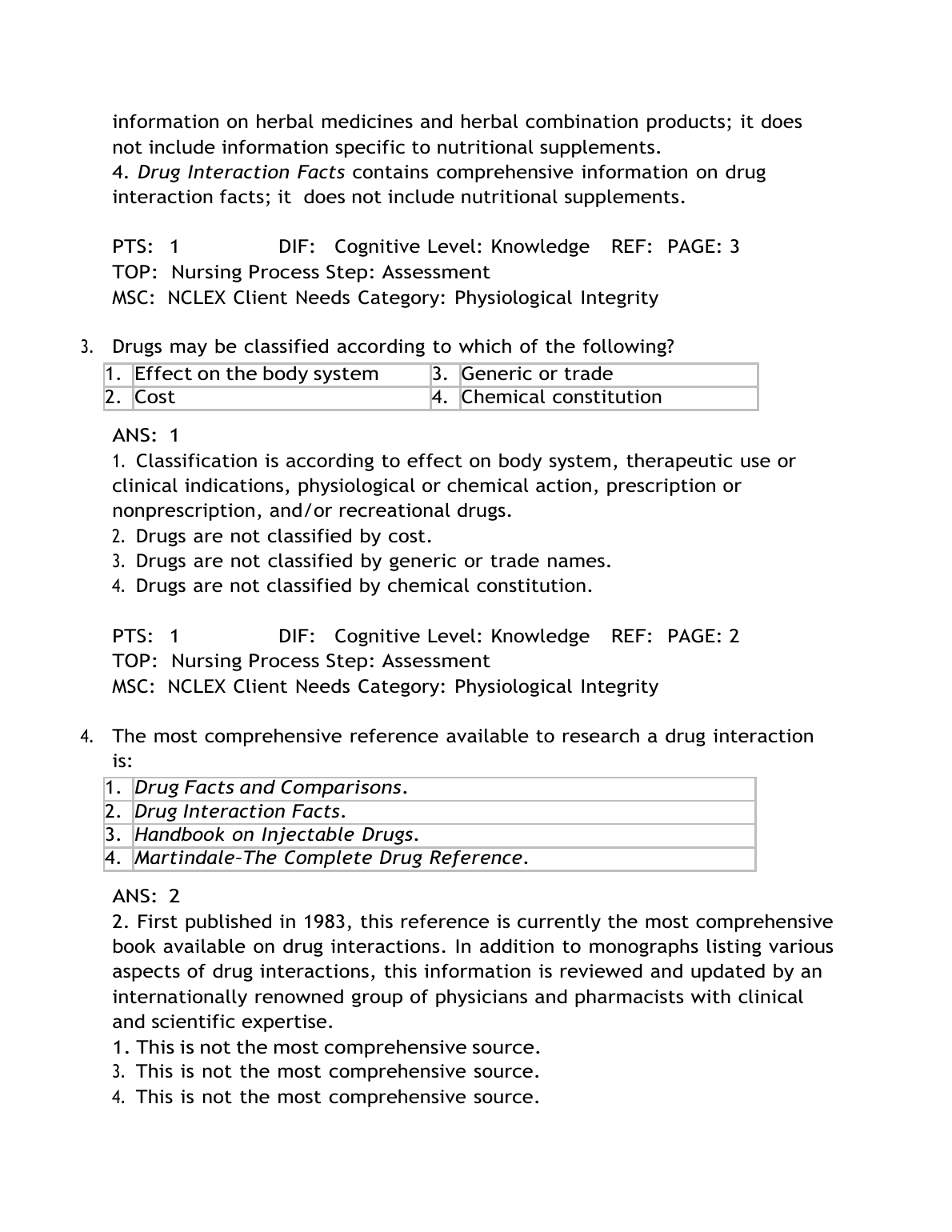
The resource includes various assessment formats such as multiple-choice questions, true/false questions, dosage calculation problems, case-based scenarios, and critical-thinking exercises. Organized according to textbook chapters, these assessment items allow instructors to create quizzes, unit examinations, clinical preparation activities, review exercises, and comprehensive final assessments. Many questions focus on applying pharmacology concepts to realistic nursing situations, including medication selection, administration, monitoring, patient education, and evaluation of therapeutic outcomes.
The test bank introduces foundational pharmacology concepts, including drug classifications, medication names, drug development, sources of medications, legal and ethical considerations, and principles of safe medication use. Students are assessed on their understanding of how medications interact with the body and how nurses contribute to effective and safe pharmacologic care.
Comprehensive coverage of pharmacokinetics and pharmacodynamics helps students understand how drugs are absorbed, distributed, metabolized, and eliminated by the body, as well as how medications produce therapeutic and adverse effects. Assessment questions reinforce concepts related to drug actions, dosage responses, half-life, therapeutic ranges, interactions, and factors influencing medication effectiveness.
The resource addresses medication safety and nursing responsibilities, including accurate medication administration, preventing errors, dosage calculations, patient assessment, monitoring for adverse reactions, and documenting medication-related care. Students develop skills in applying clinical judgment and safety principles throughout the medication administration process.
Drug classifications and therapeutic applications are extensively covered, including medications affecting the cardiovascular, respiratory, nervous, endocrine, gastrointestinal, immune, musculoskeletal, and reproductive systems. Students evaluate drug indications, mechanisms of action, expected effects, side effects, contraindications, precautions, and nursing considerations for commonly used medications.
The test bank emphasizes nursing implications of pharmacotherapy, including patient assessment before medication administration, laboratory monitoring, recognizing adverse effects, managing drug interactions, and providing patient education. Questions encourage learners to connect pharmacology knowledge with individualized patient care and clinical decision-making.
Dosage calculation concepts are reinforced through medication math problems involving measurement systems, oral and parenteral medications, intravenous therapy, pediatric dosing, and safe medication preparation. Students practice applying calculation skills necessary for accurate and effective medication administration.
Additional topics include special population considerations, including medication therapy for older adults, children, pregnant patients, and individuals with chronic health conditions. Students learn how physiological differences and health status can influence medication responses and nursing care priorities.
The resource also addresses complementary and alternative therapies, patient adherence, cultural considerations, health literacy, medication teaching strategies, and the nurse’s role in promoting safe and effective medication use.
Designed to assess multiple levels of learning, the test bank evaluates knowledge recall, comprehension, application, analysis, clinical reasoning, and problem-solving skills. Case-based questions help students analyze patient scenarios, identify potential medication-related problems, prioritize nursing actions, and make appropriate clinical decisions.
Pharmacology students, instructors, and exam preparation users.
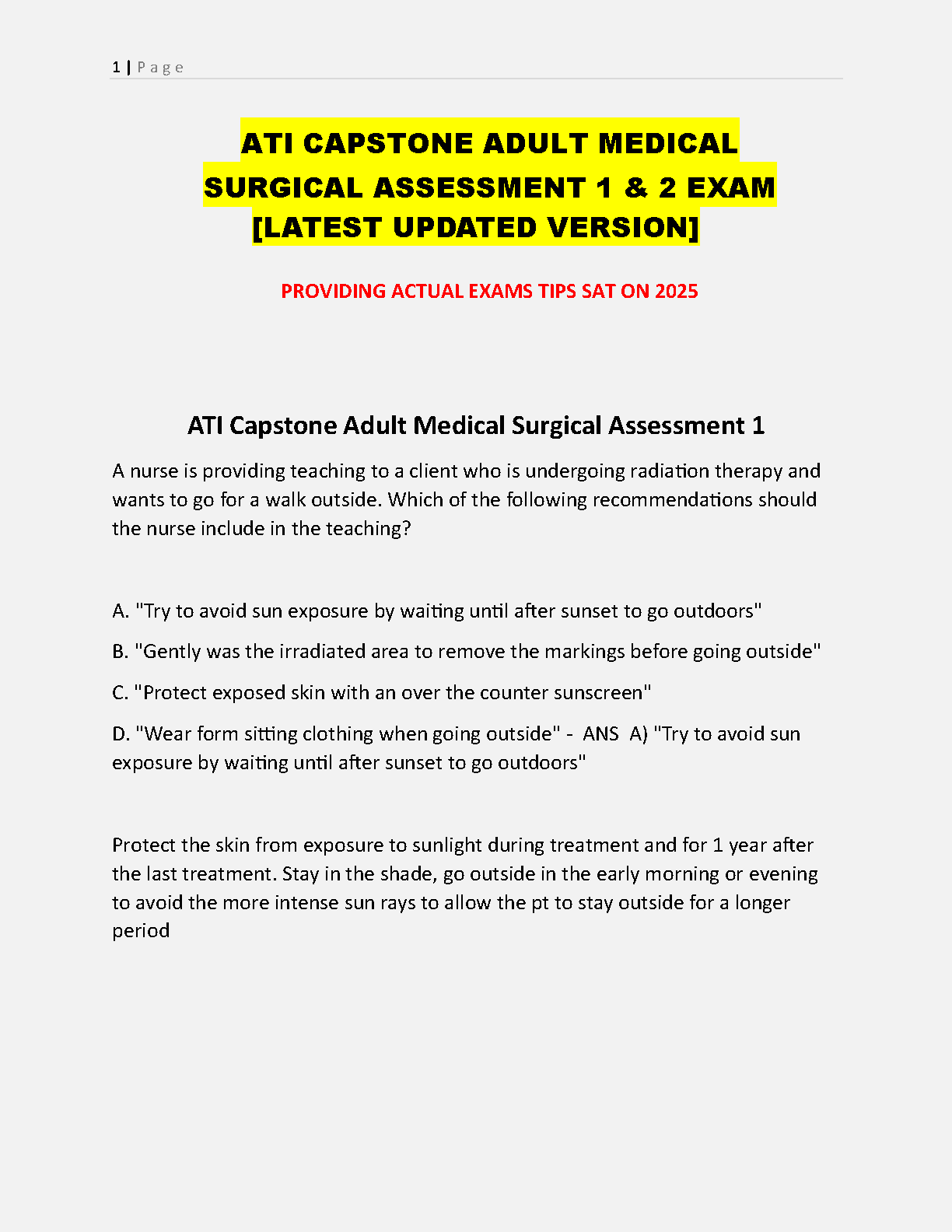
Master ATI Capstone Adult Medical-surgical Assessments With Verified Tips, Practice Q...
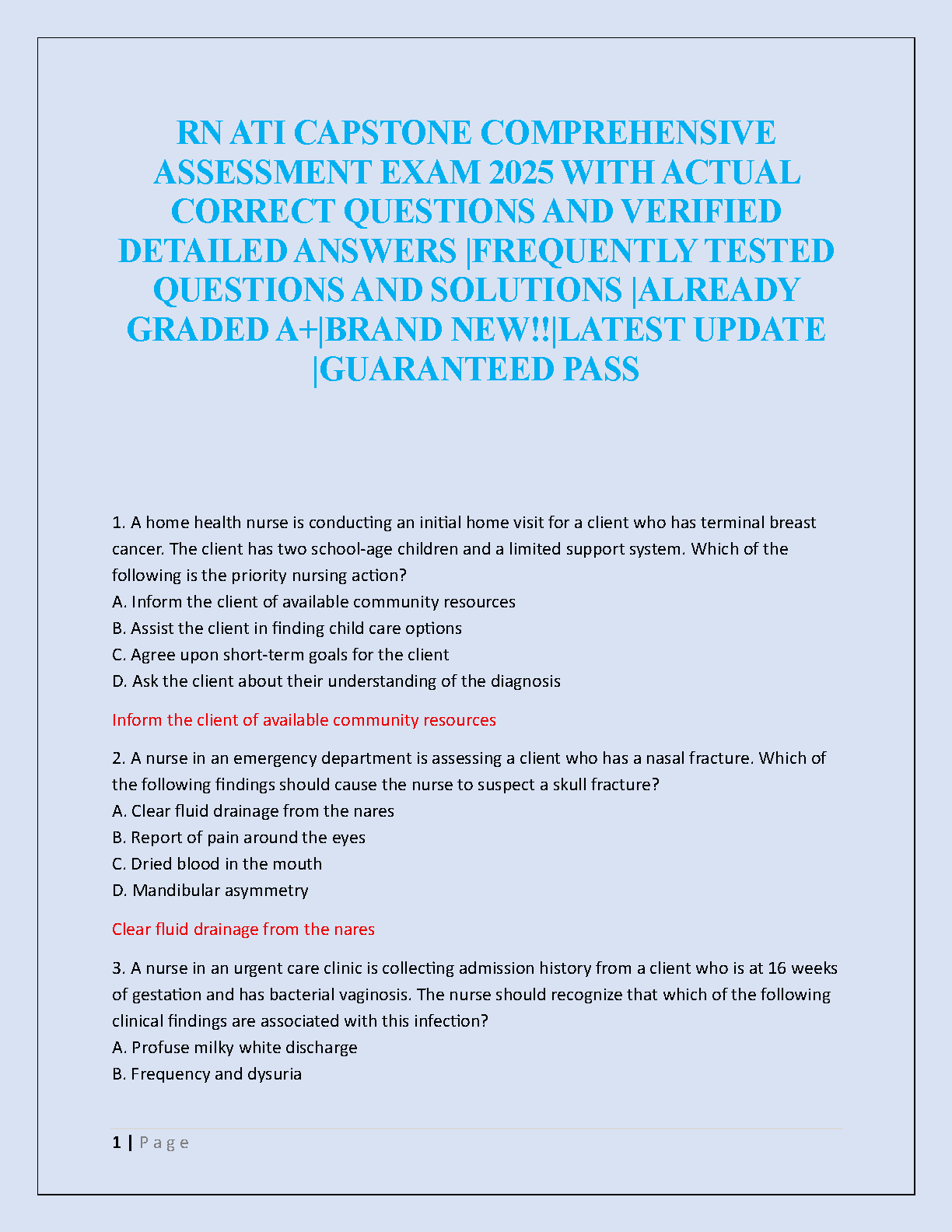
Master The RN ATI Capstone With Verified Questions, Detailed Solutions, And High-yiel...

Master The ATI Capstone Nursing Exam. Complete 2025 Test Bank With Verified Answers A...
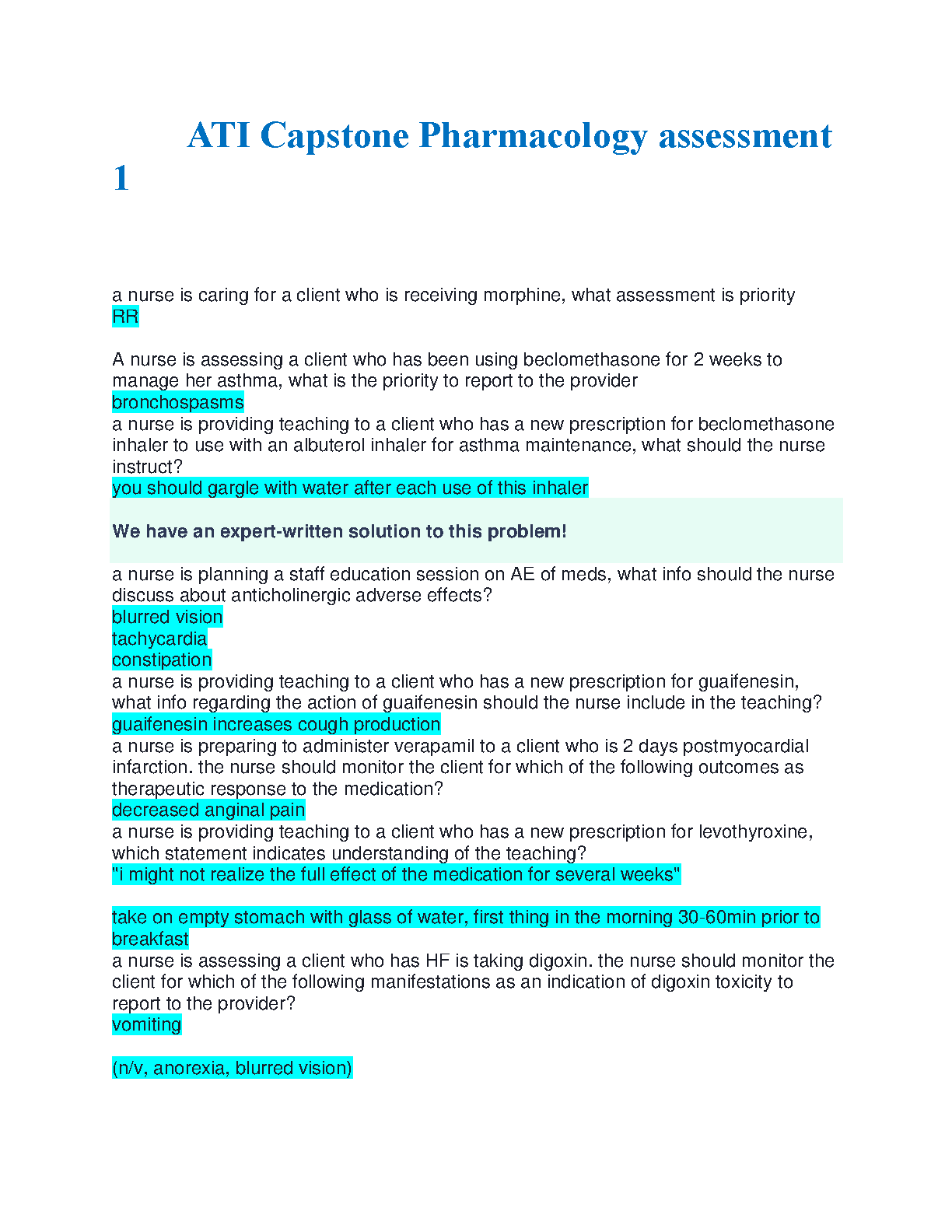
Pass Your Nursing Pharmacology Exams. Access Expert-verified ATI Capstone Questions A...