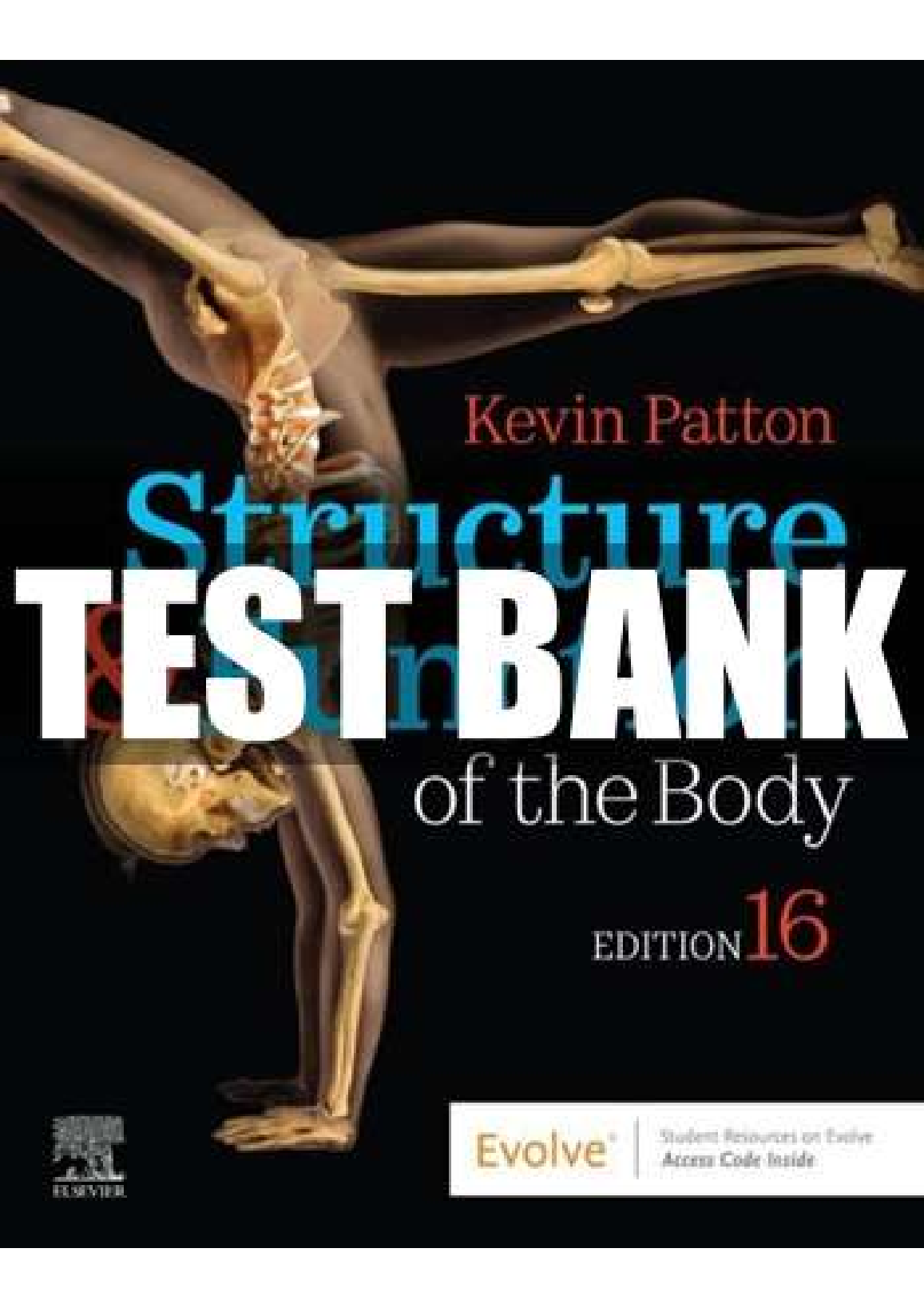
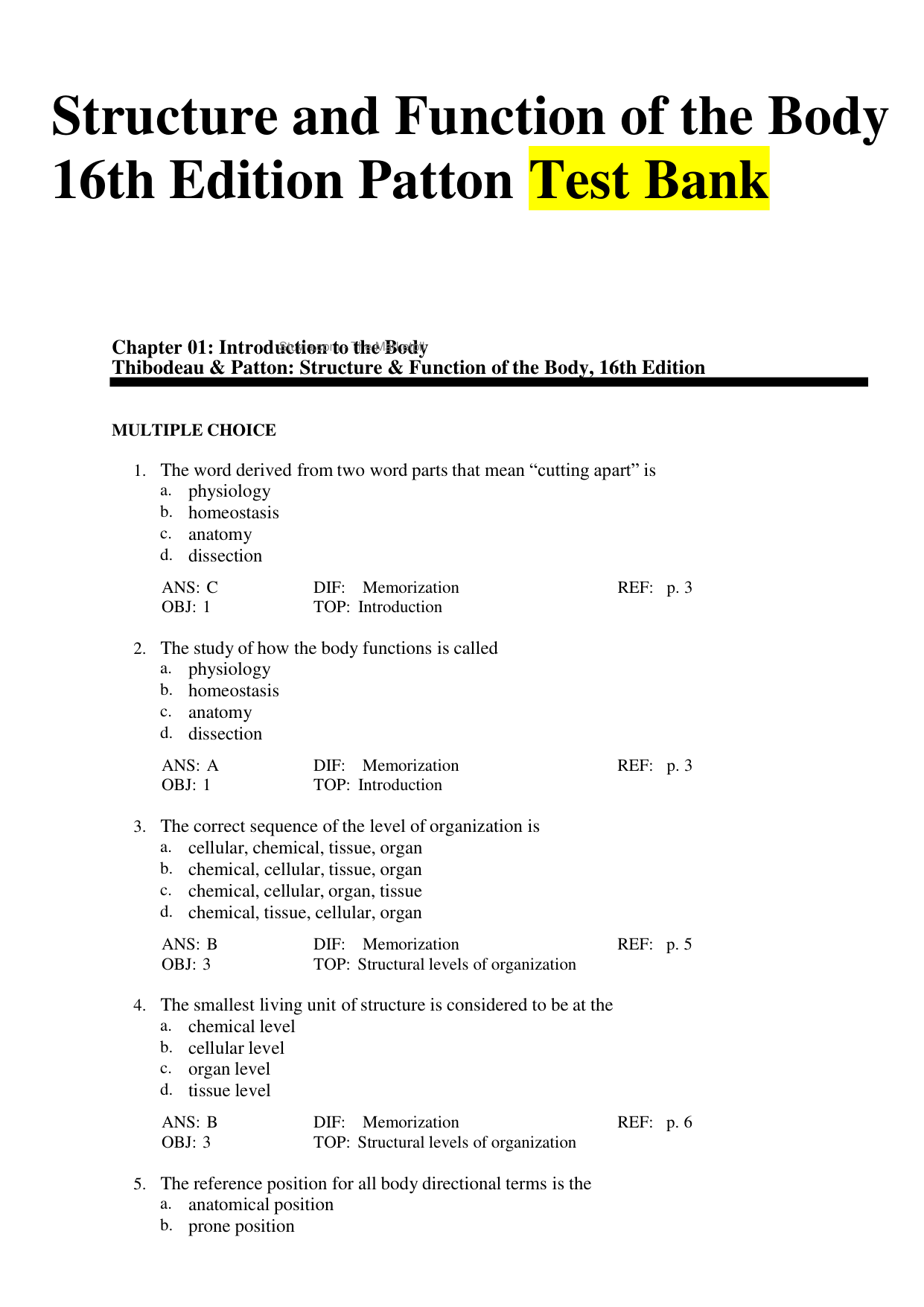
Structure and Function of the Body, 16th Edition Structure and Function of the Body, 16th Edition

Test bank

Structure And Function Of The Body, 16th Edition


Is A Comprehensive Instructor Assessment Resource Designed To Evaluate Students’ Understanding Of Human Anatomy.
Description

Test Bank for Structure and Function of the Body, 16th Edition by Kevin T. Patton and Gary A. Thibodeau is a comprehensive instructor assessment resource designed to support teaching, learning, and evaluation in anatomy and physiology courses for nursing, allied health, and healthcare education. It provides a wide range of assessment materials that help educators measure students' understanding of human body structure, physiological processes, and the integration of body systems in maintaining health and homeostasis.

The resource includes a variety of assessment formats, including multiple-choice questions, true/false questions, matching exercises, labeling activities, clinical application scenarios, and critical-thinking questions. Organized according to textbook chapters, these assessment items allow instructors to create quizzes, unit examinations, laboratory assessments, review exercises, and comprehensive final exams. Many questions encourage students to apply anatomical and physiological knowledge to realistic healthcare situations, promoting clinical reasoning and problem-solving skills.

The test bank begins with foundational concepts of anatomy and physiology, including levels of structural organization, body systems, anatomical terminology, directional terms, body planes, body cavities, and the principles of homeostasis. Students develop a solid understanding of how the body's structures are organized and how physiological processes work together to maintain normal function.
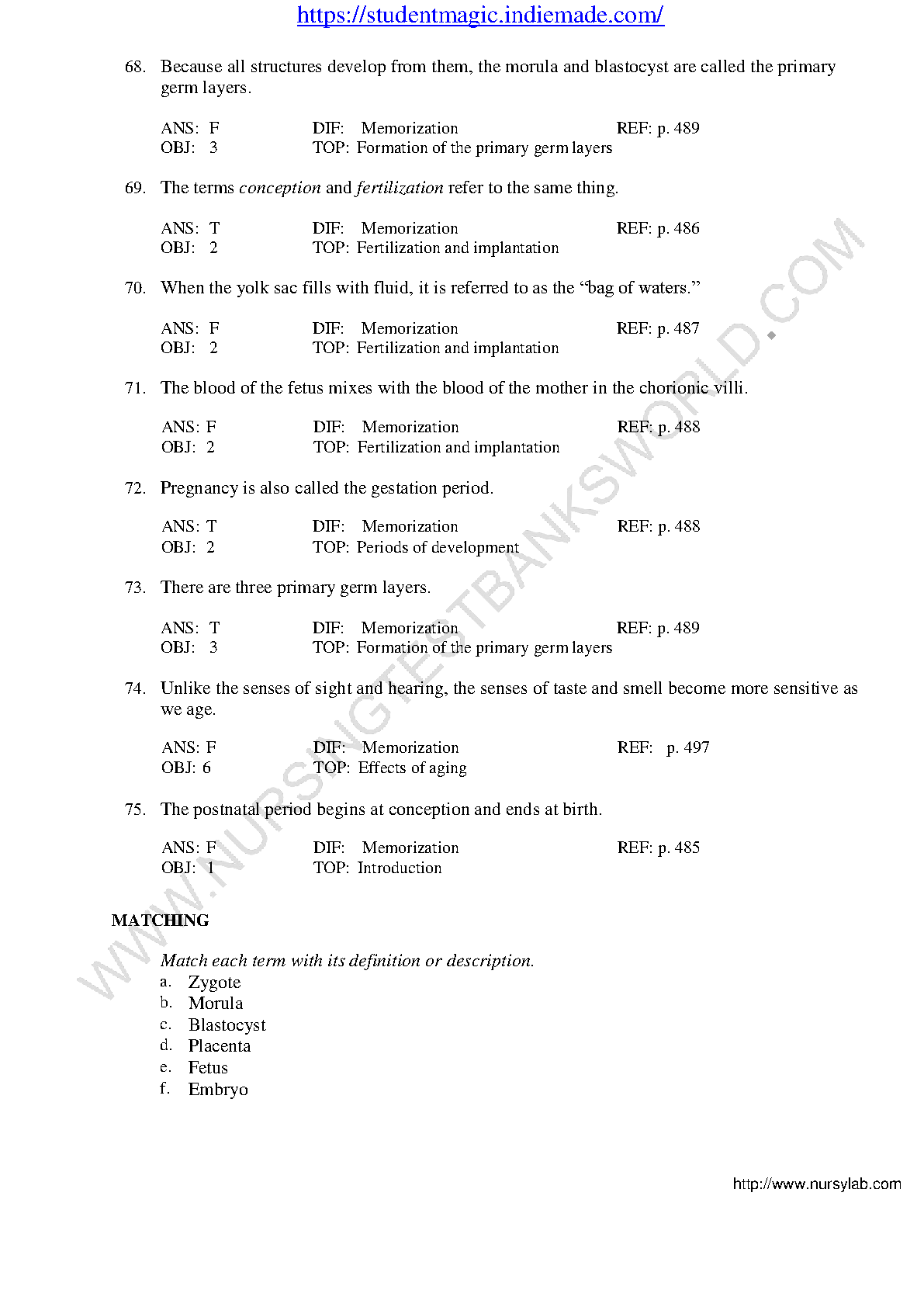
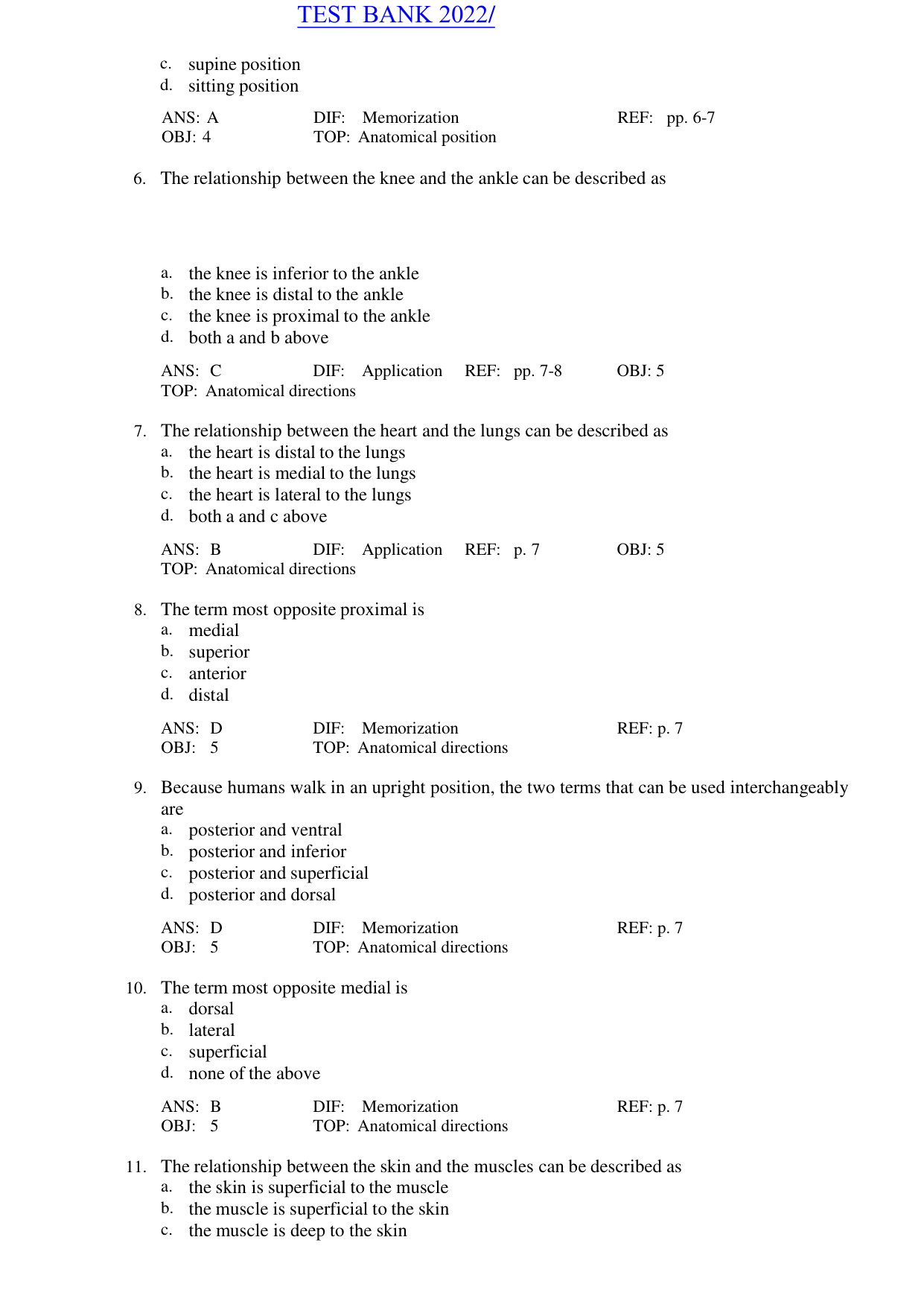
PDF Sample
1 / 3
Structure and Function of the Body, 16th Edition IMG-1
Structure and Function of the Body, 16th Edition IMG-2
Structure and Function of the Body, 16th Edition IMG-3
Who is this Document for ?

Nursing students, instructors, and exam preparation users.

What you will learn ?
Explain the levels of structural organization within the human body, from cells to organ systems.
Describe the basic structure and function of cells, tissues, organs, and body systems.
Explain the principles of homeostasis and the body's mechanisms for maintaining internal balance.
Identify the anatomical terminology used to describe body regions, directions, planes, and cavities.
Describe the structure and function of the integumentary system and its role in protection and temperature regulation.
Explain the composition, functions, and physiology of the skeletal system, including bone growth and repair.
Describe the anatomy and physiology of the muscular system and the mechanisms of muscle contraction and movement.
Explain the organization and functions of the nervous system, including neural communication and sensory processing.
Describe the endocrine system and the role of hormones in regulating body functions.
Explain the structure and function of the cardiovascular system, including blood composition, heart function, and circulation.
Describe the lymphatic and immune systems and their roles in fluid balance and defense against disease.
Explain the anatomy and physiology of the respiratory system and the process of gas exchange.
Describe the structure and functions of the digestive system, including digestion, absorption, and metabolism.
Explain the anatomy and physiology of the urinary system and its role in waste elimination and fluid balance.
Describe the structure and functions of the reproductive systems and the basic processes of human reproduction.
Explain how the body's major organ systems interact to maintain homeostasis.
Identify common anatomical structures and relate them to their physiological functions.
Apply anatomical and physiological concepts to basic clinical and healthcare scenarios.
Interpret diagrams, models, and illustrations of human body structures accurately.
Explain age-related changes that affect the structure and function of body systems.
Describe the relationship between normal anatomy, physiology, and common pathological conditions.
Apply appropriate medical terminology when describing anatomical structures and physiological processes.
Demonstrate critical thinking when analyzing the relationships between body systems and overall health.
Relate foundational anatomy and physiology concepts to nursing and allied health practice.
Integrate knowledge of body structure, physiological function, and homeostatic regulation to support clinical reasoning and patient-centered care.
What do you get with this PDF ?
Instant access after purchase
Download in PDF format
DRM free, read anywhere
Document details
Last update :
Jul 29, 2026
Length :
506 pages
Edition :
2026
Language :
English
Category :
Keywords
Anatomy Physiology Human Anatomy Human Physiology Structure And Function Body Organization Homeostasis Anatomical Terminology Medical Terminology Body Planes Directional Terms Body Cavities Cells Cell Structure Cell Function Cellular Metabolism Cell Division Membrane Transport Tissues Epithelial Tissue Connective Tissue Muscle Tissue Nervous Tissue Organ Systems Integumentary System Skin Skeletal System Bones Joints Cartilage Bone Growth Muscular System Skeletal Muscles Smooth Muscle Cardiac Muscle Muscle Contraction Nervous System Neurons Neuroglia Brain Spinal Cord Peripheral Nervous System Autonomic Nervous System Endocrine System Hormones Endocrine Glands Cardiovascular System Heart Blood Blood Vessels Circulation Blood Pressure Lymphatic System Immune System Lymph Nodes Immunity Respiratory System Lungs Gas Exchange Pulmonary Ventilation Digestive System Digestion Absorption Metabolism Gastrointestinal Tract Urinary System Kidneys Nephron Urine Formation Fluid Balance Electrolyte Balance Acid-base Balance Reproductive System Male Reproductive System Female Reproductive System Fertilization Human Development Genetics Growth And Development Nutrition Body Fluids Organ Function Physiological Regulation Disease Prevention Health Maintenance Anatomy Laboratory Anatomical Identification Physiological Processes Clinical Applications Nursing Education Allied Health Education Healthcare Science Critical Thinking Clinical Reasoning Patient Care Healthcare Assessment Anatomy And Physiology Examinations Foundational Health Sciences Human Body Systems Evidence-based Healthcare Health Education.
You may also be interested in :
Recommendations for you
Burns and Grove's The Practice of Nursing Research
Burns And Grove's The Practice Of Nursing Research

Comprehensive Test Bank With Chapter-based Questions Covering Nursing Research, Evide...

$17
Understanding Nursing Research, 7th Edition

Practice Test Bank Covering Nursing Inquiry, Research Processes, Ethical Consideratio...

$17
Human Physiology, 2nd Edition

Practice Test Bank Covering Homeostasis, Body Systems, Physiological Mechanisms, And...

$16
Nursing Delegation and Management of Patient Care, 2nd ED
Nursing Delegation And Management Of Patient Care, 2nd Ed

Comprehensive Assessment Resource Supporting Nursing Students In Mastering Delegation...

$16