
Solution manual
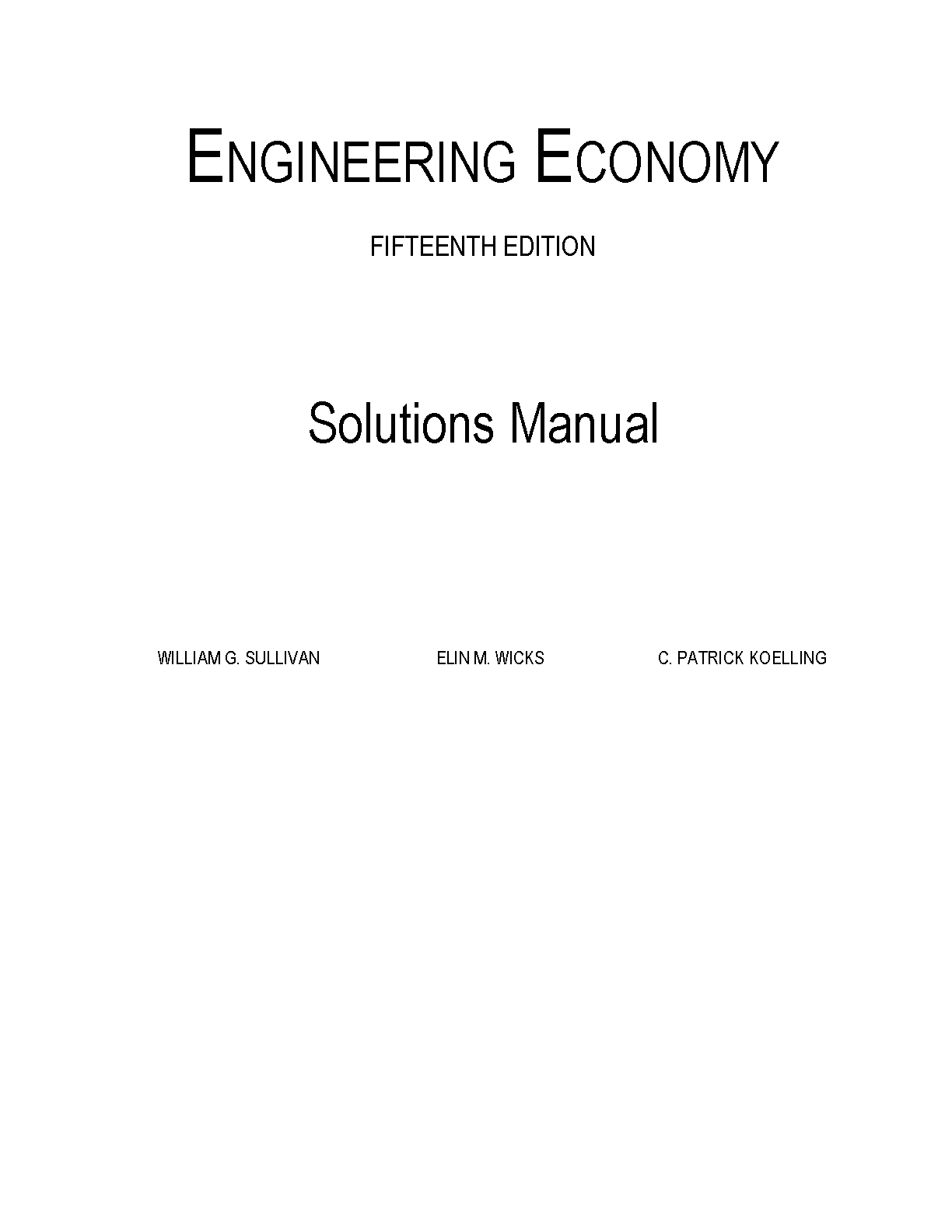
Solutions Manual For Engineering Economy 15th Edition By William Sullivan, Elin Wicks, Patrick Koelling
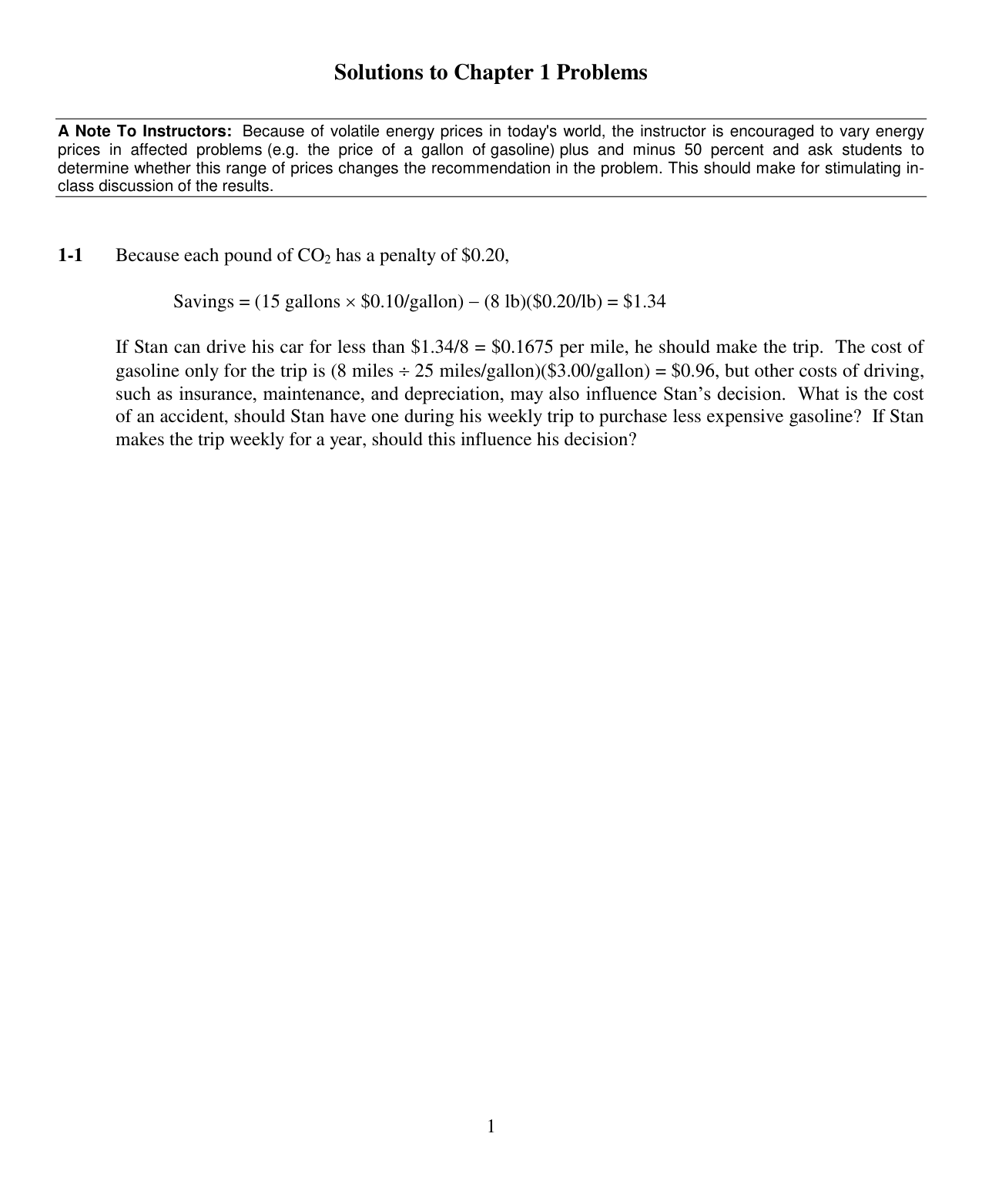
Solutions Manual for Engineering Economy, 15th Edition by William G. Sullivan, Elin M. Wicks, and C. Patrick Koelling is a comprehensive instructor resource designed to support the teaching and learning of engineering economics through detailed, step-by-step solutions to textbook problems. It assists educators in verifying calculations, illustrating analytical methods, and demonstrating the practical application of engineering economic principles used in engineering, business, technology, and project management.
The resource provides worked solutions for textbook exercises, enabling instructors to prepare lectures, tutorials, homework assignments, examinations, and classroom demonstrations with confidence and consistency. Each solution presents a logical problem-solving process, showing how engineering alternatives are evaluated using accepted economic analysis techniques and financial decision-making models.
Coverage begins with the fundamental principles of engineering economy, including economic decision-making, cost estimation, opportunity costs, cash flow concepts, and the importance of economic analysis throughout the engineering project life cycle. Students develop an understanding of how financial considerations influence technical and managerial decisions.
The solutions manual provides comprehensive guidance on the time value of money, including simple and compound interest, economic equivalence, cash flow diagrams, present worth, future worth, annual worth, sinking funds, capital recovery, and uniform and gradient cash flow series. Step-by-step solutions demonstrate how financial factors are selected and applied to solve engineering economy problems accurately.
Extensive coverage of investment evaluation methods includes present worth analysis, annual worth analysis, future worth analysis, rate of return, incremental rate of return, benefit–cost analysis, and payback period calculations. Students learn how to compare competing engineering alternatives, determine economic feasibility, and select projects that maximize long-term value.
The resource also addresses depreciation, income taxes, after-tax cash flow analysis, and inflation, illustrating how these financial factors influence investment decisions and long-term project performance. Worked examples demonstrate the impact of taxation, changing price levels, and depreciation methods on engineering assets and capital investments.
Solutions are provided for problems involving replacement analysis, equipment selection, asset management, life-cycle cost analysis, and capital budgeting. Students learn how to evaluate equipment replacement decisions, estimate total ownership costs, compare service lives, and optimize capital expenditures.
Additional chapters focus on risk and uncertainty, probability-based economic evaluation, sensitivity analysis, break-even analysis, and decision-making under uncertain conditions. The solutions demonstrate techniques for assessing financial risk, evaluating alternative scenarios, and improving the reliability of engineering investment decisions.
The manual also supports instruction in public-sector economic analysis, including benefit–cost evaluation of infrastructure and public works projects. Practical examples demonstrate the application of engineering economy principles in manufacturing, construction, transportation,


Engineering, Economy students, instructors, and exam preparation users.

Master The AHIP Final Exam With Verified Questions, Detailed Solutions, And Expert In...
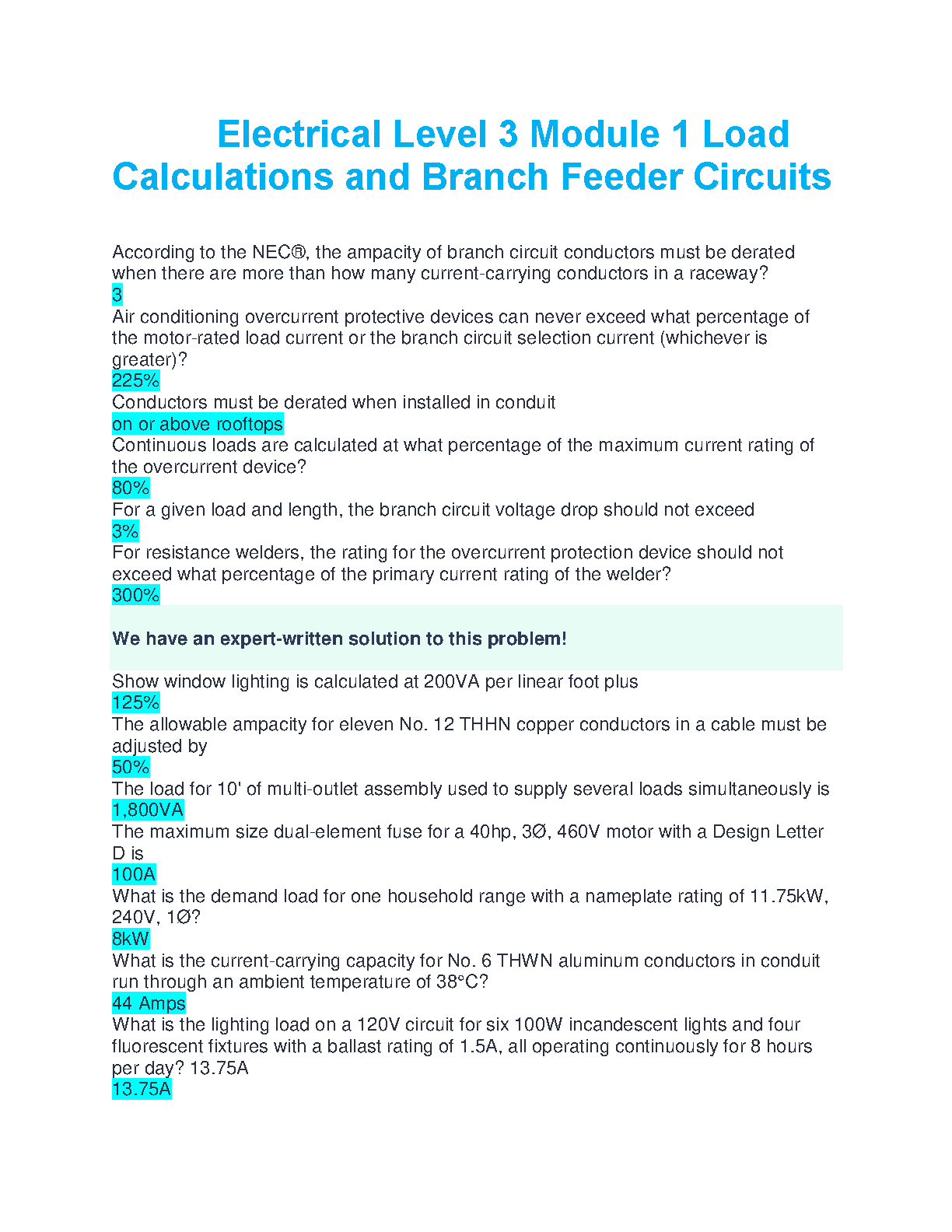
Master Level 3 Electrical Load Calculations And Branch Feeders With Expert Solutions....
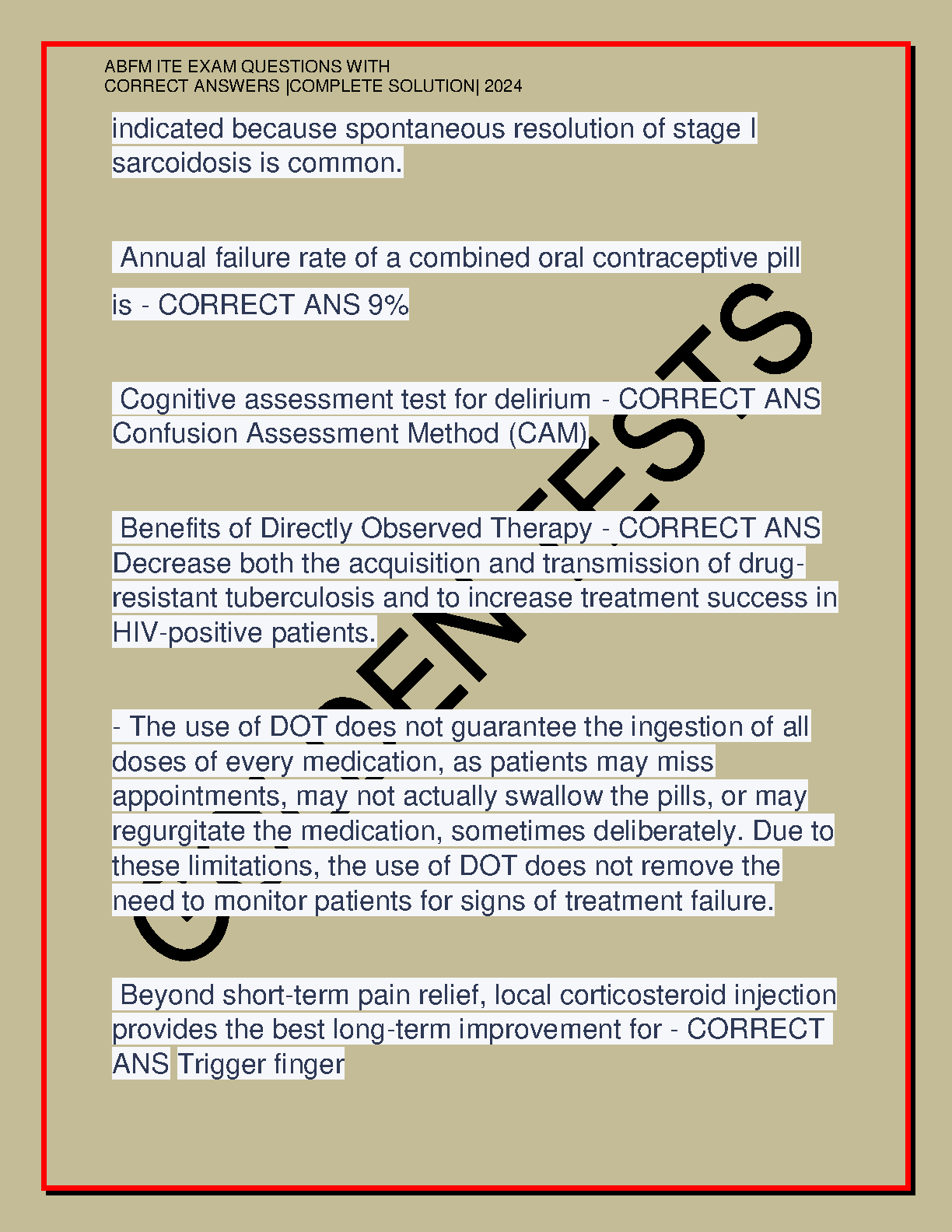
Master The Abfm Ite Exam With Detailed Answers And Explanations. Avoid Resits And Ach...

Master The ANCC Ne-bc Exam With Complete Answers And Detailed Explanations For Confid...