
Test bank
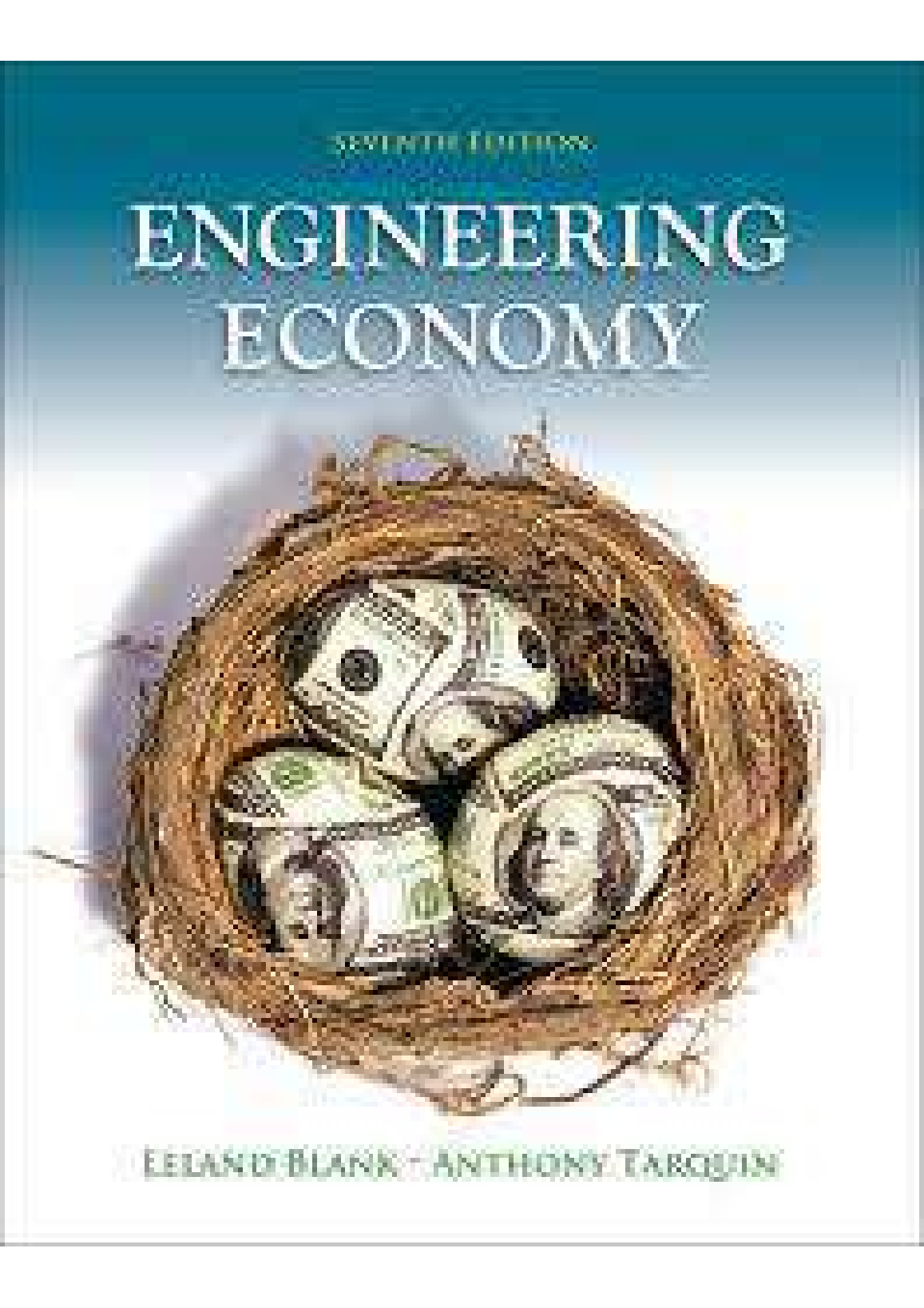
Test Bank For Engineering Economy, 7th Edition By Leland Blank And Anthony Tarquin
Test Bank for Engineering Economy, 7th Edition by Leland Blank and Anthony Tarquin is a comprehensive instructor assessment resource developed to support the teaching and evaluation of engineering economics. Designed to complement the textbook, it provides a wide range of chapter-based assessment materials that help instructors measure students’ understanding of engineering economic principles, financial analysis, and quantitative decision-making. Suitable for engineering, engineering technology, construction management, and business-related programs, the resource strengthens both conceptual knowledge and analytical problem-solving skills.
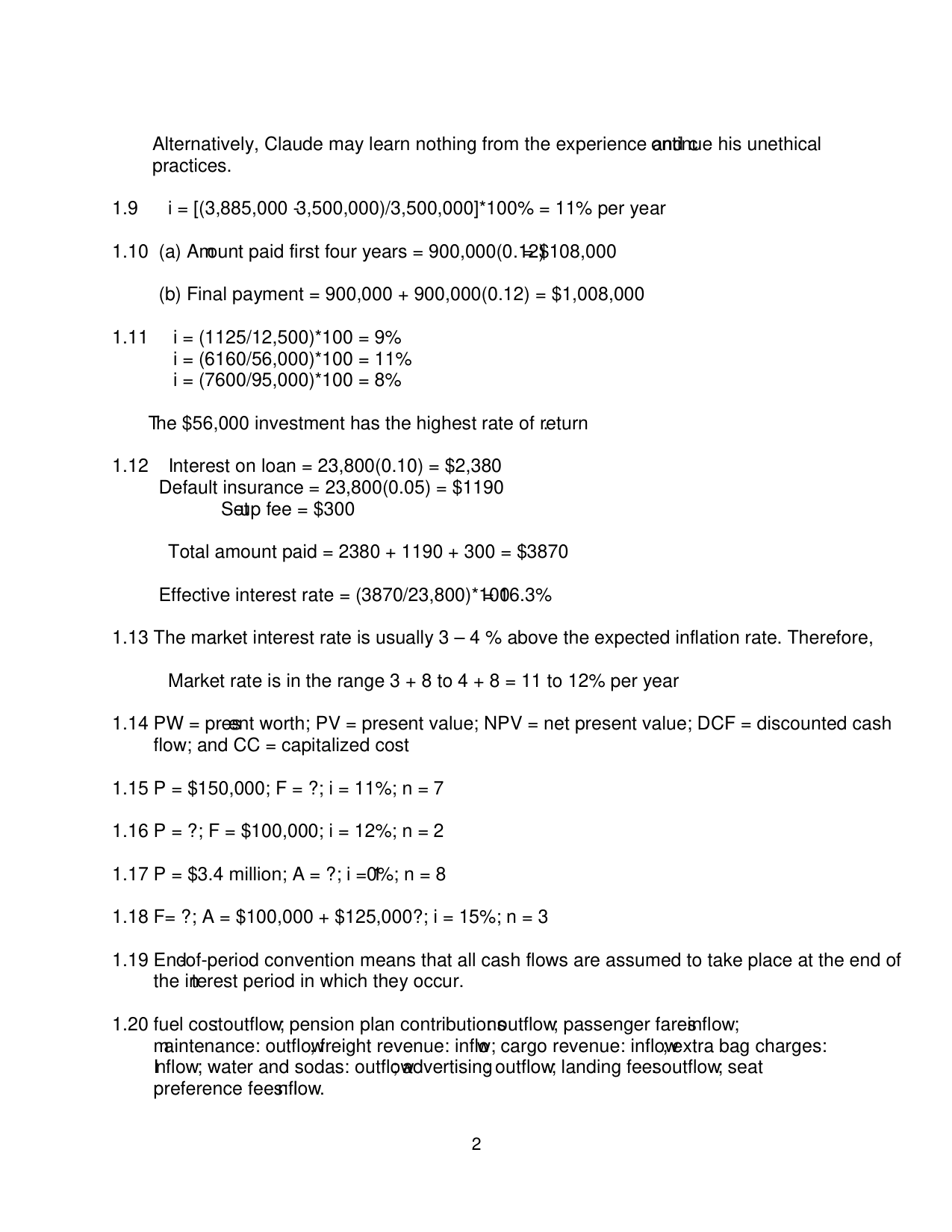
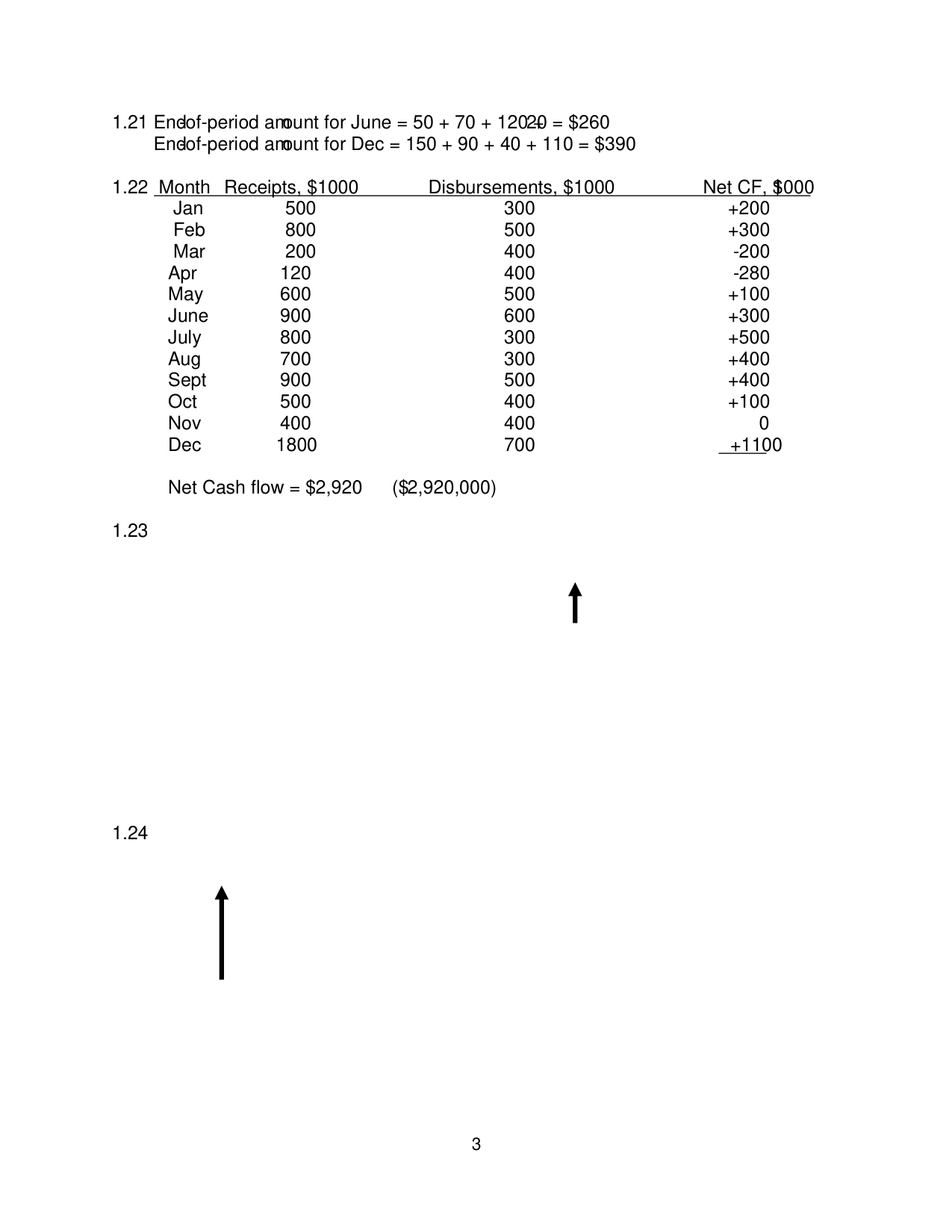
The test bank includes diverse question formats such as multiple-choice questions, true/false items, computational exercises, numerical problems, and scenario-based questions. Organized by textbook chapters, it enables instructors to create quizzes, assignments, midterm exams, final examinations, and classroom review activities while maintaining consistency with course objectives.
Coverage begins with the foundations of engineering economy, including economic decision-making, cost concepts, cash flow estimation, and the time value of money. Students are assessed on topics such as simple and compound interest, cash flow diagrams, present worth, future worth, annual worth, uniform and gradient series, and economic equivalence. These concepts provide the basis for evaluating engineering alternatives and investment opportunities.
The resource also covers key financial evaluation techniques, including rate of return analysis, benefit–cost analysis, payback period evaluation, incremental analysis, depreciation methods, income taxes, inflation, and after-tax economic analysis. Assessment items reinforce the application of these methods to practical engineering and business scenarios, helping students develop confidence in making informed financial decisions.
Additional chapters focus on replacement analysis, life-cycle costing, capital budgeting, equipment selection, risk and uncertainty, sensitivity analysis, and break-even analysis. Students are encouraged to interpret quantitative results, compare competing alternatives, and recommend economically sound solutions based on engineering economy principles.
Many assessment questions incorporate realistic engineering and industrial applications, allowing learners to connect theoretical concepts with professional practice in manufacturing, construction, transportation, infrastructure, energy systems, and project management. The emphasis on critical thinking and systematic problem-solving helps students strengthen their analytical reasoning and decision-making abilities.

Engineering students enrolled in engineering economy and economic analysis courses.
Undergraduate and graduate students in civil, mechanical, electrical, industrial, manufacturing, and systems engineering programs.
Engineering technology and construction management students studying project evaluation and financial decision-making.
Business, operations management, and project management students learning engineering economics concepts.
Instructors and professors seeking chapter-based assessment materials for quizzes, assignments, midterm exams, and final examinations.
Academic institutions and training centers offering engineering, technology, and business programs.
Professionals preparing for engineering certification exams or seeking to strengthen their knowledge of engineering economic analysis.
Individuals interested in improving their understanding of investment evaluation, capital budgeting, cost analysis, and engineering financial decision-making.
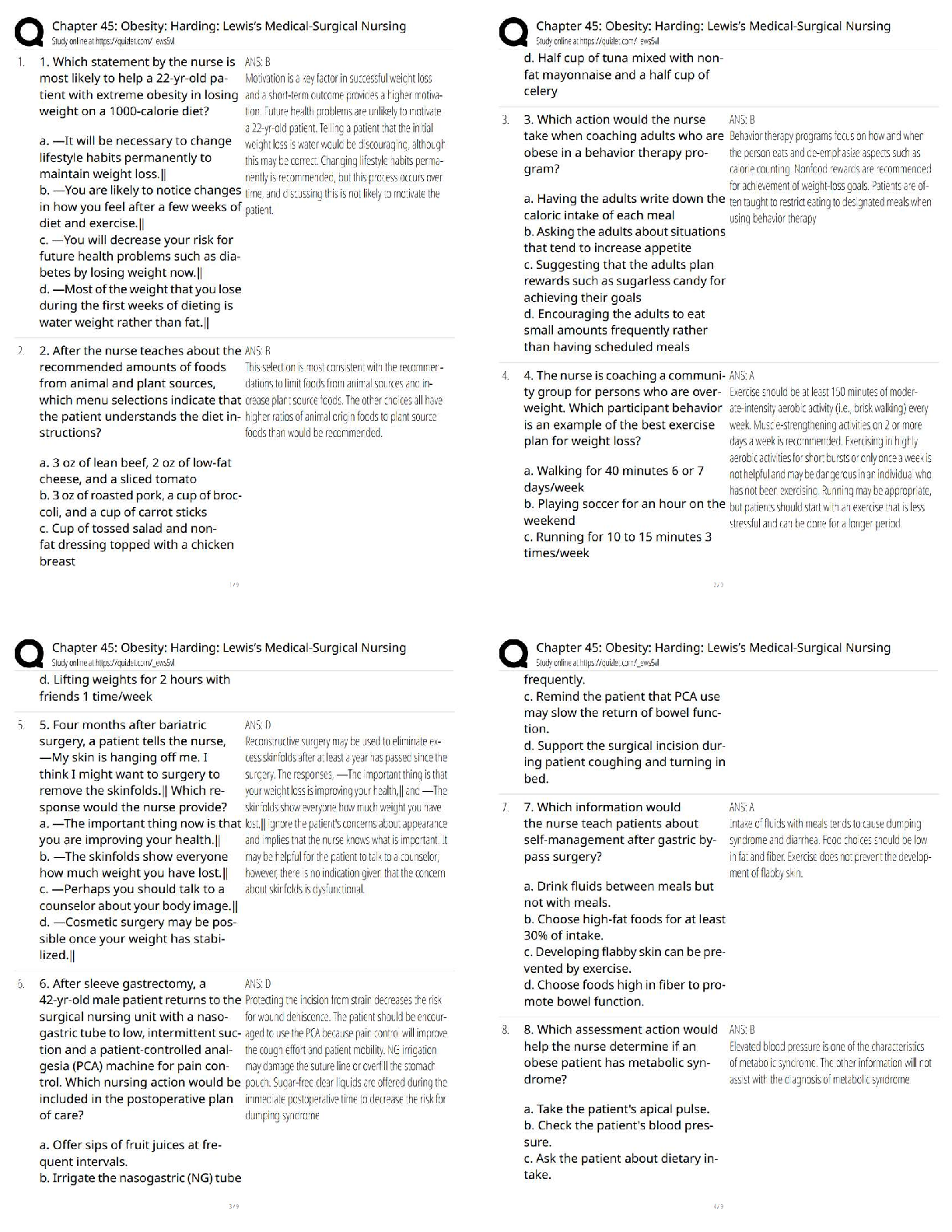
Master Lewis's Medical-surgical Nursing 12th Ed Ch 45 Obesity Test Bank. Includes Ans...
Master Medical-surgical Nursing With This Lewis 12th Ed Test Bank. Verified Answers,...
Master NR 250 With This Lewis 12th Ed Test Bank. Exam-style Questions And Rationales...
Master The Lewis 12th Edition With This NR 250 Test Bank Featuring Verified Questions...