
Study guide
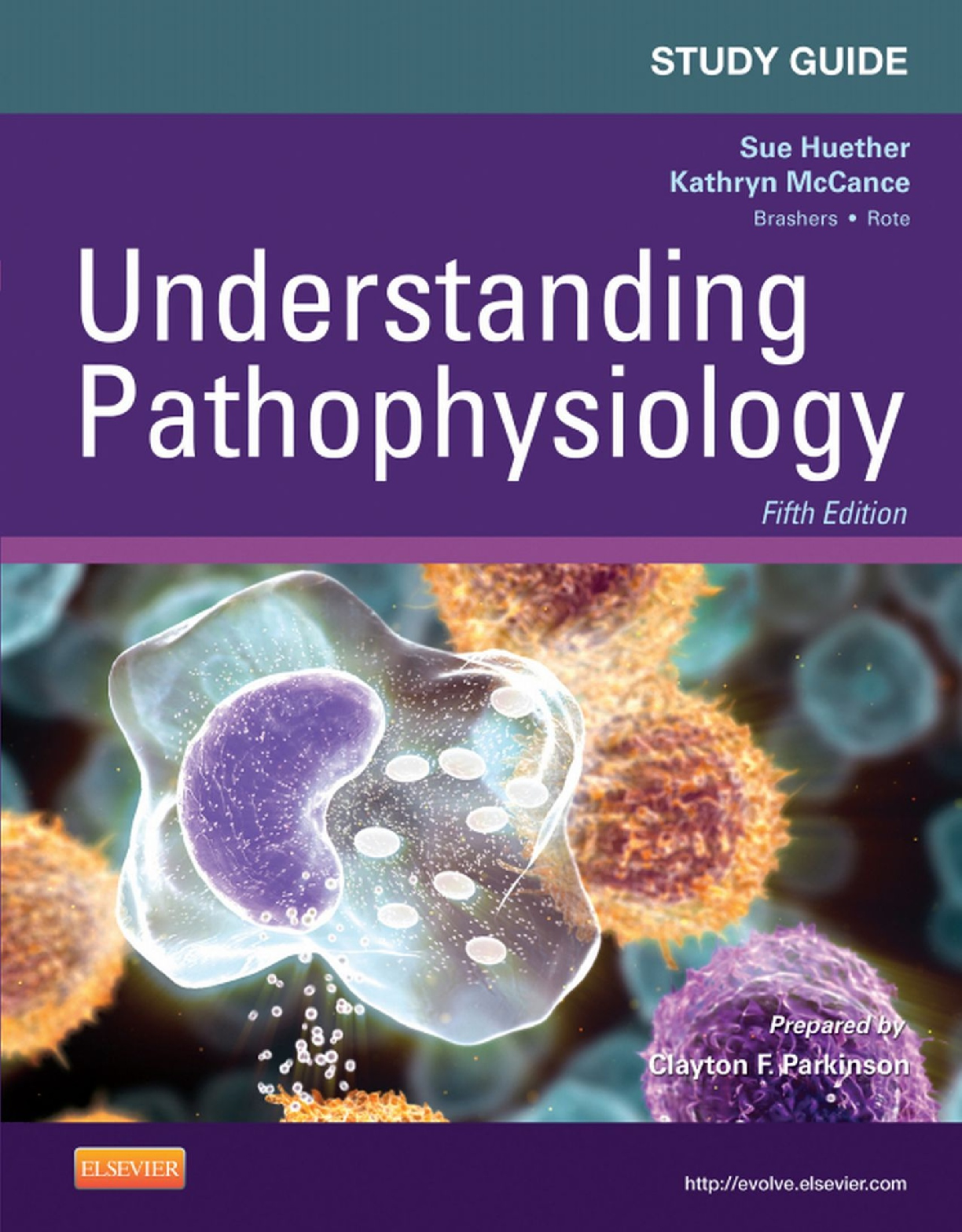
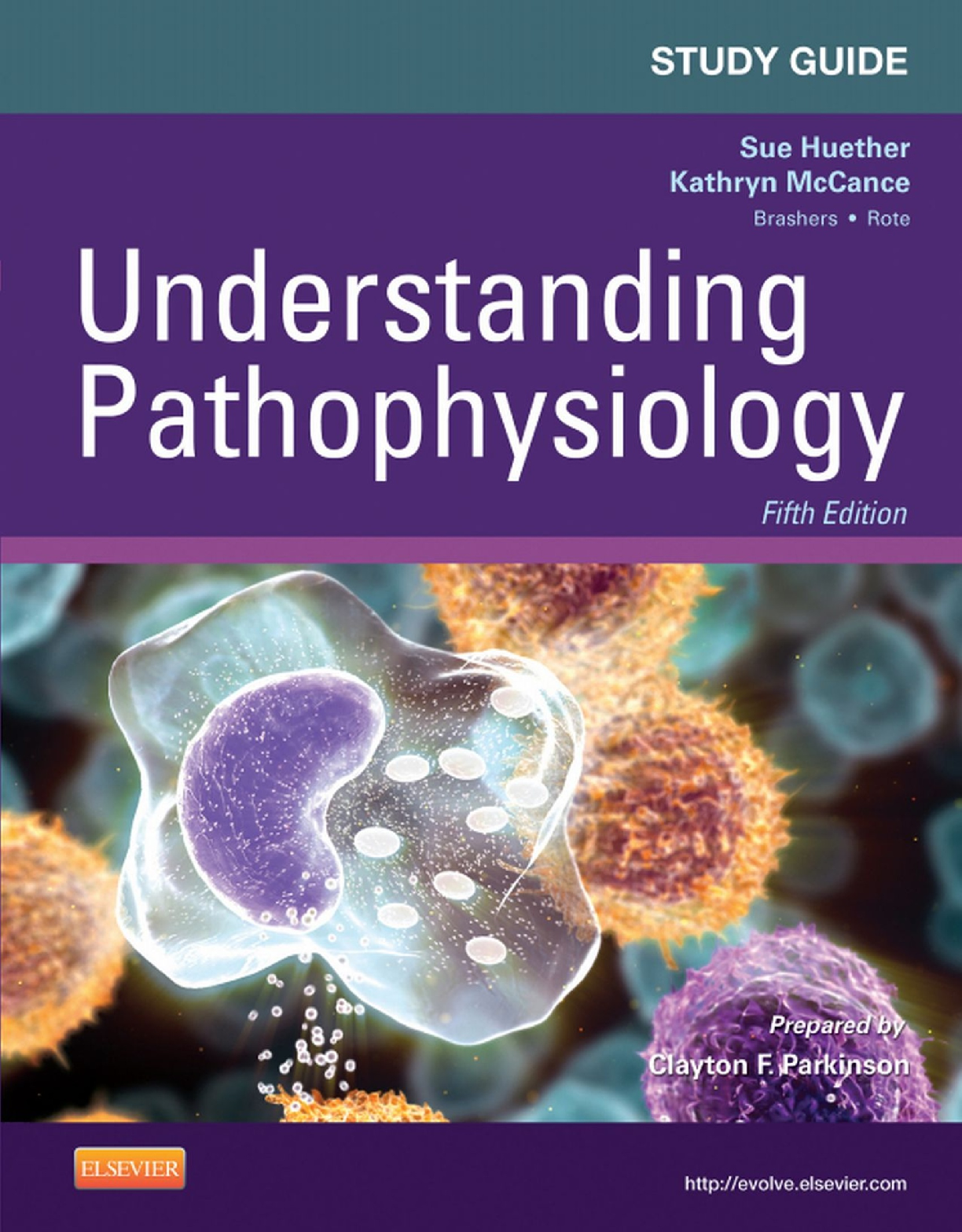
Study Guide For Understanding Pathophysiology, 5th Edition By Sue E. Huether
Study Guide for Understanding Pathophysiology, 5th Edition by Sue E. Huether is a comprehensive learning companion developed to reinforce the concepts presented in the primary textbook. Designed for nursing, medical, and allied health students, this study guide provides structured review materials, learning activities, and self-assessment exercises that help learners strengthen their understanding of disease processes, physiological alterations, and the clinical application of pathophysiology.
Organized to correspond with the textbook chapters, the study guide includes chapter reviews, practice questions, case-based exercises, matching activities, fill-in-the-blank questions, terminology reviews, and critical-thinking activities. These learning tools encourage active participation, reinforce key concepts, and help students assess their progress while preparing for quizzes, examinations, and clinical coursework.
Coverage begins with the foundations of cellular biology, genetics, homeostasis, and mechanisms of disease. Students review essential topics such as cellular adaptation, inflammation, immune responses, tissue repair, fluid and electrolyte balance, acid-base regulation, and the body's responses to injury and infection. Structured exercises help learners connect normal physiological function with pathological changes that occur during disease.
The study guide also provides comprehensive review activities covering disorders of the cardiovascular, respiratory, renal, gastrointestinal, endocrine, nervous, musculoskeletal, reproductive, hematologic, and immune systems. Students are encouraged to identify disease mechanisms, recognize clinical manifestations, interpret diagnostic findings, and understand the progression of common acute and chronic health conditions.
Additional learning activities focus on infectious diseases, genetic disorders, metabolic conditions, autoimmune diseases, cancer, and age-related physiological changes. Clinical case studies promote the application of theoretical knowledge to patient care by strengthening clinical reasoning, problem-solving, and evidence-based decision-making skills.
Throughout the guide, emphasis is placed on integrating anatomy, physiology, pathology, and clinical practice. Practice exercises encourage students to analyze patient scenarios, apply scientific concepts, and develop a deeper understanding of how physiological disruptions affect health and disease.
Suitable for undergraduate nursing programs, medical education, pharmacy, physician assistant, and allied health curricula, the study guide serves as an effective resource for independent study, classroom reinforcement, group discussions, and examination preparation. It supports learners in building confidence while mastering complex pathophysiology concepts.
Overall, the Study Guide for Understanding Pathophysiology, 5th Edition is a valuable educational resource that promotes active learning, reinforces core pathophysiology principles, strengthens clinical reasoning, and helps students develop the knowledge and critical-thinking skills required for success in healthcare education and professional practice.

Nursing students, instructors, and exam preparation users.
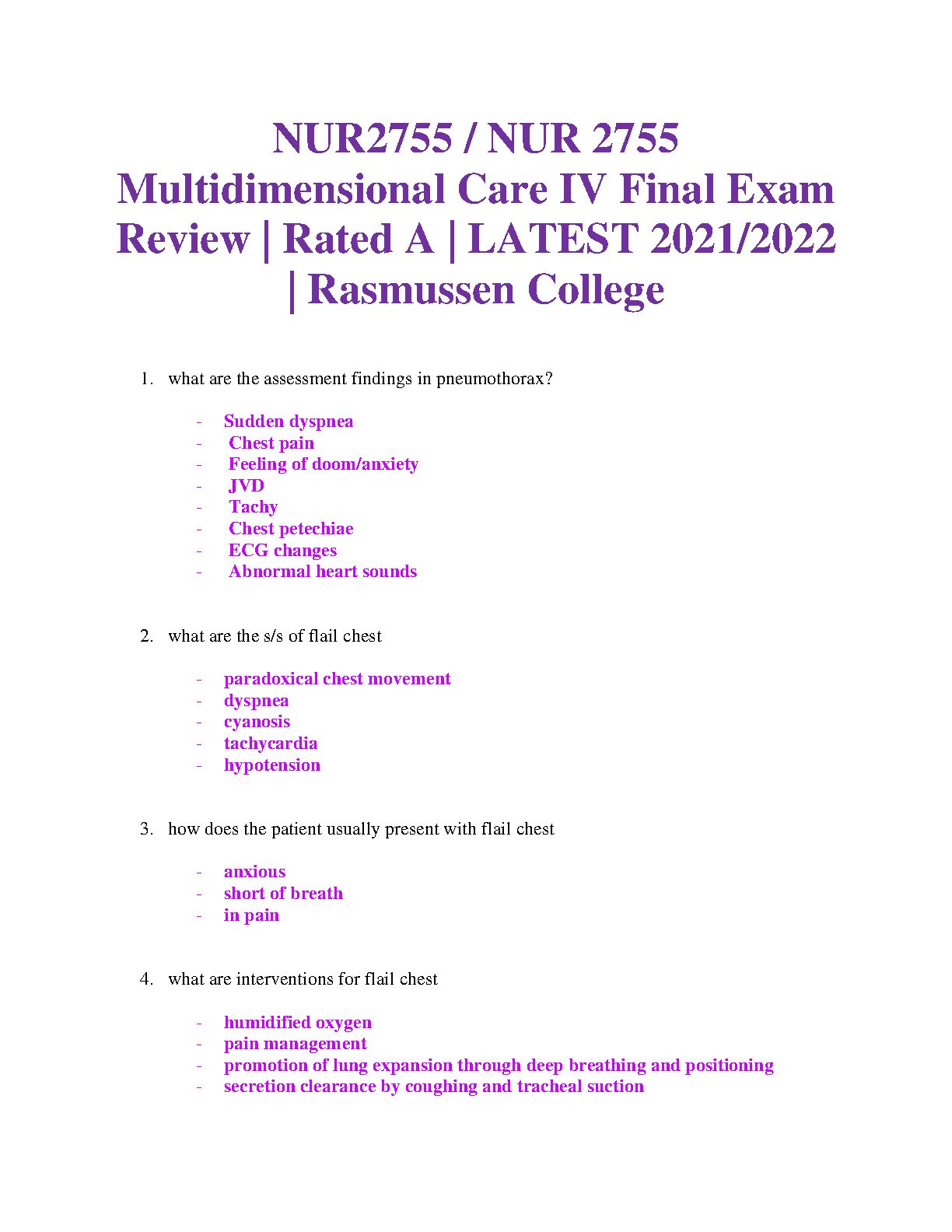
Master Nur2755 Concepts With This Final Exam Review. Achieve Higher Grades In Multidi...
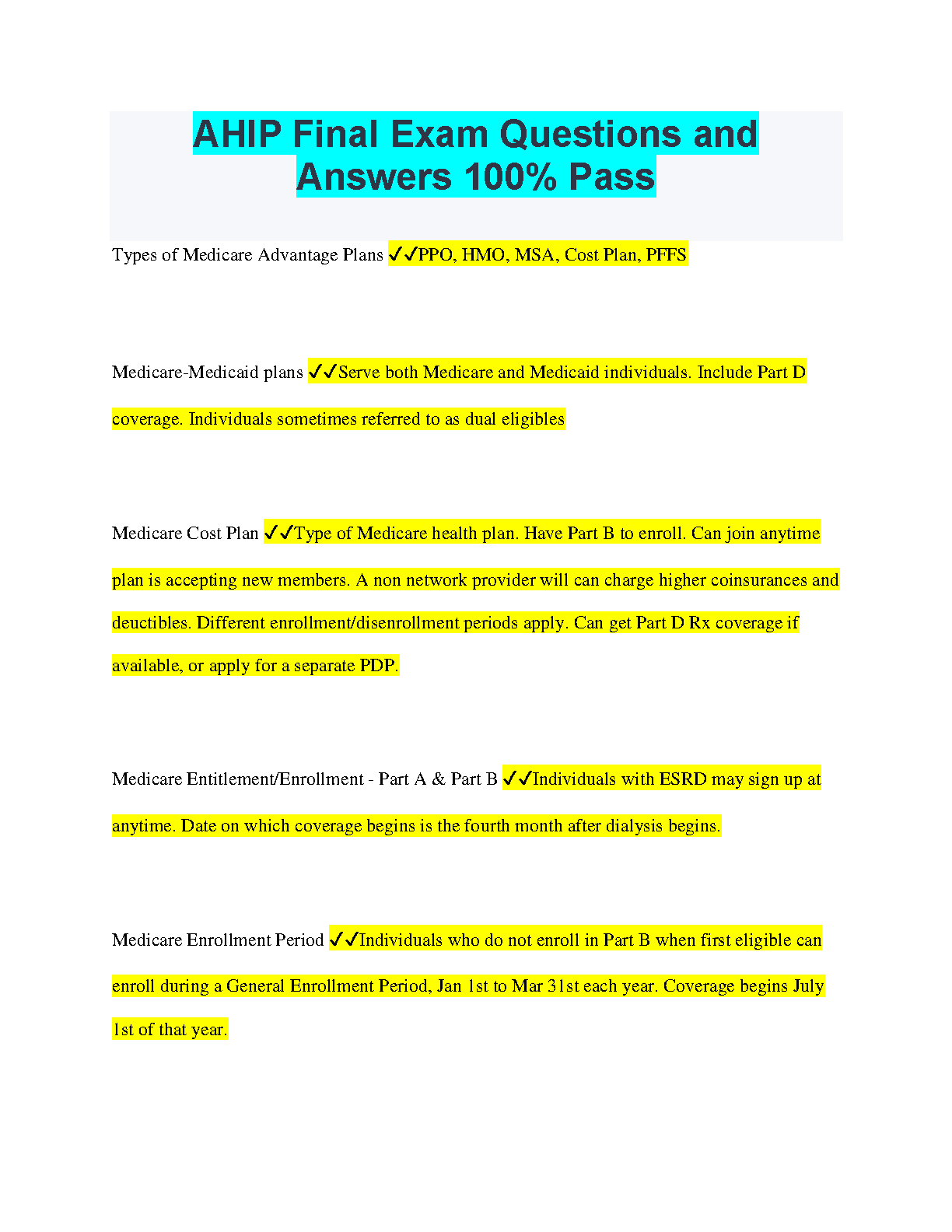
Master AHIP Final Exam Concepts With Curated Questions And Answers. Ensure First-atte...
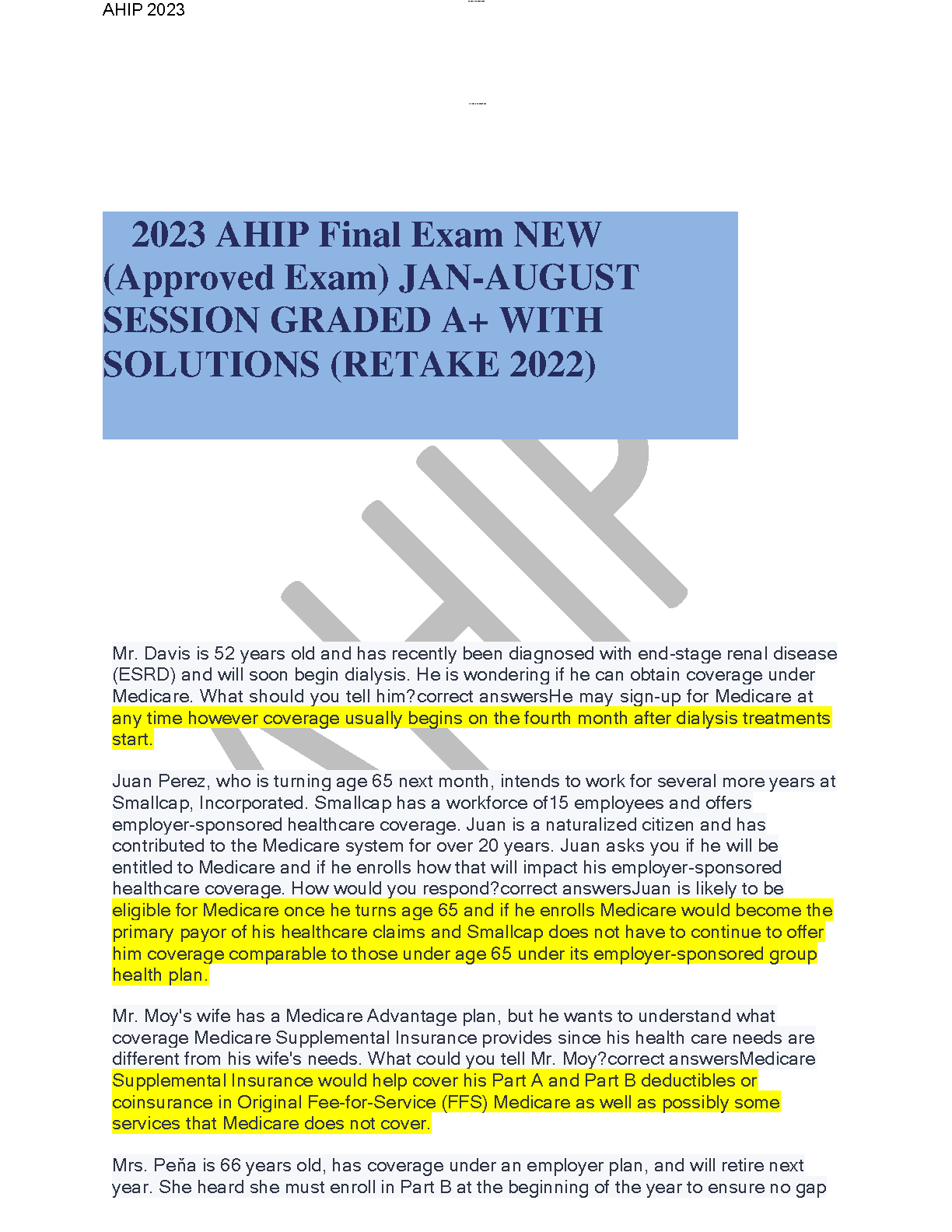
Master The AHIP Certification With Detailed Solutions For Medicare, Medicaid, And Hea...
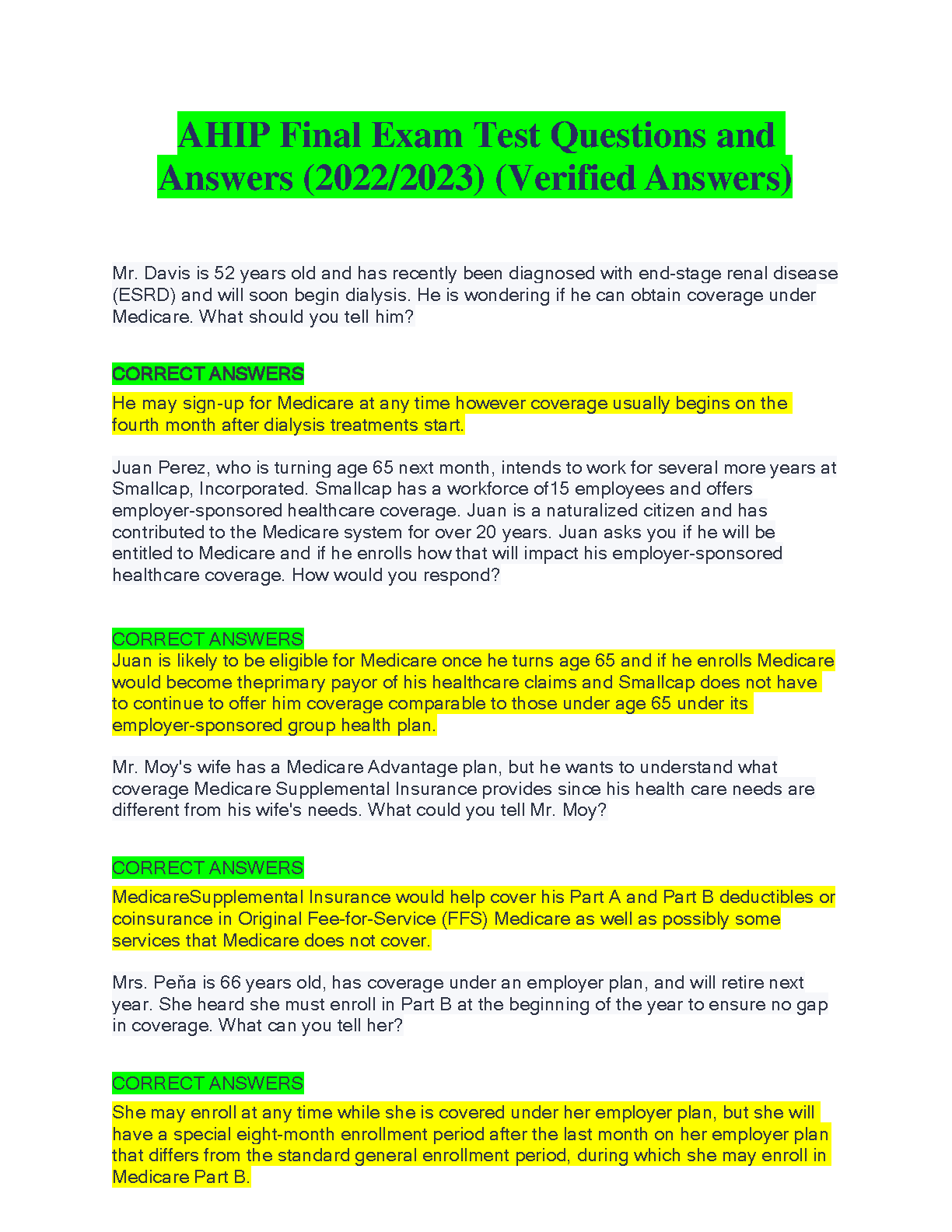
Master AHIP Concepts With Verified Exam Questions And Detailed Explanations. Ace Your...