
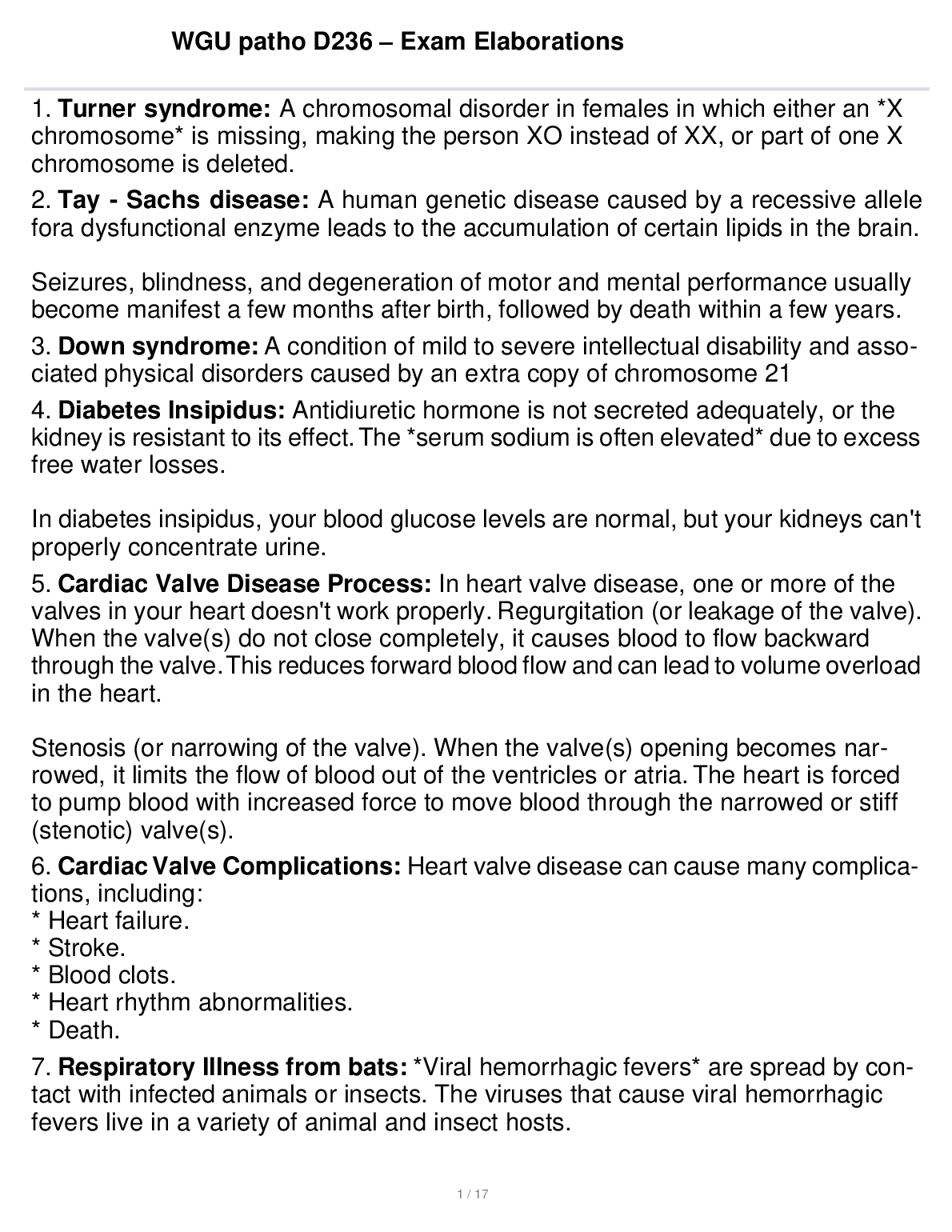
WGU D236 Pathology Exam Elaborations Study Guide

Study guide

WGU D236 Pathology Exam Elaborations: Comprehensive Study Guide For Chromosomal And Cardiac Disorders


Master WGU D236 Pathology With Exam Elaborations Covering Turner Syndrome, Down Syndrome, Cardiac Valve Disease, And Viral Fevers.
Description

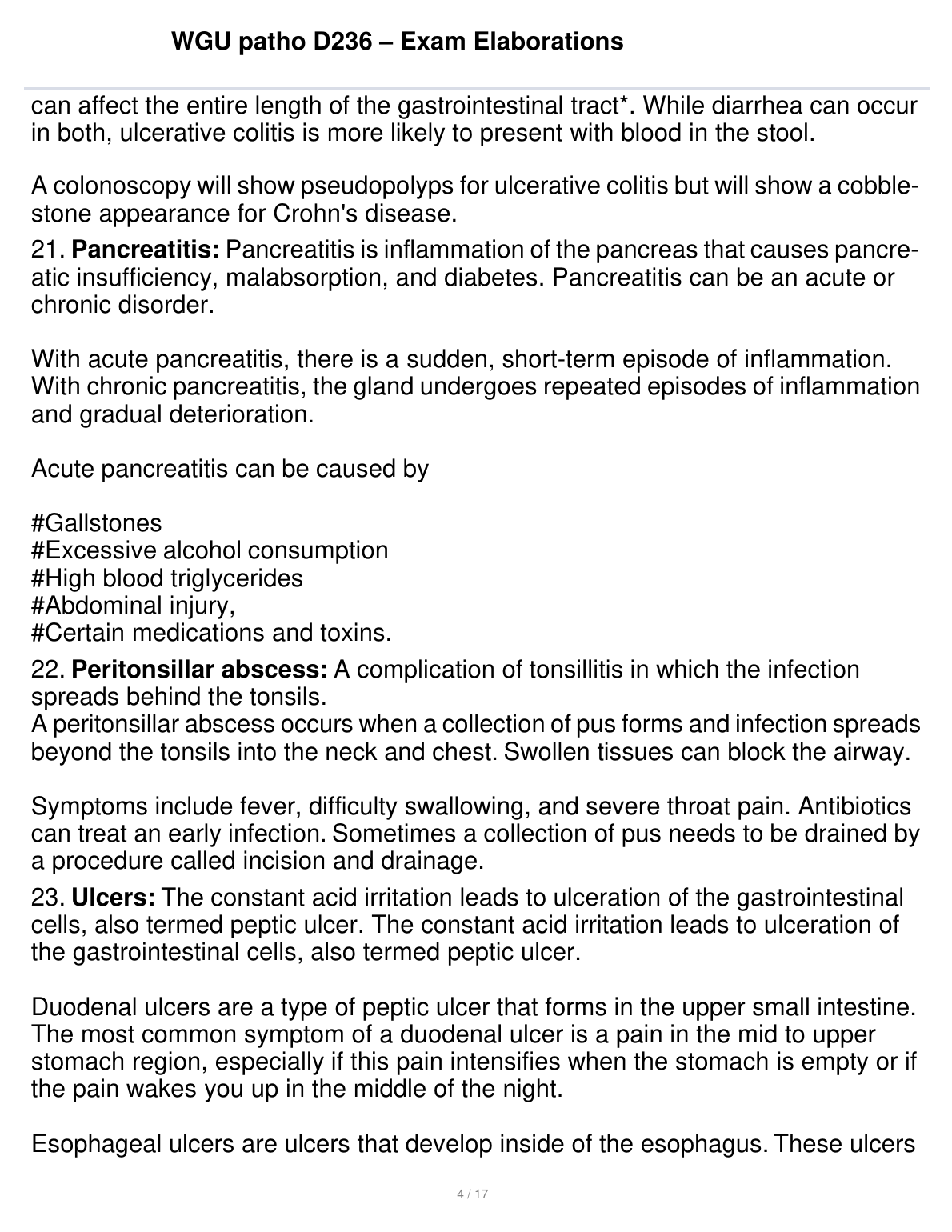
Achieve exam readiness for the Western Governors University D236 Pathology course through detailed elaborations on complex medical conditions. This resource provides precise definitions and pathophysiological mechanisms for chromosomal disorders such as Turner syndrome, Tay-Sachs disease, and Down syndrome. Learners gain clarity on critical distinctions like Diabetes Insipidus versus diabetes mellitus, alongside comprehensive coverage of cardiac valve regurgitation and stenosis processes. The material enhances understanding of high-yield topics including respiratory viral hemorrhagic fevers and associated complications to ensure confident performance in examinations.
PDF Sample
1 / 1
WGU D236 Pathology Exam Elaborations Study Guide IMG-1
Who is this Document for ?

This document is designed for students enrolled in the WGU D236 Pathology course who require concise yet detailed explanations of key exam topics. It serves as a vital revision tool for candidates preparing for competency-based assessments, helping them distinguish between similar conditions and understand underlying mechanisms. Tutors and educators may also utilise these elaborations to support lesson planning or provide supplemental materials for students needing clarification on specific pathophysiological concepts.
What you will learn ?
Differentiate between chromosomal disorders by understanding the specific genetic anomalies in Turner syndrome, Tay-Sachs disease, and Down syndrome, including their clinical manifestations and prognoses.
Explain the mechanism of Diabetes Insipidus, specifically how inadequate antidiuretic hormone secretion or renal resistance leads to elevated serum sodium due to free water loss without affecting blood glucose levels.
Analyse the haemodynamic consequences of cardiac valve disease by distinguishing between regurgitation (leakage causing volume overload) and stenosis (narrowing requiring increased pumping force).
Identify major complications associated with heart valve defects, including heart failure, stroke, thromboembolism, rhythm abnormalities, and mortality risks.
Describe the transmission pathways of viral hemorrhagic fevers through contact with infected animal or insect hosts, specifically noting respiratory illnesses linked to bats.
You may also be interested in :
Recommendations for you
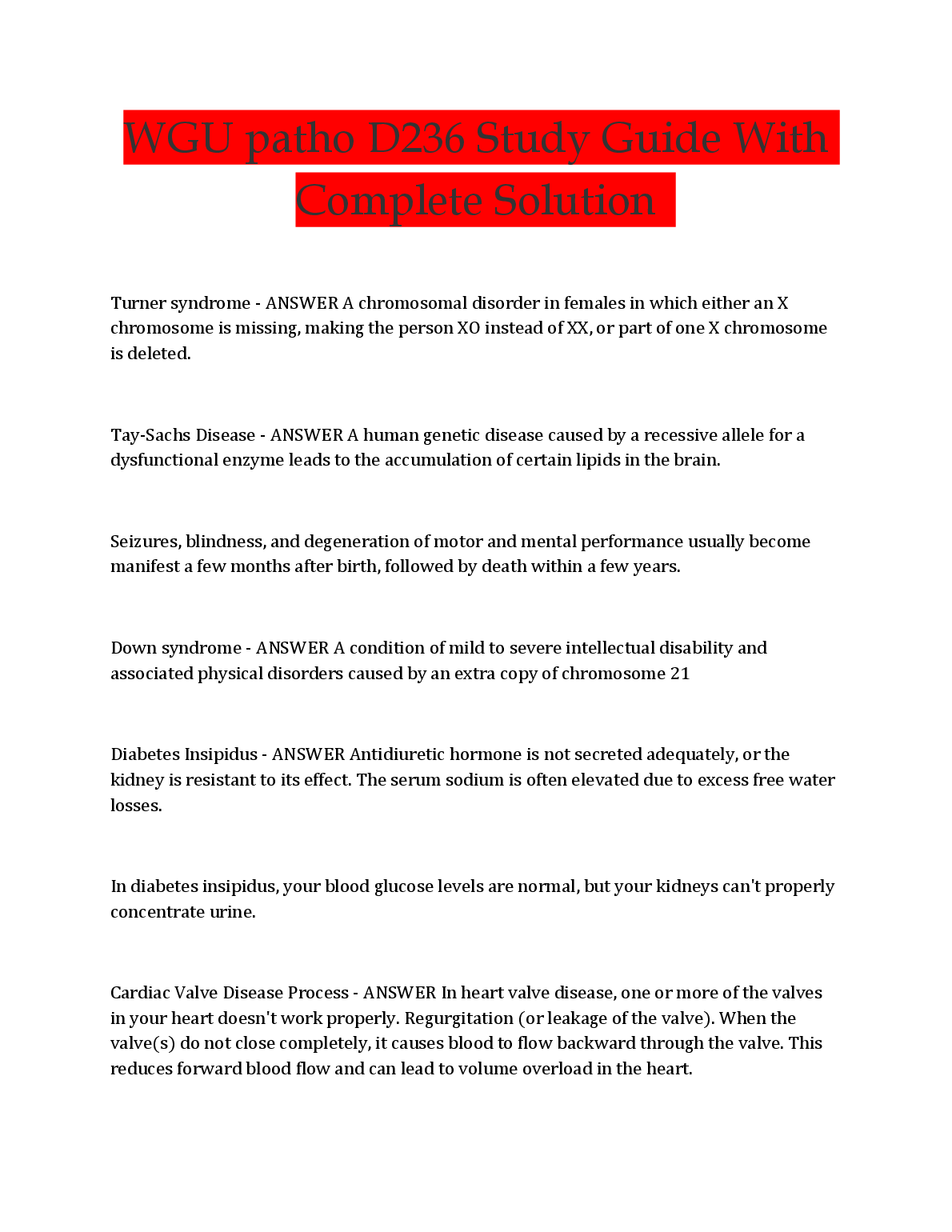
WGU Patho D236 Study Guide with Complete Solutions 2023/2024: Turner Syndrome and Down Syndrome Q&A
WGU Patho D236 Study Guide With Complete Solutions 2023/2024...

Access WGU Patho D236 Study Guide With Complete Solutions. Covers Genetic Disorders,...
$16
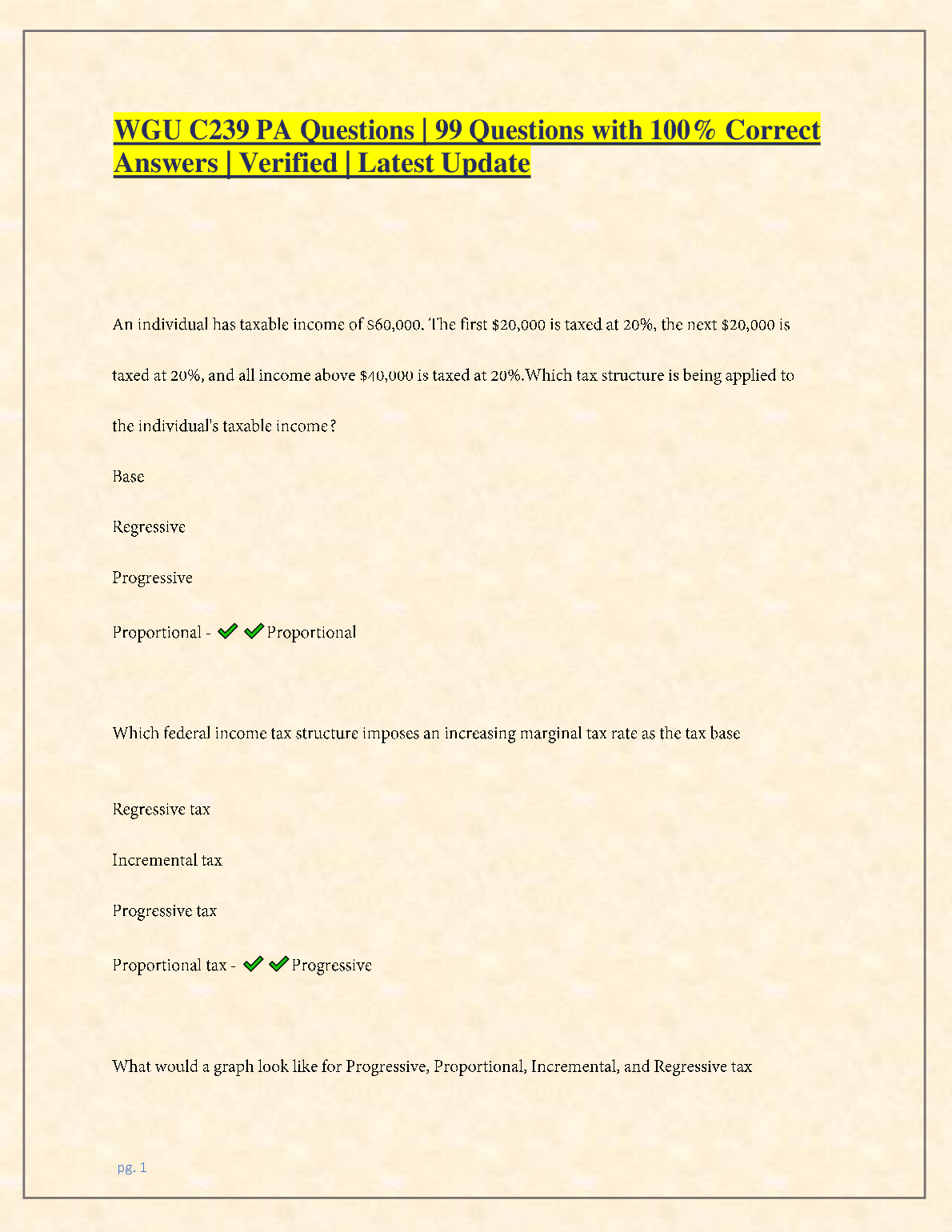
WGU C239 Anatomy and Physiology Study Guide with 99 Verified Questions for Exam Success in 2024/2025
WGU C239 Anatomy And Physiology Study Guide With 99 Verified...

Master WGU C239 Anatomy And Physiology. Practice With 99 Verified Questions To Ace Yo...
$16
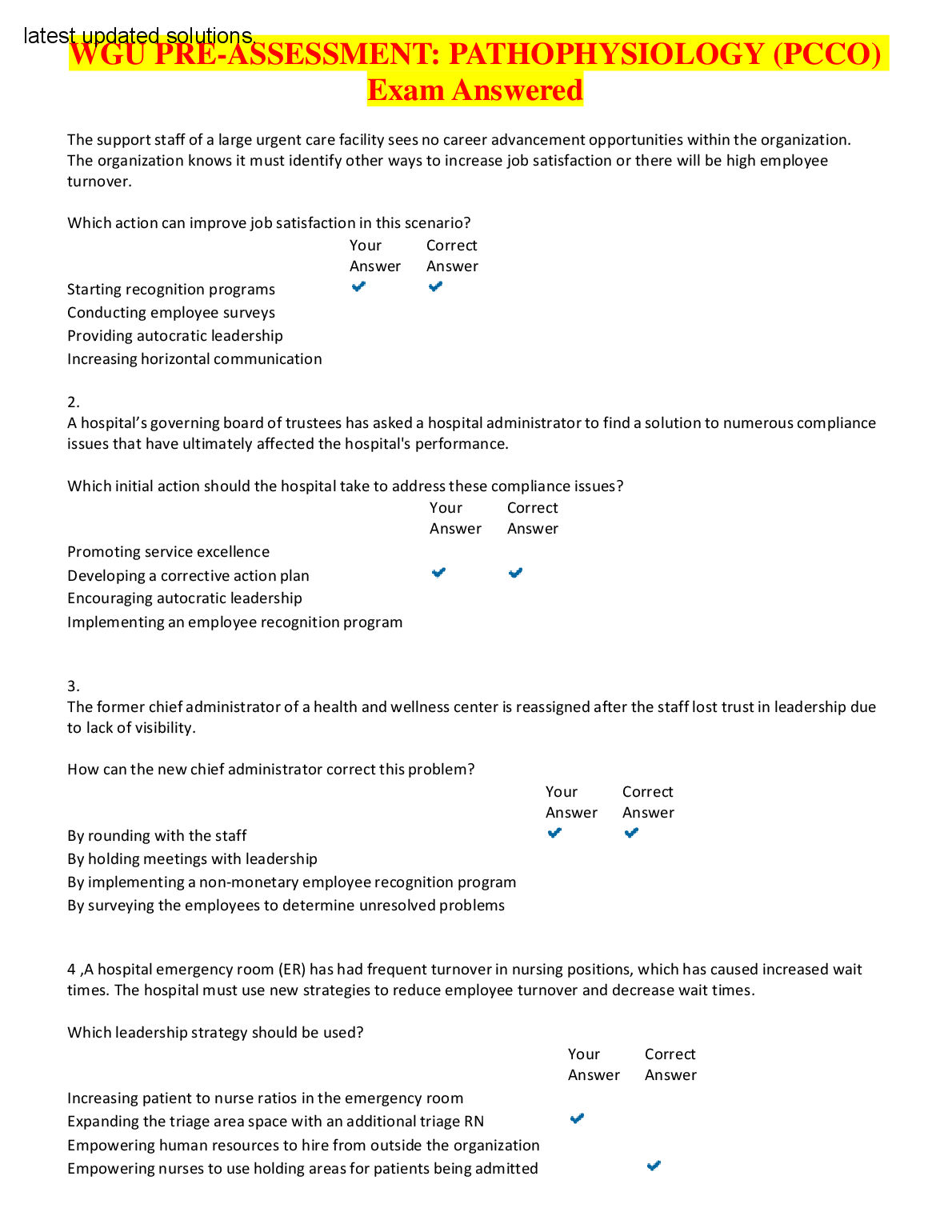
WGU Pathophysiology PCCO Pre-Assessment Exam Answered with Detailed Explanations 2024/25 Guide
WGU Pathophysiology Pcco Pre-assessment Exam Answered With D...

Master WGU Pathophysiology (pcco) Pre-assessment Questions. Access Detailed Answers A...
$16
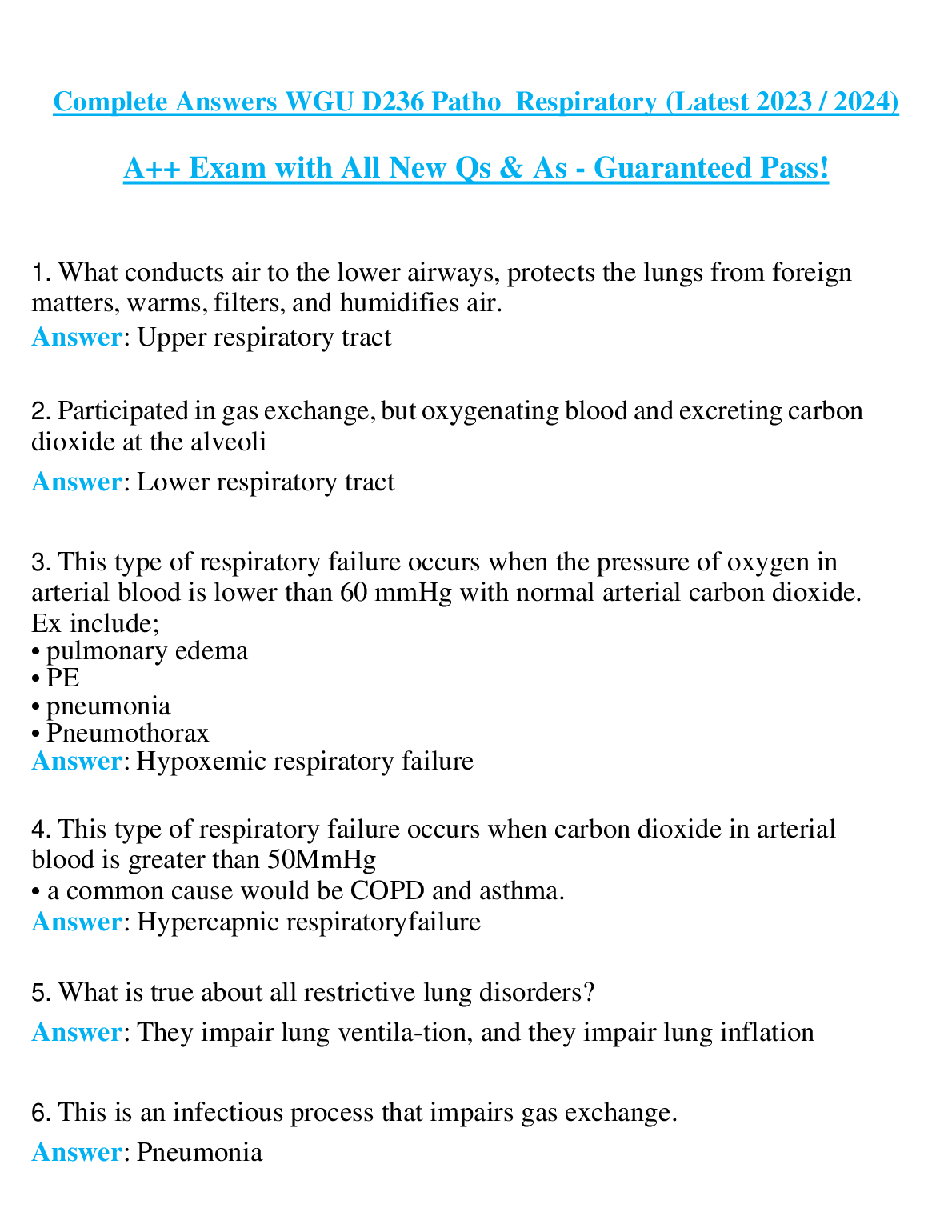
WGU D236 Patho Respiratory Complete Answers Study Guide for Latest 2023/2024 Exam Preparation
WGU D236 Patho Respiratory Complete Answers Study Guide For...

Master WGU D236 Respiratory Pathophysiology With Comprehensive, Up-to-date Answers An...

$16