
AGAC Study Guide 2026/27

Study guide

ANCC Adult Gerontology Acute Care Study Guide Hemodynamics And Shock Parameters Review Resource


Master Agac Hemodynamics, Shock Types And CVP Values. Premium Study Guide For ANCC Certification.
Description

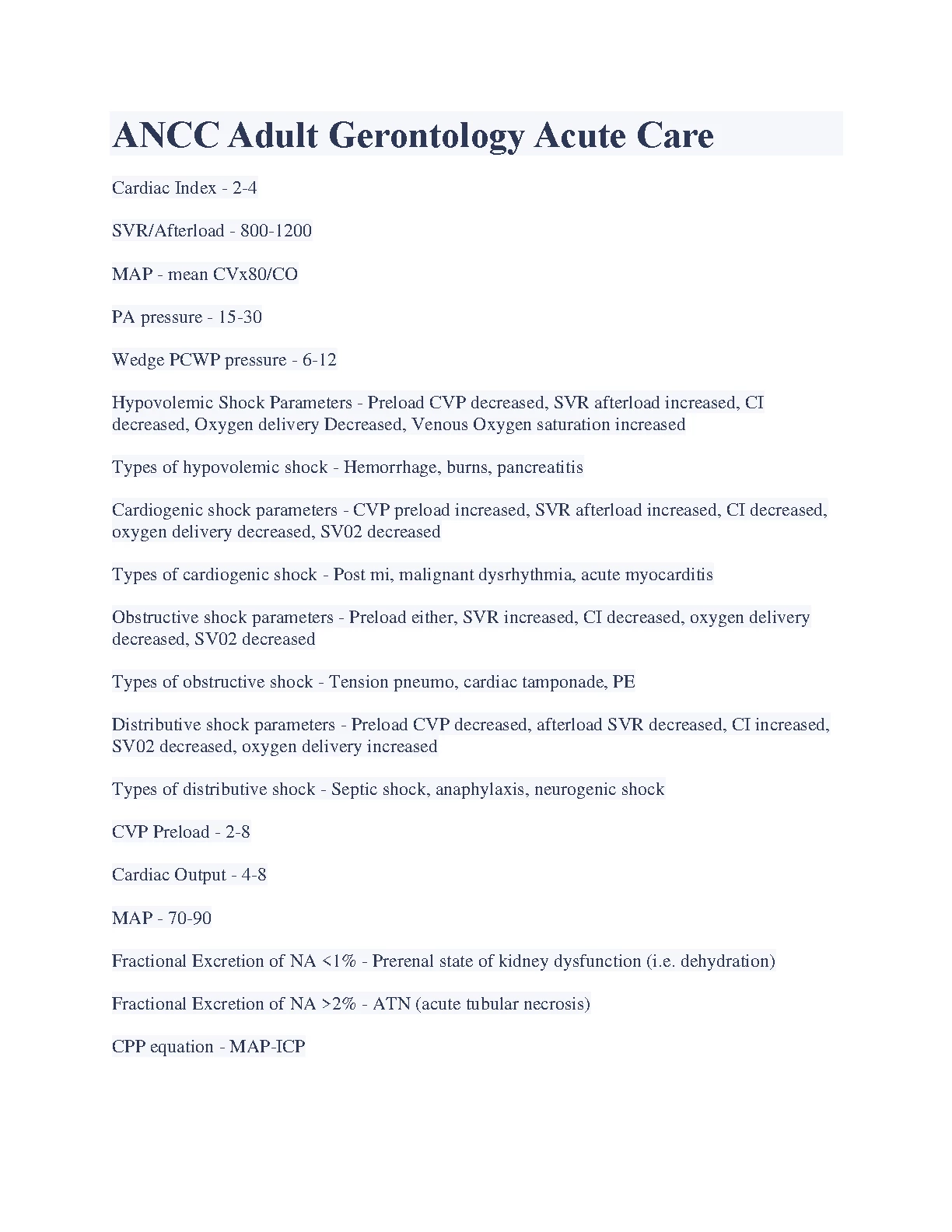
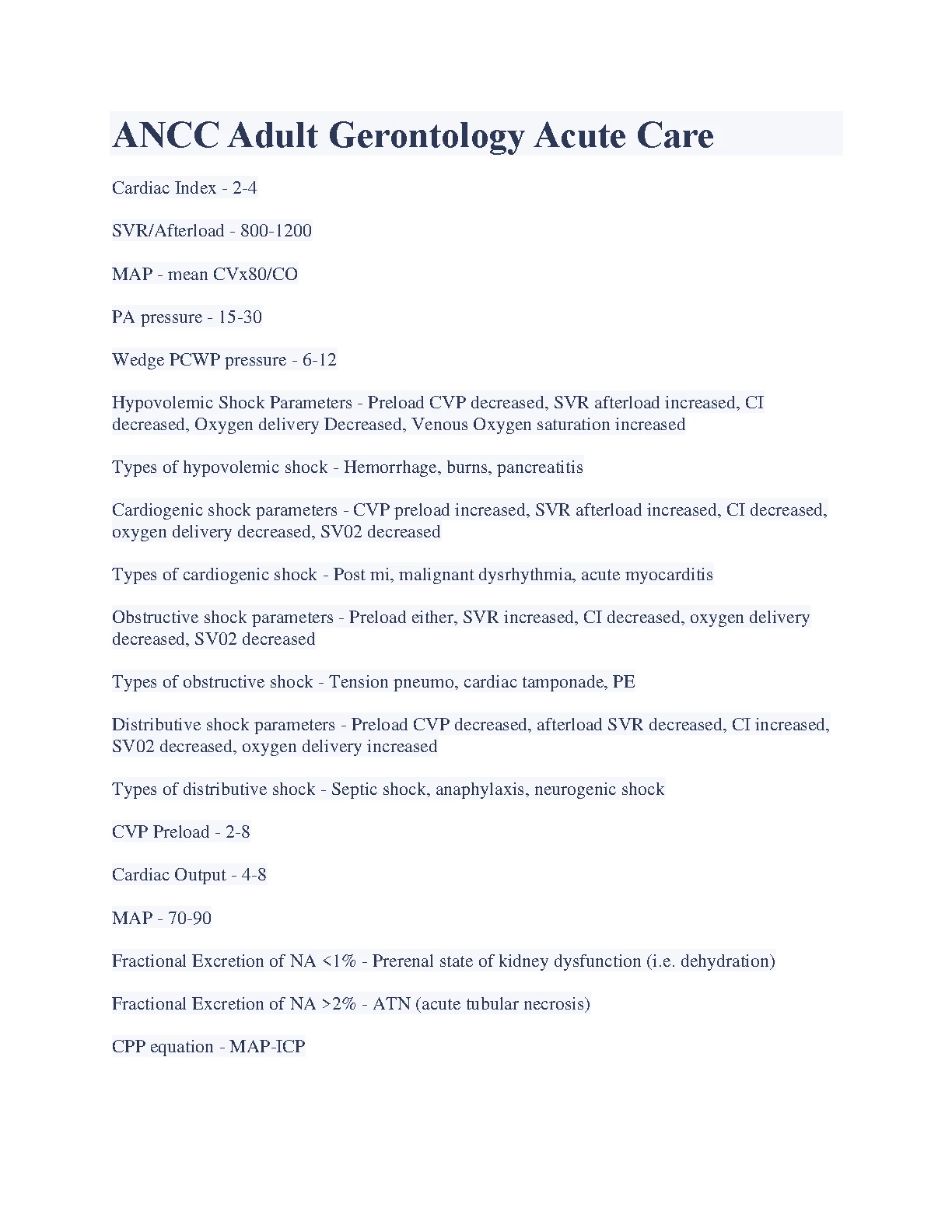
Accelerate your preparation for the Adult Gerontology Acute Care Nurse Practitioner examination with a targeted review of critical haemodynamic parameters and shock classifications. This resource distils complex physiological data into clear, exam-ready formats covering cardiac index, systemic vascular resistance, and mean arterial pressure calculations. Candidates gain immediate clarity on distinguishing between hypovolemic, cardiogenic, obstructive and distributive shock through specific preload and afterload indicators. The material supports deep understanding of renal function markers such as fractional excretion of sodium, ensuring comprehensive readiness for high-stakes clinical assessment.
PDF Sample
1 / 1
AGAC Study Guide 2026/27 IMG-1
Who is this Document for ?

This document is designed for nurse practitioner students and qualified nurses preparing for the ANCC Adult Gerontology Acute Care certification. It serves as a concise revision tool for candidates who require rapid reinforcement of haemodynamic concepts and shock pathophysiology. Tutors and educators may also utilise this structured content to supplement classroom teaching on acute care physiology.
What you will learn ?
Memorise the standard ranges for Cardiac Index (2-4), SVR (800-1200) and MAP, enabling rapid assessment of patient haemodynamic status during clinical examinations.
Differentiate between hypovolemic, cardiogenic, obstructive and distributive shock by identifying specific patterns in CVP, SVR, CI and SvO2 values.
Apply the Fractional Excretion of Sodium criteria to distinguish prerenal kidney dysfunction from acute tubular necrosis based on values below 1% or above 2% respectively.
Calculate Mean Arterial Pressure using the standard equation involving cardiac output and systemic vascular resistance, a key competency for acute care nurse practitioners.
Identify the specific clinical causes associated with each shock type, such as tension pneumothorax for obstructive shock and septic shock for distributive states.
Interpret wedge PCWP pressure values within the normal range of 6-12 mmHg to assess left ventricular function in critically ill adult patients.
You may also be interested in :
Recommendations for you
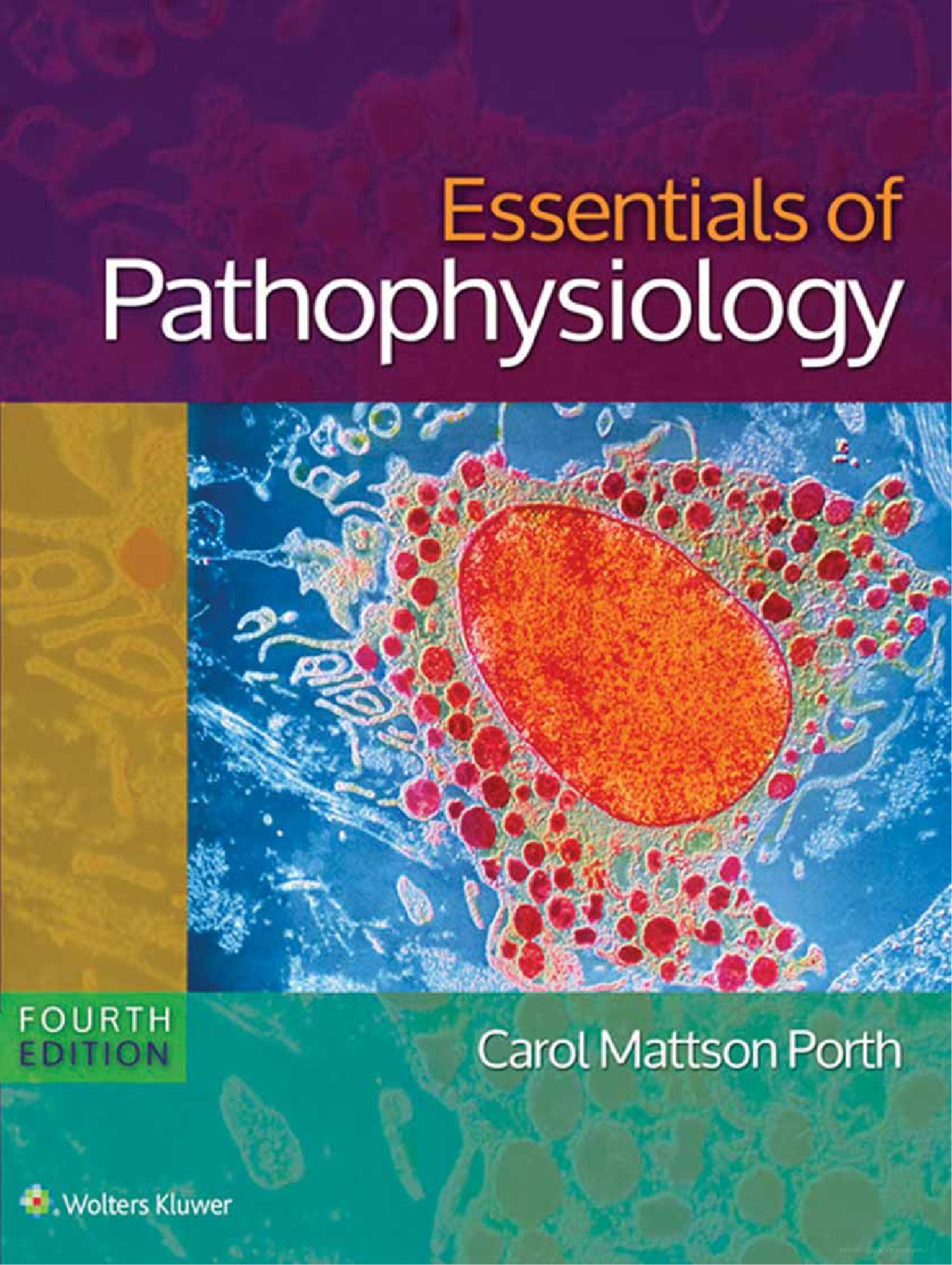
Essentials of Pathophysiology 4th Edition by Carol Mattson Porth Study Guide for Exam Success
Essentials Of Pathophysiology 4th Edition By Carol Mattson P...

Master Disease Processes With This Comprehensive Guide. Ideal For Students Aiming To...
$16
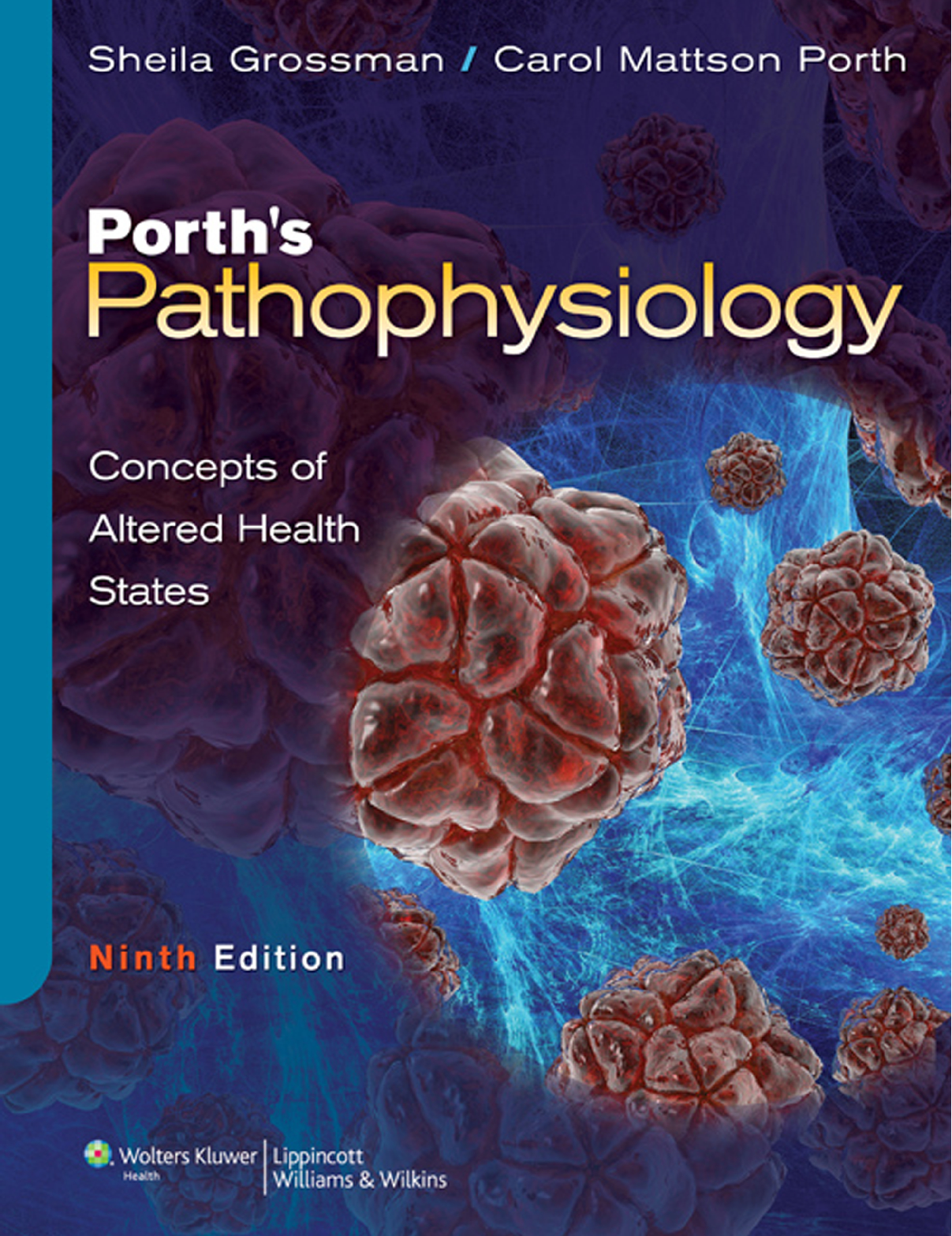
Porth's Pathophysiology, 9th Edition Study Guide by Grossman and Porth for Exam Success
Porth's Pathophysiology, 9th Edition Study Guide By Grossman...

Master Pathophysiology With The 9th Edition Study Guide. Clear Explanations Of Altere...
$16
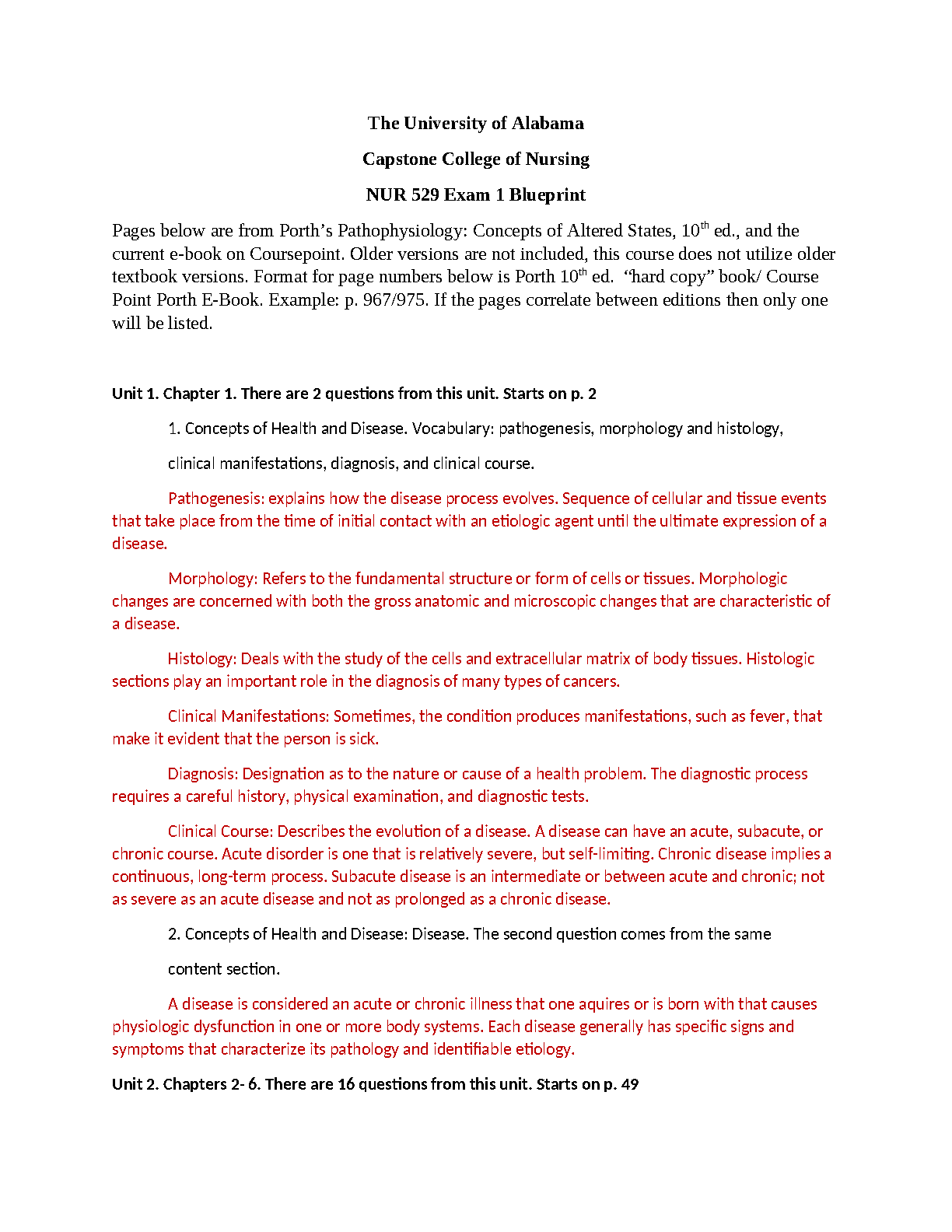
Porth's Pathophysiology NUR 529 Exam 1 Blueprint Study Guide 10th Edition
Porth's Pathophysiology Nur 529 Exam 1 Blueprint Study Guide...

Master Pathogenesis And Clinical Diagnosis With This Nur 529 Porth's Pathophysiology...
$16
NUR2063 Electrolyte Imbalances Exam Elaboration Guide Based on Porth's Pathophysiology for Rasmussen Students
Nur2063 Electrolyte Imbalances Exam Elaboration Guide Based...

Master Nur2063 Electrolyte Imbalances. In-depth Exam Elaboration Based On Porth's For...

$16