
Test bank
Economics 9th Edition Test Bank
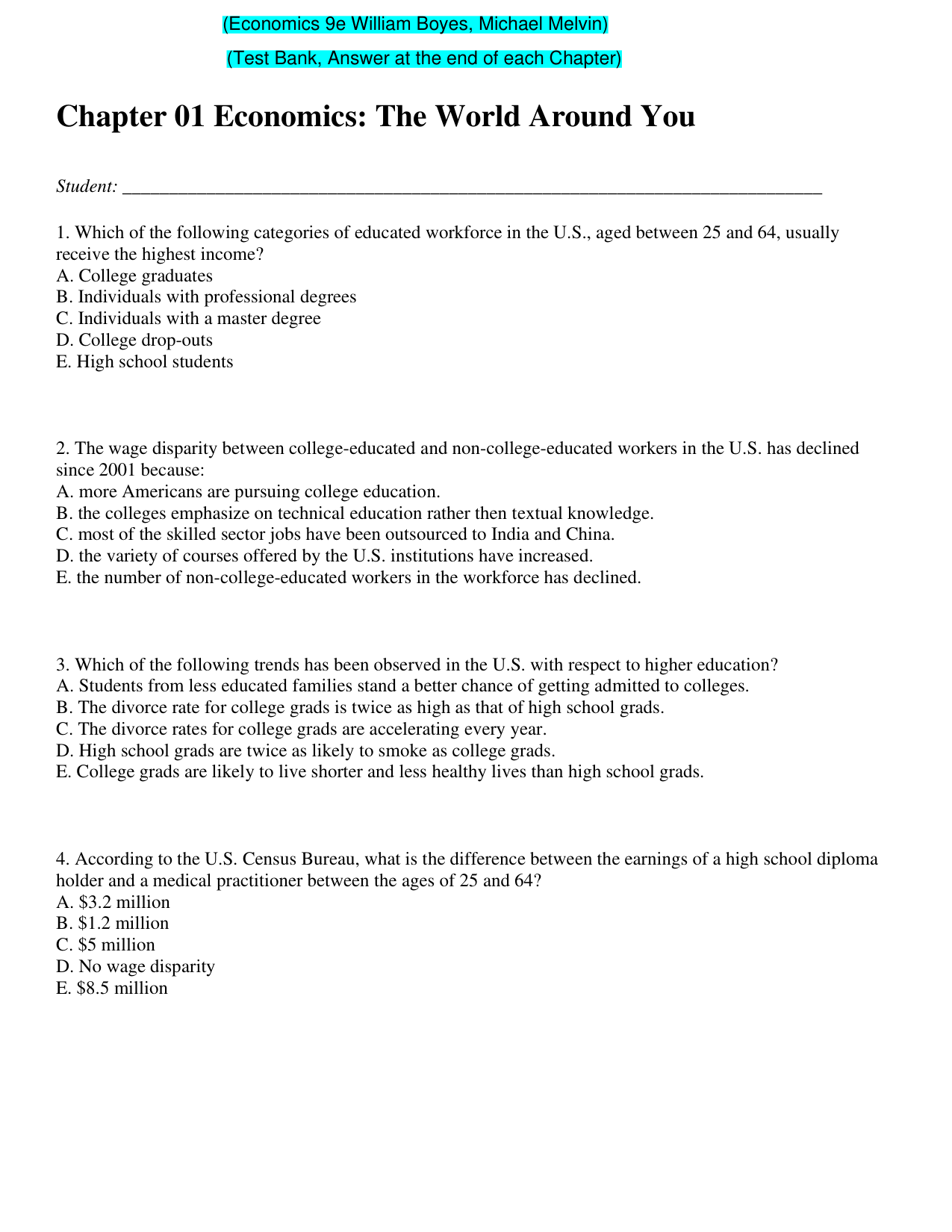
Test Bank for Economics (9th Edition) is a comprehensive instructor resource designed to support economics education by providing structured assessment materials aligned with the textbook. It helps educators evaluate students’ understanding of core economic theories, analytical methods, and real-world applications of economic decision-making.
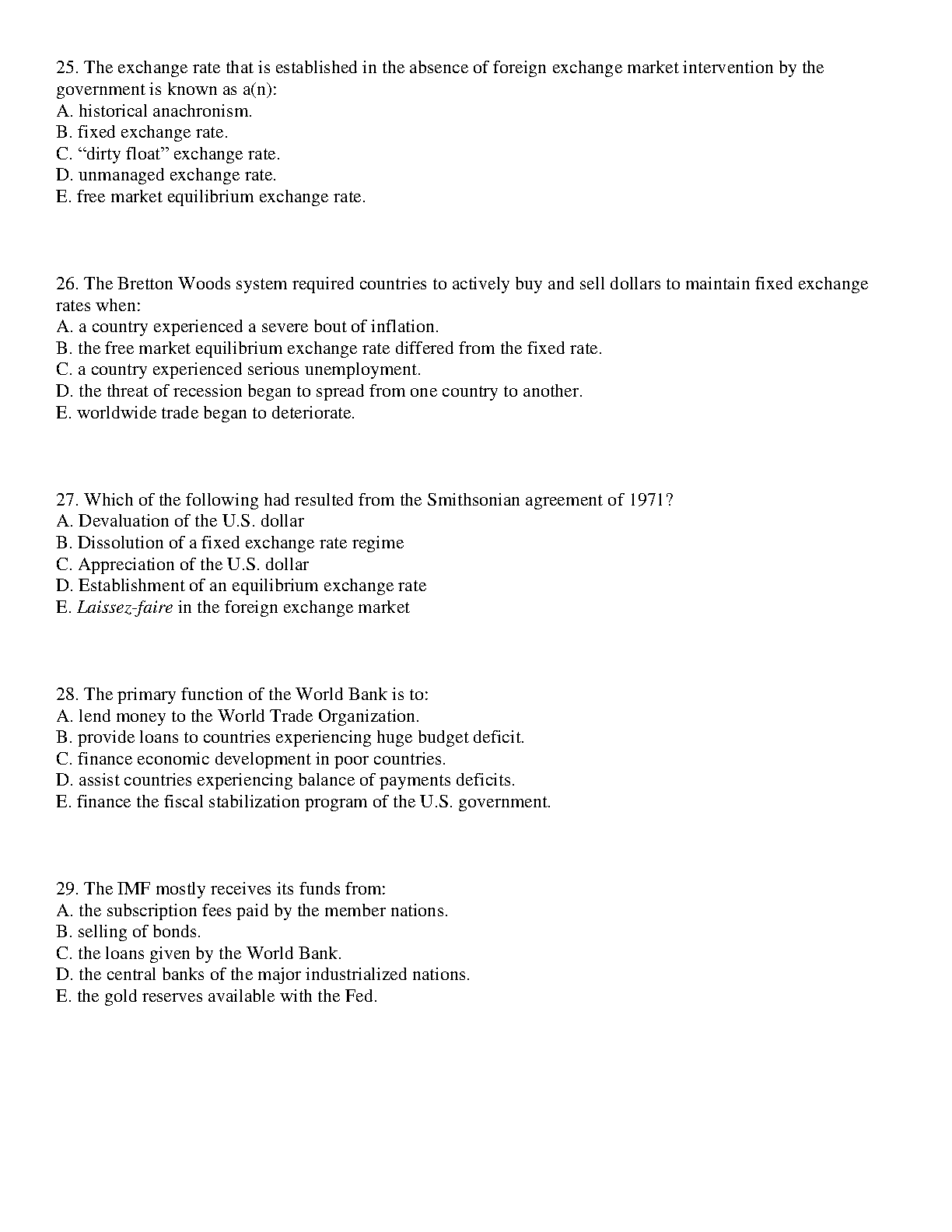
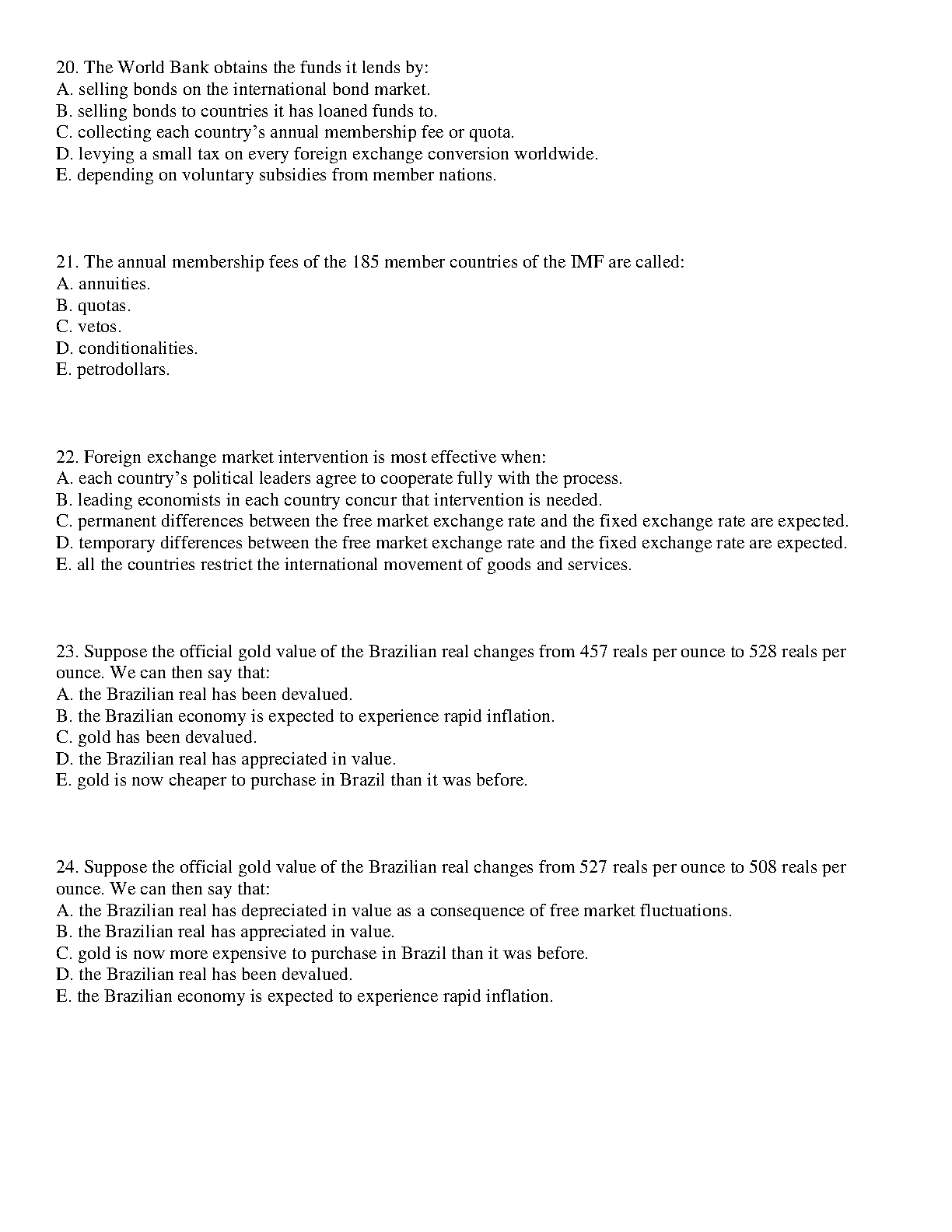
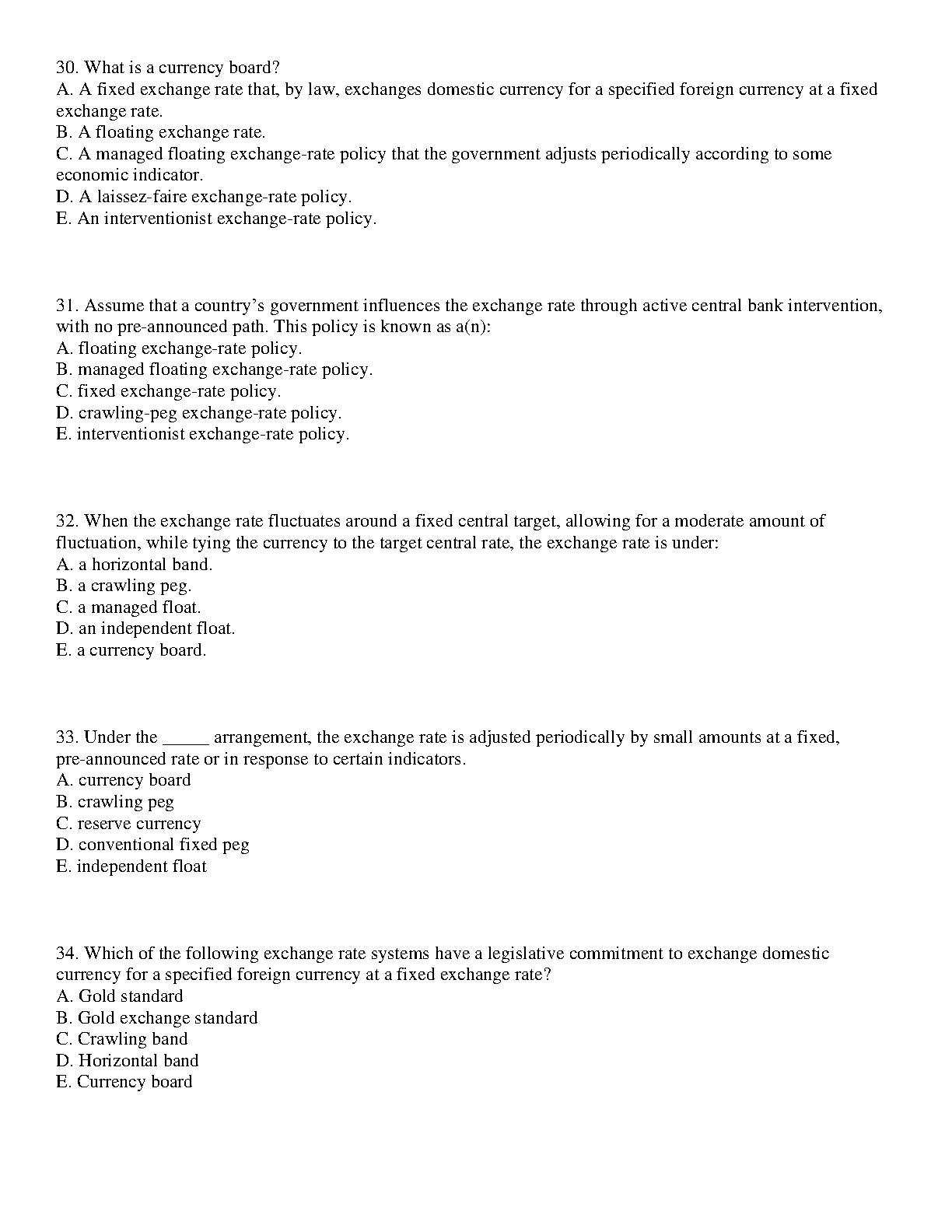
Organized by textbook chapter, the test bank covers essential topics in economics, including the foundations of economic thinking, scarcity and choice, opportunity cost, supply and demand, market equilibrium, elasticity, consumer and producer behavior, production and costs, market structures, competition, monopoly, labor markets, financial markets, government intervention, taxation, public goods, externalities, macroeconomic measurement, GDP, inflation, unemployment, economic growth, fiscal policy, monetary policy, banking systems, international trade, and globalization.
The resource emphasizes the application of economic concepts by encouraging learners to analyze economic relationships, interpret graphs and data, evaluate policy decisions, and apply economic reasoning to real-world situations. Questions are designed to strengthen critical thinking, quantitative analysis, and problem-solving skills related to individual, business, and government economic decisions.
The test bank typically includes a variety of assessment formats, such as:
* Multiple-choice questions
* True/False questions
* Matching questions
* Graph and data interpretation questions
* Economic calculation problems
* Case-based economic scenarios
* Application and critical-thinking questions
Additional instructional features commonly include:
* Chapter-by-chapter organization aligned with the textbook
* Answer keys
* Questions ranging from introductory economic concepts to advanced applications
* Coverage of both microeconomics and macroeconomics principles
* Support for quizzes, examinations, assignments, and classroom assessments
This resource is intended for instructors teaching economics, business, finance, public policy, and related courses while supporting students in developing economic literacy, analytical reasoning, and decision-making skills.
Economics students, instructors, and exam preparation users.
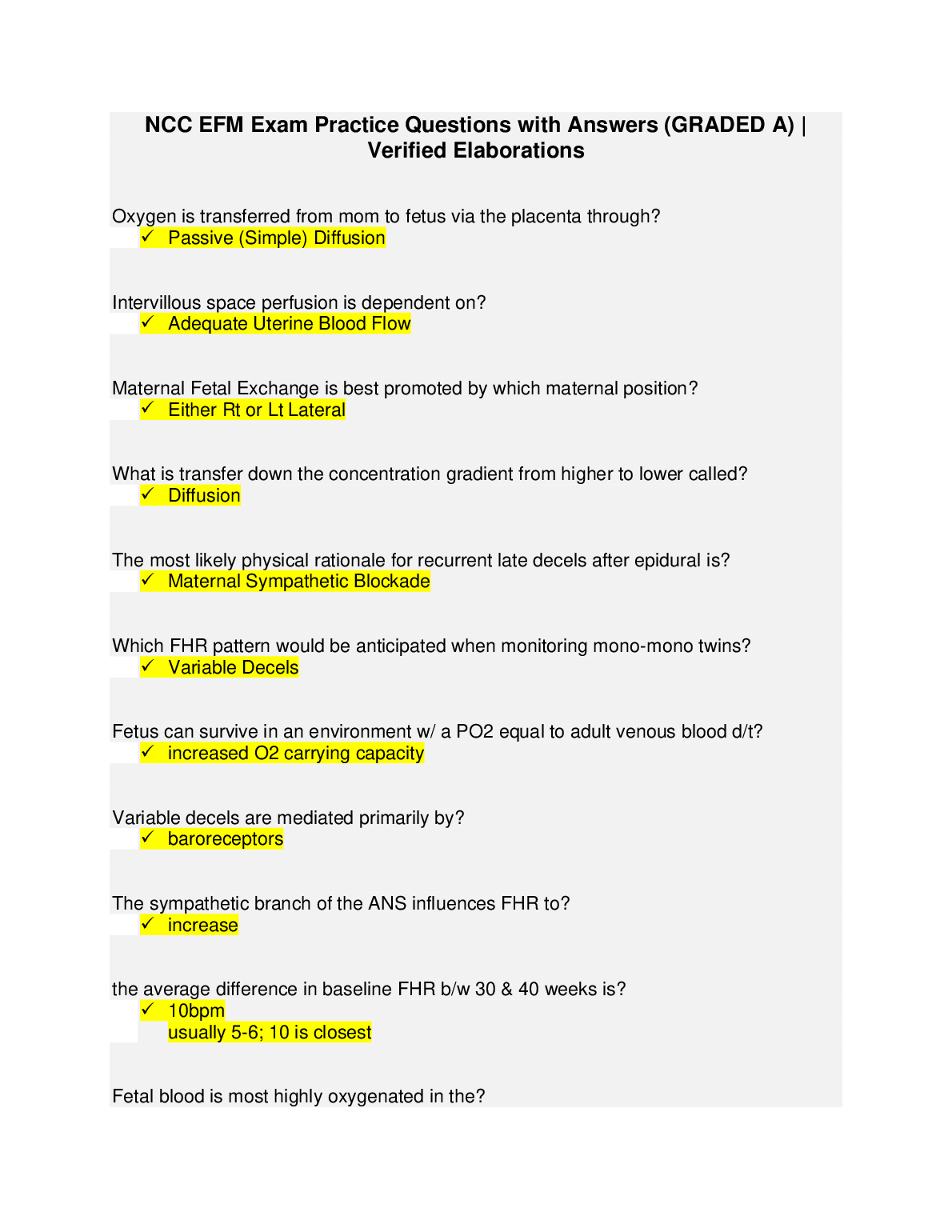
Master Ncc Efm Exams With Graded Practice Questions On Fetal Heart Rate Monitoring, V...
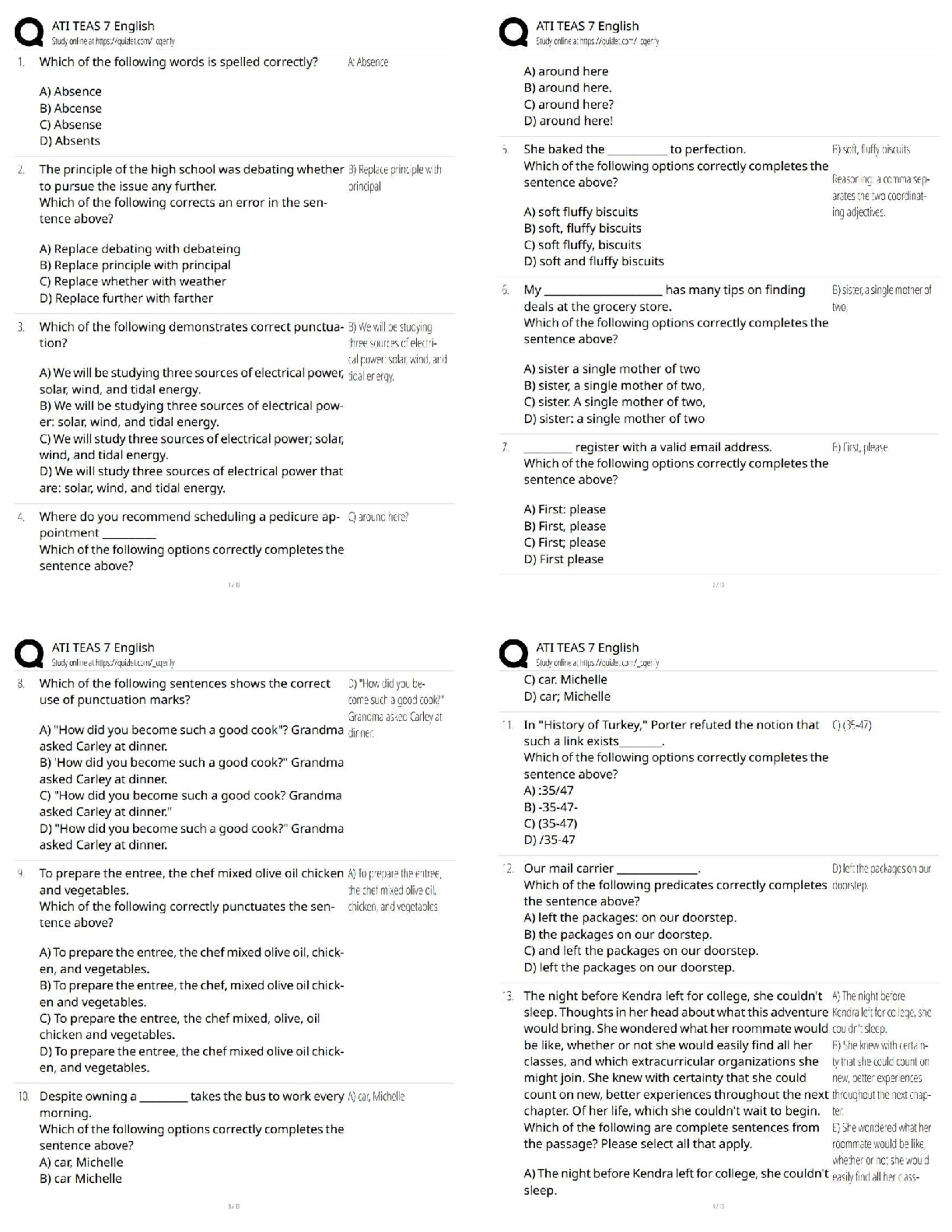
Master The ATI TEAS 7 English Section With This Verified Test Bank. Improve Grammar,...
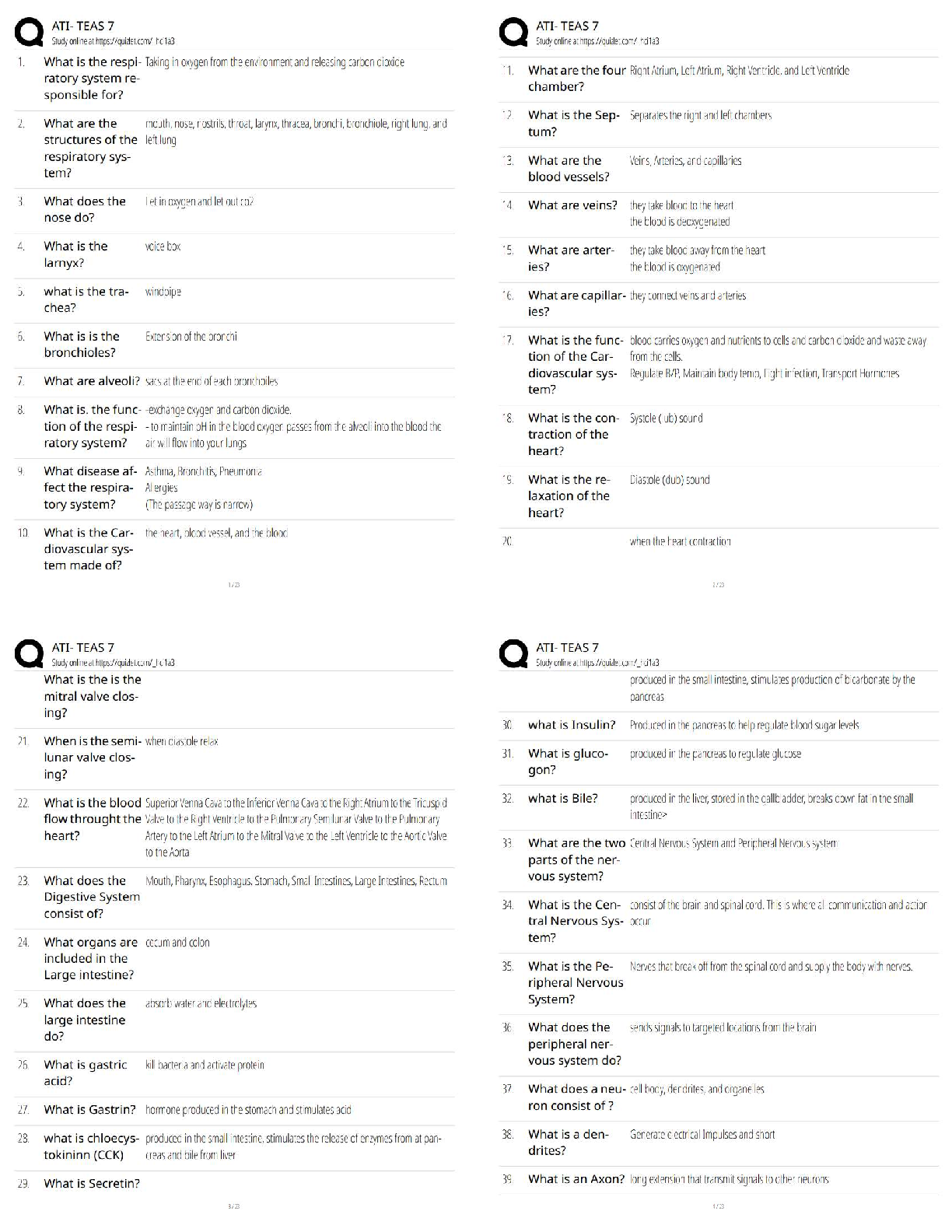
Master ATI TEAS 7 With Our Verified 2026 Test Bank. Covers Respiratory, Cardiovascula...
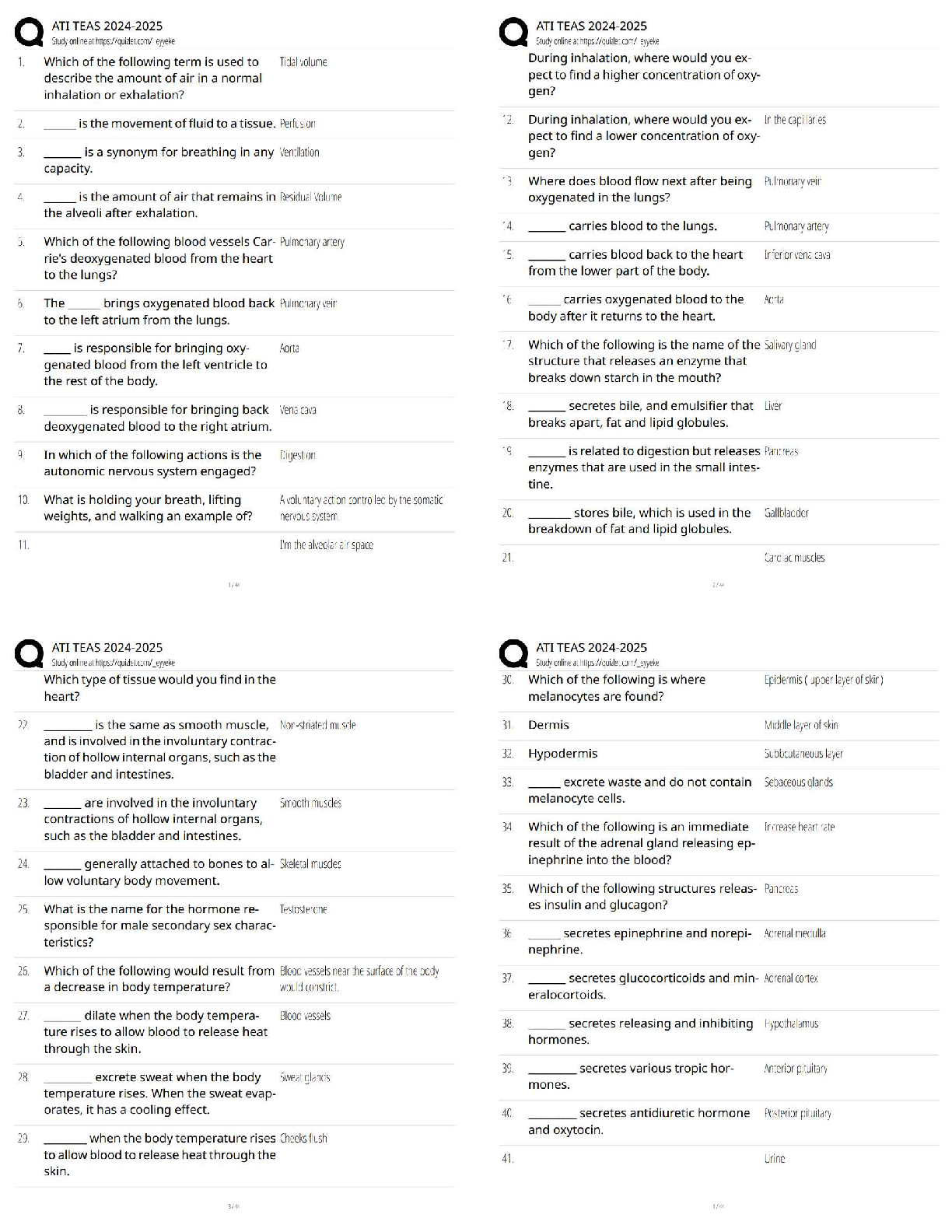
Ace The ATI TEAS 7 Exam On Your First Try. Access Hundreds Of Practice Questions, Det...