
Test bank
Human Physiology 16th Edition Test Bank
Test Bank for Human Physiology (16th Edition) is a comprehensive instructor resource designed to support physiology education by providing structured assessment materials aligned with the textbook. It helps educators evaluate students’ understanding of the mechanisms that regulate human body functions, physiological processes, and the interactions among organ systems.
Organized by textbook chapter, the test bank covers essential human physiology topics, including cellular function, membrane transport, body fluid regulation, homeostasis, neural communication, sensory systems, muscle physiology, endocrine regulation, cardiovascular function, blood and immunity, respiratory physiology, digestive processes, metabolism and nutrition, renal function, fluid and electrolyte balance, reproductive physiology, and human development.
The resource emphasizes the integration of physiological concepts by encouraging learners to understand how body systems work together to maintain internal balance. Questions are designed to strengthen conceptual understanding, scientific reasoning, problem-solving skills, and the ability to apply physiological principles to health and disease-related situations.
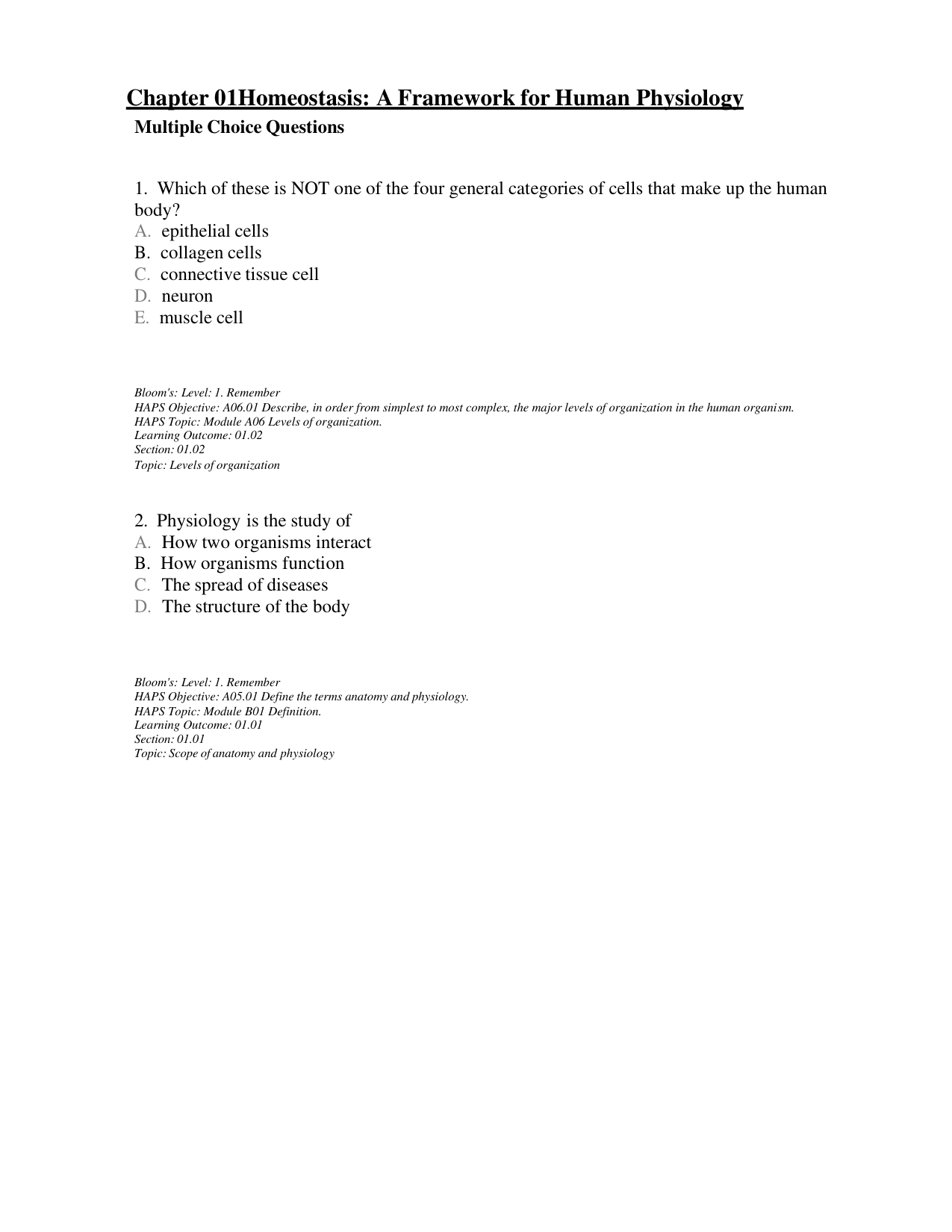
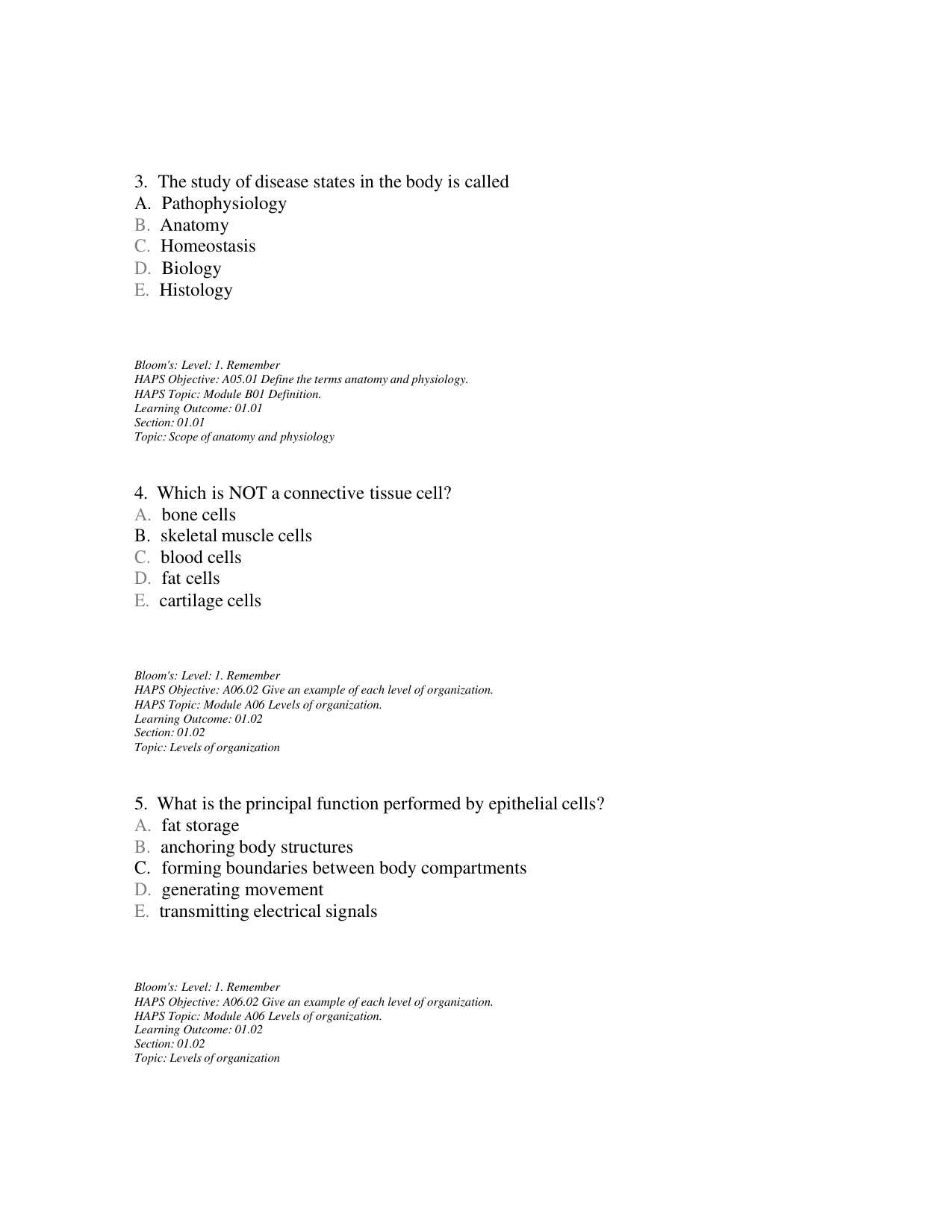
The test bank typically includes a variety of assessment formats, such as:
* Multiple-choice questions
* True/False questions
* Matching questions
* Concept-based physiology questions
* Data interpretation and analysis questions
* Case-based physiological scenarios
* Application and critical-thinking questions
Additional instructional features commonly include:
* Chapter-by-chapter organization aligned with the textbook
* Answer keys
* Questions ranging from basic physiological concepts to advanced system-level applications
* Practice with physiological mechanisms, terminology, and clinical applications
* Support for quizzes, examinations, assignments, and classroom assessments
This resource is intended for instructors teaching human physiology, anatomy and physiology, biology, health sciences, nursing, medicine, and related courses. It supports students in developing a strong understanding of human body function, improving analytical skills, and preparing for academic examinations and professional healthcare programs.

Nursing students, instructors, and exam preparation users.
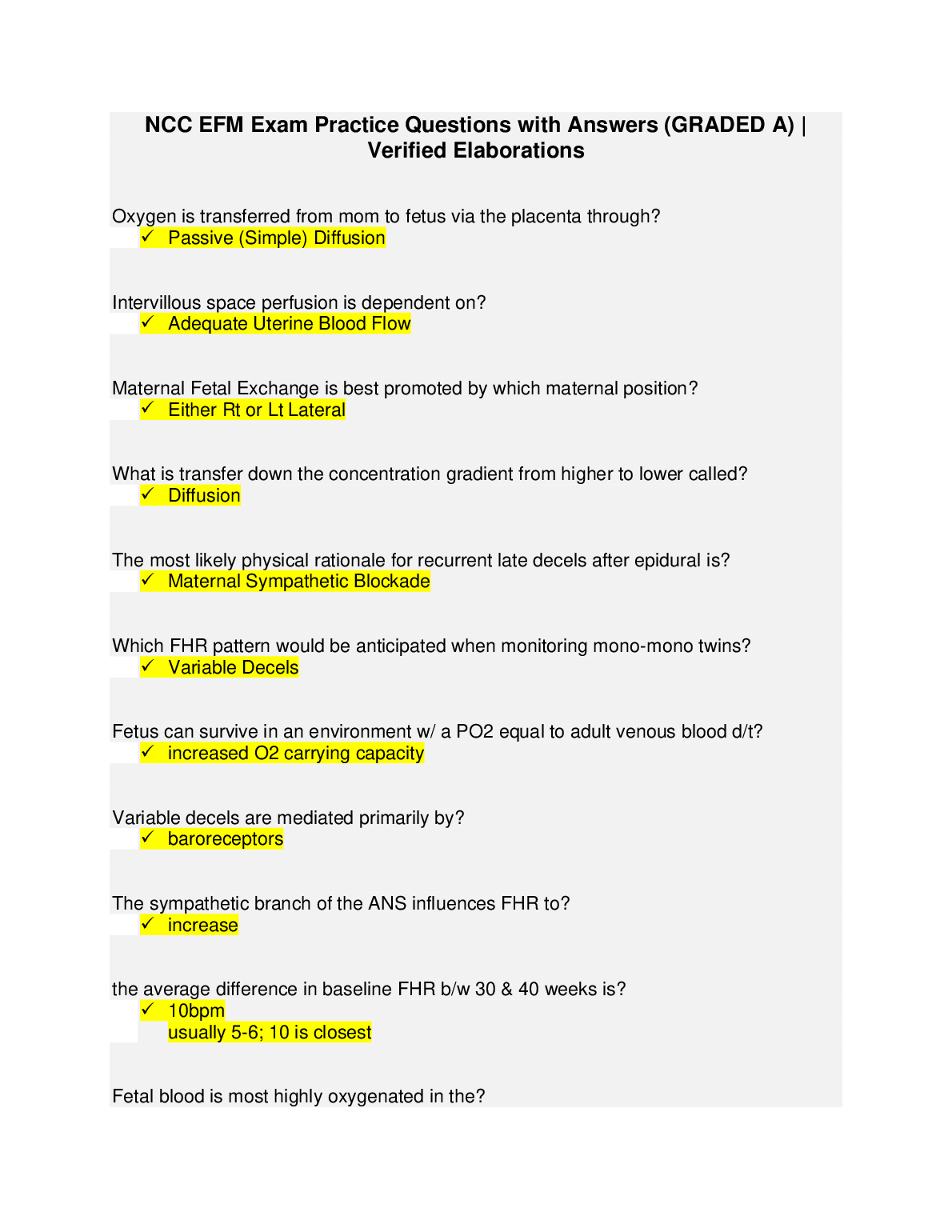
Master Ncc Efm Exams With Graded Practice Questions On Fetal Heart Rate Monitoring, V...
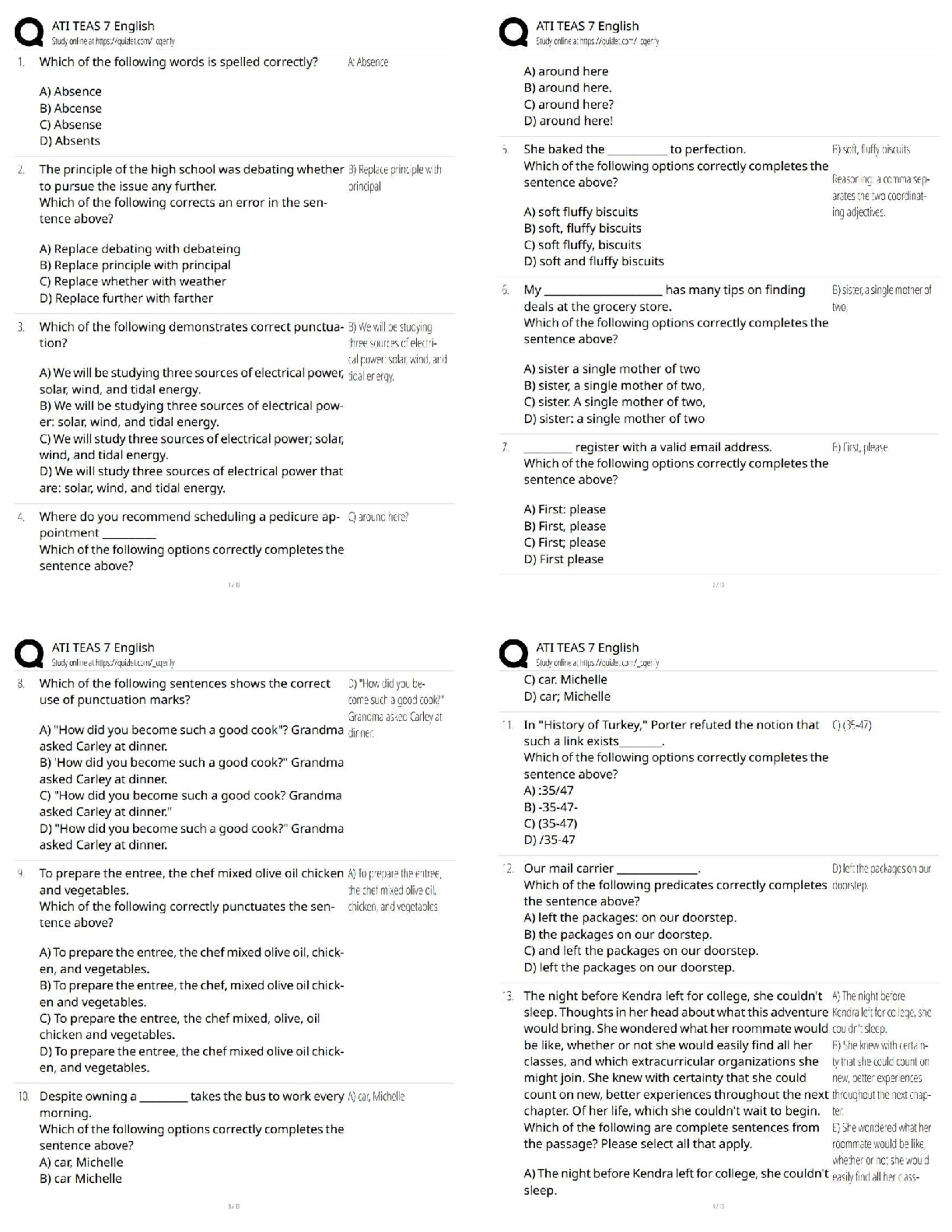
Master The ATI TEAS 7 English Section With This Verified Test Bank. Improve Grammar,...
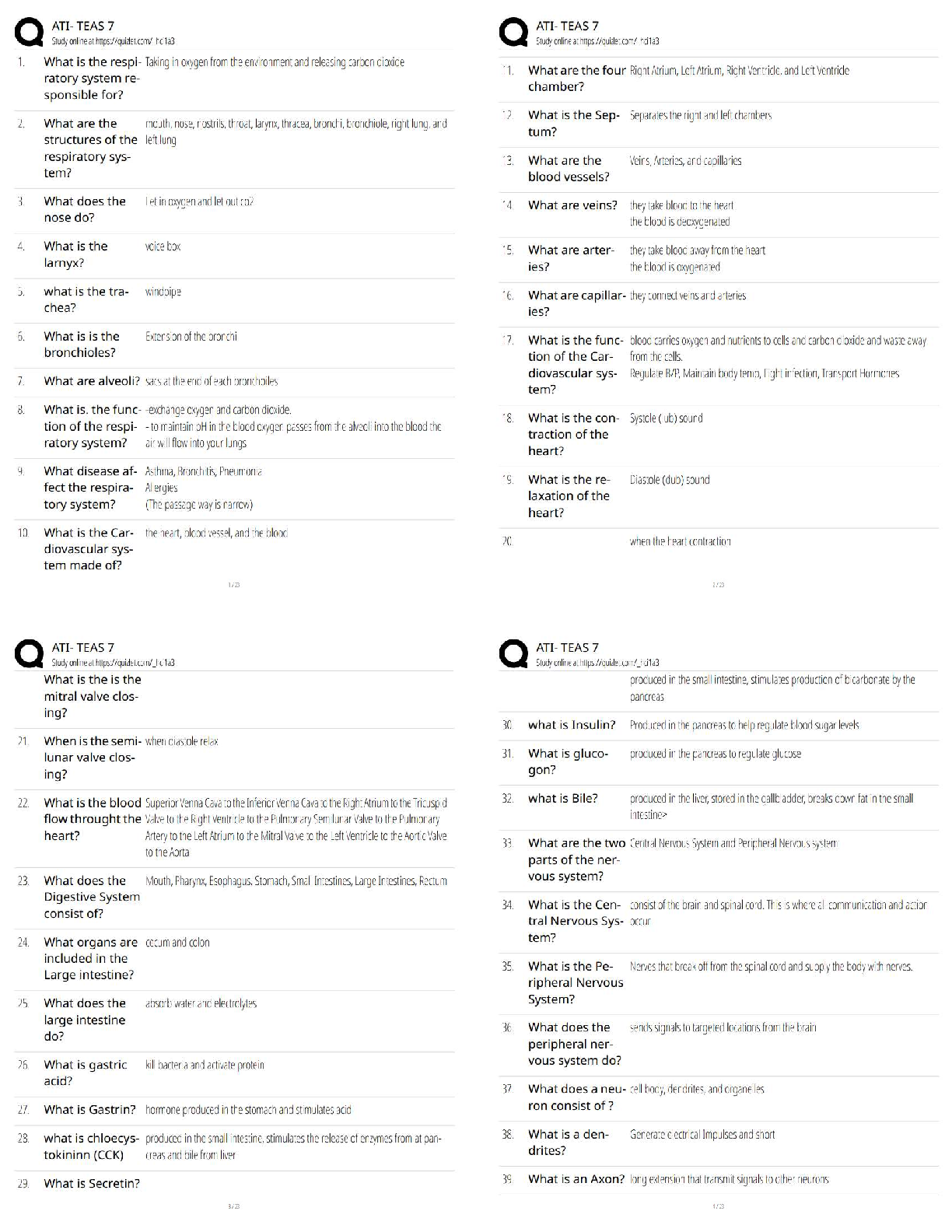
Master ATI TEAS 7 With Our Verified 2026 Test Bank. Covers Respiratory, Cardiovascula...
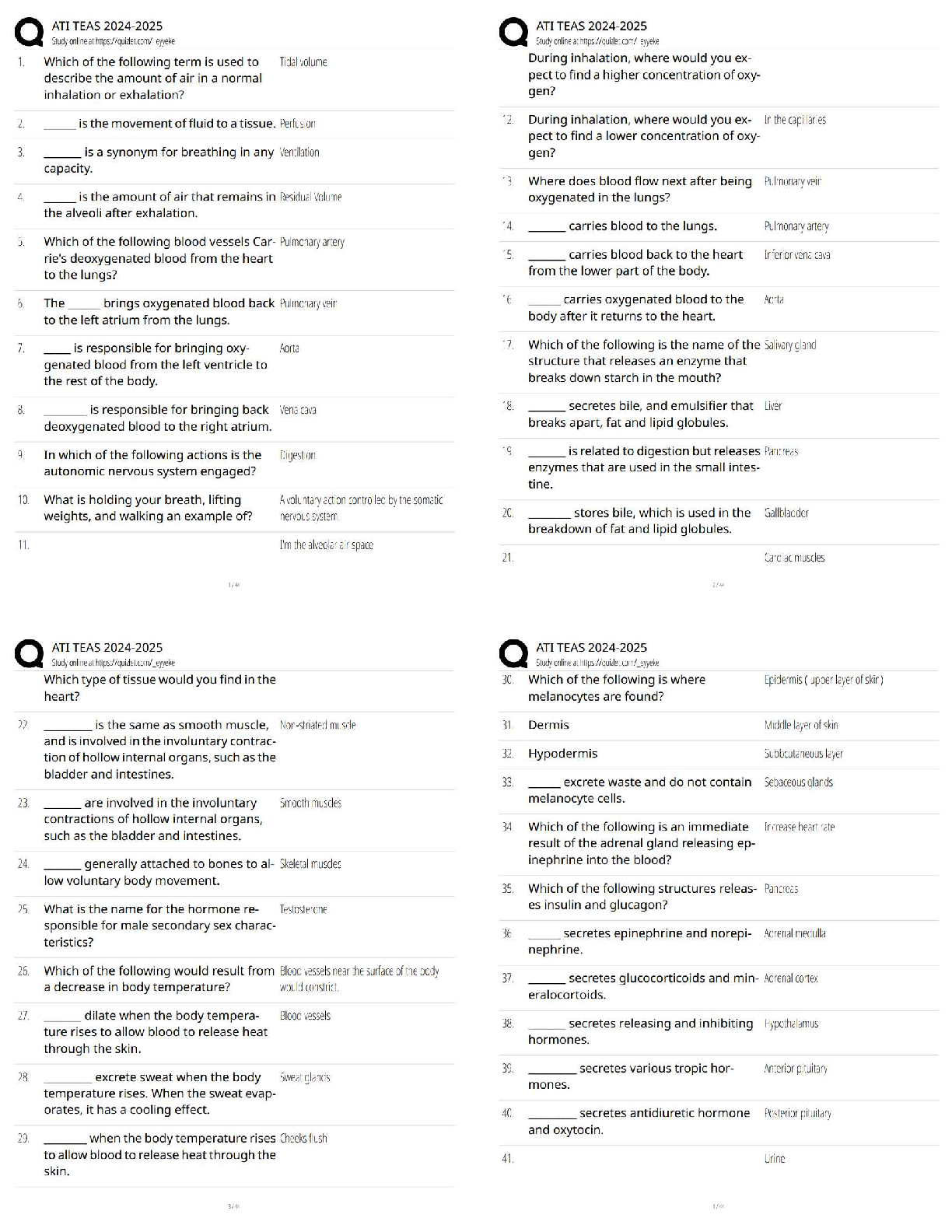
Ace The ATI TEAS 7 Exam On Your First Try. Access Hundreds Of Practice Questions, Det...