
Test bank
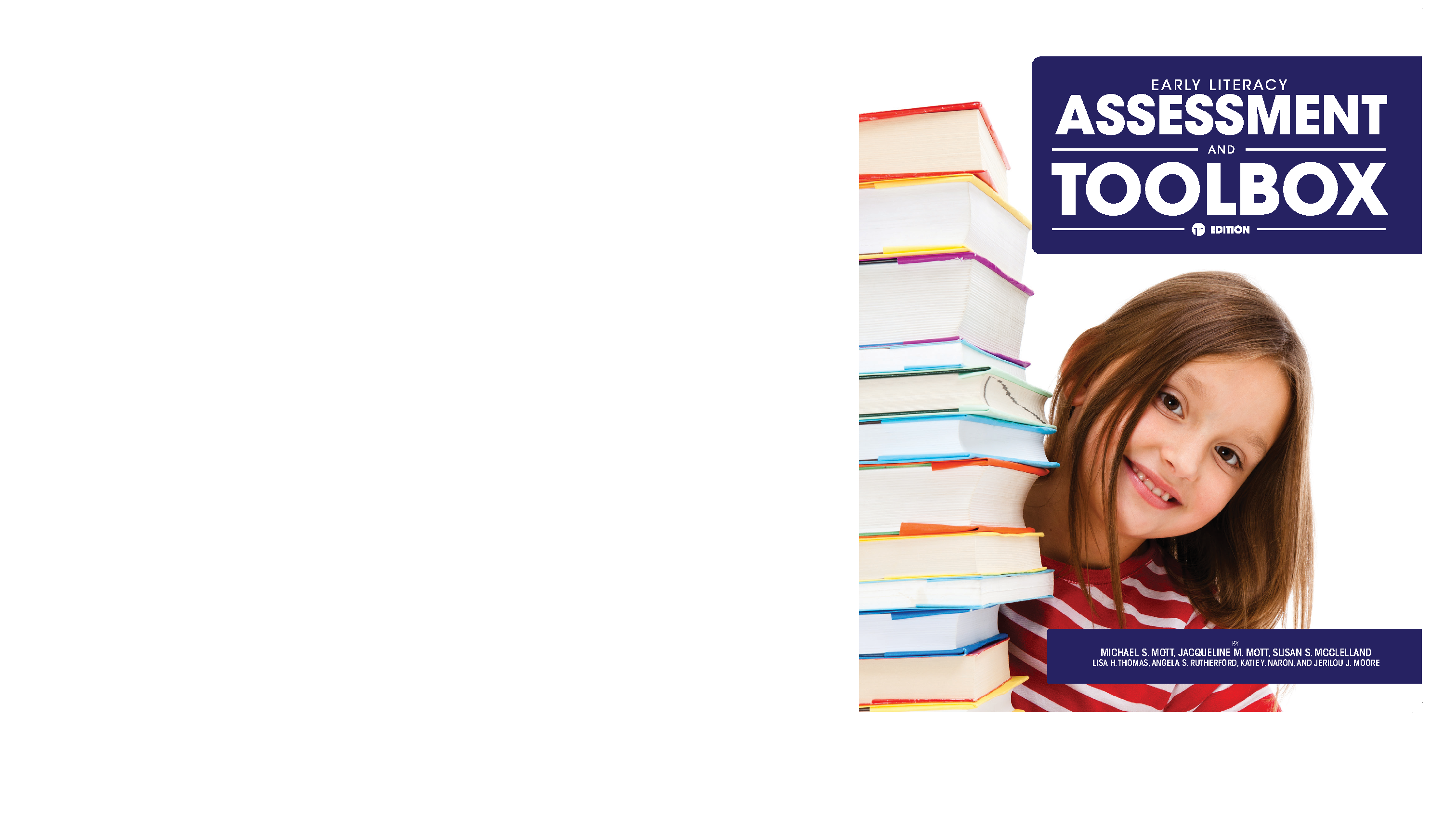
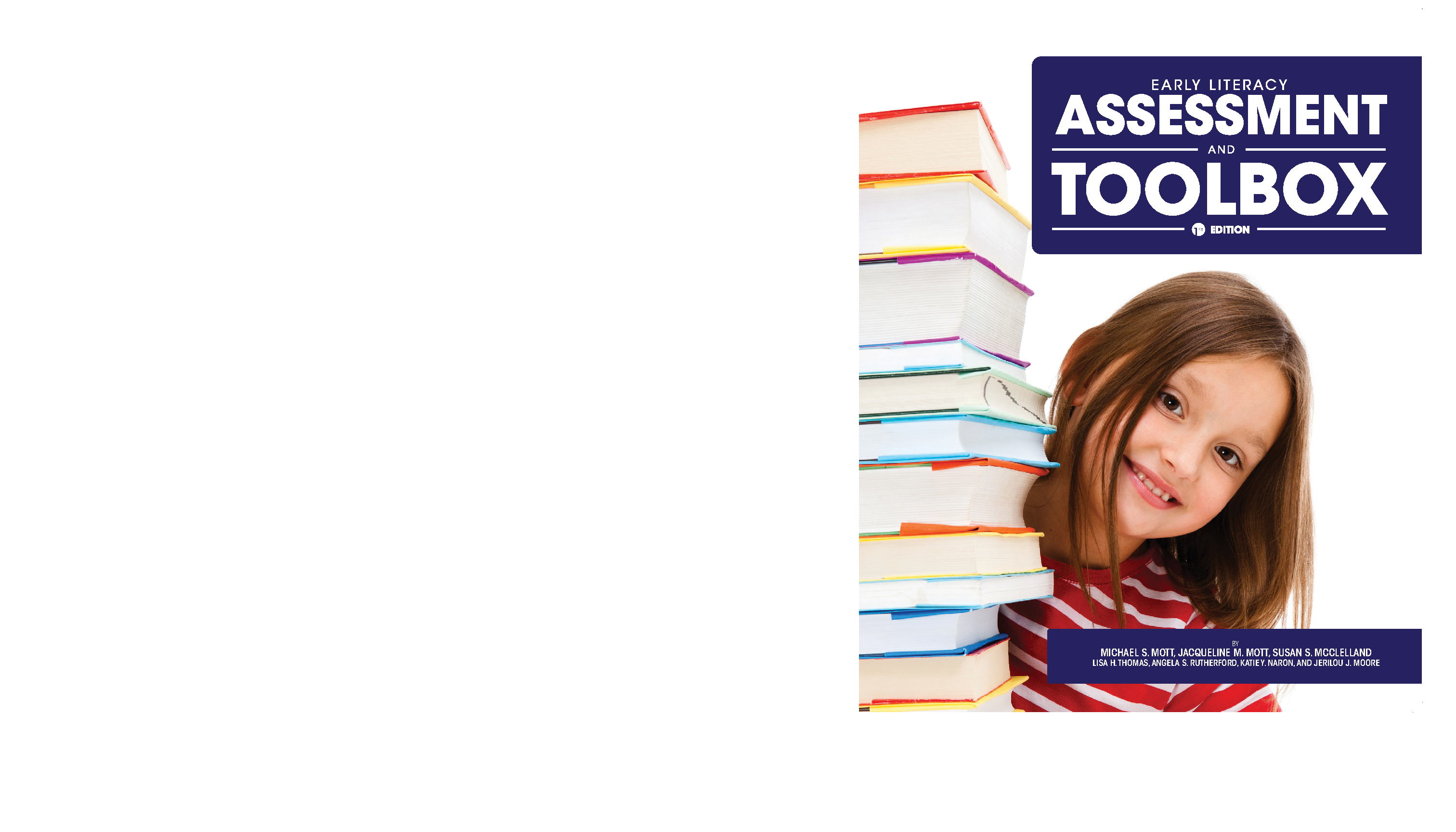
Test Bank For Early Literacy Assessment And Toolbox, 1st Edition By Michael S Mott, Jacqueline M Mott, Susan S Mcclelland
Test Bank For Early Literacy Assessment and Toolbox, 1st Edition by Michael S. Mott, Jacqueline M. Mott, and Susan S. McClelland, focuses on the assessment and instructional support of young children's developing literacy skills. An original study companion can help learners organize key concepts related to early literacy, assessment practices, instructional planning, and the use of practical educational tools.
The resource can support review of emergent literacy, oral language, vocabulary, phonological awareness, print awareness, alphabet knowledge, early reading, writing development, and other foundational literacy skills. Learners can also explore how educators use assessment information to identify learning needs, monitor progress, select instructional strategies, and plan appropriate learning experiences.
Students can use the material alongside textbook chapters, lectures, field experiences, classroom observations, lesson-planning activities, and independent study. Applying assessment principles to hypothetical classroom scenarios can strengthen observation, interpretation, instructional decision-making, and reflective teaching skills.
The resource is particularly appropriate for students studying early-childhood education, elementary education, reading and literacy education, special education, and teacher preparation. It can help future educators connect literacy assessment with developmentally appropriate instruction and targeted classroom support.
Key Topics
Early literacy development
Emergent literacy
Literacy assessment
Oral language
Vocabulary
Print awareness
Alphabet knowledge
Phonological awareness
Early reading
Early writing
Assessment tools
Progress monitoring
Instructional planning
Literacy interventions
Classroom applications
Early-childhood education students.
Elementary education and teacher-preparation students.
Students studying literacy assessment and reading instruction.
Special-education students working with foundational literacy.
Preservice teachers developing early-literacy assessment skills.
Learners preparing for assignments, classroom observations, field experiences, quizzes, and examinations.
Students learning to use assessment information for instructional planning.
Educators seeking structured review of early-literacy assessment principles.
Students developing skills in literacy progress monitoring and classroom decision-making.

Official AQA GCSE Physical Education Paper 1 Mark Scheme. Master Anatomy, Physiology...

Download The AQA GCSE Biology Paper 1 Higher Tier Mark Scheme. Review Cell Biology, I...

Download The AQA GCSE Biology Paper 1 Higher Tier June 2026 Past Paper. Perfect For S...

Download The AQA GCSE Biology Paper 2 Higher Tier Mark Scheme. Ideal For Reviewing Ho...