
Test bank
Criminal Behavior: A Psychological Approach 11th Edition
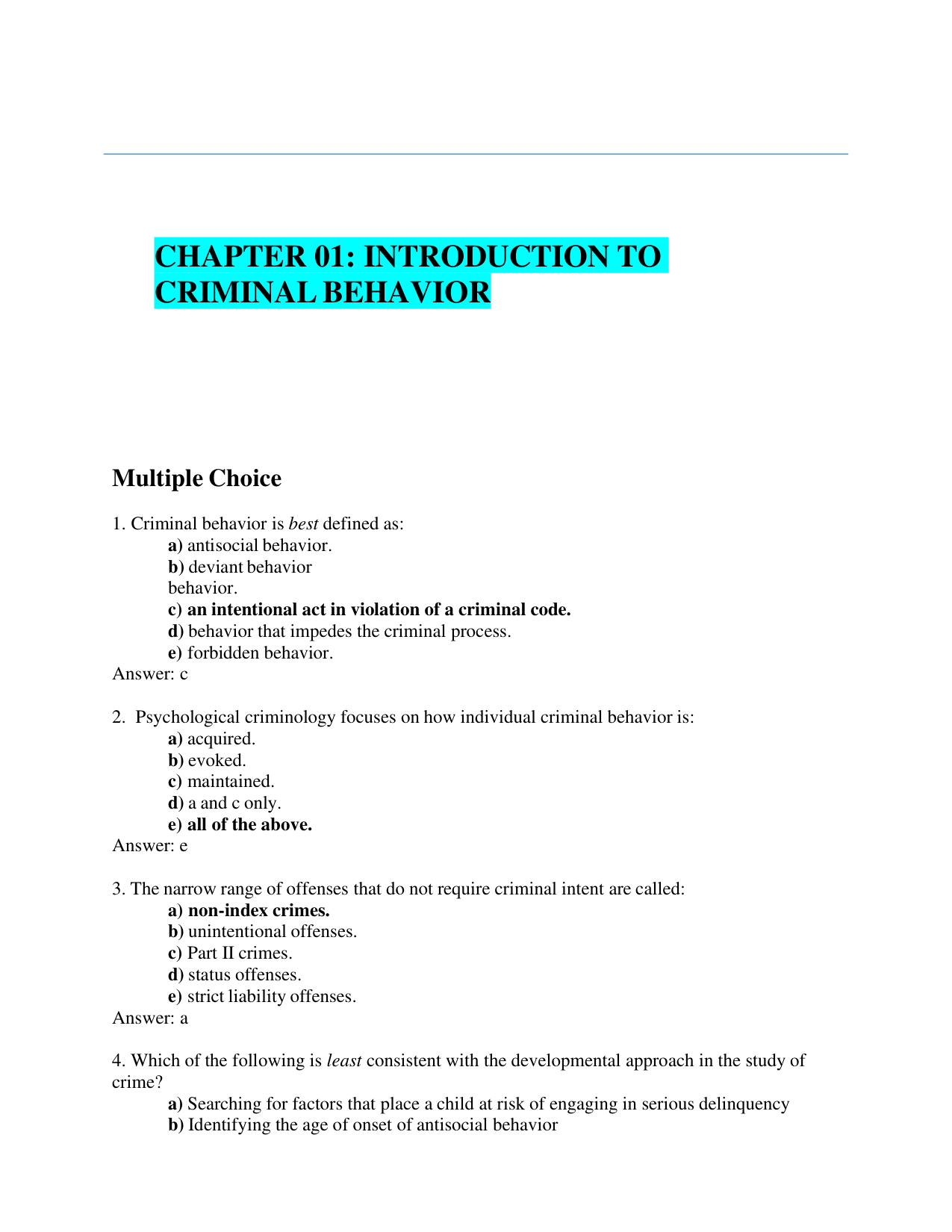
Test Bank for Criminal Behavior: A Psychological Approach (11th Edition) is a comprehensive instructor resource designed to support education in criminology, psychology, and criminal justice by providing structured assessment materials aligned with the textbook. It helps educators evaluate students’ understanding of the psychological, biological, developmental, and social factors that contribute to criminal behavior.
Organized by textbook chapter, the test bank covers major concepts related to criminal psychology, including the history and study of criminal behavior, theories of crime, research methods, biological influences, genetics, brain function, personality factors, psychological disorders, developmental pathways, and environmental influences on offending.
The resource explores different explanations of criminal behavior, including biological, psychological, cognitive, behavioral, social learning, developmental, and sociocultural perspectives. It addresses topics such as juvenile delinquency, criminal thinking patterns, aggression, violence, sexual offending, substance-related crime, psychopathy, antisocial behavior, and offender assessment.
The test bank emphasizes the application of psychological principles by encouraging learners to analyze criminal behavior, evaluate theories of offending, interpret research findings, and apply concepts to real-world criminal justice situations. Questions are designed to strengthen critical thinking, analytical reasoning, and understanding of the relationship between psychology and crime.
The test bank typically includes a variety of assessment formats, such as:
* Multiple-choice questions
* True/False questions
* Matching questions
* Concept identification questions
* Case-based criminal behavior scenarios
* Theory application questions
* Research and critical-thinking questions
Additional instructional features commonly include:
* Chapter-by-chapter organization aligned with the textbook
* Answer keys
* Questions ranging from foundational criminological concepts to advanced psychological applications
* Practice with crime theories, offender characteristics, and behavioral analysis
* Support for quizzes, examinations, assignments, and classroom assessments
This resource is intended for instructors and students studying criminal justice, criminology, forensic psychology, psychology, sociology, and behavioral sciences. It supports learners in developing a deeper understanding of criminal behavior, psychological assessment, crime prevention, and evidence-based approaches to analyzing offenders and criminal activity.

criminology students, instructors, and exam preparation users
Sociology students
Forensic psychology students
Law enforcement and corrections students
Social work and human services students
College and university instructors
Researchers and professionals in behavioral sciences
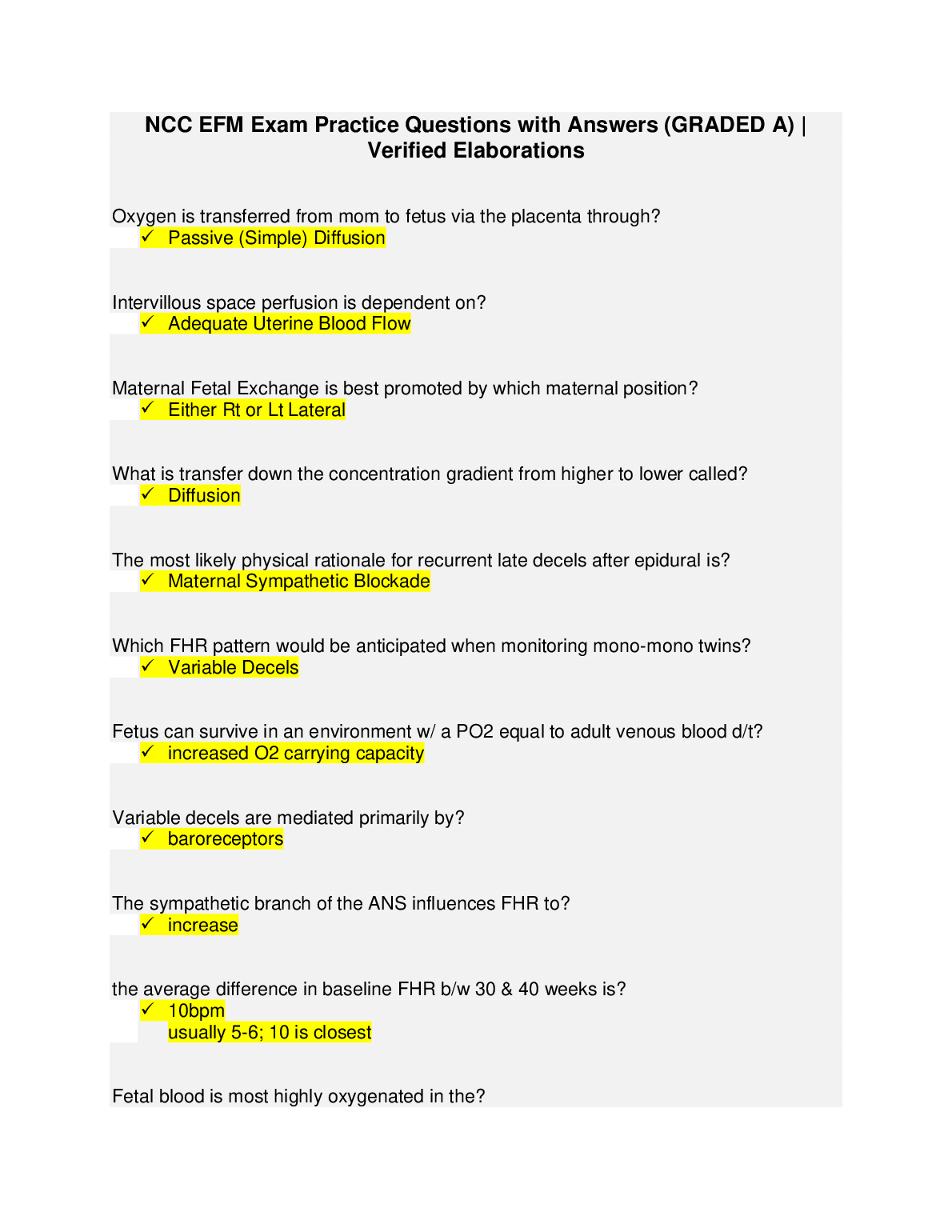
Master Ncc Efm Exams With Graded Practice Questions On Fetal Heart Rate Monitoring, V...
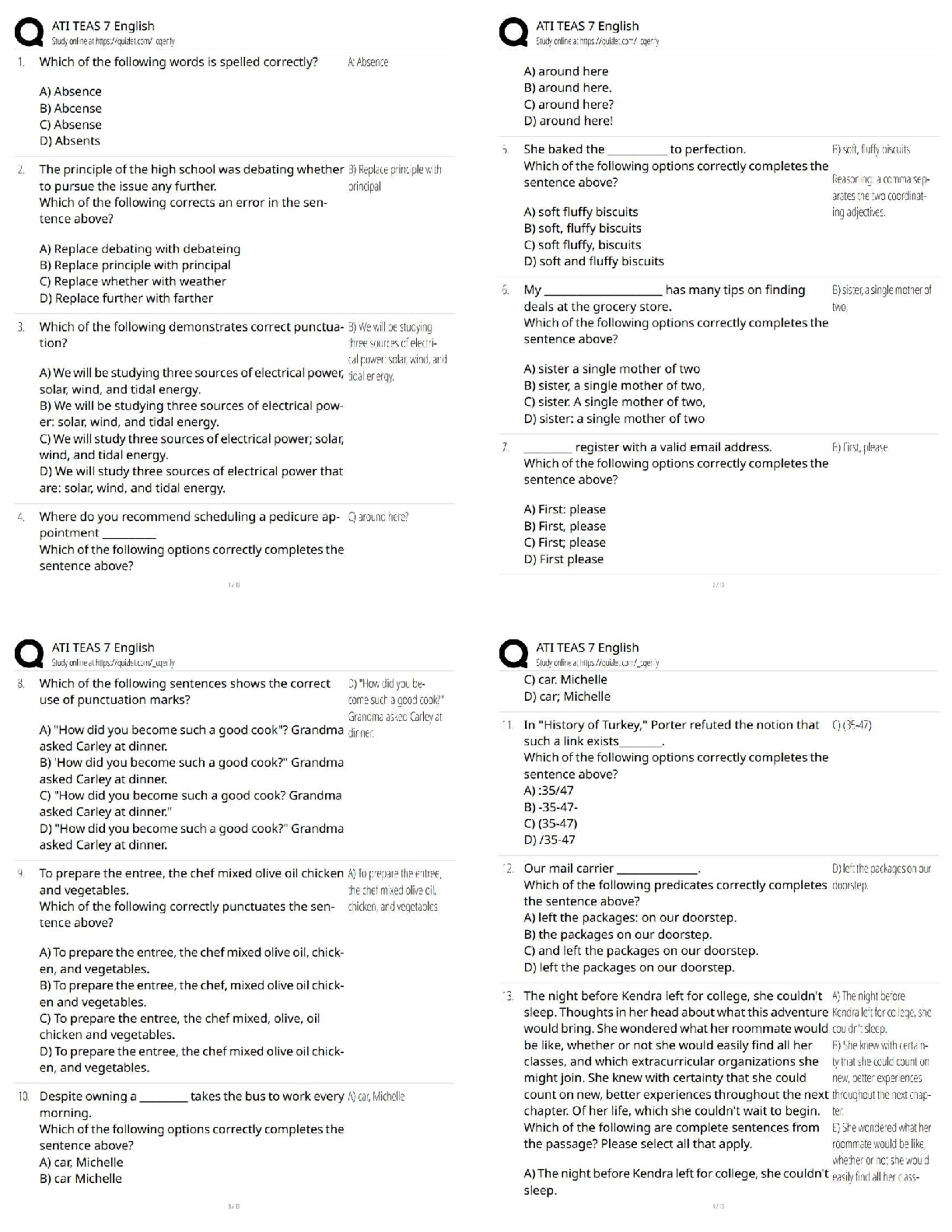
Master The ATI TEAS 7 English Section With This Verified Test Bank. Improve Grammar,...
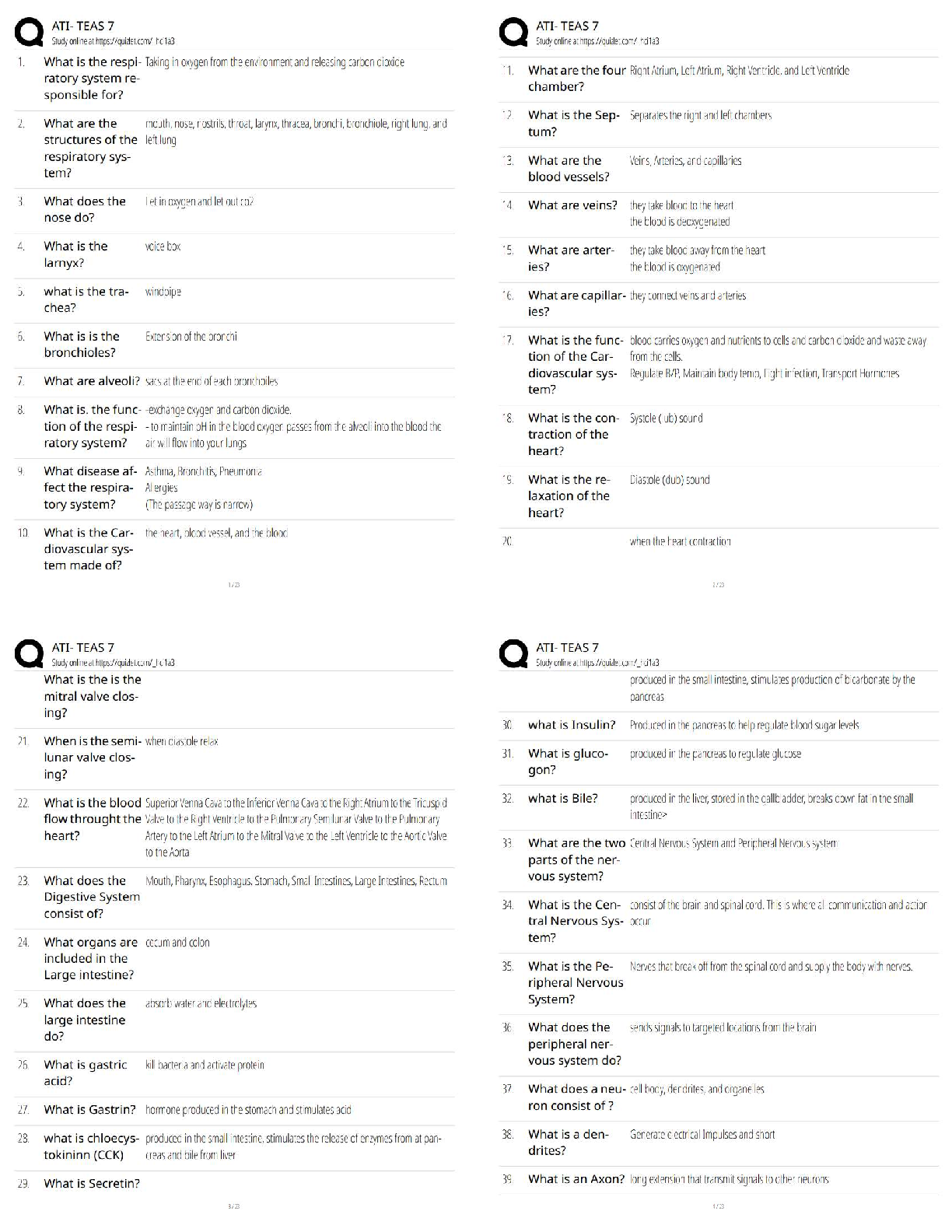
Master ATI TEAS 7 With Our Verified 2026 Test Bank. Covers Respiratory, Cardiovascula...
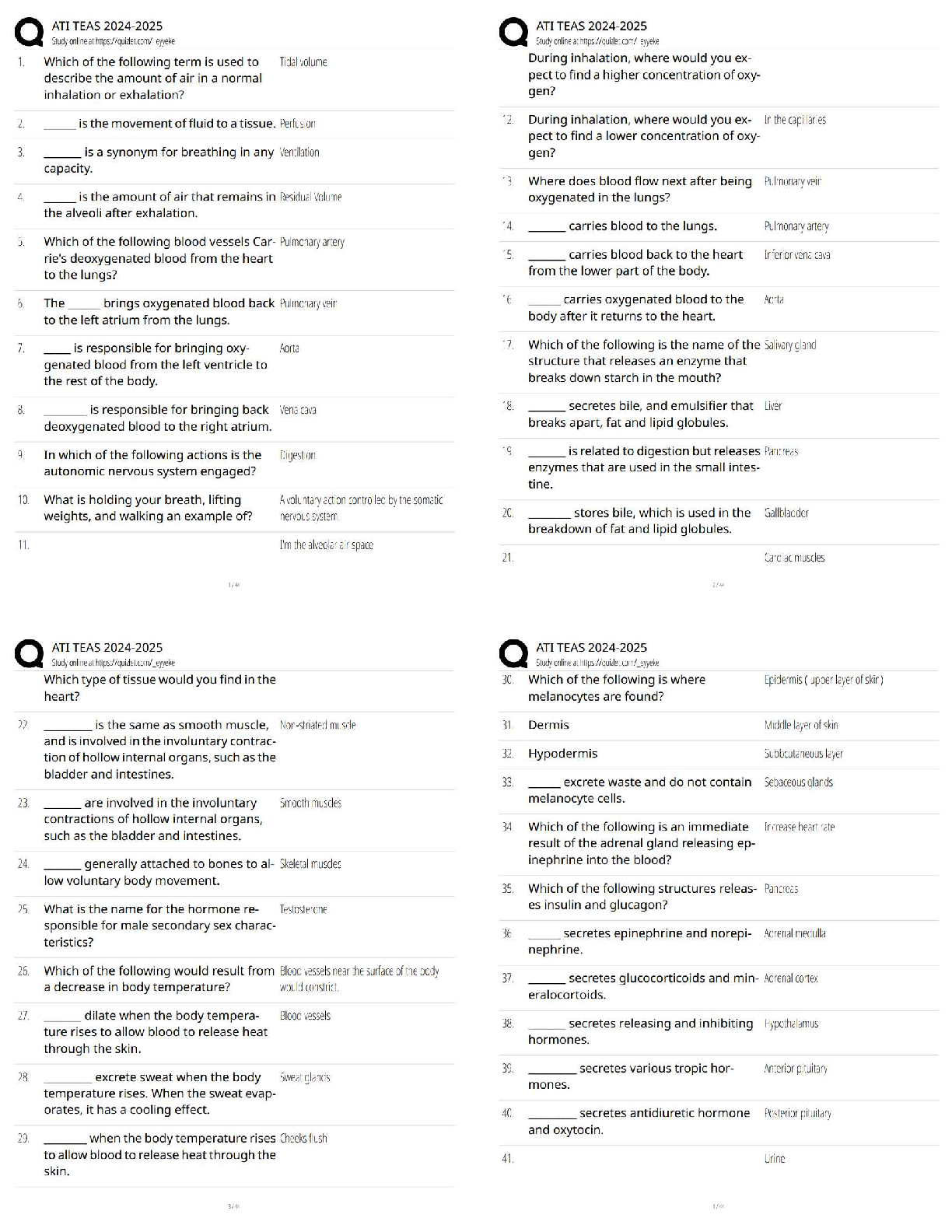
Ace The ATI TEAS 7 Exam On Your First Try. Access Hundreds Of Practice Questions, Det...