
Test bank
Biology: Concepts And Applications 9th Edition Test Bank
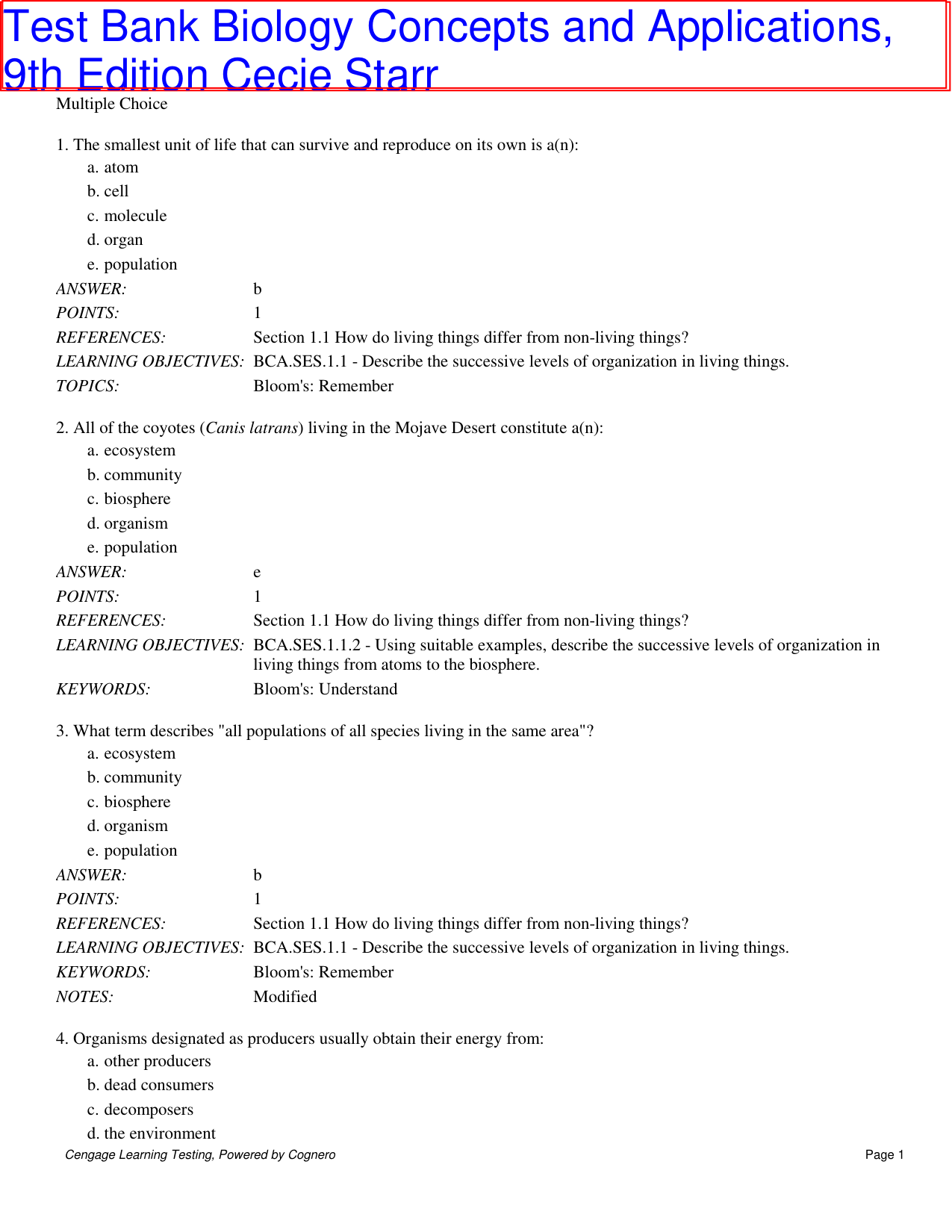
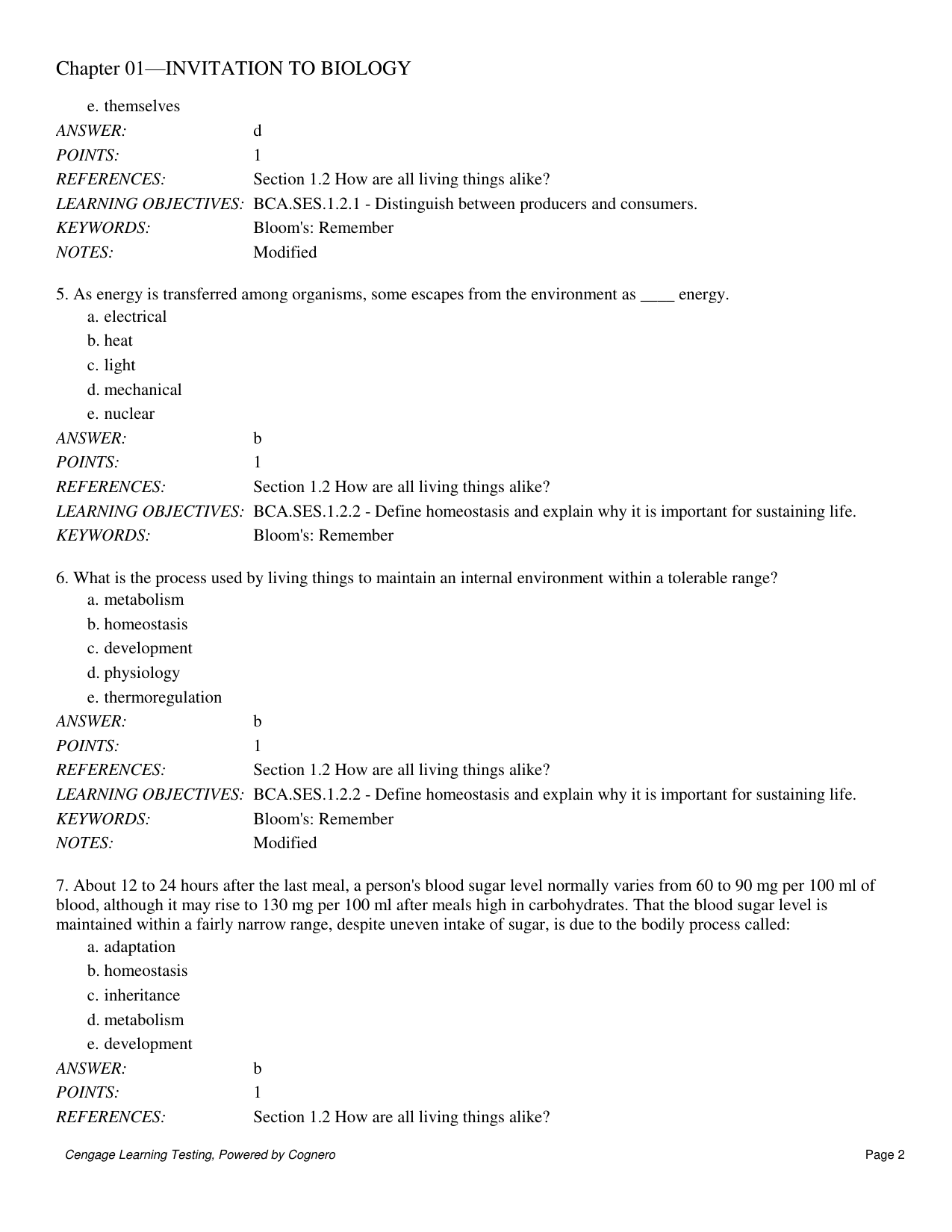
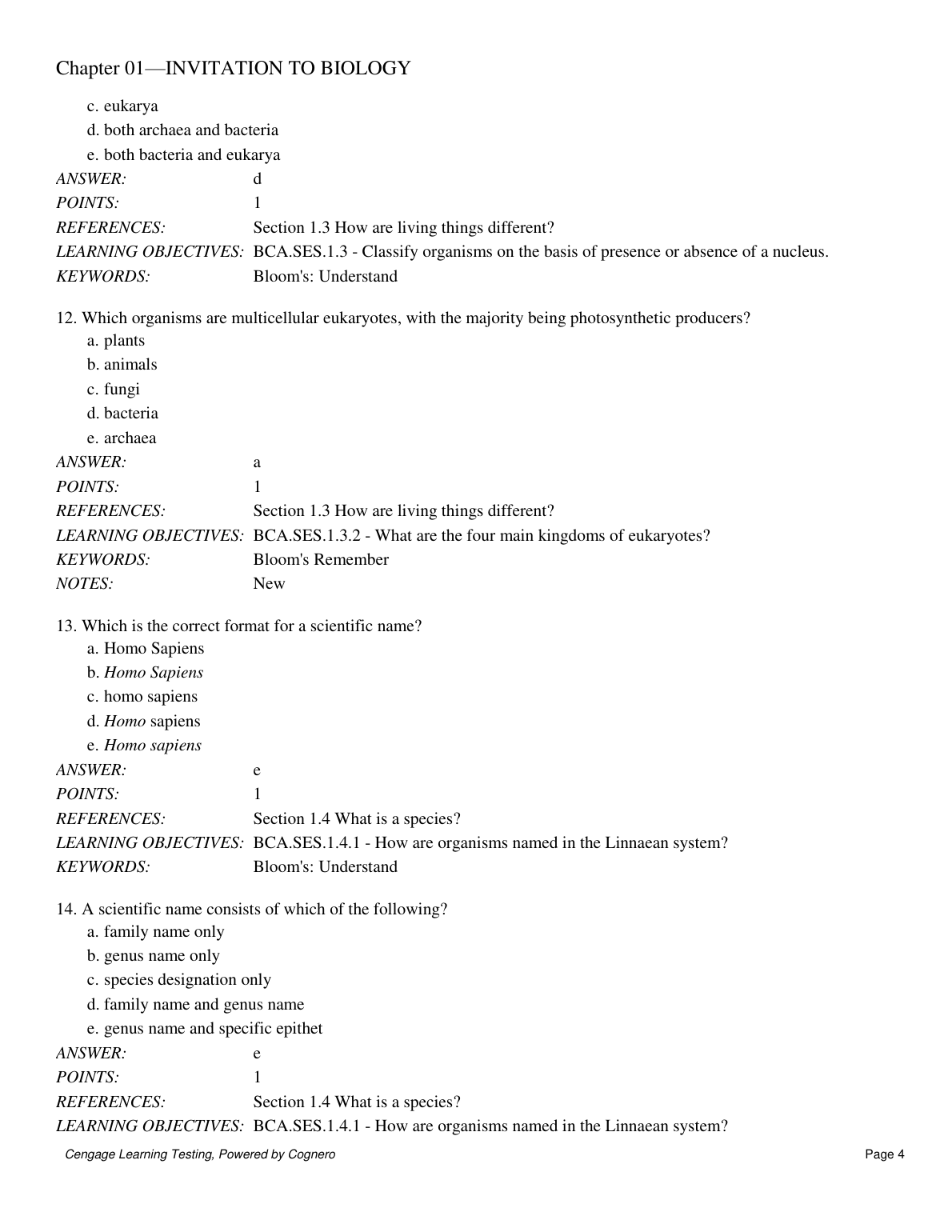
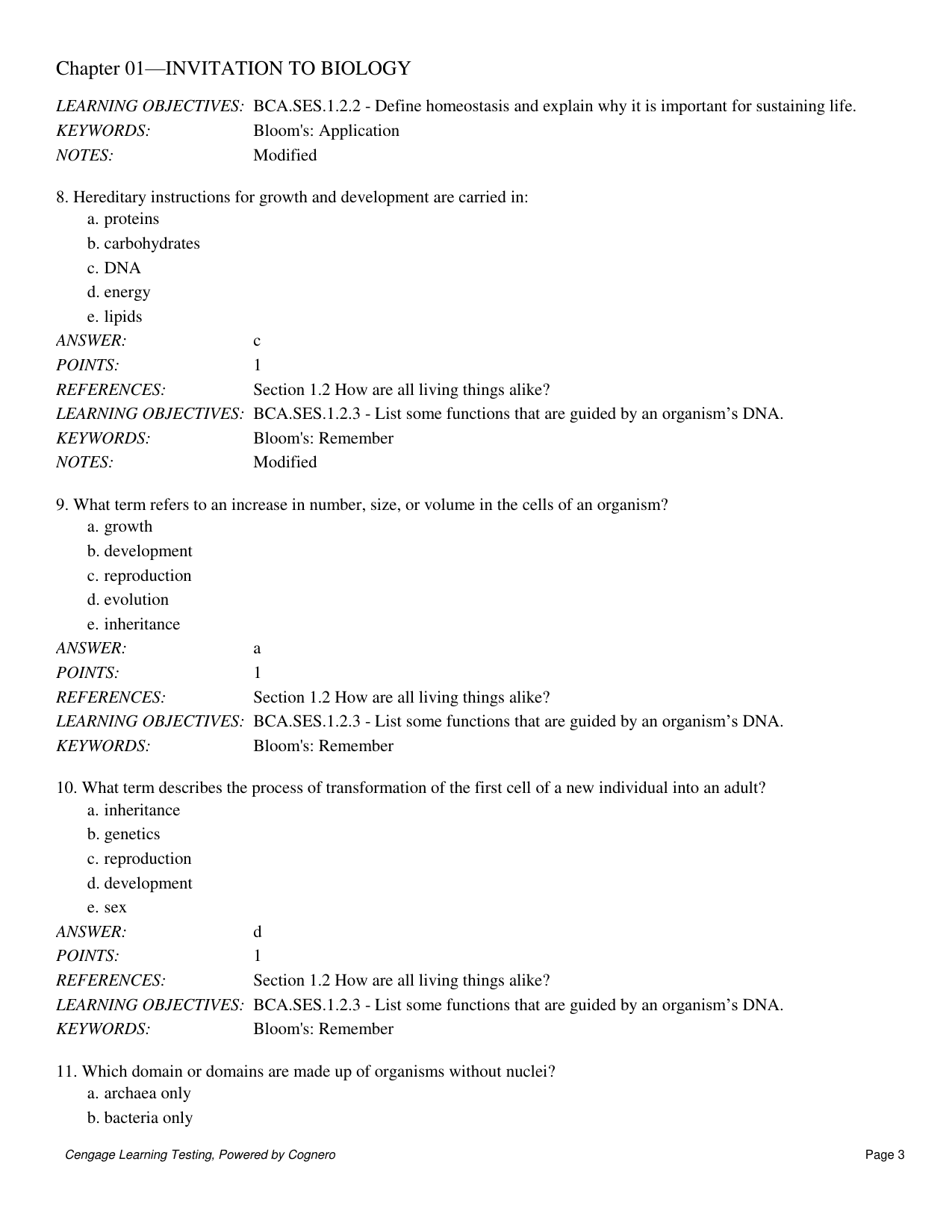
Test Bank for Biology: Concepts and Applications (9th Edition) by Cecie Starr is a comprehensive instructor resource designed to support introductory biology education through structured assessment materials aligned with the textbook. It helps educators evaluate students’ understanding of essential biological concepts while encouraging scientific thinking, problem-solving, and the application of biology to real-world situations.
Organized by textbook chapter, the test bank reinforces key principles of life science by assessing students’ knowledge of biological structures, processes, interactions, and scientific methods. It provides a variety of assessment questions that help learners build a strong foundation in biology and connect biological concepts to human health, environmental issues, and everyday experiences.
The resource covers major biology topics, including:
* Introduction to biology and scientific inquiry
* Characteristics of life and biological organization
* Chemistry of life and biological molecules
* Water, carbon compounds, and macromolecules
* Cell structure, function, and organization
* Cell membranes and cellular transport
* Energy flow, metabolism, and enzymes
* Cellular respiration and photosynthesis
* Cell division, mitosis, and meiosis
* Genetics, DNA structure, and gene expression
* Chromosomes, inheritance patterns, and genetic variation
* Biotechnology and applications of genetic information
* Evolution, natural selection, and population changes
* Classification and diversity of life
* Microorganisms and their roles in ecosystems and health
* Plant structure, function, and reproduction
* Animal biology and physiological systems
* Human body systems and homeostasis
* Ecology, populations, communities, and ecosystems
* Environmental science, biodiversity, and conservation
The test bank emphasizes the development of scientific literacy by helping students understand biological mechanisms, analyze experimental information, interpret data, and apply concepts to biological problems. It supports active learning by connecting foundational biology principles with current scientific issues and practical applications.
Questions are designed to assess different levels of understanding, including:
* Recall of biological facts and terminology
* Understanding of biological processes and relationships
* Application of concepts to new situations
* Analysis of experimental results and scientific data
* Critical-thinking and problem-solving skills
The test bank typically includes a variety of assessment formats, such as:
* Multiple-choice questions
* True/False questions
* Matching questions
* Concept-based questions
* Data interpretation exercises
* Application and analysis questions
Additional instructional features commonly include:
* Chapter-by-chapter organization aligned with the textbook
* Answer keys
* Assessment questions ranging from basic concepts to higher-level applications
* Practice with biological terminology, processes, and scientific reasoning
* Support for quizzes, examinations, assignments, and classroom discussions
This resource is intended for instructors and students studying introductory biology, life sciences, health sciences, environmental science, and related disciplines. It supports learners in developing a strong understanding of biological concepts, improving scientific reasoning skills, and preparing for college-level biology assessments.
Biology students, instructors, and exam preparation users.
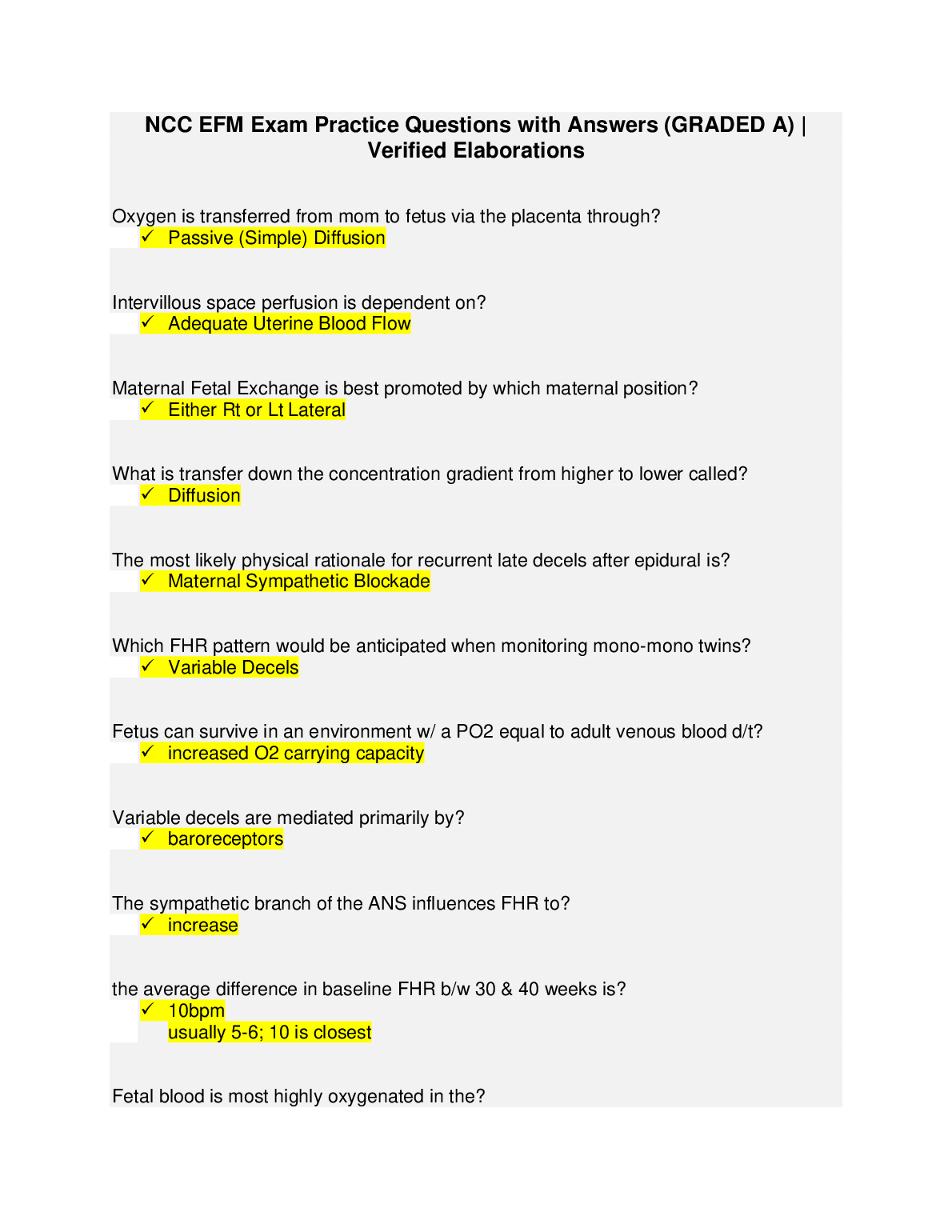
Master Ncc Efm Exams With Graded Practice Questions On Fetal Heart Rate Monitoring, V...
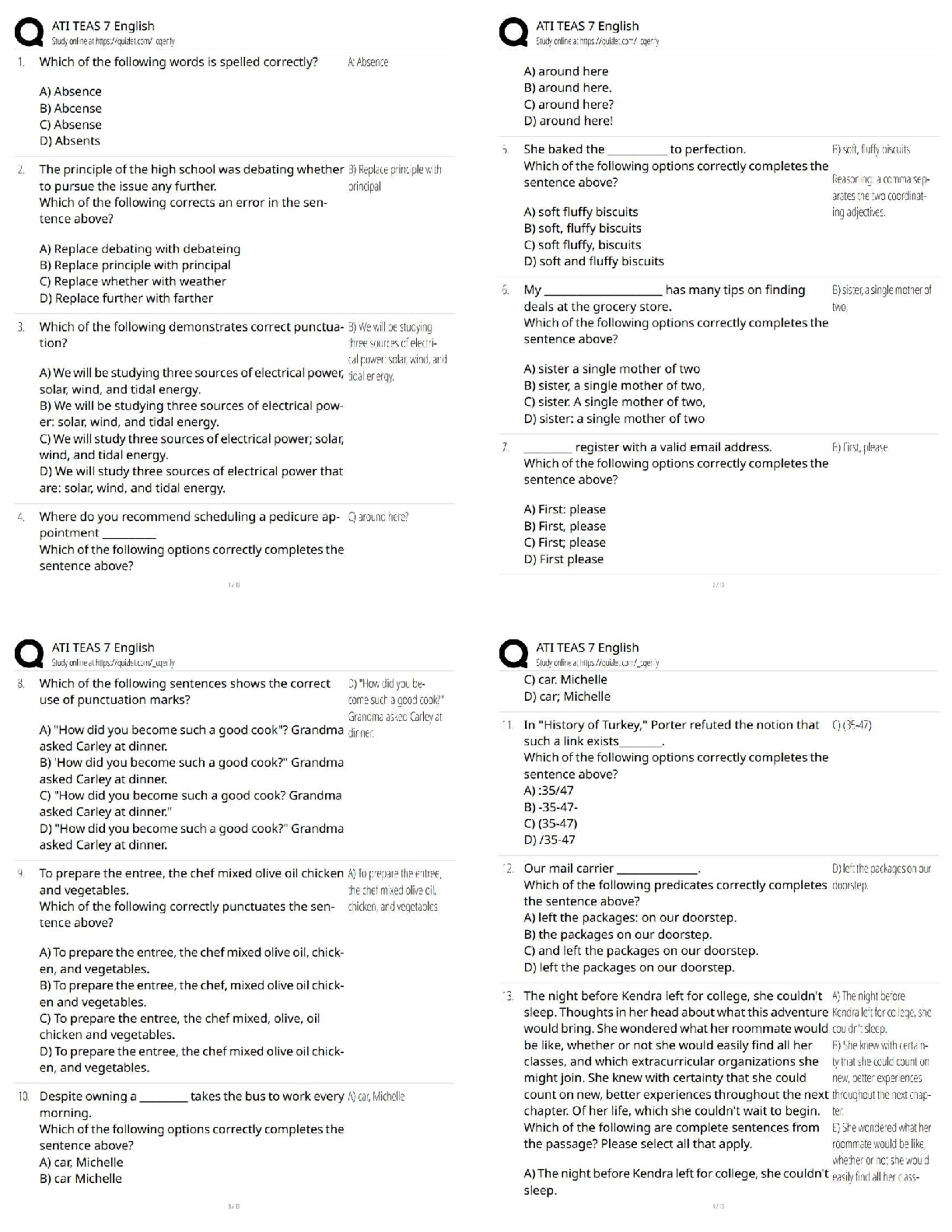
Master The ATI TEAS 7 English Section With This Verified Test Bank. Improve Grammar,...
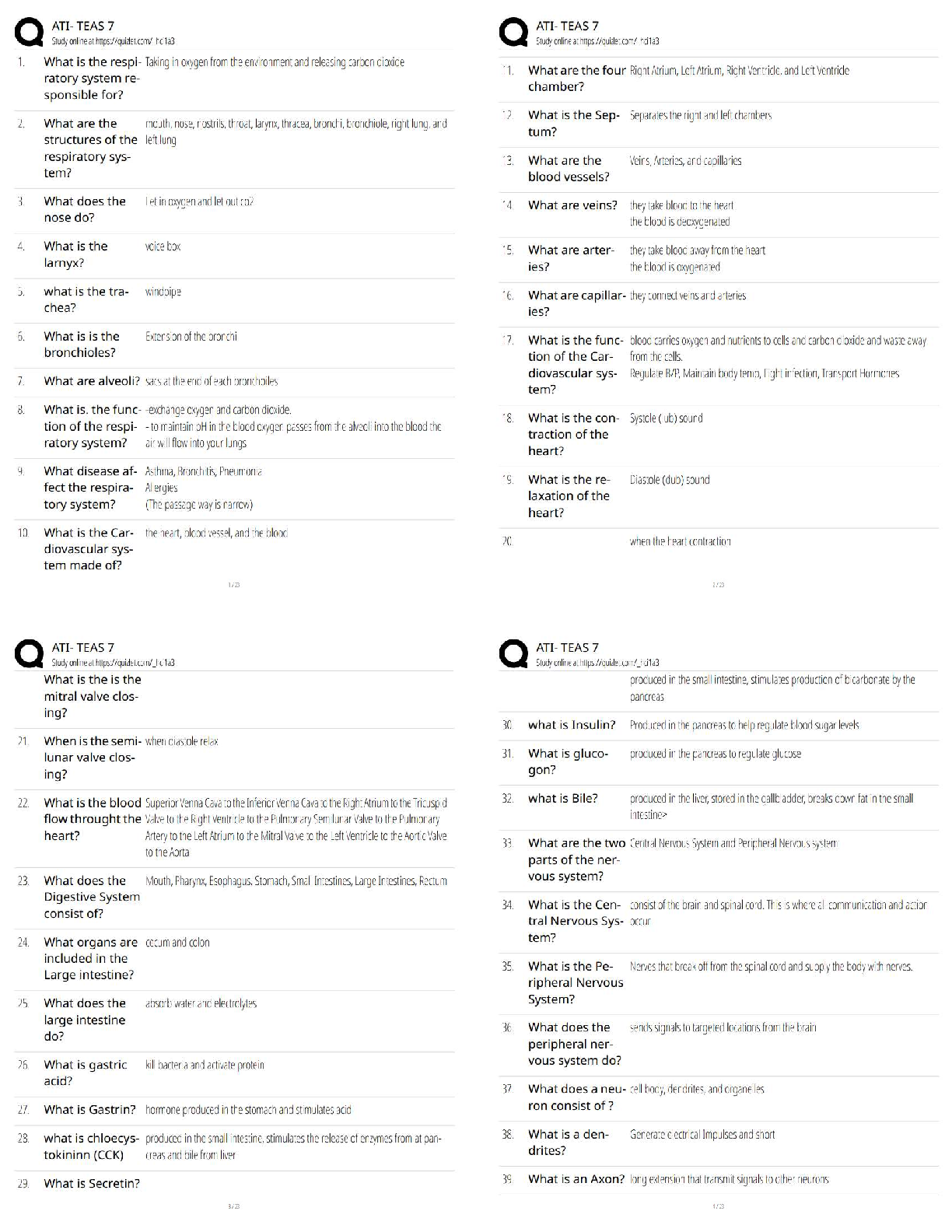
Master ATI TEAS 7 With Our Verified 2026 Test Bank. Covers Respiratory, Cardiovascula...
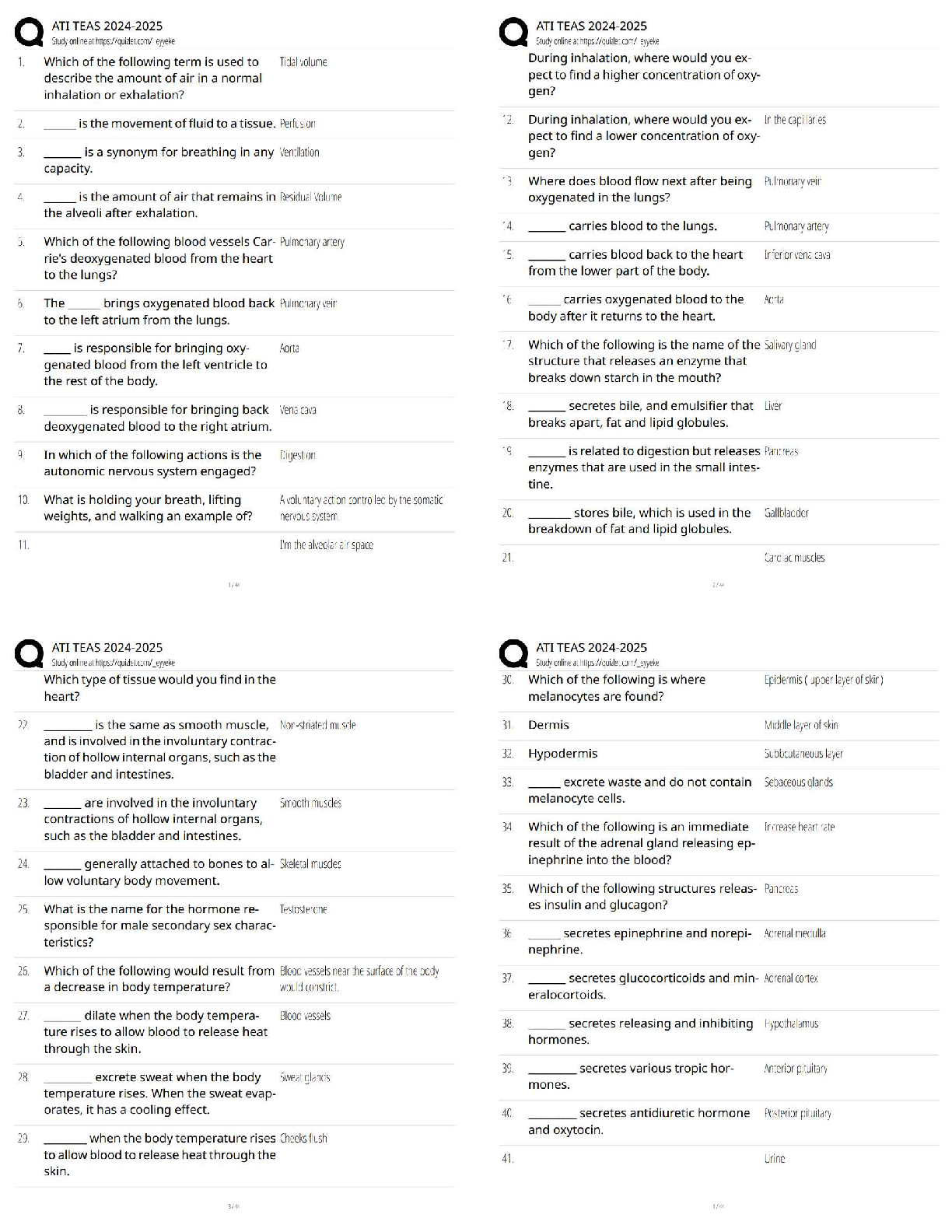
Ace The ATI TEAS 7 Exam On Your First Try. Access Hundreds Of Practice Questions, Det...