
NR 601 Final Exam Study Guide Nursing Questions

Study guide

NR 601 Comprehensive Final Exam Study Guide: Geriatric Nursing Practice And Clinical Assessments


Master NR 601 Final Exam Concepts With Verified Study Guides Covering Mini-cog, Delirium Causes, Diabetes Criteria, And Urinary Incontinence.
Description

Secure comprehensive exam readiness for the NR 601 course through a targeted review of geriatric nursing clinical assessments. This resource consolidates essential psychometric tools like the Mini-Cog alongside critical diagnostic criteria for conditions such as diabetes mellitus. Learners will gain precise insights into pathophysiological changes affecting elderly patients, including delirium etiology and urinary incontinence risk factors. The material supports efficient revision by focusing on high-yield topics required to demonstrate clinical competence and accurate patient care planning.
PDF Sample
1 / 1
NR 601 Final Exam Study Guide Nursing Questions IMG-1
Who is this Document for ?

This document is designed for nursing students preparing for the NR 601 comprehensive final examination. It serves as a revision aid for candidates requiring concise summaries of geriatric assessment tools and clinical management strategies. Tutors may also utilise these practice questions to gauge student understanding of complex elderly care concepts.
What you will learn ?
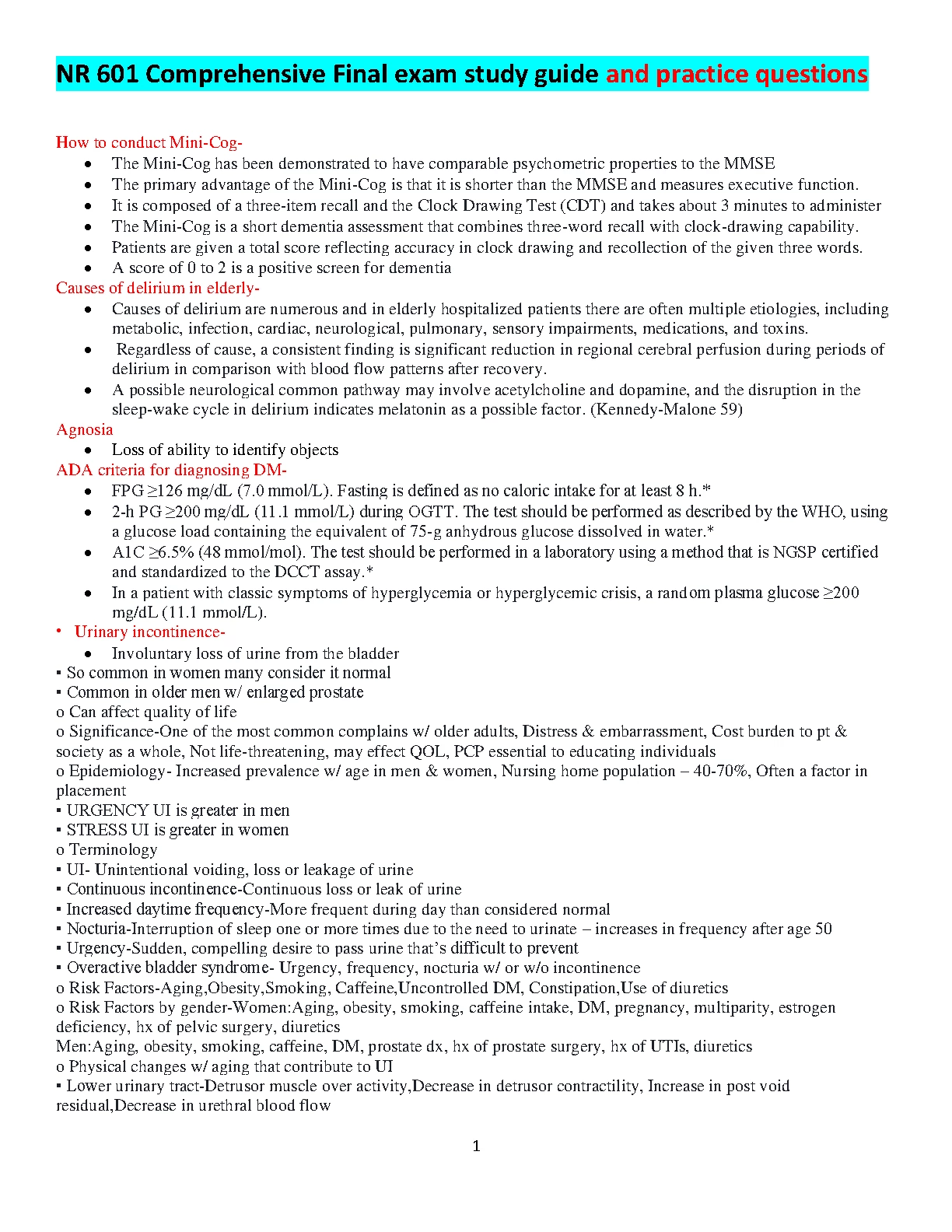
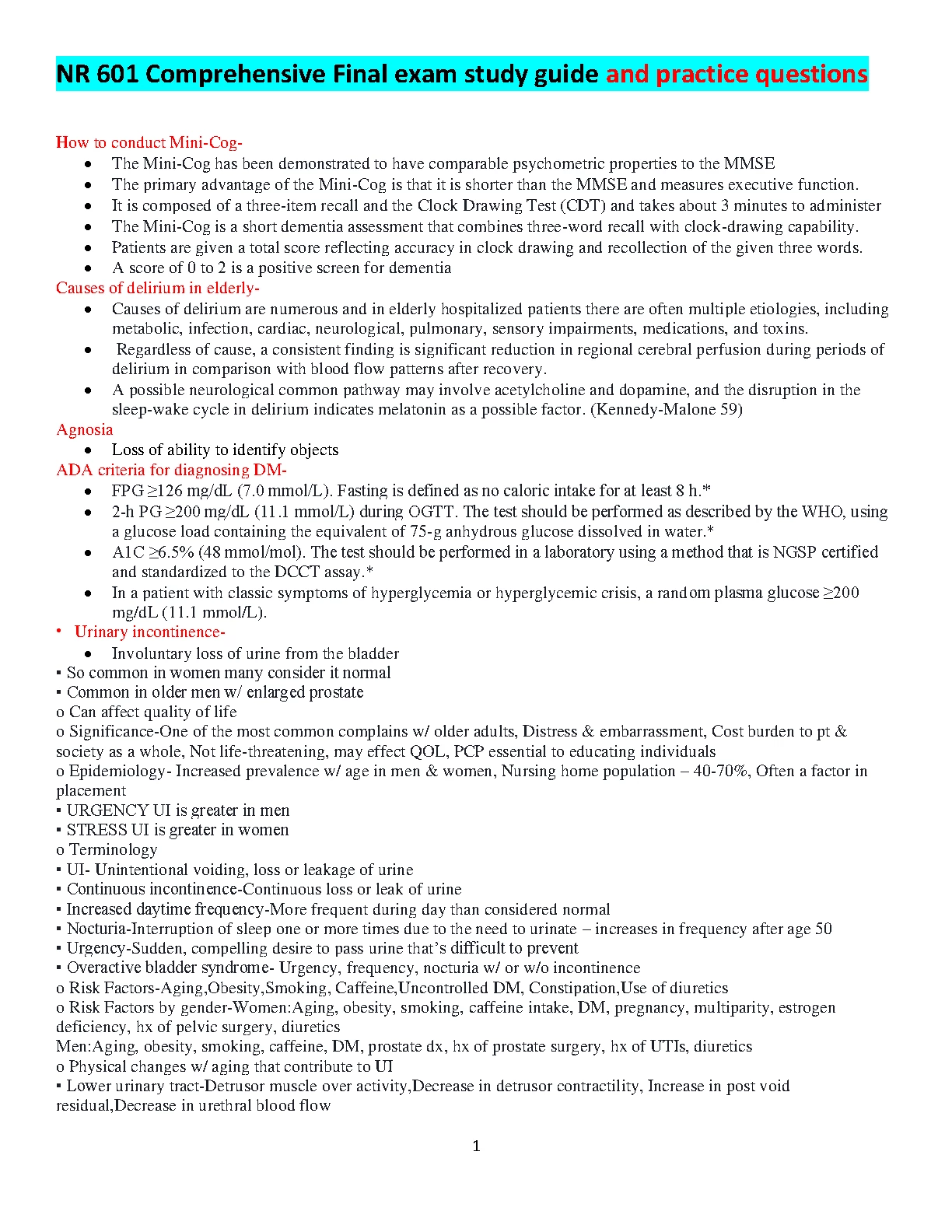
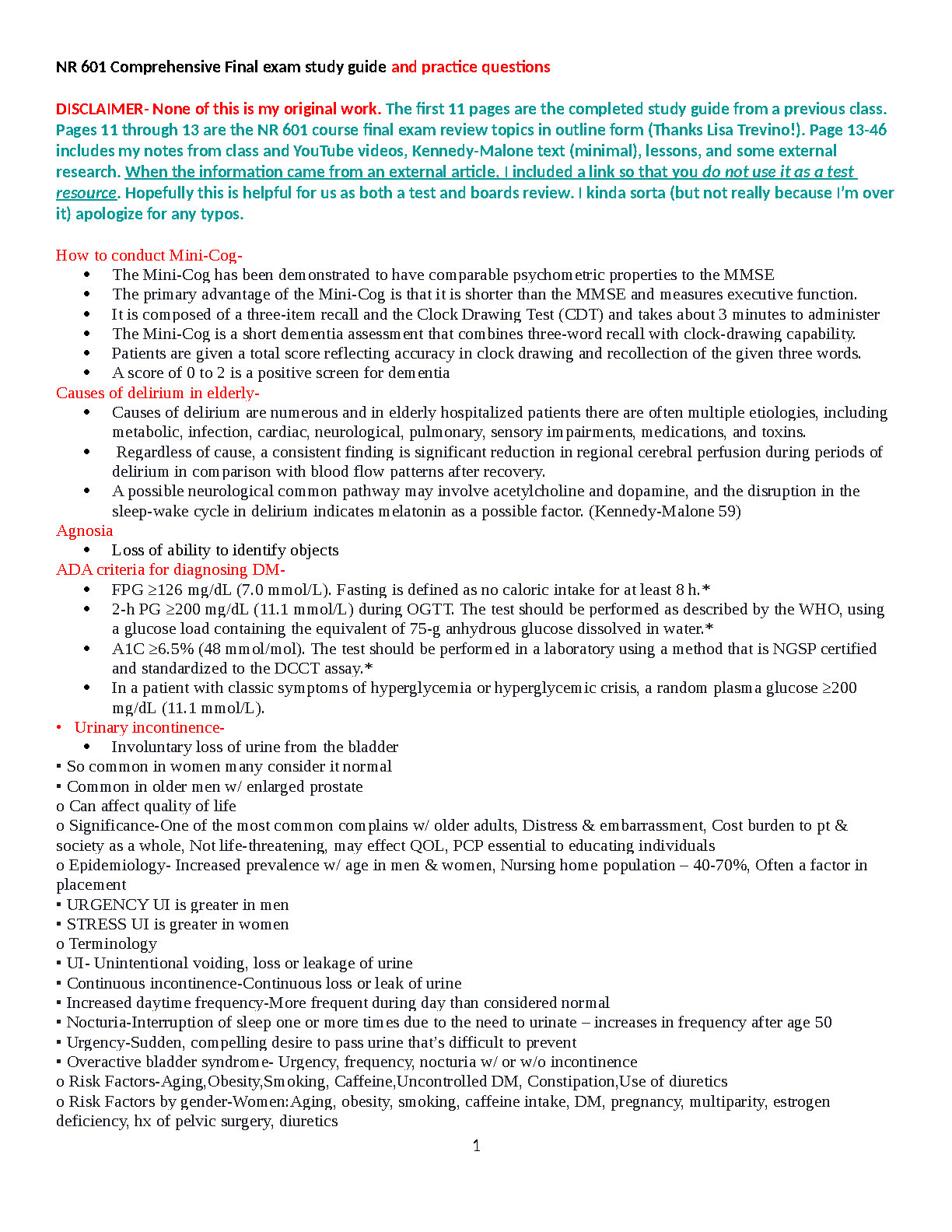
Apply the Mini-Cog dementia screening tool by recognising its three-item recall structure, clock-drawing test components, and interpreting scores where 0 to 2 indicates a positive screen for dementia.
Identify multiple etiologies of delirium in elderly hospitalized patients, including metabolic, infectious, neurological causes, and understanding the role of acetylcholine, dopamine, and melatonin in sleep-wake cycle disruption.
Diagnose diabetes mellitus using specific ADA criteria such as fasting plasma glucose levels above 126 mg/dL, two-hour post-glucose values exceeding 200 mg/dL during an OGTT, and HbA1c results at or above 6.5 percent.
Differentiate between types of urinary incontinence including stress, urgency, continuous loss, and overactive bladder syndrome while recognising that stress incontinence is more prevalent in women and urgency in men.
Analyse the epidemiology of urinary incontinence among older adults, noting increased prevalence with age, high rates in nursing home populations between 40 to 70 percent, and its impact on quality of life and placement decisions.
Evaluate risk factors for lower urinary tract dysfunction based on gender-specific physiological changes, such as detrusor muscle over-activity, decreased contractility, and increased post-void residual volumes associated with aging.
You may also be interested in :
Recommendations for you
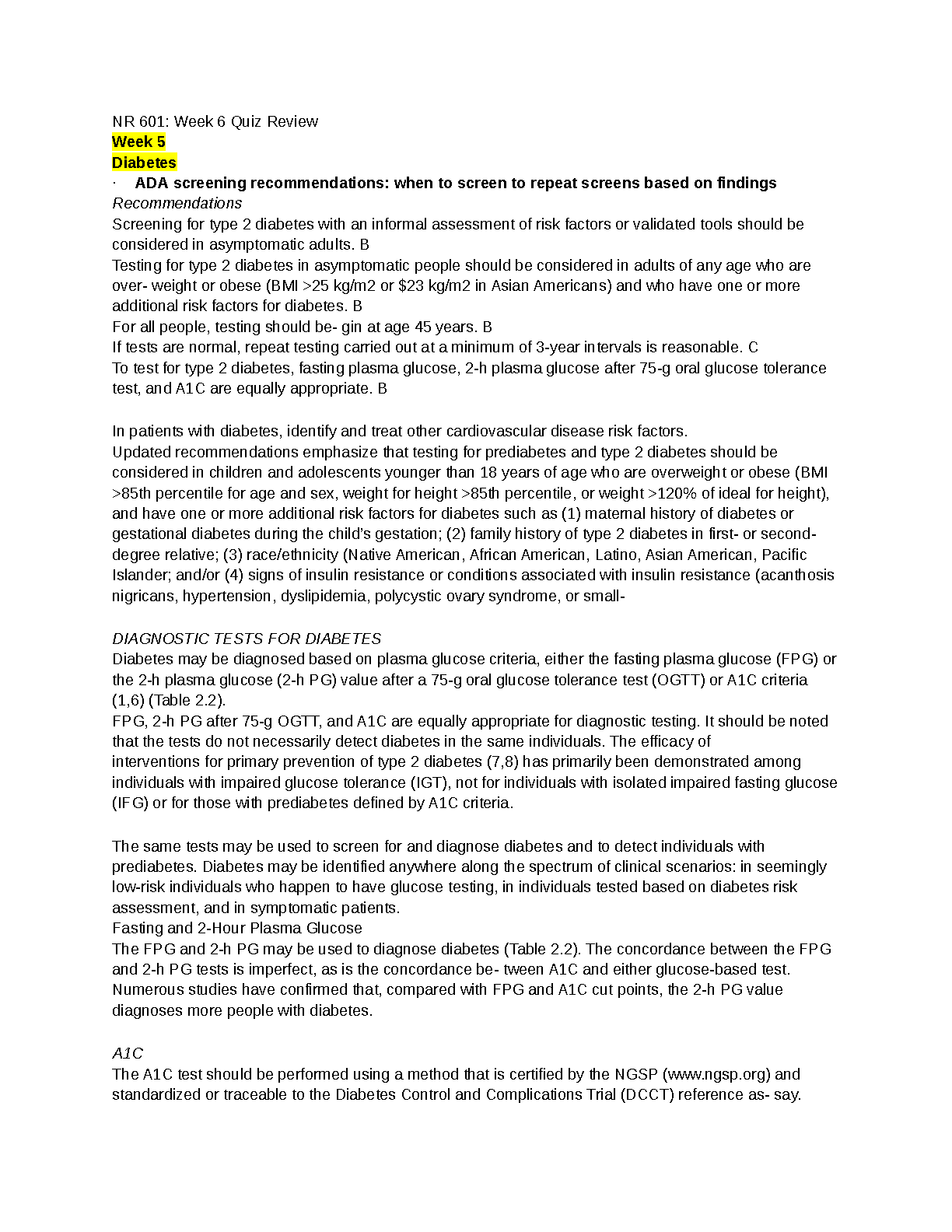
NR 601 Week 6 Quiz Review: Diabetes Screening, ADA Recommendations & Diagnostic Tests Study Guide
NR 601 Week 6 Quiz Review: Diabetes Screening, Ada Recommend...

Master NR 601 Diabetes Quiz Content With Detailed Coverage Of Ada Screening Recommend...
$16
NR 601 Comprehensive Final Exam Study Guide and Practice Questions with Solutions A+ Rated
NR 601 Comprehensive Final Exam Study Guide And Practice Que...

Master NR 601 Nursing Concepts Including Mini-cog, Delirium Causes, DM Criteria, And...
$16
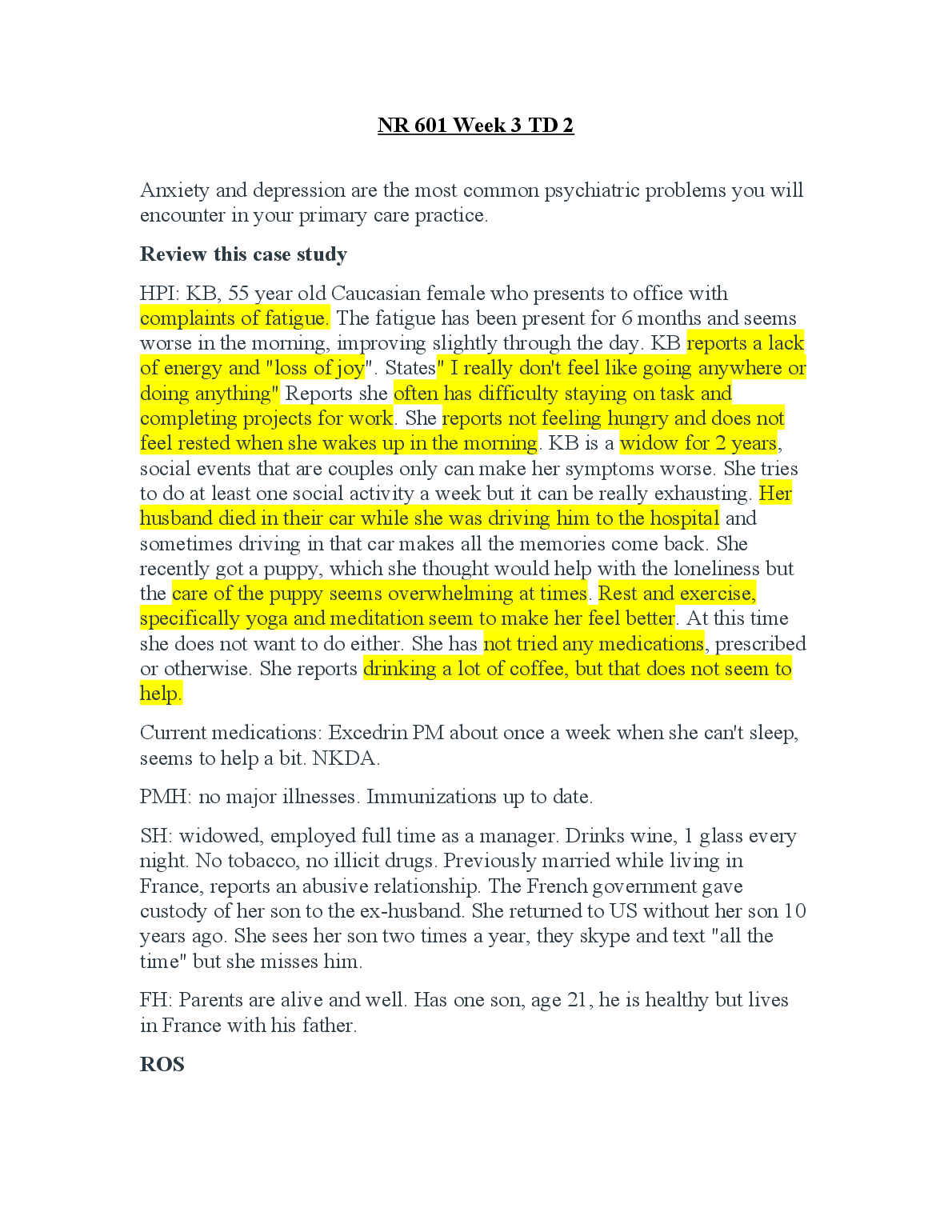
NR 601 Week 3 TD 2 Study Guide for 2023/2024: Mental Health Nursing Case Analysis and Assessment Strategies
NR 601 Week 3 Td 2 Study Guide For 2023/2024: Mental Health...

Master NR 601 Mental Health Nursing Concepts With This Week 3 Study Guide, Featuring...
$16
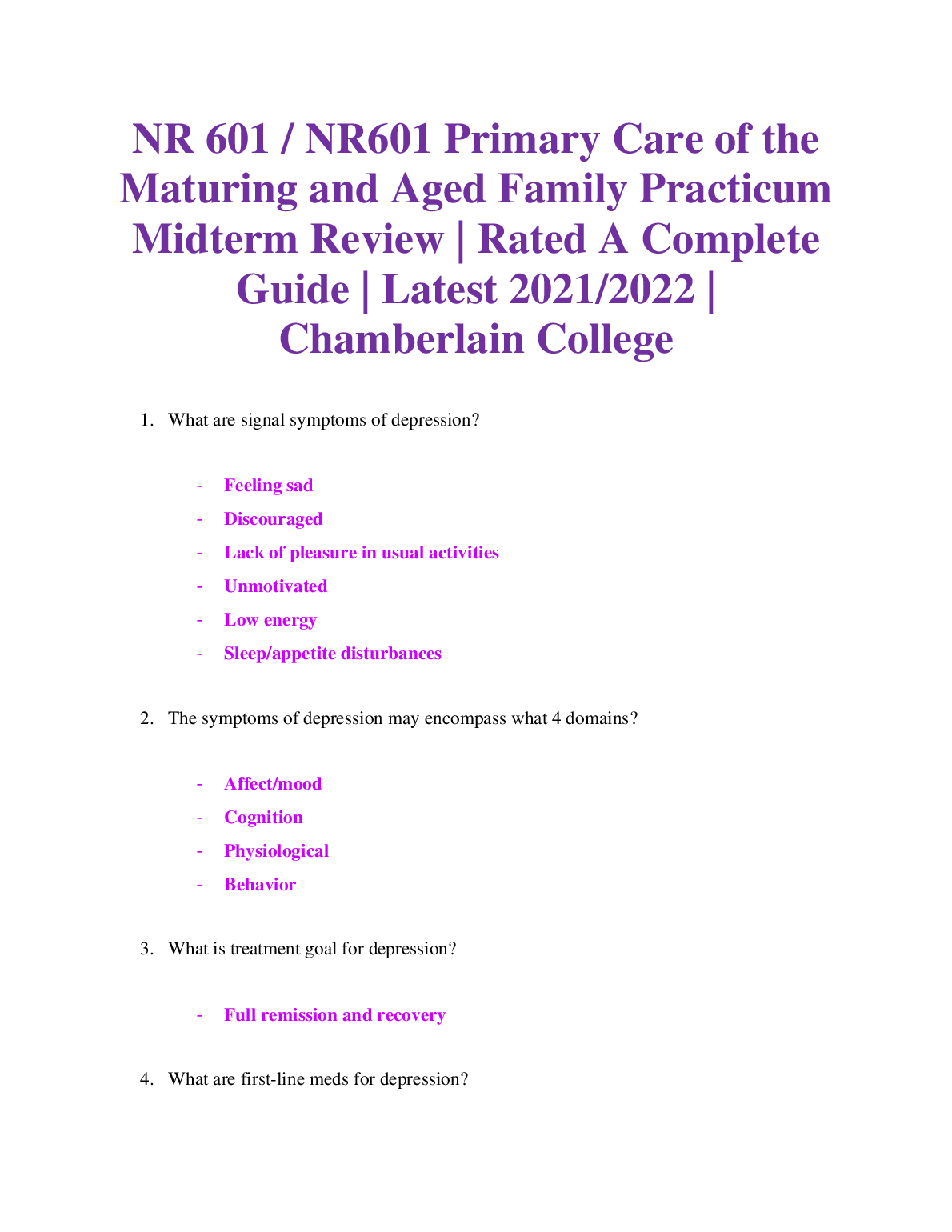
NR601 Primary Care of the Maturing and Aged Family Practicum Midterm Review 2023/2024 Questions Answers Study Guide
Nr601 Primary Care Of The Maturing And Aged Family Practicum...

Master Nr601 Primary Care Of The Maturing And Aged Family Practicum With Key Depressi...

$16