
Test bank
Intermediate Microeconomics: A Modern Approach 9th Edition
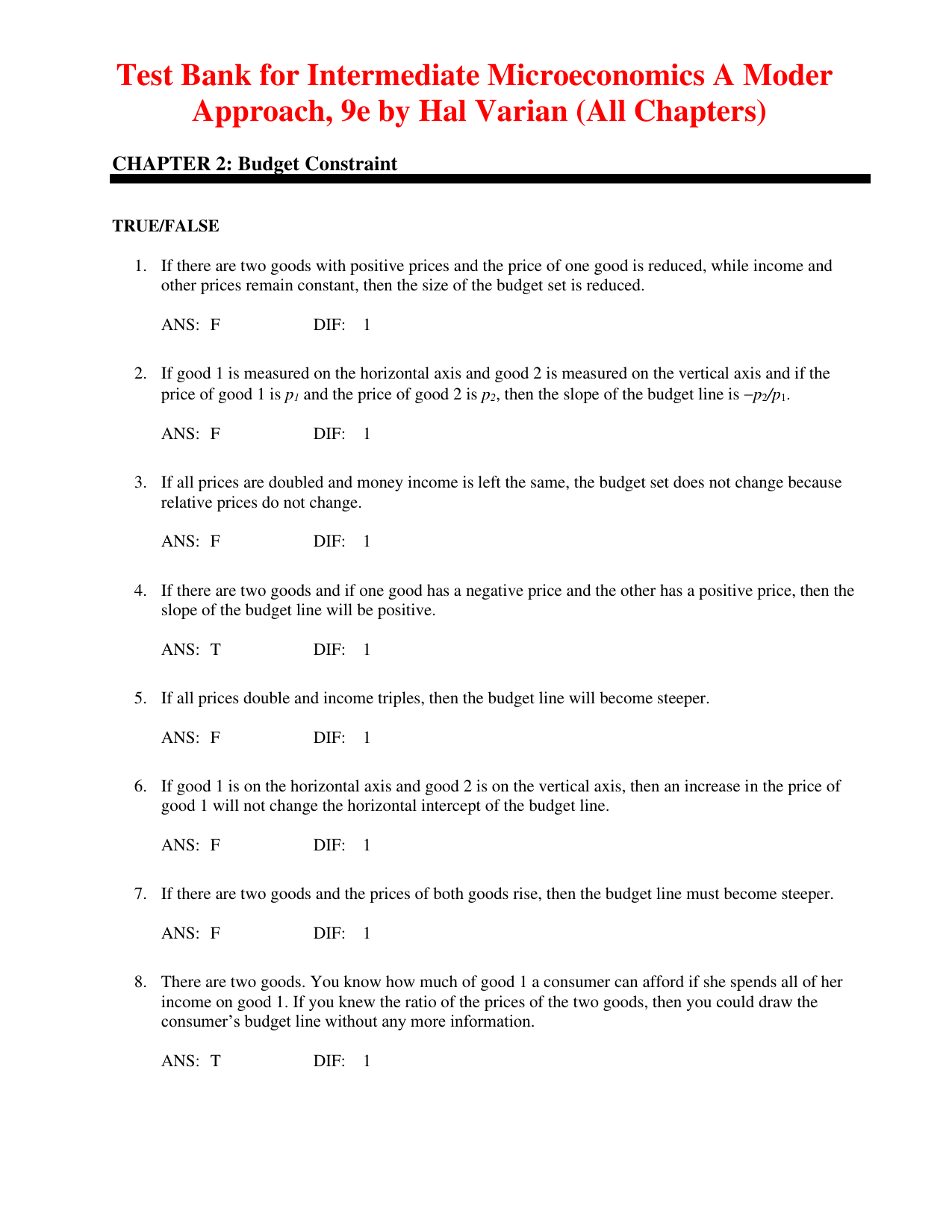
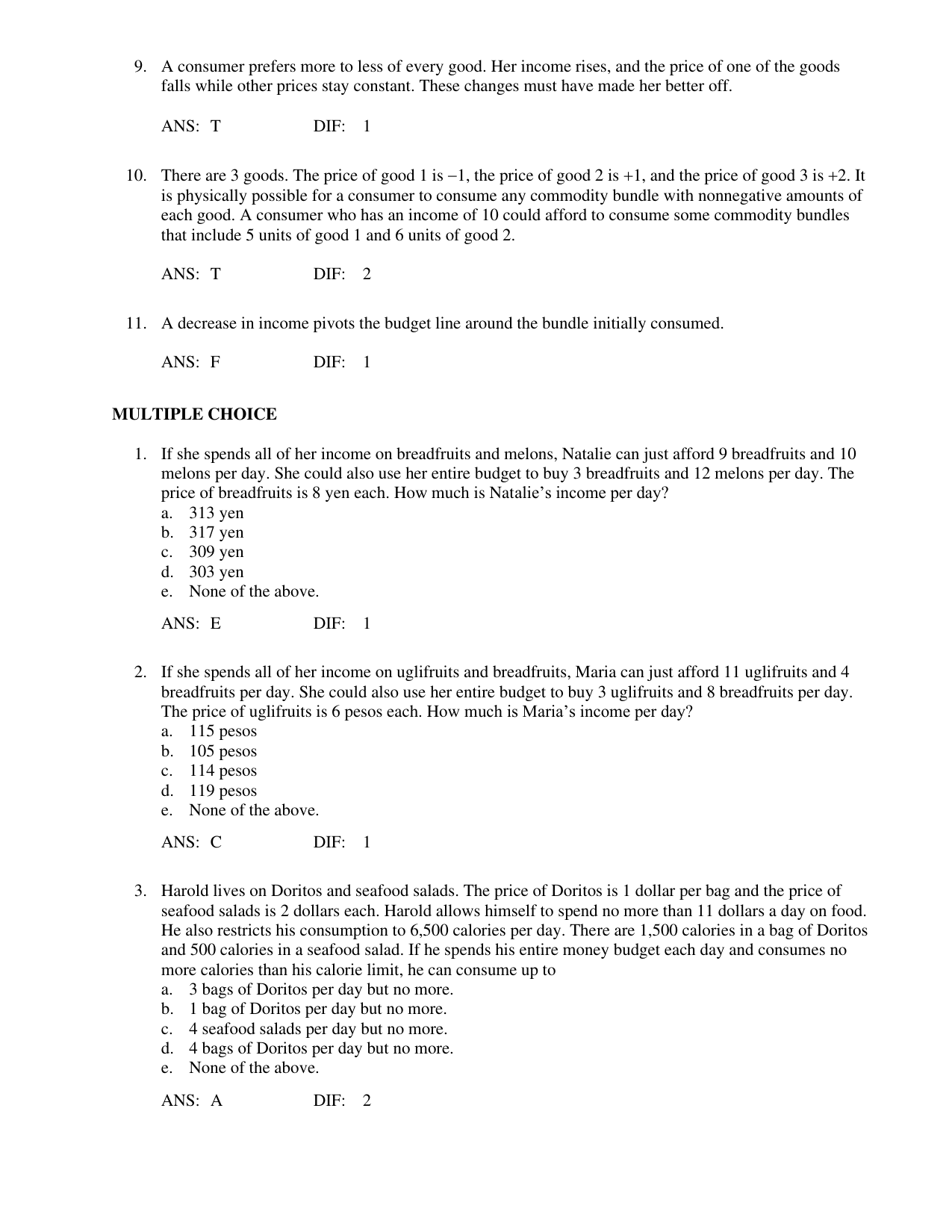
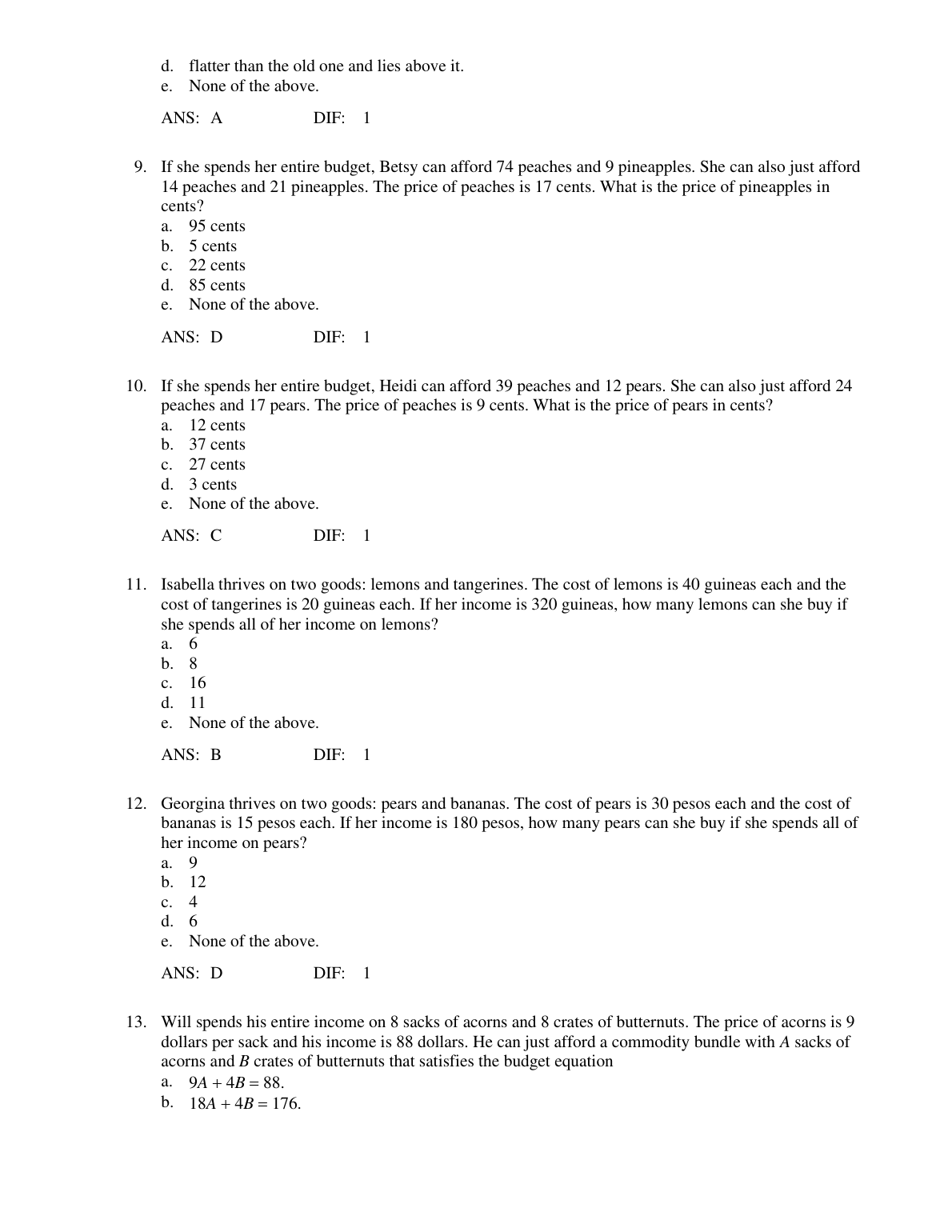
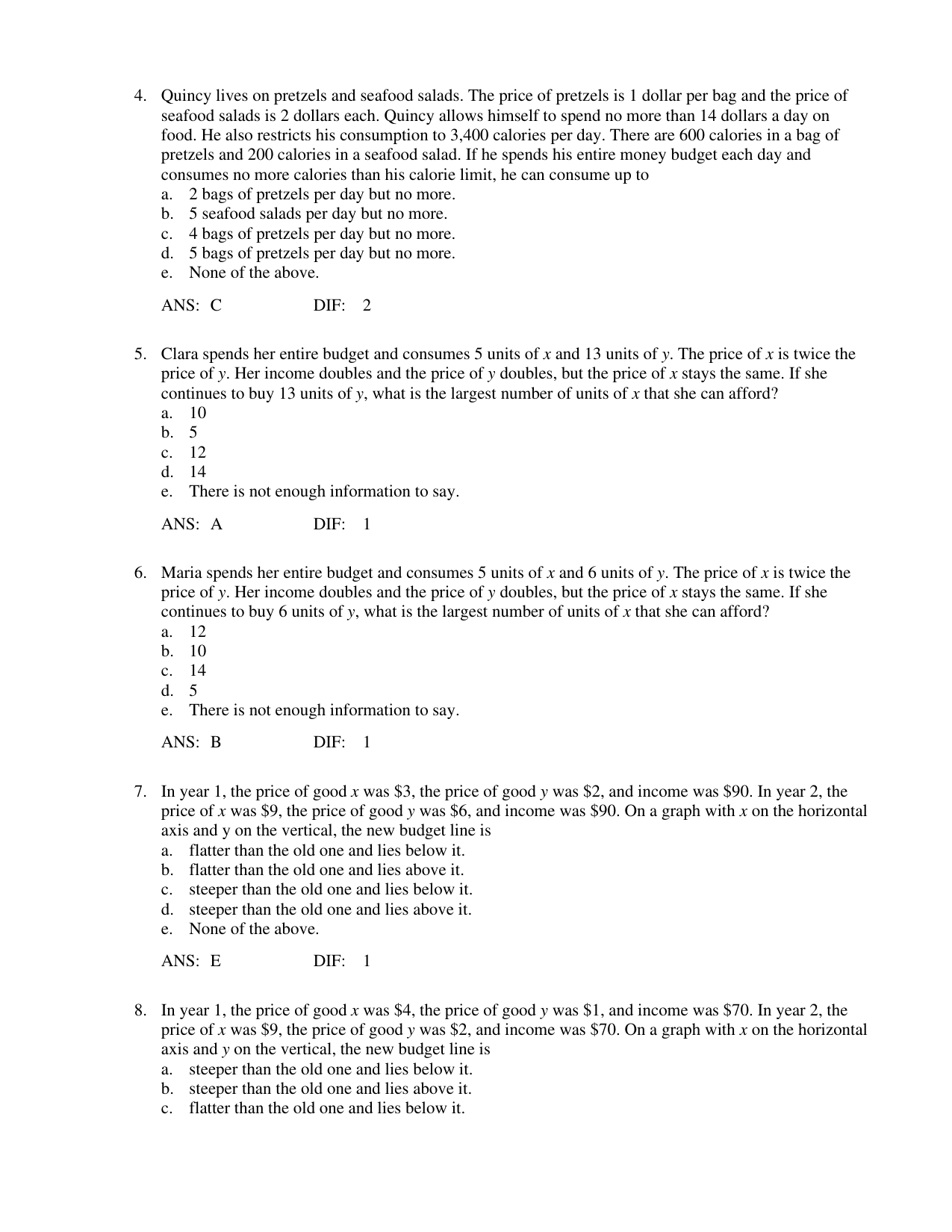
Test Bank for Intermediate Microeconomics: A Modern Approach (9th Edition) by Hal R. Varian is a comprehensive instructor resource designed to support the teaching and assessment of intermediate-level microeconomic theory. It provides structured assessment materials that align with the textbook’s analytical approach, helping educators evaluate students’ understanding of consumer behavior, producer decisions, market structures, and economic efficiency.
Organized by textbook chapters, the resource covers the core principles of modern microeconomic analysis, emphasizing mathematical reasoning, graphical interpretation, and real-world applications. It helps students develop the ability to analyze how individuals, firms, and markets make decisions under conditions of scarcity, incentives, and constraints.
The resource addresses major topics in intermediate microeconomics, including:
* Consumer preferences and utility maximization
* Budget constraints and consumer choice
* Demand functions and comparative statics
* Income and substitution effects
* Revealed preference theory
* Production functions and technological constraints
* Cost minimization and profit maximization
* Supply decisions and firm behavior
* Competitive markets and market equilibrium
* Monopoly and price discrimination
* Oligopoly and strategic decision-making
* Game theory and Nash equilibrium
* Factor markets and labor demand
* Market failures and externalities
* Public goods and government intervention
* Welfare economics and efficiency analysis
* General equilibrium theory
* Uncertainty, risk, and expected utility
* Information economics and asymmetric information
The test bank emphasizes analytical problem-solving by requiring learners to interpret economic models, analyze changes in market conditions, evaluate consumer and producer decisions, and apply microeconomic principles to practical economic situations. It reinforces the use of graphs, equations, and economic reasoning to explain market outcomes.
Assessment materials typically include a variety of question formats, such as:
* Multiple-choice questions
* True/False questions
* Conceptual analysis questions
* Graph interpretation questions
* Quantitative problem-solving exercises
* Application-based microeconomic scenarios
* Critical-thinking questions
Additional instructional features commonly include:
* Chapter-by-chapter organization aligned with the textbook
* Answer keys
* Questions ranging from fundamental concepts to advanced microeconomic applications
* Practice with economic models, mathematical analysis, and decision-making frameworks
* Support for quizzes, examinations, assignments, and classroom discussions
This resource is intended for instructors and students studying intermediate microeconomics, economics, business, finance, public policy, and related disciplines. It supports learners in developing analytical skills, quantitative reasoning, and a deeper understanding of how consumers, firms, and markets function in modern economies.
Economics students, instructors, and exam preparation users.
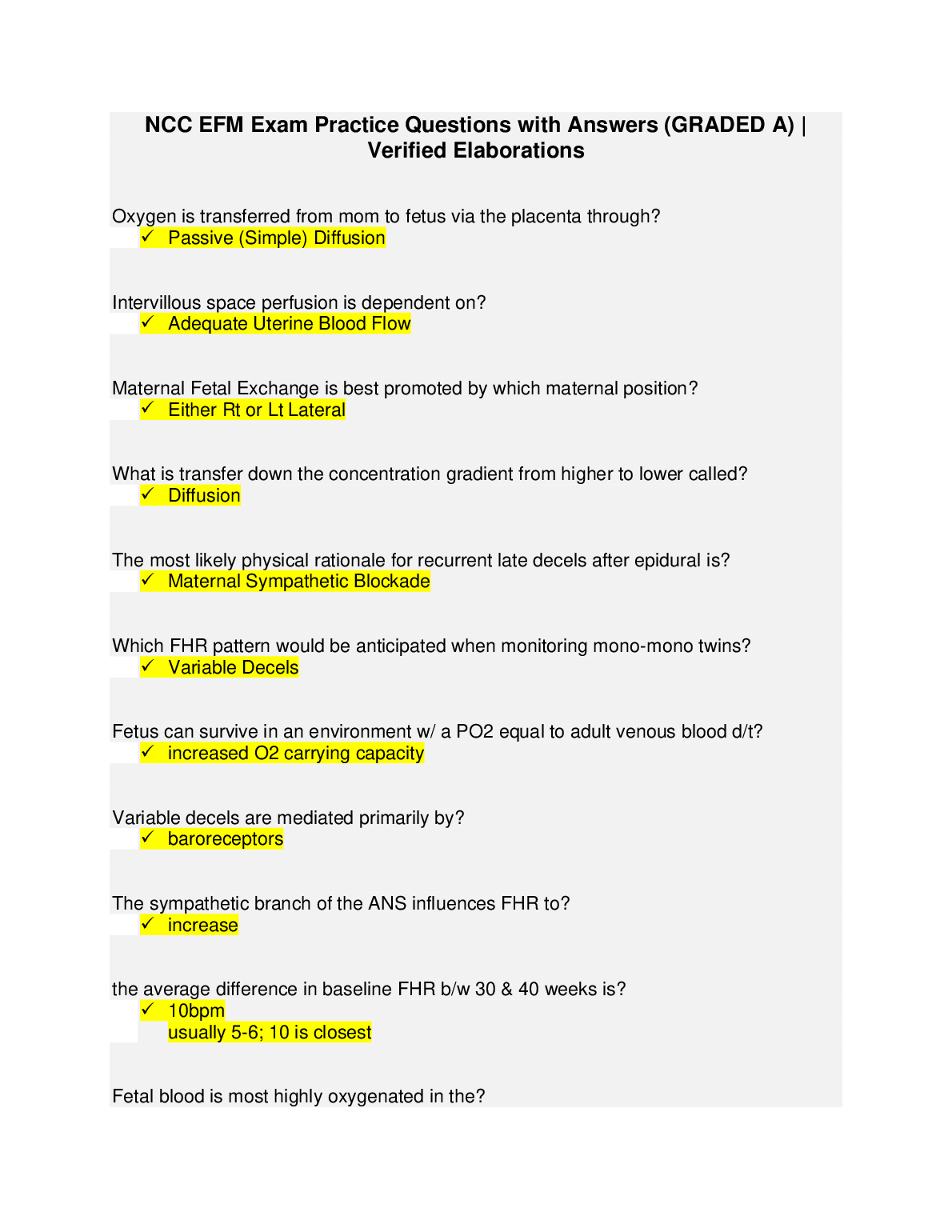
Master Ncc Efm Exams With Graded Practice Questions On Fetal Heart Rate Monitoring, V...
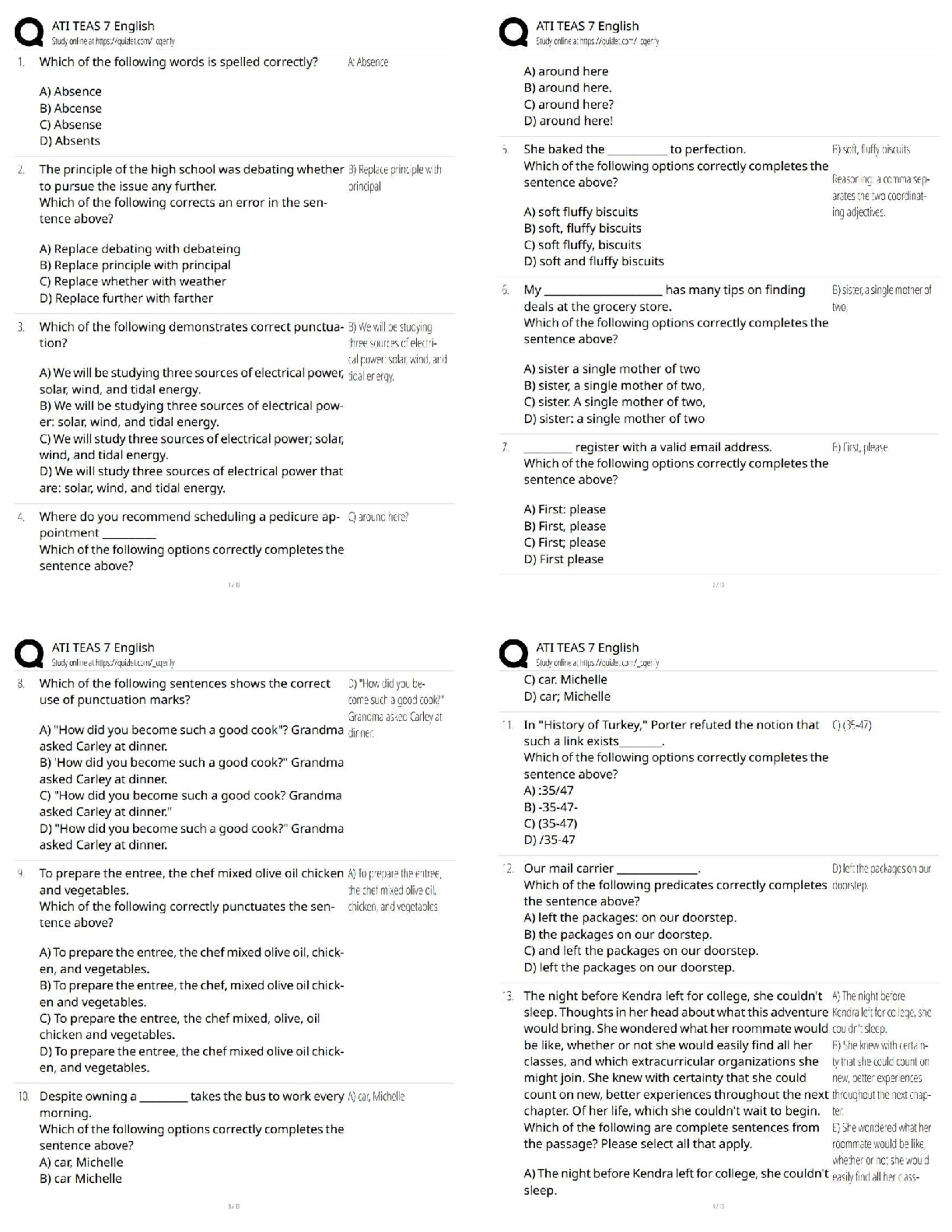
Master The ATI TEAS 7 English Section With This Verified Test Bank. Improve Grammar,...
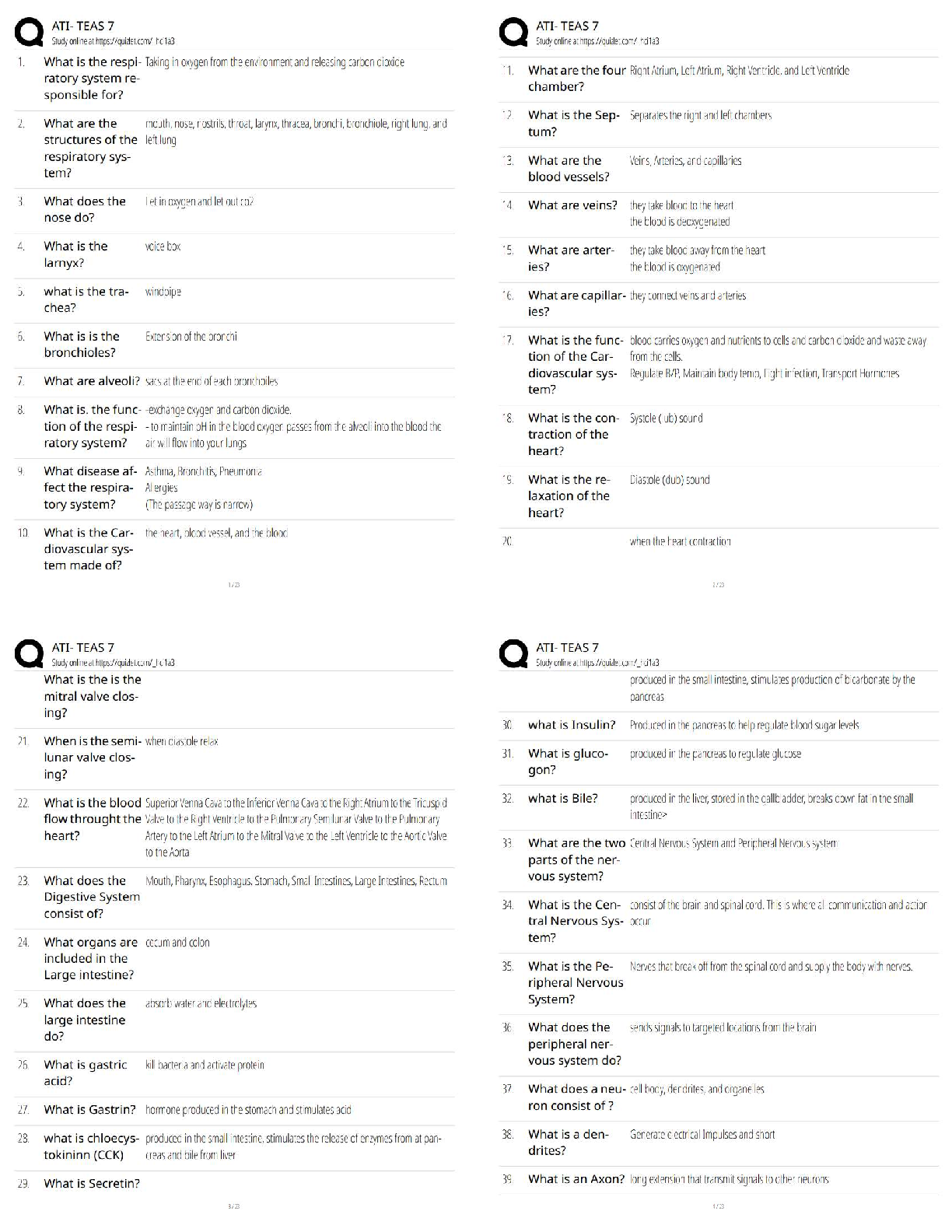
Master ATI TEAS 7 With Our Verified 2026 Test Bank. Covers Respiratory, Cardiovascula...
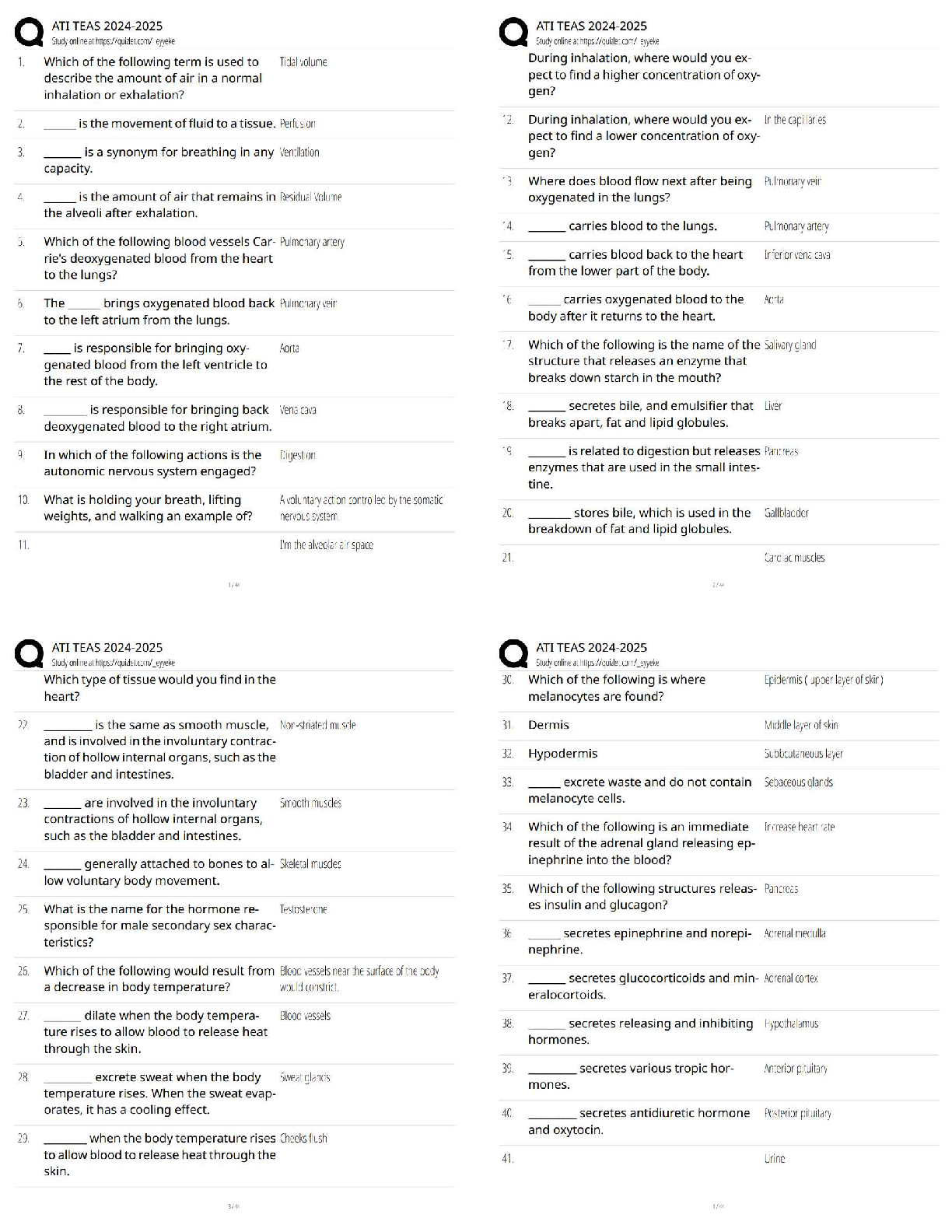
Ace The ATI TEAS 7 Exam On Your First Try. Access Hundreds Of Practice Questions, Det...